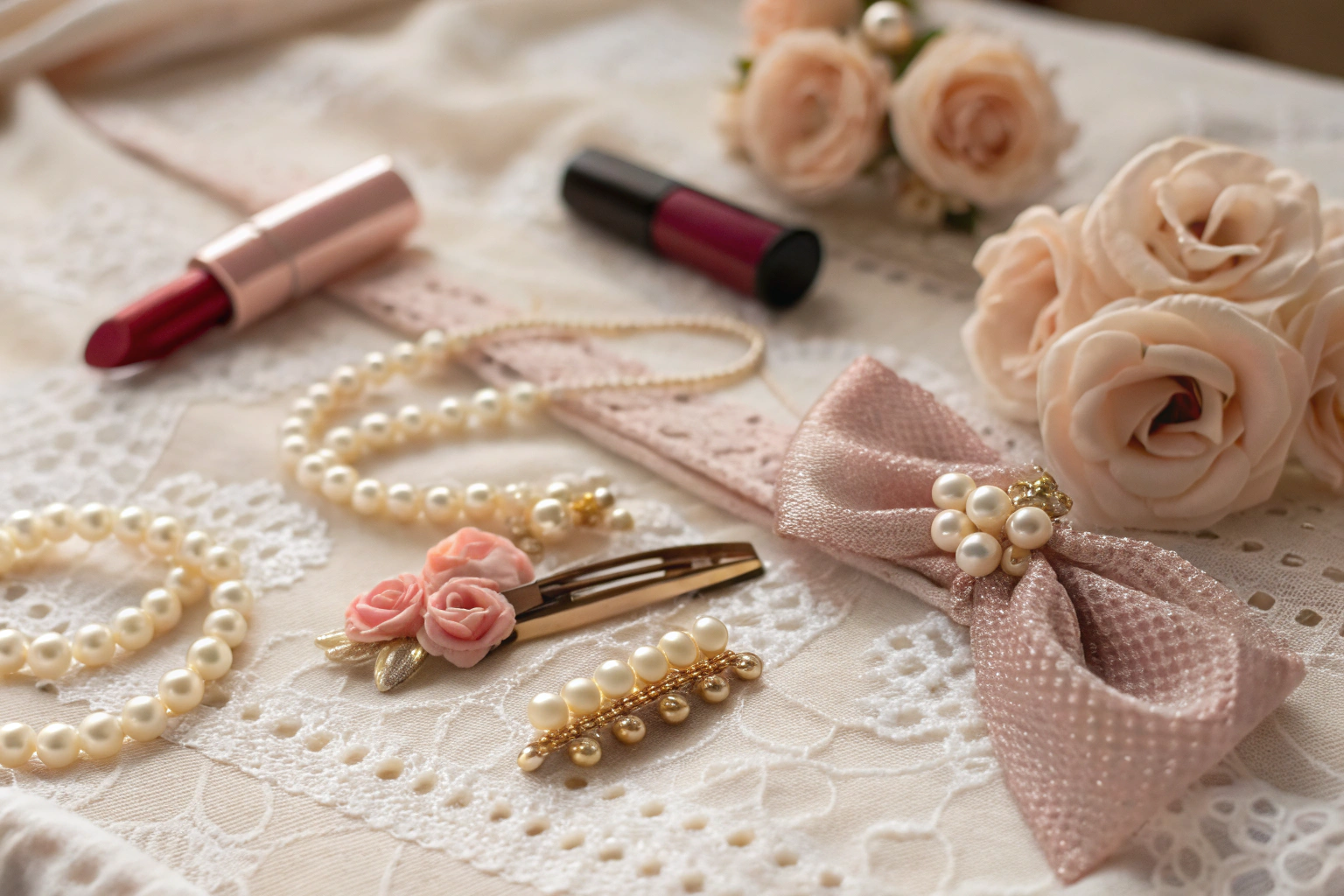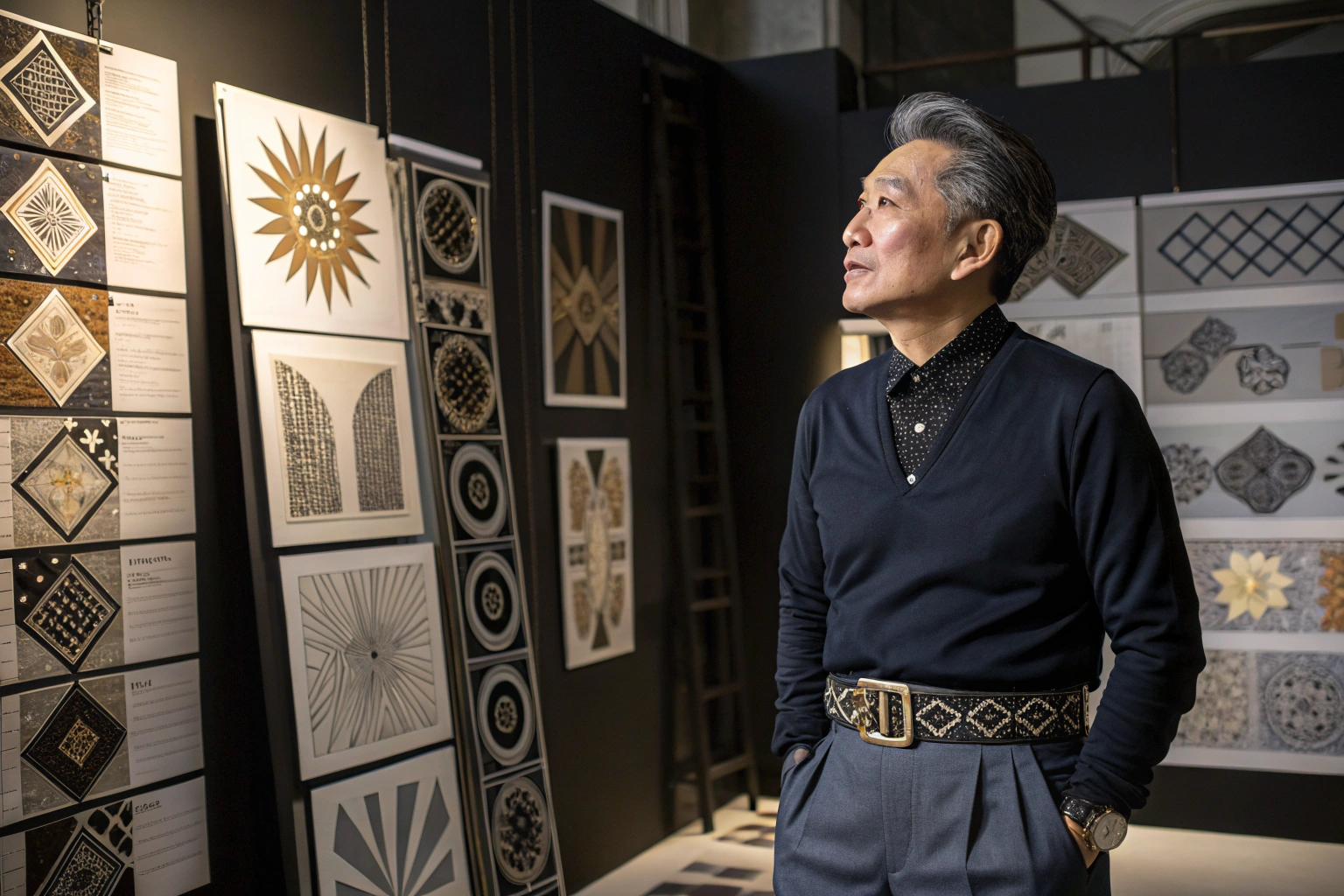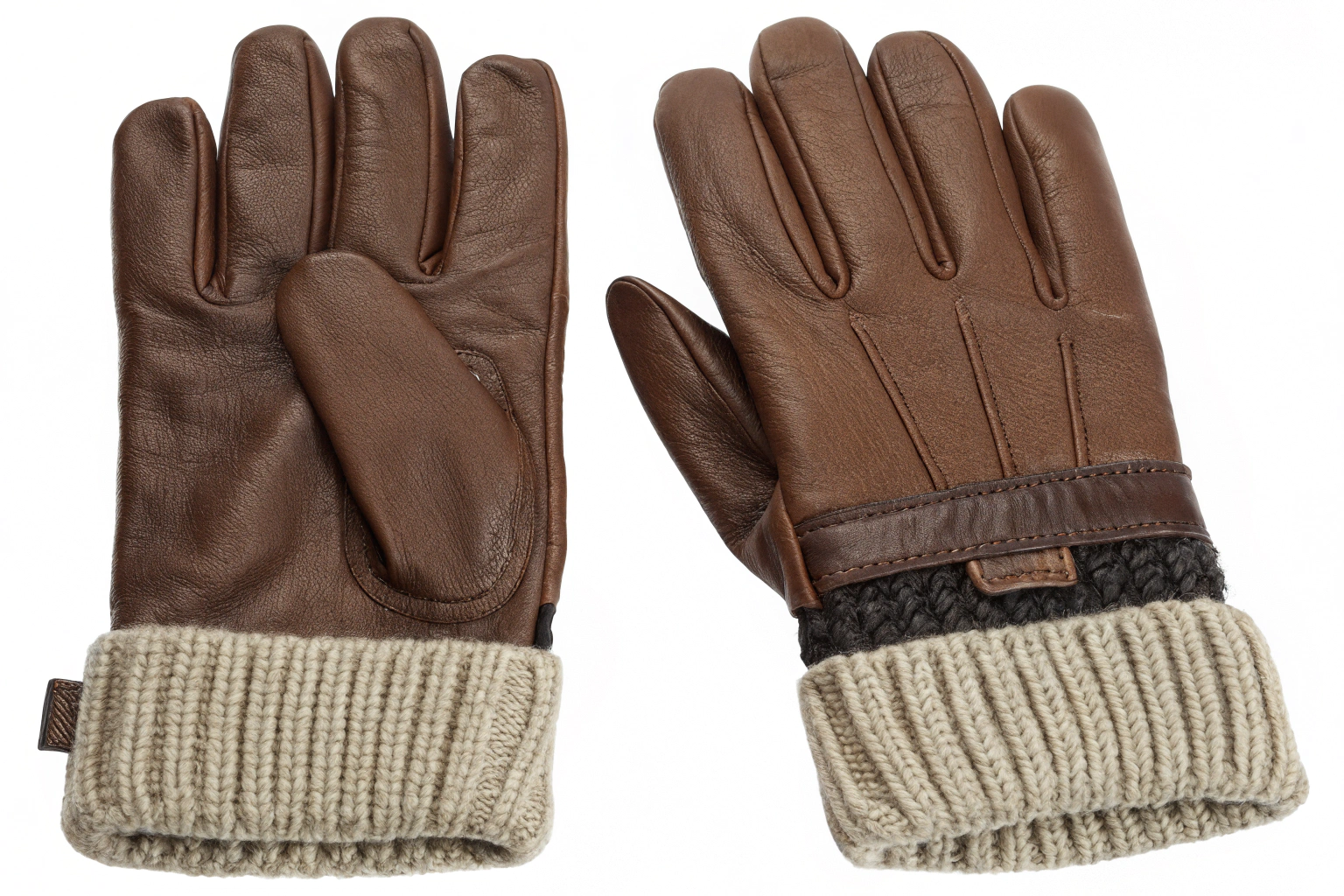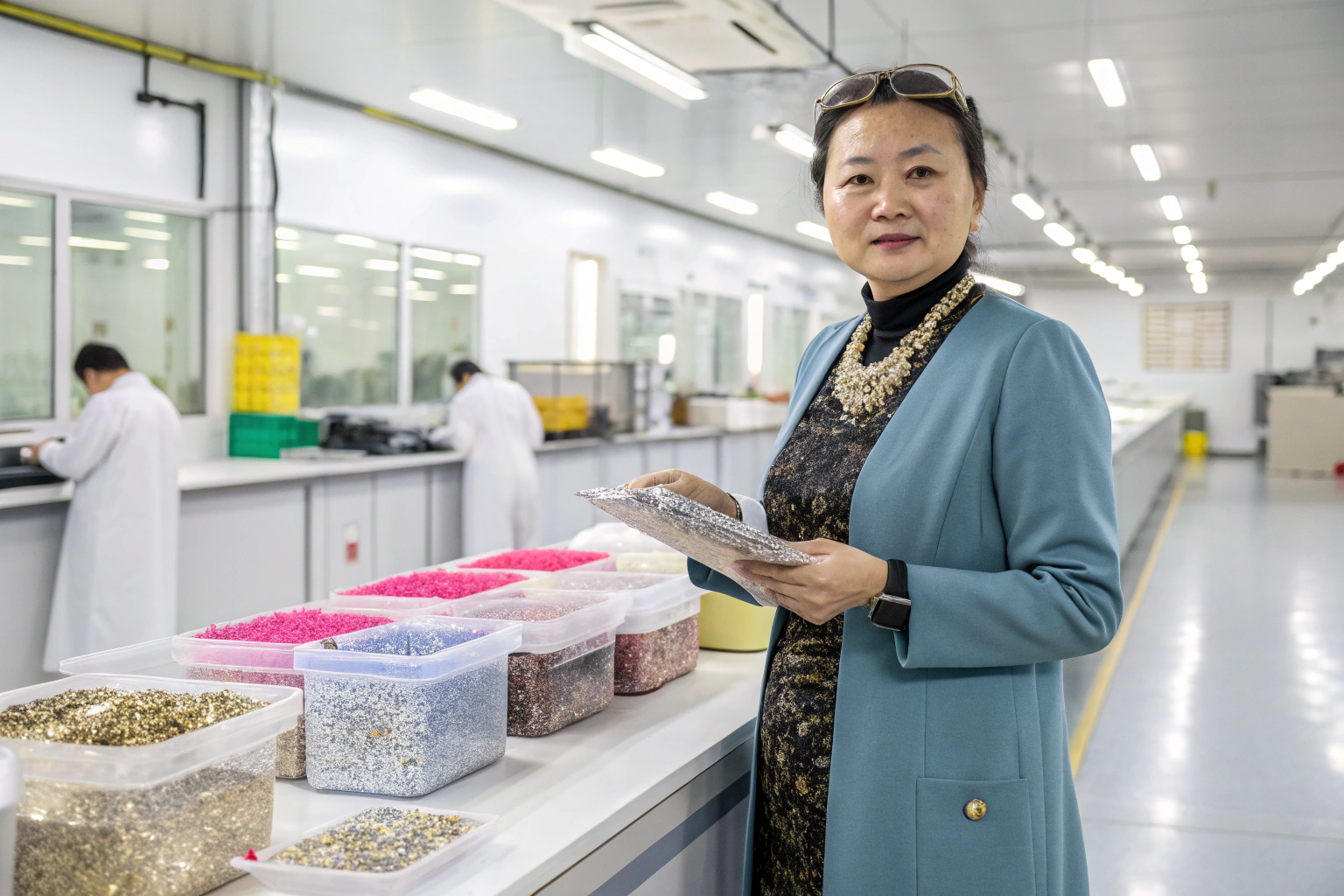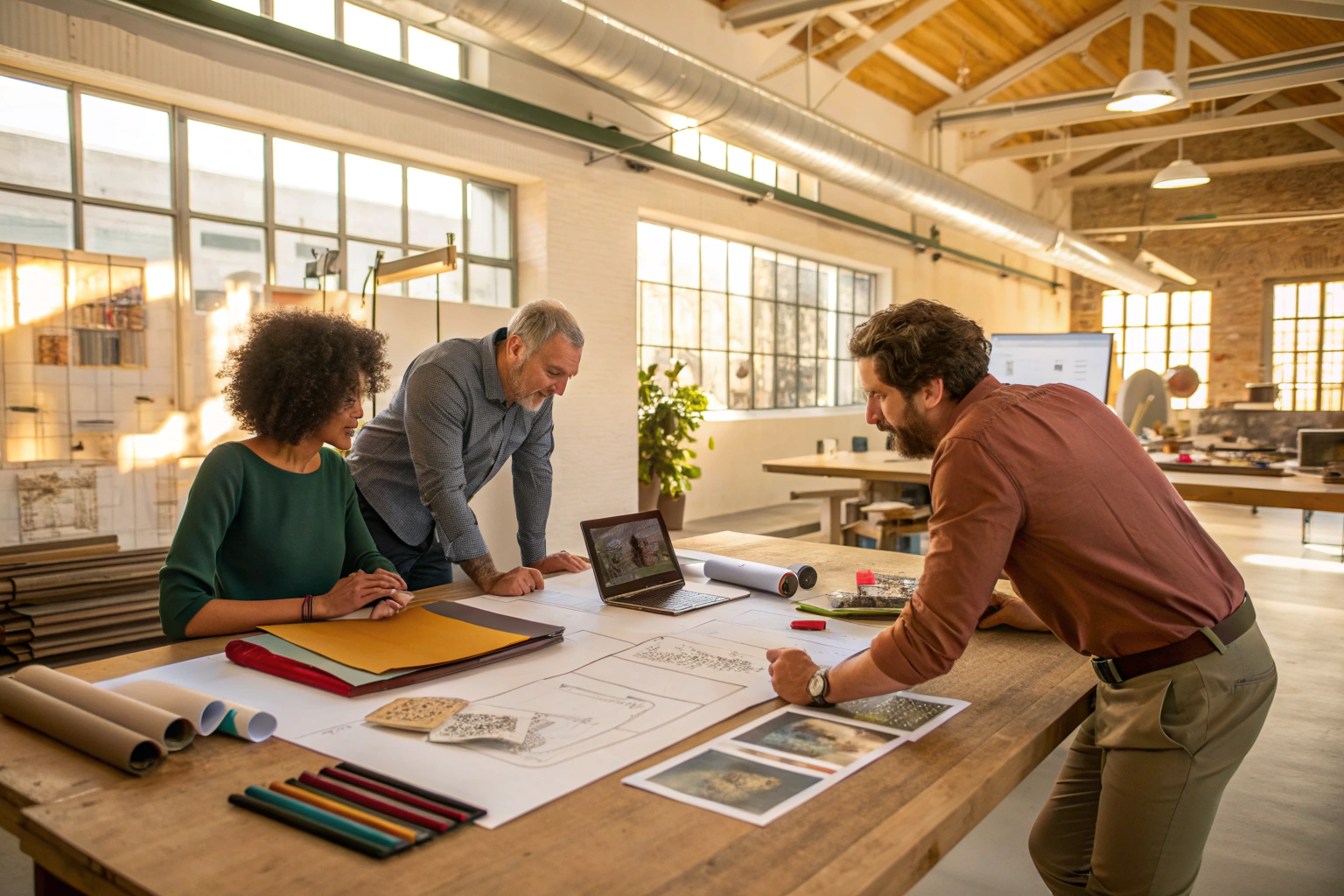
You have a brilliant idea for a new line of hair accessories or a sketch for the perfect belt, but you lack the technical expertise to turn that concept into a manufacturable product. This is the most common roadblock for emerging brands and even for established retailers looking to develop private-label collections. The traditional factory model often requires you to provide complete, production-ready specifications—a daunting task that can stall projects before they even begin.
To find a fashion accessory factory that offers design assistance, you must specifically target manufacturers with dedicated in-house design and product development teams, and vet them through their portfolio, communication process, and sample development capabilities. These factories act as creative partners, not just production facilities. At Shanghai Fumao Clothing, our integrated design team is fundamental to our service, transforming client concepts from mood boards and sketches into detailed technical packages and viable samples.
A factory with true design assistance bridges the gap between your vision and the factory floor. They help with material selection, trend adaptation, structural engineering, and cost optimization from the very first sketch. This partnership is invaluable for navigating the complexities of manufacturing accessories like complex headbands, multi-material belts, or structured bags. Let's explore the systematic approach to finding and securing such a collaborative manufacturing partner.
What Does "Design Assistance" Really Mean in Manufacturing?
The term "design assistance" can be vague and is often overused. To avoid disappointment, you must understand the specific services a capable factory should provide under this umbrella. True design assistance is a proactive, creative, and technical partnership that adds value throughout the development cycle.
In manufacturing, "design assistance" encompasses a range of services from conceptualization and material sourcing to technical drawing creation and prototyping. It means the factory has the skilled personnel and internal processes to take an incomplete idea and develop it into a product that is both beautiful and feasible to produce at your target cost and quality level.
Core services should include:
- Concept Development: Working from your inspiration (images, sketches, descriptions) to create cohesive product concepts and lines.
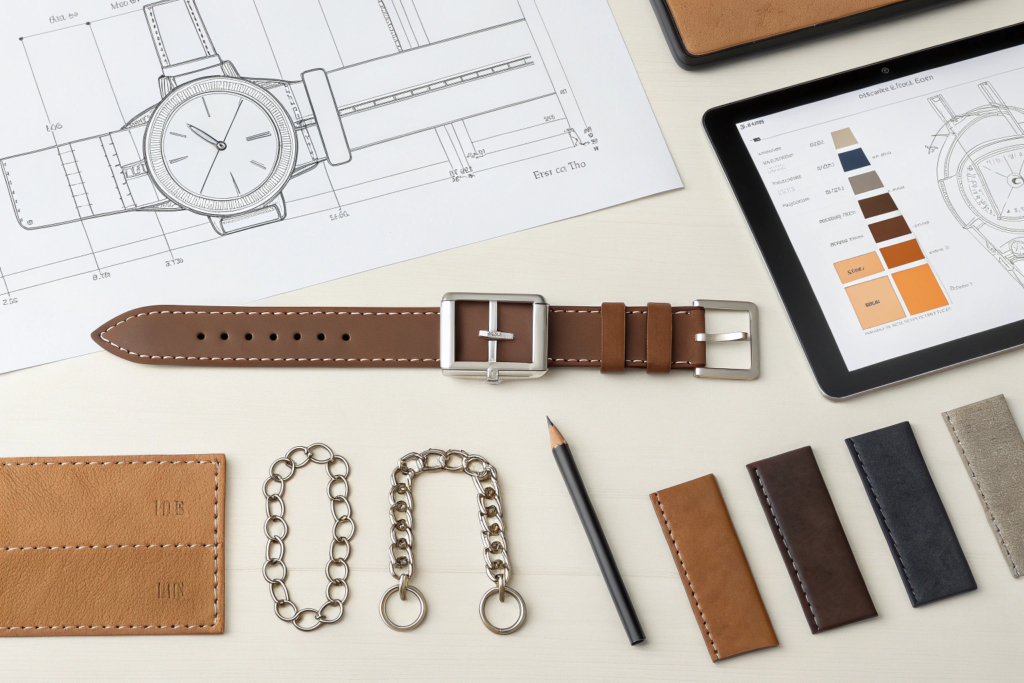
- Technical Flats & Spec Sheets: Transforming concepts into precise, annotated technical drawings that specify every measurement, stitch type, and component placement.
- Material Sourcing & Recommendations: Advising on the best fabrics, metals, findings, and trims based on durability, cost, trend, and minimum order quantity (MOQ) availability. They should provide physical fabric swatches and component samples.
- Sample Making & Iteration: Creating physical prototypes (from preliminary "proto samples" to pre-production samples) and refining them based on your feedback.
- Cost Engineering: Suggesting design modifications that maintain aesthetics but simplify production to reduce cost and improve production efficiency.
How Does In-House Design Differ from Outsourced Design?
This is a critical distinction. Some factories claim to offer design but merely outsource it to a third party, adding layers of communication and potential for misalignment. An in-house design team is employed directly by the factory. They work alongside production managers and quality control teams daily. This integration is powerful—the designer understands the factory's machinery capabilities and the production manager understands the design intent. It leads to fewer errors, faster turnaround, and more innovative solutions to production challenges. When vetting a factory, ask to meet the design team and see their workspace.
What Deliverables Should You Expect?
A professional design-assisted factory will provide tangible outputs at each stage. Expect to receive:
- Digital Mood Boards & Concept Sketches
- Detailed Technical Drawings (CADs) in a standard format like .ai or .pdf
- Physical Material Kits with swatches and component options
- 3D Renders (for certain products) to visualize the item before sampling
- Progressive Physical Samples (Proto sample, fit sample, pre-production sample) each with clear feedback requests. This structured deliverable process, like the one we follow at Shanghai Fumao Clothing, ensures transparency and alignment at every step.
Where to Find Factories with Strong Design Capabilities?
Not all factories are created equal. Mass-production facilities focused on simple, high-volume orders may not have design resources. You need to target manufacturers that explicitly market themselves as partners for brands and retailers seeking development support. The search channels differ slightly from finding a basic supplier.
Target factories that specialize in OEM (Original Equipment Manufacturing) and ODM (Original Design Manufacturing) services, particularly those promoting "full-package" or "turnkey" solutions. Key channels include specialized B2B platforms, industry trade shows with a design focus, and referrals from design professionals or sourcing agents in the fashion industry.
- OEM/ODM Platforms: On sites like Alibaba, use filters for "ODM Service" and "Design Service." Look for suppliers whose profiles highlight "R&D Team," "Design Department," and show galleries of technical drawings and diverse samples, not just generic stock photos.
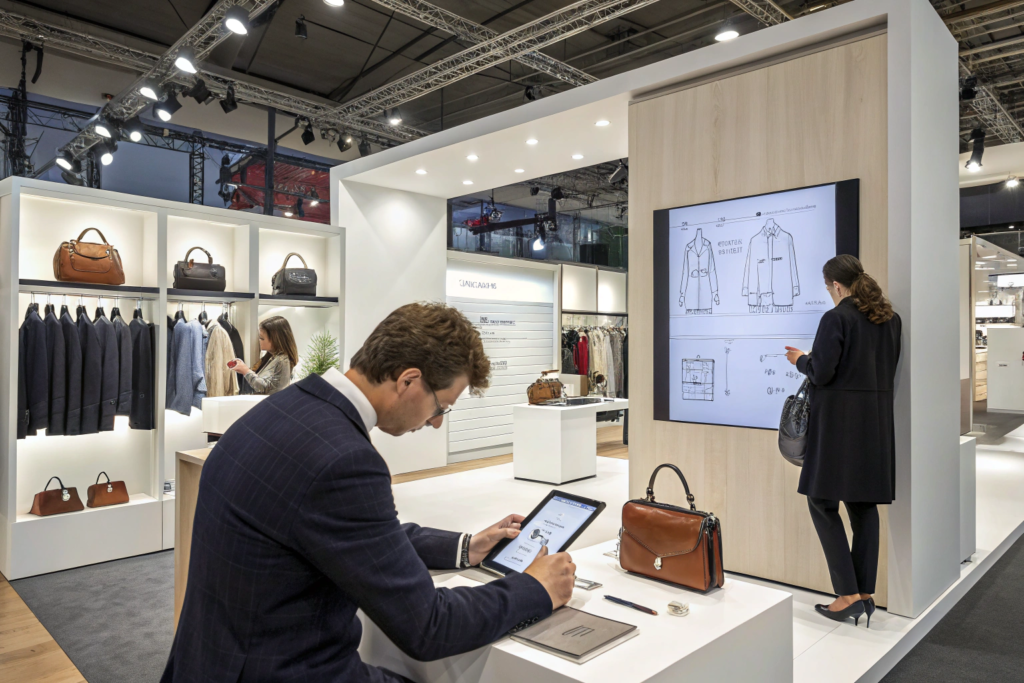
- Trade Shows: Attend premier accessories and sourcing shows like Première Vision (Paris/Shanghai) or Micam. The best factories with design services often have elaborate booths showcasing their design prowess and trend forecasting. Here, you can meet designers face-to-face.
- Professional Referrals & Agents: A seasoned sourcing agent with experience in fashion accessories will have a vetted list of design-capable factories. Similarly, asking for referrals from other brand owners in your network can lead to trusted partners.
- Direct Website Search: Use specific Google searches like "accessory factory with design team China" or "ODM hair accessories manufacturer." Analyze their website: does it have a dedicated "Services" or "Capabilities" page detailing design support? A professional online presence is a strong indicator.
How to Decode a Factory's Website and Alibaba Profile?
Look beyond the glossy images. Scrutinize their "Services" section for keywords: product development, custom design, sample making, tech pack creation. Do they show behind-the-scenes photos of a design studio or pattern-making? Check their product gallery: is there a wide variety of styles, or do all products look similar (suggesting limited design ability)? Read case studies or client testimonials that mention the design process. On Alibaba, examine their transaction history: are they supplying a variety of distinct brands, or just bulk commodity items? Variety indicates adaptive design capability.
Why Are Trade Shows Invaluable for Assessing Design Skill?
Trade shows provide a 3D portfolio review. You can touch the samples, assess the quality of construction and material choices firsthand, and immediately gauge the creativity and range of the factory's work. Most importantly, you can have a real-time conversation with their design and sales team. Present a concept or a challenge: "I want a lightweight but structured summer hat." Their immediate questions and suggestions will reveal their depth of knowledge and problem-solving approach. This interactive assessment is irreplaceable and can quickly separate true partners from basic vendors.
What Questions to Ask When Vetting a Factory's Design Team?
Once you've identified potential partners, the vetting process must go deep into their design operations. The goal is to understand their workflow, expertise, and whether their creative and communication style aligns with your brand. This due diligence prevents costly mid-project pivots.
Ask specific questions about the team's structure, their design process and tools, their trend forecasting sources, and how they handle revisions and intellectual property (IP). The answers will reveal their professionalism, transparency, and suitability as a long-term creative partner.
Team & Process Questions:
- "Can you introduce me to the lead designer and project manager who would handle my account?"
- "What is your standard process from receiving our concept to delivering the first sample? What are the key milestones?"
- "What software do your designers use for technical drawings (e.g., Illustrator, CAD) and 3D modeling?"
- "How do you stay updated on material and accessory trends for the US/EU market?" Look for answers that mention specific trend services like WGSN or Première Vision trend reports, and regular market visits.
Practical & Legal Questions:
- "What is your policy on design revisions? How many rounds of sample modifications are included in the development fee?"
- "How do you protect our design intellectual property? Do you sign NDAs (Non-Disclosure Agreements) and Non-Compete clauses?"
- "Can you provide examples where you helped a client reduce cost through design modification without compromising look or quality?"
How to Evaluate Their Technical and Market Knowledge?
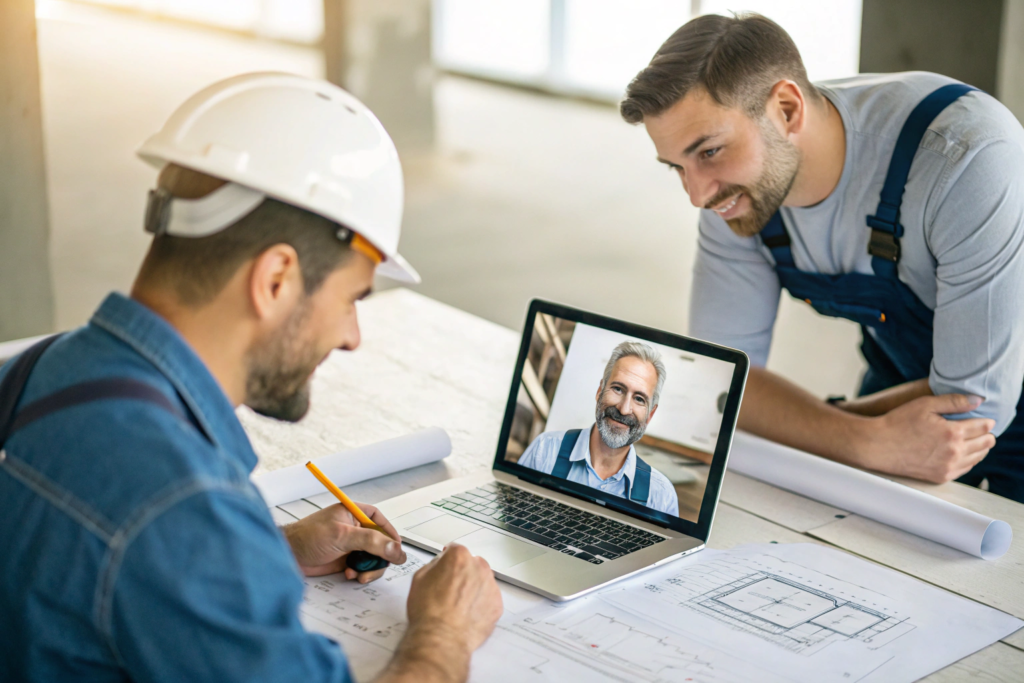
Present a real design challenge. For example, "We want a vegan leather belt that looks and feels premium but must hit a FOB cost of under $5." A strong design team will immediately discuss material alternatives (e.g., specific types of PU leather), suggest simplified buckle constructions, and ask about your target retail price to back-calculate feasibility. They should discuss compliance standards (e.g., REACH, CPSIA) relevant to your market. Their ability to navigate the intersection of aesthetics, cost, and compliance is the hallmark of a true partner. Organizations like the American Apparel & Footwear Association (AAFA) set many of these standards, and a knowledgeable factory will be familiar with them.
What Should a Design Service Agreement Include?
Before paying any development fee, ensure the scope of work is clearly defined in an agreement. It should cover:
- Scope: Number of concepts, technical drawings, and sample rounds included.
- Costs: A clear breakdown of the non-refundable development fee (covers their time and resources) versus the per-unit production cost.
- Timeline: Key dates for deliverables.
- IP Ownership: Explicit statement that all designs created specifically for you are your sole property.
- Confidentiality: Binding NDA terms. Having this structure in place, as we do with all clients at AceAccessory, protects both parties and ensures a smooth collaboration.
How Does the Collaborative Design Process Work with a Factory?
A successful collaboration follows a structured, iterative dialogue. It's a dance between your brand vision and their manufacturing reality. Understanding this workflow upfront sets expectations and fosters a productive relationship where both parties contribute their expertise.
The collaborative process typically follows these stages: Briefing & Concept > Design & Development > Sampling & Revision > Finalization & Tech Pack Locking. At each stage, your timely and clear feedback is as crucial as the factory's creative and technical input.
Stage 1: The Brief. You provide a creative brief. This can be a mood board (Pinterest links work), rough sketches, a competitor sample you want to improve upon, or just a detailed description. The more vision you provide, the closer the first output will be to your goal. You also share critical commercial targets: budget, timeline, and quality expectations.
Stage 2: Design Development. The factory's team interprets your brief. They return with digital concepts, technical sketches, and physical material swatches. This is the time for big-picture feedback on style, material feel, and overall direction. Do not proceed until you are happy with the 2D design and material selection.
Stage 3: Sampling & Revision. The factory produces a physical prototype. This first sample is for evaluating fit, proportion, construction, and overall look. You provide detailed feedback ("make the bow 20% smaller," "use a stronger magnet on the clasp," "the blue is too bright"). The factory revises and sends a second sample. Multiple rounds may be needed. This stage requires patience and precise communication.

What is the Role of the Pre-Production Sample (PP Sample)?
The Pre-Production Sample is the final, gold-standard sample made with the exact materials and on the production line that will be used for the bulk order. Its approval is a contractual green light for mass production. You must inspect this sample with extreme care—it is the benchmark against which your entire order will be measured. Any changes after this point will cause delays and cost overruns. A professional factory will not start production without your signed approval on the PP sample, a strict quality control protocol we enforce at Shanghai Fumao Clothing.
How to Give Effective Feedback to the Design Team?
Vague feedback is the enemy of progress. Instead of "I don't like it," be specific:
- Aesthetic: "The handle is too bulky; please reduce the width by 1cm."
- Functional: "The clasp is hard to open; please source a mechanism with a smoother action."
- Material: "The velvet is too stiff; please source a softer, more drapable velvet."
- Reference: "Make the shape more like Sample A, but with the color of Swatch B."
Providing photos or videos pointing out issues is extremely helpful. This clear, actionable feedback loop is what drives the process forward efficiently and is key to a successful partnership with a design-oriented factory.
Conclusion
Finding a fashion accessory factory that offers genuine design assistance is about seeking a partnership, not just a vendor. It requires identifying manufacturers with embedded creative talent, vetting their process and past work thoroughly, and committing to a collaborative, communicative relationship. The right partner will elevate your ideas, navigate production complexities, and ultimately help you build a stronger, more viable product line.
This investment in a design-capable factory pays dividends in faster time-to-market, higher product quality, and innovative designs that stand out in a crowded marketplace. It transforms the manufacturing journey from a stressful series of instructions into a creative and strategic collaboration.
If you are looking for a manufacturing partner that provides end-to-end service from the sketchbook to the shipping container, we are built for this. Contact our Business Director, Elaine, at elaine@fumaoclothing.com to start a conversation about how Shanghai Fumao Clothing (AceAccessory) can bring your next accessory vision to life.