You're designing a shawl collection. You've chosen beautiful colors and patterns, but there's one critical decision that will make or break the customer experience: the fabric weight. Get it wrong, and your elegant shawl might feel like a stiff blanket or, worse, a flimsy piece of cloth that offers no warmth. How do you navigate the numbers and specifications to select the perfect weight that aligns with the season, style, and function of your shawl?
The right fabric weight is the foundation of a shawl's drape, warmth, texture, and overall quality perception. It's a balancing act between practical function and aesthetic appeal. For us as a professional manufacturer, guiding our clients through this choice is a key part of the development process. The optimal weight depends primarily on the shawl's end-use: is it a lightweight, year-round fashion accessory, a cozy winter wrap, or a breathable summer cover-up? Understanding this fundamental question is the first step to a successful product.
Making an informed choice empowers you to create products that meet market demand precisely, whether you're supplying to boutique brands, major supermarkets, or your own online store. Let's unravel the factors that should guide your decision.
What is Fabric Weight and How is it Measured?
You see terms like "GSM" or "oz/yd²" on fabric specs, but what do they really mean for the shawl in your hands? Choosing blindly based on these numbers can lead to costly mistakes in product development and customer dissatisfaction.
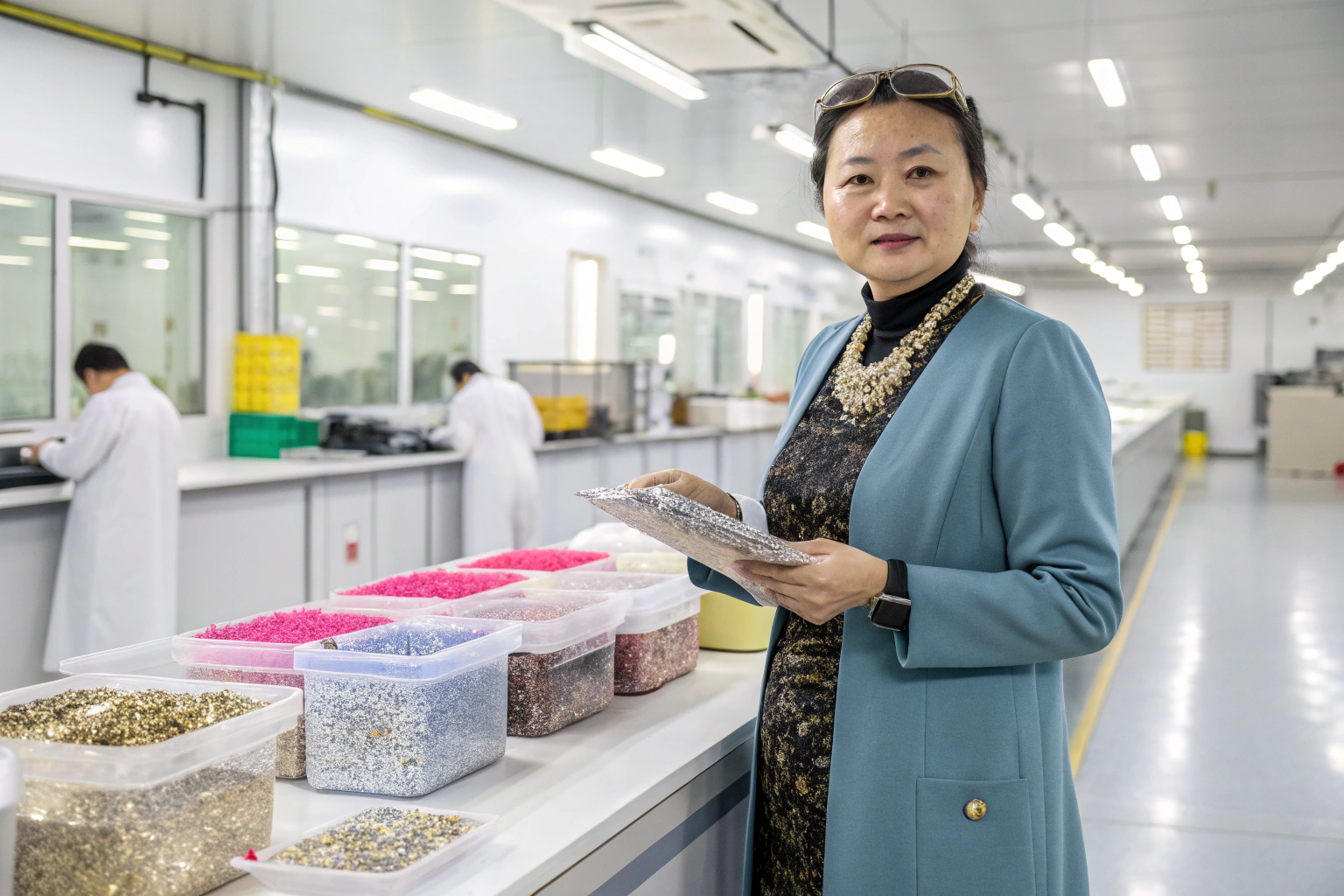
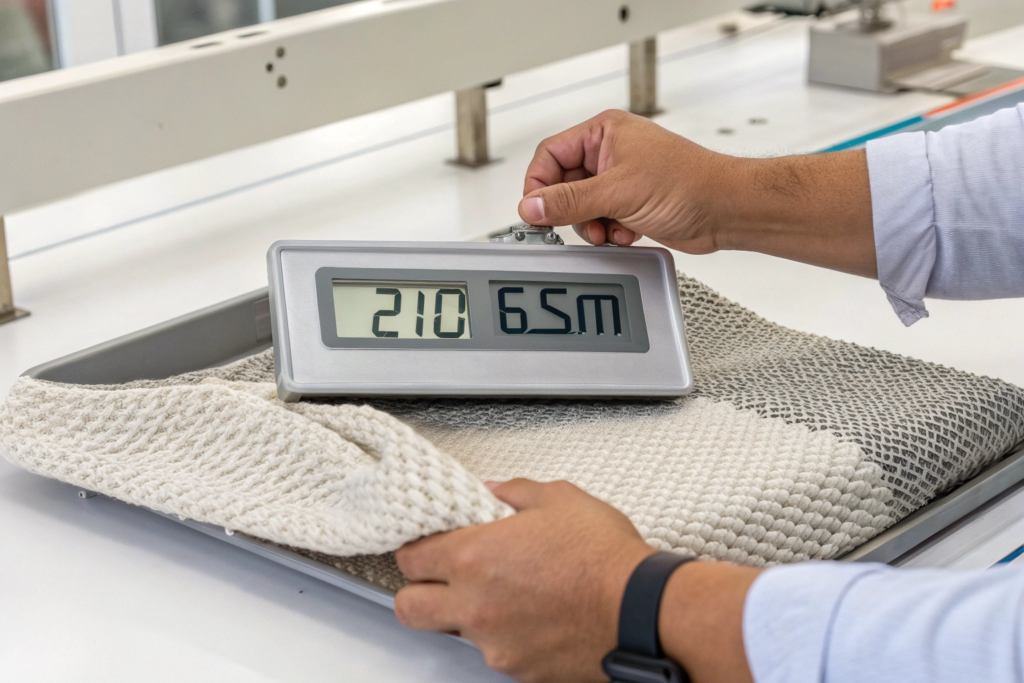
Fabric weight is the mass per unit area of a textile, and it's the single most objective indicator of its substance and thickness. The two most common units are GSM (Grams per Square Meter), used globally, and oz/yd² (Ounces per Square Yard), common in the US. A higher number means a heavier, denser, and usually warmer fabric. For shawls, this measurement directly dictates the drape, warmth, and seasonality. A 70 GSM chiffon shawl will float airily, while a 300 GSM wool blend shawl will provide substantial warmth and a structured fold. At our factory, we use precision scales to measure GSM for every fabric roll, ensuring consistency across your entire order—a critical part of our quality control that protects your brand's reputation.
Why is GSM the Critical Number for Shawl Fabrics?
While ounces per yard have their place, GSM is the universal language for technical fabric specification, especially when working with an international supply chain. Why? Because it's a metric system standard that allows for precise, reproducible comparisons. When you specify 150 GSM for a modal-viscose blend shawl, you are giving a clear, quantifiable target that our sourcing and production teams can meet exactly. This precision eliminates ambiguity. A fabric described as "lightweight" is subjective, but "110 GSM" is not. It allows you to accurately calculate fabric consumption and cost. Furthermore, understanding GSM helps you compare apples to apples across different fabric types. For instance, a 130 GSM wool will feel warmer than a 130 GSM cotton due to wool's natural insulating properties, but the baseline weight gives you a starting point. Resources like the Textile Institute's standards provide authoritative reference points for fabric weight classifications.
How Does Fiber Content Interact with Fabric Weight?
The fiber is the soul of the fabric, and its interaction with weight defines the shawl's character. You must consider them together. A heavy weight (e.g., 250 GSM) in a merino wool or cashmere blend creates a supremely warm, luxurious, and relatively lightweight winter shawl. The same weight in a dense cotton would result in a very heavy, stiff, and less insulating product. Conversely, a light weight (e.g., 90 GSM) is perfect for silk, viscose, or linen, creating shawls with beautiful, fluid drape for spring and summer. As your manufacturer, we advise on these synergies daily. For a private label supermarket order targeting autumn, we might recommend a polyester-acrylic blend at 180 GSM—it offers cozy warmth, excellent color retention, and a cost-effective price point, which is crucial for mass-market fashion accessories. The right combination ensures the shawl not only feels right but also performs and prices right for its intended market segment.
How to Match Shawl Weight to Season and Function?
A shawl for a summer wedding and one for a ski lodge are fundamentally different products. The failure to align weight with season and function is a common reason for slow-moving inventory.
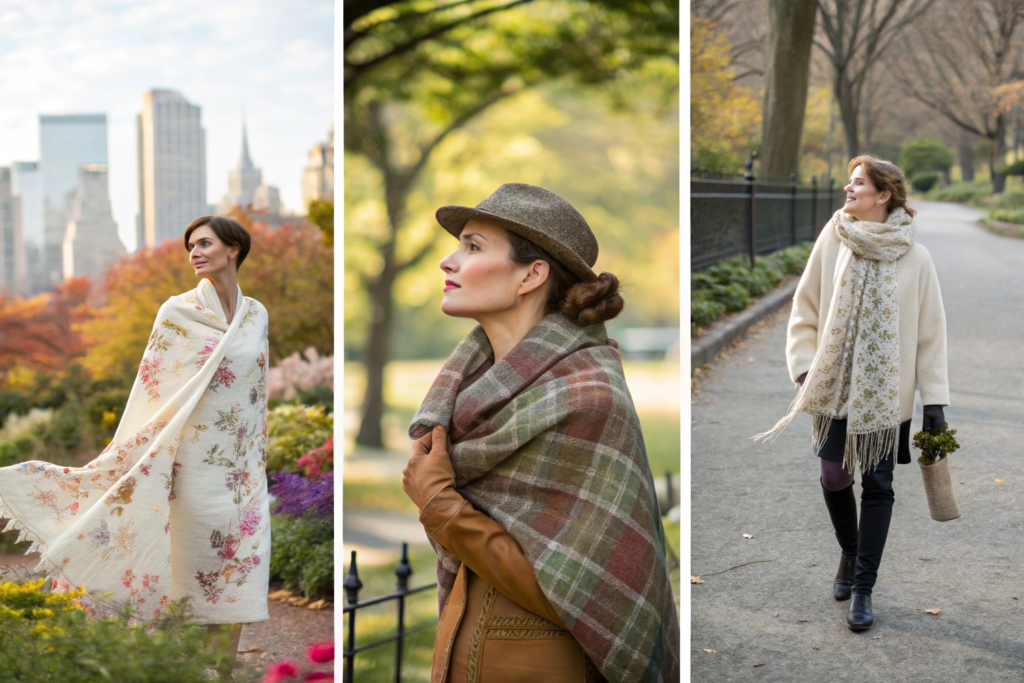
The matching process is logical and customer-centric. Start by defining the primary use case. Summer/Evening Wear: Think breathability and elegance. Fabrics like silk, lightweight viscose, linen, or fine cotton in the 70-130 GSM range are ideal. They provide cover without overheating and offer a graceful drape. Year-Round/Transitional: This is the versatile workhorse. Medium-weight fabrics like Pashmina-style wool blends, heavier cottons, or lightweight acrylics in the 130-200 GSM range offer moderate warmth and a substantial feel suitable for air-conditioned offices or cool evenings. Winter/Cozy Wear: Here, warmth is key. Look for wool, cashmere, fleece, or thick knit blends in the 200-350+ GSM range. These fabrics provide insulation and a cozy, textured hand-feel. For clients like large supermarkets, we often develop a tiered collection: a light layer for spring, a medium-weight for fall, and a plush option for holiday gift sets, ensuring coverage across seasonal consumer demand cycles.
What is the Ideal Weight for a Warm Winter Shawl?
For a truly warm winter shawl, weight is your ally, but it must be paired with the right insulating fibers. Targeting a range of 250 to 350 GSM is generally effective. Within this range, the choice of fiber dramatically alters the outcome. A 280 GSM acrylic-wool blend offers excellent warmth, softness, and machine-washability at a competitive price—a top choice for volume retailers. For a premium brand, a 300 GSM cashmere or merino wool shawl provides unparalleled lightweight warmth and luxury. As a manufacturer, we also consider construction. A knitted shawl at 280 GSM will often be softer and more elastic than a woven one of the same weight. It's not just about piling on material; it's about engineering warmth efficiently. We guide our clients through these technical aspects to ensure the final product meets the thermal comfort expectations of their end-consumer without unnecessary cost or bulk.
Can a Lightweight Shawl Still Feel High-Quality?
Absolutely. Quality in lightweight shawls is defined not by heft, but by drape, hand-feel, and refinement. A high-quality lightweight shawl (70-120 GSM) uses fine yarns and superior construction. Think of a 12-momme silk chiffon or a high-thread-count cotton voile. These fabrics feel smooth, not scratchy; they drape in soft, fluid folds rather than hanging stiffly; and they have a subtle luster or perfect matte finish. The edges should be finished with a fine rolled hem or delicate fringe, not a bulky overlock stitch. For brands focusing on elegance, this is where detail matters. We achieve this by sourcing premium lightweight greige goods and employing skilled sewing operators for fine finishing. The perceived value is high, even though the weight is low. This principle is key for luxury accessory brands where aesthetics and sensation trump sheer substance.
How Does Fabric Weight Affect Drape and Manufacturing?
The weight of your chosen fabric dictates how it moves, how it's cut, and how it's sewn. Ignoring these implications can lead to production headaches and a final product that doesn't behave as envisioned.
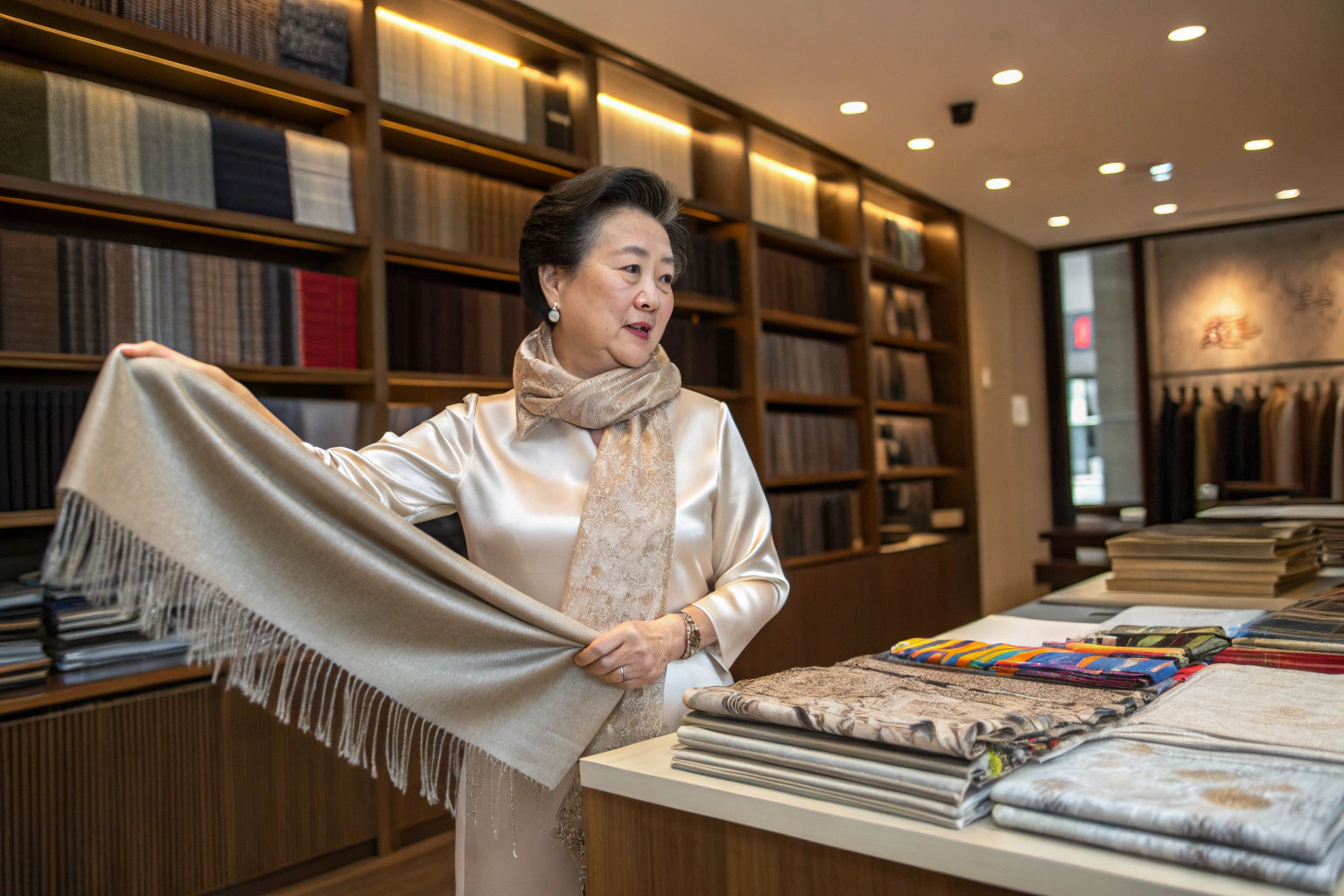
Drape is the fabric's ability to hang in graceful folds. It is inversely related to weight and stiffness. A low-GSM fabric like viscose jersey has excellent, fluid drape, perfect for shawls meant to be wrapped loosely. A high-GSM fabric like a thick wool melton has a stiffer, more architectural drape, suitable for structured capelets or blanket scarves. In manufacturing, this changes everything. Lightweight, slippery fabrics require specialized handling, maybe tissue paper layering during cutting, and slower sewing speeds with fine needles. Heavyweight fabrics need stronger, heavier-duty sewing machines and threads. At Shanghai Fumao Clothing, our project managers plan the entire production flow based on these parameters. We select the appropriate machines and skilled operators for each project, whether it’s hemming a delicate silk square or binding the edge of a heavy fleece wrap. This proactive planning, rooted in understanding fabric weight, is what ensures efficient production and consistent quality.

What Production Challenges Come with Lightweight Fabrics?
Lightweight fabrics present specific challenges that demand expertise. First, cutting accuracy is paramount. These fabrics can shift and stretch easily on the cutting table. We use computerized spreading and cutting machines where possible, or highly experienced manual cutters with weights and sharp blades, to ensure every shawl piece is identical. Second, sewing tension is tricky. Too much tension can cause puckering or pulls; too little creates loose stitches. Our operators adjust machine settings meticulously for each fabric type. Third, handling during assembly must be gentle to avoid snags. Finally, pressing/finishing requires low-temperature steam to avoid shine or damage. Overcoming these challenges is part of our value proposition. It’s why partnering with an experienced manufacturer who has mastered the nuances of sewing sheer and delicate fabrics is essential for bringing your lightweight shawl designs to life without compromise.
How Does Weight Impact the Choice of Edging and Trims?
The edging must complement the fabric's weight, both functionally and aesthetically. A heavy trim on a lightweight shawl will weigh it down and ruin the drape; a delicate trim on a heavy shawl will look insignificant and may not hold up. For lightweight shawls, consider rolled hems (narrow and clean), micro-fringe, or picot edging. These add detail without bulk. For medium-weight shawls, standard fringe, lace appliqué, or a contrasting bias tape binding work well. For heavyweight shawls, you need substantial trims: wide knit or woven borders, thick tassels, or faux fur trim. The trim's attachment is also critical. A thick fleece shawl might require a strong flatlock or coverstitch seam to attach its border securely. Our design and production teams collaborate to source and test trim compatibility, ensuring the finished product is cohesive and durable, meeting the practical demands of accessory care and longevity.
How to Balance Cost, Weight, and Customer Price Point?
The fabric is often the largest cost component of a shawl. Selecting a weight that blows your budget or doesn't justify your retail price is a direct path to eroded margins.
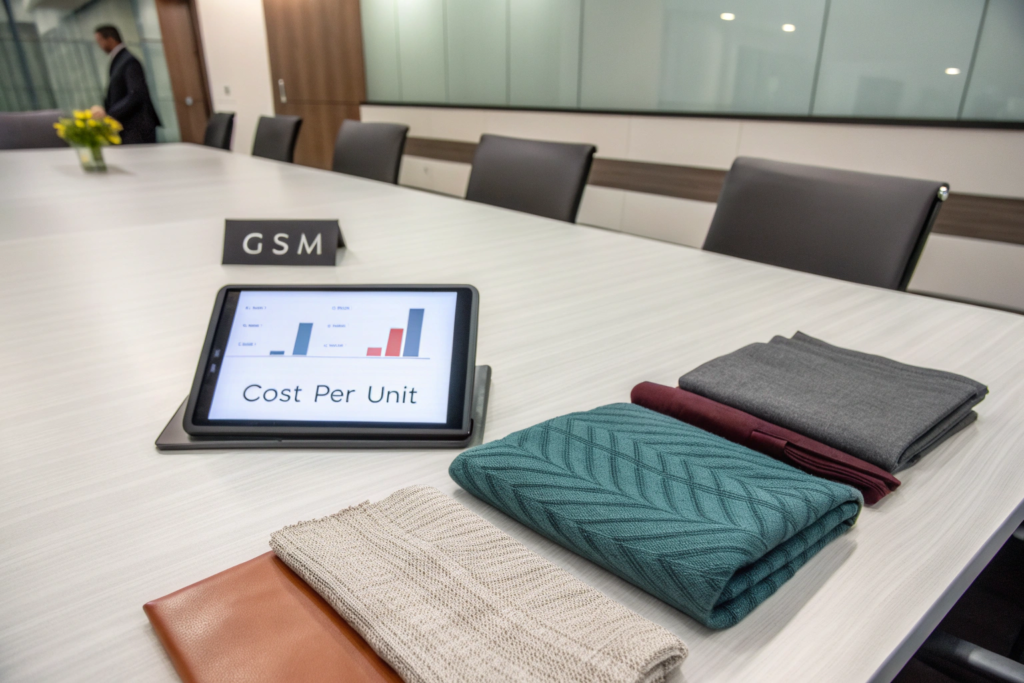
This balancing act requires a clear commercial strategy. You must work backward from your target retail price. Factor in your desired margin, freight, duties, and other costs to land at your target FOB cost per piece from the factory. Then, with your manufacturer, explore fabric options that fit this cost structure. A higher GSM usually means higher cost (more raw material), but not always. A 200 GSM polyester microfleece can be very cost-effective and warm, while a 150 GSM organic cotton may be more expensive. Sometimes, a slightly lower GSM with a more luxurious fiber (like a touch of cashmere in a blend) offers better perceived value than a heavier, cheaper-feeling alternative. We provide clients with multiple swatch options at different GSM and price points for the same design. This transparent comparison allows for data-driven decisions that align with their brand positioning, whether it's value-driven for a supermarket or premium for a boutique, following smart product costing strategies.
Is a Higher GSM Always Better for Perceived Value?
Not necessarily. While heft can signal substance, intelligent value perception is more nuanced. For a winter shawl, yes, a substantial GSM often correlates with perceived warmth and quality. However, for a summer shawl, a high GSM would be perceived as hot, clumsy, and poor quality. The value there comes from a luxurious hand-feel, beautiful print, and perfect drape at an appropriate lightweight. Furthermore, a mid-weight shawl (e.g., 170 GSM) made from a uniquely textured yarn or with an intricate jacquard weave can feel more valuable and command a higher price than a plain, heavier 220 GSM alternative. The key is to meet or exceed the customer's expectation for the product's intended use. We help our clients at Shanghai Fumao Clothing tell this value story through fabric selection, ensuring the weight and quality justify the price architecture of their overall brand portfolio.
How to Communicate Fabric Weight Benefits to End Customers?
This is where your product description becomes a sales tool. Don't just state "200 GSM." Translate it into customer benefits. For a lightweight shawl: "Crafted from 90 GSM silk chiffon for an effortlessly elegant, airy drape perfect for summer evenings." For a medium-weight shawl: "Our 180 GSM wool-blend wrap provides the ideal layer of cozy warmth for transitional weather, soft enough for all-day comfort." For a heavyweight shawl: "Built for winter with a generous 300 GSM knit, this shawl is your essential companion for supreme warmth and comfort." Use touchpoints like "year-round versatility," "structured drape," or "cloud-like softness without bulk." Providing this context helps the customer make an informed choice and justifies the price point, turning a technical specification into a compelling feature-benefit selling proposition.
Conclusion
Choosing the right fabric weight for your shawl line is a strategic decision that sits at the intersection of design, function, production, and commerce. It goes far beyond a simple number on a spec sheet. It requires you to consider the season, the target customer's needs, the desired drape and hand-feel, the practicalities of manufacturing, and the ultimate cost-price equation.
Mastering this choice empowers you to develop shawls that are not just beautiful but also perfectly suited to their market, leading to higher customer satisfaction and stronger sales. Remember, the most successful collections are built on informed specifications and a close partnership with a manufacturer who can translate your vision into a tangible product with the right balance of all elements.
If you are looking to develop a shawl collection with expertly chosen fabrics that align with your brand and market, let's collaborate. Our team can guide you through the entire process, from weight selection and sampling to cost-optimized production. For a professional consultation on producing your next accessory line, please contact our Business Director, Elaine. She can connect you with our design and production experts to ensure your shawls are a perfect fit from concept to customer. Reach Elaine at: elaine@fumaoclothing.com.