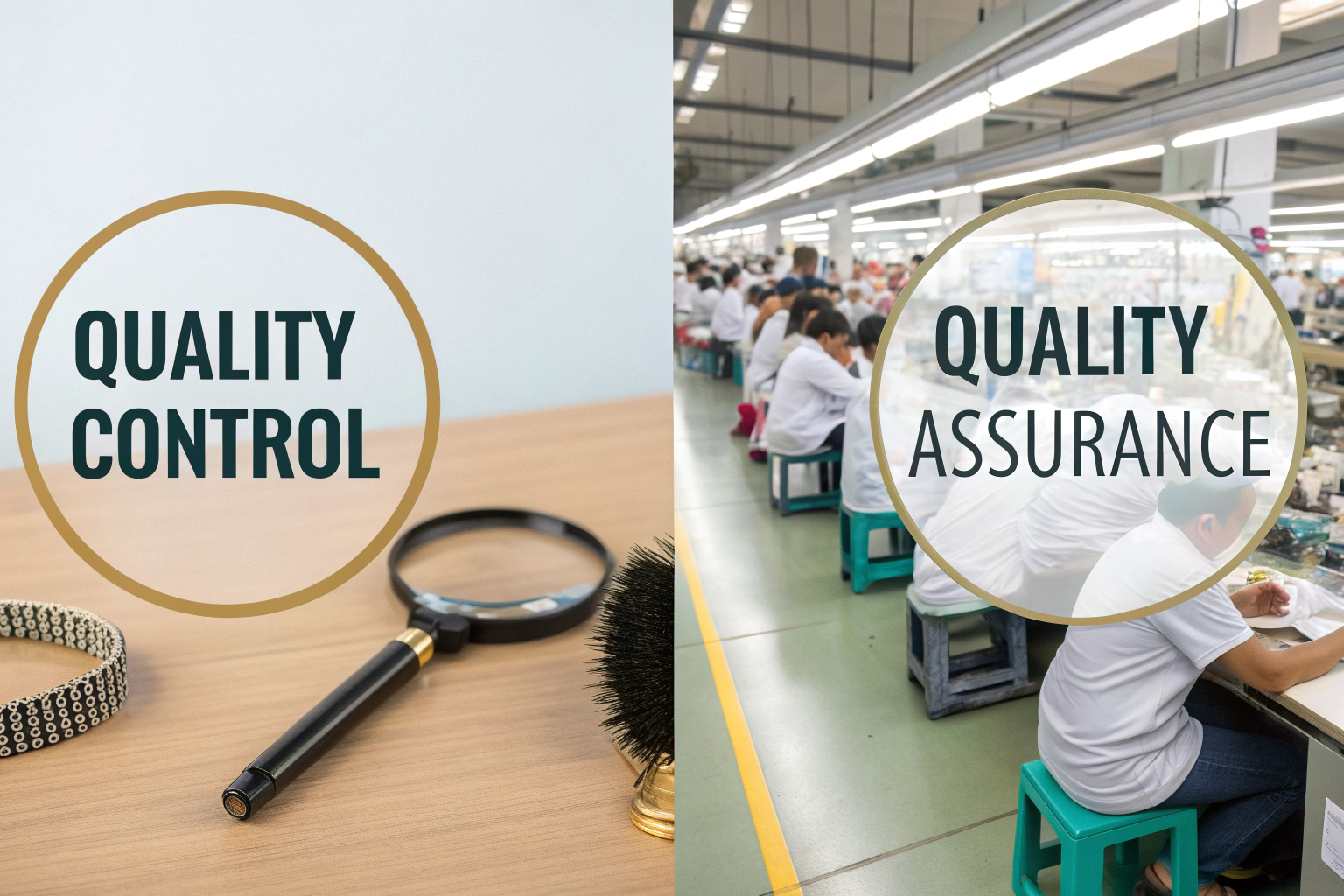
As a factory owner who has shipped millions of hair clips, scarves, and hats to brands worldwide, I hear this question a lot. A buyer, let’s call him Ron, inspects a pre-shipment sample and finds a loose stitch. "Your QC needs to be better," he says. But here’s the truth: fixing that single stitch is quality control (QC). Preventing every single stitch from ever being loose is quality assurance (QA). In today’s competitive market, where brand reputation hinges on every product detail, relying solely on end-of-line inspection is a reactive, costly gamble.
Quality Assurance is fundamentally better because it is a proactive, systemic approach that builds quality into the entire production process, from design to delivery. It aims to prevent defects before they occur, while Quality Control is a reactive process of identifying defects in finished or semi-finished products. Think of QA as the recipe and training for a perfect dish, and QC as tasting the dish before it leaves the kitchen. For importers focused on consistent quality, efficiency, and brand protection, a partner with a robust QA system is the only sustainable choice.
The distinction is not academic; it’s financial and operational. A QC failure means sorting, reworking, or rejecting finished goods—costing time, money, and materials. A QA failure means a process needs adjustment, which prevents future losses. In our factory, shifting focus from QC to an integrated QA mindset has been the single biggest factor in reducing customer complaints and building long-term partnerships with brands like Shanghai Fumao Clothing. Let’s break down why this proactive philosophy is the superior foundation for your accessory orders.
What is the Fundamental Difference Between QA and QC?
Many buyers use the terms "quality control" and "quality assurance" interchangeably. This is the first misunderstanding we need to correct. They are related but distinct concepts with different goals, timelines, and responsible parties. Understanding this difference is key to evaluating a supplier’s true capability.
Quality Control (QC) is a product-oriented, detective process. It involves the operational activities and techniques used to fulfill requirements for quality. In simple terms, QC is about inspection. It happens during and especially at the end of production. The goal is to find defects in the outputs—the finished hair bands, the belts, the hats. QC inspectors check products against a standard and sort out the "bad" from the "good." Their tools are checklists, calipers, color swatches, and AQL sampling tables. QC is vital, but it is inherently reactive—it finds problems that already exist.
Quality Assurance (QA), in contrast, is a process-oriented, preventive philosophy. It encompasses all the planned and systematic activities implemented within the quality system to provide confidence that a product or service will fulfill requirements for quality. QA focuses on how a product is made. It defines the processes, trains the workers, qualifies the raw material suppliers, and calibrates the machines before production even begins. The goal of QA is to prevent defects by getting the processes right from the start. A robust QA system is certified by standards like ISO 9001:2015, which provides a framework for a process-based quality management system.
To visualize it, imagine producing a woven scarf. QC involves inspecting the finished scarf for weaving errors, color consistency, and size. QA involves ensuring the yarn supplier is certified (e.g., OEKO-TEX Standard 100), the loom is correctly calibrated and maintained, the weavers are trained on the specific pattern, and the dyeing process is standardized and documented. QA builds the highway; QC checks for potholes after the road is built.
How Do QA and QC Activities Manifest on the Factory Floor?
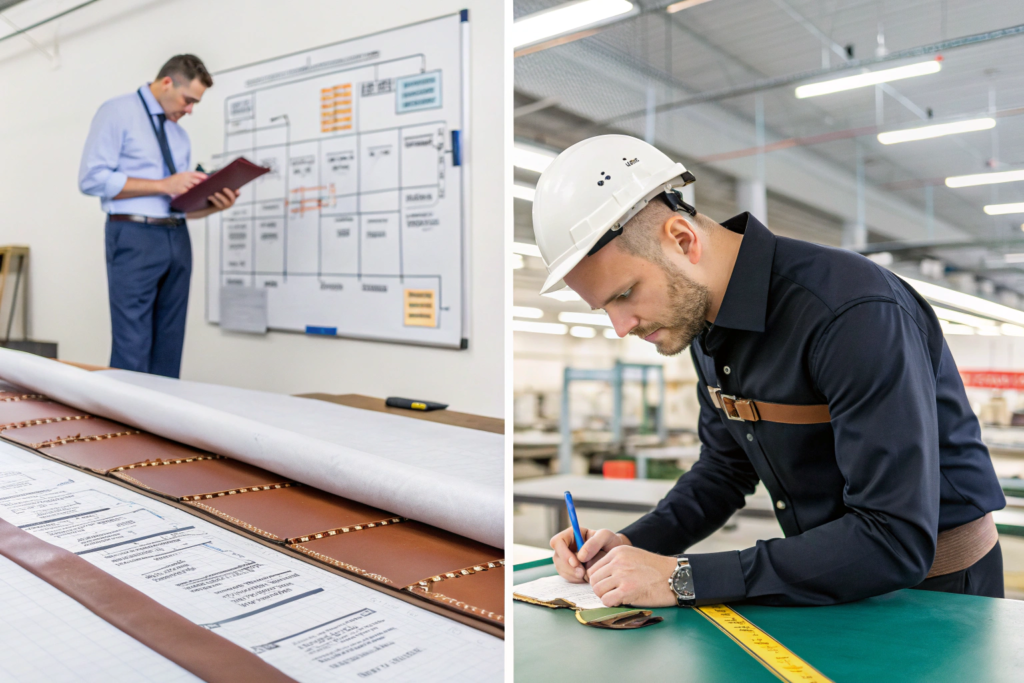
On a practical level, the difference is visible in daily operations. A factory strong in QC will have a dedicated inspection area at the end of the production line, staffed with inspectors using flashlights and measuring tools. They are the last line of defense, and their success is measured by the percentage of defects they catch.
A factory with an integrated QA system will have quality checkpoints woven into every stage:
- Incoming Material Inspection: QA starts when raw materials (fabric, metal clasps, plastic beads) arrive. They are checked against specifications before being accepted into the warehouse.
- First Article Inspection (FAI): When a production line is set up, the very first pieces from the line are meticulously inspected to ensure the process itself is capable of producing a good product.
- In-Process Checks: Supervisors or line leaders perform checks at critical points during assembly. For a decorative hair clip, this could be checking the glue application temperature and amount before the jewel is attached.
- Final QC Inspection: This is where the QC process fits within the QA framework. The final inspection acts as a verification step for the entire QA system.
This layered approach, mandated by a Process FMEA (Failure Mode and Effects Analysis), means problems are caught and corrected at the earliest, cheapest possible point. A broken sewing needle causing skipped stitches is fixed on the line, not after 500 scarves are completed.
Why Does a Process Focus (QA) Lead to More Consistent Results?
Consistency is the holy grail for brands. Your customers expect the 10,000th hair band to be identical to the approved sample. A QC-focused approach struggles with this because it relies on inspecting a statistical sample (like AQL). There is always a calculated risk that some defective units will slip through.
A QA-focused approach attacks variability at its source: the production process. It uses standardized work instructions, clear technical packs, trained operators, and controlled machinery settings to minimize human and mechanical error. It treats consistency not as an outcome to be checked, but as a characteristic to be engineered into the process. This is the core principle of Statistical Process Control (SPC), where data from the process itself is used to keep it stable and predictable. The result is not just a lower defect rate, but a dramatically higher level of predictable, batch-to-batch uniformity that protects your brand’s reputation.
How Does Quality Assurance Prevent Costly Defects and Delays?
Every defect has a cost, and that cost multiplies the later it is found. A faulty metal clasp discovered during assembly might cost $0.10 to replace. The same clasp discovered by your customer after retail sale can cost $50 in returns, lost trust, and potential liability. The core business advantage of QA is its power to prevent defects from happening in the first place, shielding you from these escalating costs and the devastating delays they cause.
A robust QA system is your insurance policy against supply chain disruptions. It moves quality from being a bottleneck at the end (where a failed inspection halts shipment) to a smooth, built-in feature of the entire production flow. This proactive stance directly addresses major buyer pain points like inefficient pricing (rework costs are hidden), unreliable sailing schedules, and the security of their investment.
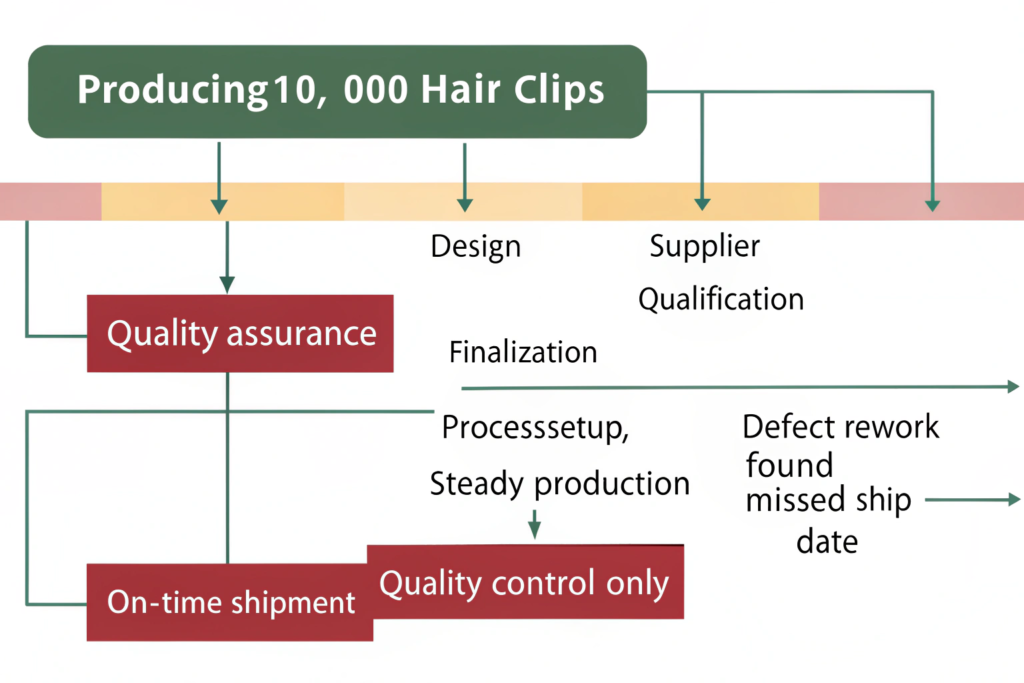
Let’s trace the financial and timeline impact of a common defect through both a QC-only and a QA-integrated system.
What is the "Cost of Quality" and How Does QA Reduce It?
The "Cost of Quality" isn’t just the price of making a good product. It’s the total cost of ensuring quality plus the cost of not having quality. It’s divided into four categories:
- Prevention Costs (QA): Costs to prevent defects (training, process design, supplier qualification).
- Appraisal Costs (QC): Costs to assess quality (inspections, testing, audits).
- Internal Failure Costs: Costs of defects found before shipment (scrap, rework, re-inspection).
- External Failure Costs: Costs of defects found by the customer (returns, replacements, warranty, lost business).
A QC-heavy model invests primarily in Appraisal and inevitably pays high Internal and External Failure costs—it’s like hiring more police (appraisal) instead of fixing the root causes of crime (prevention). A QA model invests upfront in Prevention. This investment is far smaller than the catastrophic costs of failure. For example, training a worker on the proper way to secure a barrette spring (prevention) is a one-time cost that eliminates thousands of potential failures. Organizations like the American Society for Quality (ASQ) provide extensive resources on calculating and optimizing these costs.
How Does QA Stabilize Production Timelines and Secure Shipments?
Delays are often born from quality surprises. A pre-shipment inspection fails, and now the entire container needs 100% sorting and rework, missing the booked vessel. With QA, stability is engineered in. Because processes are defined and monitored, the production output is predictable. There are fewer "fire drills" and stoppages.
Furthermore, a QA system includes rigorous supplier quality management. This means the factory qualifies its own material suppliers (for fabric, dye, hardware) against strict standards. When you order a scarf in a specific shade of blue, the QA system ensures the dye lot from the certified supplier matches the standard every time. This eliminates one of the biggest causes of delay: waiting for corrected raw materials. The result is a reliable production schedule that aligns with your logistics planning, ensuring your goods hit the promised sailing date. This reliability is a cornerstone of the service at Shanghai Fumao Clothing.
Why is QA Essential for Managing Complex Accessory Orders?
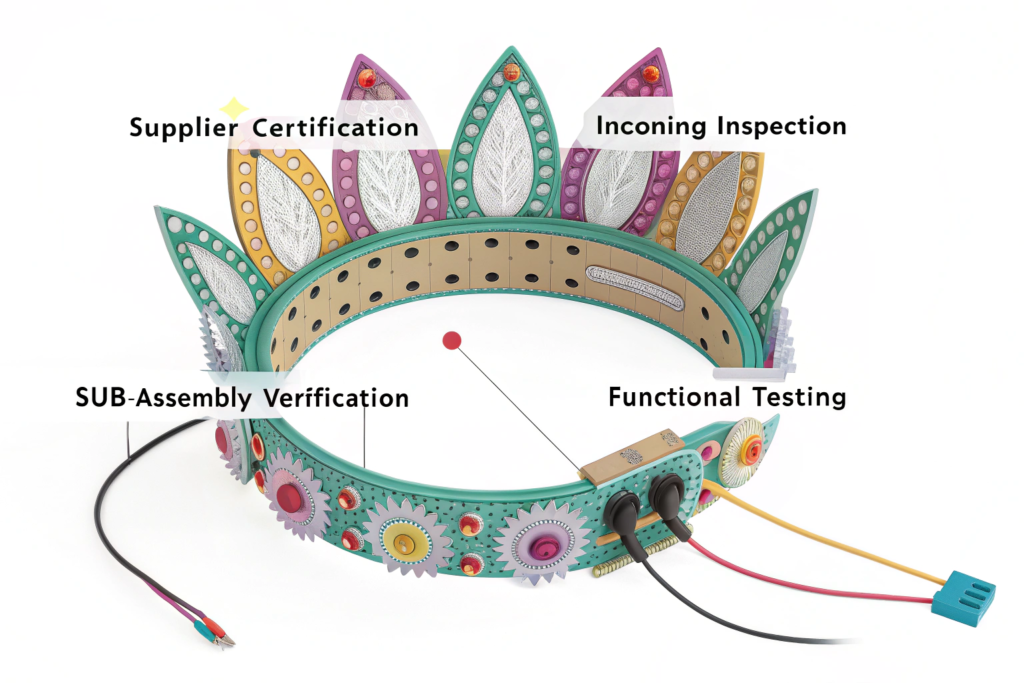
Festival accessories, multi-component items, and products with electronics or special finishes push manufacturing to its limits. These are not simple, single-material products. A light-up LED hair crown involves textiles, plastic molding, electronic assemblies, and battery compartments. For such complex orders, a QC-only approach is like playing whack-a-mole with defects—you’ll never keep up. QA provides the structured framework to manage this complexity successfully.
Complexity introduces more variables, and more variables mean more potential failure points. QA’s strength is in deconstructing complexity into manageable, controlled processes. It ensures that every component and every assembly step is defined, validated, and monitored. This is not just about avoiding defects; it’s about ensuring the product functions as designed, which is often the most critical aspect for innovative accessories.
Managing complexity requires moving beyond simple inspection to integrated process validation and risk management.
How Does QA Handle Multi-Component and Electronic Accessories?
For an item like a programmable LED glove, QA starts at the component level. Each component—the microcontroller, the LEDs, the conductive thread, the fabric—must have defined specifications and come from qualified suppliers. The factory’s QA team will perform incoming quality control (IQC) on these components, perhaps testing a sample of LEDs for brightness and color consistency.
Next, the assembly process is broken down into sub-processes. The soldering of wires, the programming of the chip, the sealing of the electronic unit, and the final integration into the glove are each treated as a mini-process with its own quality standards and checks. This might involve functional testing at each stage. Does the circuit work after soldering? Does the program run after upload? This staged verification prevents a scenario where a faulty microchip is discovered only after being sewn into 5,000 finished gloves, necessitating a massive, costly rework. Guidance on managing such product risks can be found through the U.S. Consumer Product Safety Commission (CPSC).
What is the Role of Design for Manufacturing (DFM) in QA?
The most powerful QA activity often happens before any production tool is turned on: Design for Manufacturing (DFM). This is where the factory’s QA and engineering team collaborates with your design team. They review your product concept for manufacturability. Can that intricate metal filigree on a belt buckle be reliably cast? Is there a standard, more robust clasp that can be used for the hair clip?
DFM is the ultimate form of prevention. It identifies potential quality, cost, and timeline issues at the design stage, where changes are cheap and easy. A factory with a strong QA culture will always offer DFM feedback. It might suggest a slight design tweak that makes assembly more foolproof or recommend a material that is easier to source consistently. This collaboration ensures the product is not only beautiful but also optimized for consistent, high-quality mass production, turning a complex idea into a smoothly manufacturable reality.
How Can You Identify a Factory with a True QA System?
As a buyer, you need to distinguish between suppliers who merely talk about quality and those who have institutionalized it through a Quality Assurance system. Many factories have a "QC department," but far fewer have a living, breathing QA culture that permeates their entire operation. Knowing what to look for and what questions to ask will help you find a true partner, not just a vendor.
Evaluating a factory’s QA maturity goes beyond asking, "Do you have quality control?" It involves probing their processes, documentation, and mindset. You are looking for evidence of prevention, not just detection. This due diligence is as important as negotiating price, because a strong QA partner like Shanghai Fumao Clothing will save you money and headaches far beyond any minor per-unit cost difference.
Your assessment should cover tangible documentation, observable behaviors, and the responsiveness of their system to issues.

What Documentation Proves an Effective QA System?
Request to see the documents. A factory with a real QA system will have them and should be willing to share relevant excerpts (respecting confidentiality).
- Quality Manual & Procedures: This is the overarching document outlining their quality policy and system structure.
- Process Control Plans: For key products, they should have documents detailing each step, its controls, and inspection points.
- Training Records: Ask how operators are trained and certified for specific tasks. Do they have records?
- Calibration Records: Are measuring tools (calipers, scales) and machines regularly calibrated? Records prove this.
- Corrective and Preventive Action (CAPA) Reports: This is the gold standard. Ask for an example (with sensitive details removed) of a past problem and the report showing how they found the root cause and changed the process to prevent recurrence. This demonstrates a learning QA system.
The presence of valid ISO 9001:2015 certification is a strong indicator, as it requires all this documentation and regular external audits. However, don’t just see the certificate; ask how it’s implemented day-to-day.
What Questions Expose a Factory’s Quality Mindset?
Move the conversation from "what" to "how" and "why." Here are revealing questions:
- "Walk me through how you would ensure color consistency across 50,000 yards of fabric for our scarf order." Listen for answers about dye lot control, supplier qualification, and lab testing—not just "our QC will check it."
- "Who is responsible for quality on the production line?" In a mature system, the answer is "Everyone," with line leaders having primary responsibility, supported by QA auditors.
- "What happens when an inspector finds a recurring defect?" The best answer describes a formal process: production is paused, a cross-functional team (production, QA, engineering) investigates the root cause, and a process change is implemented and verified.
- "How do you qualify and manage your material suppliers?" They should have a vendor rating system based on quality, not just price.
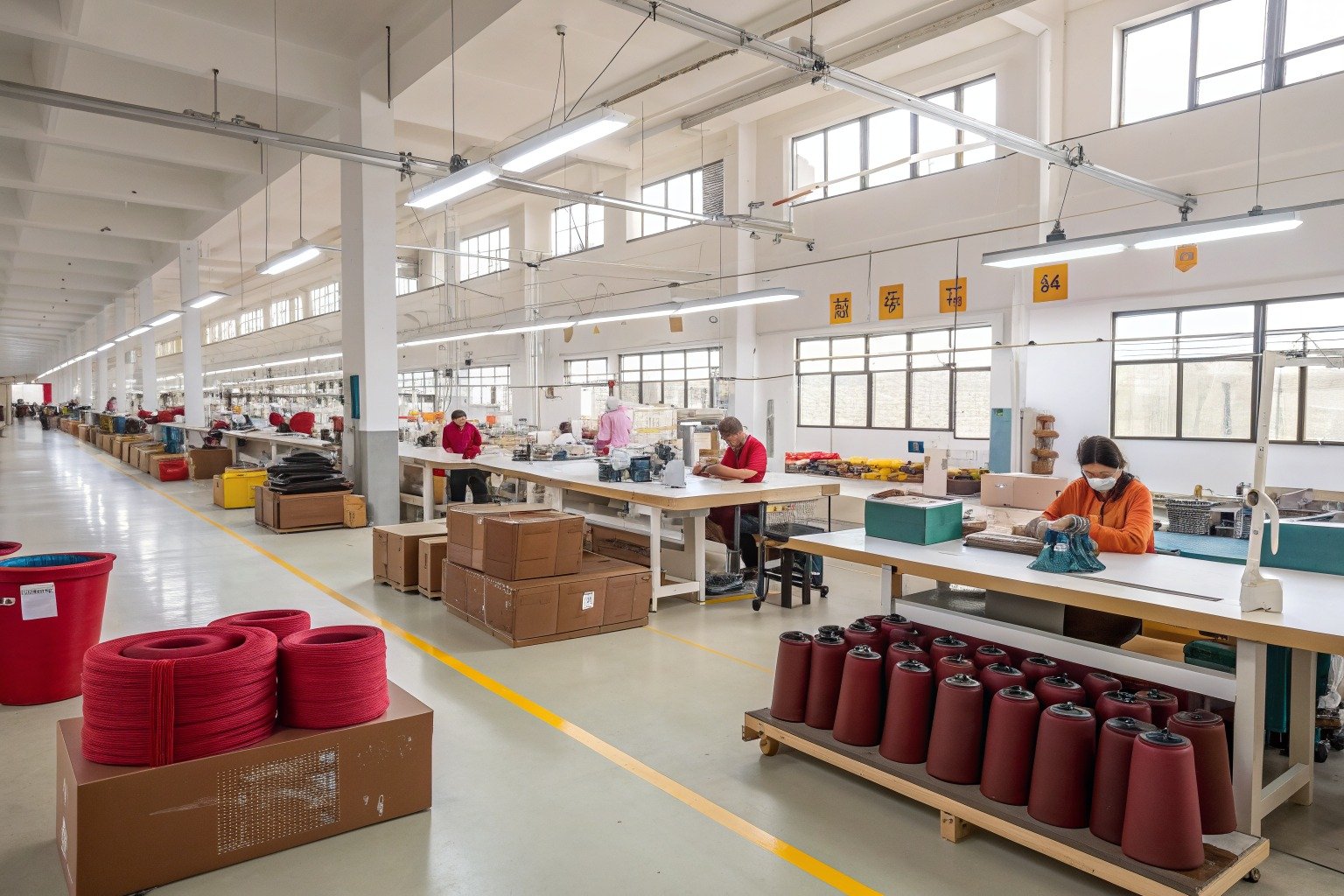
Observe their facility. Is it clean, organized, and well-lit? Are tools and materials stored properly? This "5S" workplace organization is a foundational visual clue of a process-oriented (QA) mindset, not a chaotic, detect-and-fix (QC) environment. Resources from the Lean Enterprise Institute explain how such visual management supports quality.
Conclusion
The journey from Quality Control to Quality Assurance represents an evolution from merely finding problems to systematically preventing them. For fashion accessory buyers, this distinction is not theoretical—it directly impacts your bottom line, brand equity, and supply chain resilience. A factory invested in QA is a strategic partner that builds quality into the DNA of your products, offering you consistency, risk mitigation, and collaborative innovation.
Choosing a partner with a true QA system means you are investing in predictability. You gain the confidence that your orders will be produced right the first time, on schedule, and to the exacting standards your market demands. It transforms quality from a stressful, final hurdle into a reliable, built-in feature of your supply chain.
If you are looking for a manufacturing partner whose foundation is a proactive Quality Assurance system, designed to deliver flawless fashion accessories consistently, we invite you to connect with us. Let’s discuss how our process-oriented approach can bring security and excellence to your next collection. Reach out to our Business Director, Elaine, to start a conversation at: elaine@fumaoclothing.com.