Choosing the wrong buckle can turn a great belt into a wardrobe misfire. It might look off with your jeans, feel uncomfortable, or simply fail to match the casual vibe you’re aiming for. For buyers sourcing belts in bulk, this isn’t just a style mistake—it’s a potential inventory nightmare that can lead to slow sales and unhappy customers.
The right buckle style for a casual belt hinges on aligning three key elements: the belt material (like leather, canvas, or woven fabric), the intended casual aesthetic (from rugged workwear to minimalist chic), and, crucially, the end-user’s expectation for ease of use and durability. As a professional manufacturer and exporter of accessories at Shanghai Fumao Clothing, we guide our clients through this selection process daily, ensuring their casual belt line is both stylish and functionally sound.
Let’s break down the buckle universe to help you make an informed choice that enhances your casual collection and delights your customers.
What Are the Main Types of Buckles for Casual Belts?
You see a vast array of belt buckles online, from classic to modern. But without knowing their names and core functions, making a choice feels like a guess. Picking a buckle that doesn’t suit the belt’s material or the target customer’s lifestyle can result in returns and negative reviews.
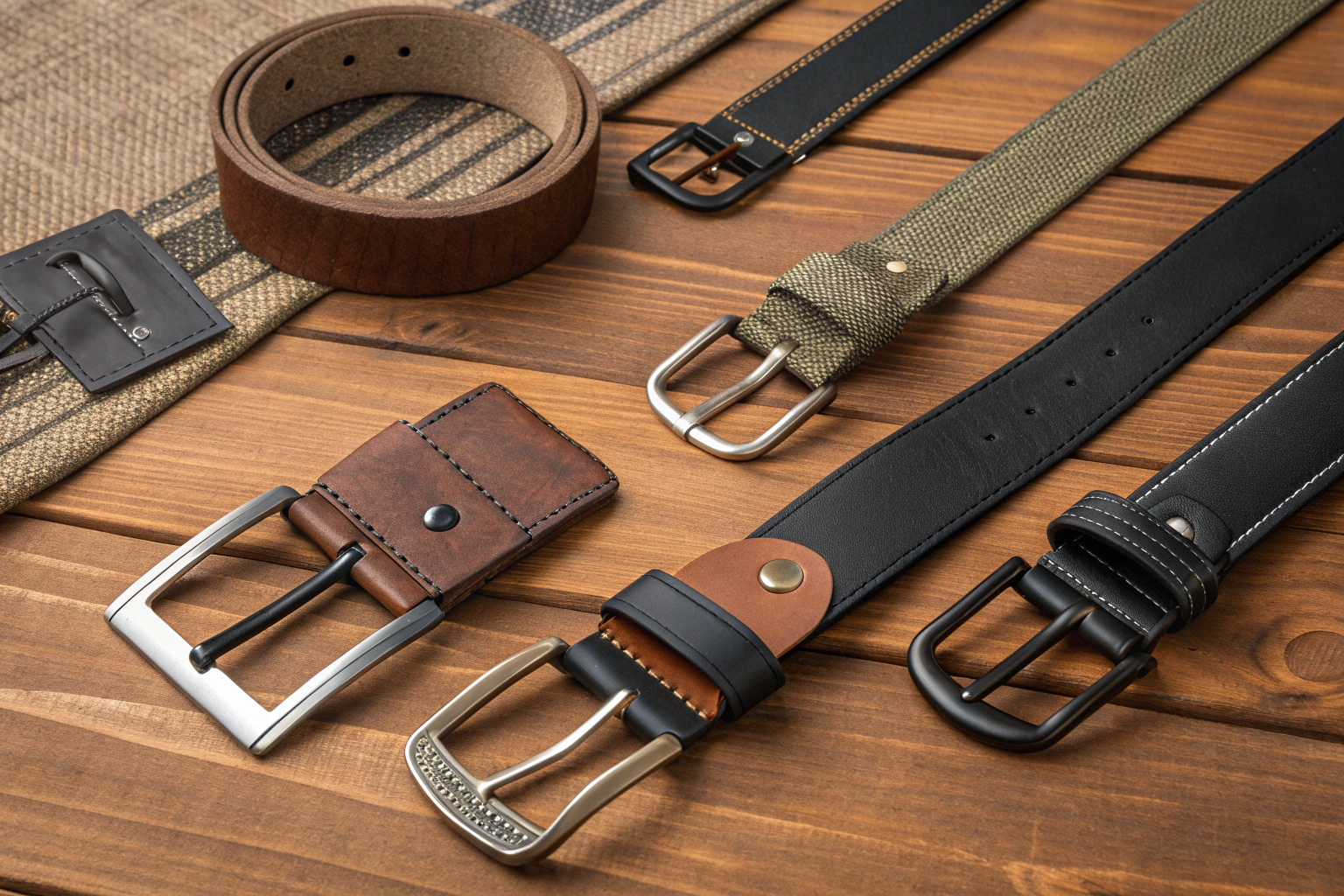
Understanding the main buckle types is your first step to a successful product line. For casual belts, the most common and functional categories are the Pin Buckle, the Box-Frame Buckle, and the Roller Buckle. Each serves a different style and functional purpose, and matching them correctly with your belt design is what we excel at here at Shanghai Fumao Clothing.
A supplier with strong expertise, like Shanghai Fumao Clothing, doesn’t just offer these buckles; they advise on which one will work best for your specific belt material, whether it’s a soft woven fabric or a stiff leather.
How Does a Classic Pin Buckle Work and Where Does It Fit?
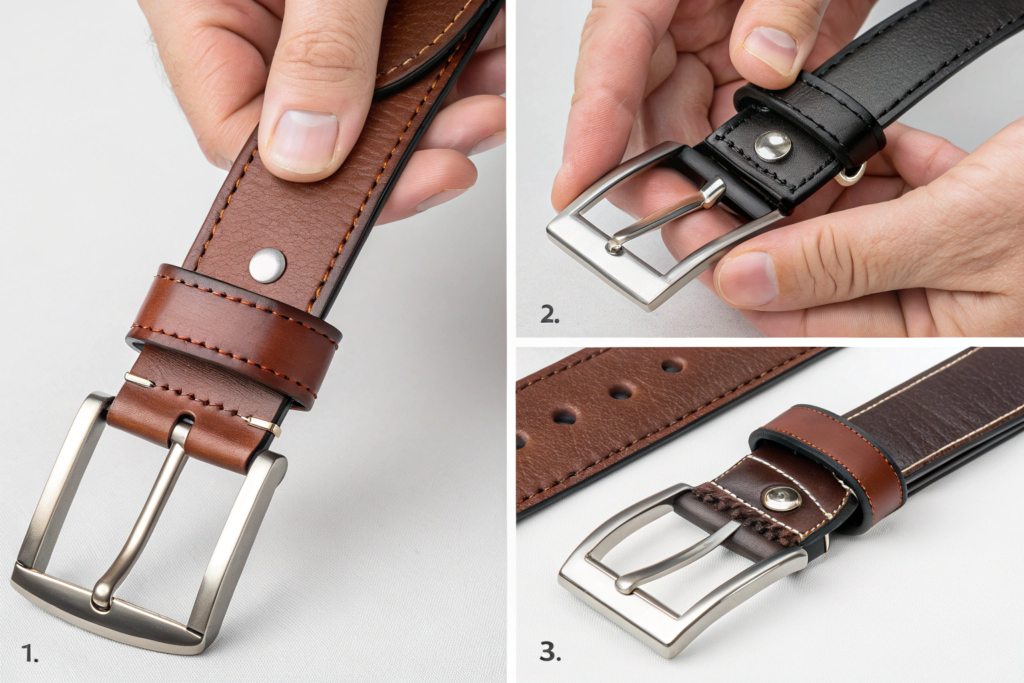
The classic pin buckle (or prong buckle) is the most traditional style. It consists of a metal frame with a movable pin (prong) that fits into holes on the belt strap. Its operation is simple and universally understood. This buckle is incredibly versatile for casual wear. It pairs perfectly with classic leather belts for everyday jeans or chinos, offering a timeless look. The key consideration here is durability: the quality of the metal frame and the welding of the pin are critical. A poorly made pin buckle can bend or break. For a robust casual belt, we recommend using a solid brass or zinc alloy frame. This style is a staple in men’s casual fashion, as often highlighted by resources like the Fashion Institute of Technology’s trend analyses.
What Are the Advantages of a Box-Frame or Plate Buckle?
The box-frame buckle (often seen as a sleek, rectangular plate) offers a more modern, streamlined look. The buckle is a flat plate, and the belt tip folds back and secures with a small prong or clip on the underside. Its main advantages are a clean, uninterrupted front appearance and ease of fastening—the user doesn’t need to align a pin with a specific hole. This makes it ideal for casual woven belts, canvas belts, or minimalist leather belts targeting a contemporary audience. It’s also very secure when closed. From a manufacturing perspective, ensuring the catch mechanism on the back is robust and aligns perfectly with the belt hole spacing is crucial for quality. This style is frequently used in fashion-forward casual and techwear styles, a trend documented by industry watchdogs like Business of Fashion.
How Does Buckle Choice Impact the Belt’s Overall Aesthetic?
A buckle isn’t just a fastener; it’s the focal point of the belt. A bulky, ornate buckle on a thin, casual fabric belt will look mismatched and cheap. Conversely, a tiny buckle on a wide, rugged belt will seem disproportionate. The aesthetic harmony between buckle and strap defines the product’s market position.
The buckle’s size, finish, and design language must consciously complement the belt material and the target casual style. A coherent design tells a clear style story, whether it’s "rustic outdoorsman," "urban minimalist," or "retro vintage," making the product more marketable and desirable. This is a core part of the design service at Shanghai Fumao Clothing.
Getting the aesthetic right is just as important as mastering the functional aspects of quality control and certifications.
What Buckle Styles Suit a Rugged or Workwear Casual Look?
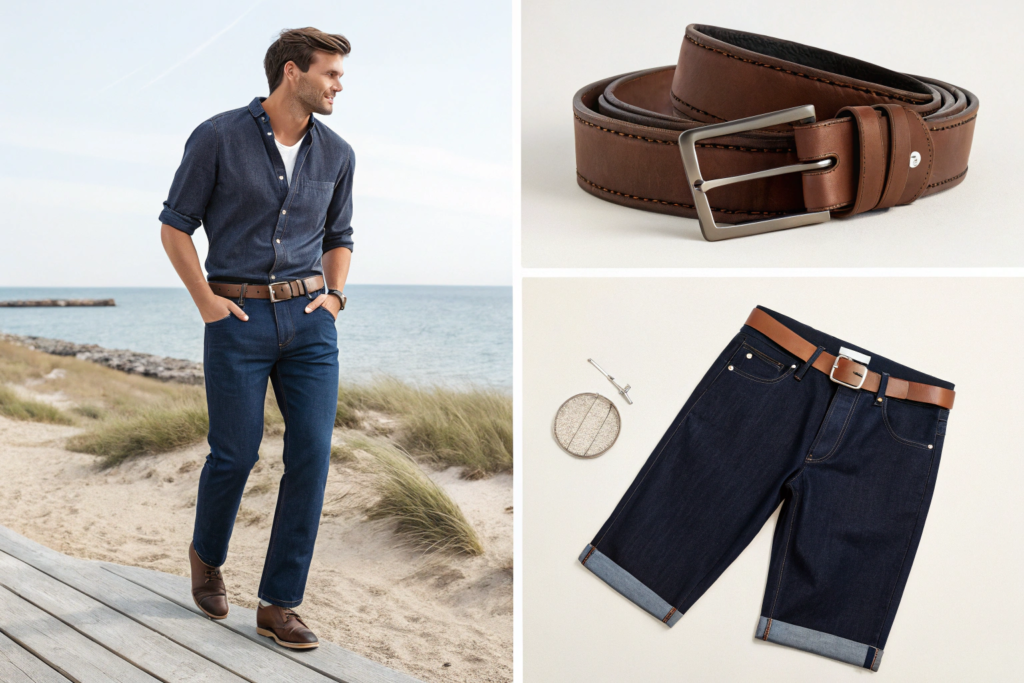
For the rugged, workwear, or heritage aesthetic, the buckle should convey strength and durability. Larger, heavier buckles are appropriate here. Styles like the Western buckle (with decorative designs), a substantial lever-action buckle, or a simple but thick pin buckle in a brushed or antique finish work perfectly. They pair best with wide, full-grain leather belts or heavy-duty canvas webbing. The finish is key—matte, tarnished, or oil-rubbed metal looks more authentic than shiny chrome. This style appeals to customers looking for belts that are both functional and make a statement, a trend supported by the enduring popularity of workwear brands covered in publications like Apparel News.
What Buckle Designs Align with a Minimalist or Modern Casual Style?
The minimalist casual style calls for understatement and sleek lines. Here, smaller, simpler buckles are king. A thin box-frame buckle in a polished or matte black finish, a slim pin buckle with beveled edges, or a discrete roller buckle are excellent choices. These pair beautifully with slim-cut leather belts in black or tan, as well as with elasticated woven belts for ultimate comfort. The goal is for the buckle to integrate seamlessly into the outfit, not dominate it. The focus is on precision manufacturing—clean edges, flawless finishes, and a perfect fit with the belt tip. This aligns with the principles of modern minimalist fashion discussed on platforms like The Dieline for product design.
What Functional Factors Should You Consider Beyond Style?
While style gets the customer’s attention, function secures the sale. A buckle that is difficult to fasten, adjusts poorly, or feels uncomfortable when sitting will be returned, no matter how good it looks. For bulk buyers, functional flaws lead to high return rates and damage to brand reputation.
Beyond aesthetics, you must evaluate the buckle’s ease of adjustment, security of closure, comfort during wear, and long-term durability. These factors are determined by the buckle’s mechanism design, weight, and material quality. A good supplier like Shanghai Fumao Clothing will provide samples for you to test these functional aspects thoroughly.
Understanding these functional needs directly influences how you assess a supplier’s overall capability and design and development capacity.

How Important Is Micro-Adjustability in a Casual Belt?
For casual belts, especially those worn for active lifestyles or varying fits (like over a sweater vs. a t-shirt), micro-adjustability is a highly valued feature. Traditional pin buckles only adjust in increments of the hole spacing (usually 1 inch), which can sometimes be too loose or too tight. Roller buckles and some ratchet buckle systems solve this by allowing adjustments as fine as a quarter-inch. This provides a truly custom fit, enhancing comfort significantly. When sourcing, consider if your target market—perhaps for hiking belts or casual-dress belts that need to be precise—would appreciate and pay for this functionality. It’s a key selling point that adds practical value, similar to innovations highlighted by the Accessories Council.
Which Buckle Materials Offer the Best Durability for Daily Wear?
The buckle material dictates its longevity, weight, and final look. Common options include:
| Material | Pros | Cons | Best For |
|---|---|---|---|
| Zinc Alloy | Cost-effective, good for intricate designs, variety of finishes (e.g., gunmetal, antique). | Can be brittle and crack if thin, may contain nickel. | Fashion-forward casual belts where design variety is key. |
| Solid Brass | Very durable, malleable, develops a patina over time, high-quality feel. | Heavier, more expensive, requires plating to prevent tarnishing. | Premium casual leather belts, heritage and workwear styles. |
| Stainless Steel | Extremely strong, corrosion-resistant, hypoallergenic, modern look. | Difficult to cast intricate designs, generally more expensive. | Minimalist belts, activewear belts, belts for sensitive skin. |
Choosing the right material involves balancing cost, design needs, and the promised quality tier of your belt line. Information on material properties can often be found through resources like the International Zinc Association.
How to Source the Perfect Buckle for Your Belt Line?
Knowing what you want is half the battle; finding a manufacturer who can execute it with quality and consistency is the other half. Challenges include ensuring color match across batches, receiving buckles with consistent finishing, and getting them attached securely to your belt straps.
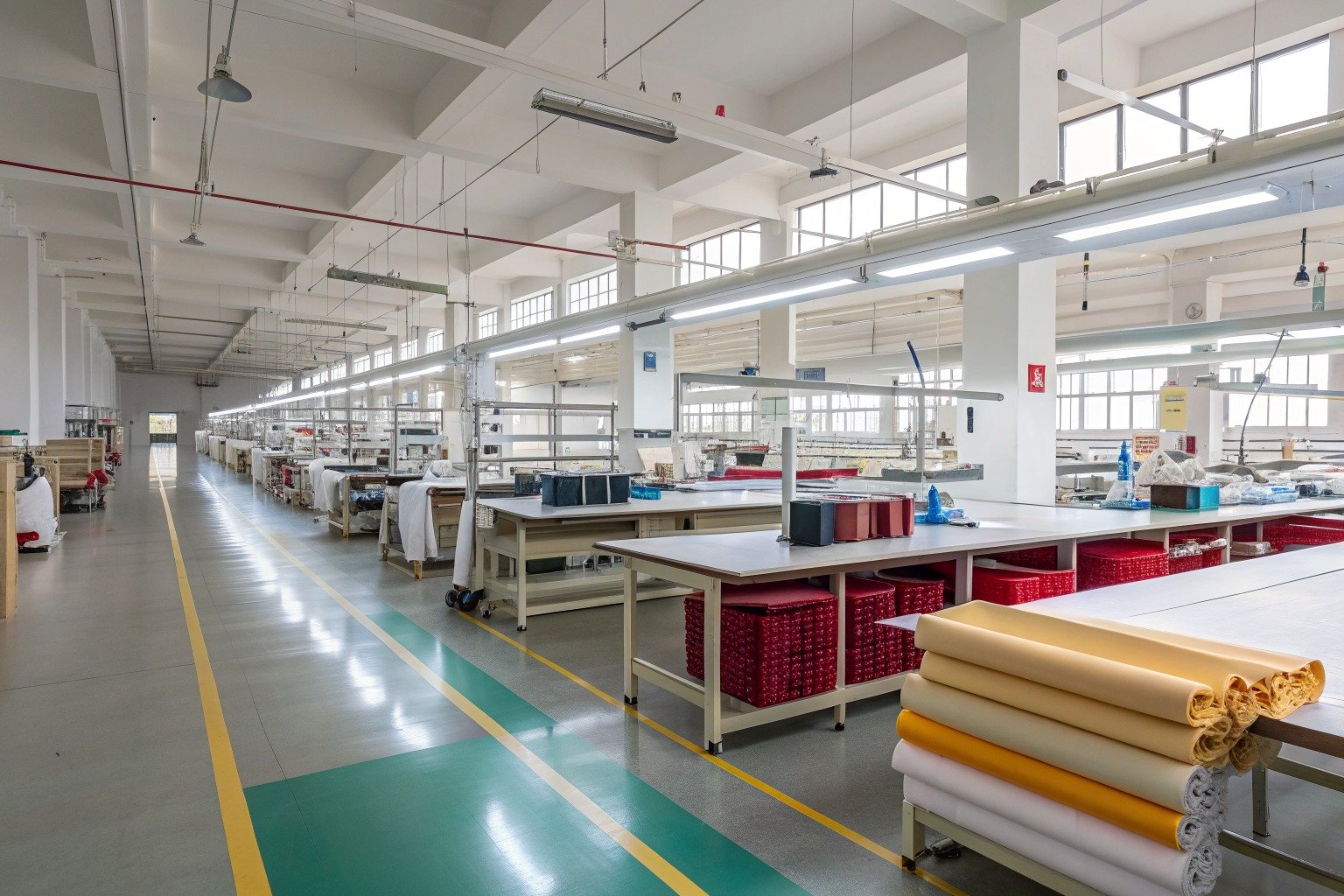
Successful sourcing involves clear technical communication, requesting physical samples, and verifying the supplier’s integrated production capabilities. It’s best to work with a manufacturer that either produces buckles in-house or has vetted, long-term sub-suppliers, ensuring full control over the supply chain and final quality. This level of control is vital for navigating all aspects of production, including logistics, tariffs, and on-time delivery.
Why Should You Always Request a "Complete Assembly" Sample?
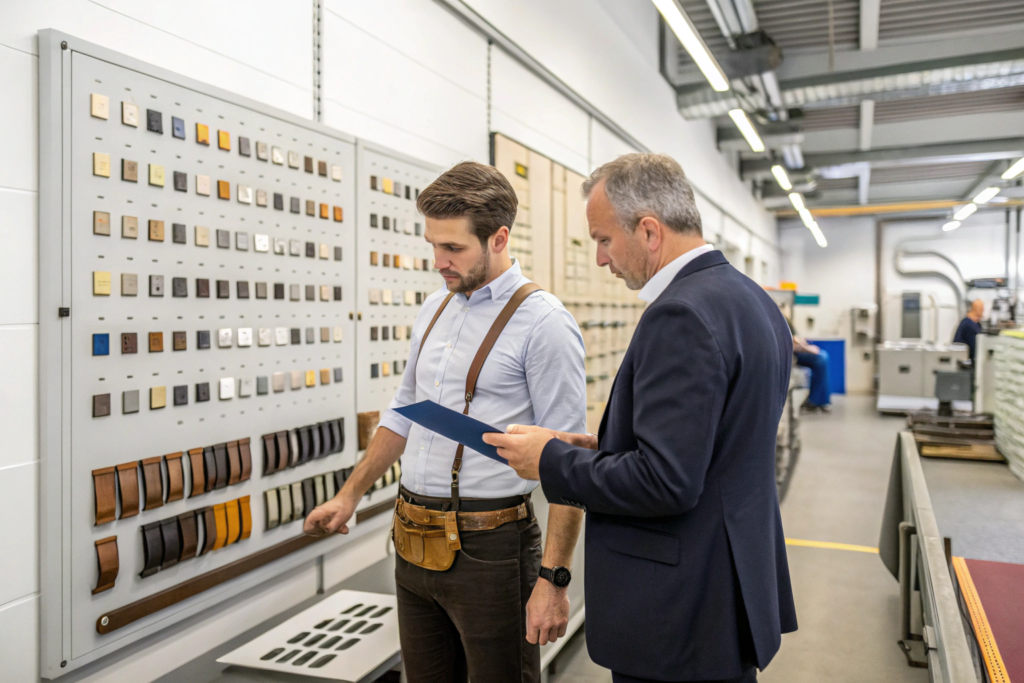
Never approve a buckle or a belt strap separately. Always insist on a complete assembly sample—the exact buckle attached to the exact belt material with the correct stitching or riveting. This sample reveals critical issues: Does the buckle’s finish match the leather dye or hardware? Does the buckle sit flat when fastened, or does it tilt? Is the attachment method (e.g., Chicago screws vs. fixed loops) secure and neat? Testing this sample yourself—fastening it dozens of times, checking the pull strength—is the best way to prevent mass production defects. This step is a fundamental part of the quality control process we follow at Shanghai Fumao Clothing, ensuring every component works in harmony.
How Can a Manufacturer Help with Custom Buckle Design?
If your brand needs a unique buckle to stand out, partnering with a manufacturer with in-house design and tooling capabilities is essential. The process typically involves: 1) Providing your design sketch or concept; 2) The factory creating a 3D model for approval; 3) Producing a prototype via 3D printing or soft mold; 4) Creating the final steel mold for mass production. While custom tooling has an upfront cost (mold fee), it results in a proprietary product that defines your brand. A knowledgeable manufacturer will also advise on design feasibility, suggesting adjustments to reduce mold complexity and cost without compromising the look. For insights into the tooling and molding process, industry resources like Plastics Today can be useful.
Conclusion
Choosing the right buckle for a casual belt is a strategic decision that blends art and engineering. It requires you to consider the target customer’s style, the functional demands of daily wear, and the practicalities of durable manufacturing. From the timeless pin buckle to the modern box-frame and the adjustable roller, each type serves a distinct purpose within the casual spectrum. The buckle’s size, finish, and material must harmonize with the belt strap to create a cohesive, desirable, and reliable product.
By approaching this decision methodically—understanding the types, aligning with an aesthetic, testing for function, and sourcing with a capable partner—you transform a basic accessory into a key component of your brand’s success. It’s this meticulous attention to detail that ensures your belts are not just purchased, but loved and worn repeatedly.
Ready to develop a standout line of casual belts with the perfect buckle? Partner with a manufacturer that understands these nuances from design to delivery. Contact our Business Director Elaine at Shanghai Fumao Clothing to discuss how we can bring your vision to life with professional expertise and reliable service. Her email is: elaine@fumaoclothing.com. Let’s build your next best-selling accessory collection together.