In the competitive world of fashion retail, finding a reliable manufacturing partner is crucial. Importers like Ron face a constant struggle: balancing quality, price, and the complex logistics of international trade. Many have been burned by delayed shipments, inconsistent quality, and hidden costs that erase their profit margins. The pain of inefficient communication, tariff uncertainties, and production delays is real.
Choosing a reliable fashion accessories manufacturer in China requires a comprehensive evaluation of their production capabilities, quality control systems, compliance standards, and logistical support, moving beyond just price comparisons to assess long-term partnership value. A truly reliable partner acts as an extension of your team, navigating the complexities of manufacturing in China to deliver consistent, high-quality products on time and within budget. The key is to look for transparency, proven systems, and a proactive approach to problem-solving.
Let's break down the critical steps and questions you need to ask to identify a manufacturer who won't just take your order but will safeguard your brand's reputation and profitability. This guide will walk you through the essential criteria, from factory audits to final delivery.
What Are the Key Factors in Manufacturer Quality Control?
Quality is the cornerstone of any successful product line. For buyers like Ron, inconsistent quality is a direct threat to customer satisfaction and brand loyalty. A manufacturer's commitment to quality control (QC) should be visible at every stage, not just a final inspection checkbox. A robust QC system is what separates a true partner from a mere supplier.
The key factors in a manufacturer's quality control are a structured, multi-stage inspection process, clear and measurable quality standards, and a dedicated, trained QC team empowered to enforce them. This systematic approach prevents defects from moving down the line and ensures the final product meets your exact specifications. It's about building quality into the process, not just inspecting for faults at the end.

How Does a Multi-Stage Inspection Process Work?
A multi-stage inspection process is non-negotiable for reliable production. At Shanghai Fumao Clothing, our system is designed to catch issues early, saving time and cost. The first stage is Incoming Quality Control (IQC), where all raw materials like fabrics, metals, and plastics are checked against approved samples. This prevents subpar materials from ever entering production. The next critical phase is In-Process Quality Control (IPQC). Our QC staff conduct random checks on the production line, verifying dimensions, stitching, assembly, and function. For instance, during the production of our popular headbands, we check elasticity and comfort at multiple points.
The final official gate is the Pre-Shipment Inspection (PSI). A comprehensive AQL (Acceptable Quality Level) check is performed on a statistically significant sample of the finished goods. However, for key clients, we add a During Production Inspection (DPI) midway through the order run. This provides an early snapshot and allows for corrections before completing the entire batch. Understanding these stages, as outlined by quality management frameworks, helps you ask the right questions. A manufacturer familiar with these protocols demonstrates a professional approach to risk management.
Why are Standardized Quality Documents Important?
Clear documentation eliminates ambiguity and sets the benchmark for quality. The most crucial document is the Approved Sample, signed and sealed by both parties, which becomes the physical standard for production. Supporting this are detailed Tech Packs with specs like dimensions, materials, colors (Pantone codes), and tolerances. Furthermore, a professional manufacturer will provide Inspection Reports (IPQC and PSI reports) that are data-driven, not just pass/fail sheets. These reports include photos of any defects found and the agreed-upon AQL standard used.
For buyers concerned about safety and compliance, especially for items like children's hair accessories or products in the hats and caps category, certificates like CE, CPSC, or CPSIA are vital. These are not just papers to file; they require rigorous factory processes and material sourcing to achieve. Insist on seeing valid test reports from accredited third-party labs. Transparent documentation builds trust and provides a clear trail for accountability, ensuring both parties are aligned from development to delivery.
How to Evaluate a Factory's Development and Production Capacity?
Beyond quality control, you need a partner who can bring your ideas to life efficiently. Ron's concern about development capacity is spot-on. The ability to translate a sketch or concept into a viable, cost-effective product is a core competency. This evaluation looks at both the "soft" skills of the team and the "hard" assets of the factory.
Evaluating a factory's development and production capacity involves assessing their design team's expertise, sampling speed and accuracy, production line flexibility, and overall scalability to meet your order volume and timeline. It's about understanding their problem-solving ability and whether they have the right tools and people for your specific product range.

What Questions to Ask About the Design and Sampling Process?
The sampling phase is a litmus test for the entire partnership. Start by asking about their in-house design team. Do they have trend researchers and technical designers who understand materials and construction? At Shanghai Fumao Clothing, our designers work closely with project managers to ensure designs are manufacturable. Ask about their sample turnaround time and cost structure. A reliable factory should provide a clear timeline for each sample stage (prototype, pre-production sample).
Crucially, inquire about their communication process during development. Do they use 3D renderings, provide regular photo updates, or use collaborative platforms? Ask for case studies of complex projects they've developed, such as a multi-component bag or a hat with intricate embroidery. Their ability to source and recommend new materials, like sustainable fabrics for scarves and shawls, can add immense value. The goal is to see if they are proactive problem-solvers or just order-takers.
How to Verify Real Production Capability and Lead Times?
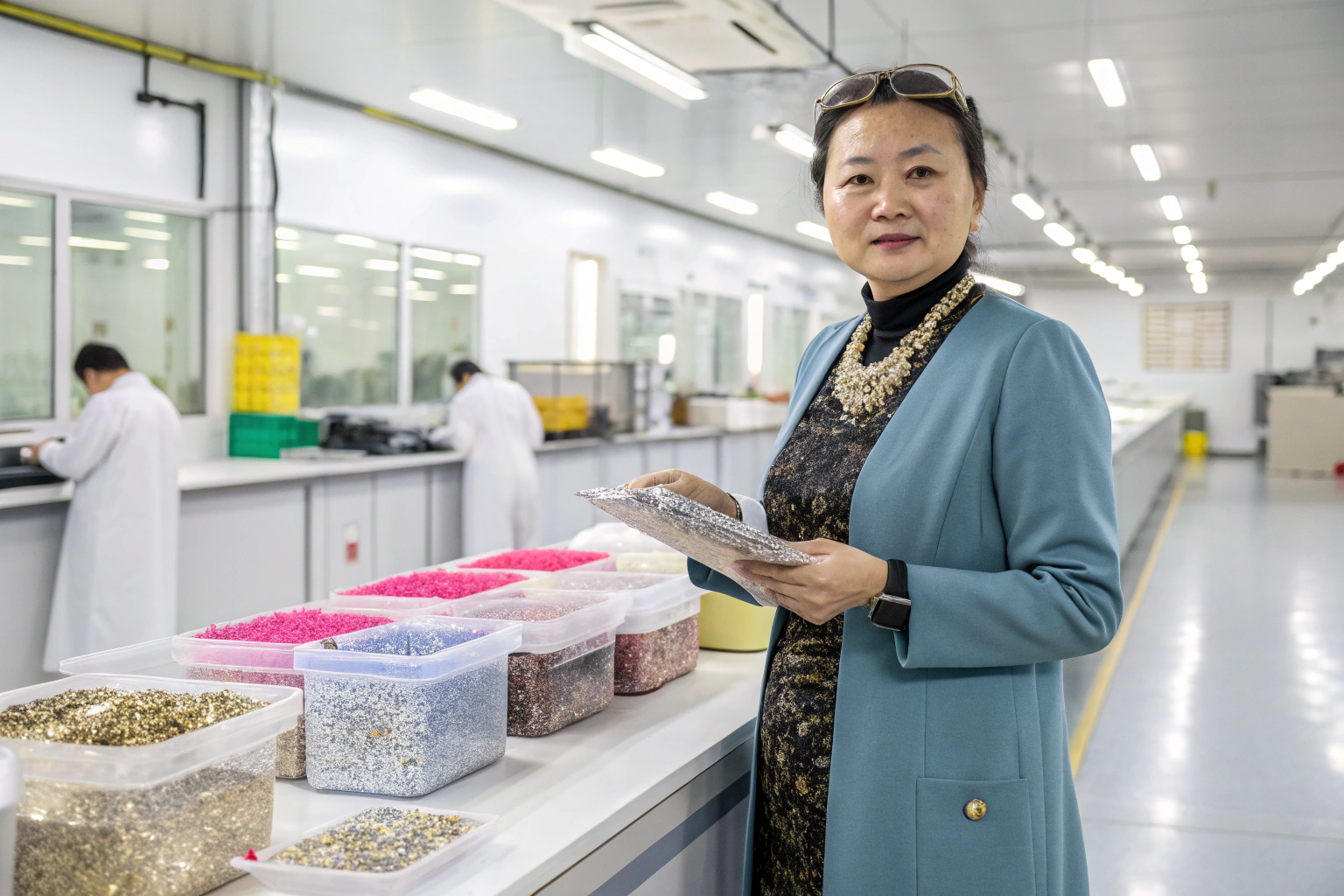
Always verify claims with evidence. A virtual or in-person factory tour is ideal to see the cleanliness, organization, and machinery. Ask about their production line setup: Are lines dedicated to specific product types (e.g., a sewing line for hats, an assembly line for hair clips)? This affects efficiency and quality. Request data on their standard production lead times for different product categories and their on-time delivery (OTD) rate.
Understanding their capacity planning is key. Ask how they handle peak seasons and if they have a trusted network of sub-suppliers for components, which is common for items like umbrellas where frames and fabrics may come from specialized makers. A transparent factory will discuss potential bottlenecks. Inquire about their worker training programs and shift schedules, as these directly impact output stability. Real capability is proven by a consistent track record of fulfilling orders of similar size and complexity to yours on schedule.
What Logistics and Compliance Solutions Do Professional Manufacturers Offer?
A perfect product is useless if it's stuck in a port or incurs unexpected tariffs. Ron's pain points with sailing schedules, tariffs, and security are shared by many importers. A professional manufacturer doesn't stop at the factory gate; they provide solutions that streamline the entire journey of your goods to your warehouse.
Professional manufacturers offer comprehensive logistics and compliance solutions, including expertise in Incoterms, partnership with reliable freight forwarders, tariff classification guidance, and secure, flexible payment terms, all designed to reduce risk and total landed cost for the buyer.

How Can the Right Shipping Terms Reduce Cost and Risk?
The choice of Incoterms fundamentally dictates cost, risk, and control. A professional manufacturer will explain the pros and cons of terms like FOB (Free On Board) vs. EXW (Ex Works). For most importers, FOB is a balanced choice where the supplier handles costs and risks until the goods are on the vessel, and the buyer takes over main shipping costs and control. We often guide our clients through this decision based on their experience and resources.
Furthermore, a good manufacturer has established relationships with multiple freight forwarders and can often secure competitive rates due to their volume. They should provide transparent shipping schedules and updates. For time-sensitive goods like seasonal fashion accessories, they can advise on the best routes and modes (air vs. sea). Their project management team should coordinate closely with the forwarder to ensure timely container loading and accurate documentation, preventing costly demurrage or detention fees. This end-to-end coordination is a key service of a partner like us.
What Should You Know About Tariffs and Payment Security?
Tariffs are a major cost factor. A savvy manufacturer stays informed on trade policies. For example, they should know which product categories (like many of our fashion accessories) may be affected by specific tariff codes and can advise on proper Harmonized System (HS) code classification to avoid customs issues. While they cannot provide legal tax advice, their experience is invaluable for planning.
Payment security is equally critical. Professional factories offer a range of standard payment methods like T/T (Telegraphic Transfer) with a common structure (e.g., 30% deposit, 70% before shipment), L/C (Letter of Credit) for high-value orders, or even secure online payment portals. They should be transparent about all costs upfront to avoid hidden fees. Using escrow services through platforms like Alibaba is also an option for new partnerships. The presence of clear contracts and professional invoicing are signs of a reputable business that protects both parties' interests.
Why is Partnering with an Experienced Manufacturer Better Than Just Buying?
The final consideration is the nature of the relationship itself. The market is full of traders and factories that treat each transaction in isolation. For sustained growth and brand development, you need more than a vendor; you need a strategic partner. This is the difference between short-term cost savings and long-term value creation.
Partnering with an experienced manufacturer provides long-term benefits like consistent quality, proactive innovation, supply chain stability, and collaborative problem-solving, which far outweigh the perceived short-term savings of constantly switching suppliers based on the lowest price.
How Does a Partnership Drive Innovation and Efficiency?
An experienced partner invests in your success. They learn your brand's standards and aesthetic, which reduces errors over time. Their project managers become extensions of your team, anticipating needs and suggesting improvements. For instance, after several seasons producing knit hats for a client, we might suggest a new blend of yarn that increases softness while reducing cost, based on our sourcing network.
This collaborative relationship drives efficiency. Sampling becomes faster because the technical team already understands your requirements. Communication is streamlined through dedicated contacts. The manufacturer can also advise on value engineering—making design tweaks that maintain quality but simplify production, saving you money. They can help you plan production calendars to avoid factory congestion and secure better material prices. This proactive approach, focused on your total cost of ownership, is the hallmark of a true partner like Shanghai Fumao Clothing.
What are the Hidden Costs of Supplier Churn?
Constantly hunting for the lowest bidder has significant hidden costs. Each new supplier requires time for vetting, onboarding, and磨合 (breaking-in), leading to a high risk of quality failures in the first order. Inconsistent quality across orders damages your brand reputation, which is far more expensive to repair than any unit cost saving.
Logistics and communication become fragmented. You must manage multiple contacts, payment terms, and shipping arrangements. There's no accumulation of trust or leverage for better service. Furthermore, a transactional supplier has little incentive to be transparent during material cost fluctuations or production delays; they might cut corners to protect their thin margin. In contrast, a committed partner will work with you through challenges, offering solutions because your long-term business is valuable to them. The stability and risk mitigation offered by a reliable partnership ultimately protect your profitability.
Conclusion
Choosing a reliable fashion accessories manufacturer in China is a strategic decision that impacts every aspect of your business. It goes beyond comparing unit prices on a spreadsheet. It requires a deep dive into their quality control systems, a clear evaluation of their development and production capabilities, an understanding of the logistics and compliance support they offer, and a commitment to building a partnership rather than just making a purchase. By focusing on these areas—robust QC processes, transparent capacity, end-to-end logistical expertise, and a partnership mindset—you can find a manufacturer who becomes a true ally in growing your brand.
The right partner will save you from the headaches of missed deadlines, quality rejections, and logistical nightmares. They will provide the professional service, reliability, and innovation you need to compete confidently in the North American and European markets. Your search should end with a factory that feels like an extension of your own team.
If you are looking for a professional, reliable partner to manufacture your next line of hair accessories, scarves, hats, belts, or any fashion item, we invite you to experience the AceAccessory difference. Let's discuss how we can bring your designs to market with quality and efficiency. For a detailed consultation, please contact our Business Director Elaine at elaine@fumaoclothing.com. We look forward to building a successful partnership with you.