You just received a panicked email from your largest retail partner. They performed a random heavy metals test on your latest shipment of belts and hair clips. The report came back showing trace levels of lead in the metal buckle and the hair clip spring. The entire shipment is now on hold. The retailer is demanding a corrective action plan and proof that future shipments will be compliant. You are facing a potential chargeback, a return of thousands of units, and a serious blow to your reputation as a reliable vendor. You thought you were buying "metal" components. You did not realize that "metal" can mean many different things, and some of those things contain lead.
To ensure lead-free zippers and metal components on belts and hair clips, you must specify in your purchase order that all metal parts must comply with US CPSIA total lead content limits of 100 parts per million or less, request XRF screening reports or third-party lab test certificates for each production batch, and partner with a factory like AceAccessory that maintains a documented, audited supply chain for compliant metal hardware.
I manage Shanghai Fumao in Zhejiang, and lead compliance is a daily operational reality for us. The US Consumer Product Safety Improvement Act, or CPSIA, sets strict limits on lead in children’s products and in all accessible components of consumer goods. A belt buckle or a hair clip spring is an accessible component. The limit is 100 parts per million of total lead content. Exceeding this limit is not a minor quality issue. It is a violation of federal law. Let me explain exactly how we manage this risk so you can specify and verify compliance with confidence.
Why Is Lead a Concern in Belt Buckles and Hair Clip Components?
Lead is not intentionally added to most fashion accessory components. It is an impurity, a contaminant that enters the metal supply chain through the use of recycled metals or low-grade alloys. This is the key to understanding the risk. The factory may not be deliberately adding lead. They may simply be using a cheap, uncontrolled source of metal.
Metal components like belt buckles, zipper pulls, hair clip springs, and rivets are often made from zinc alloy or brass. These alloys are created by melting down and mixing various metal scraps. If the scrap metal contains lead, that lead ends up in the finished alloy. A factory that does not strictly control and test its incoming metal supply chain is at high risk of producing components with elevated lead levels. A factory that sources from certified, compliant metal suppliers and verifies the material with testing is at low risk.
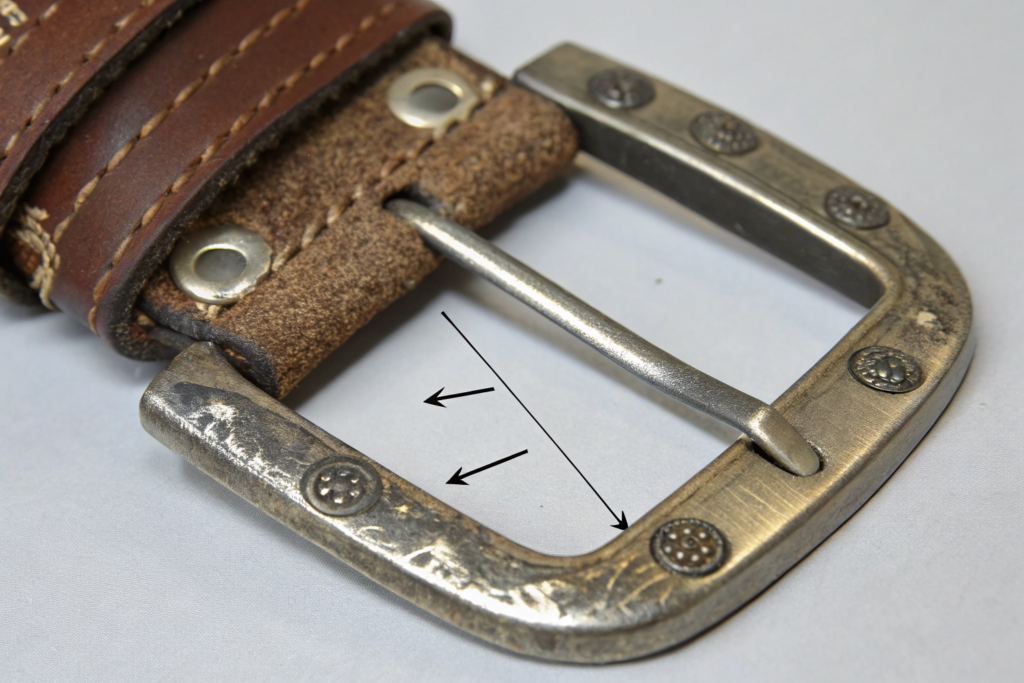
The risk is highest in small, decorative components and in the base metal underneath a plating. The plating itself, such as nickel or chrome, may be lead-free, but the underlying base metal can still contain lead. If the plating wears off, or if the component is tested in a way that penetrates the plating, the lead will be detected. This sources of lead contamination in zinc alloy and brass fashion accessory components is a supply chain issue, not a simple manufacturing error.
What Is the CPSIA Lead Limit for Adult and Children’s Accessories?
The Consumer Product Safety Improvement Act, or CPSIA, sets the legal limit for total lead content in accessible components. For children’s products, defined as items primarily intended for children 12 and under, the limit is 100 parts per million, or ppm. This is a very strict limit.
For general use, or adult products, the limit is also 100 ppm for accessible components. A belt buckle is an accessible component. An adult touches it. A hair clip spring is an accessible component. The law applies to these items. There is no exemption for adult fashion accessories. If your product contains a metal component with lead content exceeding 100 ppm, it is considered a banned hazardous substance under the Federal Hazardous Substances Act and cannot be legally sold in the United States.
This is the standard we design and manufacture to at Shanghai Fumao. We do not make a distinction between adult and children’s accessories when it comes to lead in metal components. Our internal standard is a maximum of 90 ppm to provide a buffer below the legal limit. This CPSIA lead limits for adult fashion accessories and children’s products is the regulatory framework you must understand.
How Does Lead Get into Zipper Teeth and Sliders?
Zippers are complex assemblies with multiple metal components. The teeth, the slider body, the pull tab, and the stopper at the end can all be made of metal. Each of these components carries the same lead risk as a buckle or a clip.
Zipper teeth are often made of brass or a zinc alloy. The slider is often made of a die-cast zinc alloy. If the zipper manufacturer uses low-grade, untested alloy, the zipper can contain lead. The risk is particularly high with decorative zippers that have custom-shaped metal pulls. These pulls are often made in small batches by smaller hardware suppliers with less rigorous quality control.
We source our zippers from major, internationally recognized zipper brands that provide compliance documentation. For custom metal pulls, we use the same certified alloy suppliers that we use for our buckles and clips. We do not take shortcuts on zipper sourcing. This lead risks in zipper components and the importance of certified zipper suppliers is a critical part of accessory compliance.
How Do You Specify Lead-Free Requirements to Your Factory?
You cannot assume the factory knows your requirements. You must state them explicitly in writing. A vague request for "good quality metal" is legally and practically meaningless. A precise, contractual specification is required.
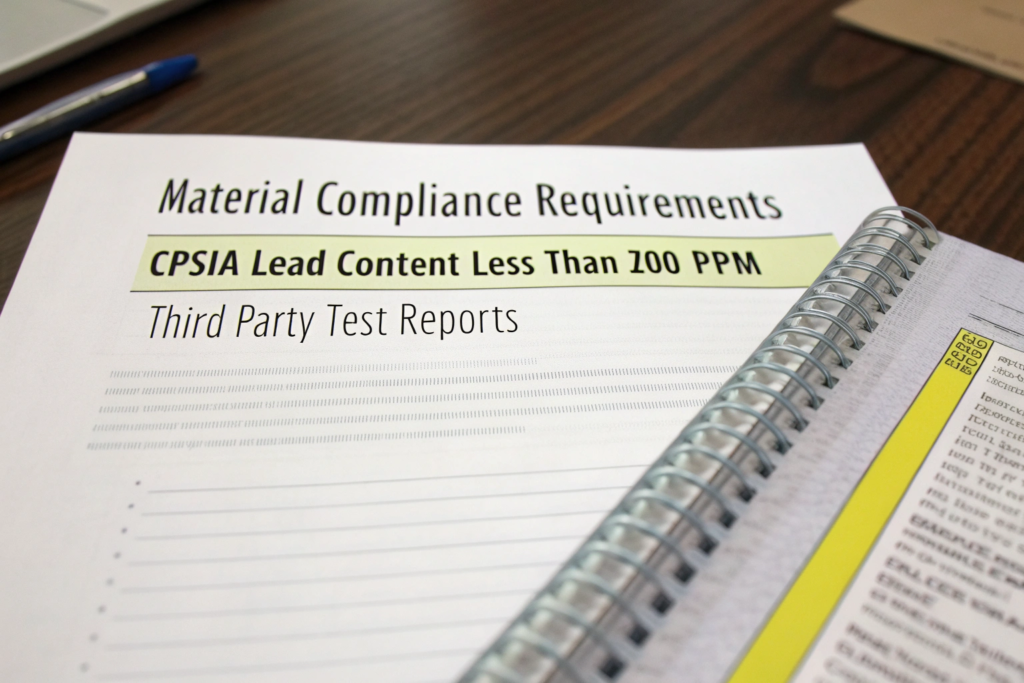
Your purchase order or product specification sheet must include a clear statement. For example, "All metal components used in this order, including but not limited to buckles, rivets, springs, and zipper parts, must comply with the US CPSIA requirement for total lead content of 100 parts per million or less. Supplier must provide a valid third-party laboratory test report demonstrating compliance for the specific production batch." This language leaves no room for ambiguity.
At Shanghai Fumao, we welcome this specification. It aligns with our own internal standards. We are prepared to provide the required documentation. A factory that hesitates or tries to add a surcharge for "compliant materials" is a factory you should investigate carefully. Compliant materials should be their standard, not an upgrade. This contractual language for specifying lead free and CPSIA compliant metal components is essential for legal protection.
What Is a Mill Certificate and Is It Sufficient for Lead Compliance?
A mill certificate, or mill test report, is a document provided by the metal supplier stating the chemical composition of a batch of metal. It can be a useful part of a compliance program, but it is not sufficient on its own for final product assurance.
The mill certificate tells you about the raw metal alloy before it was melted and cast into a buckle or a clip. It does not tell you about any contamination that might have occurred during the manufacturing process. It also does not test the finished component, which includes any platings or coatings. A mill certificate is a good starting point, but it must be supplemented by testing of the finished part.
We collect mill certificates from our certified alloy suppliers as part of our incoming material control. But we do not rely on them exclusively. We also perform our own testing on the finished components. This limitations of mill certificates for finished product lead compliance and the need for component testing is an important distinction.
What Questions Should You Ask About a Factory’s Metal Supply Chain?
During the factory vetting process, you should ask specific questions about where they buy their metal components. The answers will reveal their level of control over this critical risk.
Ask, "Who is your supplier for zinc alloy buckles? Do you have a long-term relationship with a certified supplier, or do you buy from the spot market?" A factory with a stable, certified supply chain is lower risk. Ask, "Do you perform any incoming inspection or testing on metal components?" A factory that does nothing and trusts the supplier is high risk. Ask, "Can you provide a third-party lab test report for a similar component from a recent production run?" A compliant factory will have this documentation readily available.
At AceAccessory, we can answer these questions clearly and provide evidence. Our metal component supply chain is audited and documented. This questions to assess a factory’s metal component supply chain and lead compliance program should be part of your supplier due diligence.
How Do You Verify Lead Compliance Through Testing?
Testing is the only way to be certain. You cannot see, smell, or feel lead in a metal component. You need analytical data. There are two primary testing methods used for lead compliance in consumer goods.
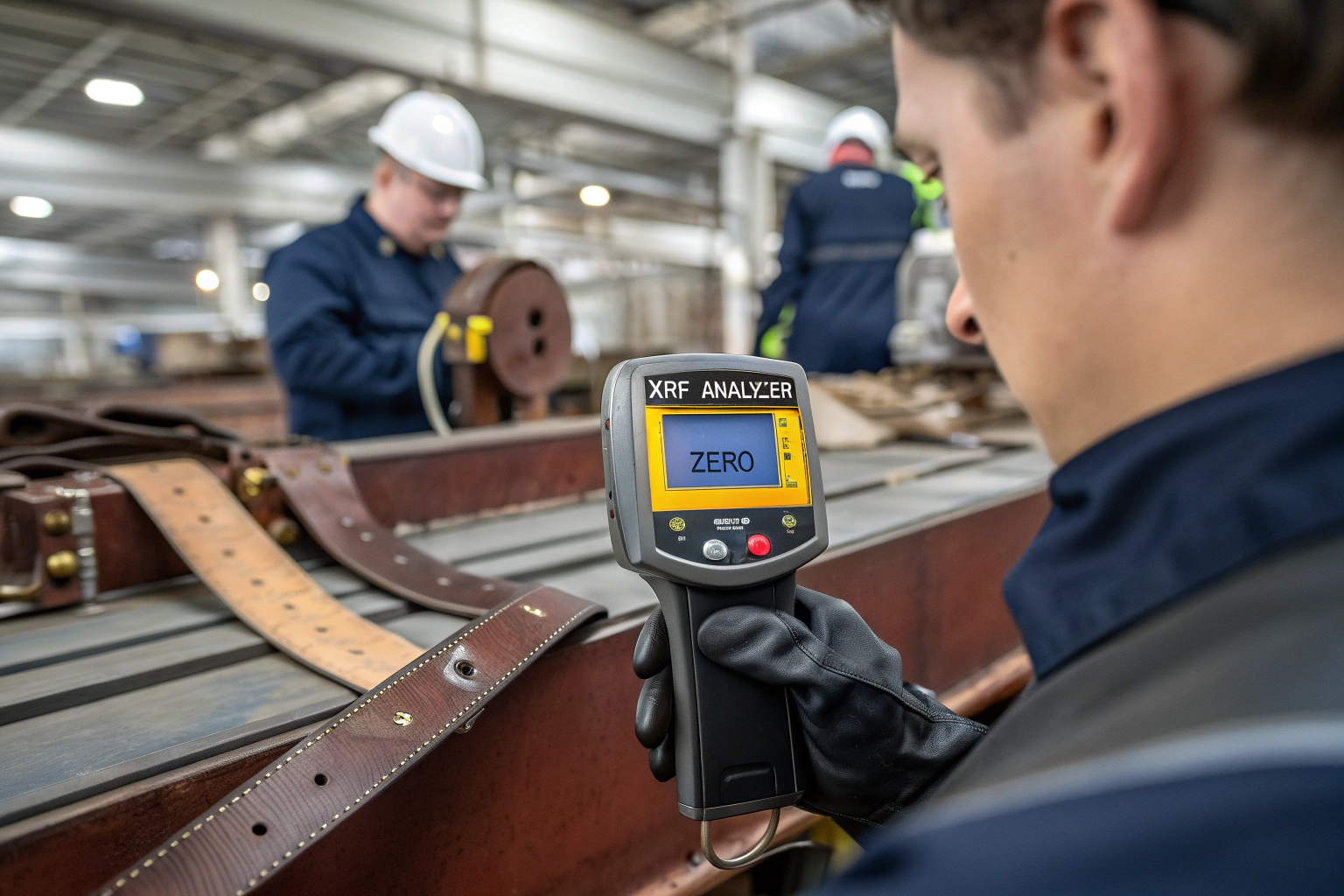
The first is X-Ray Fluorescence, or XRF, screening. This is a handheld device that can non-destructively measure the elemental composition of a metal surface. It provides an instant reading. It is an excellent screening tool for factories to use during production. At AceAccessory, we use an XRF analyzer to screen incoming metal components and finished goods. If the XRF reading is well below the 100 ppm limit, we have high confidence. If the reading is close to the limit, we send the component to an external lab for confirmatory testing.
The second method is wet chemistry analysis, such as Inductively Coupled Plasma, or ICP, testing. This is a destructive test performed by an accredited laboratory. The metal sample is dissolved in acid and analyzed. It provides a precise, legally defensible measurement of total lead content. This is the test required for a formal Certificate of Compliance. We use ICP testing for final verification and to provide our clients with the required documentation. This XRF screening versus ICP wet chemistry testing for lead in fashion accessories is the technical foundation of compliance verification.

What Is a Reasonable Testing Frequency and Sampling Plan?
Testing every single component is impractical. A risk-based sampling plan is the industry standard. The frequency of testing should be based on the risk profile of the component and the supplier.
For a new component from a new supplier, 100% testing of a pre-production sample is essential. For ongoing production from a certified, low-risk supplier, batch testing is appropriate. We typically test one sample per production batch or per shipment of components. If we change suppliers or if the supplier changes their raw material source, we increase the testing frequency.
You should discuss the sampling plan with your factory and your own compliance team. The key is to have a documented plan that is being followed consistently. This risk based sampling plan for lead testing frequency in ongoing accessory production provides assurance without excessive cost.
How Do You Interpret a Lead Test Report from a Lab Like SGS?
A test report from an accredited lab contains specific information that you must be able to read and understand. The most important number is the result for total lead, often expressed in milligrams per kilogram, which is equivalent to parts per million.
The report will state the test method used, such as CPSC-CH-E1001-08, which is the standard method for lead in non-metal children’s products, or a similar method for metals. It will state the result. For example, "Lead (Pb): < 5 mg/kg." This means the lead content was below the detection limit of the instrument, which is excellent. It will state the detection limit. The report will also state the conclusion, usually "Pass" or "Fail" against the specified limit.
Look for the laboratory’s accreditation logo, such as ISO 17025. This confirms the lab is competent to perform the test. If you are unsure how to read the report, ask your factory or your compliance consultant to explain it. This how to read and interpret a third party lead test report from an accredited laboratory is a basic skill for any importer of metal accessories.
What Are the Best Material Alternatives to Avoid Lead Risk Entirely?
The most effective way to eliminate lead risk from metal components is to eliminate the metal itself. For many accessory styles, alternative materials can achieve the desired aesthetic and function without the compliance burden of metal.
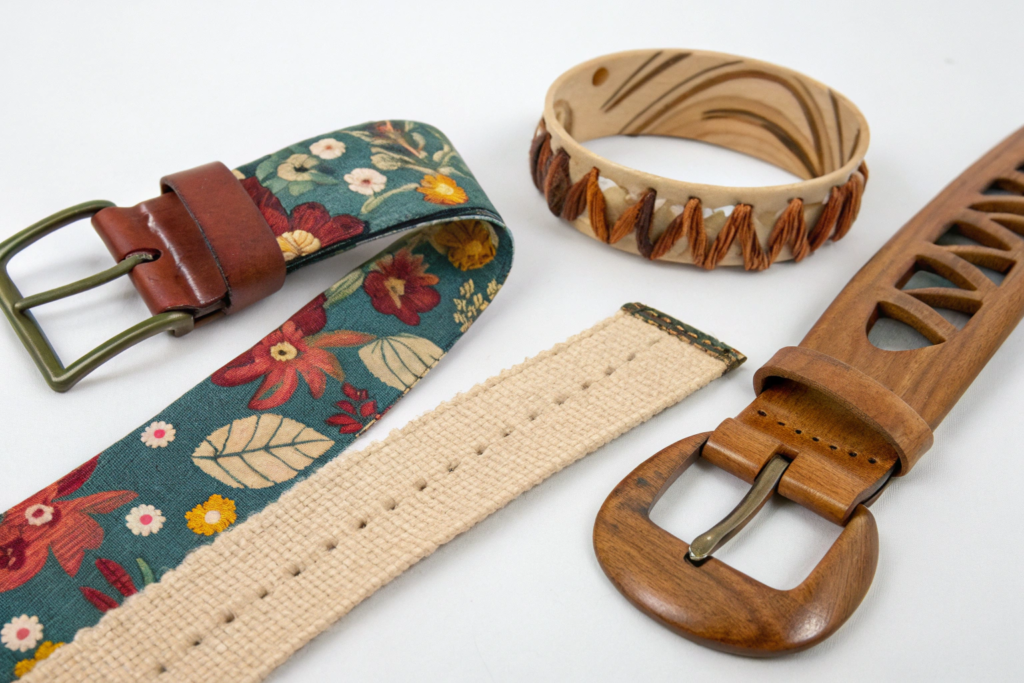
For hair clips and claws, the entire body can be made from acetate or bio-resin. These are plant-based plastics that contain no metal and therefore no lead risk. The spring mechanism can be a source of lead, but we source our springs from certified suppliers who provide lead-free compliance documentation. For belts, we can use natural materials for the buckle, such as wood, horn, or corozo nut. These materials are beautiful, unique, and inherently lead-free. For fabric belts, we can use a simple tied closure or a D-ring made from the same acetate material.
These material alternatives often align with the natural, sustainable aesthetic that is trending for 2026. They solve the compliance problem while also enhancing the brand story. This lead free material alternatives to metal for hair clips and belt buckles is a proactive design strategy for risk reduction.
Are Plastic Components Automatically Lead-Free?
No. This is a dangerous assumption. While the base plastic polymer, such as polypropylene or ABS, does not contain lead, the additives and colorants used in plastics can contain lead and other heavy metals.
Lead can be present in certain pigments, particularly bright yellows, oranges, and reds. It can be used as a stabilizer in some PVC formulations. You must apply the same rigorous specification and testing to plastic components as you do to metal components. The CPSIA lead limit of 100 ppm applies to the entire accessible component, regardless of material.
We specify that all colorants and additives used in our plastic and acetate components must be compliant with CPSIA and REACH. We request compliance documentation from our material suppliers and perform periodic testing. This lead risks in plastic colorants and additives for fashion accessories is an often-overlooked aspect of compliance.
How Do You Ensure Lead-Free Springs in Hair Clips?
The spring is the most critical component in a hair clip. It is almost always made of metal. It is under constant tension and subject to wear. If the spring contains lead and the plating wears off, the lead is exposed.
We have qualified a specific supplier for our hair clip springs. This supplier provides us with a formal certificate of compliance and a third-party test report for each batch of spring wire. The wire is made from a specific grade of music wire or stainless steel that is formulated to be lead-free. We do not purchase springs from unknown sources. The small additional cost of a certified spring is a fraction of the cost of a failed compliance test. This sourcing certified lead free springs for hair clips and barrettes is a critical detail for this product category.
Conclusion
Ensuring lead-free zippers and metal components on belts and hair clips is not a matter of luck or trust. It is a matter of disciplined supply chain management, clear contractual specification, and verified testing. The risk is real. Lead is a common contaminant in low-cost, unregulated metal supply chains. The legal and financial consequences of a compliance failure are severe.
The solution is a systematic approach. Specify the 100 ppm CPSIA limit in your purchase orders. Partner with a factory like AceAccessory that has a documented, audited metal supply chain. Require third-party test reports from accredited laboratories. Consider alternative materials like acetate, wood, and natural horn to eliminate the metal risk entirely. And verify, verify, verify.
We have built our compliance program on these principles. Lead safety is not an optional extra at our factory. It is a fundamental requirement for doing business with responsible US brands and retailers. We invest in the testing equipment, the certified suppliers, and the documentation systems to give our clients confidence that the products they receive are safe and legal.
If you are sourcing belts, hair clips, or any accessories with metal components and want a partner who takes lead compliance as seriously as you do, I encourage you to contact our Business Director, Elaine. She can provide sample test reports and walk you through our compliance protocols. You can email Elaine at: elaine@fumaoclothing.com. Let us help you eliminate lead risk from your supply chain.