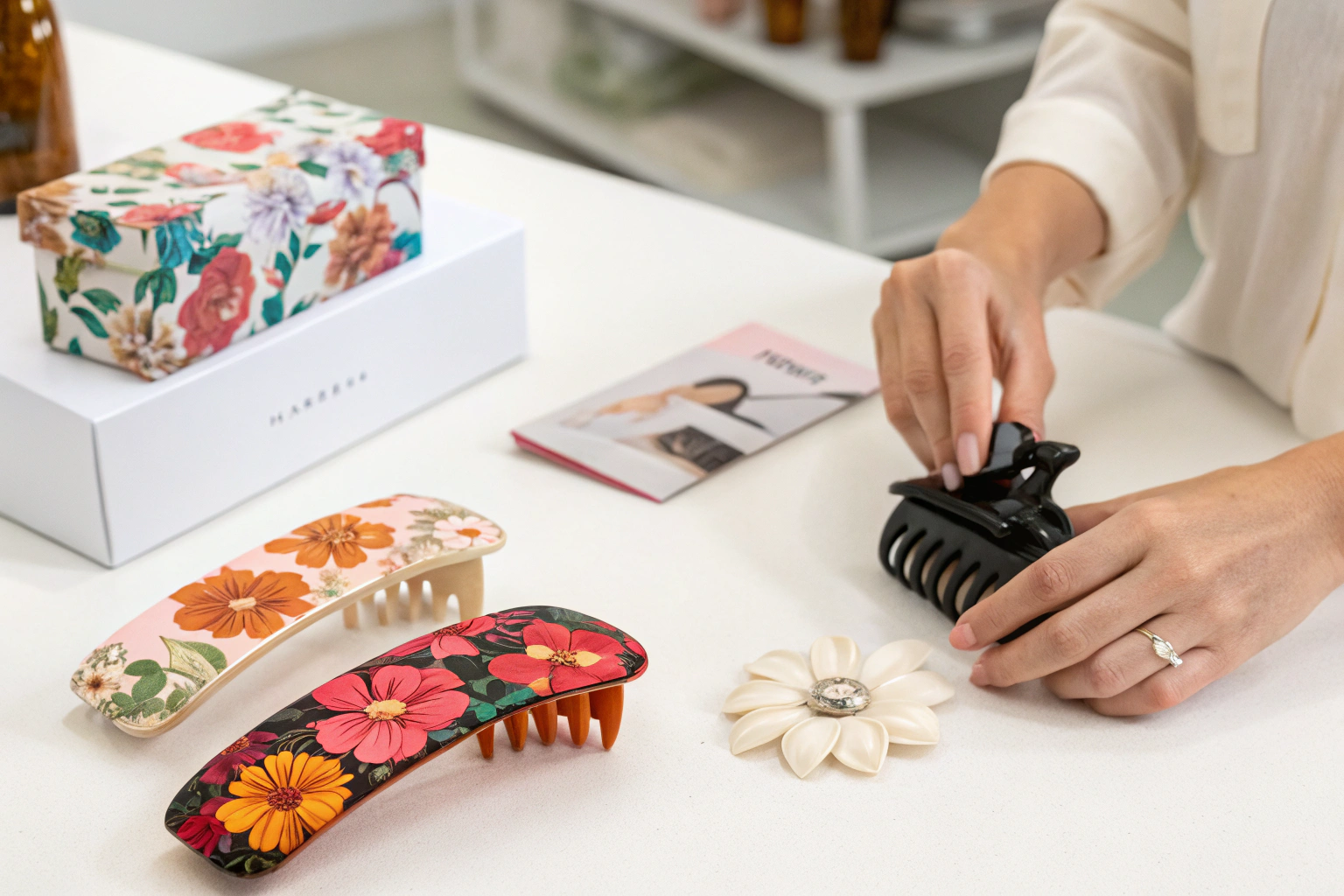
A buyer from a London-based fashion accessories brand once sat in my showroom with a collection plan that other factories had called impossible. She wanted 5,000 flat, digitally printed hair clips featuring a bold, pop-art lip motif, and 5,000 sculptural, three-dimensional hair claws in a matching colour palette. The flat clips were for her casual, everyday line. The 3D claws were for her statement, premium line. Together, they told a cohesive brand story. She had approached three factories. One only did flat printing. One only did injection-molded 3D shapes. One said they could do both but quoted a 60-day lead time that would miss her retail delivery window. She asked me if our factory could handle both techniques in a single, coordinated production run.
Yes, our factory can produce both flat printed hair clips and 3D sculptural hair claws in a single consolidated order. We have digital and screen printing lines dedicated to flat accessories, and injection molding and resin casting workshops for 3D shapes. Both production streams operate under the same roof, managed by a single project manager, with shared quality control standards and consolidated shipping.
At Shanghai Fumao, we have invested in both flat printing and 3D molding capabilities because we know that a modern accessory collection is rarely one-dimensional. Brands mix techniques to create visual interest and serve different customer needs. Let me explain how we bridge these two very different production methods.
What Are the Key Production Differences Between Flat and 3D Hair Clips?
Flat hair clips and 3D hair claws are fundamentally different products that require different manufacturing techniques, different materials, and different quality checks. A flat clip begins as a sheet of material, typically acrylic, acetate, or metal. The shape is cut from the sheet, and the design is applied to the surface by printing, engraving, or applying a decal. The clip mechanism is attached. The result is a lightweight, two-dimensional accessory where the design is on the surface.
A 3D claw begins as a digital 3D model. A steel mold is cut. Molten resin, acetate, or plastic is injected into the mold cavity. The material fills the three-dimensional shape. The part is cooled, ejected, polished, and assembled with a spring mechanism. The result is a sculptural, three-dimensional accessory where the design is the shape itself. The two processes share almost no common equipment. They are different worlds of manufacturing. A factory that masters both has made a significant investment in equipment and skills.
How Does the Flat Printing Process Work for Hair Clips?
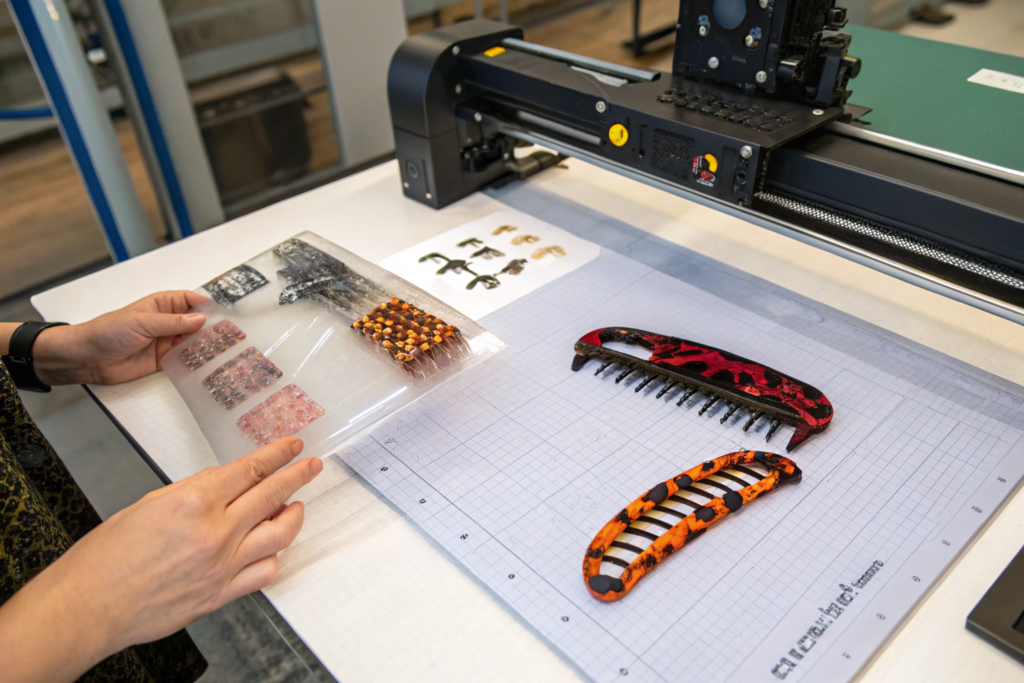
The flat printing process for hair clips typically uses sheets of transparent acrylic, cellulose acetate, or aluminium. The sheet material is screen-printed or digitally printed with the design. For a vibrant, photographic-quality print, we use UV digital printing. The ink is jetted onto the material surface and cured instantly with ultraviolet light. The print is durable, scratch-resistant, and can reproduce millions of colours.
After printing, the sheet is placed on a laser cutting machine or a CNC router. The machine cuts the clip shape, including any decorative contours and the attachment points for the clip mechanism. The cut edges are polished to a smooth finish. The metal clip mechanism is attached with adhesive or mechanical fasteners. The finished clip is lightweight, flat, and visually striking. The print quality is the primary quality attribute. Flat clips are popular for fashion brands that want to feature artwork, patterns, or photographic imagery on their accessories. Understanding UV digital printing on acrylic helps you appreciate the technology behind vibrant flat clips.
How Does the Injection Molding Process Create 3D Shapes?
The injection molding process for 3D hair claws uses a steel mold that defines the three-dimensional shape. The mold is precision-machined from tool steel using CNC equipment. The mold cavity has the exact inverse shape of the finished claw. Molten plastic, typically ABS, polycarbonate, or cellulose acetate, is injected into the mold under high pressure. The material fills every contour of the cavity. The mold is cooled, and the part solidifies. The mold opens, and the part is ejected.
The molded part has a three-dimensional shape that is consistent from piece to piece. The surface can be polished, textured, or coated. The spring mechanism is attached. The finished claw has depth, volume, and sculptural presence. The mold is the critical asset. It defines the shape, the surface finish, and the dimensional accuracy. The mold cost is significant, but the per-unit cost at volume is low. 3D claws are the premium segment of the hair accessory market. Professional injection molding for accessories is the technology that enables complex 3D shapes at scale.
How Does Our Factory Manage Both Techniques Under One Roof?
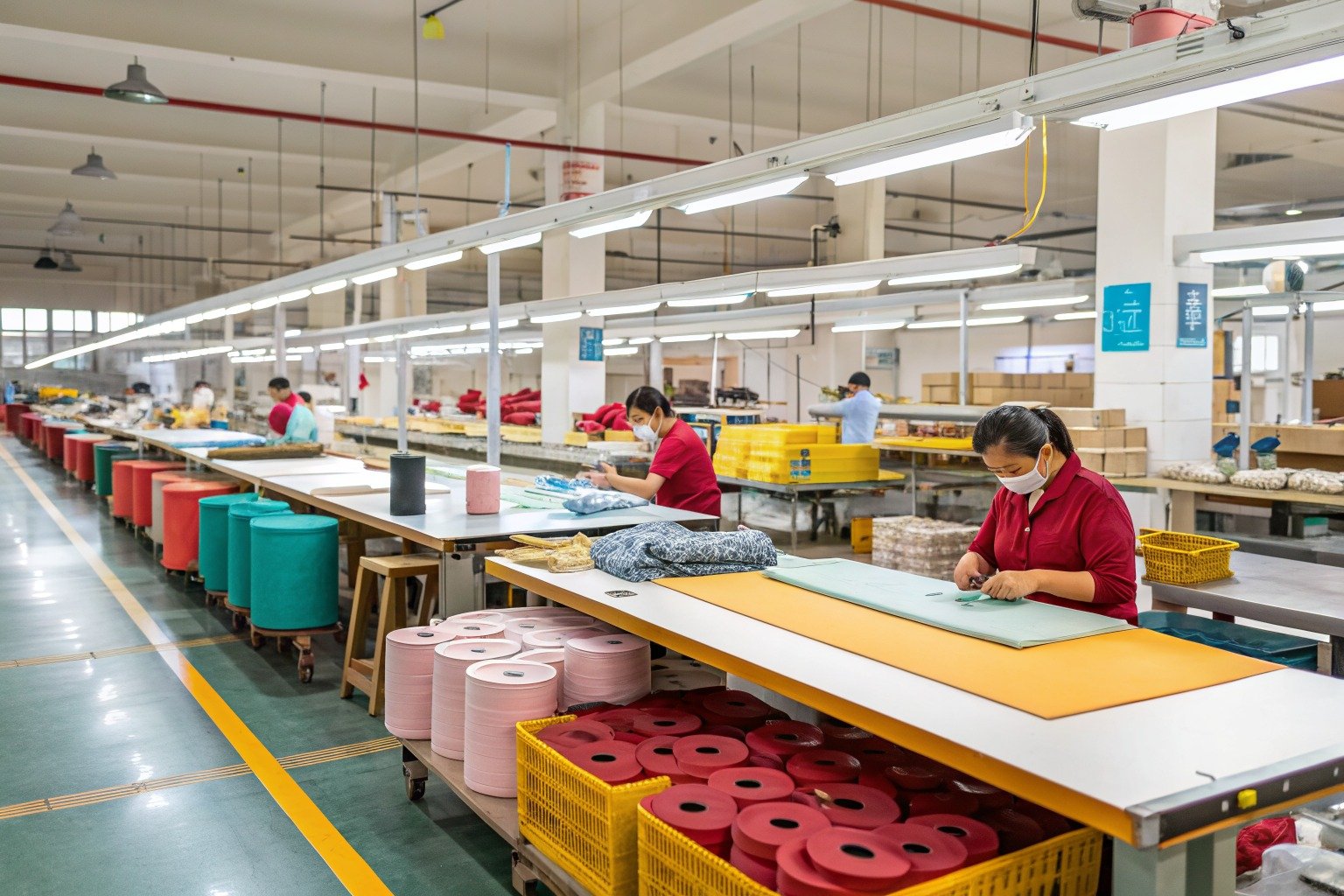
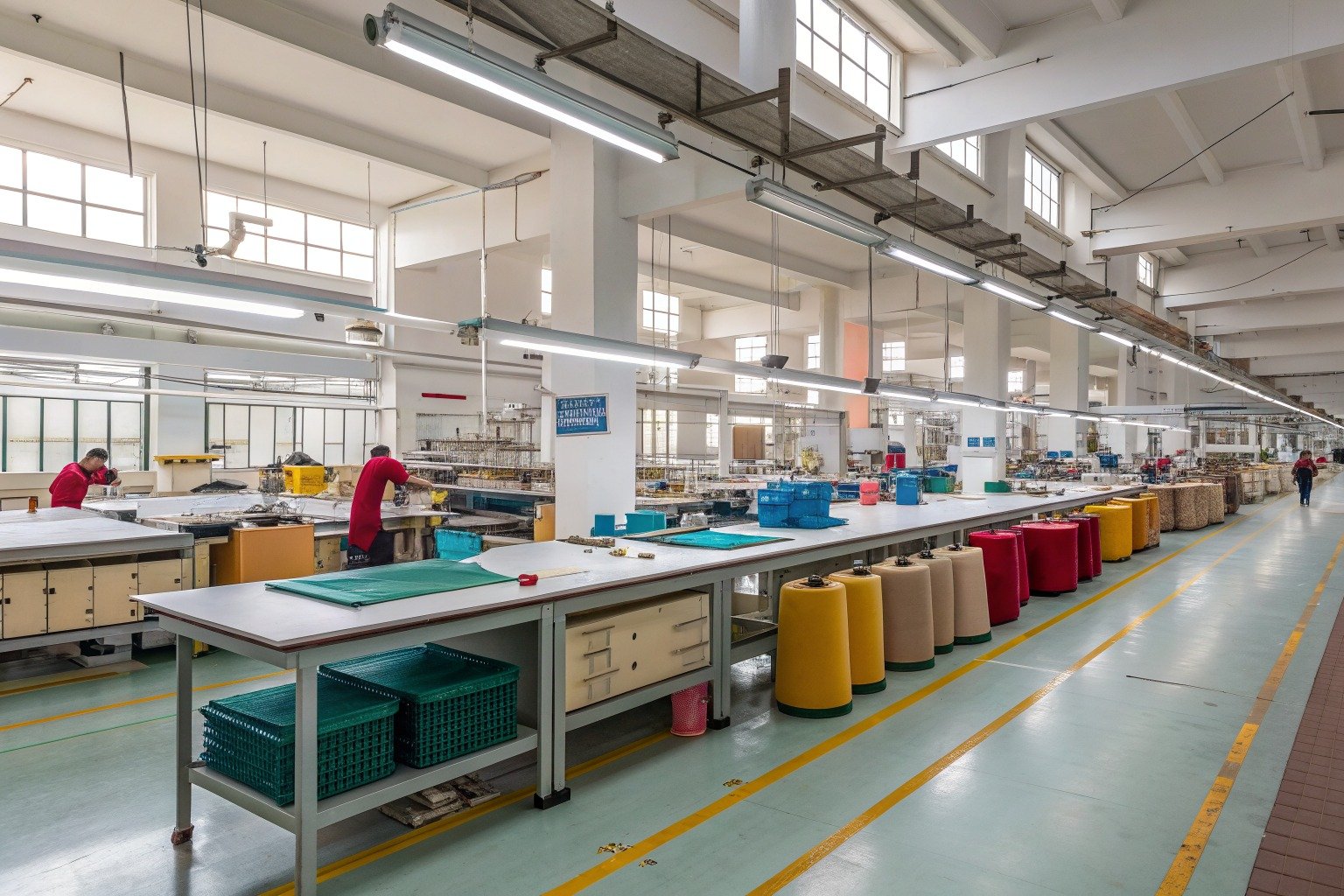
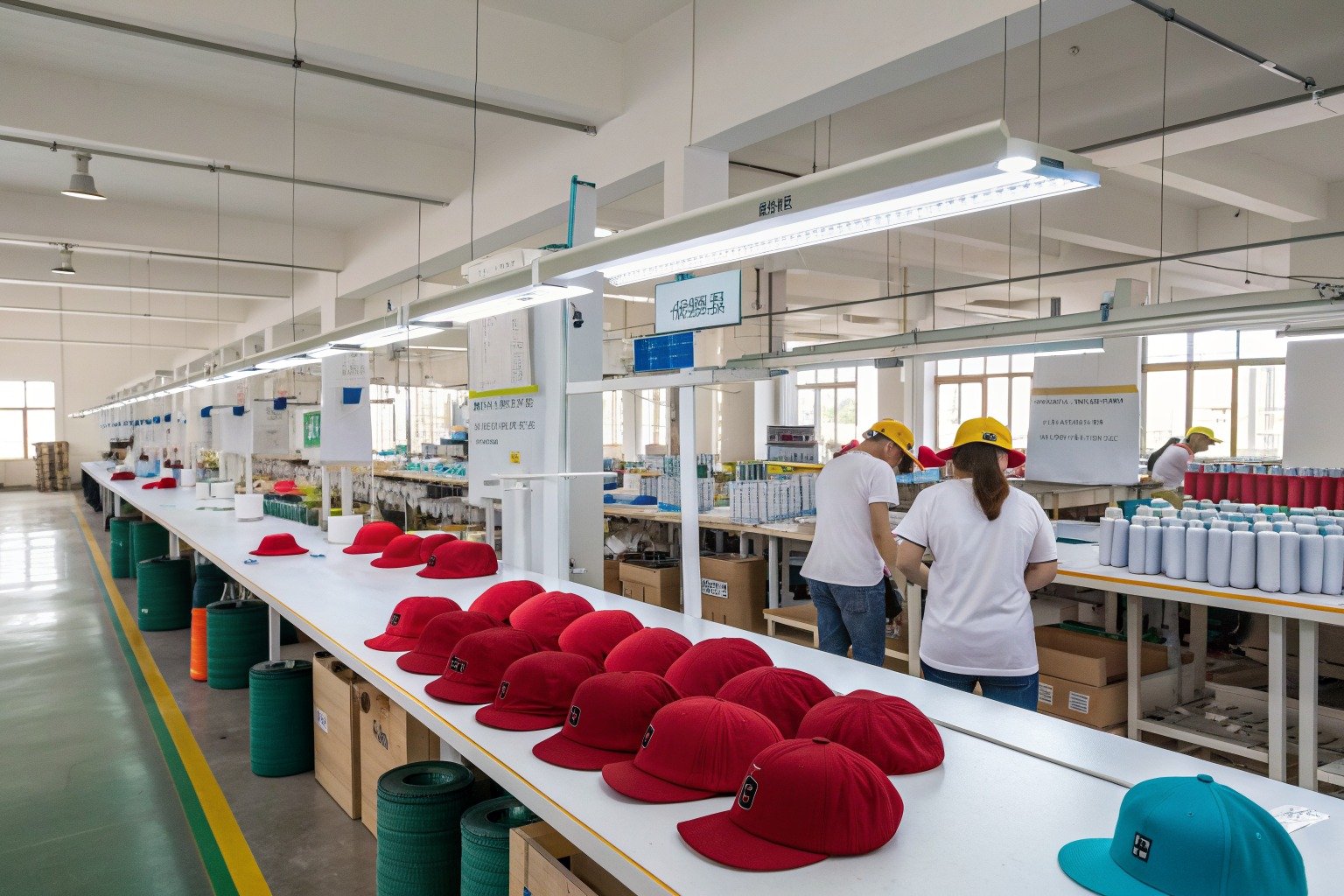
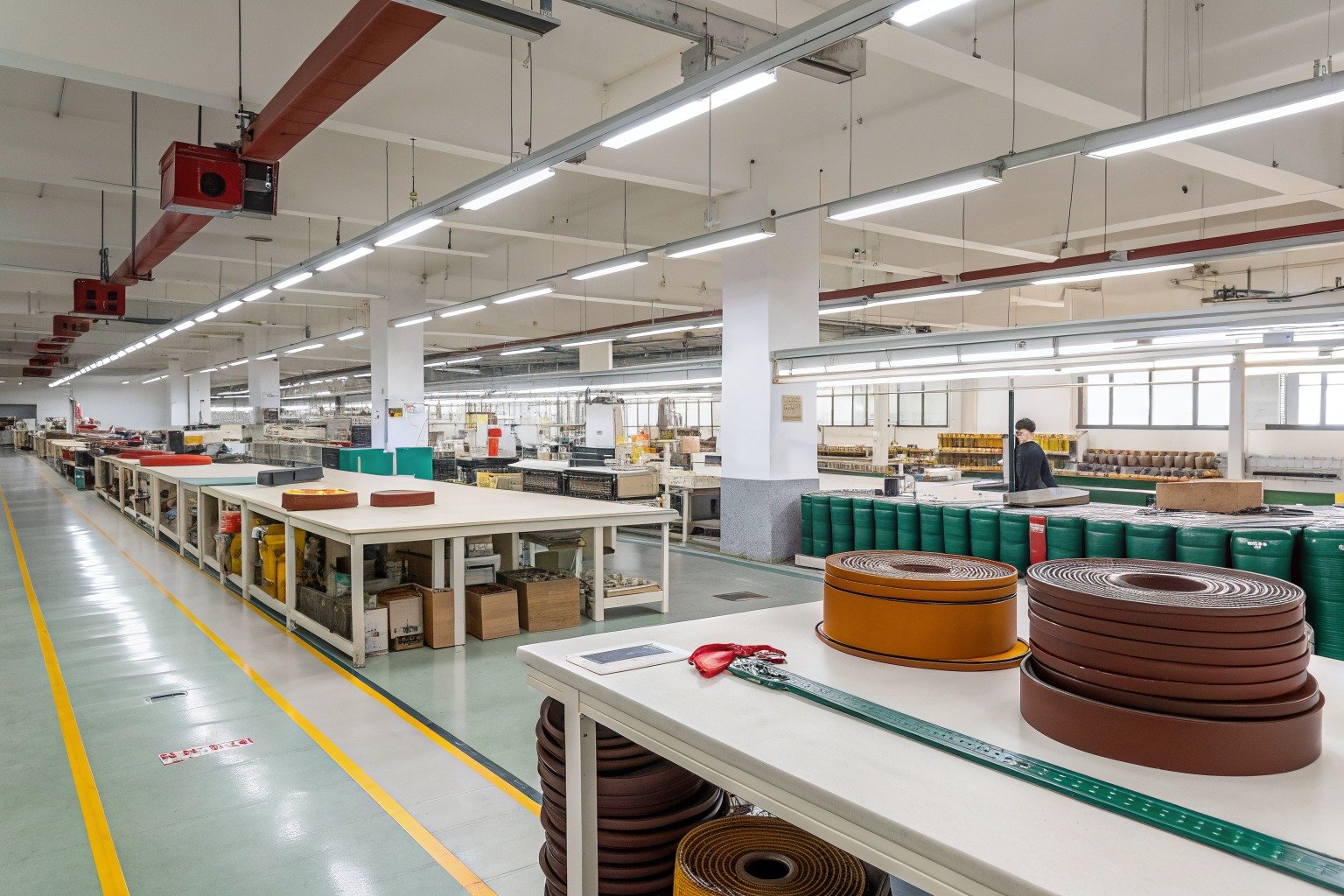
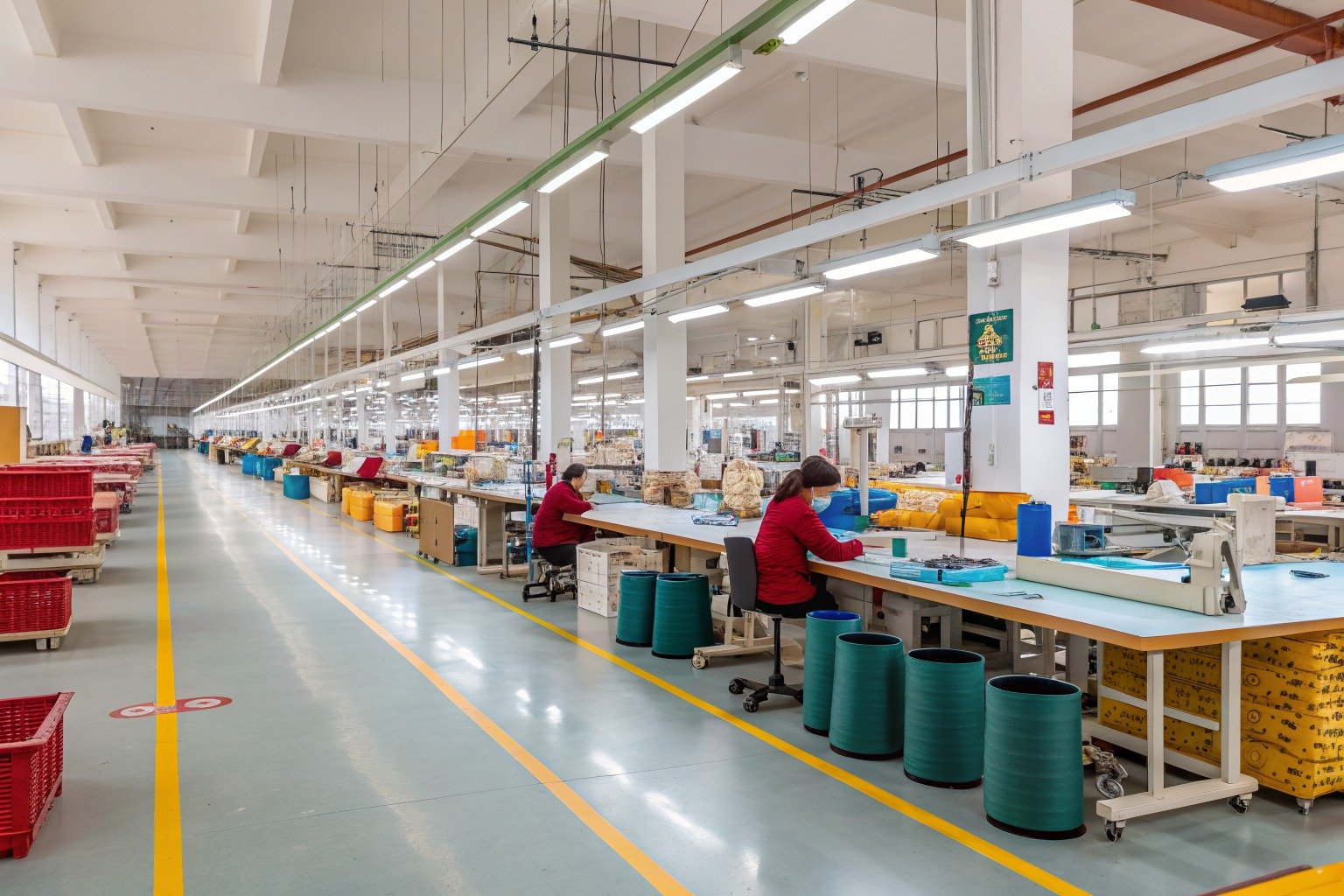
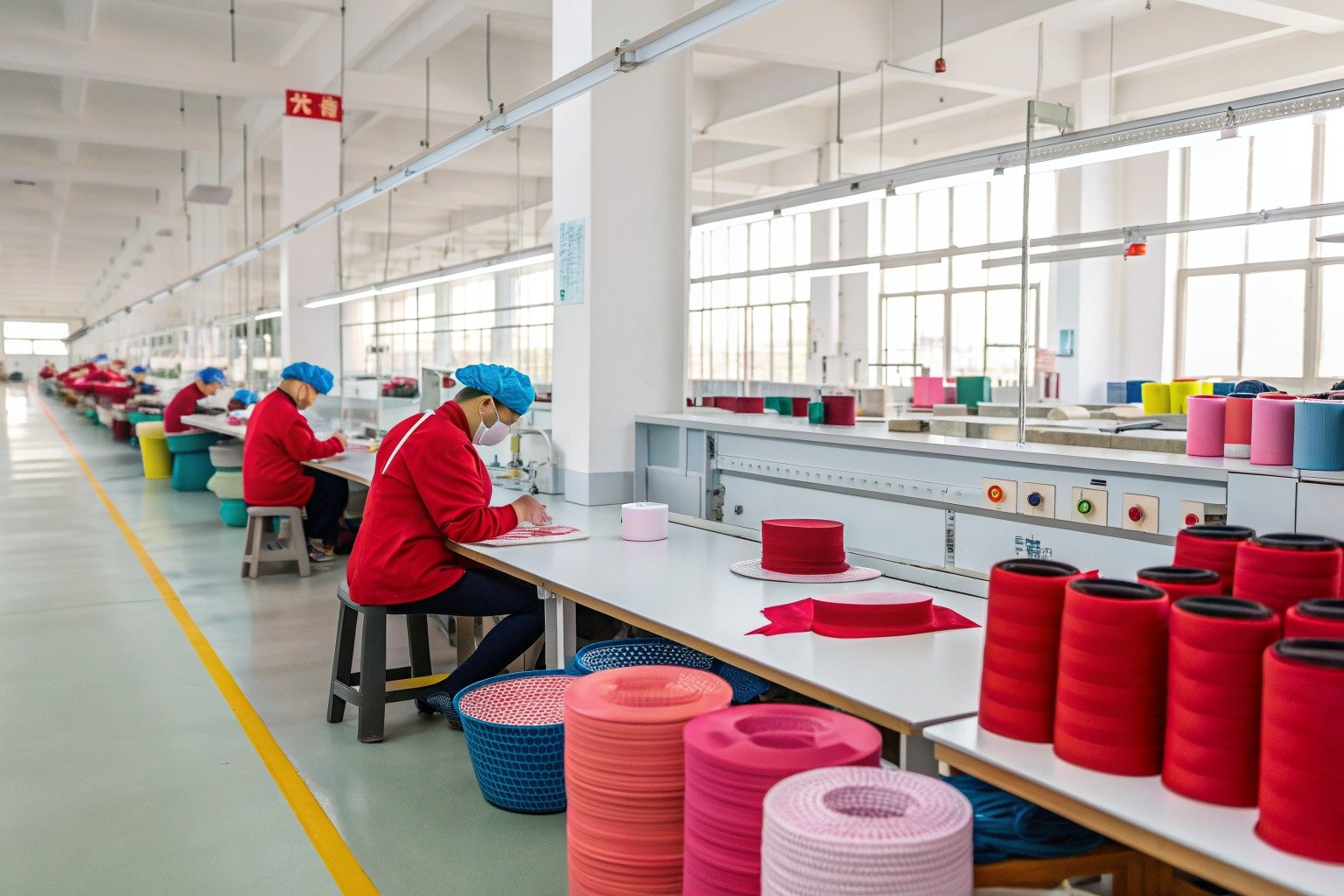
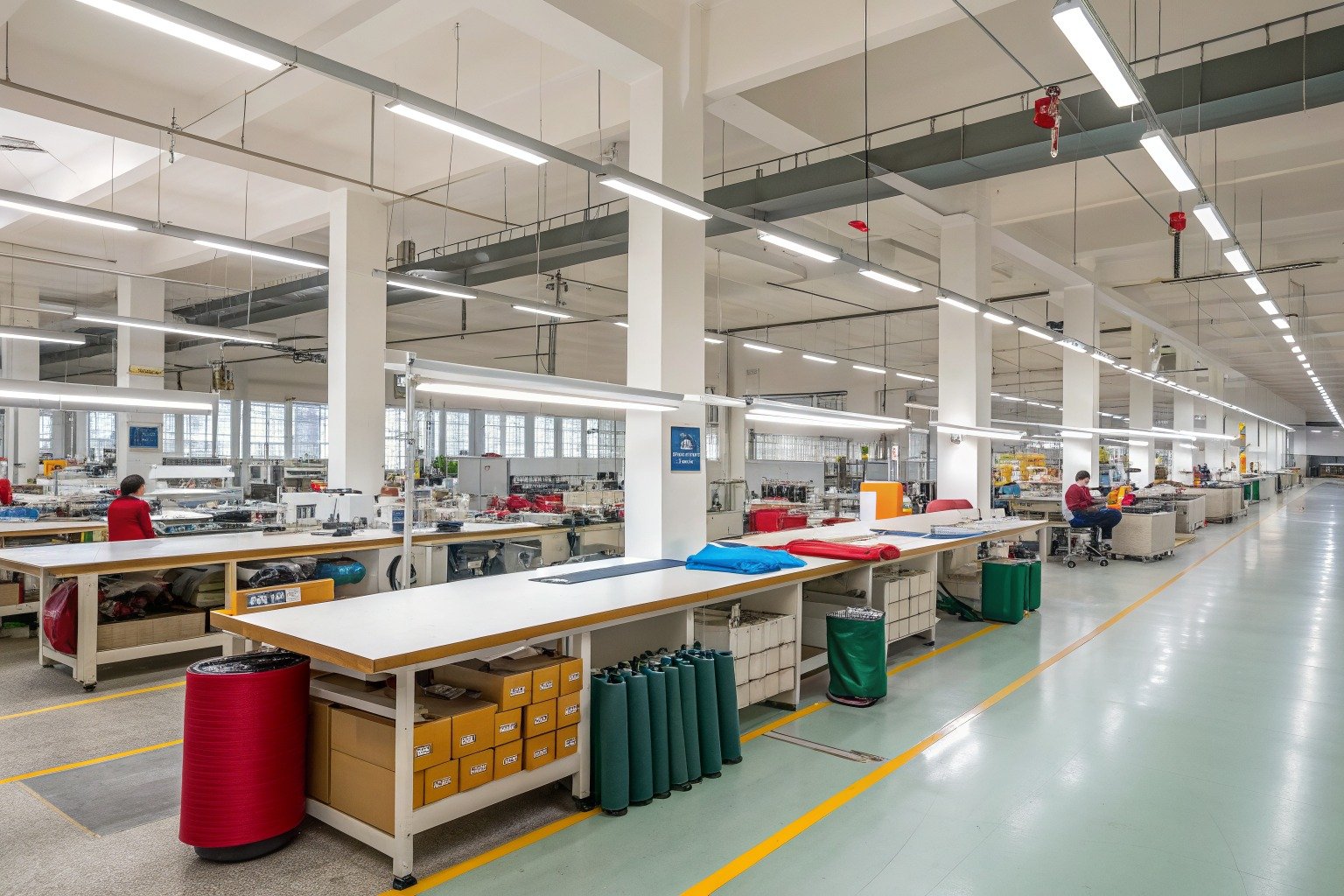
The key to producing flat printed clips and 3D molded claws in one factory is physical separation and unified management. Each production method requires its own dedicated space, equipment, and skilled workforce. They cannot share a production line. They can share a factory, a management team, a quality system, and a shipping department.
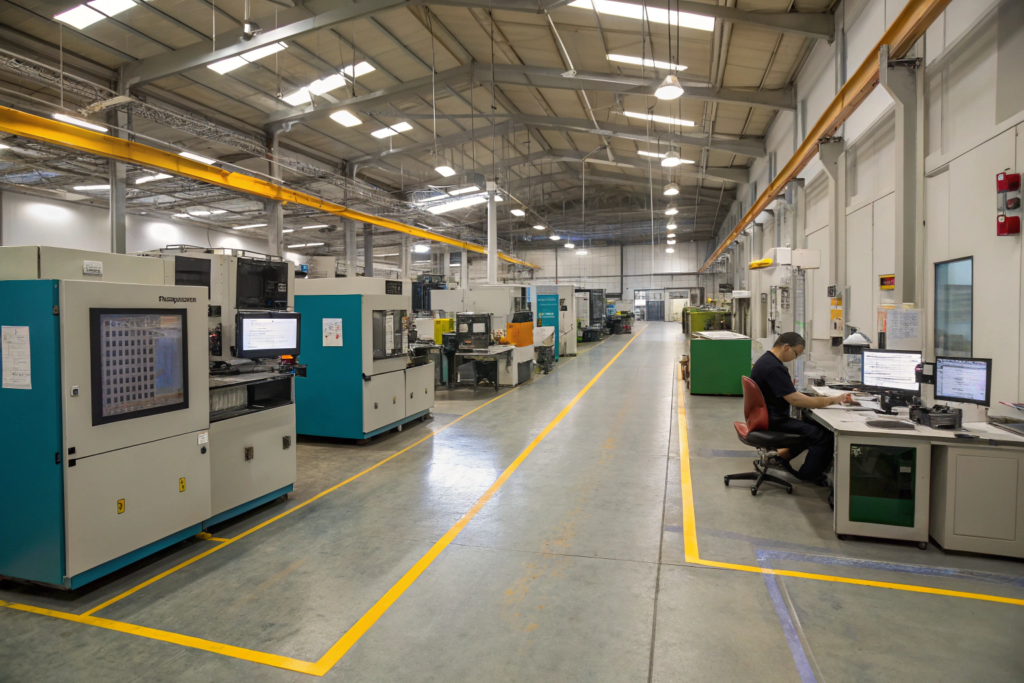
Our printing zone is a clean, temperature-controlled environment. The UV printers and laser cutters require stable conditions to maintain print quality and cutting precision. Our molding zone is a heavier industrial environment with injection molding machines, cooling systems, and polishing stations. The two zones operate independently, but they report to the same production manager. The production manager coordinates the schedules so that both the flat clips and the 3D claws are completed in time for consolidated QC inspection and consolidated shipping.
How Do We Coordinate Timelines for a Mixed Order?
A mixed order of flat and 3D clips requires careful timeline coordination. The flat printing process has a different critical path than the injection molding process. Flat printing is front-loaded. The artwork preparation and the printing setup take time, but once the printer is running, output is fast. Injection molding requires the mold to be made first, which is the longest lead time element.
Our project manager creates a unified production schedule that starts the mold-making process immediately upon order confirmation, while simultaneously preparing the artwork and the printing files for the flat clips. The two timelines run in parallel. They converge at the QC inspection date. If the 3D molds are expected to take 15 days and the flat printing 10 days, the molds are started first. The schedule is transparently shared with you. You see exactly when each portion of your order will be produced and when the entire order will ship together. Professional production scheduling for mixed orders is essential for on-time delivery.
What Quality Standards Apply to Both Product Types?
The QC standards are technique-specific but equally rigorous. For flat printed clips, the QC team checks the print registration, the colour accuracy against the Pantone reference, the surface scratch resistance, and the laser cutting precision. The clip is inspected under a lightbox for colour consistency and under magnification for print defects.
For 3D molded claws, the QC team checks the dimensional accuracy against the CAD model, the surface finish for mold lines or blemishes, the spring mechanism function, and the overall structural integrity. Both flat and 3D clips are checked for the correct attachment of the clip mechanism, the overall aesthetic quality, and the correct packaging and labelling. The final AQL inspection samples from both product types and applies the same acceptance criteria. A defect is a defect, regardless of the manufacturing method. Understanding quality control for fashion accessories ensures your entire collection meets a single quality standard.
What Are the Commercial Benefits of Consolidating Flat and 3D Clip Production?
Consolidating flat and 3D clip production with a single factory delivers measurable commercial benefits. The most obvious is shipping cost. One consolidated shipment costs less to freight than two separate shipments. The freight cost per unit drops. The documentation cost is halved. The customs clearance is one entry, not two.
Beyond freight, the administrative savings are significant. One set of purchase orders. One set of proforma invoices. One set of shipping documents. One payment. One project manager to communicate with. The time saved on coordination alone justifies the consolidation. A brand manager who manages twelve supplier relationships cannot give each one adequate attention. A brand manager who consolidates to a few strategic suppliers can manage each relationship well.
How Does a Single Quality Standard Strengthen Your Brand Collection?
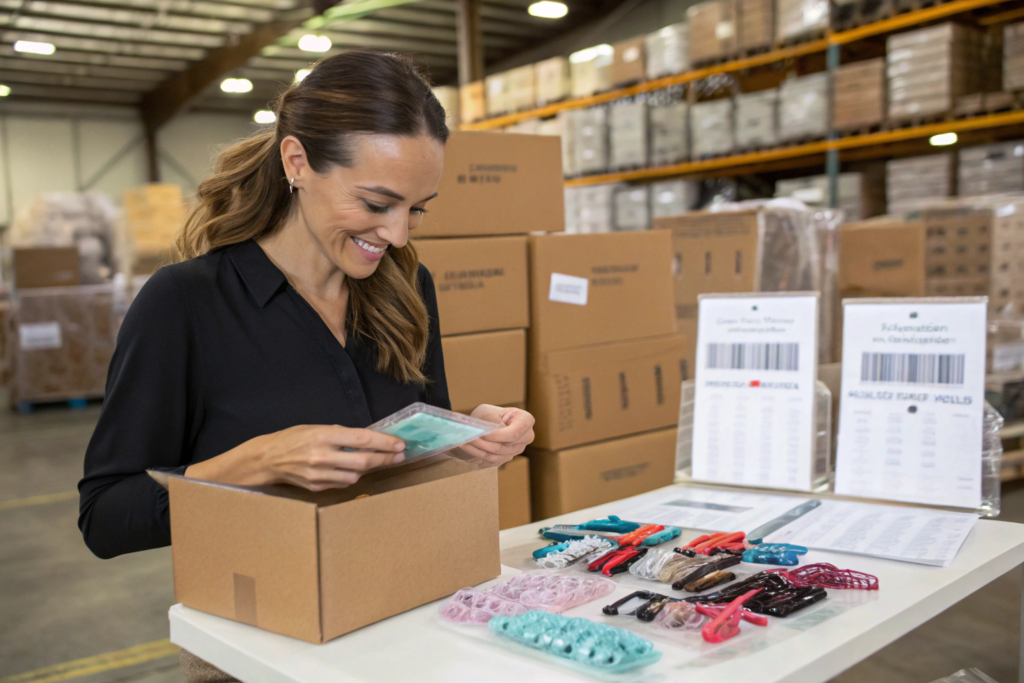
Your brand is a single entity in your customer’s mind. The customer who buys your flat printed pop-art clip and loves it will try your sculptural 3D claw next season. They expect the same level of quality. The clip mechanism should feel the same. The surface finish should be the same standard. The overall attention to detail should be the same. They do not know or care that the two clips were made by completely different manufacturing processes. They care that they are both from your brand.
A single factory that produces both clips can apply a unified quality philosophy across your entire collection. The spring tension standard, the edge smoothness standard, and the packaging standard are consistent. This consistency builds brand trust. The customer learns that any hair clip with your label meets a certain standard, regardless of whether it is flat or 3D. This is how strong accessory brands are built. Consistent brand quality assurance through manufacturing requires a manufacturing partner that sees your full product line, not just isolated techniques.
Why Does a Single Point of Contact Reduce Your Stress?
Managing one supplier relationship instead of two reduces the mental load on your team. One project manager to email. One set of weekly updates to review. One person to call when something needs immediate attention. The project manager understands your entire collection, not just one manufacturing technique. She can discuss the flat clips and the 3D claws in the same conversation. She can coordinate the artwork revisions and the mold modifications in parallel.
This single point of accountability is the operational benefit that our clients value most. It turns a potentially complex multi-technique order into a simple, manageable project. Professional supplier relationship management recognises that communication efficiency is as valuable as unit cost savings.
Conclusion
One factory can absolutely produce both flat printed hair clips and 3D sculptural hair claws to a consistent quality standard. The capability requires dedicated printing and molding zones, a unified quality management system, and a project management function that coordinates both techniques toward a single shipment date. At Shanghai Fumao, we have all of these in place.
The benefits of consolidation are clear. Lower freight costs from combined shipping. Less administrative overhead from a single set of documents. Consistent quality across your entire clip collection. And the simplicity of a single point of contact for all communication and accountability.
If you are currently splitting your hair clip production between a flat printing specialist and a 3D molding specialist, and you are tired of the coordination overhead and the inconsistent quality standards, I invite you to contact our Business Director Elaine at elaine@fumaoclothing.com. Send her your flat clip artwork and your 3D claw designs. She will provide a consolidated quotation, coordinate sampling for both techniques, and assign a project manager who will own your order from first sample to final shipment. Your collection deserves a manufacturing partner who sees it as one collection, not two separate orders.