When I first started exporting fashion accessories from our factory in Zhejiang, I underestimated how much temperature during shipping could impact the final quality of products. Many clients in North America and Europe experienced issues like warped plastic headbands or leather belts losing their shine. This became a pressing problem that risked the trust we built with big retailers.
Temperature-sensitive accessories can be shipped safely by using insulated packaging, climate-controlled containers, and carefully selected carriers that specialize in handling delicate fashion goods. These solutions help maintain product integrity and protect brand reputation.
As I learned from years of exporting, buyers are not only looking for the best price. They need reliability. Temperature fluctuations during transit can cost brands sales and reputation. That’s why I always share different shipping options and guide clients to the most cost-effective and secure solution.
Best Packaging Solutions for Heat and Cold Protection
I have seen many brands lose money because their packaging failed to protect accessories from heat and humidity. Scarves arrived wrinkled, and hair clips lost their glossy finish. This is a real pain point for fashion importers who rely on consistent product quality.
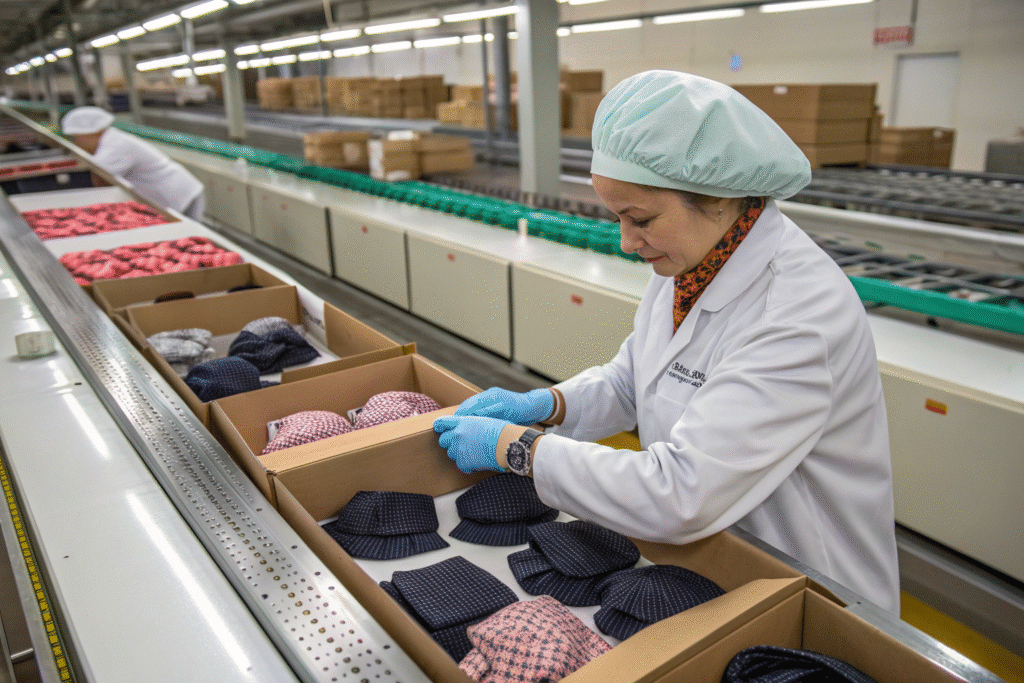
The best packaging solutions for temperature-sensitive accessories involve insulated boxes, cooling gel packs, vacuum-sealed wrapping, and moisture-absorbing materials. These help control humidity and temperature shifts during long transit.
How Does Insulated Packaging Help?
Insulated packaging acts as a protective shield. It reduces the impact of external heat or cold on the accessories. For example, insulated boxes lined with reflective foil can maintain stable temperatures for leather belts. I once worked with a U.S. importer who sourced belts and gloves, and they switched to using ThermoSafe containers. After that, they reported fewer returns and higher customer satisfaction. Moisture-absorbing packs like Dry Pak are also effective in reducing mold risks.
Are Cooling Packs Useful for Accessories?
Cooling packs are often overlooked for fashion accessories, but they are vital during summer shipping. A large Canadian retailer once complained about warped hair clips during a July shipment. We added eco-friendly gel packs, and their feedback improved instantly. Carriers that allow active cooling like DHL Temperature Management Solutions can complement such methods for extra protection.
Climate-Controlled Shipping Options
The outside weather is unpredictable, and ocean shipping takes weeks. During summer, container temperatures can reach extreme highs, damaging sensitive materials like faux leather or coated fabrics. This is where climate-controlled shipping becomes an essential solution.
Climate-controlled containers, air freight with temperature regulation, and specialized freight forwarders give brands peace of mind that their accessories arrive in perfect condition.
What Is a Climate-Controlled Container?
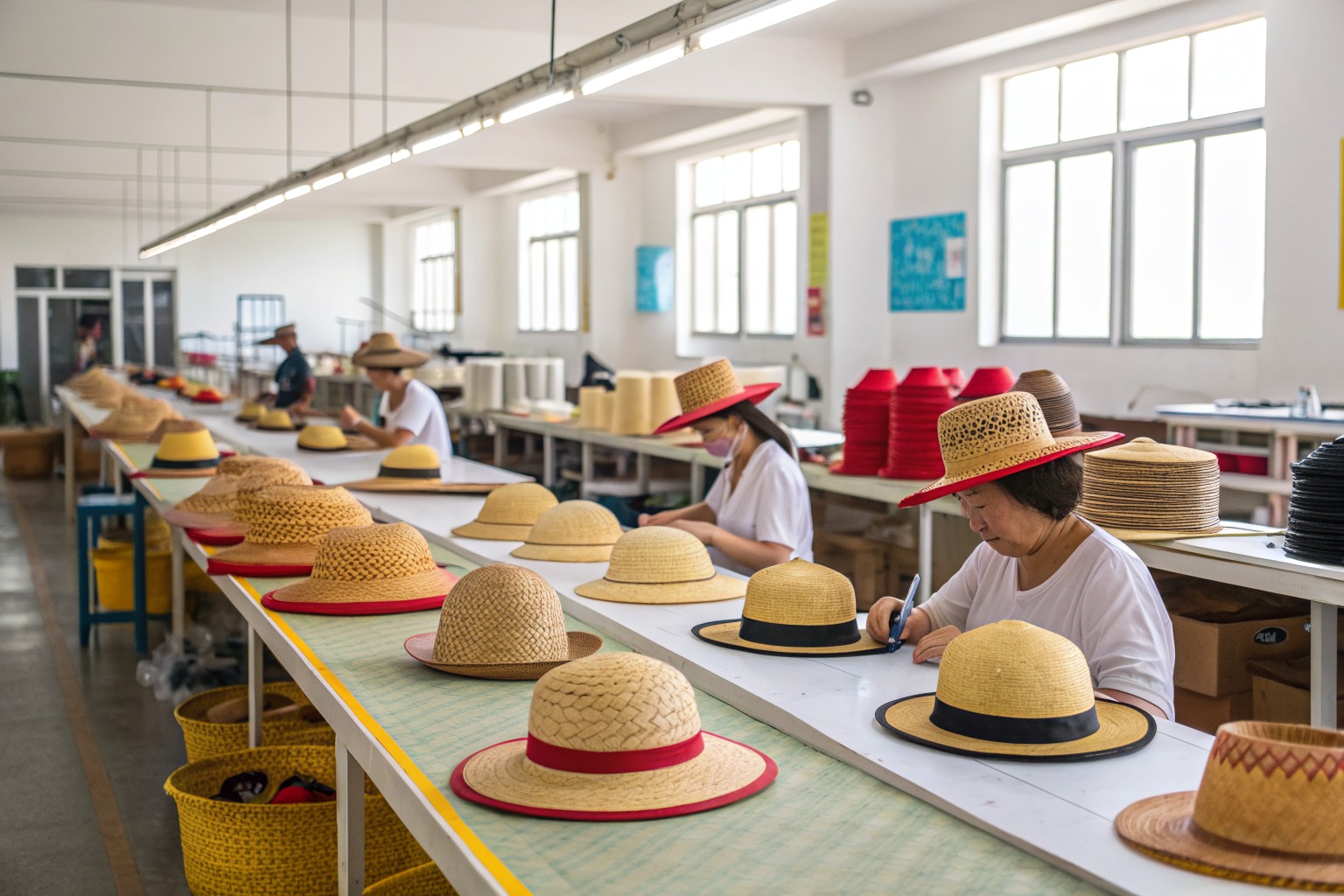
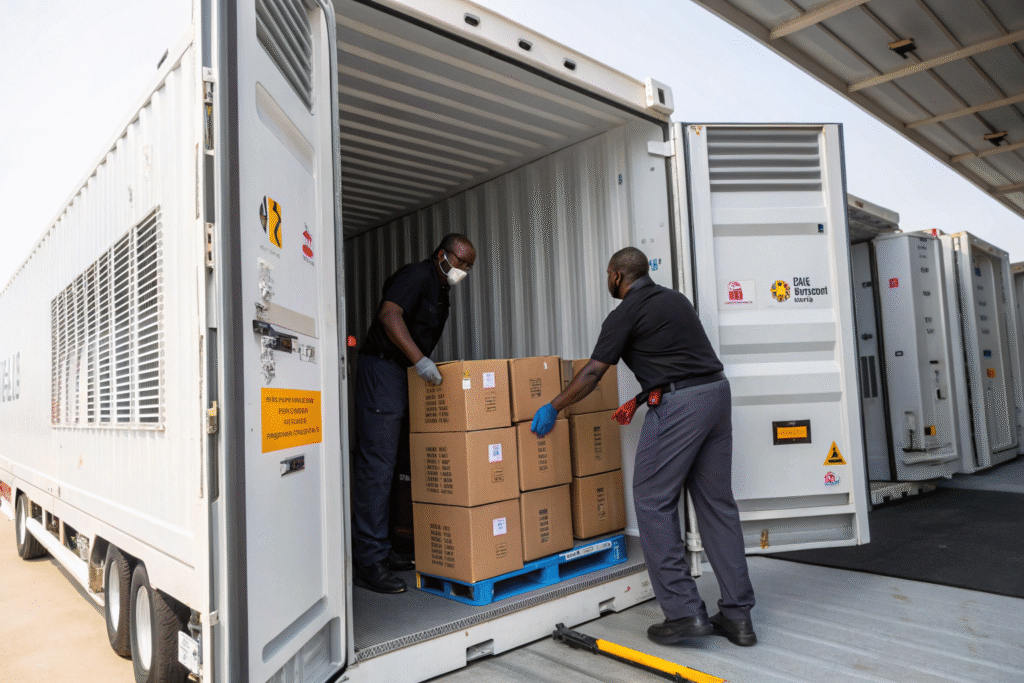
A climate-controlled container, also called a reefer, is like a moving refrigerator. It keeps temperatures stable, whether in summer or winter. For instance, one of our European partners imports straw hats, which are prone to becoming brittle in dry conditions. By shipping with Maersk Reefer Containers, they avoided quality issues and improved shelf presentation.
Is Air Freight Better for Temperature-Sensitive Accessories?
Air freight is faster and reduces the risk of extreme temperature exposure. I often recommend it for urgent orders of premium accessories. For example, a New York fashion brand once used FedEx Cold Chain Services for their knit hats and gloves. The cost was higher, but it ensured perfect arrival for a seasonal launch. This option works best when timing is critical.
Cost Considerations for Temperature-Controlled Shipping
When clients hear about climate-controlled options, the first concern is cost. Price pressure is real, especially for supermarket buyers who import large volumes. But the truth is, the cost of damaged goods is much higher than preventive shipping.
Balancing cost with protection means choosing the right mix of shipping mode, packaging, and insurance coverage. Clients should compare ocean, air, and hybrid logistics solutions.
How Much More Expensive Is Climate-Controlled Shipping?
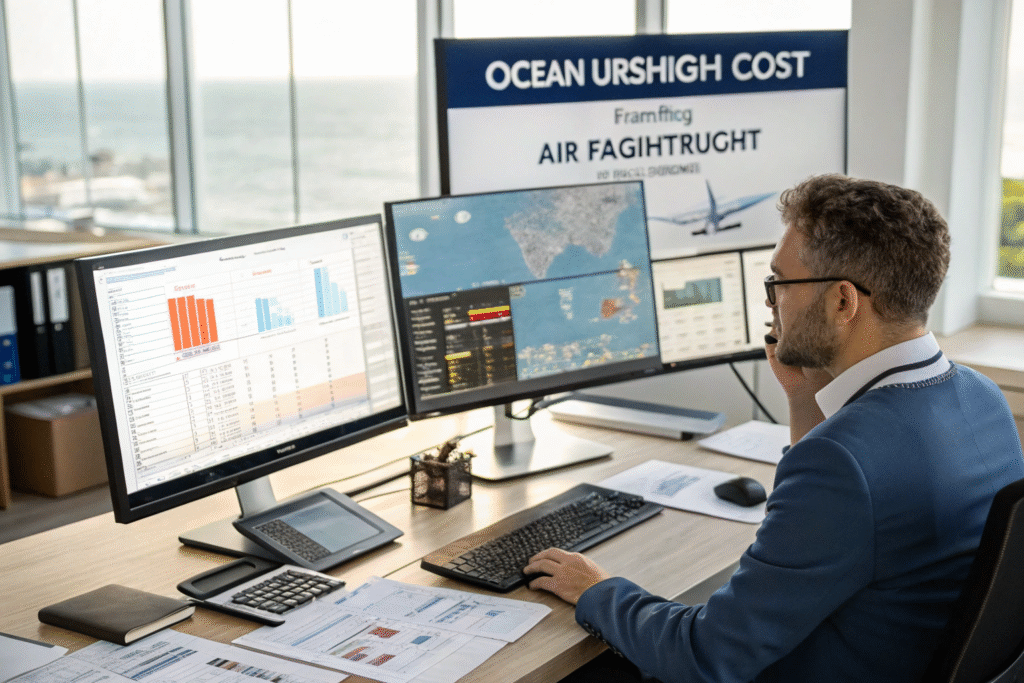
Reefer containers can be 50–100% more expensive than regular shipping. However, when I compared the claims and returns data with one U.S. client, they saved money by avoiding losses. Websites like Freightos offer calculators to help importers plan. Insurance providers such as Allianz Trade also cover temperature-related risks.
Can Small Businesses Afford These Options?
Small and medium buyers often worry about budget. In my experience, they can use a hybrid strategy: standard shipping with enhanced packaging for most goods, and climate-controlled shipping for premium lines. Many freight forwarders, including Kuehne+Nagel, now offer flexible shared reefer space, which helps smaller brands access protection without full-container costs.
Best Practices for Choosing a Shipping Partner
Choosing the right shipping partner is as important as packaging or containers. I have learned that communication, reliability, and flexibility define long-term success in logistics partnerships.
The best practices involve working with certified freight forwarders, checking their track record with temperature-sensitive cargo, and building strong communication channels for updates.

What Certifications Should a Shipping Partner Have?
A good logistics partner should have certifications for handling sensitive goods. For example, IATA’s Temperature Controlled Regulations give clear standards. I once worked with a U.S. importer who requested proof of certifications before signing a contract. This extra step reduced risks and created confidence on both sides.
How Do You Ensure Communication During Transit?
Real-time tracking and clear updates can make or break trust. I recommend platforms like Flexport that provide visibility on shipments. One Russian buyer told me they felt safer when they could see container conditions during the journey. Building this transparency has helped me keep long-term clients, especially when working with new fashion retailers.
Conclusion
Temperature-sensitive shipping for accessories is not a luxury. It is a necessity for brands that want to protect their reputation and deliver consistent quality. From insulated packaging and cooling packs to climate-controlled containers and flexible cost strategies, every importer has options that can fit their budget and product type.
At the end of the day, the right shipping partner and packaging methods protect not only your goods but also your brand’s image in front of demanding customers. If you are planning to produce your own line of fashion accessories, I welcome you to partner with us at Shanghai Fumao. Please feel free to reach out to our Business Director Elaine at elaine@fumaoclothing.com for reliable solutions tailored to your needs.