I sat in a coffee shop in Los Angeles two years ago, across from a buyer who had just rejected my entire shipment of canvas belts. He pulled one from the sample bag, gripped the leather end, and ripped the webbing apart with a sharp tug. It tore like a paper towel. I was stunned. The fabric had passed our standard tensile test. But it had never been subjected to a tear test, the test that simulates what happens when a sharp force hits a small nick or cut in the material. That buyer educated me on the difference between tensile strength and tear strength, and he told me he would never place another order without a video of the tear test being performed on the actual production fabric. I flew back to Zhejiang and bought a fabric tear tester the following week.
US importers ask for factory videos of the fabric tear test because tear strength predicts real-world product failure more accurately than tensile strength. A tensile test measures how much steady pulling force a fabric can withstand before breaking. A tear test measures how easily a tear propagates from a small cut or nick, the exact failure mode that occurs when a scarf catches on a door handle, a bag strap snags on a sharp edge, or a belt is pulled hard against a buckle prong. The video proves three things. The test was actually performed on the production fabric. The machine was calibrated. The result met the specified minimum tear force, typically 15 to 25 newtons for lightweight accessory fabrics and 30 to 50 newtons for heavyweight canvas and webbing.
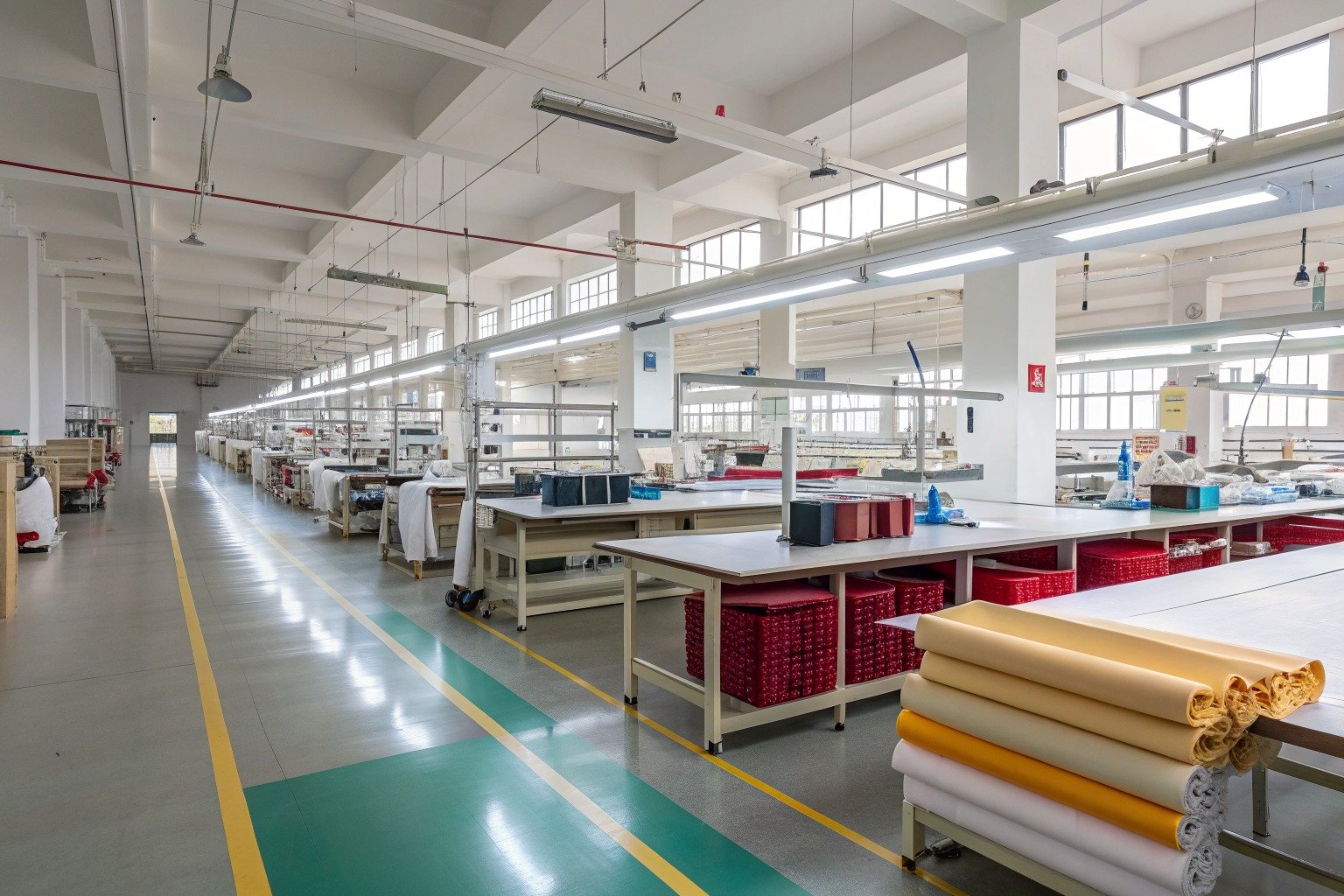
I run a fashion accessories factory in Zhejiang. The tear test video is now a standard deliverable in my quality documentation package, alongside the seam strength video and the colorfastness report. I want to explain why tear strength is the critical metric that US buyers use to separate durable accessories from fragile ones, how the test is performed, and what a credible test video must contain to satisfy an experienced importer.
What Is the Fabric Tear Test and How Does It Differ from a Tensile Strength Test?
A tensile strength test is a slow, steady pull. The fabric is clamped at both ends and stretched until it breaks. The test measures how much force the intact fabric can withstand. It is useful, but it does not predict what happens in the real world. In the real world, a fabric fails because it has a small cut, a snag, a worn spot, or a hole from a stitching needle. Once a tear starts, it propagates. The force required to continue the tear is often much lower than the force required to break an intact strip. A fabric with high tensile strength and low tear strength is a brittle fabric. It holds until it doesn’t, and then it rips apart catastrophically.
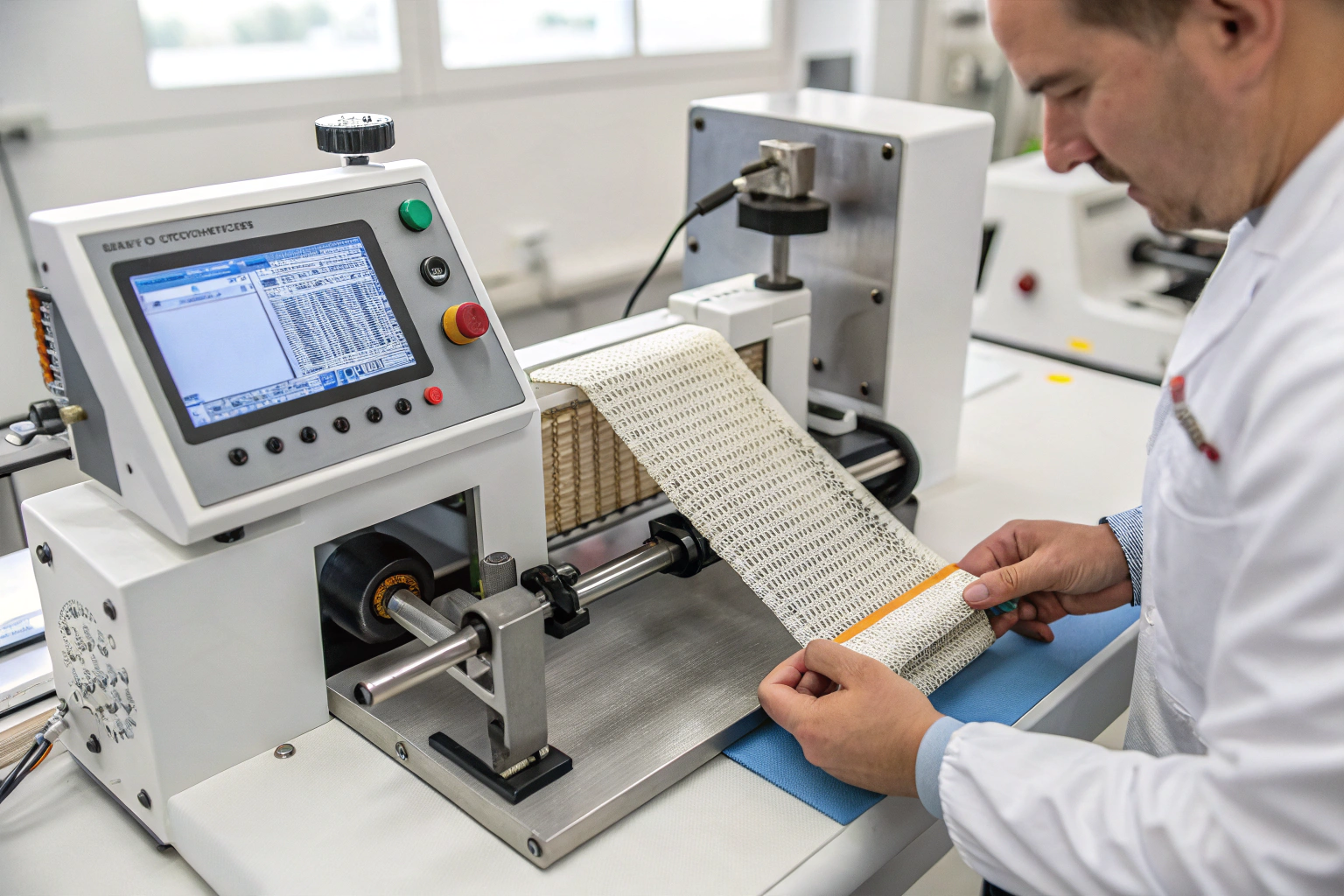
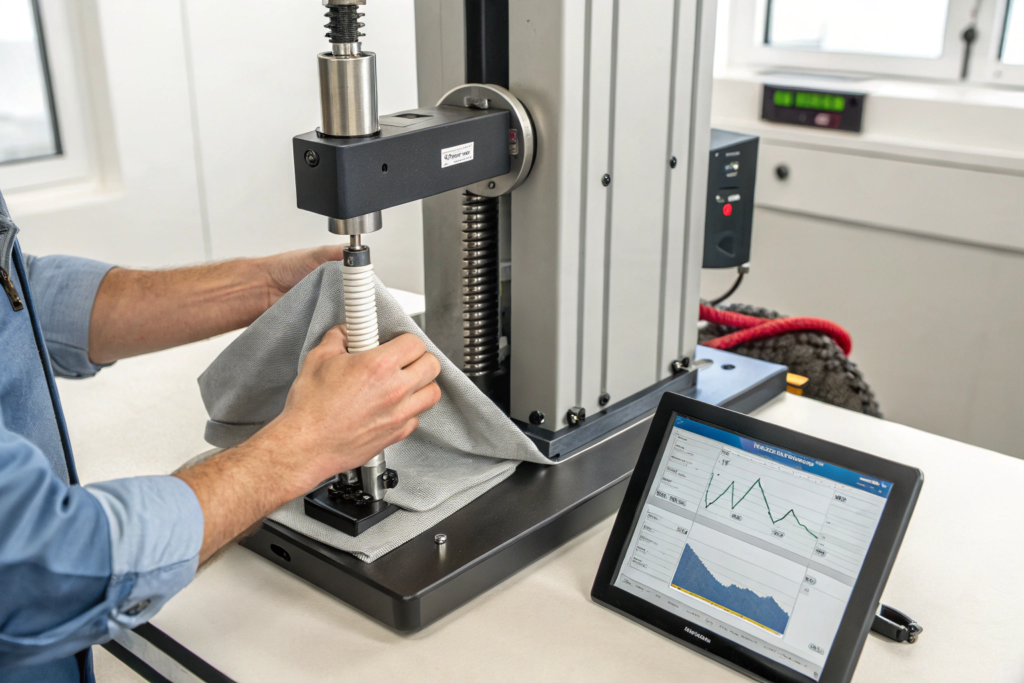
The fabric tear test measures the force required to propagate an existing tear. A pre-cut slit is made in the fabric specimen. The two legs of the cut are clamped in the testing machine’s jaws. The machine pulls the legs apart, and the tear propagates down the length of the specimen. The test records the force profile of the tear, typically producing a sawtooth pattern where each peak represents the force to break the next yarn or group of yarns. The result is reported as the average tear force or the peak tear force. For accessories fabrics, the Elmendorf tear test and the trouser tear test are the most common methods, with the trouser tear method being preferred for woven fabrics used in belts, bags, and straps.
When I installed my tear tester, I tested every fabric in my inventory. A canvas that had passed the tensile test with flying colors failed the tear test miserably. It tore at 8 newtons, well below the 25 newtons my buyer required. I replaced that canvas with a ripstop weave that scored 38 newtons. The unit cost increased by 4%. The tear-related returns stopped completely.
Why Does a Fabric Tear Test Predict Real-World Failure Better Than a Tensile Pull Test?
A tensile test breaks an intact piece of fabric. The force required is the sum of all the yarns breaking simultaneously. In a real product, a belt, a bag strap, a scarf, the fabric is rarely intact when it fails. It has a stitch hole from a sewing needle. It has a small cut from contact with a sharp edge. It has a worn spot where the fabric has rubbed against a buckle or a ring. The failure starts at this weak point.
The tear test starts at a weak point. The pre-cut slit represents the stitch hole, the nick, the worn spot. The test measures how much force is needed to extend that slit into a full tear. A fabric with high tensile strength but low tear strength, like a tightly woven canvas with brittle yarns, will fail the tear test because the yarns break one at a time rather than sharing the load. A fabric with moderate tensile strength but high tear strength, like a ripstop weave with reinforcing yarns, will pass the tear test because the reinforcing yarns stop the tear from propagating. The tear strength versus tensile strength in textile performance explains why tear strength is the superior predictor of durability in products that experience point loads and snagging.
What Are the Elmendorf and Trouser Tear Test Methods for Accessory Fabrics?
The Elmendorf tear test uses a pendulum device. A fabric specimen is clamped in the machine with a pre-cut slit. A heavy pendulum is released. It swings through the specimen, tearing the fabric from the slit. The energy lost by the pendulum is the tear energy, measured in newtons or gram-force. The Elmendorf test is fast and standardized under ASTM D1424. It is widely used for lightweight woven fabrics like those used in scarves and garment linings.
The trouser tear test, also called the single-rip tear test, uses a universal testing machine. The specimen is cut in the shape of a trouser leg, with a slit down the center. The two legs are clamped in the machine’s jaws. The machine pulls the legs apart at a constant speed, typically 100 millimeters per minute. The force required to propagate the tear is recorded continuously. The trouser tear test is standardized under ASTM D2261 and is preferred for heavier fabrics like canvas, webbing, and coated fabrics used in belts, bags, and outdoor accessories. The ASTM D2261 trouser tear test standard provides the detailed specimen dimensions, testing speed, and calculation method that ensure reproducible results.
Why Do US Importers Distrust Paper Test Reports and Demand Video Evidence?
A paper test report is a promise typed into a PDF. It says the fabric passed. It has a logo, a date, and a signature. A US importer who has been sourcing from Asia for twenty years has seen hundreds of these reports. They have also opened containers full of products that failed in the field despite perfect paper reports. The paper report is untethered from physical reality. It could be from a different batch. It could be from a different fabric. It could be a template with the date changed. The video reconnects the test result to the physical product.
US importers distrust paper test reports because document fraud, sample switching, and batch substitution are common in international sourcing. A paper report proves that a sample passed a test at some point. It does not prove that the fabric in the shipment is the same fabric that was tested. A video shot in a single, unedited take shows the test being performed on fabric pulled from the actual production batch, with the purchase order number, the date, and the fabric lot number visible in the frame. The video also shows the machine’s calibration sticker and the digital force reading, proving the machine was in calibration and the result is genuine.
I learned this lesson from that Los Angeles buyer. He told me he had a folder full of tear test reports from a previous supplier. Every report showed a passing result. The actual products tore like tissue paper. The reports were fiction. He now requires a video for every order, and he watches every video. He told me he can spot a fake within ten seconds. A real video has specific, identifiable characteristics. A fake video has tells, jump cuts, obscured displays, missing context. The video is now the primary evidence. The paper report is the backup.
How Does Batch Substitution Undermine the Credibility of a Fabric Test Report?
A factory buys a small quantity of high-quality fabric for sampling and testing. The test report comes back with excellent results. The buyer approves. The factory then purchases a larger quantity of cheaper fabric for bulk production. The test report is genuine, but it applies to a fabric that is not in the shipment. The buyer receives a container of untested, inferior material.
A video that includes the fabric lot number, the purchase order number, and the current date in a single unbroken shot ties the test result to the specific fabric being shipped. The video shows the lot number being read from the fabric roll. It shows the specimen being cut from that roll. It shows the test being performed on that specimen. The chain of custody is documented on video. The supply chain transparency and batch traceability in textile manufacturing movement is driving the adoption of video evidence as a standard verification tool.
What Visual Elements in a Test Video Prove the Machine Is Calibrated and the Result Is Real?
An uncalibrated machine produces meaningless numbers. A machine that reads 30 newtons but is actually pulling at 15 newtons creates false confidence. The calibration sticker on the machine is the proof that the numbers are real. The sticker shows the calibration date, the recalibration due date, and the certifying body, traceable to NIST or an equivalent national standards organization.
A credible video includes a clear, close-up shot of the calibration sticker at the beginning, before the test starts. The sticker must show a valid date. The video also shows the digital force display continuously throughout the test. The tear force profile, the sawtooth pattern, must be visible on the display or on the connected computer screen. A single-frame reading is insufficient because it could be from a different test. The entire test sequence, from zero force through the tear to the final peak, must be visible. The ISO 17025 calibration requirements for testing laboratories provide the standard that US importers expect their suppliers’ equipment to meet.
How Is a Credible Fabric Tear Test Video Produced in a Factory Setting?
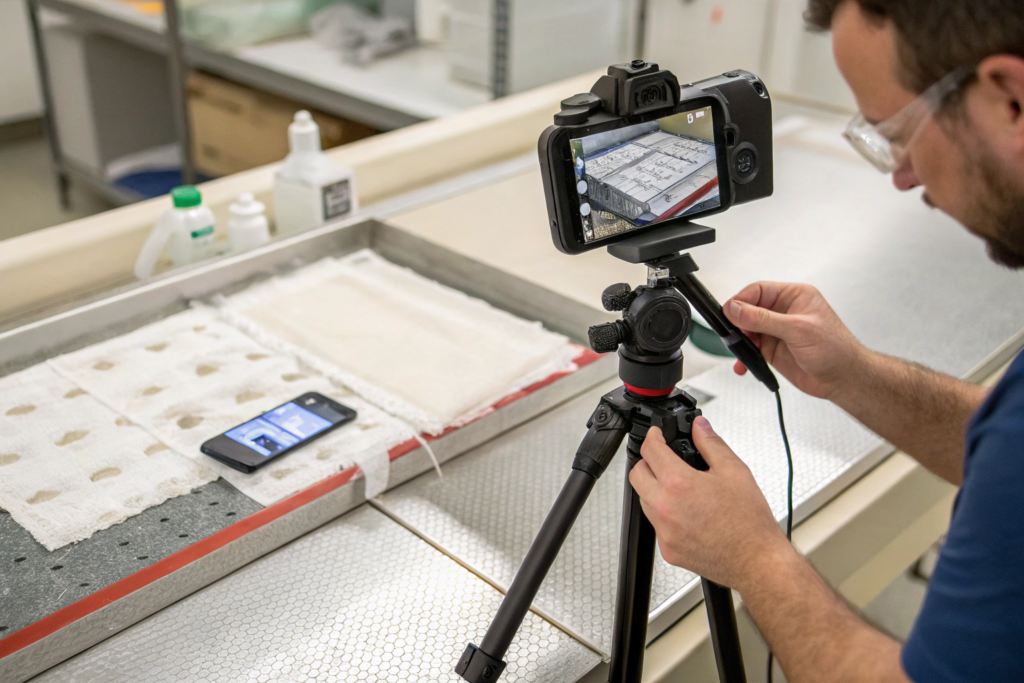
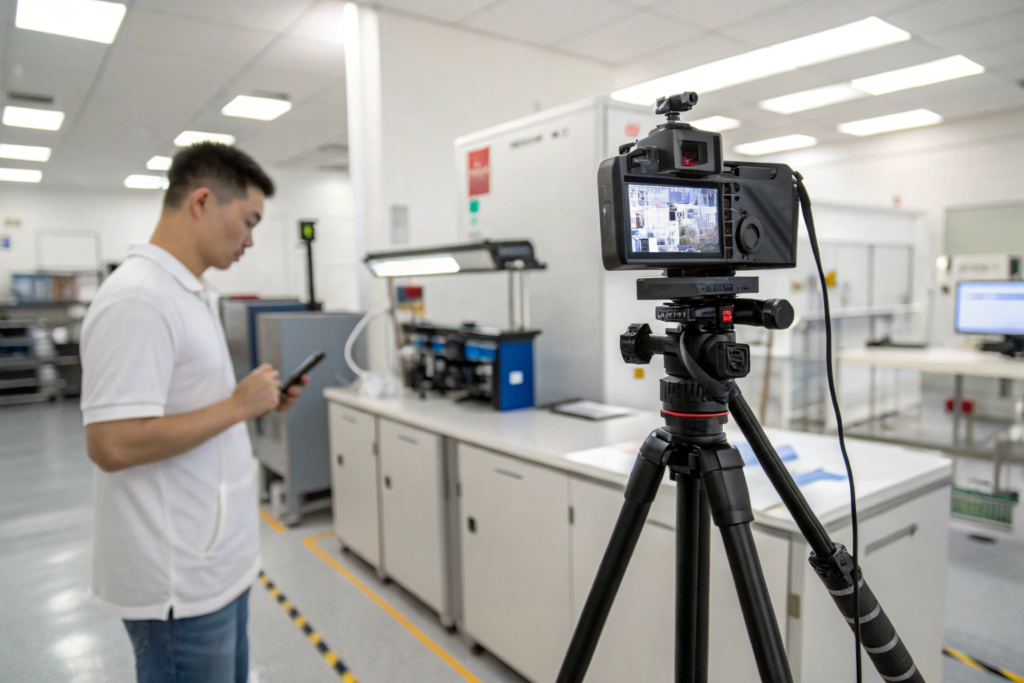
A credible video is not a casual recording. It is a structured piece of quality documentation that anticipates the viewer’s skepticism and answers every question before it is asked. The lighting must be adequate to read the digital display. The framing must include the machine, the specimen, the whiteboard, and the calibration sticker. The take must be unbroken. Any cut, any edit, any moment where the specimen leaves the frame destroys the video’s credibility. The person recording must understand that they are producing evidence, not content.
A credible fabric tear test video requires a dedicated recording station with fixed lighting, a tripod-mounted camera or smartphone, and a whiteboard with pre-written fields for the purchase order number, fabric lot number, test date, and test standard. The video sequence follows a script. Open with a close-up of the whiteboard. Pan to the machine’s calibration sticker with a clear hold for three seconds. Show the fabric roll with the lot number label. Cut the specimen from the fabric in frame. Load the specimen into the machine. Start the test and record continuously until the tear is complete. Hold the final force reading for five seconds. End with a close-up of the torn specimen and the peak force on the display. The video file is named with the PO number and date and shared in its original, unedited format.
I trained my QC team to produce these videos in under fifteen minutes per fabric. The station is permanently set up. The tripod is fixed at the correct distance. The whiteboard markers are fresh. The script is laminated and posted at the station. When a buyer requests a tear test video, my team doesn’t scramble. They pull the fabric from the production batch, walk to the station, follow the script, and email the video within the hour.
What Is the Standard Video Sequence That Satisfies a Skeptical US Buyer?
A buyer who has been burned by fake documentation watches a test video with forensic attention. They look for continuity, for consistency, for any sign that the video has been manipulated. The sequence must flow logically and show every step without a break.
The standard sequence begins with a five-second hold on the whiteboard showing the PO number, fabric reference, test standard, ASTM D2261 or ASTM D1424, and date. The camera pans smoothly to the calibration sticker on the testing machine. A three-second hold. The camera shows the fabric roll with the lot number label being read aloud or pointed to. A specimen is cut from the roll in frame. The specimen is loaded into the machine. The test is started. The camera focuses on the digital force display as the numbers climb and the tear propagates. The test completes. The peak force is held on the display for five seconds. The camera pans to the torn specimen. The video ends. No cuts. No edits. The video evidence standards for quality control documentation are evolving, but the principles of continuity, visibility, and unedited recording are constant.
How Should the Video File Be Named, Stored, and Shared to Maintain Its Evidentiary Value?
A video file named "IMG_4829.MOV" is useless. The buyer cannot identify what it is without opening it. A video file named "PO_4829_Canvas_Tear_Test_15Jan2026.MOV" is immediately identifiable. The file naming convention should include the purchase order number, the fabric description, the test type, and the date.
The video should be shared in its original format directly from the camera or phone. It should not be compressed, transcoded, or uploaded to a video-sharing platform that strips metadata. The original file contains metadata including the recording date, device information, and file creation timestamp. This metadata supports the video’s authenticity. The file should be stored on the factory’s server and backed up. A download link via a secure file transfer service is the preferred sharing method. The digital evidence handling and chain of custody principles that apply in legal contexts are relevant here. The video is evidence of quality conformance, and it should be treated with the same care as any other contractual evidence.
What Tear Strength Specifications Apply to Different Accessory Fabric Types?
Tear strength is not a single number. The minimum acceptable tear force depends on the fabric type, the product application, and the expected stress the product will experience in use. A lightweight silk scarf for evening wear has a much lower tear strength requirement than a heavyweight canvas belt used for outdoor work. The specification must be matched to the product. A buyer who applies the same tear strength standard to all fabrics is either over-engineering and overpaying for lightweight products, or under-engineering and accepting failure risk on heavyweight products.
Tear strength specifications for accessory fabrics by product category are as follows. Lightweight scarves in silk, modal, or viscose: 8 to 15 newtons minimum by the Elmendorf method. Midweight scarves and wraps in wool blends or cotton: 15 to 25 newtons. Bag and tote fabrics in canvas or denim: 25 to 40 newtons by the trouser tear method. Belt webbing and strapping in nylon, polyester, or cotton canvas: 40 to 60 newtons minimum. Upholstery-grade fabrics used in heavy-duty bags: 60 newtons and above. These values are general guidelines. Specific brands may set higher standards based on their warranty requirements and customer expectations.
I maintain a tear strength specification sheet for every fabric in my inventory. When a buyer sends an inquiry for a new product, I reference the sheet and confirm that the selected fabric meets the tear strength requirement for the product’s intended use. If the buyer needs a higher tear strength, I propose a fabric upgrade. This proactive approach prevents the situation where a product passes all other tests but fails in the tear test at the final QC stage.
What Minimum Tear Force Should a Canvas Belt or Bag Strap Fabric Withstand?
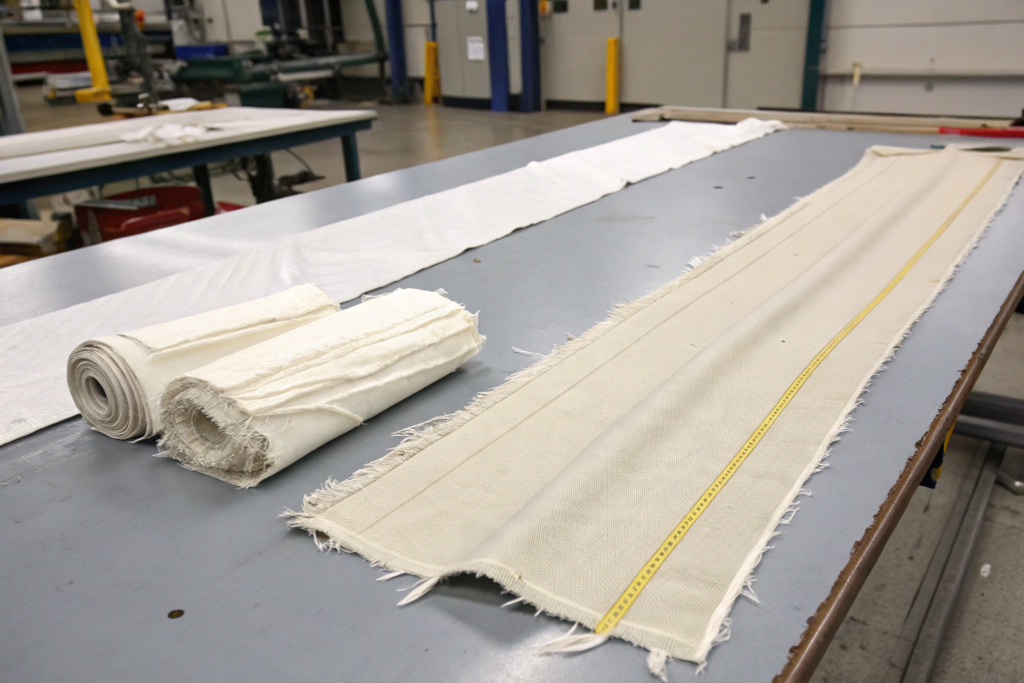
A belt experiences point loads. The buckle prong creates a small hole in the webbing. When the wearer bends, sits, or moves, force is concentrated at that hole. A fabric with poor tear resistance will rip from the prong hole. A bag strap experiences snagging. The strap catches on a door handle, a chair arm, a car door. A sharp force hits a small contact point. The tear starts and propagates.
Canvas belts and bag straps should withstand a minimum trouser tear force of 40 newtons. For heavy-duty applications, work belts, tool bags, outdoor equipment, the minimum should be 50 to 60 newtons. A ripstop reinforcement grid woven into the canvas can increase tear strength by 30% to 50% without increasing fabric weight. The tear strength requirements for webbing and strapping in load-bearing applications provide the technical basis for these minimums. A factory that cannot provide a fabric meeting these minimums should not be producing belts or bags.
How Do Tear Strength Requirements Differ for Delicate Scarf Fabrics Versus Heavyweight Outerwear?
A silk charmeuse scarf for evening wear will never experience the forces applied to a canvas backpack strap. Applying the same tear strength standard to both products would make the silk scarf impossible to produce. The standard must be appropriate to the product.
Silk, lightweight modal, and viscose scarves should meet an Elmendorf tear force of 8 to 15 newtons. This is sufficient to prevent tearing during normal handling, knotting, and gentle washing. Wool and wool-blend scarves for outerwear should meet 15 to 25 newtons. These scarves are pulled, wrapped, and sometimes caught in zippers or pressed against rough surfaces. The higher standard reflects the more demanding use environment. The tear strength standards for apparel and accessory fabrics are stratified by fabric weight and intended end use. A professional buyer knows the appropriate standard for each product category and specifies it in the purchase order.
Conclusion
The fabric tear test video has become a standard requirement for US importers because tear strength predicts the failure mode that actually occurs in the real world. You learned that a tensile test measures the strength of intact fabric, while a tear test measures the strength of fabric with a nick, a cut, or a stitch hole, the condition that exists in every sewn product. A fabric that passes tensile but fails tear is a brittle fabric that will fail catastrophically in use. The US importer who has been burned by catastrophic failure demands the tear test.
We walked through the distrust of paper reports. Document fraud, sample switching, and batch substitution have destroyed the credibility of unattested PDFs. The video reconnects the test result to the physical fabric. The whiteboard with the PO number, the calibration sticker, the unbroken single take, the continuous force display. Each element answers a silent question in the buyer’s mind. Is this my fabric? Is the machine accurate? Was this the best of ten tries? A properly shot video answers all three.
We detailed the video production process. The dedicated station. The laminated script. The whiteboard with pre-written fields. The unedited file shared in original format with a clear naming convention. The video is evidence, and it is produced with the care that evidence requires.
And we covered the tear strength specifications by product category. Silk scarves at 8 to 15 newtons. Wool scarves at 15 to 25 newtons. Canvas bags at 25 to 40 newtons. Belt webbing at 40 to 60 newtons. The standard matches the product. The specification is written into the purchase order. The test confirms compliance.
At AceAccessory, I have integrated the tear test into my standard quality control protocol for every fabric that enters my Zhejiang factory. The tear tester sits beside the tensile tester in my QC laboratory. The video recording station is permanently set up. My QC team produces tear test videos as a standard deliverable, not a special request. I know that a fabric that passes the tear test will survive the snags, pulls, and point loads of real-world use.
If your current supplier cannot provide a tear test video with the credibility characteristics described here, or if you are tired of paper reports that do not match the product in the box, I invite you to contact our Business Director, Elaine. She can share a sample tear test video from a recent production batch, our tear strength specification sheet by fabric type, and our equipment calibration certificate. Reach her at elaine@fumaoclothing.com. Let’s build accessories where the fabric is proven, on video, to withstand the real world.