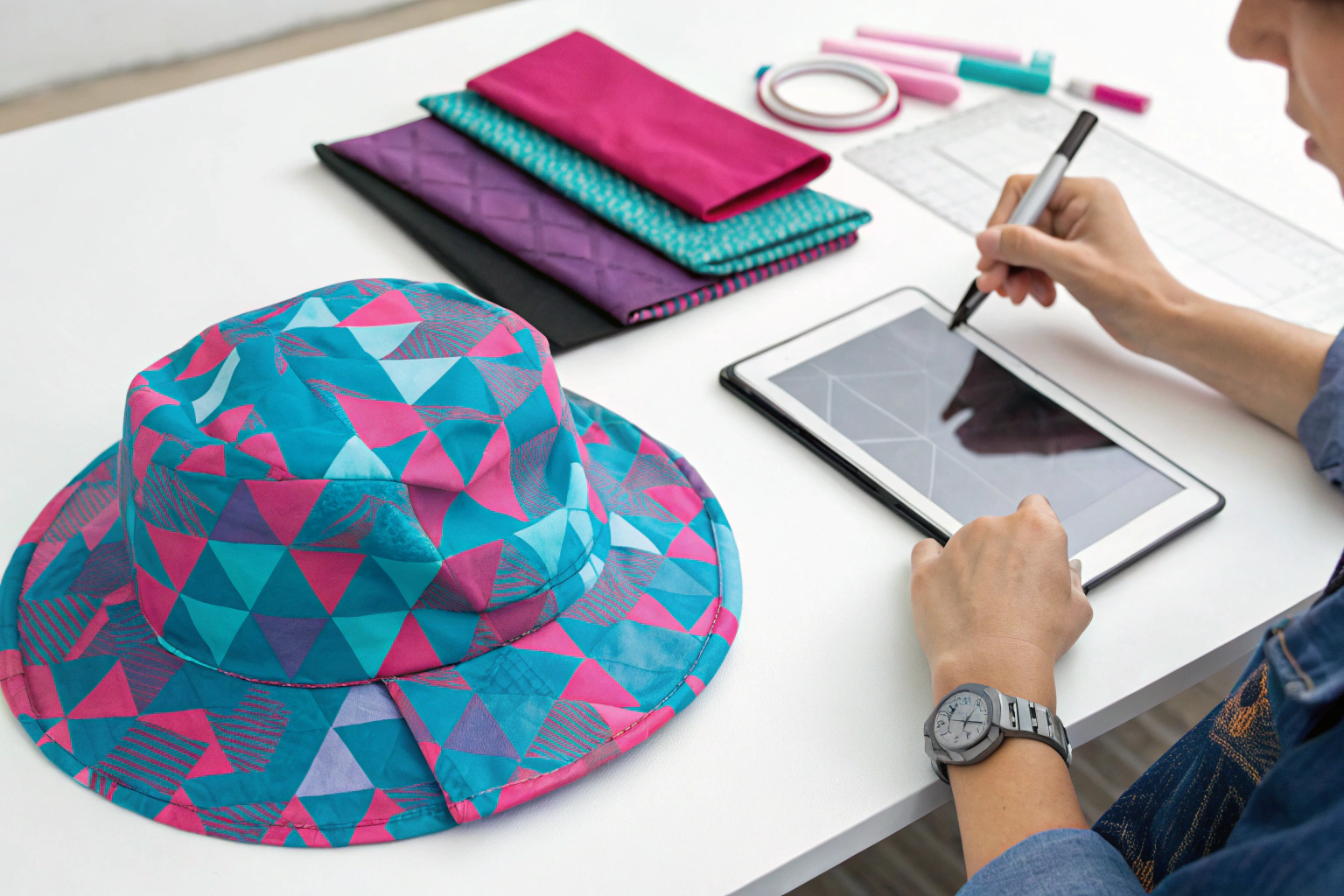
Time kills deals. I learned this the hard way years ago when a New York streetwear brand asked me for a waterproof bucket hat sample. I was slow. I treated it like a standard cotton cap. The fabric sourcing took two weeks. The printing plates took another week. By the time the sample shipped, the buyer had already moved on. Their marketing campaign launched without our hat. We lost a six-figure order because I didn’t have a fast-track system for technical fabrics. That sick feeling of watching a massive opportunity slip away because of internal delays changed how I run my sampling department forever.
A well-equipped accessories factory with in-house digital printing and waterproof fabric inventory can produce a custom printed waterproof bucket hat sample in 5 to 7 business days. If the design requires complex sublimation on polyester, the turnaround drops to 3 to 5 days. The critical variable is not the sewing; it is the fabric preparation and the printing plate setup. Factories that stock ready-to-print waterproof polyester and nylon bases eliminate the 10-day fabric sourcing delay that traps slow suppliers.
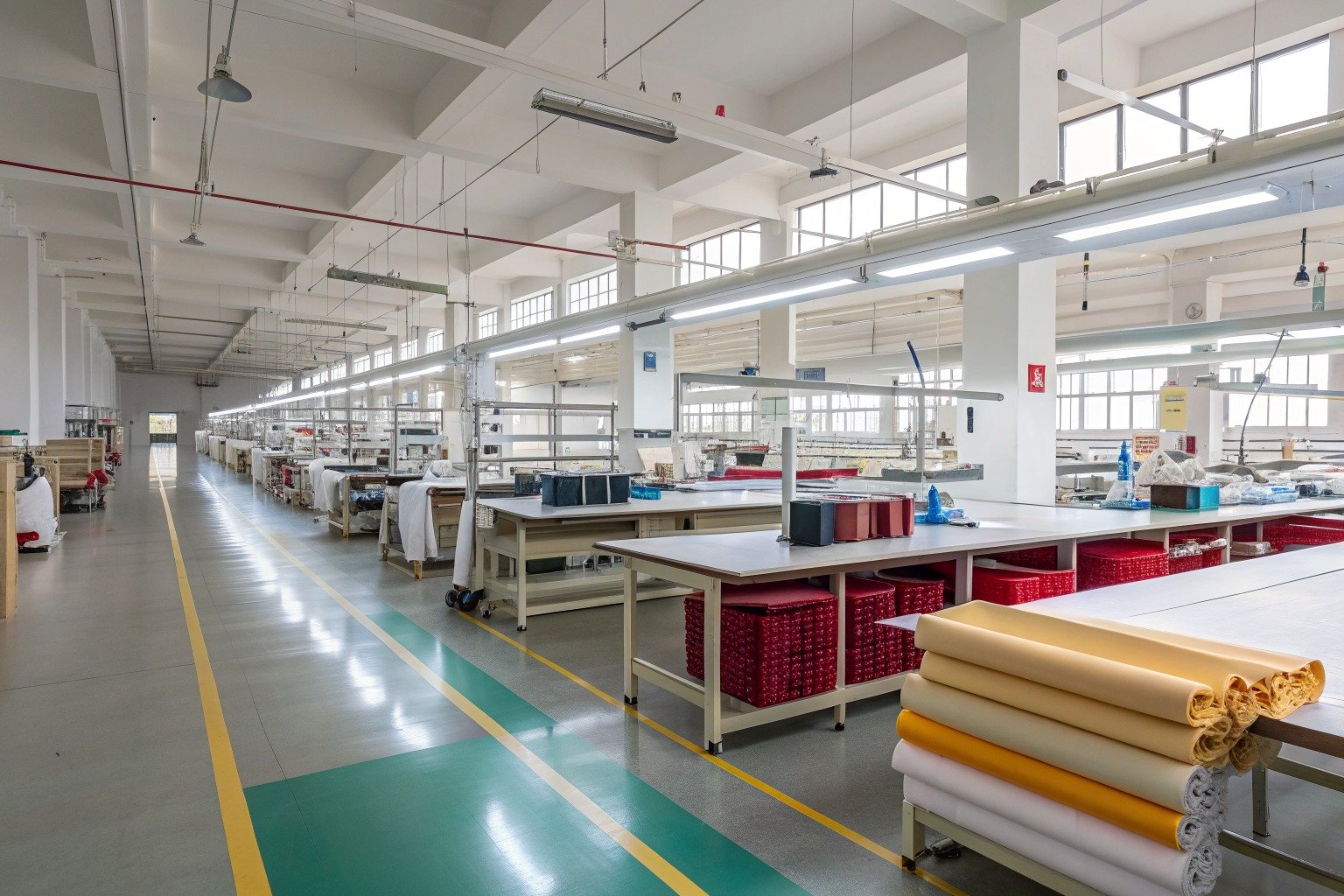
I run a modern facility in Zhejiang, and I treat sampling speed as my primary sales pitch. I know you need to show your buyer or your marketing team a physical product, not a rendering. A digital mockup doesn’t tell you how the seam tape feels against the skin. It doesn’t show you if the brim holds its curve when wet. I want to walk you through exactly how we accelerate this process without sacrificing a single stitch of quality. Keep reading, because understanding this timeline could be the difference between winning and losing your seasonal launch.
What Information Do Factories Need to Start a Waterproof Bucket Hat Sample?
You send an email saying "I need a waterproof bucket hat sample. How fast?" You attach a low-resolution screenshot from Pinterest. The factory replies asking ten questions about seam sealing, brim stiffness, and lining fabric. You get frustrated because you just want a price and a date. But the factory cannot start without clear inputs. The back-and-forth clarification eats up two precious days. You’ve lost 48 hours before a single piece of fabric is cut. This miscommunication is the number one killer of fast sample turnarounds.
To start a waterproof bucket hat sample, a factory needs five essential pieces of information: the exact fabric specification with waterproof rating, the printing file in vector format with Pantone color references, the size specification or measurement chart, the brim construction preference, and the accessory details such as drawcords or chin straps. Providing a physical reference sample or a detailed tech pack with these elements eliminates the clarification delay and triggers an immediate start on the sample cutting table.
When a client sends me a complete tech pack, I can have the fabric printing within two hours. When they send a vague inquiry, the project sits in limbo. I always tell my clients to download our standard bucket hat tech pack template before they even send the email. This simple step shaves three days off the timeline.
What Fabric Specifications Guarantee True Waterproof Performance for a Bucket Hat?
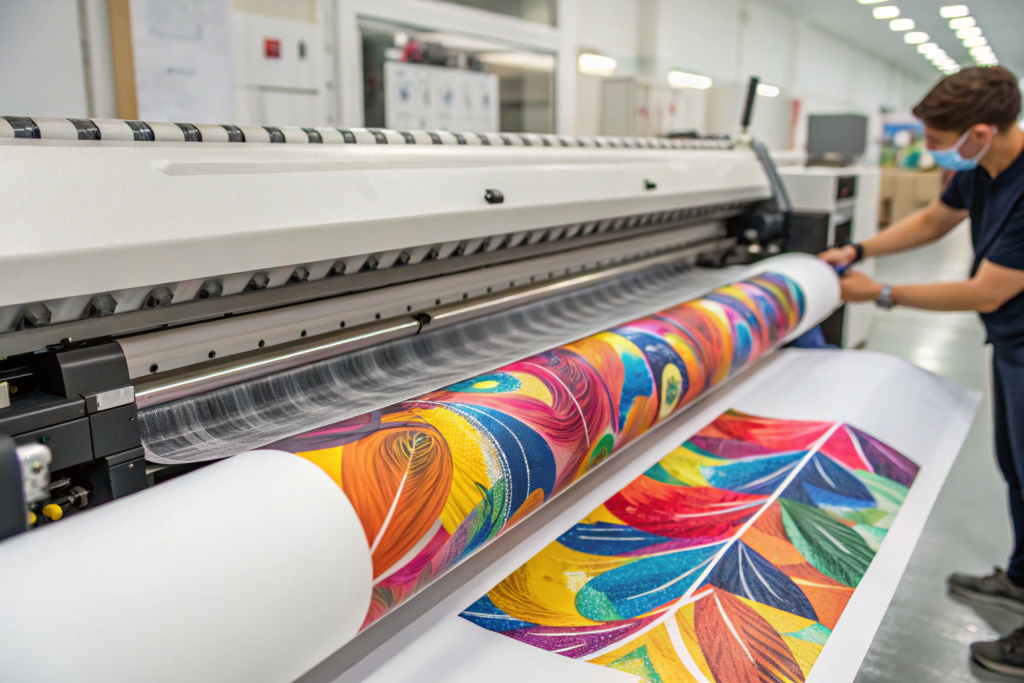
Water-resistant is not waterproof. A light DWR spray repels a drizzle but fails in a downpour. A true waterproof bucket hat requires a laminated membrane or a coated fabric with taped seams. The industry standard for performance rainwear is a hydrostatic head rating of 5,000mm to 10,000mm.
We stock two primary waterproof base fabrics for immediate sampling. The first is a 75D recycled polyester with a TPU lamination. This fabric is soft, quiet, and prints beautifully via sublimation. The second is a 70D nylon with a PU coating. This is slightly more rugged and has a matte finish. Both fabrics must have seam tape applied over every stitch hole during assembly. We use a hot-air seam sealing machine that applies a thin thermoplastic tape to the inside of the seams. This process melts the tape into the fabric structure, closing every needle hole permanently. Without this seam sealing technology, the hat is just a windbreaker on your head, not a true rain hat.
Why Are Vector Files and Pantone Colors Critical for Speedy Digital Printing?
A JPEG pulled from Instagram is useless for production. It is low resolution. The colors are embedded in the image profile, not separated for printing. A vector file, such as an AI or PDF, is mathematically defined. It can scale to any size without losing sharpness.
Pantone color codes are the universal language of printing. If you tell me "bright yellow," I might print sunflower yellow while you wanted neon lemon. That mismatch causes a sample rejection. By providing Pantone 13-0858 TCX or the equivalent Pantone Color System reference, we remove all subjectivity. My printing technician calibrates the wide-format printer using a spectrophotometer to hit that exact shade within a Delta E tolerance of less than 1.5. This technical precision means the printed fabric rolls off the machine ready for cutting, with zero time wasted on color correction reprints.
How Does the Sample Development Workflow Work Step by Step?
You think sewing is the long part. It’s not. The sewing of a bucket hat takes about 45 minutes. The invisible work happens before the fabric reaches the stitching floor. If the pre-production stages are disorganized, the sample sits untouched for days. A professional factory runs a parallel workflow, not a sequential one. We start the printing while the pattern maker adjusts the brim curve. We prepare the seam tape while the ink dries. This compressed timeline is only possible if one person owns the entire sample process.
The sample development workflow for a waterproof bucket hat follows six distinct stages: design file pre-flight and color matching, digital fabric printing and heat fixation, seam-sealing tape preparation, laser or hydraulic cutting of the panels, assembly and stitching, and finally quality control with a water spray test. An optimized factory completes these stages in a continuous flow, not in a batch-and-wait cycle, cutting the total turnaround time in half.
I assign a dedicated sample coordinator to every new development request. This person physically walks the hat from the printer to the cutter to the sewer. Nothing sits in an inbox. Nothing waits for a department meeting. The coordinator eliminates the white space between production steps, which is where 90% of delays live.
How Long Does Digital Printing and Fabric Curing Take Before Cutting?
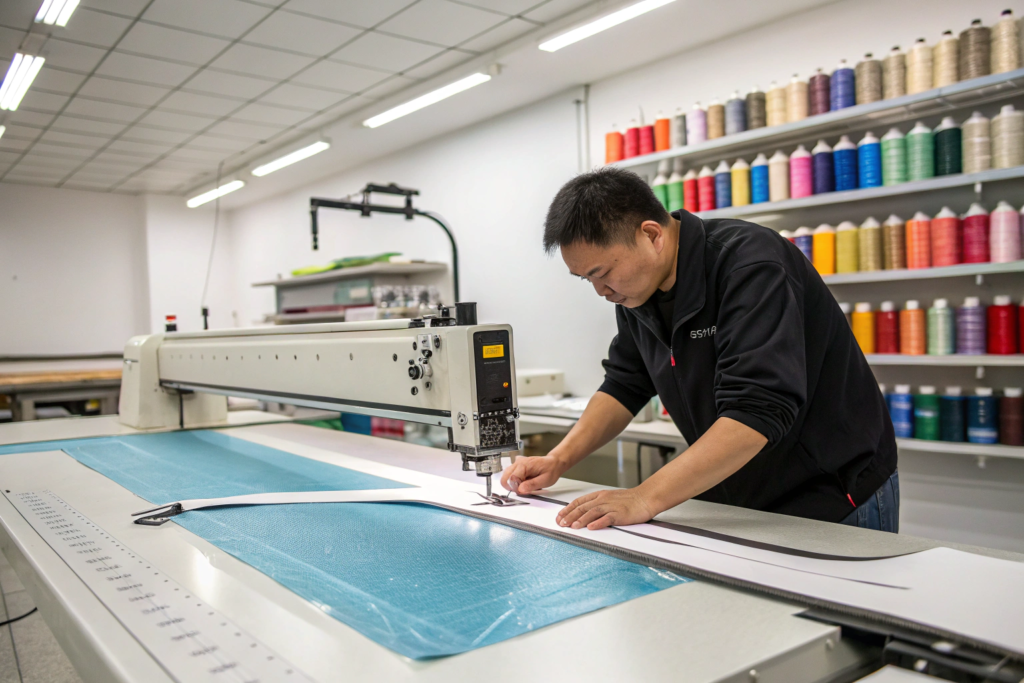
The clock starts when the art file is approved. The file enters a RIP software that translates the design into the printer’s language. Printing a continuous pattern for one bucket hat sample, including bleed, takes about 15 to 30 minutes on a high-speed wide-format sublimation printer.
After printing, the paper or direct-to-fabric print must be cured. For sublimation on polyester, we use a heat calendar press at 200 degrees Celsius. The sublimation ink transitions from a solid to a gas and bonds permanently into the polyester polymer chain. This takes approximately 2 to 3 minutes of continuous heat pressure. For coated nylon that cannot accept sublimation, we print on a UV-curable digital printer that dries instantly under LED light. This eliminates the heat-press step entirely. Once the fabric is printed and cured, it is inspected for color accuracy under a D65 light booth. If approved, it moves immediately to the cutting table. Total printing and curing time: 1 to 2 hours.
What Role Does Automated Cutting Play in Sample Speed and Accuracy?
Hand-cutting a sample with scissors is slow and imprecise. A wobbly brim cut creates an asymmetrical hat that looks cheap. For waterproof fabrics, precision is even more critical because the seam allowances must match exactly for the seam tape to seal properly.
We use a CNC fabric cutting machine with a vacuum table for sample production. The bucket hat pattern is loaded into the software. The machine’s oscillating blade follows the vector path with a tolerance of 0.1 millimeters. The vacuum holds the printed waterproof fabric completely flat during the cut, preventing any shifting that could distort the panels. The entire set of panels for one bucket hat is cut in under three minutes. This automated precision ensures that when the sewer joins the panels, the edges align perfectly, allowing the seam taping machine to apply a flawless waterproof seal without wrinkles or gaps. The cut is perfect every single time.
What Sewing Techniques Ensure the Bucket Hat Sample Is Fully Waterproof?
You receive your sample. The print is gorgeous. You’re excited. Then you pour a bottle of water on it. Water seeps through the stitch lines around the crown. The brim droops because the interfacing is cardboard, not plastic. The inside of the hat is soaked within seconds. The sample fails your quality test because the factory used standard cotton thread and standard sewing techniques. A waterproof hat is not just waterproof fabric. It is a waterproof construction system. Every penetration of the fabric must be sealed.
The essential sewing techniques for a truly waterproof bucket hat include hot-air seam taping over every stitch line, using hydrophobic bonded polyester thread, and installing a waterproof brim insert made of EVA or recycled PET plastic. The seams on the crown and brim are constructed with a flat-felled or double-lapped seam before the tape is applied, ensuring that water cannot wick through the needle holes even under sustained rain pressure.
I insist on a mandatory water column test for every waterproof hat sample before it leaves my factory. We literally fill the hat crown with water and hang it for ten minutes. If a single drop seeps through the seam tape or the brim stitching, the sample is rejected and reworked. This is not a cosmetic test. It is a functional guarantee.
Why Is Seam Taping Non-Negotiable for Rain-Ready Bucket Hats?
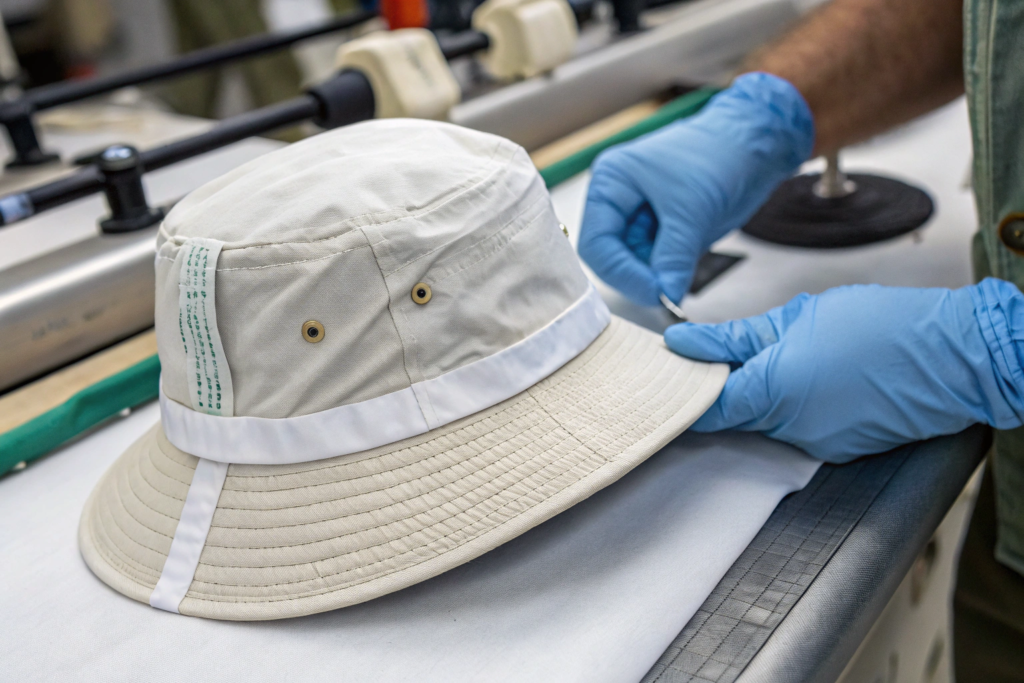
A sewing machine needle punches a hole through the fabric. Water molecules are smaller than those holes. Without seam tape, the stitch line acts like a perforated tear line for moisture. The fabric is waterproof, but the hat leaks like a sieve at the seams.
Seam taping covers every stitch hole with a thin, flexible waterproof membrane. We use a hot-air taping machine that applies a 20mm-wide TPU tape to the inside of the seam. The hot air activates the adhesive on the tape, melting it into the fabric’s coating. The operator must maintain a consistent speed and temperature. Too fast, and the tape doesn’t bond. Too slow, and the heat damages the waterproof coating. This process requires a skilled technician who understands seam sealing standards used in outdoor technical apparel. Every seam on the bucket hat crown and brim attachment point receives this treatment. The result is a seam that is stronger than the fabric itself and 100% impervious to water penetration.
What Type of Thread and Stitching Prevents Water Wicking Through the Seams?
Cotton thread acts like a wick. It absorbs water and actively pulls it through the seam from the outside to the inside. Even with seam tape on the inside, a saturated cotton thread can cause delamination over time. The thread itself must be hydrophobic.
We use a continuous filament polyester thread with a bonded finish for all waterproof bucket hat samples. This thread is engineered to repel water rather than absorb it. We also specify a stitch density of 8 to 10 stitches per inch. This is a carefully calculated balance. Too few stitches, and the seam is weak and leaky. Too many stitches, and the needle perforates the fabric so many times that the waterproof integrity is compromised before the tape is even applied. This stitch per inch guideline is a standard in technical outerwear manufacturing. Combined with a flat-felled seam construction that encases the raw edge, this approach creates a seam that is structurally robust and hydrologically sealed.
What Is the Cost Impact of Rushing a Custom Printed Waterproof Hat Sample?
Fast, cheap, good. You can only pick two. If you want it fast and good, it won’t be cheap. A rushed sample incurs premium charges for express fabric sourcing, overtime labor, and priority queue jumping. But compare that surcharge to the cost of missing your buyer’s presentation deadline. Losing a $50,000 order because you wanted to save $200 on a sample shipping fee is a catastrophic business decision. The cost of the sample is not an expense; it is an investment in a confirmed purchase order.
The cost impact of rushing a custom printed waterproof bucket hat sample typically ranges from a 30% to 50% surcharge on the standard sample fee, plus express air shipping. This premium covers dedicated project management time, accelerated digital printing setup, and overtime assembly labor. However, this surcharge should be weighed against the opportunity cost of delayed market entry and lost wholesale contracts. In almost every commercial scenario, the cost of the rush is negligible compared to the revenue secured by having the physical sample in the buyer’s hands before the deadline.
I tell my clients the truth. If you need the sample in five days, I will charge you a rush fee. But I will also guarantee that it arrives on time. I take that commitment seriously because I know your reputation with your buyer is on the line. You are not paying for speed. You are paying for reliability.
How Much Does Express Digital Printing Add to the Sample Development Fee?
Standard sample printing is batched. We wait until we have multiple sample requests and run them together to save on ink and setup costs. A rush sample breaks into the production schedule, often requiring the printer to stop a bulk order run.
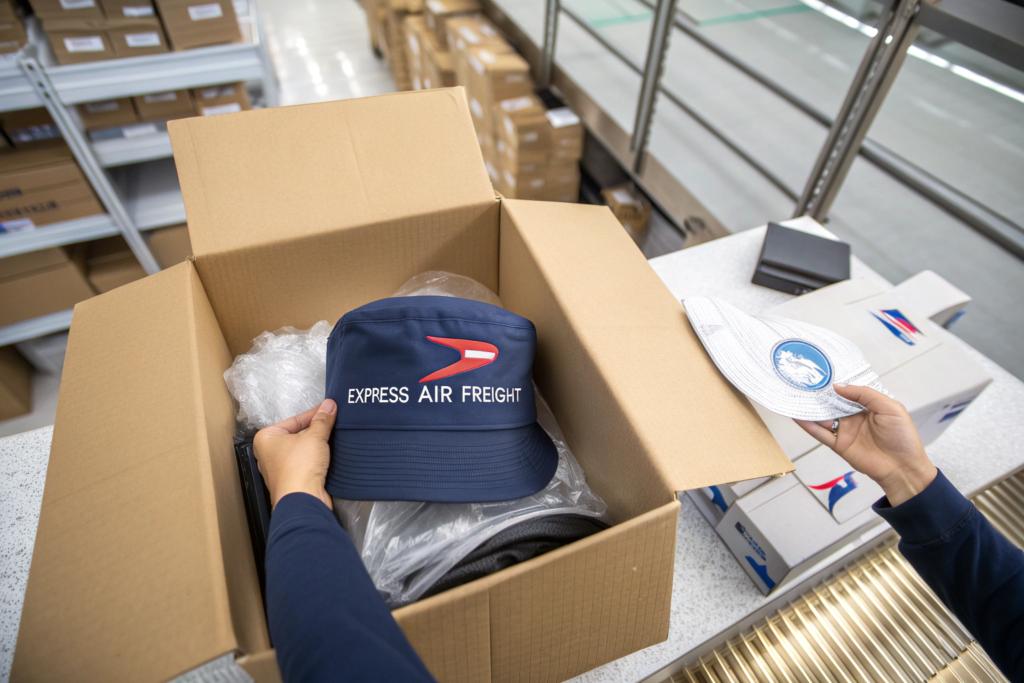
The express digital printing surcharge covers the cost of machine downtime, wasted transfer paper from a non-continuous run, and the dedicated time of a color technician who calibrates the machine exclusively for your single hat. This typically adds $50 to $100 USD to the sample fee. It’s a small price for jumping the queue. The alternative is waiting for the next available batch window, which could be three to five days later. In the fast-paced fashion product development cycle, that week can mean the difference between being included in a seasonal catalogue or being cut entirely.
Does Paying for Overnight Shipping Actually Help Meet Tight Buyer Deadlines?
The factory finishes the sample on Friday evening. You need it for a Tuesday morning buyer meeting in London. Standard shipping takes five days. You have no choice but to pay for international express courier service. Is it expensive? Yes. Is it worth it? Absolutely.
International express shipping via DHL, FedEx, or UPS delivers from our Zhejiang factory to most European and North American cities within 2 to 3 business days. The cost for a small sample box is approximately $30 to $60 USD. This is the final link in the speed chain. A factory can produce the sample in four days, but if the shipping takes another week, the speed advantage is wasted. We coordinate directly with express courier logistics to ensure the package is picked up the moment the final quality check is signed off. This seamless handoff from the sample bench to the aircraft cargo hold is what ultimately delivers the hat to your hand before the critical meeting begins.
Conclusion
The speed of a waterproof bucket hat sample comes down to preparation, not magic. You saw how the clock starts ticking with your design file. A vector graphic with Pantone codes can hit the printer in two hours, while a blurry Instagram screenshot can stall for two days. You learned that true waterproof performance is a construction system. It requires laminated fabric, bonded hydrophobic thread, and hot-air seam tape applied with technical precision. A factory without seam sealing equipment cannot make a genuine waterproof hat, no matter how fast they claim to be.
We walked through the factory floor workflow. Digital sublimation printing and CNC automated cutting compress what used to be a multi-day manual process into a single afternoon. The dedicated sample coordinator who walks your hat through every department eliminates the dead time between machines. And we weighed the cost of urgency. A rush surcharge on printing and express air freight might feel like a sting, but it pales in comparison to the revenue of securing a retail contract by showing up with a physical sample that holds water without leaking.
At AceAccessory, speed is part of our DNA. Our Zhejiang facility is set up specifically to serve brands that cannot afford to wait. We stock waterproof base fabrics. We have in-house digital printing and automated cutting. We have seam taping operators who have done this a thousand times. When you send us a tech pack, we don’t put it in a queue. We put it directly into production.
If you have a buyer presentation or a campaign photoshoot approaching and you need a waterproof bucket hat sample that is fast, accurate, and genuinely rainproof, let’s make it happen. Reach out directly to our Business Director, Elaine. She can confirm the current sampling slot availability and arrange express shipping to your deadline. Email your design brief to elaine@fumaoclothing.com. Let’s get your sample on your desk while your competition is still waiting for a reply.