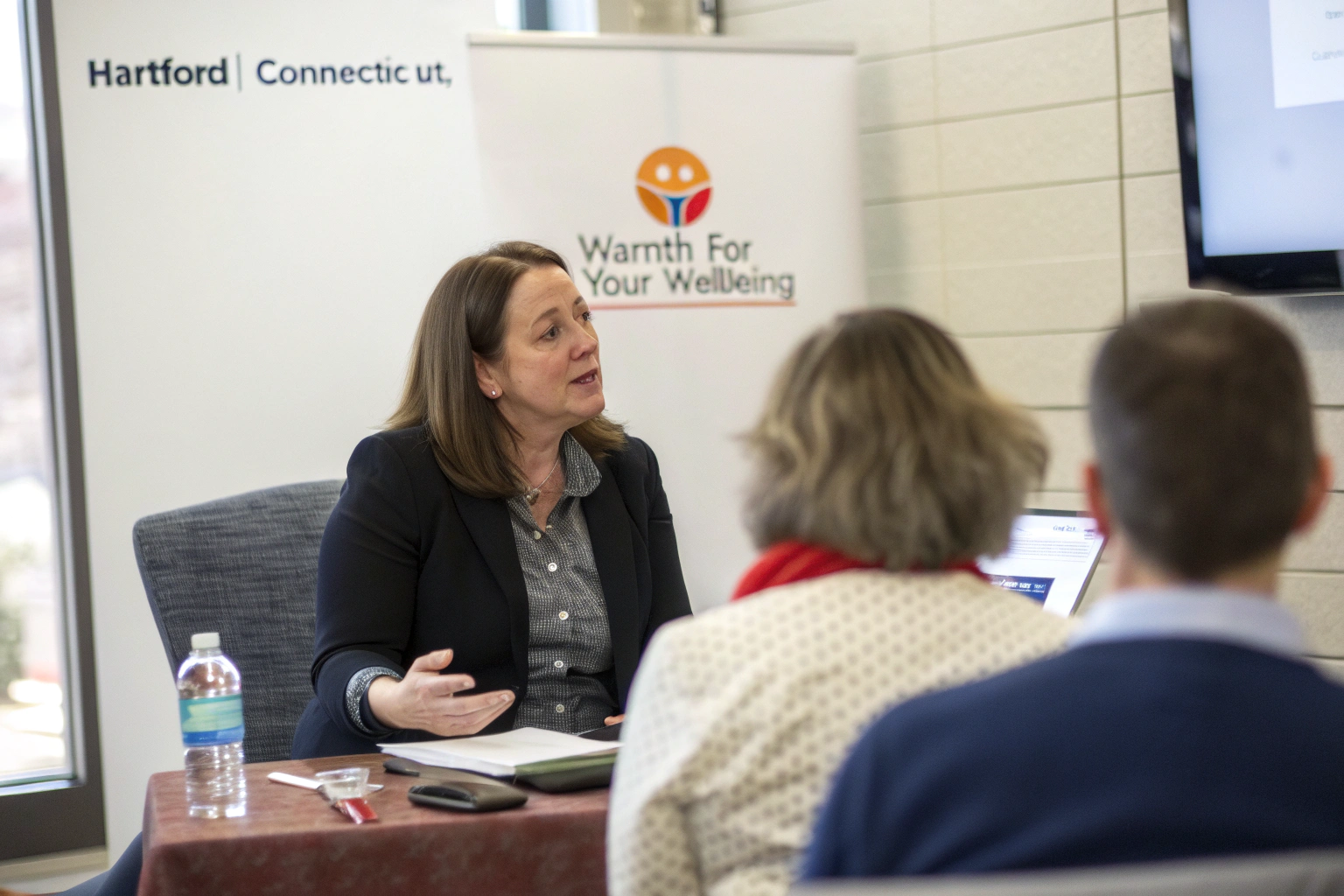
A corporate wellness director from a major insurance company in Hartford, Connecticut called me in late October with a project that had to be perfect. Her company was launching a winter wellness campaign for their 4,000 employees. The centerpiece of the campaign was a custom branded care package that included a pair of rechargeable hand warmers. The hand warmers needed to be printed with the company’s logo and the campaign slogan, "Warmth for Your Wellbeing." They needed to be packaged in a custom printed gift box with a thank-you card from the CEO. She had a budget, a tight timeline, and a vision. She had contacted several promotional product suppliers and electronics accessory factories. Every one of them told her the same thing. The minimum order for custom printed hand warmers was 3,000 units, and the custom packaging MOQ was 5,000 units. She needed 4,000 units, which seemed like a substantial order, but she was being told it was not enough. She was ready to compromise on her packaging, to use a generic box with a sticker, when she found us.
The minimum order quantity for custom printed hand warmers as accessories at our factory starts from as low as 500 pieces for a single-color logo print on a stock-colored hand warmer, 1,000 pieces for full-color UV digital printing with a custom design, and 2,000 pieces for fully custom packaging including a branded gift box. These MOQs are significantly lower than the electronics industry standard because we treat hand warmers as fashion accessories and promotional products, not as consumer electronics. We integrate the hand warmer sourcing, the surface decoration, and the packaging into a single, streamlined production process. The rechargeable hand warmers themselves are sourced from our audited electronics partners in Shenzhen, who produce to our quality specifications. The surface decoration, whether it is UV digital printing, screen printing, or laser engraving, is done in-house. The packaging is produced in parallel. The production lead time is 20 to 30 days for standard orders, with express options available for event-driven deadlines. The per-unit cost at these MOQs is higher than at mass-production quantities, but it is accessible to brands, event organizers, corporate wellness programs, and promotional product distributors.
Custom printed hand warmers sit at a unique intersection of the accessories, electronics, and promotional products industries. They are functional electronic devices that provide warmth. They are handheld accessories that people carry in their pockets and bags. And they are powerful promotional tools that carry a brand message into the user’s daily life throughout the winter months. A branded hand warmer is used repeatedly, often daily, generating hundreds of brand impressions over a season. This triple identity creates sourcing challenges. The electronics supply chain is optimized for massive quantities. The promotional products supply chain is optimized for customization and rapid turnaround. Finding a supplier who can bridge both worlds is difficult. At AceAccessory, we have developed a specialized hand warmer program specifically for brands and promotional distributors who need custom printed, rechargeable hand warmers at accessible quantities. Let me walk you through exactly how the MOQ works, what affects it, and how to get the best value for your project.
What Are the MOQ Tiers for Branded Rechargeable Hand Warmers
The MOQ for custom printed hand warmers is not a single number. It is a structured set of tiers, each unlocking additional customization options and better per-unit pricing. The MOQ structure is designed to balance the factory’s need for production efficiency with the buyer’s need for flexibility and manageable inventory risk. The key driver of the MOQ is the hand warmer unit sourcing. The hand warmer is a manufactured electronic product that is produced by specialized electronics manufacturers. These manufacturers have their own MOQs, which flow downstream to the brand and the promotional distributor. By maintaining buffer stock of the most popular hand warmer models, we can offer lower MOQs than the electronics factory would provide directly.
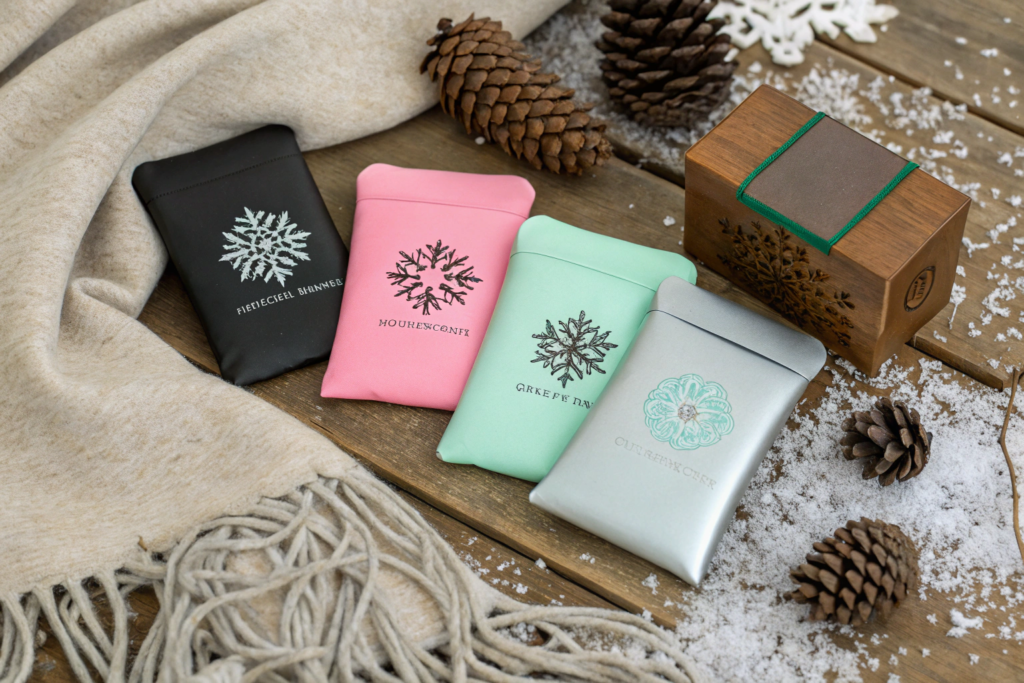
The MOQ tiers for custom printed rechargeable hand warmers are structured as follows. The 500-piece tier is the entry-level MOQ. At this quantity, the hand warmer housing must be a stock color, matte black, white, soft pink, or mint green. The decoration is limited to a single-color logo applied by screen printing, or a small-area UV digital print, or a laser-engraved design on metal or soft-touch surfaces. The packaging is a standard white or kraft gift box with a branded sticker, or a simple drawstring pouch. The per-unit cost is the highest because the fixed costs of setup, programming, and handling are amortized over a smaller quantity. This tier is ideal for small corporate events, boutique retreats, and startup wellness brands. The 1,000-piece tier is the sweet spot for most promotional projects. At this quantity, full-color UV digital printing on the hand warmer housing becomes available. Custom packaging options, such as a printed sleeve with a clear display box, become available. The per-unit cost drops significantly from the 500-piece tier. The 2,000-piece tier unlocks fully custom packaging, including rigid gift boxes with magnetic closures, custom-printed drawstring pouches, and fully branded unboxing experiences. Custom housing colors, where the plastic shell is injection molded in a specific Pantone-matched color, become available. The per-unit cost drops further. The 5,000-piece tier and above provides the best per-unit pricing. All customization options are available, and the cost structure approaches the mass-production electronics model. For quantities above 10,000 units, custom mold modifications, such as a debossed logo on the housing or a custom-shaped button, become economically feasible.
The tiered structure allows a brand to start small, test the market or the employee response, and then scale up as the program proves successful. A company might order 500 hand warmers for an executive retreat, see the positive feedback, and return for 5,000 units for the company-wide holiday program. Let me detail the two most important MOQ factors.
Why Is the Custom Housing Color MOQ Higher Than Stock Colors?
Custom coloring a hand warmer housing requires the injection molding machine to be purged of the previous color resin, cleaned, and loaded with a new batch of resin that has been custom-colored to the brand’s specification. The custom coloring process involves several cost-generating steps that drive the MOQ higher. The color match process comes first. A colorant supplier creates a masterbatch, a concentrated pellet of pigment, that matches the brand’s Pantone reference. The masterbatch is created by mixing pigments and carriers in specific proportions. There is a color match fee, typically 100 to 200 dollars, and a minimum order quantity for the masterbatch itself. The machine purge is the second cost. The injection molding machine must be thoroughly purged to remove all traces of the previous color. This involves running a purging compound through the barrel and screw until the output is completely clean. The purging process consumes material, time, and labor. For a short production run, the purging cost is a significant percentage of the total production cost. The resin minimum is the primary MOQ driver. The custom-colored resin must be ordered from the supplier. There is a minimum order quantity for a custom color resin batch, which may be several hundred kilograms. If the hand warmer housing weighs 60 grams, and the resin minimum is 100 kilograms, the minimum number of hand warmers that can be produced from that resin batch is approximately 1,600 units. Allowing for setup waste, the practical MOQ is around 2,000 units. The remaining resin can be stored for a future order, but the initial order must consume or pay for the minimum batch. For brands that need fewer than 2,000 units, a stock housing color with a full-color UV print is the recommended alternative. The UV print can achieve a very close approximation of the desired brand color, and it is available at the lower MOQ tiers.
How Do Packaging Choices Affect the Overall MOQ?
Packaging is often the MOQ bottleneck for a hand warmer project. The hand warmer itself can be produced at relatively low quantities if UV digital printing is used for decoration. But custom packaging, particularly printed boxes and custom fabric pouches, has its own MOQ driven by the printing and manufacturing processes. The custom header card is the most accessible packaging option. It is a flat piece of printed cardboard that is die-cut and folded. The printing is done on a digital or offset press. The MOQ for a custom header card is typically 500 pieces. This is the standard packaging for the entry-level MOQ tier. The custom printed sleeve and clear display box combination has a slightly higher MOQ because the clear PVC or PET box must be ordered from a box supplier, who has their own MOQ for the specific size and shape. The printed sleeve has a similar MOQ to the header card. The overall MOQ for this packaging option is typically 1,000 pieces. The custom rigid gift box has the highest MOQ. The box is made by laminating printed paper onto a thick greyboard or chipboard substrate, and then die-cutting, folding, and gluing it into shape. The setup for each of these steps, the printing plates for offset printing, the die-cutting tool, and the gluing jig, is significant. The rigid box MOQ is typically 2,000 pieces. The custom drawstring pouch, made from a soft fabric like microfiber or cotton, has its own MOQ based on the fabric printing and the sewing. The pouch MOQ is typically 1,000 to 2,000 pieces. For the 500-piece tier, the packaging is typically a standard stock box with a branded sticker, or a simple drawstring pouch with a heat-transfer logo. The packaging MOQ must be considered alongside the hand warmer MOQ when planning a project.
What Printing Methods Are Used for Custom Hand Warmers
The printing method chosen for a custom hand warmer determines the visual quality, the durability, the cost, and the available MOQ. Each method has its strengths and is suited to different design types and different quantities. The choice of method should be made in collaboration with the factory, based on the design artwork, the hand warmer material, and the intended use. A hand warmer is handled frequently. It is rubbed between the palms, slipped in and out of pockets, and exposed to temperature changes. The print must be durable enough to withstand this handling without fading, peeling, or scratching.
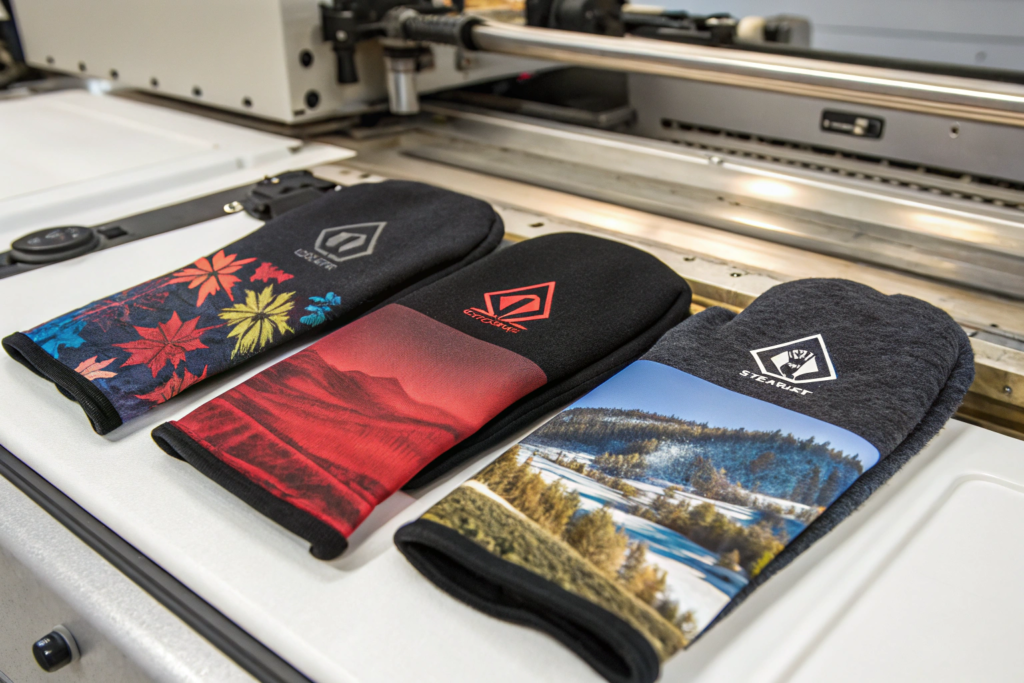
The printing methods used for custom hand warmers are UV digital printing, screen printing, and laser engraving. UV digital printing is the most versatile method. It uses a flatbed printer that deposits microscopic droplets of UV-curable ink directly onto the hand warmer housing. The ink is cured instantly by ultraviolet light, creating a durable, full-color print. UV digital printing has no setup costs, no screens, and no minimum quantity. It can print photorealistic images, complex gradients, and fine text. It can print white ink as an under-base on dark-colored housings, allowing vibrant colors on black or navy surfaces. It is the recommended method for low to medium quantities, 500 to 2,000 units, and for designs with multiple colors or photographic elements. Screen printing is the traditional method for bold, opaque logos. A separate screen is made for each color in the design. Ink is forced through the screen onto the hand warmer surface. Screen printing produces a thick, durable ink layer with excellent opacity. It is cost-effective at quantities of 1,000 units and above, where the screen setup cost is amortized. It is the recommended method for simple, one to three-color logos that require maximum durability and color impact. Laser engraving is a premium method for metal, wood, or certain coated plastic surfaces. A laser beam removes or discolors a thin layer of the surface material, creating a permanent, tactile mark. Laser engraving is subtle and elegant. It does not add any material to the surface, so it cannot peel or wear off. It is limited to a single color, the natural color of the underlying material, or the color created by the laser’s thermal effect. It is the recommended method for premium, minimalist branding on metal or soft-touch surfaces.
The choice of printing method should be specified early in the project. The design artwork should be prepared according to the requirements of the chosen method. Our design team reviews every artwork file and advises on the best printing method for the desired result. Let me detail the two most popular methods.
How Does UV Digital Printing Work on Hand Warmer Housings?
UV digital printing is the most flexible and accessible decoration method for hand warmers. It works by depositing microscopic droplets of UV-curable ink directly onto the plastic or metal housing of the hand warmer. The ink is cured instantly by ultraviolet light, creating a durable, full-color print. The process requires no screens, no plates, and no molds. The only setup is the digital artwork file, which is loaded into the printer’s software. This makes UV digital printing ideal for low quantities, from a single sample to a few hundred units, and for complex, multi-color designs. The process for printing on a hand warmer housing involves several steps. The housing is cleaned to remove any dust, oil, or mold release residue that could interfere with ink adhesion. A primer or adhesion promoter is applied to the surface. The primer is a clear liquid that chemically bonds to the plastic or metal and provides a receptive surface for the UV ink. Without primer, UV ink can peel off smooth, non-porous surfaces. The primed housing is placed on a custom jig in the UV flatbed printer. The jig holds the curved housing at the correct distance from the print head and ensures consistent print quality across multiple units. The printer deposits the CMYK inks, plus white ink if needed for opacity on dark-colored housings, and cures each layer instantly with UV LED lamps. The print is dry and ready to handle immediately after printing. The durability of a properly primed and cured UV print on a hand warmer is good for normal use. It will withstand handling, rubbing, and occasional wiping with a damp cloth. It is not as durable as a molded-in color or a laser engraving, but it is perfectly adequate for a promotional product that is used for a season or two. The print resolution is typically 720 by 1440 dots per inch, which produces sharp text and smooth gradients.
When Should Screen Printing Be Used Instead of Digital?
Screen printing should be used instead of digital printing when the design is a simple, bold logo with one to three solid colors, and when the order quantity is 1,000 units or more. Screen printing produces a thicker ink deposit than digital printing, which results in greater opacity, more vibrant color, and higher durability. The ink sits on the surface as a distinct, tactile layer. It is highly resistant to abrasion, chemicals, and UV fading. A screen printed logo will outlast a digitally printed logo under heavy use. The economic crossover point is around 1,000 units. Below this quantity, the screen setup cost, each color requires a separate screen, makes screen printing more expensive per unit than digital printing. Above this quantity, the per-unit cost of screen printing becomes lower than digital printing, and the cost advantage grows with the volume. Screen printing also offers some specialty effects that digital printing cannot replicate. A high-density screen print can create a raised, three-dimensional logo. A metallic ink can create a gold or silver effect that is more lustrous than a digitally printed metallic color. A puff ink can create a soft, rubbery texture. These specialty effects add cost but can create a distinctive, premium brand presentation. The limitations of screen printing are the setup cost and the design restrictions. Each color in the design requires a separate screen, and each screen costs money to prepare. Complex, multi-color designs with gradients or photographic elements are difficult or impossible to reproduce with screen printing. Screen printing is a technique for bold, graphic designs, not for subtle, continuous-tone images. The choice between screen printing and digital printing is a design decision and an economic decision, made in consultation with the factory.
How Long Does Custom Hand Warmer Production Take
The production timeline for custom printed hand warmers is determined by three parallel streams. The hand warmer unit sourcing, the surface decoration, and the packaging production. These streams run concurrently, and the overall timeline is determined by the longest stream. The hand warmer unit sourcing is typically the pacing item. The hand warmers are manufactured by the electronics subcontractor before they can be printed and packaged. Understanding this timeline is essential for planning a winter campaign, a corporate holiday gift, or an event.
The standard production timeline for custom printed hand warmers is 20 to 30 days from artwork approval to ex-factory readiness. This timeline breaks down into three parallel streams. The hand warmer unit sourcing and production takes 15 to 20 days. This includes the finalization of the hand warmer specification, the placement of the order with the electronics manufacturer, the production of the units, the functional testing, and the delivery of the blank hand warmers to our decoration facility. The decoration and printing takes 3 to 5 days. Once the blank hand warmers are received, they are cleaned, primed, printed using UV digital or screen printing, cured, and inspected. The packaging production takes 10 to 15 days. The custom boxes, sleeves, or pouches are produced in parallel with the hand warmer sourcing. The packaging is delivered to our facility and is ready when the printed hand warmers are complete. The final assembly, where the printed hand warmers are placed in the packaging along with the charging cable and instructions, takes 2 to 3 days. The cartons are packed, and the final QC inspection is performed. Express production can compress the total timeline to 15 to 18 days by expediting the hand warmer sourcing and using air freight for any components that would normally be sea freighted. The express surcharge is typically 15 to 20 percent of the product cost.
The timeline for a hand warmer project is longer than for a non-electronic accessory because of the electronics sourcing component. The electronics manufacturer has their own production schedule, and they cannot always prioritize small orders. We maintain buffer stock of the most popular hand warmer models to reduce the sourcing lead time for smaller orders. Let me detail the two most time-critical stages.
How Long Does Sourcing the Hand Warmer Units Take?
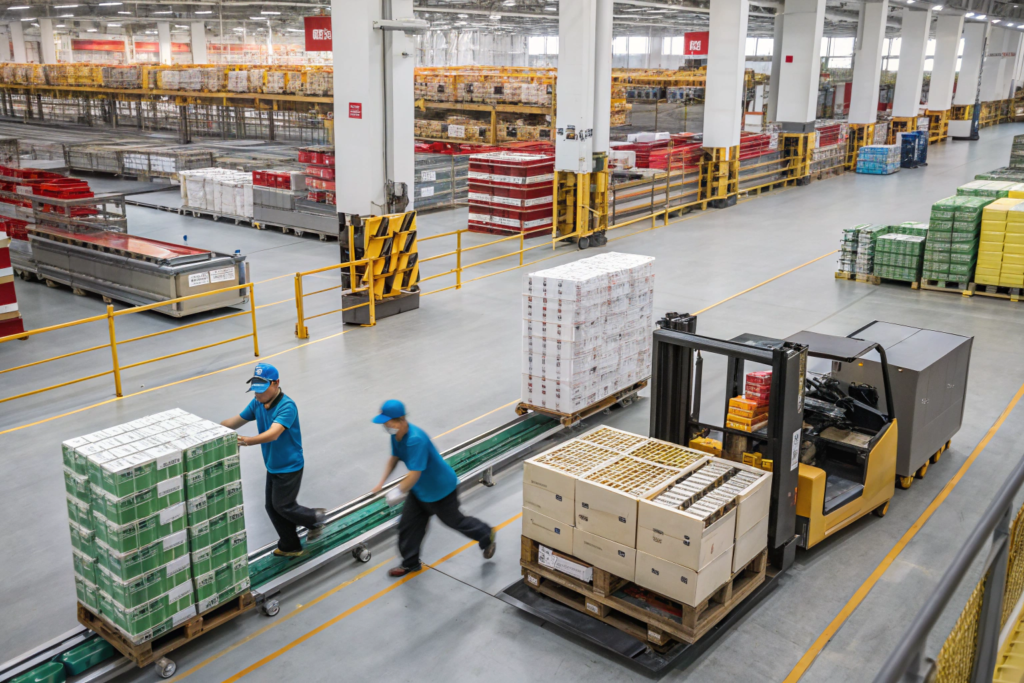
The hand warmer is a manufactured electronic product. It consists of a plastic or metal housing, a lithium-ion battery, a heating element, a circuit board with temperature control, and a USB charging port. These components are sourced and assembled by specialized electronics manufacturers, typically located in Shenzhen and the surrounding Pearl River Delta region. The lead time for sourcing blank, unbranded hand warmer units depends on whether the specific model is in stock or requires a production run. For stock models, the standard, most popular hand warmer designs in black, white, or pink, we maintain relationships with several electronics manufacturers who hold inventory of their best-selling models. If the client’s order can be fulfilled from this inventory, the lead time for the hand warmer units is 5 to 7 days, which is the time to process the order, pick the units, and ship them to our facility. This is the fastest track and is available for orders up to approximately 1,000 units, depending on the manufacturer’s current stock levels. For production runs, if the client requires a specific hand warmer model that is not in stock, or if the order quantity exceeds the available inventory, the electronics manufacturer must produce the units. The production lead time for a standard hand warmer model is 15 to 20 days. This includes the procurement of the components, the batteries, the heating elements, and the circuit boards, the injection molding of the housings, the assembly of the units, and the functional testing. If the client requires a custom feature, such as a specific battery capacity or a dual-temperature setting that is not standard on the stock model, the lead time can extend to 25 to 30 days. The hand warmer sourcing lead time is the primary reason why we recommend that clients finalize their hand warmer orders at least 4 to 6 weeks before the required delivery date. We work closely with our electronics manufacturing partners to reserve production capacity for our orders, and we provide our clients with realistic lead time estimates based on the current factory loading.
How Does the Printing Process Fit Into the Production Timeline?
The custom printing of the hand warmer housings is the shortest and most controllable part of the production timeline, but it is the most critical for the aesthetic quality of the finished product. The printing process cannot begin until the blank hand warmer units are received from the electronics manufacturer. Once the units are in our facility, the printing timeline depends on the printing method and the design complexity. UV digital printing is the fastest method. The artwork file is prepared and loaded into the printer software. The hand warmer housings are cleaned, primed, and placed on the printing jigs. The printing itself is fast. A single hand warmer housing can be printed in 1 to 2 minutes. The ink is cured instantly, so the units are ready for handling immediately. A batch of 500 hand warmers can be printed in a single day. The total time for UV digital printing, from receipt of the blank units to completion, is 2 to 3 days, including the time for jig setup and test prints. Screen printing is slightly slower because screens must be prepared. The screen preparation takes 1 to 2 days. The printing itself is fast, similar to UV digital. A batch of 1,000 units can be screen printed with a single-color logo in one day. Multi-color screen printing requires a separate screen and a separate print pass for each color, with drying time between passes. A two-color print takes 2 to 3 days. The total time for screen printing, including screen preparation, is 3 to 5 days. The printed units are inspected for print quality before being passed to the packaging station. The printing timeline is usually not the critical path for the overall project. The hand warmer sourcing and the packaging production are the longer poles. However, any delays in artwork approval, or any revisions to the print after the first test prints, will add days to the timeline. This is why we require final, print-ready artwork before we begin the printing process, and we encourage clients to approve digital proofs quickly.
Conclusion
Custom printed hand warmers as accessories offer a unique combination of functionality, brand visibility, and user appreciation. A branded hand warmer is a gift that is used, not discarded. It provides genuine comfort on cold days, and every time the user holds it, they see the brand. The minimum order quantity, starting as low as 500 pieces, makes them accessible to a wide range of programs, from small corporate retreats to large employee appreciation campaigns. We have explored the MOQ tiers, the 500-piece, 1,000-piece, and 2,000-piece levels that unlock increasing levels of customization in housing color, printing method, and packaging. We have examined the printing technologies, UV digital for its flexibility and low MOQ, screen printing for its bold opacity and economy at scale, and laser engraving for its premium, permanent finish. We have walked through the production timeline, 20 to 30 days standard, driven primarily by the electronics sourcing, and we have discussed the express options available for time-critical winter campaigns.
At AceAccessory, our hand warmer program is designed to solve the sourcing problem that promotional distributors, event organizers, and corporate wellness programs face. The electronics factory wants large, uniform orders. The brand wants customization and manageable quantities. We bridge that gap. We have the relationships with the electronics manufacturers to source quality, certified hand warmers at competitive prices. We have the in-house printing and packaging capabilities to customize those hand warmers beautifully, even at low quantities. And we have the quality control systems to ensure that every hand warmer that leaves our facility is safe, functional, and beautifully branded.
If you have a custom hand warmer project for a winter campaign, a corporate gift program, an event, or a retail product line, I invite you to start the conversation with us. Contact our Business Director, Elaine, at elaine@fumaoclothing.com. Tell her about your project, your target quantity, your design ideas, and your timeline. She can provide hand warmer samples, discuss customization options, and give you a detailed quotation. Let us help you create hand warmers that keep your customers, your employees, or your event attendees warm, and your brand close to their hearts, all winter long.