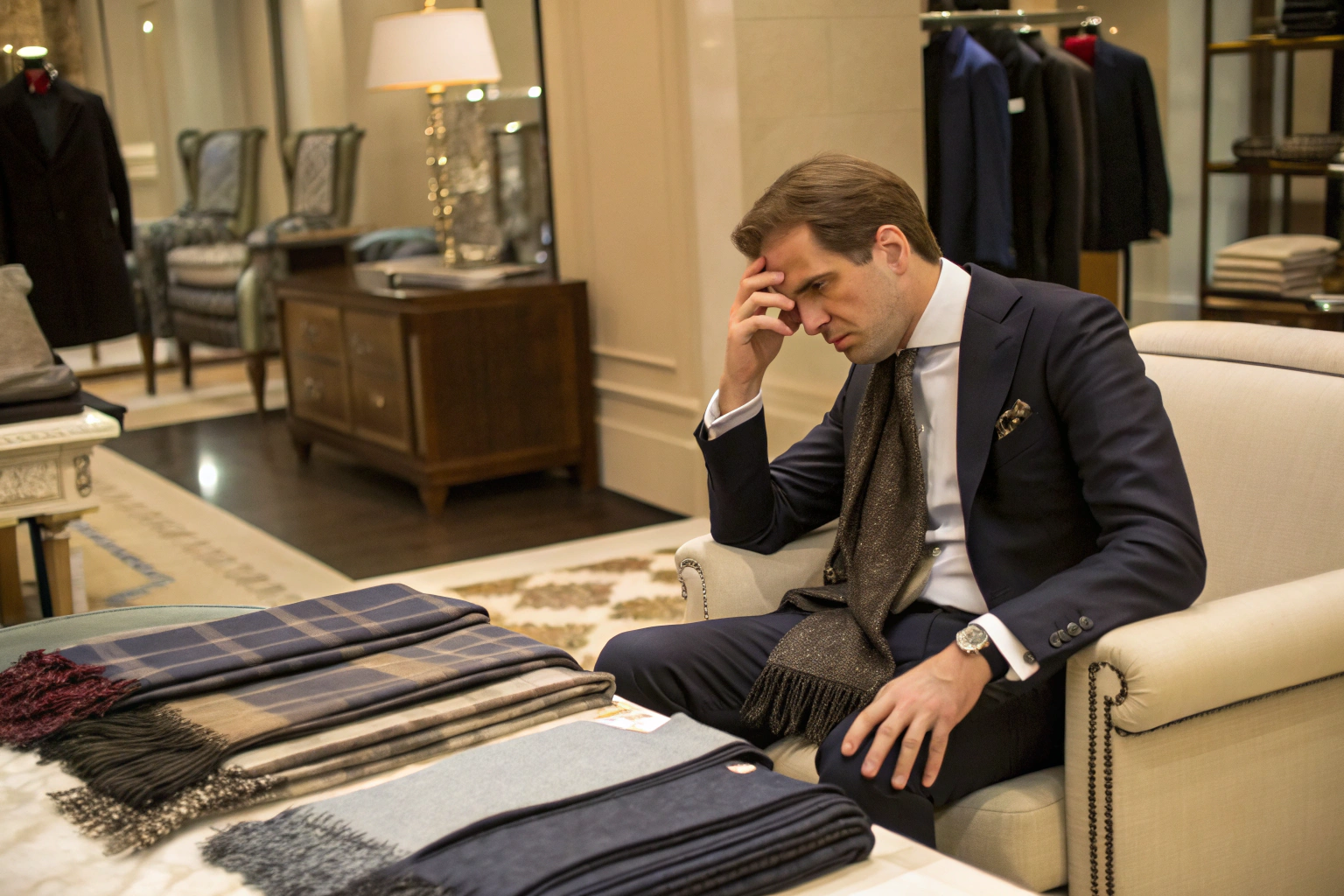
A menswear buyer from a prestigious Milanese department store sat in my showroom last September with a collection of scarves spread across the table. He was frustrated. His customers, affluent, style-conscious men who thought nothing of spending a thousand euros on a coat, were not buying scarves. The scarves he had in stock were beautiful. Fine merino wool, classic patterns, impeccable stitching. But they were, in his words, "boring." His customers already owned those scarves. They had bought them years ago, and they were still in perfect condition. He needed scarves that gave a man a reason to buy another one. Scarves that were different enough to feel like a discovery, but classic enough to wear with a Canali overcoat. He asked me, "What is going to make a man pick up a scarf in 2026 and feel like he needs it?"
The 2026 scarf trends for men’s luxury winter wear are defined by three key directions. First, sculptural, oversized shapes that function as the focal point of a winter outfit. Scarves that are dramatically wide, 60 to 80 centimeters, and long, over 220 centimeters, in heavy-gauge knits or dense, structured weaves that hold their volume. These scarves are worn wrapped multiple times around the neck, creating a bold, architectural silhouette that dominates the upper body. Second, innovative, performance-oriented natural blends that combine the prestige of traditional luxury fibers with technical benefits. Scarves in cashmere-graphene blends that are actively thermoregulating, or merino-silk blends treated with a permanent, invisible water-repellent finish. These materials look and feel like traditional luxury, but they perform like modern technical gear. Third, a return to authentic, narrative-driven craft with hand-finished details that tell a story. Scarves with hand-knotted fringe that takes an artisan a full day to complete. Scarves with hand-embroidered monograms in a tonal thread that is nearly invisible. Scarves woven on vintage looms that produce an irregular, organic texture that is the opposite of machine perfection. These pieces appeal to the luxury consumer’s desire for products with provenance, authenticity, and a human touch.
The men’s luxury scarf market has been static for too long. The same designs, the same materials, the same formats, season after season. The 2026 trends are a response to a fundamental shift in how luxury menswear consumers think about accessories. The scarf is no longer a disposable fashion item or a purely functional piece of winter gear. It is an investment, a statement, and a reflection of the wearer’s values. At AceAccessory, we produce scarves for luxury menswear brands and high-end retailers. Our design team has been tracking the evolution of this market, and we are already producing samples for the 2026 season. Let me walk you through the three trends that will define the market.
Why Are Oversized Sculptural Scarves the Top Men’s Trend for 2026
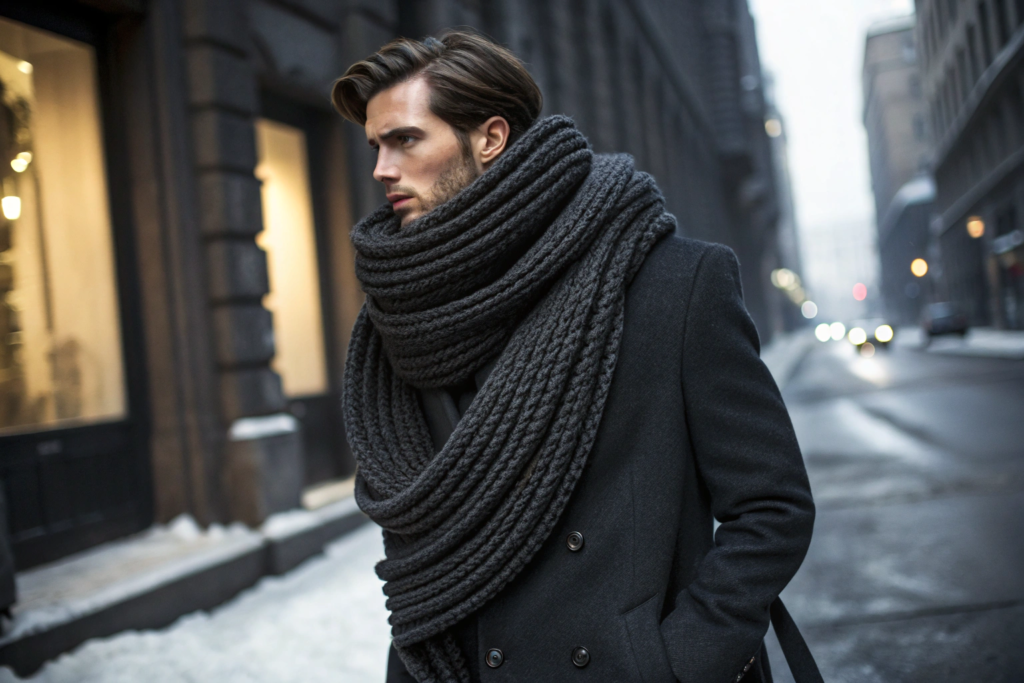
The oversized sculptural scarf is the most dramatic shift in the men’s luxury scarf market for 2026. It represents a move away from the scarf as a discreet, functional accessory and toward the scarf as the defining element of a winter outfit. The proportions are exaggerated. The width is 60 to 80 centimeters, double the width of a traditional men’s scarf. The length is 220 centimeters or more, allowing for multiple deep wraps around the neck. The fabric is heavy and substantial, a 5-gauge or 3-gauge chunky knit, or a dense, felted wool that holds its shape. The scarf is not meant to be tucked away inside a coat. It is meant to be seen, to create volume and texture around the face, to frame the wearer.
Oversized sculptural scarves are the top men’s trend for 2026 because they align with the broader movement in menswear toward relaxed, generous silhouettes. The tailored, close-fitting aesthetic that dominated men’s fashion for a decade has given way to a softer, more voluminous silhouette. The oversized scarf is the accessory expression of this shift. It provides a sense of comfort, protection, and effortless style. It is also a response to the way men live now. The line between indoor and outdoor, formal and casual, has blurred. A man wants a scarf that he can wrap deeply around his neck on a cold commute, that he can throw over his shoulders as a shawl in a drafty restaurant, and that he can wear as a statement piece with a casual coat on the weekend. The oversized scarf does all of these things. It is versatile because its size allows for multiple styling options. It is luxurious because the sheer volume of material communicates abundance and quality. The oversized scarf is made from materials that can hold the volume. A loosely knitted or lightweight fabric will collapse and look shapeless. The 2026 oversized scarf uses structured knits, ribbed, cabled, or honeycomb stitches that have inherent architectural strength. It uses dense, felted wools that have body and drape. It uses double-face constructions where two layers of fabric are bonded together for weight and structure. The edges are finished with substantial ribbing, a deep rolled hem, or a thick, hand-knotted fringe that adds to the visual weight.
The oversized scarf is not for every man. It requires confidence to wear. But for the man who embraces it, it is a transformative accessory. Let me detail the two most important design elements.
What Dimensions Define an Oversized Luxury Scarf for Men?
The dimensions of an oversized luxury scarf are not arbitrary. They are calculated to achieve a specific aesthetic and functional effect. The width is the primary dimension that distinguishes an oversized scarf from a standard one. A standard men’s scarf is typically 25 to 35 centimeters wide. An oversized scarf is 60 to 80 centimeters wide. At 60 centimeters, the scarf is wide enough to cover the entire neck and to drape over the shoulders when unfolded. At 80 centimeters, it is approaching the dimensions of a small wrap or a stole. The width must be balanced with the fabric weight. A scarf that is too wide and too heavy becomes cumbersome. The ideal fabric weight for an oversized scarf is 300 to 500 grams per square meter. This provides the necessary drape and volume without being oppressively heavy. The length is the second critical dimension. A standard men’s scarf is 160 to 180 centimeters long. An oversized scarf is 220 to 250 centimeters long. The extra length allows for multiple wraps around the neck. A 220-centimeter scarf can be wrapped twice around the neck and still leave substantial ends hanging down the chest. A 250-centimeter scarf can be wrapped three times for maximum volume and warmth. The length also allows the scarf to be worn in alternative styles. It can be thrown over one shoulder and allowed to hang long, like a stole. It can be folded in half lengthwise and worn as a wide, flat wrap. The length-to-width ratio is typically between 3 to 1 and 4 to 1. A 70 by 240 centimeter scarf has a ratio of approximately 3.4 to 1, which is visually balanced. The scarf should be large enough to make a statement but not so large that it overwhelms the wearer. The dimensions are specified in the tech pack and verified during quality control inspection.
What Knit Structures Hold Volume Without Excessive Weight?
The knit structure is the engineering behind the oversized scarf’s silhouette. The structure must create volume and visual weight without making the scarf physically heavy or uncomfortably bulky. The goal is to trap air within the knit, creating a lightweight, insulating structure that has presence. Several knit structures achieve this balance. The rib stitch is the foundation of many oversized scarves. A wide, deep rib, 3×3 or 4×4, meaning three or four knit stitches followed by three or four purl stitches, creates prominent vertical columns. The ribs draw in when the scarf is relaxed and expand when stretched, providing a dynamic, textural surface. The rib structure is naturally elastic and holds its shape well. The cable stitch creates interlocking, rope-like patterns that add significant visual texture and depth. Cable patterns can be complex, with multiple cables twisting around each other, creating a richly sculptural surface. Cables add weight and density to the knit. The honeycomb stitch creates a cellular, three-dimensional texture that resembles a honeycomb. The structure is created by alternating areas of knit and purl stitches, which push and pull the fabric into a relief pattern. Honeycomb is highly effective at trapping air and creating volume with relatively low weight. The fisherman’s rib, also called the English rib, is a variation of the rib stitch that creates a deeper, more cushioned texture. It is thicker and warmer than a standard rib, with a plush, bouncy feel. The double-face knit is a more advanced construction where two layers of fabric are knitted simultaneously and interconnected. The two layers can be different colors, creating a reversible scarf, or the same color for extra thickness and structure. The double-face knit has excellent body and drape. These knit structures are produced on specific knitting machines, typically 3-gauge or 5-gauge flatbed machines for the chunky effects, or 7-gauge for a finer, more refined texture. The yarn choice interacts with the knit structure. A thick, plied yarn in a rib stitch creates maximum volume. A finer yarn in a cable stitch creates detailed texture with less weight.
What Performance Luxury Fabrics Are Trending for Men’s Scarves
The modern luxury consumer is informed. He understands technology. He wears performance fabrics to the gym and on the ski slopes. He expects his luxury purchases to perform, not just to look beautiful. This expectation has driven a wave of innovation in luxury scarf materials. The 2026 performance luxury fabrics are hybrids. They combine the natural beauty, the softness, and the prestige of traditional luxury fibers with the performance characteristics of technical textiles. The result is a scarf that feels like a heritage piece but performs like a modern technical garment. It is warmer, lighter, more durable, and more functional than a traditional scarf.
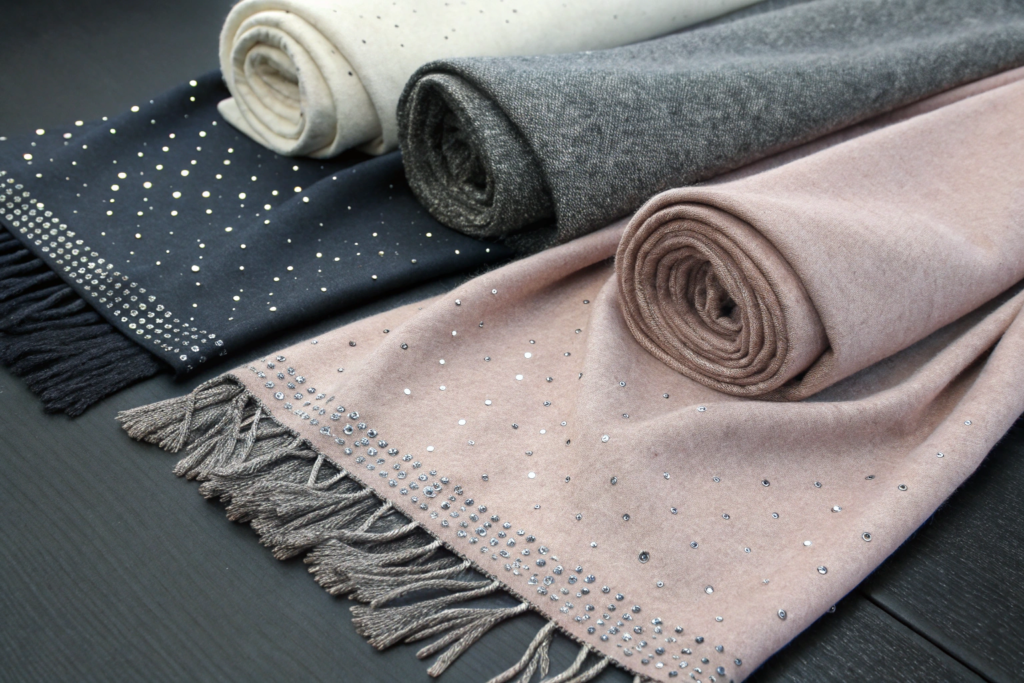
Performance luxury fabrics are trending for men’s scarves in 2026 because they offer tangible, functional benefits that the discerning male consumer values. Cashmere-graphene blends are the leading innovation. Graphene, a single layer of carbon atoms, is the strongest, thinnest, and most conductive material known. When infused into cashmere fibers, it enhances thermal conductivity, allowing the scarf to actively distribute heat, pulling warmth from warmer areas of the body to cooler areas. It also adds strength and durability, reducing the pilling and wear that plague traditional cashmere. Water-repellent luxury blends are the second major trend. A scarf made from a merino-silk blend is treated with a permanent, invisible, fluorocarbon-free water-repellent finish. The finish does not change the hand feel or the breathability of the fabric. It simply causes water to bead and roll off the surface. The scarf can be worn in light rain or snow without becoming saturated. Thermoregulating phase-change materials, or PCMs, are being incorporated into luxury scarves. Microscopic PCM capsules are embedded in the fabric. They absorb excess heat when the wearer is warm and release it when the wearer cools, maintaining a stable, comfortable temperature. The technology is invisible, but the comfort is noticeable. Recycled luxury fibers are the sustainable performance trend. Recycled cashmere, made from post-industrial waste, offers the same softness and warmth as virgin cashmere with a significantly lower environmental impact. The recycled material is traceable and certified, appealing to the consumer who values sustainability as part of luxury.
These performance fabrics are not marketed like sportswear. The technical benefits are communicated subtly, through hangtags and brand storytelling, not through bold logos and technical specifications on the product. The luxury is in the feel, the performance is in the experience. Let me detail the two most important fabric innovations.
How Does Graphene Enhance Warmth in Cashmere Scarves?
Graphene is a nanomaterial that is revolutionizing thermal management in textiles. It is a single layer of carbon atoms arranged in a hexagonal lattice. It is the thinnest material ever discovered, yet it is 200 times stronger than steel. It is also the most efficient conductor of heat known. These properties make it an ideal additive for luxury winter accessories. In a cashmere-graphene blend scarf, graphene particles are infused into the cashmere fibers during the spinning process or applied as a coating to the finished fabric. The graphene acts as a thermal conductor. It absorbs the body heat generated by the wearer and distributes it evenly across the scarf. This eliminates cold spots and creates a sensation of consistent, enveloping warmth. The graphene also has the ability to absorb far-infrared radiation emitted by the body and re-emit it back toward the skin. This is a passive warming effect that enhances the scarf’s thermal efficiency. The wearer feels warmer without additional bulk. The graphene also dissipates excess heat. If the wearer becomes too warm, the graphene conducts heat away from the body, helping to regulate temperature and prevent overheating. The amount of graphene used is tiny, typically less than 1 percent of the fiber weight. It does not change the color, the hand feel, or the drape of the cashmere. The scarf looks and feels like a pure cashmere scarf. The graphene also imparts additional benefits. It increases the tensile strength of the fibers, making the scarf more resistant to tearing and abrasion. It has natural antibacterial properties, reducing odor. It is anti-static, preventing the cling and crackle that can plague synthetic blends. The graphene-enhanced cashmere scarf is a premium product that commands a premium price. It appeals to the man who appreciates the tradition of cashmere but wants the performance of modern technology.
Can Luxury Scarves Be Both Water-Repellent and Breathable?
Yes, the latest generation of water-repellent finishes for luxury scarves achieves the seemingly contradictory goals of repelling liquid water while allowing water vapor, perspiration, to pass through. The finish is a molecular-level treatment, not a coating. Traditional waterproof coatings, such as polyurethane or PVC, create a solid, impermeable film on the fabric surface. They block water, but they also block air and moisture vapor. The fabric becomes clammy and uncomfortable. The new generation of luxury water-repellent finishes are based on advanced silicone or fluorocarbon-free polymer chemistries. They are applied as a microscopic, conformal coating that bonds to the individual fibers. The coating envelops each fiber, making it hydrophobic, water-fearing. Water beads on the surface and rolls off. But the spaces between the fibers remain open. Air and water vapor can pass through freely. The fabric remains breathable and comfortable. The finish is applied at the final stage of fabric processing, after dyeing and any mechanical finishing. The fabric is immersed in a bath containing the treatment chemical, then passed through rollers to remove the excess, and cured at a controlled temperature. The treatment is permanent. It withstands repeated washing and dry cleaning. It does not change the hand feel, the color, or the luster of the fabric. A treated cashmere or merino scarf feels exactly like an untreated one. The water-repellent finish is tested by spraying water onto the fabric surface and observing the beading effect. The test standard is typically AATCC 22 or ISO 4920. A spray rating of 4 or 5, on a scale of 1 to 5, indicates excellent water repellency. The breathability is tested by measuring the moisture vapor transmission rate, or MVTR. A high MVTR indicates good breathability. The combination of water repellency and breathability makes the scarf practical for real-world winter conditions. It can be worn in snow, light rain, and high humidity without becoming damp and uncomfortable.
What Hand-Finished Details Define Luxury Men’s Scarves in 2026
The pendulum of luxury has swung away from machine perfection and toward human imperfection. The luxury consumer of 2026 has been saturated with flawlessly uniform products, the result of computer-controlled manufacturing. The sameness has become boring. What is rare, and therefore valuable, is evidence of the human hand. The slight irregularity of a hand-knotted fringe. The almost invisible variation in a hand-embroidered stitch. The subtle, organic texture of a fabric woven on a vintage loom. These details tell a story of time, skill, and care. They transform a scarf from a mass-produced commodity into an individual object with soul. This is the essence of narrative-driven luxury.
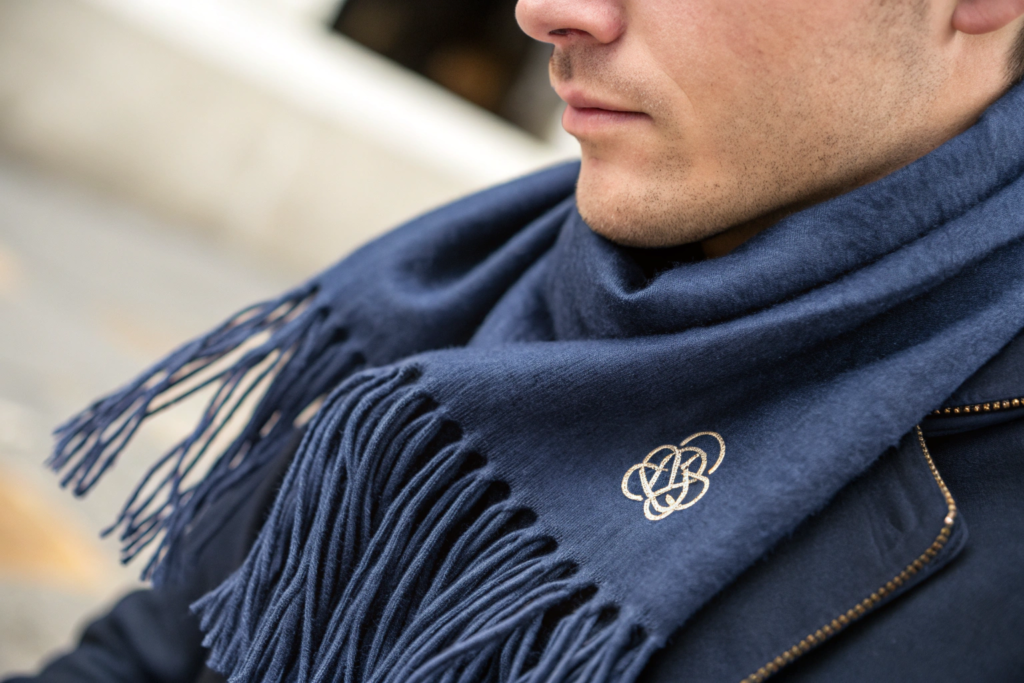
Hand-finished details define luxury men’s scarves in 2026 by providing authenticity, individuality, and a connection to craft. Hand-knotted fringe is the most visible and valued hand finish. Each fringe strand is individually tied and knotted by an artisan. The process for a single scarf can take several hours. The result is a fringe that has a soft, organic drape and a subtle irregularity that is the hallmark of handwork. Hand-embroidered monograms are a discreet, personal luxury. The wearer’s initials, or the brand’s icon, are embroidered in a tonal thread that matches the scarf color. The monogram is nearly invisible, visible only upon close inspection. It is a private mark of quality and personalization. Hand-stitched edges, such as a hand-rolled hem or a hand-sewn binding, create a finish that is softer and more flexible than a machine-sewn edge. The hand stitches are slightly irregular in length and tension, creating a subtle, organic rhythm that is pleasing to the eye. Woven selvedges, where the fabric edge is finished on the loom rather than cut and sewn, are a mark of quality weaving. A selvedge edge is clean, durable, and will not fray. Vintage loom textures, where the scarf is woven on a slower, older loom that produces a slightly irregular, slubby texture, create a fabric with character and depth that is impossible to replicate on a modern, high-speed loom.
These hand-finished details add cost and production time, but they are the details that the luxury consumer is willing to pay for. They cannot be faked. A machine-made fringe looks different from a hand-knotted one. A consumer who knows what to look for can tell the difference. Let me detail the two most important hand-finishing techniques.
How Is a Hand-Knotted Fringe Different From a Machine Fringe?
The difference between a hand-knotted fringe and a machine-made fringe is immediately apparent to the touch and to the trained eye. A machine fringe is produced by a specialized machine that wraps yarns around a cord and cuts them in a single, rapid operation. The result is a fringe that is perfectly uniform. Every strand is exactly the same length. Every knot is exactly the same tension. The fringe lies perfectly flat and straight. It is neat, precise, and efficient. A hand-knotted fringe is produced by a skilled artisan who ties each knot individually. The artisan takes a bundle of yarn ends, twists them together to form a strand, and ties an overhand knot at the end. The process is repeated for every strand along the edge of the scarf. The result is a fringe that has a subtle, organic variability. The strands are not all exactly the same length. The knots are not all exactly the same tightness. The fringe has a soft, natural drape, and the ends have a slightly wispy, painterly quality. This irregularity is not a defect. It is the signature of handwork. It is what makes each scarf unique. The hand-knotted fringe is softer and more tactile than a machine fringe. The knots are slightly looser, and the yarn ends are not cut bluntly but are allowed to taper naturally. The fringe feels better against the skin, and it moves more gracefully. The hand-knotting process is time-consuming. An experienced artisan can knot approximately 20 to 30 centimeters of fringe per hour. A scarf with a full perimeter fringe, 200 centimeters of fringe, can take an entire day to complete. The cost of the labor is significant, but it is the labor that gives the scarf its value. For the 2026 luxury market, the hand-knotted fringe is the defining detail of a truly exceptional scarf.
What Monogramming Options Are Available for Premium Gift Scarves?
Monogramming is the ultimate personalization for a luxury gift scarf. It transforms a beautiful object into a personal possession. The 2026 trend in monogramming is toward discretion and tonal subtlety. The monogram is not a bold, contrasting declaration. It is a private mark, discovered upon close inspection. The options for monogramming a premium scarf include tonal hand embroidery, blind debossing, and jacquard weaving. Tonal hand embroidery is the most luxurious option. The monogram, the recipient’s initials or a significant date, is embroidered by hand in a thread that is an exact color match to the scarf fabric. The monogram is placed in a discreet location, typically one corner of the scarf, approximately 5 to 8 centimeters from the edge. The embroidery is done in a fine satin stitch or a delicate chain stitch. The monogram is barely visible. It is a discovery for the wearer. The hand embroidery is done by a skilled embroiderer and adds a significant cost, but it is the ultimate personal touch. Blind debossing is a technique used on leather or faux leather brand tags. The monogram is pressed into the leather with a heated die, creating a subtle, permanent impression without any color. The debossed monogram is tactile. It can be felt as well as seen. It is understated and elegant. Jacquard weaving incorporates the monogram into the fabric itself. The initials are woven into the scarf using the same color yarn as the background, creating a tone-on-tone effect. The monogram is visible by the subtle change in texture between the background weave and the monogram pattern. The jacquard monogram is permanent and will never fade or wear off. It is the most integrated and the least conspicuous option. For corporate gifts or special occasions, a small, discreet date or a short message can be added alongside the monogram. The monogramming service is typically offered as a value-added option by the factory or the brand. It requires a lead time of 1 to 2 weeks in addition to the standard production time.
Conclusion
The 2026 men’s luxury scarf market is defined by a return to substance, to pieces that have presence, performance, and provenance. The days of the generic, logo-driven scarf are fading. The man who buys a luxury scarf in 2026 is looking for something that justifies its place in his wardrobe, something that offers a new experience, a new silhouette, a new level of comfort, or a connection to a story of craft. We have explored the three trends that answer this demand. The oversized sculptural scarf, a bold, architectural piece that transforms the winter silhouette, in chunky, voluminous knits that hold their shape. The performance luxury fabrics, cashmere-graphene that warms actively, water-repellent merino-silk that shrugs off the snow, recycled cashmere that brings sustainability to the highest level of quality. And the hand-finished details, the fringe that takes an artisan a day to knot, the monogram that only the wearer knows is there, the textures that only a vintage loom can produce. These are not trends in the fleeting sense. They are shifts in what luxury means to the male consumer.
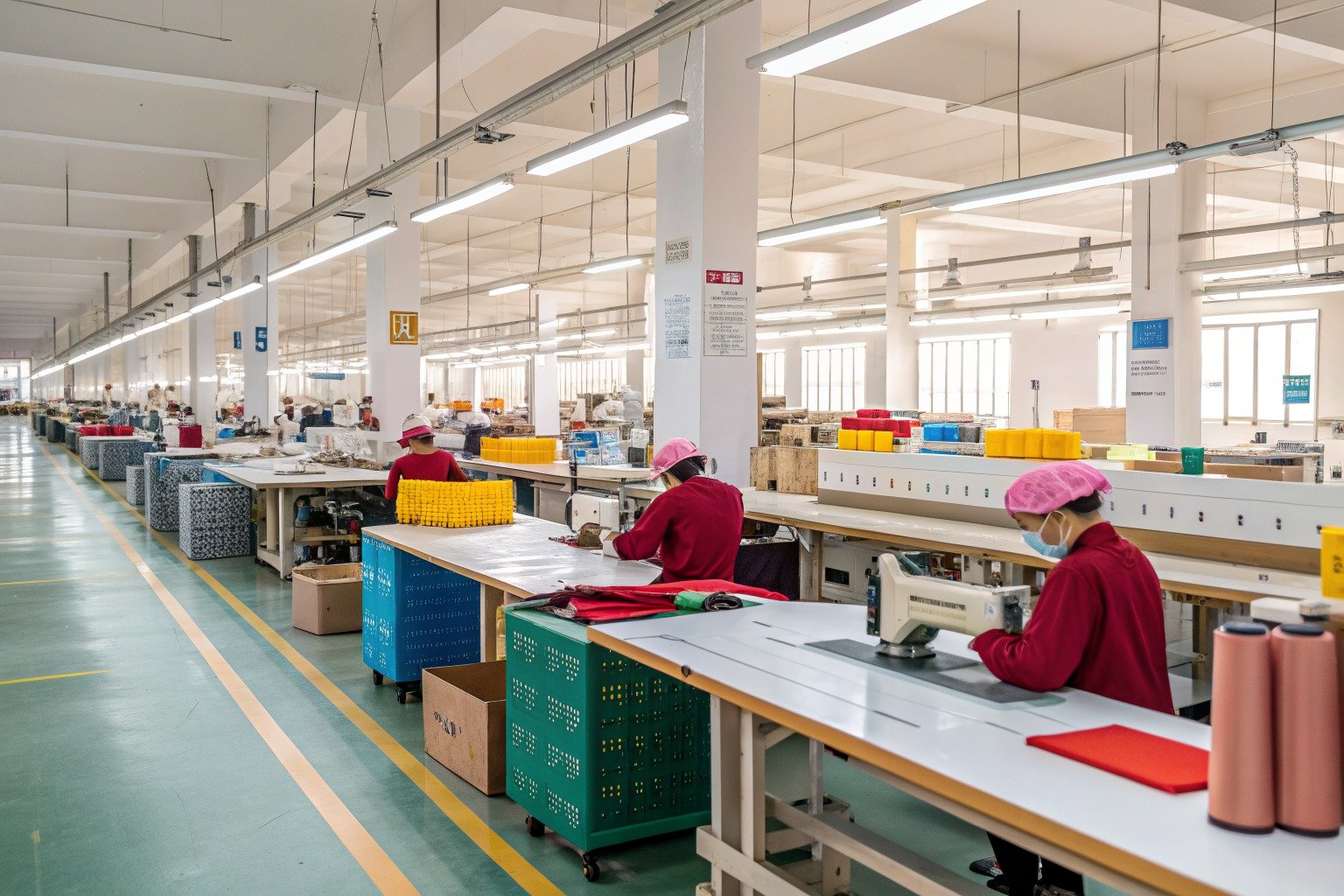
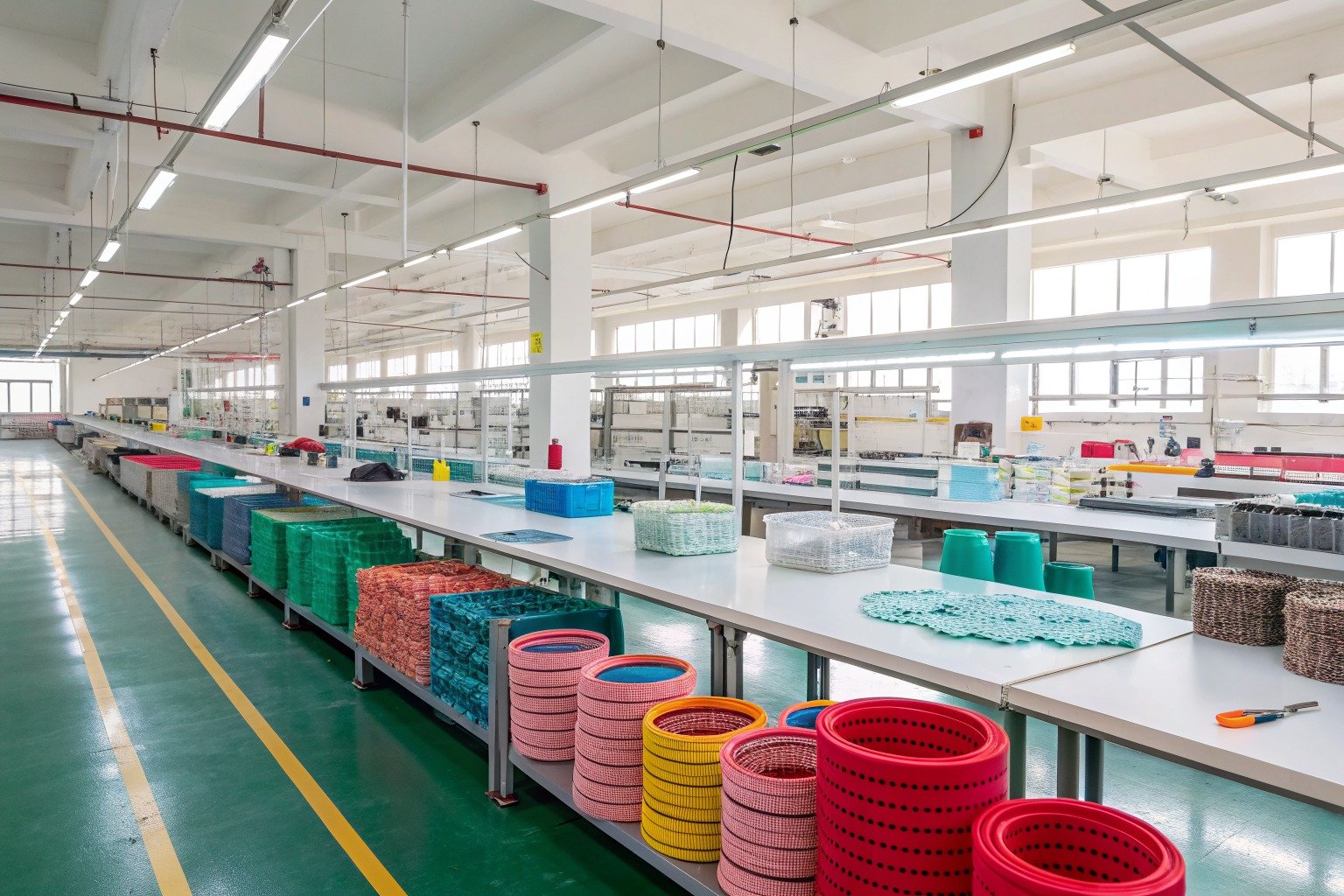
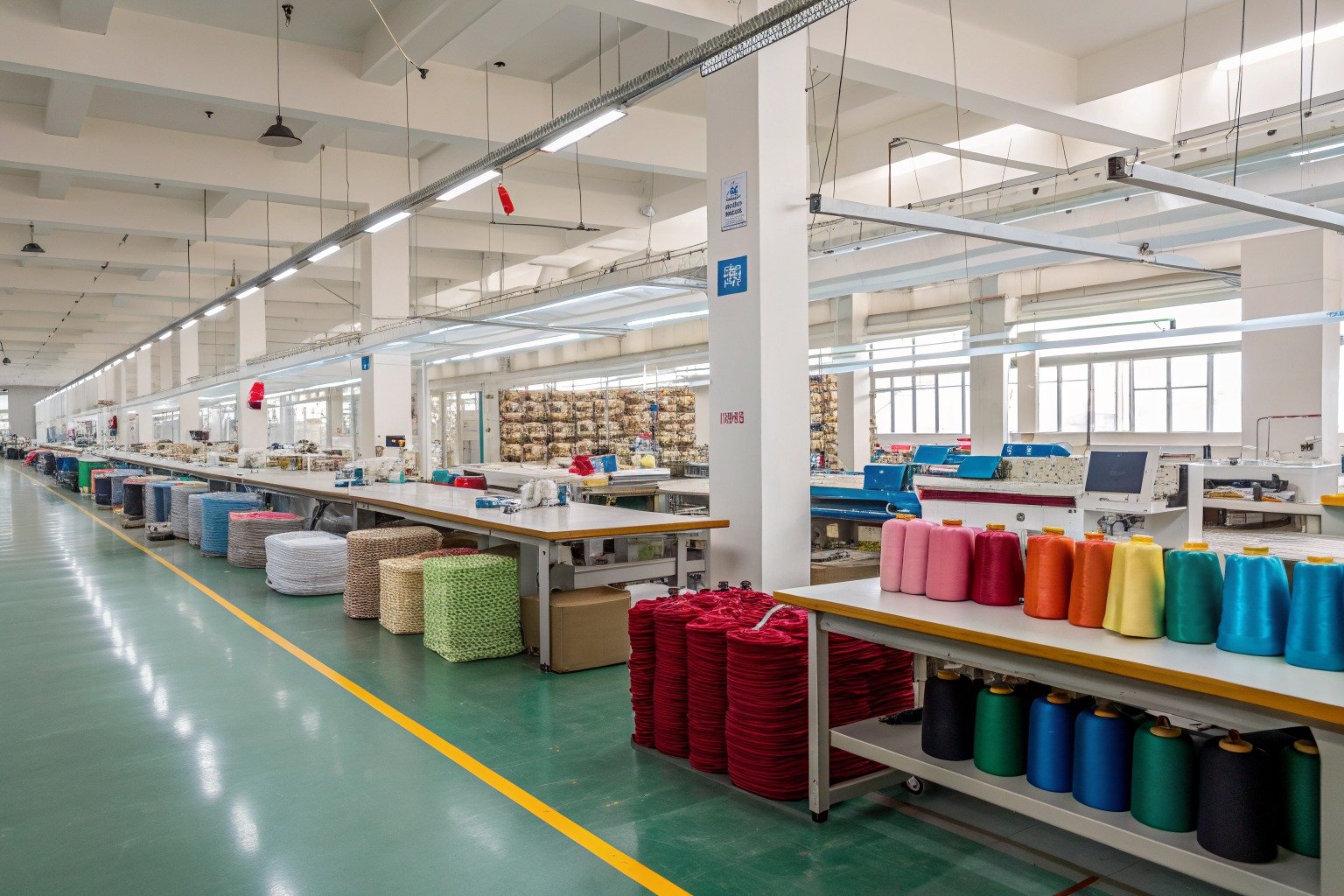
At AceAccessory, we are excited about the 2026 men’s luxury scarf market. Our knitting workshop is equipped with the 3-gauge and 5-gauge machines needed for oversized, sculptural knits. Our material sourcing team has qualified suppliers for cashmere-graphene blends and other performance luxury fibers. Our finishing department includes artisans skilled in hand-knotting fringe, hand embroidery, and other craft techniques. We work with luxury menswear brands to translate these trends into commercially successful products.
If you are developing a men’s luxury scarf collection for 2026 and you want a manufacturing partner who understands the trends, the materials, and the craftsmanship that will define the season, I invite you to contact us. Reach out to our Business Director, Elaine, at elaine@fumaoclothing.com. Tell her about your brand, your vision for the collection, and the elements you are most interested in exploring. She can provide material samples, discuss construction options, and provide a quotation for production. Let us create scarves that men will reach for, not because they need a scarf, but because they want that scarf.