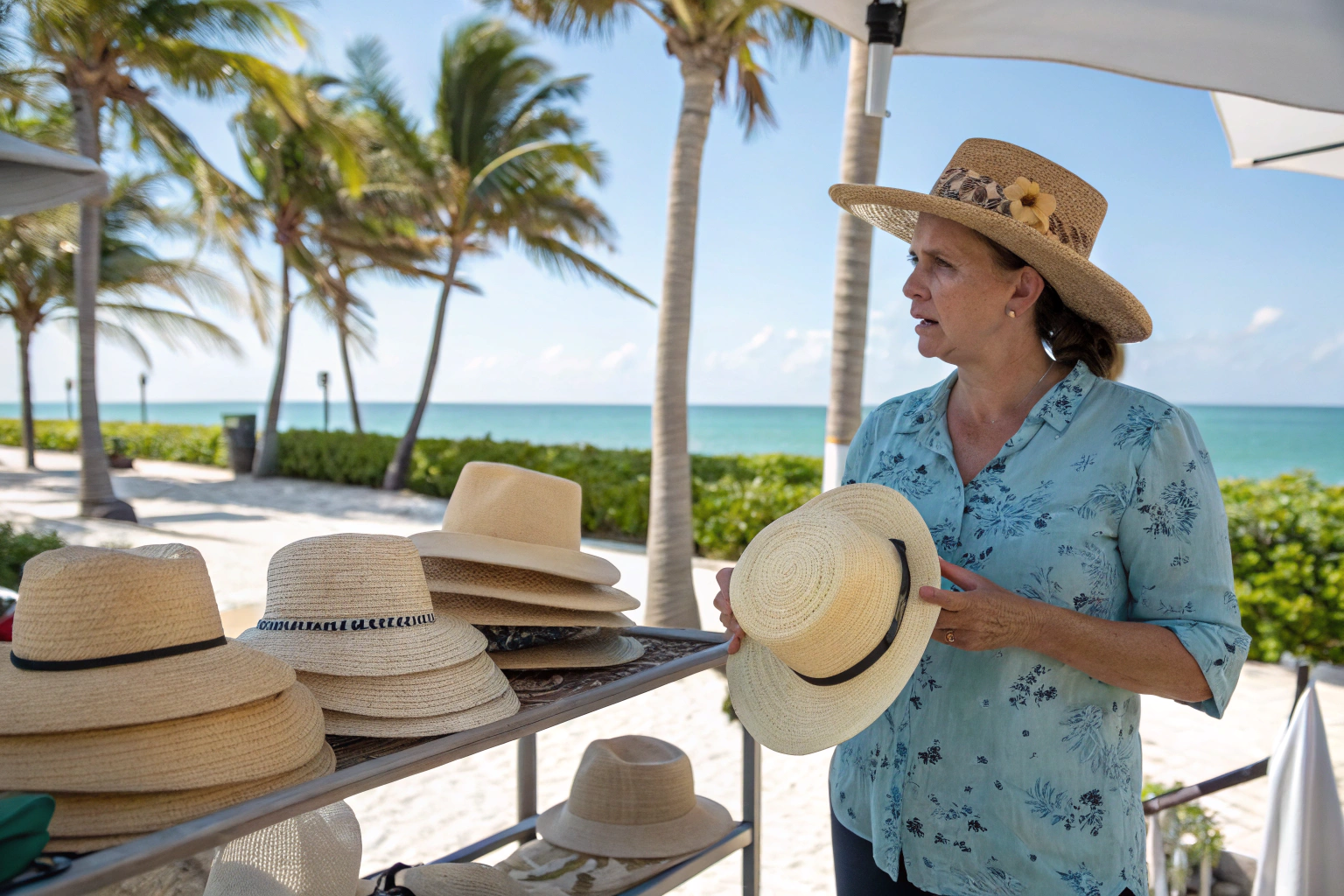
A boutique resort wear brand owner from the Florida Keys called me last spring with a sourcing frustration that had been building for years. Her brand sold two signature straw hat styles. A classic Panama hat with a teardrop crown and a wide, snap brim, and a casual fisherman hat with a shorter, bucket-style crown and a downturned brim. The Panama was her premium product, the hat her customers wore to summer weddings and garden parties. The fisherman was her volume seller, the grab-and-go hat for the beach and the boat. She had been sourcing the Panama from one factory in Ecuador and the fisherman from a different factory in China. The logistics were a nightmare. Two sets of purchase orders, two sets of shipping documents, two sets of customs clearance, two different quality standards, and two shipments that almost never arrived at the same time. She wanted one factory, one order, one shipment, one quality standard, and one person to call when something went wrong. She asked me, "Can you do both, and can you do both at the same quality level?"
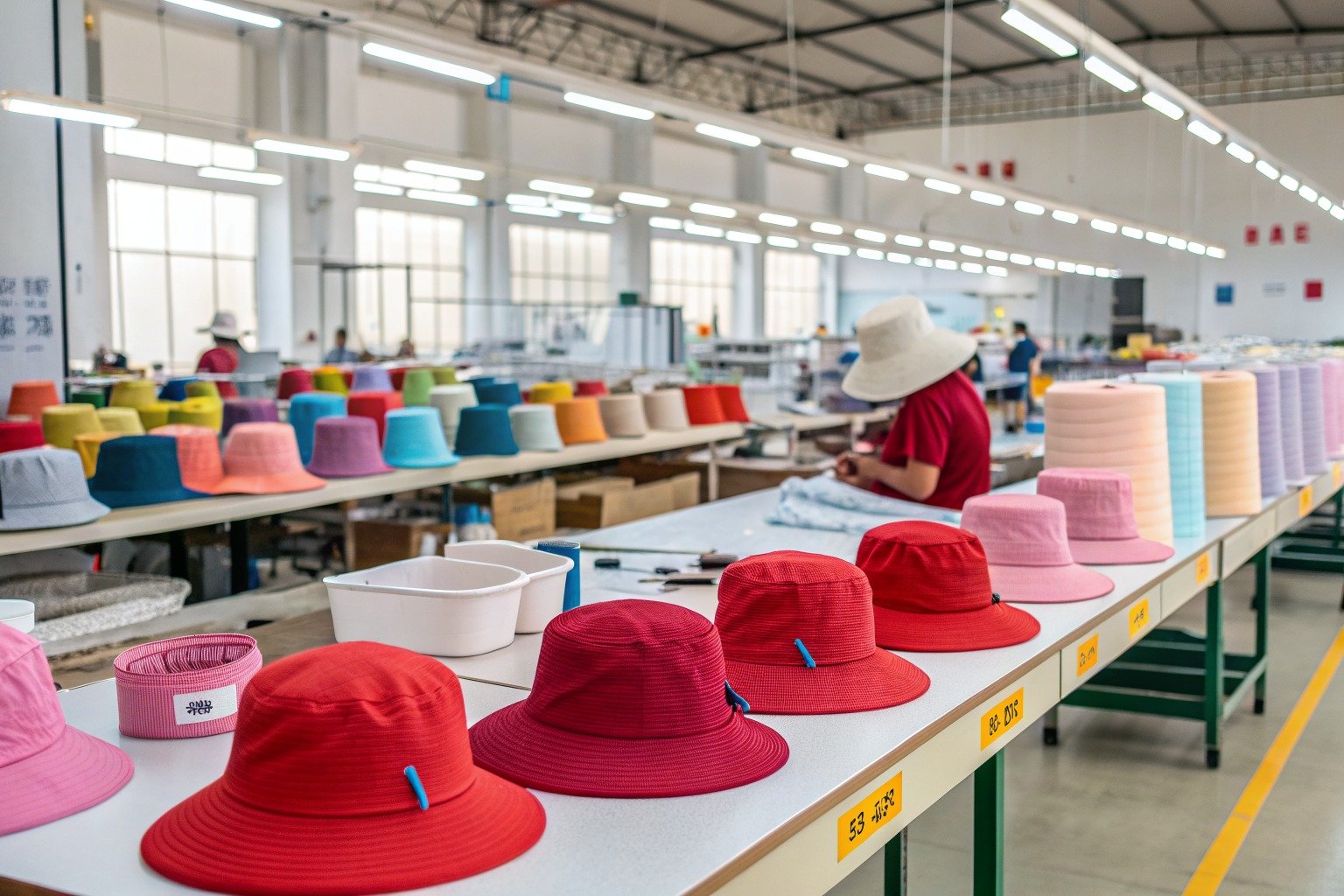
Yes, our factory produces both fisherman and Panama straw hats within a single, consolidated production order. We maintain dedicated production lines, specialized molds, and skilled artisans for each hat style. The Panama hats are produced using the traditional block-and-press method on custom wooden or aluminum molds that shape the distinctive teardrop crown and the wide brim. The fisherman hats are produced using a different set of molds that create the shorter, bucket-style crown and the downturned brim. Both styles can be produced in the same paper straw braid, toquilla straw, or raffia materials, and both can be finished with custom bands, trims, and packaging. The consolidated order means a single purchase order, a single production schedule, a single quality control inspection, a single consolidated shipment, and a single set of customs documents. The minimum order quantity for a consolidated order is 300 pieces per style, with a combined total of at least 600 pieces. The production lead time is 30 to 45 days for standard orders.
The ability to produce multiple hat styles in one factory is a supply chain simplification that many brands and buyers desperately need. Splitting an order across multiple factories multiplies the administrative work, the communication overhead, the quality variability, and the logistics complexity. It also makes color matching and brand consistency across styles nearly impossible. When both styles are produced under one roof, the same dye lot of straw braid can be used for both. The same band material can be applied to both. The same QC inspector examines both. The same packing team boxes both. The result is a cohesive, coordinated collection that looks and feels like it came from one brand, because it came from one factory. At AceAccessory, we have invested in the molds, the materials, and the craftsmanship to produce a wide range of straw hat styles. Let me walk you through how we make it work.
What Are the Differences Between Fisherman and Panama Straw Hats
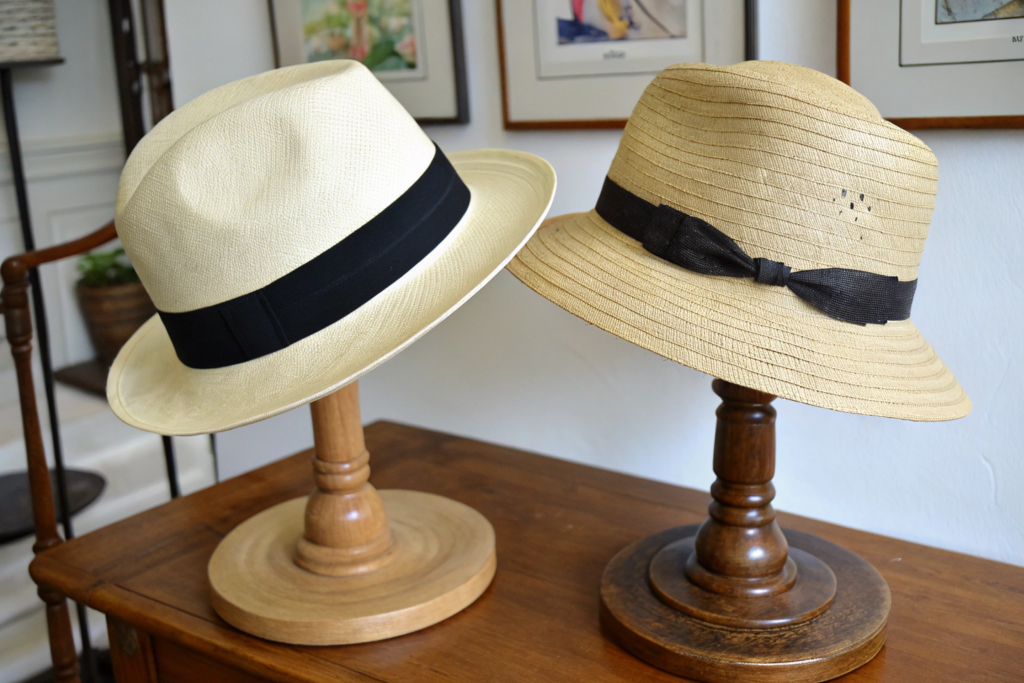
The fisherman hat and the Panama hat are two of the most enduring silhouettes in straw headwear, but they are fundamentally different in their construction, their aesthetic, and their cultural associations. The Panama hat, despite its name, originated in Ecuador. It is characterized by a tall, shaped crown, typically with a center crease or a teardrop indentation, and a wide brim, usually 6 to 8 centimeters, that can be worn snapped up at the back and down at the front. The Panama is a hat of elegance and formality. It is associated with tropical sophistication, with linen suits and cigars, with Hemingway and Churchill. The fisherman hat, also called a bucket hat, has a more utilitarian origin. It was designed for function, to keep the sun and rain off the head and neck of fishermen and farmers. It has a shorter crown, typically 8 to 10 centimeters in height, with a rounded or flat top. The brim is narrow to medium width, typically 4 to 6 centimeters, and it slopes downward all around. The fisherman hat is casual, practical, and unpretentious.
The key differences between fisherman and Panama straw hats are in the crown shape, the brim profile, the construction method, and the intended aesthetic. The Panama crown is tall and shaped, requiring a complex multi-part mold with a pronounced center crease and side indentations. The Panama brim is wide and flat, requiring careful pressing to achieve the snap shape. The fisherman crown is short and rounded or flat-topped, requiring a simpler, more compact mold. The fisherman brim is narrower and angled downward, requiring a different brim mold profile. The Panama hat is traditionally made from toquilla straw, finely woven in Ecuador, though paper straw versions are common at accessible price points. The fisherman hat is typically made from paper straw, raffia, or a wider toquilla braid. The Panama is a blocked hat, meaning the crown and brim are shaped by pressing the sewn straw body over a heated mold. The fisherman hat is also blocked, but the mold shape is completely different. The finishing details differ. A Panama hat typically has a formal grosgrain ribbon band, often in black or navy, and a fabric sweatband. A fisherman hat typically has a casual fabric or leather band, or even a braided straw band, and may have a simpler sweatband or none at all. The two hats occupy different positions in a brand’s collection. The Panama is the elevated piece. The fisherman is the accessible, everyday piece.
Producing both styles requires two distinct sets of molds and two distinct sewing and finishing procedures. The straw braid material can be the same for both, which is the key to achieving a unified collection. Let me detail the two hats’ defining characteristics.
How Does the Panama Crown Shape Differ From a Fisherman Crown?
The crown of a Panama hat is a sculptural achievement. It is not a simple dome. The classic Panama crown features a pronounced center crease that runs from front to back, like a valley between two peaks. On either side of the center crease, the crown rises into two subtle ridges. The front of the crown is pinched, with two side dents that create the distinctive teardrop or diamond shape when viewed from above. The crown height is typically 10 to 12 centimeters, giving the hat a formal, vertical presence. Achieving this complex shape requires a multi-part mold. The male mold, the positive form that pushes the straw from the inside, has the exact contours of the desired crown shape, the center crease, the side dents, and the front pinch. The female mold, the negative form that presses from the outside, is a matching cavity. The sewn straw hat body, which starts as a roughly conical shape, is steamed and then pressed between the two mold halves under heat and pressure. The straw is forced to conform to the complex curves. The mold must be precisely machined. Any imperfection in the mold is reproduced in the hat. The crown of a fisherman hat is, by comparison, much simpler. The classic fisherman crown is a low dome or a flat-topped cylinder. It has no crease, no dents, and no pinch. The crown height is shorter, typically 8 to 10 centimeters. The mold for a fisherman crown is a simple, smooth dome or a flat-topped block. The pressing process is the same, steam, press, and dry, but the mold is less complex and less expensive to fabricate. The difference in mold complexity is one reason why Panama hats are typically more expensive than fisherman hats. The mold is more costly to make, and the pressing process requires more skill to execute correctly.
What Brim Profiles Define Each Classic Hat Style?
The brim of a Panama hat is wide, flat, and versatile. The classic Panama brim is 6 to 8 centimeters wide, measured from the crown to the edge. It is pressed flat, not angled up or down. The wearer can then shape the brim to their preference. The traditional style is to snap the brim, turning it up at the back and down at the front. This creates a jaunty, rakish profile that shades the eyes while allowing clearance at the collar. The snap is achieved by the wearer gently bending the brim along a curved line. The brim must be made from a material that holds this snap, which requires a certain stiffness in the straw. The brim edge is typically finished with a sewn binding, a strip of grosgrain ribbon or fabric that is wrapped over the raw edge and stitched in place. The binding adds structure and a refined finish. The brim of a fisherman hat is narrower and deliberately shaped. The classic fisherman brim is 4 to 6 centimeters wide, and it is pressed with a downward angle all around. The brim slopes down, creating a soft, enclosing shape that protects the face and neck from sun and rain. The downward angle is built into the mold. The wearer does not shape the brim. It is designed to stay in its downturned position. The brim edge on a fisherman hat is often left raw, with the straw braid edge simply trimmed and sealed. A binding can be added for a more finished look, but a raw edge is consistent with the hat’s casual, utilitarian character. The brim width and angle are the defining visual features of each style. A wide, flat, snap brim says Panama. A narrow, downturned brim says fisherman.
How Are Both Hat Styles Produced Under One Roof
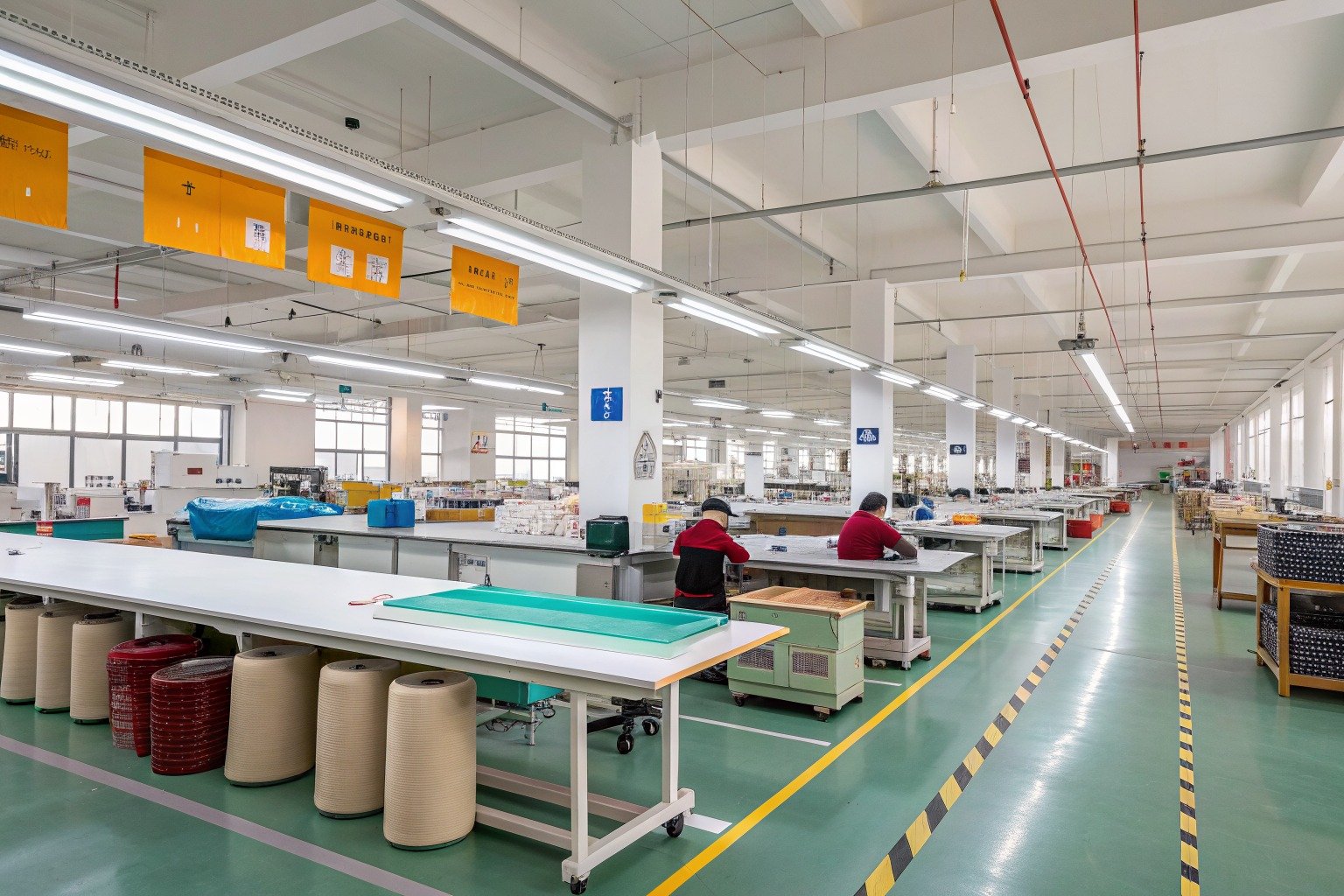
Producing two distinct hat styles in a single factory requires investment in dual mold sets, flexible sewing lines, and a production planning system that can manage the different processing requirements of each style. The factory must have the physical space for multiple presses, the inventory of molds, and the skilled workers who understand the different techniques for each style. A Panama hat requires a different touch than a fisherman hat. The pressing time, the steaming time, and the finishing steps are all different. The factory must manage these differences without compromising quality or efficiency on either style.
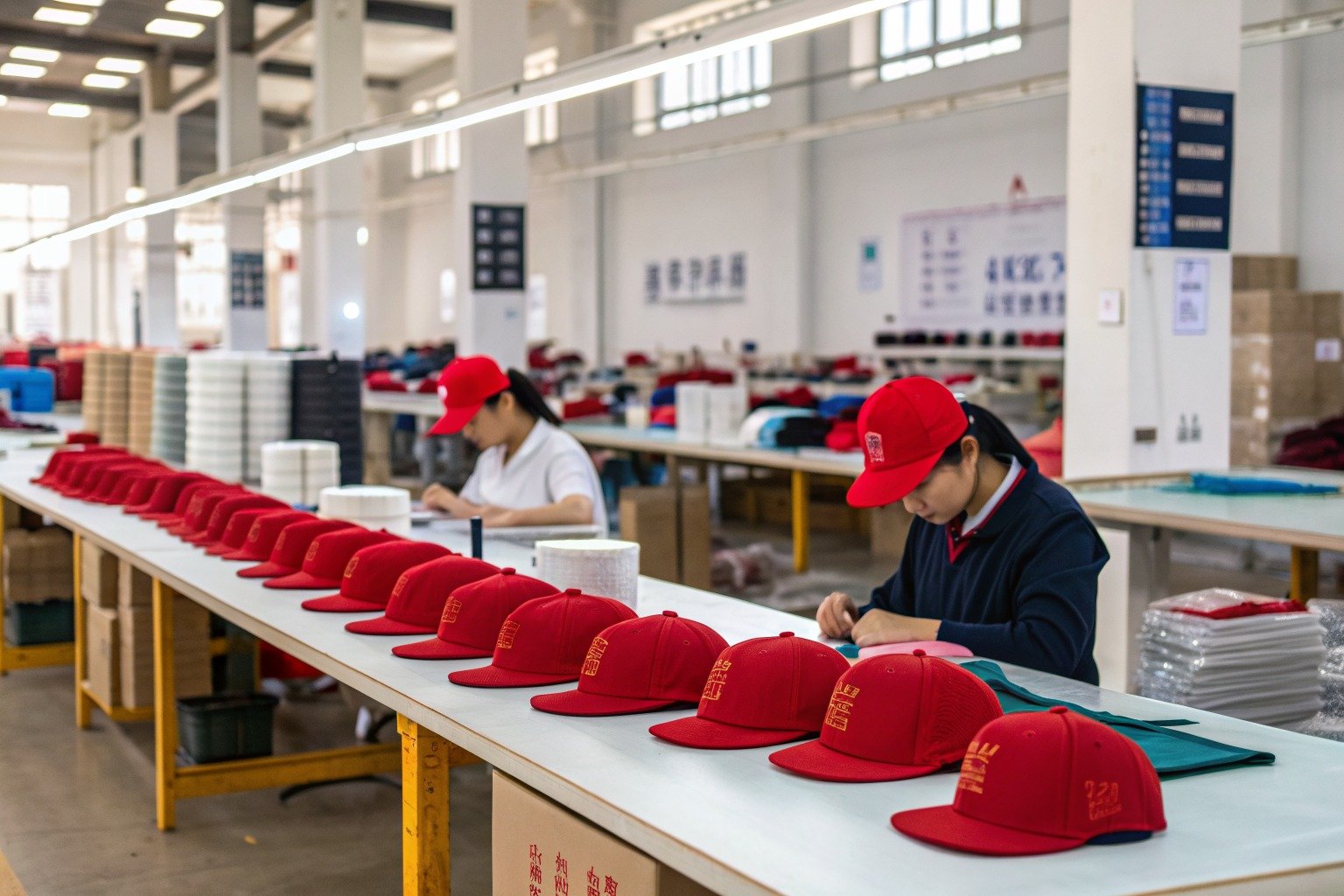
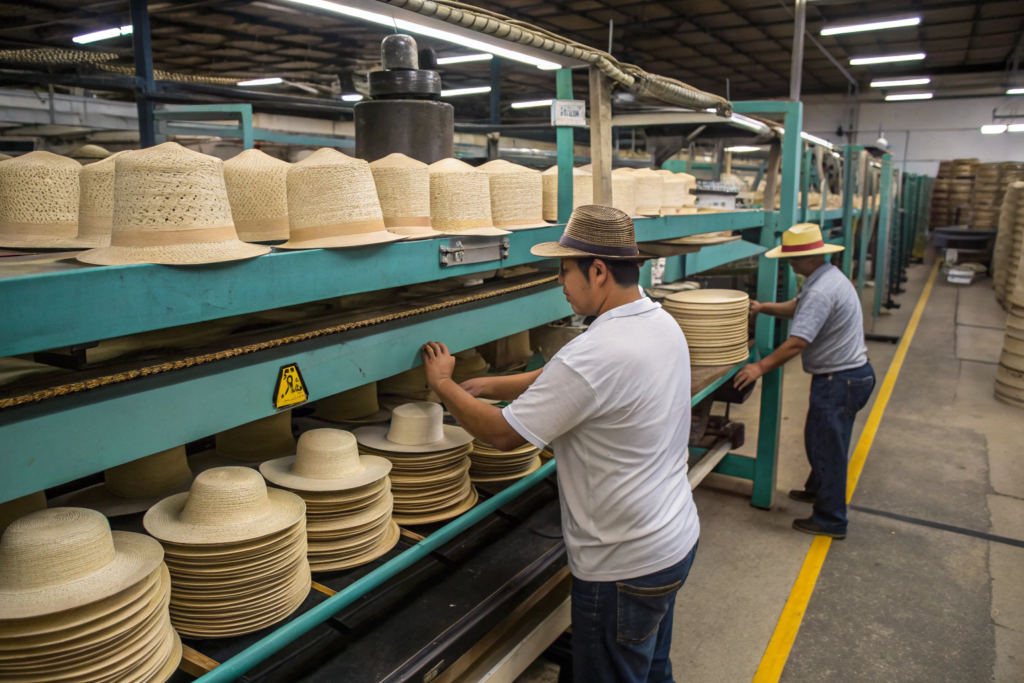
Producing both fisherman and Panama straw hats under one roof is achieved through a modular production system with dedicated mold sets, flexible workstations, and a unified quality control process. The mold library contains multiple crown and brim molds for each style and each size. The Panama molds have the complex teardrop and center crease profiles. The fisherman molds have the simple dome and bucket profiles. The sewing lines are organized into work cells. Each cell can be configured for either style by changing the sewing machine settings, the thread, and the trim components. The pressing stations are equipped with the appropriate molds for the batch being produced. The production schedule is managed so that both styles are produced in parallel. While one batch of Panama hats is in the pressing stage, a batch of fisherman hats is in the sewing stage. The shared resources, the straw braid, the steam generators, the drying rooms, and the QC team, are allocated to both styles. The finishing department applies the bands, the sweatbands, and the trims according to the specification for each style. The Panama hats receive a formal grosgrain band and a leather sweatband. The fisherman hats receive a casual fabric band and a simpler sweatband. The finished hats are inspected by the same QC team, using style-specific checklists. The hats are then packed according to the client’s requirements and shipped as a single consolidated order.
The unified production system provides significant advantages in quality consistency and logistics. The same dye lot of straw braid is used for both styles, ensuring a perfect color match. The same QC standards are applied to both. The shipment arrives as one delivery, simplifying receiving and inventory management for the buyer. Let me detail the two most important shared production elements.
Can the Same Straw Braid Be Used for Both Hat Types?
Yes, and using the same straw braid for both hat styles is one of the primary advantages of consolidated production. The straw braid is the fundamental material of both hats. It is the continuous, woven ribbon that is sewn in a spiral to form the hat body. The braid is specified by its width, its weave pattern, its fiber content, and its color. A single type of braid can be used to produce both a Panama hat and a fisherman hat. The braid width, typically 8 to 12 millimeters, determines the number of rows per inch and the overall texture of the hat. A narrower braid produces a finer, smoother finish, which is often preferred for Panama hats. A wider braid produces a more textured, rustic finish, which suits the casual fisherman style. However, the same braid can be used for both if the brand desires a consistent material story across the collection. The fiber content of the braid is typically paper straw, which is made from twisted paper fibers, often with a small percentage of polyester for strength. Paper straw is the workhorse material for fashion straw hats. It is lightweight, takes dye well, and can be molded with heat and pressure. Toquilla straw, the traditional material of the genuine Ecuadorian Panama hat, is a different material. It is made from the fibers of the Carludovica palmata plant. It is finer, more flexible, and more expensive than paper straw. It is used for premium, hand-woven Panama hats. Our factory works primarily with paper straw and raffia, but we can also produce with toquilla straw for special projects. The color of the braid is a critical shared variable. The braid can be used in its natural color, a warm, light tan, or it can be dyed to a specific color. The dyeing is done on the continuous spool of braid before it is sewn into hat bodies. By using the same dye lot for both the Panama and fisherman braid, the colors of the two hat styles will be identical. This color consistency is essential for a coordinated collection.
How Are Molds Changed Between Panama and Fisherman Styles?
Mold changeover is a production efficiency consideration. The molds for straw hat pressing are heavy, solid blocks of aluminum or hardwood. They are bolted or clamped into the hydraulic press. Changing from a Panama mold set to a fisherman mold set requires physical labor, time, and a pause in production. The mold changeover process involves cooling the existing mold, if it has been heated for the previous production run. The heated mold must be allowed to cool to a safe handling temperature. The mold is then unbolted or unclamped from the press. A hoist or a team of two workers lifts the mold, which can weigh 20 to 50 kilograms, and moves it to the storage rack. The new mold is lifted into position and bolted into the press. The press settings, the pressure and the temperature, are adjusted for the new mold and the new straw material. A test hat is pressed and inspected to confirm the setup. The mold changeover takes approximately 30 to 60 minutes. To minimize production downtime, we batch our production by style. All the Panama hats for an order are produced in one continuous run, and then the molds are changed, and all the fisherman hats are produced in a second run. This is more efficient than changing molds back and forth multiple times. The pressing stage is the bottleneck in straw hat production. It is the slowest operation, and any downtime for mold changes directly extends the production lead time. We plan the production schedule to consolidate mold changes and maximize press utilization.
What Are the Benefits of Ordering Both Styles Together
Ordering both fisherman and Panama hats in a single consolidated order is not just a convenience. It is a strategic supply chain decision that delivers tangible benefits in cost, quality, and brand consistency. The alternative, splitting the order across two factories, introduces hidden costs and risks that are often underestimated. The administrative burden alone, managing two separate communications, two sets of samples, two purchase orders, two payments, and two sets of shipping documents, consumes significant time and energy. Consolidating into one order simplifies everything and allows the buyer to focus on growing their brand rather than managing logistics.
The benefits of ordering both fisherman and Panama hats together are cost savings through consolidated shipping, unified quality control, perfect color matching, simplified logistics, and stronger brand cohesion. Consolidated shipping means the entire order is packed into one container or one air freight shipment. The freight cost per hat is lower because the fixed costs of the shipment, the booking fee, the documentation fee, and the handling charges, are spread over a larger total quantity. Two separate half-size shipments cost more to ship than one full-size shipment. Unified quality control means both styles are inspected by the same QC team using the same standards. The inspection report covers the entire order. The buyer reviews one report, not two. Perfect color matching is achieved by using the same dye lot of straw braid for both styles. The natural Panama and the natural fisherman are the exact same shade of natural. The navy Panama and the navy fisherman are the exact same shade of navy. This color consistency is impossible to achieve reliably when sourcing from two different factories. Simplified logistics means one purchase order, one payment, one shipment, one set of customs documents, and one delivery. The receiving warehouse handles one pallet, not two. The inventory system is updated with one receipt. Stronger brand cohesion means the two hats look like they belong together when displayed side by side on a retail shelf or in an online collection. The shared materials, the shared color palette, and the shared quality level create a unified brand identity.
The consolidated order is a win for both the buyer and the factory. The buyer gets simplicity and consistency. The factory gets a larger total order volume, which improves production planning and efficiency. Let me detail the two most impactful benefits.
How Does Consolidated Shipping Save on Logistics Costs?
Consolidated shipping is one of the most immediate and quantifiable benefits of ordering both hat styles together. International freight has significant fixed costs that do not vary with the shipment size. The carrier booking fee, the bill of lading issuance fee, the terminal handling charges, and the customs documentation fee are charged per shipment, not per item. Sending two separate shipments incurs these fixed costs twice. Consolidating into one shipment incurs them once. The variable cost, the freight rate per cubic meter or per kilogram, may also be lower for a larger shipment. Freight forwarders offer volume discounts for full container loads compared to less-than-container loads. A combined order of 1,000 hats might fill a pallet and ship at a lower rate per hat than two separate orders of 500 hats each, which would ship as loose cartons. The insurance cost is also consolidated. A single marine cargo insurance policy covers the entire shipment. The receiving costs at the destination warehouse are lower. The warehouse receives one delivery, not two. The labor to unload, count, and inspect one consolidated shipment is less than the labor for two separate shipments. The customs clearance cost is lower. A single customs entry is filed, with a single set of duties and taxes calculated and paid. Two separate entries would incur two customs brokerage fees. The total logistics cost saving from consolidation can be 15 to 25 percent compared to splitting the order. For a brand operating on thin margins, this saving drops directly to the bottom line.
Can Both Hat Styles Be Packaged in a Unified Brand Presentation?
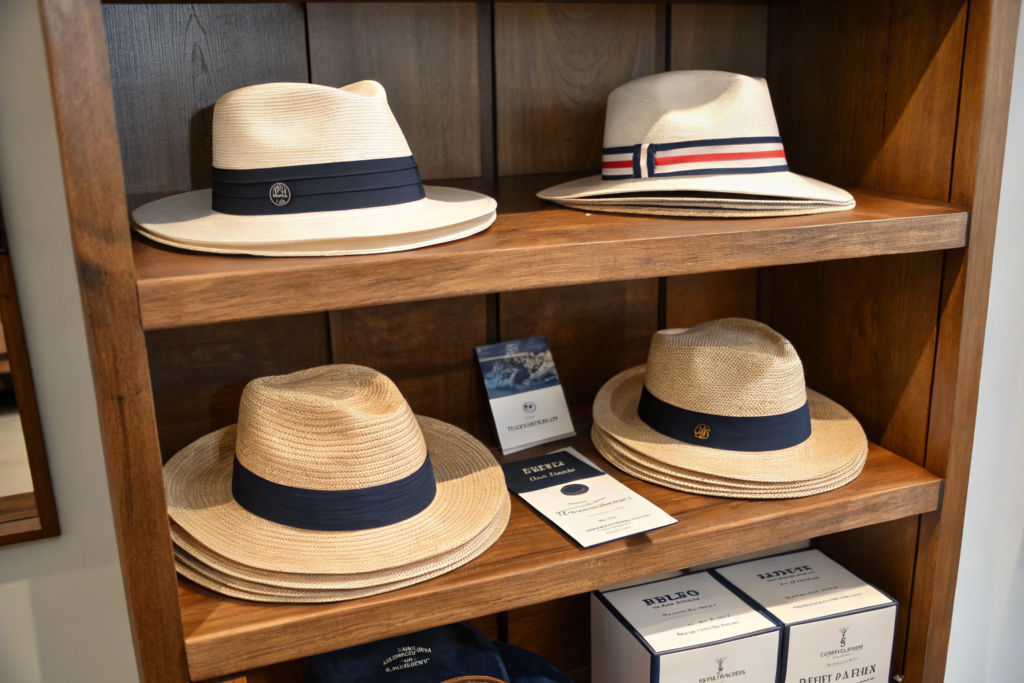
Yes, unified packaging is one of the most powerful brand-building benefits of consolidated production. When both the fisherman and Panama hats are produced in the same factory, they can be packaged with the same branding elements, the same hangtags, the same inner bands, the same tissue paper, and the same gift boxes. The packaging tells the brand story consistently across styles. A customer who buys a Panama hat and a fisherman hat from the same brand should receive a consistent unboxing experience. The hangtag should have the same logo, the same color scheme, and the same material. The inner sweatband or the lining should carry the same brand mark. The care instructions should be printed on the same card stock. The gift box, if used, should have the same design. This level of packaging consistency is extremely difficult to coordinate between two different factories. Each factory has its own packaging suppliers, its own printing partners, and its own standards for packaging application. The result is often a mismatch. The Panama hat arrives with a premium hangtag on textured paper, and the fisherman hat arrives with a flimsy tag on glossy paper. The brand looks inconsistent. With consolidated production, the packaging materials are ordered once, from one supplier, and applied to both hat styles by the same packing team. The brand presentation is uniform. The unified packaging can also include coordinated merchandising elements. A branded hat box that holds both a Panama and a fisherman hat, creating a gift set. A point-of-sale display card that shows the two styles together, encouraging multiple purchases. The packaging becomes a tool for increasing average order value, not just a protective wrapper.
What Quality Standards Apply to Both Hat Types
Quality standards for straw hats are a combination of objective measurements and subjective aesthetic judgments. The objective measurements, the crown height, the brim width, the hat circumference, and the stitch density, are specified in the tech pack for each style. The subjective judgments, the shape definition, the smoothness of the straw surface, and the neatness of the band attachment, are evaluated by a trained QC inspector. The quality standards for both the fisherman and Panama hats must be equally rigorous. A common misconception is that the fisherman hat, being the more casual style, can be held to a lower standard. This is wrong. Both hats represent the brand equally. A fisherman hat with a crooked brim or a fraying edge damages the brand as much as a Panama hat with the same defects.
The quality standards that apply to both fisherman and Panama straw hats include dimensional accuracy, where the crown height, the brim width, the hat circumference, and the band width are measured and compared to the specification, with a tolerance of plus or minus 5 percent. Shape consistency, where the crown shape and the brim profile are compared to the approved reference sample. The Panama crown must have the correct crease depth and pinch definition. The fisherman crown must have the correct dome curvature. The brim angles must be correct. Weave quality, where the straw braid surface is inspected for evenness, gaps between rows, loose stitches, and fraying fibers. The surface should be smooth and consistent. Color consistency, where the hat color is compared to the approved color standard under a D65 daylight lamp. All hats in the batch must match each other and the standard. Trim attachment, where the band, the sweatband, and any decorative trim are inspected for correct placement, secure attachment, and neat finishing. The band should be straight, taut, and free of glue marks. The sweatband stitching should be even and secure. Overall appearance, where the hat is placed on a stand and evaluated from all angles for symmetry, proportion, and aesthetic appeal. This is a subjective assessment by a trained inspector. The QC inspection is performed on a random sample from the production batch according to the AQL 2.5 standard for major defects. Both styles are inspected to the same AQL level.
The QC process for a consolidated order is efficient because the same inspector evaluates both styles at the same time. The inspector uses a style-specific checklist that covers all the criteria for both hats. The inspection report is a single document that covers the entire order. Let me detail the two most important quality checks.
How Is Brim Consistency Checked Across Different Hat Styles?
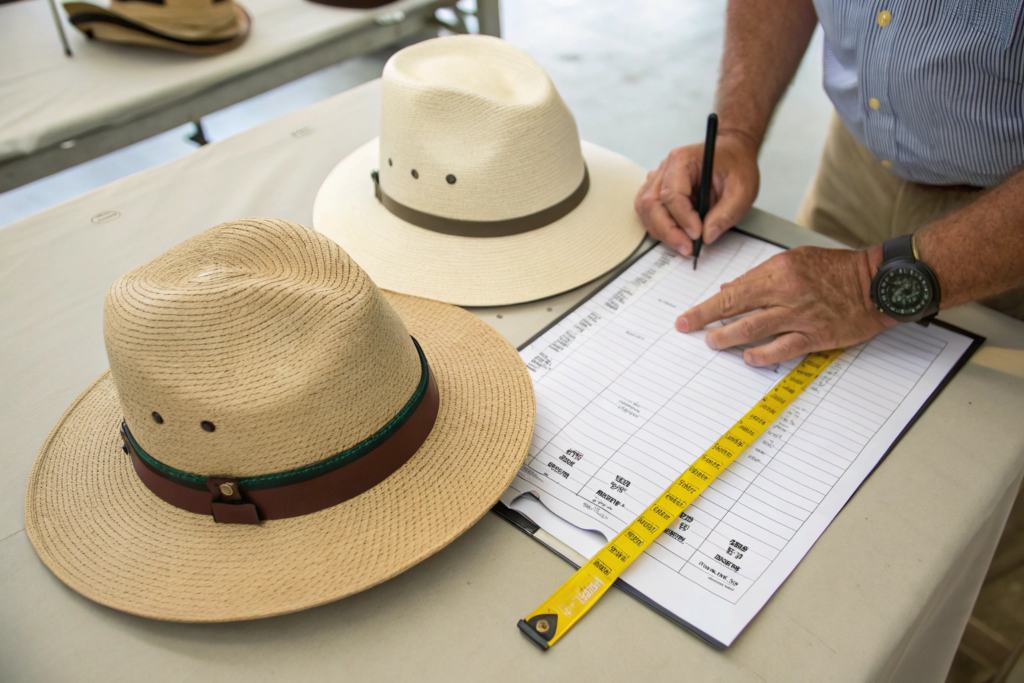
Brim consistency is a critical quality attribute for both hat styles, but it means different things for each. For the Panama hat, brim consistency means that the brim is flat and even, with no unwanted waves, dips, or twists. The snap brim, if pre-shaped, must be consistent from hat to hat. The angle of the snap, the curve of the bend, and the point where the snap begins must be the same. The inspector checks this by placing the hat on a flat surface and measuring the distance from the surface to the brim edge at multiple points around the circumference. The measurements should be symmetrical. For the fisherman hat, brim consistency means that the downturned angle is uniform around the entire hat. The brim should slope down at the same angle at the front, the sides, and the back. There should be no flat spots where the brim fails to turn down. The inspector checks this by placing the hat on a stand and visually assessing the brim angle from all sides. A simple gauge, a protractor or an angle finder, can be used to measure the brim angle at several points. The angle should be within plus or minus 3 degrees of the specification. The brim consistency check also includes an inspection of the brim edge finish. For a bound edge, the binding must be straight, evenly stitched, and free of gaps or puckers. For a raw edge, the cut must be clean and smooth, with no fraying or loose fibers. The brim consistency across styles is also a matter of proportional harmony. In a coordinated collection, the Panama brim should be proportionally wider than the fisherman brim, maintaining the intended visual hierarchy. The QC inspector verifies that the ratio is correct.
What Stitching Checks Are Performed on the Sweatband and Trim?
The sweatband and the decorative band are the interior and exterior finishing touches of a straw hat. They are also the components that are most subject to wear and tear during use. The sweatband absorbs perspiration. The decorative band is handled every time the hat is put on or taken off. The stitching that attaches these components must be strong, even, and secure. The QC inspector performs several specific checks on the sweatband and trim stitching. Stitch density is checked. The number of stitches per inch is measured with a stitch gauge. The specification might call for 8 to 10 stitches per inch. A lower stitch density can indicate a machine problem or operator error. Stitch tension is checked. The stitches should be balanced, with the top thread and the bottom thread interlocking within the fabric, not on the surface. Loose stitches can unravel. Tight stitches can pucker the fabric. The inspector pulls gently on the sweatband to test the stitch security. The thread should not break or pull loose. The sweatband attachment is checked. On a Panama hat, the sweatband is typically sewn into the crown opening with a lock stitch or a chain stitch. The stitching must follow the contour of the crown smoothly, with no bunching or gaps. On a fisherman hat, the sweatband may be simpler, perhaps just a strip of fabric sewn along the inside edge. The attachment must be secure. The decorative band attachment is checked. The band is typically a ribbon or a strip of fabric that is wrapped around the crown and sewn or glued at the back. The band should be straight and level around the crown. The seam at the back should be neat and inconspicuous. The band should be taut but not stretched. Any decorative elements, a bow, a feather, a metal badge, must be securely attached. The inspector tugs gently on each element to verify the attachment. The stitching checks are the same for both hat styles, even though the specific components differ.
Conclusion
Producing both fisherman and Panama straw hats in a single factory, as a single consolidated order, is a supply chain solution that delivers simplicity, consistency, and cost efficiency. The buyer who consolidates their hat sourcing eliminates the administrative burden of managing multiple suppliers. They gain a unified quality standard applied by the same QC team. They achieve a perfect color match between styles through the use of a shared dye lot. They save on logistics costs through consolidated shipping. And they build a stronger, more cohesive brand identity through unified packaging and a consistent material story. We have explored the differences between the two hat styles, the sculptural Panama crown versus the simple fisherman crown, the wide snap brim versus the narrow downturned brim. We have examined how both are produced under one roof, using different mold sets but the same straw braid, the same presses, and the same skilled artisans. We have detailed the benefits of consolidated ordering, from freight savings to packaging consistency. And we have outlined the quality standards that apply equally to both styles.
At AceAccessory, we are proud of our straw hat capability. Our mold library includes a wide range of Panama and fisherman crown and brim profiles. Our straw braid inventory includes paper straw and raffia in a comprehensive range of colors. Our pressing, sewing, and finishing departments are experienced in both styles. Our QC team inspects every hat to the same high standard, regardless of style. We serve brands that need a reliable, single-source partner for their straw hat collections.
If you are developing a straw hat collection that includes both Panama and fisherman styles, and you want the efficiency, the consistency, and the simplicity of a single manufacturing partner, I invite you to contact us. Reach out to our Business Director, Elaine, at elaine@fumaoclothing.com. Tell her about your brand, the styles you are planning, the materials and colors you prefer, and the quantities you need. She can provide samples of both hat styles in coordinated materials, discuss mold options and customization, and provide a quotation for a consolidated production order. Let us simplify your supply chain and elevate your hat collection.