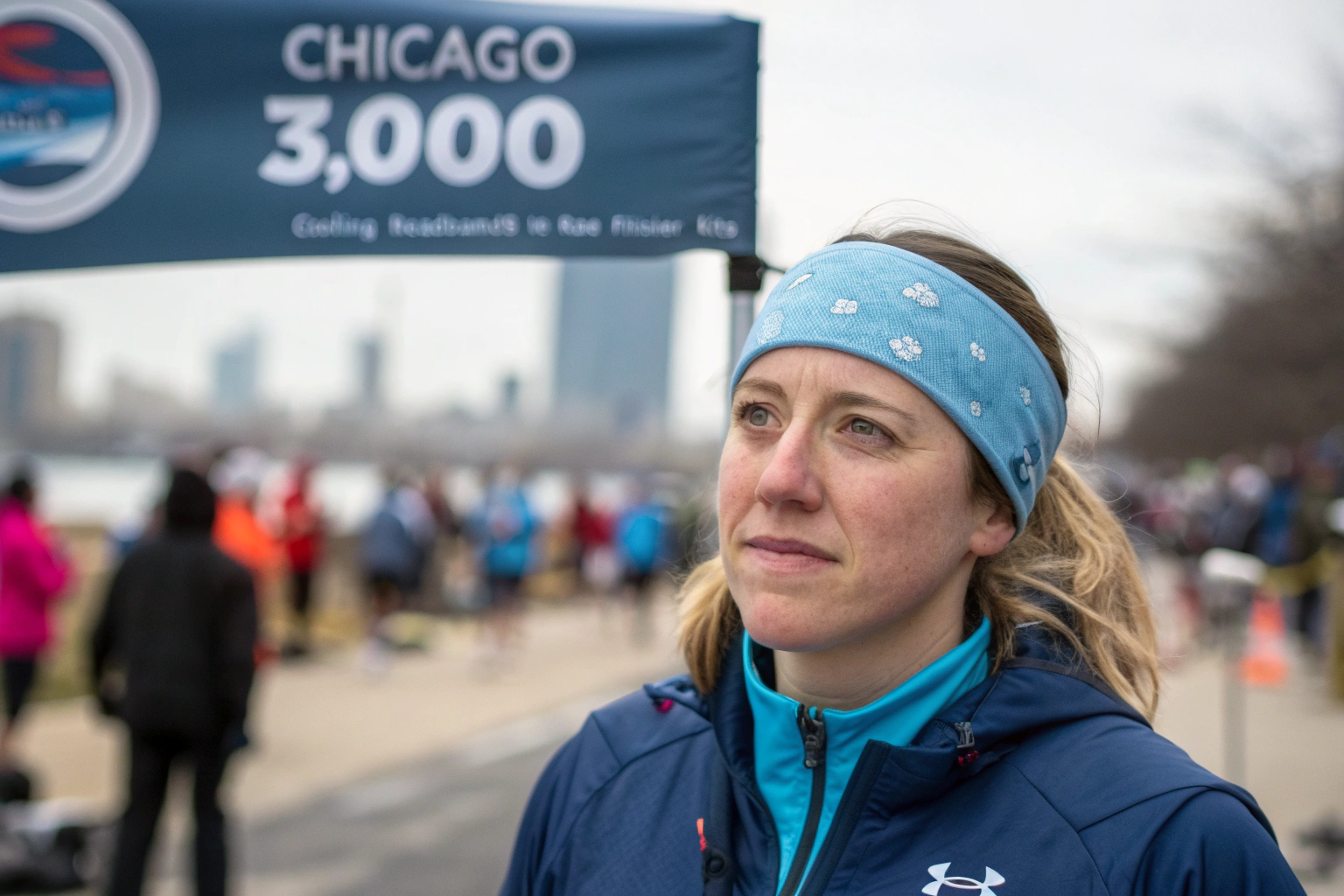
A race director from a large marathon organization in Chicago called me in early March with a sourcing problem that was threatening her event. She needed 3,000 custom printed cooling headbands for the finisher kits of her spring race. The headbands had to be a specific shade of blue that matched the race’s branding. They had to be printed with the event logo and the year. They had to be made from a cooling performance fabric that would activate when wet and provide evaporative cooling for runners as they crossed the finish line. She had contacted six promotional product suppliers. Five of them told her the minimum order for a custom cooling headband was 5,000 units. The sixth said they could do 3,000, but the lead time was ten weeks, which would miss her event date by two weeks. She was ready to downgrade to a basic polyester headband with no cooling function, which would have disappointed her participants and diminished the perceived value of the race kit. She found us through a referral, and I told her we could produce her 3,000 custom printed cooling headbands, in her exact blue, with her logo, and deliver them two weeks before race day.
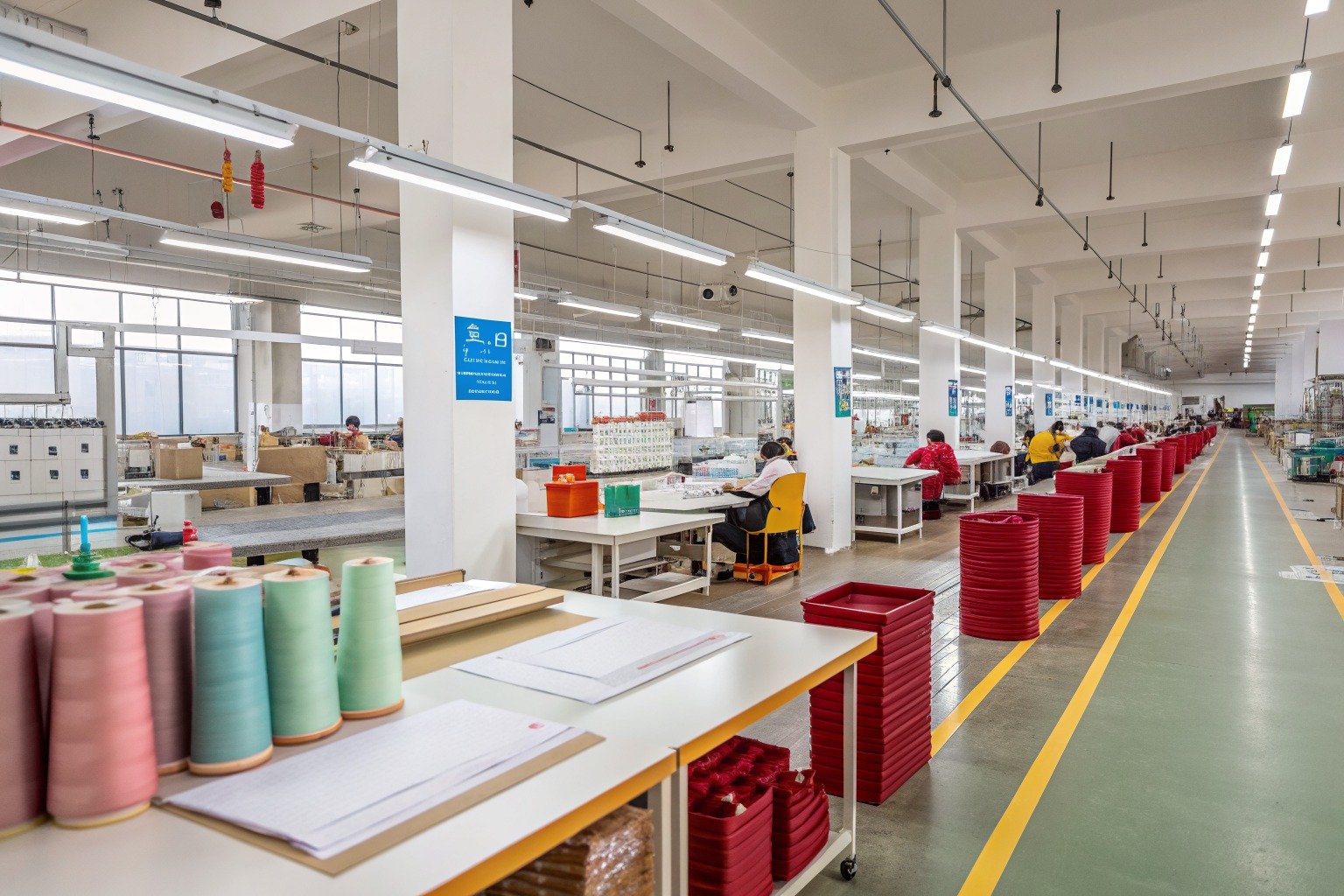
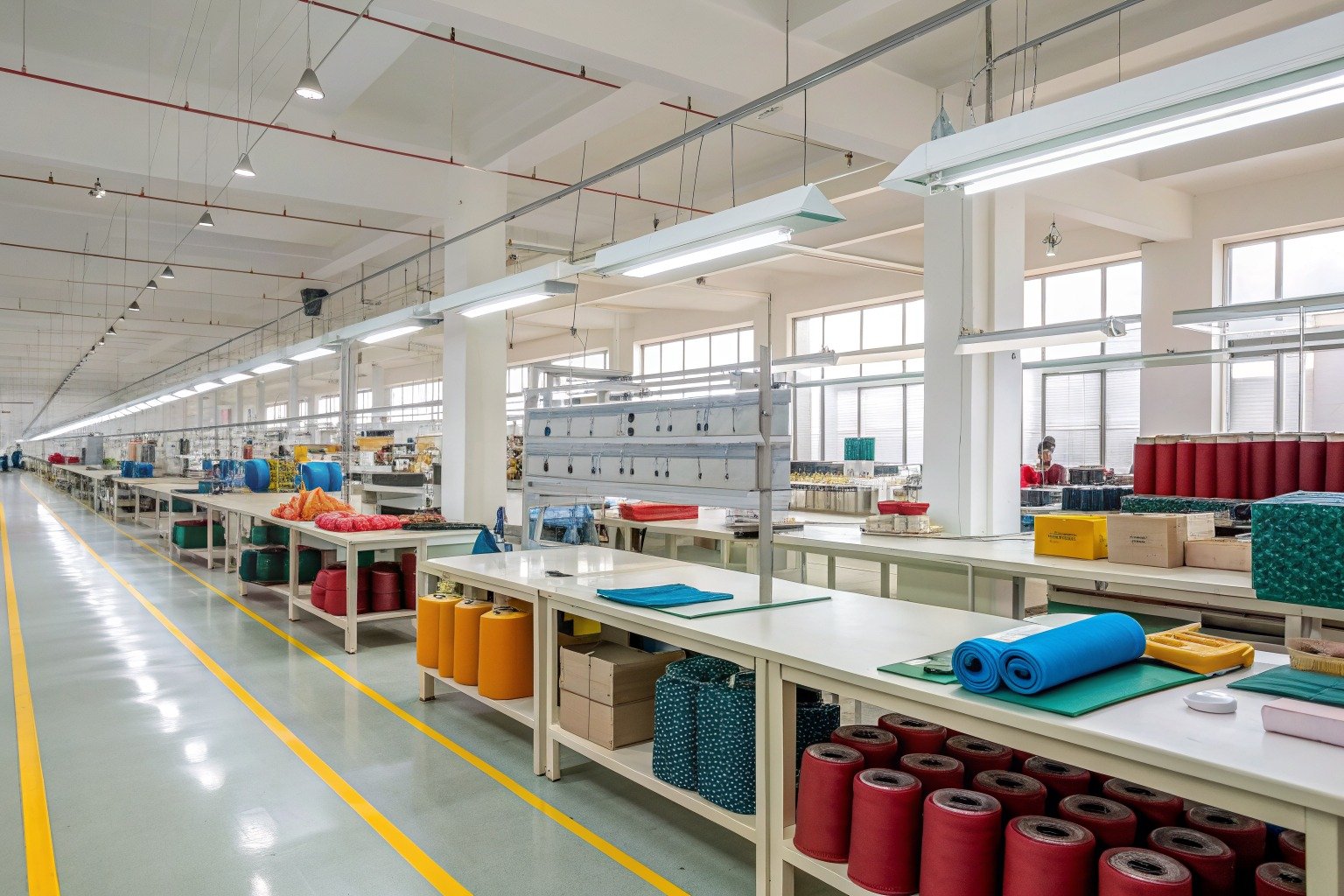
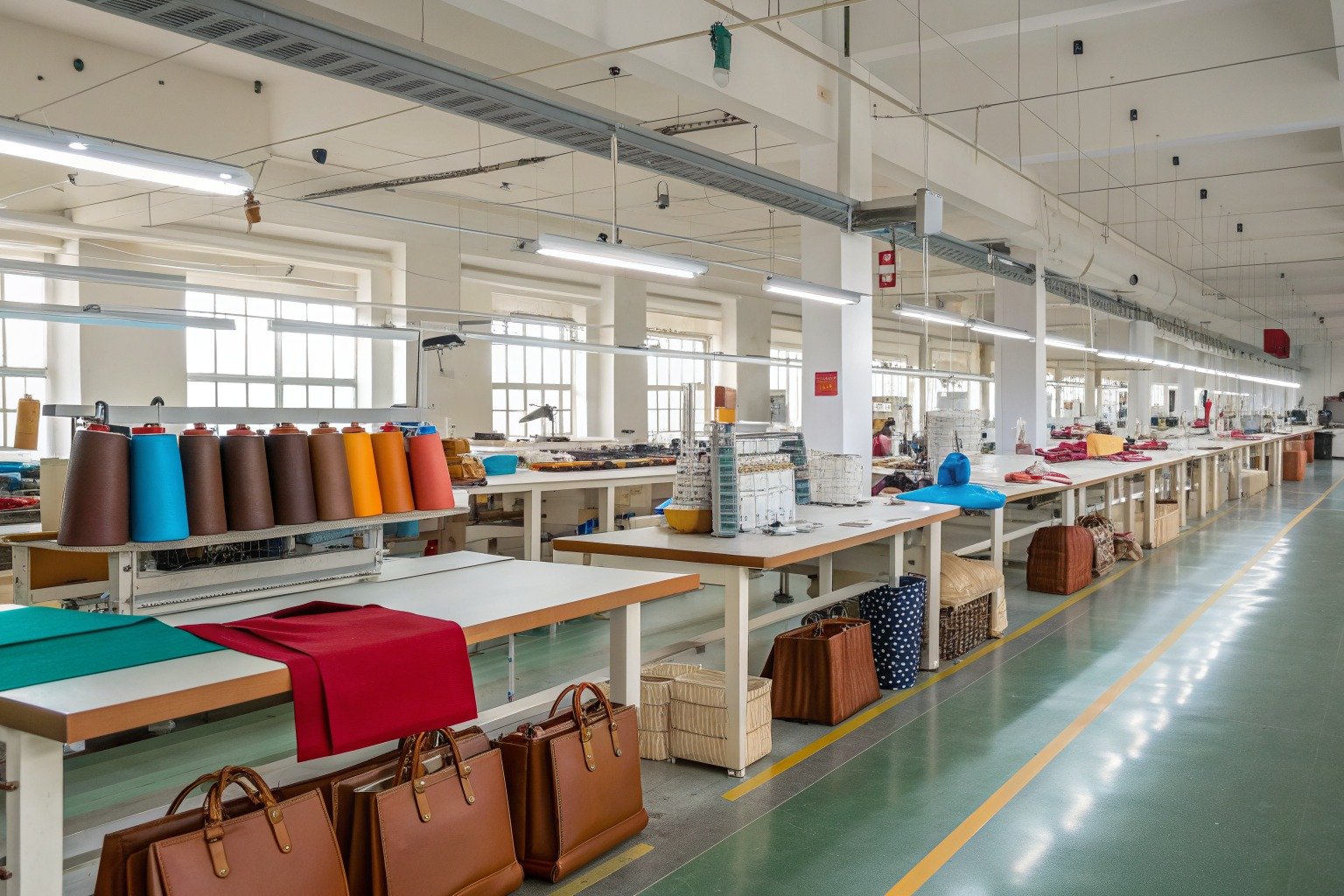
The minimum order quantity for custom printed cooling headbands for sports at our factory starts from as low as 500 pieces per design for a single-color logo print on a stock-colored cooling fabric, and 1,000 pieces for full-color sublimation printing with a custom design. These MOQs are significantly lower than the industry standard because we treat cooling headbands as a textile accessory product, and we have invested in digital sublimation printing technology and flexible sewing lines that can efficiently handle smaller batches. The production lead time is 15 to 25 days for standard orders, with express options available for event-driven deadlines. The total turnaround time, including express air shipping to North America or Europe, can be as short as 18 to 21 days for urgent orders. The per-unit cost at these MOQs is higher than at mass-production quantities, but it is accessible to event organizers, sports teams, corporate wellness programs, and boutique fitness brands.
Cooling headbands are a unique product at the intersection of performance textiles, sports accessories, and promotional merchandise. They use specialized fabrics that absorb water and then release it slowly through evaporation, creating a cooling effect that can lower the wearer’s perceived temperature by several degrees. For runners, cyclists, gym-goers, and outdoor sports participants, they are a functional piece of gear that genuinely improves comfort and performance. For event organizers and brands, they are a walking billboard that the user wears during physical activity, often in front of other participants and spectators. At AceAccessory, we produce custom printed cooling headbands for marathons, triathlons, fitness events, sports teams, and corporate wellness programs. We have structured our production to accommodate the smaller, time-sensitive orders that are typical of the event industry. Let me walk you through the MOQ, the materials, and the customization options.
What Are the MOQ Options for Custom Cooling Sport Headbands
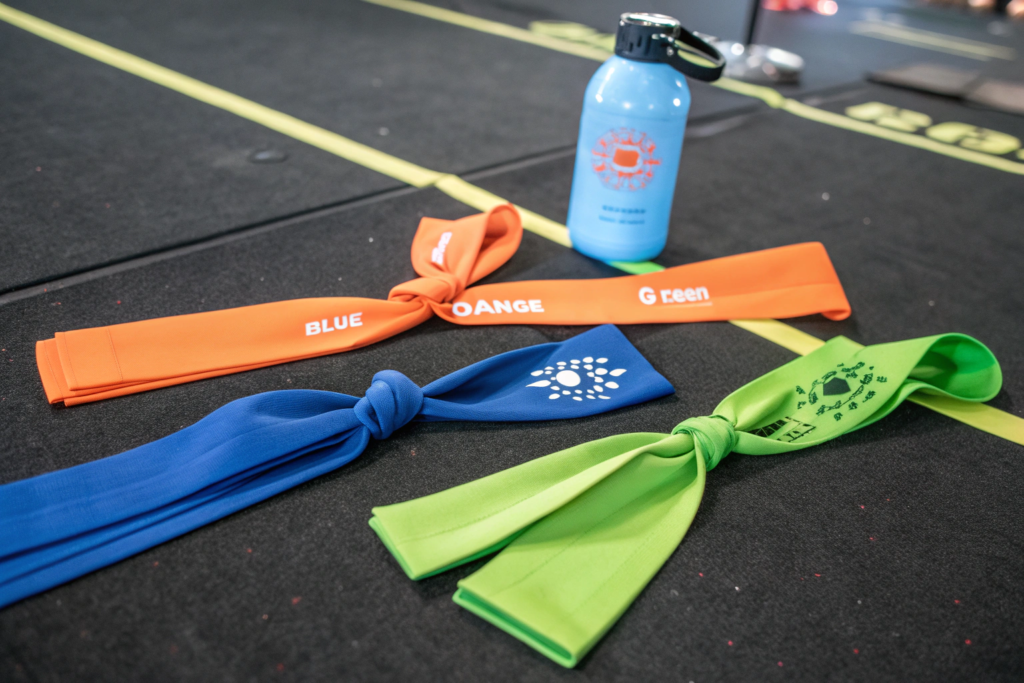
The MOQ for custom printed cooling headbands is one of the most flexible in the promotional sportswear category. Unlike many custom textile products that require large minimums for fabric dyeing or screen setup, cooling headbands can be produced at relatively low quantities because of the digital printing technology and the simple cut-and-sew construction. The base cooling fabric is typically stocked in white, which is then printed with the custom design using dye sublimation. The printed fabric is cut, sewn into headbands, and finished. This process does not require the large minimum dye lots or screen setup costs that drive up MOQs for other custom textile products.
The MOQ options for custom printed cooling headbands are structured in tiers based on the printing complexity and the fabric color. The 500-piece tier is the entry-level MOQ. At this quantity, the design is printed on a stock white cooling fabric using a single-color logo or a simple design. The per-unit cost is the highest because the fixed costs of the digital file preparation, the machine setup, and the sewing line changeover are amortized over a smaller quantity. This tier is ideal for small events, local charity runs, and boutique fitness studios. The 1,000-piece tier is the sweet spot for most event orders. At this quantity, full-color sublimation printing with complex designs, gradients, and photographic images becomes available. The per-unit cost drops significantly. Custom packaging options, such as individual polybags with a branded header card, become available. The 2,500-piece tier provides a further price reduction. At this quantity, the cost per headband begins to approach mass-production economics. Custom packaging options expand to include custom-printed gift boxes or display-ready packaging. The 5,000-piece tier and above provides the best per-unit pricing. All customization options are available, and the cost structure is optimized for large events, national charity campaigns, and corporate wellness programs with multiple locations.
The MOQ flexibility is enabled by our digital printing workflow. Unlike screen printing, which requires screens to be made for each color and has a high setup cost, digital sublimation prints directly from a digital file onto transfer paper, which is then heat-pressed onto the fabric. The setup cost is minimal, making low quantities economically feasible. Let me detail the two most important MOQ factors.
How Does Sublimation Printing Allow for Lower MOQs?
Dye sublimation printing is the key technology that enables low MOQs for custom cooling headbands. The process is fundamentally different from screen printing, and it eliminates the primary cost barriers to small-quantity customization. In sublimation printing, the design is created as a digital file and printed onto a special transfer paper using sublimation inks. The printed paper is placed in contact with the white polyester cooling fabric, and both are fed into a heat press. Under high temperature, typically 200 degrees Celsius, and pressure, the solid ink on the paper converts directly into a gas. The gas penetrates the polyester fibers and bonds at a molecular level. When the fabric cools, the dye is permanently trapped inside the fibers. The result is a vibrant, full-color print that will never crack, peel, or fade. The print is part of the fabric itself. The absence of setup costs is what enables low MOQs. There are no screens to make. Each screen for screen printing costs money and requires a minimum order quantity to amortize the cost. Sublimation has no screens. The digital file is sent directly to the printer. The cost to print one headband is essentially the same as the cost to print the hundredth headband. The only setup is the time to prepare the digital file and to run a test print for color approval. Sublimation also eliminates color limitations. A screen-printed design is limited to a small number of spot colors, and each additional color adds cost. Sublimation can print an unlimited number of colors, including full-color photographs and complex gradients, at no additional cost. The white base fabric is the only requirement. Sublimation dyes are transparent. They require a white background to display their true color. This is why cooling headbands for sublimation are almost always produced on white fabric. The white fabric also reflects sunlight, which enhances the cooling effect. For the buyer, sublimation printing means that even a small order of 500 headbands can have a photorealistic, full-color design that looks premium.
Can You Mix and Match Headband Colors Within the MOQ?
Yes, the ability to mix and match colors within the total order quantity is a flexibility that many event organizers and sports brands need. A race might want headbands in different colors for different participant categories, blue for the 5K, red for the 10K, and black for the marathon. A sports team might want headbands in their primary and secondary colors. A corporate event might want headbands in different colors for different departments. The MOQ applies per design, not per color. A design is defined as a specific combination of fabric color and printed artwork. If the same logo is printed on three different colored headbands, each color is a separate design and must meet the MOQ individually. However, there is a nuance. For cooling headbands, the fabric is typically white, and the color is applied through the sublimation printing process. This means that different colors can be printed as part of the same production run, as long as the artwork is the same. The printer simply changes the background color in the digital file. The MOQ applies to the total quantity printed with that artwork, regardless of how many colors are within the artwork. For example, if the MOQ is 500 pieces, you could order 200 headbands with a blue background, 200 with a red background, and 100 with a black background, as long as the logo design is the same and the total order is 500 pieces. This is a significant advantage over screen printing, where each color change would require a new screen and a separate setup. The sublimation process allows for this color variation within the same production batch. For completely different designs, different logos or different artwork, each design must meet the MOQ individually. We work with our clients to optimize their design strategy to maximize color variety within the MOQ constraints.
What Cooling Fabrics Are Used for Sports Headbands
The cooling function of a sports headband is not magic. It is physics. When water evaporates, it absorbs heat from its surroundings. A cooling headband is designed to hold water against the skin and then release it slowly through evaporation, drawing heat away from the wearer’s head. The effectiveness of this process depends on the fabric’s ability to absorb and hold water, its evaporation rate, and its comfort against the skin. Different cooling fabrics offer different balances of these properties, and the choice of fabric affects the headband’s performance, durability, and feel.
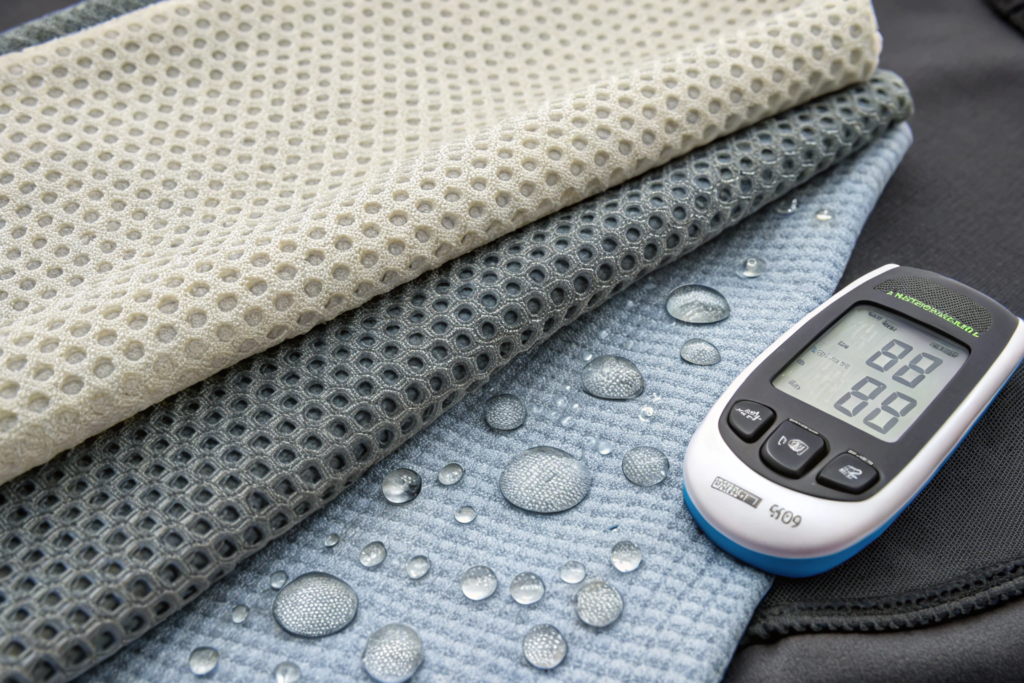
The two primary types of cooling fabric used for sports headbands are polyester microfiber cooling fabric and PVA, polyvinyl alcohol, cooling fabric. Polyester microfiber is the most common and versatile. It is a knit or woven fabric made from ultra-fine polyester fibers that have been split or textured to create a large surface area. The fabric is lightweight, breathable, and highly absorbent. It activates by soaking in water for a few minutes. The water is held within the fiber structure and evaporates slowly over 1 to 3 hours, providing sustained cooling. Polyester microfiber headbands are soft, stretchy, and comfortable for extended wear. They are machine washable and reusable. They accept sublimation printing beautifully, making them the standard choice for custom printed promotional headbands. PVA cooling fabric is a different material. It is a hydrophilic polymer that absorbs many times its weight in water and becomes soft and gel-like when wet. PVA headbands provide a more intense, immediate cooling sensation, and they stay cool for 3 to 5 hours. They are commonly used in industrial and medical settings for heat stress prevention. For sports, they are popular for high-intensity activities in extreme heat. PVA headbands are not stretchy and have a different, more rubbery hand feel. They cannot be sublimation printed. Customization is typically limited to a screen-printed logo on the surface, and the print adhesion is more challenging. For most sports event applications, polyester microfiber is the recommended choice because of its printability, comfort, and washability.
The cooling performance of a headband is measured by its water absorption capacity and its evaporation rate. A good cooling headband should absorb several times its weight in water and release it slowly enough to provide sustained cooling, but not so slowly that it feels wet and clammy. Let me detail the two fabric types.
How Does Polyester Microfiber Provide Evaporative Cooling?
Polyester microfiber cooling fabric works on the principle of evaporative cooling. The fabric is engineered to maximize the surface area available for water evaporation. The polyester fibers are extremely fine, typically less than 1 denier per filament, and they are split during the manufacturing process to create microscopic channels and crevices. This structure wicks water into the fiber network and holds it in place. When the headband is soaked in water, the fabric absorbs the water throughout its thickness. The water is not held in a gel, as with PVA, but is physically trapped between the fibers by capillary action and surface tension. When the headband is worn, body heat causes the water to evaporate from the fabric surface. The phase change from liquid water to water vapor absorbs heat energy, approximately 2,260 joules per gram of water evaporated. This heat energy is drawn from the wearer’s skin, creating a cooling sensation. The cooling effect lasts as long as there is water in the fabric and the ambient air is not saturated with humidity. In dry conditions, the evaporation rate is high, and the cooling effect is strong. In humid conditions, evaporation is slower, and the cooling effect is reduced. A well-designed polyester microfiber headband will provide noticeable cooling for 1 to 3 hours in typical conditions. The fabric can be reactivated by re-wetting it with water. The polyester material is naturally hydrophobic, meaning it repels water in its raw state. The cooling fabric is treated with a hydrophilic finish, a chemical treatment that makes the fiber surface attract water. This finish allows the fabric to absorb water readily. The durability of the hydrophilic finish is important. It should withstand multiple wash cycles without losing its effectiveness. The fabric is also treated for UV resistance to prevent degradation from sunlight. The headband is typically constructed with a double layer of fabric, sewn together with a flat seam that lies comfortably against the skin. The ends are either left open for a tie closure or sewn together with an elastic insert for a slip-on style.
What Is PVA Cooling Fabric and When Is It Used?
PVA, polyvinyl alcohol, cooling fabric is a fundamentally different material from polyester microfiber. PVA is a synthetic polymer that is highly hydrophilic. It loves water. In its dry state, PVA fabric is stiff and leathery. When soaked in water, it absorbs many times its own weight and transforms into a soft, pliable, gel-like material. The water is not just held between fibers. It is absorbed into the polymer structure itself, forming a hydrogel. The cooling mechanism is still evaporative, but the water release is slower and more sustained than with polyester microfiber. A PVA headband can stay cool for 3 to 5 hours, and the cooling sensation is often described as more intense. The gel-like consistency creates a tight, conforming contact with the skin, which enhances heat transfer. PVA cooling headbands are widely used in industrial settings, construction, and warehousing, where workers are exposed to high heat and need sustained cooling for an entire shift. They are also used in medical settings for patients with heat sensitivity. For sports, PVA headbands are used for endurance events in hot climates, triathlons, ultramarathons, and for sports where the headband can be re-wetted at aid stations. The limitations of PVA for promotional and event use are its printability and its feel. PVA fabric cannot be sublimation printed because the high heat of sublimation would damage the polymer. Customization is limited to screen printing with a specialized ink that adheres to the gel surface. The print quality is lower than sublimation on polyester, and the ink may eventually wear off with repeated wetting and drying. PVA headbands are also not machine washable in the conventional sense. They should be rinsed and air-dried. They have a shorter usable life than polyester headbands. For most event applications, where the headband is a promotional item as much as a performance product, polyester microfiber is the preferred choice. PVA is specified when maximum cooling performance is the primary requirement and the promotional aspect is secondary.
What Customization Options Are Available for Event Headbands
Customization is what transforms a generic cooling headband into a branded event accessory. The printed design is the primary branding element, but the customization options extend beyond the print to include the headband style, the closure type, the packaging, and even the scent. Each option adds its own value and its own cost. The right combination of options creates a headband that participants will keep, use, and remember. The wrong combination creates a headband that ends up in the trash. The design choices should be guided by the event’s brand identity, the participant demographics, and the intended use of the headband after the event.
The customization options for event cooling headbands include the print design, which can be a single-color logo, a full-color sublimated design with gradients and photographic elements, or an all-over pattern that covers the entire headband surface. The headband style can be a classic tie style, where the headband is a long strip of fabric that the wearer ties in a knot at the back or side, providing adjustability for different head sizes. A sewn elastic loop style, where the ends of the headband are sewn together with an elastic insert, creating a continuous loop that slips on easily. A contoured style, where the headband is wider at the front and narrower at the back, shaped to fit the head without bunching. The closure type for tie headbands can be a simple knot, a sewn-in elastic loop, or a plastic toggle and cord lock. The packaging can be an individual polybag with a branded header card, which is the standard for event distribution. A custom-printed cardboard sleeve that wraps around the folded headband. A small organza pouch or a mesh bag that can be reused. Or a custom-printed gift box for VIP or premium events. The packaging can also include a printed instruction card that explains how to activate and care for the cooling headband. Some events add a custom scent to the headband, a light fragrance that is released when the headband is wetted. This is a memorable sensory detail that adds a premium feel.
The print design is the most impactful customization. It is what makes the headband uniquely the event’s. The design should be bold, simple, and legible from a distance. A logo that is too detailed or too small will be lost on the narrow strip of fabric. Let me detail the two most important customization decisions.
How Should Artwork Be Prepared for Sublimation Printing?
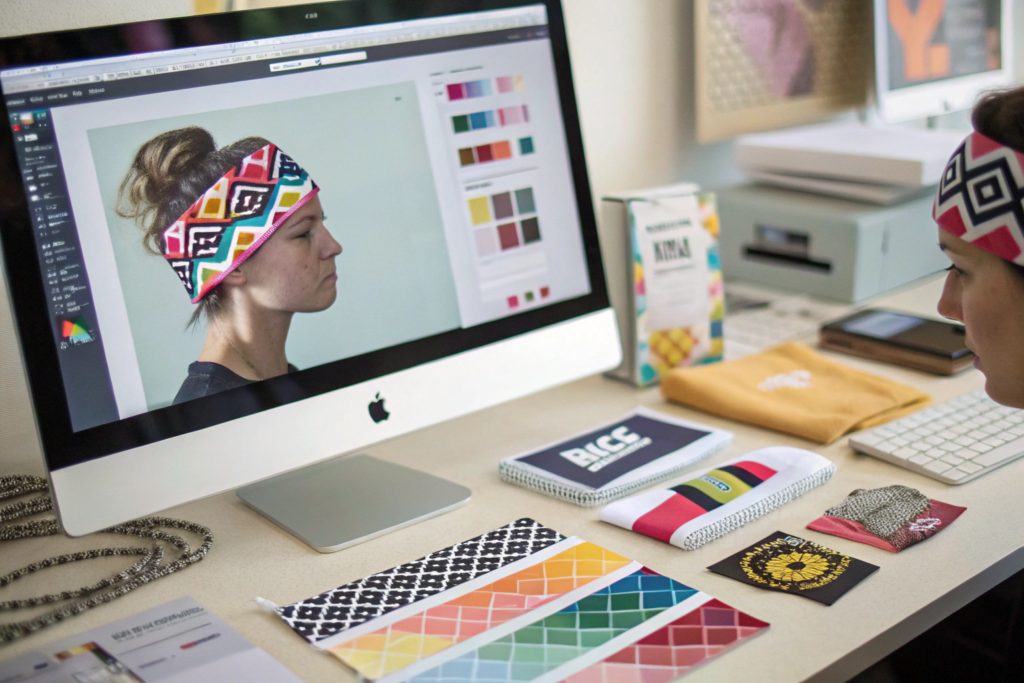
Artwork preparation for sublimation printing is the step that determines the final print quality. A well-prepared file produces a sharp, vibrant, professional-looking headband. A poorly prepared file produces a blurry, faded, or pixelated result. The ideal file format is a vector file, such as Adobe Illustrator or EPS. Vector graphics are resolution-independent. They can be scaled to any size without loss of quality. The logo, text, and any graphic elements should be created as vector objects. If the design includes photographic elements or complex gradients, a high-resolution raster file, 300 DPI at the actual print size, is required. The file should be set up at the actual dimensions of the headband, plus a small bleed area, typically 3 to 5 millimeters, to ensure the print extends to the edge of the fabric. The colors should be defined as RGB, because sublimation printers use RGB color space. CMYK files will be converted and may shift in color. A Pantone color reference can be provided for critical brand colors, and our design team will match the color as closely as possible within the RGB color gamut. A hard copy proof or a digital color reference should be provided for complex designs. The text should be converted to outlines, so that the font file is not required. The file should be submitted in a standard format, AI, EPS, PDF, or high-resolution TIFF. The design should be reviewed carefully before submission. A common mistake is to include a white background in the design file, expecting it to print as white. Sublimation printers do not print white ink. Any area that is intended to be white must be left as transparent in the file, allowing the white fabric to show through. Our design team reviews every artwork file before printing and provides a digital proof for client approval. The approval process is the last opportunity to catch errors before production.
What Packaging Options Work Best for Event Distribution?
The packaging for event cooling headbands serves multiple purposes. It protects the headband during shipping and handling. It provides a surface for branding and event information. It communicates the cooling function and the activation instructions. And it facilitates efficient distribution to hundreds or thousands of participants. The choice of packaging depends on the distribution method and the event’s budget. The most common and cost-effective option is the individual polybag with a branded header card. The headband is folded and inserted into a clear polybag. A printed cardboard header card is folded over the top of the bag and stapled closed. The header card provides a generous branding surface. It can include the event logo, the date, a sponsor message, and instructions for activating and using the cooling headband. The polybag protects the headband from dust and moisture. The header card allows the package to be hung on a display rack or easily handed to participants. The MOQ for a custom header card is 500 pieces. This packaging is ideal for race kit distribution, where the headband is one of several items in a bag. For a more premium presentation, the printed cardboard sleeve is a good option. The headband is folded and slipped into a custom-printed sleeve. The sleeve provides a larger, uninterrupted branding surface. It has a more retail-ready look. The MOQ for a custom sleeve is typically 1,000 pieces. For VIP events or high-value corporate gifts, a custom gift box or a reusable pouch elevates the headband to a keepsake. The gift box can include a magnetic closure and a die-cut foam insert. The pouch can be made from the same cooling fabric as the headband, creating a coordinated set. These premium packaging options have higher MOQs and higher costs, but they significantly enhance the perceived value. The packaging should also include any required labeling, such as the fiber content, the country of origin, and care instructions. The labeling requirements depend on the destination market.
How Fast Can Event Headbands Be Produced and Delivered
Event deadlines are absolute. The race is on a specific date. The headbands must be there. There is no flexibility. This reality shapes every aspect of the production and logistics process for event cooling headbands. The timeline must be planned backward from the event date, with buffer time for unexpected delays. The production process is optimized for speed, and the logistics are handled with the urgency that event deadlines demand. A late shipment is a worthless shipment. The headbands that arrive the day after the race are garbage.
The production and delivery timeline for custom cooling headbands for events is 15 to 25 days for standard production, plus shipping transit time. The production stages are artwork preparation and approval, 1 to 2 days. The digital file is reviewed, a test print is produced, and the client approves the color and design. Sublimation printing, 2 to 3 days. The design is printed onto transfer paper and heat-pressed onto the cooling fabric. Fabric cutting and sewing, 3 to 5 days. The printed fabric is cut to size and sewn into headbands. The ends are finished, and any closures are attached. Quality control and packing, 2 to 3 days. The finished headbands are inspected, folded, and packed into the chosen packaging. Shipping transit time is additional. Express air freight to North America or Europe takes 3 to 5 business days. Economy air freight takes 7 to 10 days. Sea freight is generally not used for event orders because of the longer transit time. The total door-to-door time for an express order is 18 to 21 days. For a standard order with economy shipping, the total time is 22 to 30 days. An express production option can compress the production timeline to 10 to 14 days for an additional surcharge, making the total turnaround time as short as 14 to 18 days for the most urgent event orders.
The most common cause of timeline delays is artwork approval. A client who takes three days to respond to a proof adds three days to the timeline. We recommend that clients provide print-ready artwork at the time of order placement and designate a person who can approve proofs quickly. Let me detail the two most time-critical stages.

Can You Offer Express Production for Last-Minute Event Orders?
Yes, express production is available for event orders that have an urgent deadline. The express production track prioritizes the order ahead of other queued work, runs the sublimation printing and sewing on a dedicated line, and uses express courier shipping for the final delivery. The express surcharge is typically 20 to 30 percent of the standard production cost. The express timeline compresses the standard 15 to 25 day production window to 10 to 14 days. The main time savings come from dedicated capacity. Instead of the order waiting in a queue for the next available printing and sewing capacity, it is moved to the front of the line. A dedicated team is assigned to the order. The artwork is processed immediately. The printing is done on a dedicated printer. The sewing is done on a dedicated line. The finished headbands are inspected and packed as soon as they are complete, and they are handed to the courier on the same day. The express track requires close coordination between the client, the project manager, and the production team. The artwork must be approved within hours, not days. The client must be available to answer any questions immediately. The express track is not always available. It depends on the current production loading. During peak event season, typically spring and early summer, the production lines are busy, and express capacity may be limited. We recommend that event organizers place their headband orders at least 6 to 8 weeks before the event date whenever possible. This allows for standard production, economy shipping, and a comfortable buffer. The express track is a safety net for the inevitable last-minute orders.
How Are Headbands Packaged for Efficient Race Day Distribution?
Race day distribution is a logistics operation. Thousands of participants must receive their headbands quickly and efficiently, often in conjunction with race bibs, timing chips, T-shirts, and other kit items. The packaging must be designed to facilitate this process. The most efficient format is the individually packaged headband with a header card. Each headband is sealed in its own polybag, with a header card that serves as a visual identifier. The header card can be color-coded by participant category, with a different color card for the 5K, the 10K, and the marathon. The volunteer at the distribution table can quickly grab the correct headband without having to read fine print. The header card can also include a barcode or a QR code that is scanned to track distribution and prevent double-dispensing. The individually packaged headbands are packed in master cartons that are labeled with the contents, the quantity, and the assigned distribution point. For larger events, the cartons can be pre-sorted by distribution point and shipped directly to different locations, eliminating the need for sorting at the event site. For events where the headband is inserted into a race kit bag, the individual polybag is still the preferred format. The sealed bag prevents the headband from getting tangled with other kit items and protects it from moisture or damage. The header card can include a message from the race director, a thank-you to the participants, or information about the charity partner. Some events prefer a bulk-packaged format, where the headbands are packed loose in a carton, and volunteers hand them out individually. This format is less expensive, but it slows down distribution and increases the risk of the headbands becoming tangled or dirty. The individually packaged format is the standard for most events.
Conclusion
Custom printed cooling headbands for sports are a product category where functionality, branding, and logistics intersect. The minimum order quantity, starting as low as 500 pieces for a single-color logo, makes them accessible to events of every size, from local charity runs to major international marathons. We have explored the MOQ structure, with sublimation printing as the key technology that enables low-quantity customization by eliminating the setup costs of traditional screen printing. We have examined the cooling fabrics, polyester microfiber for its printability, comfort, and washability, and PVA for its maximum cooling intensity and sustained performance. We have detailed the customization options, from the artwork preparation for sublimation to the packaging choices that facilitate efficient event distribution. And we have walked through the production timeline, 15 to 25 days standard, with express options for the inevitable last-minute orders that characterize the event industry.
At AceAccessory, we love producing cooling headbands for events. There is a special satisfaction in seeing a sea of participants wearing headbands that we made, staying cool and comfortable as they achieve their personal goals. Our production team understands the event calendar and the non-negotiable nature of event deadlines. Our project managers are experienced in handling the artwork, the approvals, and the logistics for time-critical orders. Our shipping team works with express couriers to ensure on-time delivery.
If you are planning a sports event, a race, a team season, or a corporate wellness program, and you want custom printed cooling headbands that will be worn, appreciated, and remembered, I invite you to contact us. Reach out to our Business Director, Elaine, at elaine@fumaoclothing.com. Tell her about your event, the date, the quantity you need, and your design ideas. She can provide samples of our cooling fabrics, discuss customization options, and provide a timeline and quotation. Let us help you create the headband that will keep your participants cool and your brand visible, mile after mile.