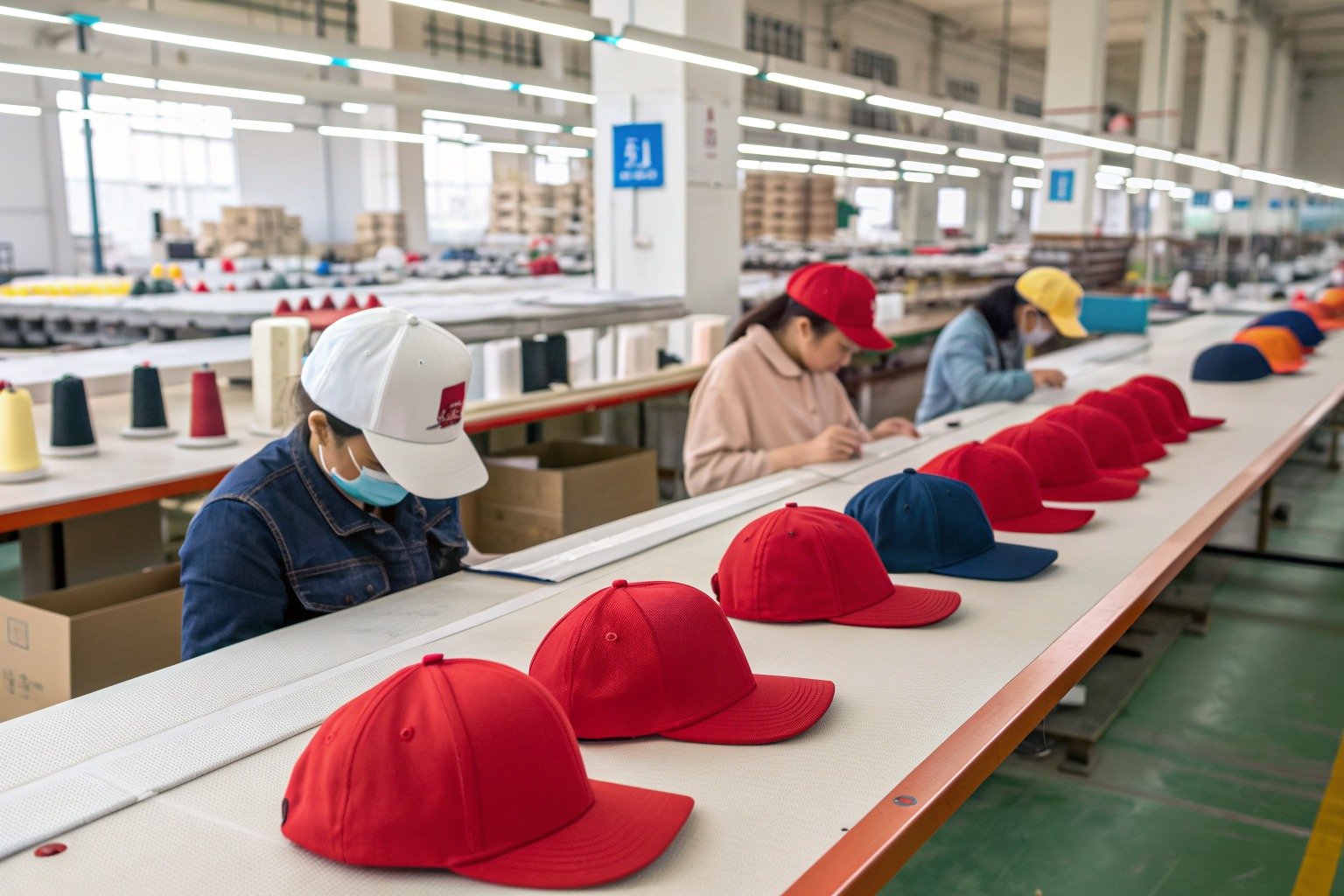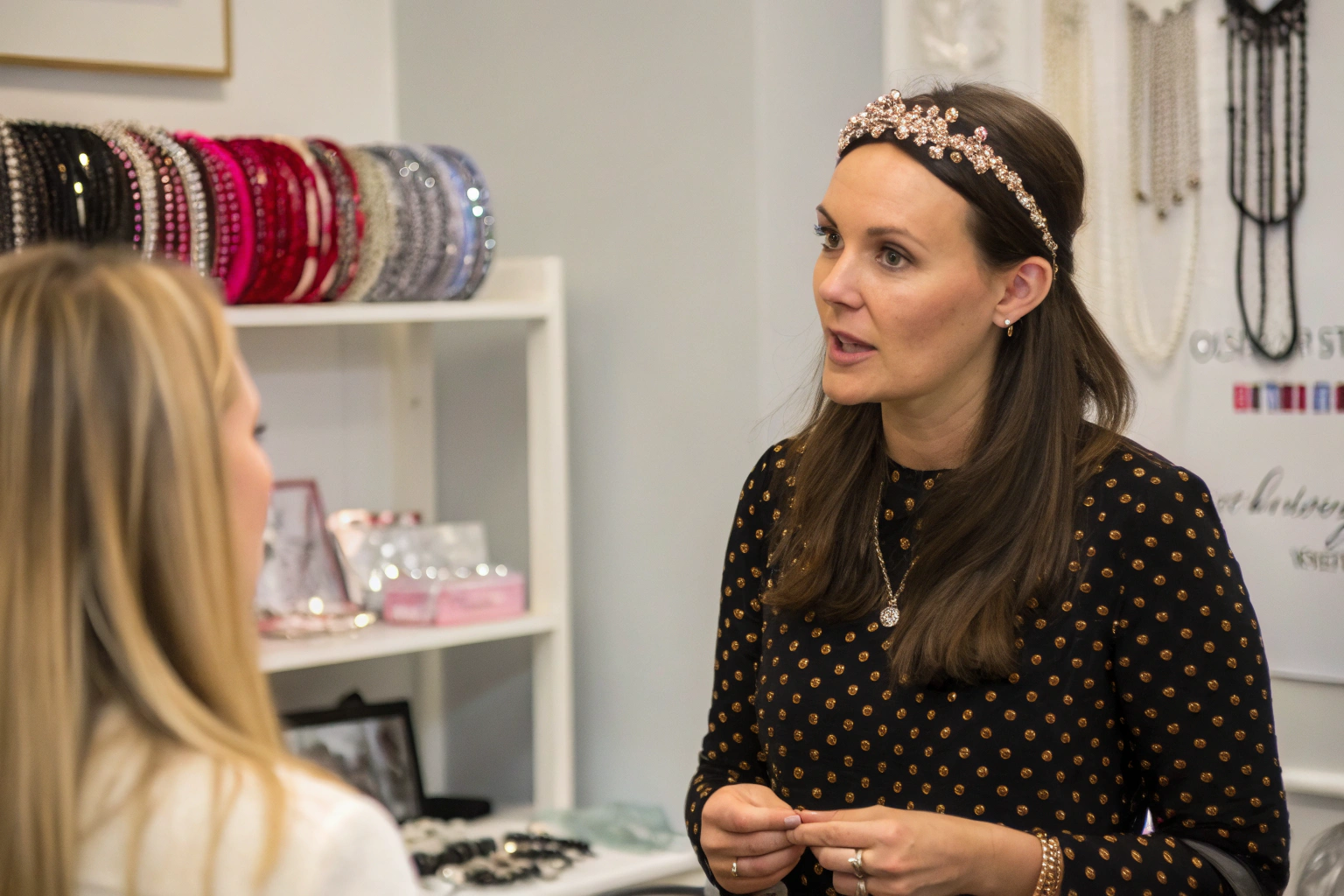
A party wear brand owner from Manchester called me in early October with a problem that was as much about supply chain simplicity as it was about product design. Her brand specialized in accessories for special occasions. Weddings, proms, milestone birthday parties, and the all-important holiday party season. Her best-selling products were headbands. Some were elegantly simple, a fine velvet band in jewel tones, a satin-covered band with a delicate knot, a minimal metallic band that caught the light. Others were exuberantly embellished, fully sequined bands that sparkled under dance floor lights, bands with sequin patterns in chevrons or florals, bands with mixed sequin sizes creating texture and dimension. She had been sourcing the plain headbands from one factory and the sequined headbands from another. The logistical headache was constant. Two sets of samples, two sets of purchase orders, two sets of quality standards, two shipping schedules that never quite aligned. She wanted one factory, one point of contact, one quality standard, and one coordinated delivery. She asked me, "Can you do both, and can you do both at the level of quality my customers expect?" I showed her our headband sample wall. Plain velvets on one side, shimmering sequins on the other. She placed a combined order that afternoon.
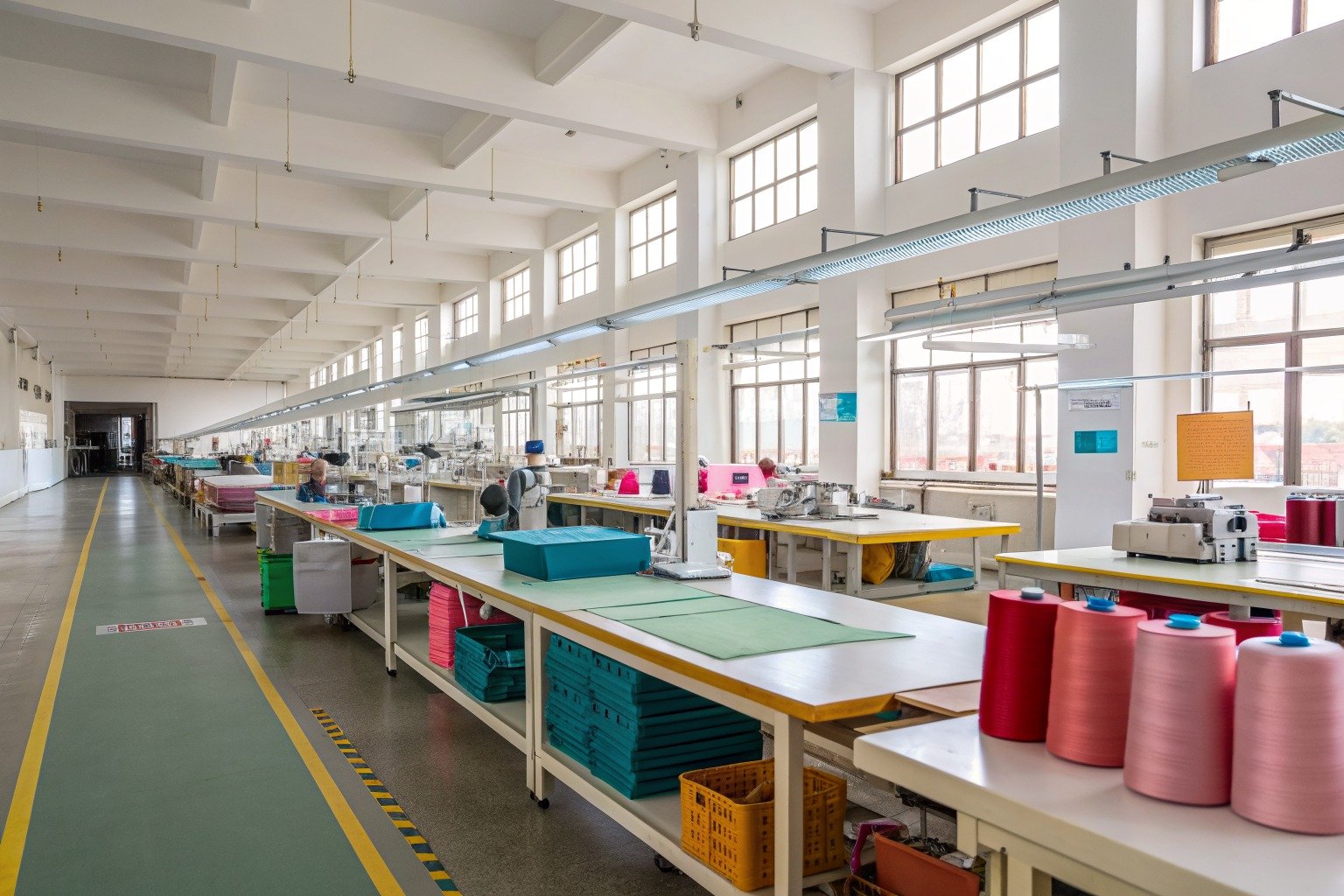
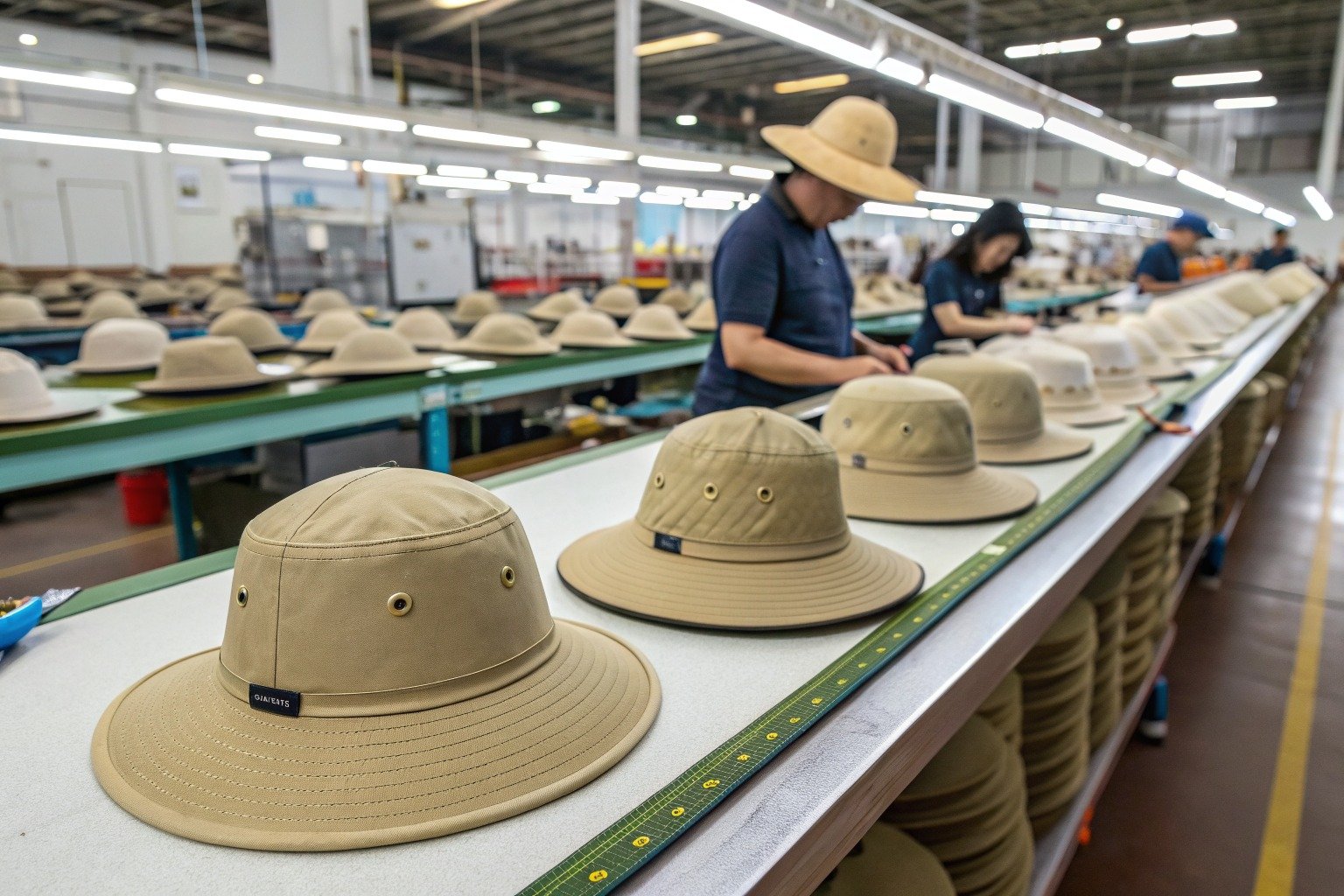
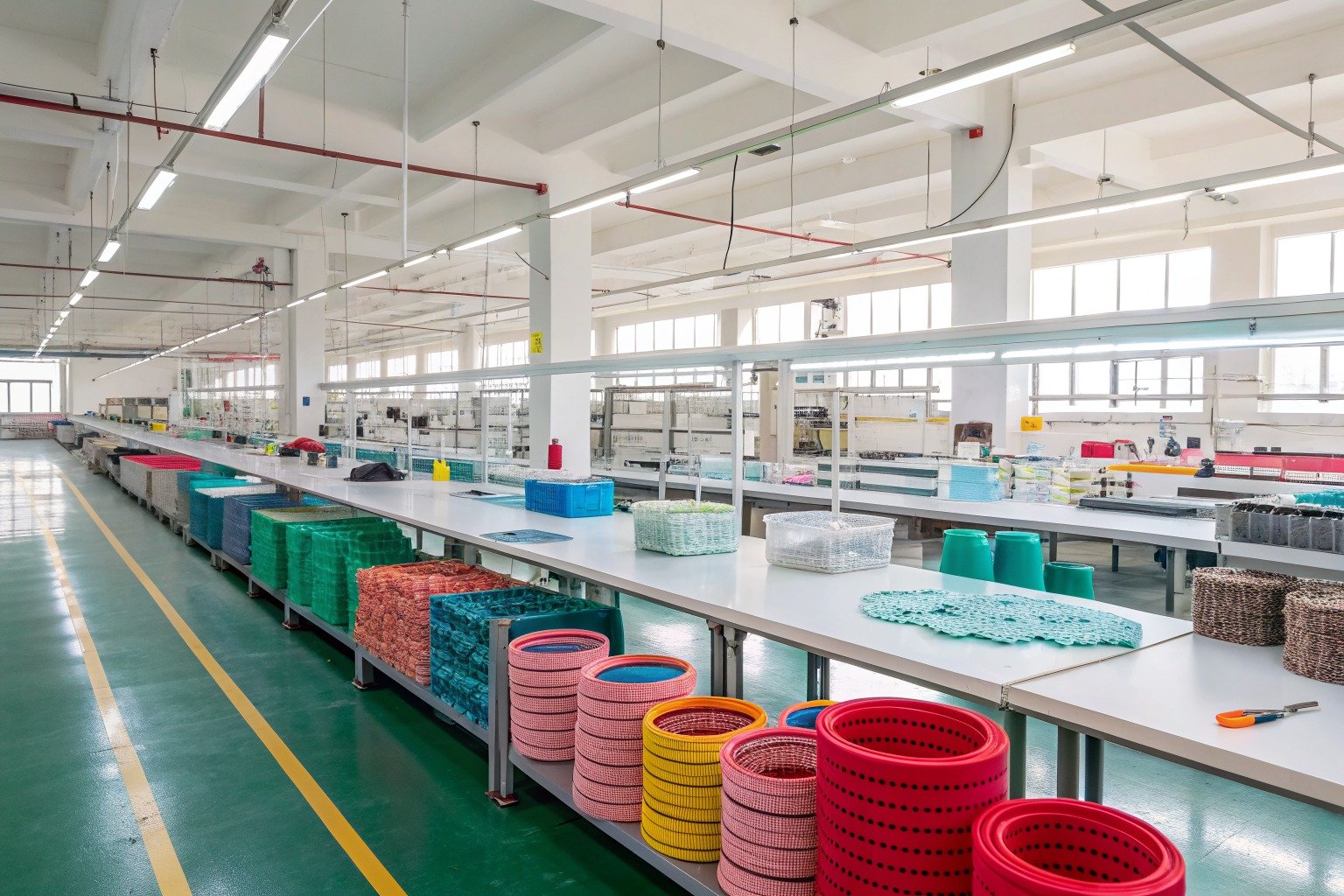
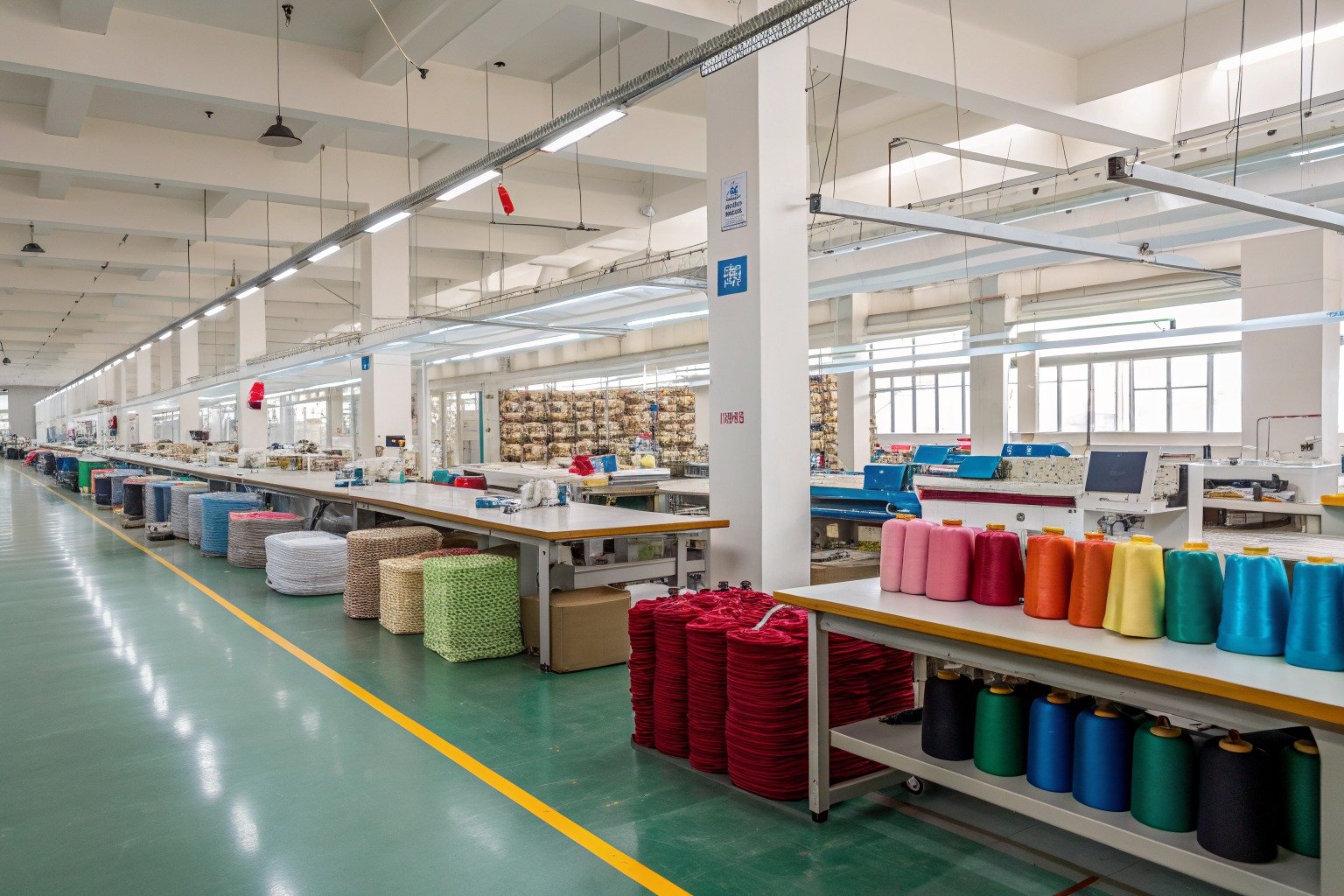
Yes, our factory produces both plain and sequined headbands for party wear under one roof, with dedicated production lines, specialized equipment, and skilled artisans for each category. The plain headband production uses our industrial sewing and assembly lines for fabric cutting, wrapping, and finishing of velvet, satin, grosgrain, and metallic bands. The sequined headband production is a specialized craft operation where sequined fabric is precision-cut, edges are finished to prevent sequin loss, and embellishments are hand-applied for intricate designs. This dual capability allows party wear brands to source their entire headband collection from a single supplier. The plain bands in the collection benefit from the same quality control system, the same color matching process, and the same logistics coordination as the sequined bands. The brand gets a unified collection with consistent sizing, consistent color accuracy, and a single shipment that contains their complete party wear assortment, ready for retail display.
Party wear headbands are a unique product category. They exist at the intersection of fashion accessory and jewelry. They must be beautiful enough to complement a formal gown or a cocktail dress. They must be comfortable enough to wear for hours of dancing and celebration. They must be durable enough to survive being tossed into a clutch bag and pulled out looking pristine. And they must be affordable enough for the party wear customer, who may buy multiple headbands for different occasions. At AceAccessory, we have developed specialized expertise in both plain and embellished headbands. We understand the engineering of a comfortable, secure fit. We understand the art of sequin application, how to layer sequins for maximum sparkle, how to finish edges so sequins do not snag hair, and how to achieve consistent coverage without gaps. Let me walk you through our capabilities and how we can help your party wear brand shine.
What Types of Plain Headbands Can You Produce for Party Wear
Plain headbands are the foundation of any party wear collection. They are the versatile pieces that complement a wide range of outfits, the reliable sellers that provide consistent revenue, and the canvas upon which a brand’s color palette and material signature are expressed. A well-made plain headband is not simple. It is a carefully engineered product where the choice of base band, the wrapping material, the tension, the padding, and the finishing details all contribute to the comfort, the durability, and the aesthetic. The difference between a headband that stays comfortably in place for hours and one that causes a headache after thirty minutes is in the engineering. The difference between a headband that looks luxurious and one that looks cheap is in the material quality and the wrapping precision.
Our factory produces a comprehensive range of plain headbands for party wear. The base band is the structural core, and we offer it in several materials and profiles. The standard metal band is a stainless steel or spring steel core, providing the classic horseshoe shape with adjustable tension. The plastic headband is a molded, curved band typically made from cellulose acetate or a durable ABS plastic, offering a lighter weight and a slightly more casual profile. The wire headband is a flexible, shapeable wire core, covered in fabric, that the wearer can adjust to their perfect fit. The wrapping material is the visible surface, and we work with velvet, a plush, light-absorbing pile fabric that gives a rich, luxurious look, ideal for winter parties and evening events. Satin, a smooth, lustrous fabric with a subtle sheen, available in a vast range of colors, perfect for weddings and formal occasions. Grosgrain, a ribbed fabric with a matte texture and excellent durability, often used for tailored, preppy party styles. Metallic fabric, a woven or knit fabric with a metallic thread or a foil finish, giving a subtle sparkle without sequins, ideal for cocktail parties and New Year’s Eve. And vegan leather, a smooth, polished synthetic material that gives a modern, edgy look. The finishing details include the end tips, which can be plain metal, fabric-wrapped, or adorned with small pearls or crystals. The inner lining, a velvet or felt strip on the inside of the band that provides grip and comfort against the hair. And decorative elements, such as a twisted wrap, a knotted detail at the crown, or a gentle pleating that adds visual interest without leaving the plain category.
The production of a plain headband involves several precise steps. The base band is cut to length and shaped. The ends are finished with tips to prevent the metal from cutting through the fabric. The wrapping material is cut into strips, often on the bias for stretch and smoothness. The strip is wrapped tightly and evenly around the band, with the edges overlapped or glued to create a seamless surface. The inner lining is applied. The finished headband is inspected for smoothness, evenness of wrap, and secure attachment of all components. Let me detail the two most popular plain headband materials.
How Do You Ensure Velvet Headbands Maintain Their Finish?
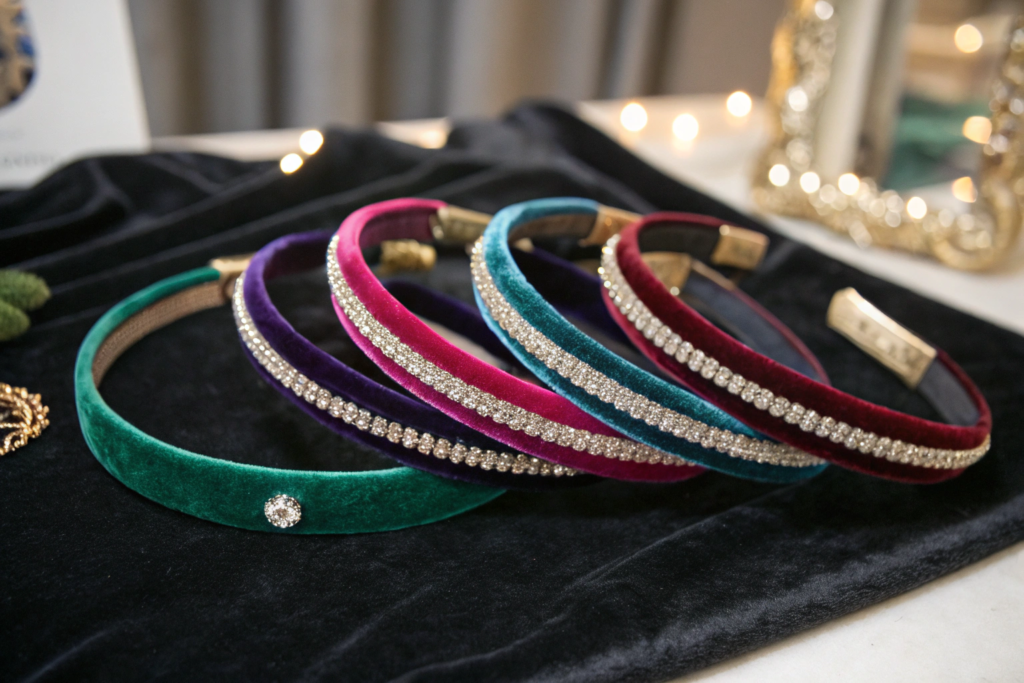
Velvet is the most luxurious and the most demanding of the plain headband materials. The pile, the tiny upright fibers that give velvet its soft, plush texture, is easily crushed, marked, or distorted during the manufacturing process. A velvet headband that shows pressure marks from the wrapping process, or that has a flattened pile in areas, will look worn and cheap, not luxurious and new. Maintaining the perfect velvet finish requires specific handling at every stage. The velvet fabric is cut with a very sharp blade or a laser cutter, never with dull scissors that would drag and crush the pile. The cut edges are immediately stabilized to prevent the pile from shedding. The wrapping process is done by hand, with skilled artisans who apply even, gentle tension. The velvet strip is not pulled tight, which would crush the pile and create a flattened, shiny appearance. Instead, it is laid smoothly over the band with just enough tension to hold it in place without compressing the pile. The adhesive used to secure the velvet is applied sparingly and precisely, only to the underside of the fabric where it contacts the band. Excess adhesive that seeps through to the pile side would ruin the finish. The finished headband is gently steamed, not pressed, to relax any minor pile disturbance and to restore the plush, even texture. The steaming is done from the underside or at a distance, never directly onto the pile, which could cause water spotting. The headbands are individually packed in a way that protects the pile. They are placed on a display card that holds the band in its natural curved shape, and they are not compressed or stacked in a way that would crush the pile. A tissue paper wrap provides an additional layer of protection. The result is a velvet headband that feels as luxurious as it looks, with a deep, even pile that invites touch.
What Types of Base Bands Work Best for Comfort and Fit?
The base band is the skeleton of the headband. It determines the fit, the pressure, the weight, and the durability. The choice of base band depends on the target customer, the intended wear duration, and the overall aesthetic. The classic metal horseshoe band is the most common choice for party wear. It is a U-shaped band made from a strip of spring steel or stainless steel, typically 2 to 4 millimeters wide and 0.5 to 1 millimeter thick. The metal is flexible. It can be gently bent to adjust the tension. The ends are capped with plastic or metal tips to protect the wearer’s scalp. The metal band provides a secure fit that stays in place through dancing and movement. The potential downside is pressure behind the ears after extended wear. To mitigate this, we use a wider metal band, 4 millimeters or more, which distributes the pressure over a larger area. We also ensure the tips are generously sized and smoothly finished. The padded metal band is a variation where a layer of foam or fiberfill padding is wrapped over the metal core before the outer fabric is applied. The padding significantly increases comfort and allows for a wider, more substantial-looking headband without added weight. The padded band is a premium option that feels luxurious and can be worn comfortably for an entire evening. The plastic headband is a molded, one-piece band typically made from cellulose acetate, the same material used for high-quality eyewear, or ABS plastic. The plastic band has a fixed shape, not adjustable like the metal band, so it must be designed with a specific head circumference in mind. The advantage is a lighter weight and the ability to create a wider, more sculptural shape. The plastic band is a good choice for fashion-forward, statement headbands where the shape is part of the design. The wire headband is a thin, flexible wire core, often two parallel wires, embedded in a fabric casing. The wire can be bent and shaped by the wearer to achieve a custom fit. The wire headband is very comfortable because it exerts minimal pressure. The potential downside is that it may shift during active movement. The wire headband is ideal for delicate, minimalist headbands and for customers who are particularly sensitive to headband pressure. We guide our clients to the best base band choice for their specific design and their target customer.
How Are Sequined Headbands Manufactured for Durability
Sequined headbands are the showstoppers of the party wear category. They catch the light, they draw the eye, and they transform a simple outfit into a party look. But sequined headbands also present unique manufacturing challenges. Sequins are small, individual discs of reflective plastic or metal. They are attached to a fabric backing by stitching or by adhesive. The edges of sequined fabric are sharp. The sequins can snag on hair, on clothing, and on each other. They can fall off if the attachment is not secure. A sequined headband that sheds sequins all over the wearer’s shoulders is a negative brand experience. A sequined headband that stays intact, sparkles brilliantly, and feels smooth against the hair is a product that customers will recommend and repurchase.
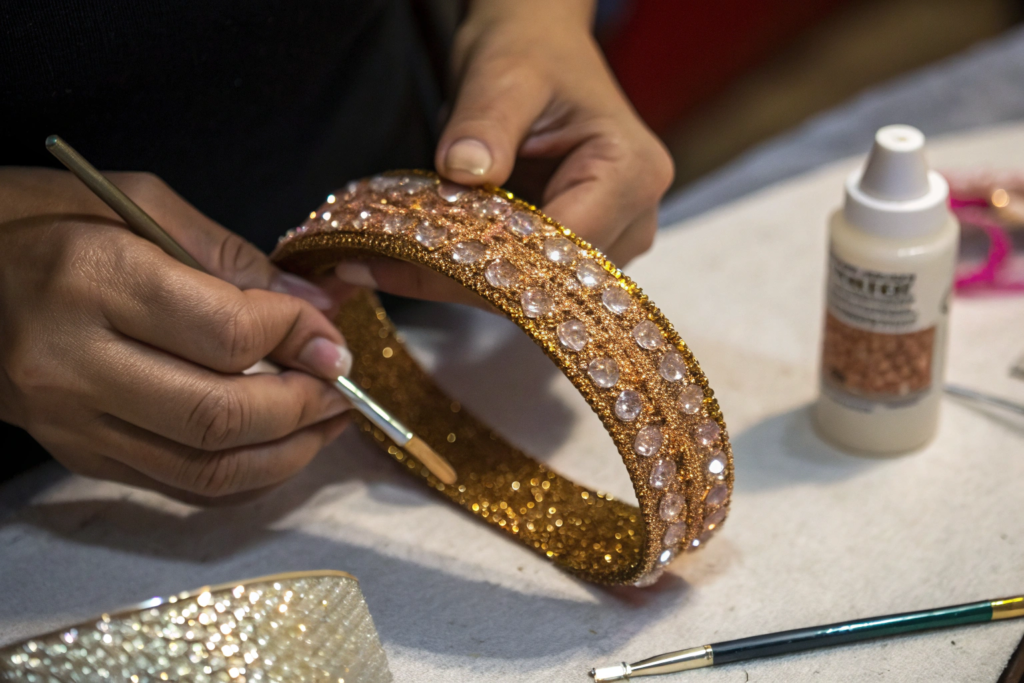
Sequined headbands are manufactured using a multi-step process designed for durability and hair safety. The process begins with the selection of high-quality sequined fabric. The fabric consists of sequins attached to a mesh or fabric backing. The sequins are attached by a chain stitch or a lock stitch that secures each sequin individually. The quality of the stitching determines the shed resistance. We use sequined fabric with a tight, secure stitch that does not unravel when cut. The sequined fabric is cut using a rotary blade or a laser cutter, not scissors. A rotary blade cuts cleanly through the sequins and the backing without pulling or distorting the stitches. Laser cutting simultaneously cuts and seals the edge, preventing the thread from unraveling and the sequins from falling off. The cut edges are treated with a clear, flexible edge sealant. The sealant is applied by hand with a fine brush along every cut edge. It locks the cut thread ends in place and provides a smooth, non-snag surface that will not catch on hair. After the sealant dries, the sequined fabric is wrapped around the prepared base band. The base band for sequined styles is typically a padded metal band, providing a comfortable fit and a substantial base for the heavier sequined material. The sequined fabric is attached with a combination of a strong, flexible adhesive and, for added security, hand stitching at the ends and along any seams. The inner side of the headband, the part that contacts the hair, is lined with a smooth velvet or satin ribbon. This lining covers any raw edges of the sequined fabric and provides a soft, non-slip, hair-friendly surface. The finished headband is inspected for loose sequins, rough edges, and overall appearance. A gentle brushing removes any sequins that are not securely attached, and any gaps in the sequin coverage are touched up.
The durability of a sequined headband is tested through a series of quality control checks. The headband is flexed repeatedly to simulate wearing and removal. The sequined surface is brushed with a soft brush to test shed resistance. The edges are felt by hand to detect any rough spots. Let me detail the two most critical aspects of sequined headband construction.
How Do You Prevent Sequins From Snagging Hair?
Hair snagging is the number one complaint about sequined accessories, and it is a problem that can be virtually eliminated through proper edge finishing and construction. The snagging occurs when a strand of hair catches on a sharp edge of a sequin, on a loose thread between sequins, or on an unfinished cut edge of the sequined fabric. The solution involves addressing each of these potential snag points. The sequins themselves are manufactured with smooth, rounded edges. High-quality sequins are punched from a sheet of plastic or metal, and the punch is designed to create a clean, burr-free edge. Low-quality sequins may have sharp burrs from a worn punch tool. We source our sequined fabric from suppliers who use well-maintained tooling and who inspect for burr-free edges. The threads that attach the sequins to the backing must be tight and secure. Loose threads create loops that can catch hair. The cut edges of the sequined fabric are the highest risk area. A raw cut edge exposes the ends of the threads, the edges of the sequins, and the raw edge of the backing fabric. The edge sealant is the primary defense. The sealant encapsulates the cut edge, covering the thread ends and the sequin edges with a smooth, flexible coating. The sealant must be flexible enough to move with the headband without cracking. The inner lining is the secondary defense. A strip of velvet or satin is sewn or glued over the inner surface of the headband, covering the seam where the sequined fabric ends are joined. This lining presents a completely smooth surface to the hair. For headbands with exposed sequined edges on the outer sides, the edge is folded under before wrapping, so the cut edge is hidden against the band and not exposed to the hair. The combination of high-quality sequins, tight stitching, edge sealant, and inner lining creates a sequined headband that is hair-safe and comfortable to wear.
What Backing Materials Give Sequined Headbands Structure?
The backing material of the sequined fabric provides the foundation for the headband. It must be strong enough to hold the sequins securely, flexible enough to wrap smoothly around the curved band, and thin enough to not add excessive bulk. The two most common backing materials for sequined headband fabric are a fine polyester mesh and a stretch knit fabric. The polyester mesh is the more traditional choice. It is a lightweight, open-weave fabric. The sequins are stitched directly to the mesh. The mesh is strong and dimensionally stable. It does not stretch, which means the sequined fabric holds its shape well during wrapping. The mesh is thin, so the sequin coverage is dense and the mesh is not visible between the sequins. The mesh backing is ideal for fully sequined headbands where maximum sparkle is desired and no backing should show. The stretch knit backing is a more recent innovation. It is a fine jersey knit, typically a polyester-spandex blend. The sequins are stitched to the knit. The knit stretches, which makes it easier to wrap smoothly around the curved band without puckering. The stretch also provides a slight tension that helps the sequined fabric hug the band tightly. The stretch knit backing is slightly thicker than the mesh, so the sequin coverage may be slightly less dense, with the knit visible between the sequins if they are spaced apart. The stretch knit is ideal for patterned sequined fabrics, such as ombre or chevron designs, where the stretch helps to align the pattern on the curved band. Some sequined fabrics use a combination backing, a mesh base with a thin knit layer laminated behind it, to combine the stability of the mesh with the smoothness of the knit. For headbands, we generally prefer the stretch knit backing because the stretch facilitates a smooth, wrinkle-free wrap, which is essential for a premium appearance.
How Do You Coordinate Plain and Sequined Collections
A coordinated collection is more than the sum of its parts. When a customer sees a plain velvet headband in emerald green and a sequined headband in the same emerald green displayed together, they perceive a collection. They see a brand that is intentional about design. They are more likely to purchase both, one for a more understated event and one for maximum impact. Achieving this coordination across plain and sequined headbands, which use completely different materials and manufacturing processes, is a challenge of color matching, design language, and quality consistency. It requires a factory that has control over both production streams and a commitment to unified standards.
Coordinating plain and sequined headband collections requires a unified approach to color, design, and quality. Color coordination is the most critical and the most challenging aspect. The velvet, satin, and metallic fabrics used for plain headbands are colored through piece dyeing or yarn dyeing. The sequins are colored during the plastic extrusion and metallization process. Matching a fabric color to a sequin color requires color measurement and a tolerance for slight differences due to the different reflective properties of the materials. We use a spectrophotometer to measure both the fabric and the sequin color, and we work to a Delta E tolerance of less than 2.0, which is visually imperceptible to most people under normal lighting. The design language coordination ensures that the plain and sequined headbands feel like part of the same family. This can be achieved through shared silhouette, a consistent band width and shape across the collection. Shared decorative details, the same knotted detail or twist applied to both plain and sequined bands. And shared trim elements, the same end tips, the same inner lining material, the same packaging. Quality coordination ensures that the plain and sequined headbands meet the same high standard. Both are subject to the same dimensional tolerances, the same workmanship standards, and the same final inspection checklist. The customer experience should be consistent across the collection.
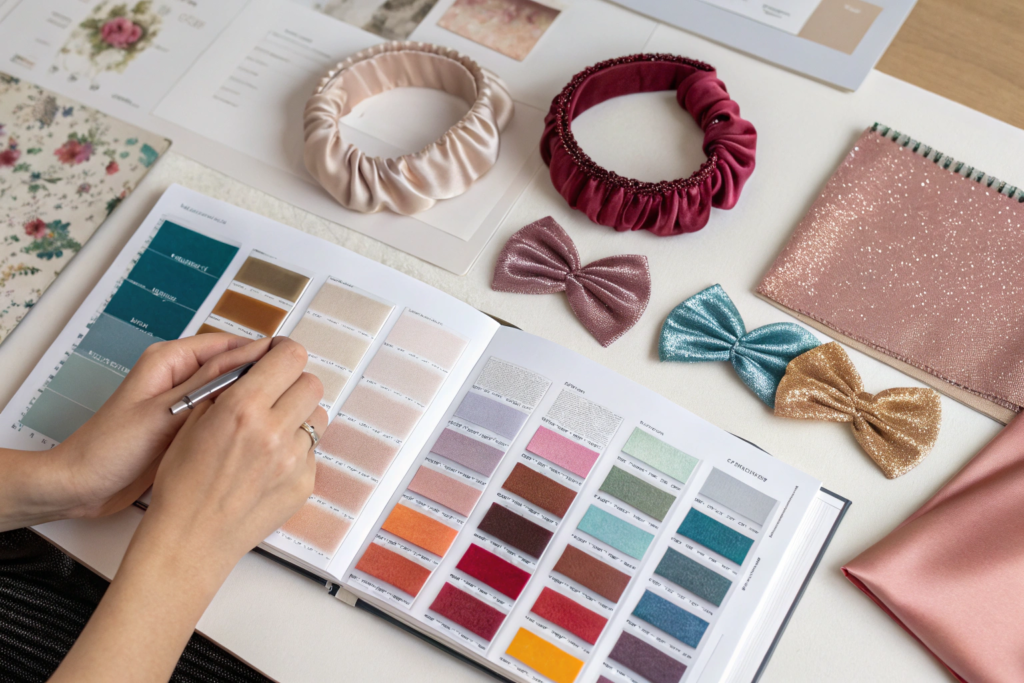
The coordination process begins at the design stage. The brand provides a color palette, often defined by Pantone references. Our color lab creates physical color standards for each color in each material, a velvet swatch, a satin swatch, and a sequined fabric swatch. These standards are approved by the brand and become the reference for all production. Let me explore the two most important coordination elements in more detail.
How Do You Match Colors Across Different Headband Materials?
Matching colors across velvet, satin, and sequins is a problem of physics as much as chemistry. Velvet and satin are dyed fabrics. The color is created by dye molecules that absorb certain wavelengths of light and reflect others. The color appears different depending on the viewing angle and the texture of the fabric. Velvet, with its deep pile, absorbs light and appears darker and richer. Satin, with its smooth, reflective surface, appears lighter and more lustrous. Sequins are not dyed. They are typically made from a clear plastic base that is metallized with a thin layer of aluminum or colored with a pigment, and then coated with a tinted lacquer. The color is created by a combination of the reflective metallic layer and the tinted coating. Sequins are highly directional in their reflection. The color shifts depending on the angle of the light. Achieving an exact match is impossible because the materials interact with light differently. What we aim for is a perceptual match under standard retail lighting. The process begins with the brand’s Pantone reference. Our color lab formulates a dye recipe for the velvet and satin to match the Pantone under a D65 daylight lamp. We then work with our sequin supplier to select a sequin color that provides the closest perceptual match to the dyed fabric when viewed side by side. The brand receives a set of physical swatches, velvet, satin, and sequined fabric, and evaluates the match under their own lighting. Adjustments are made. The velvet dye may be slightly deepened to compensate for its light-absorbing quality. The sequin tint may be slightly warmed to match the warmth of the satin. The final approved swatches become the production standards. During production, every batch of dyed fabric and every batch of sequined fabric is checked against the standard using a spectrophotometer and a visual assessment under controlled lighting. The tolerance is a Delta E of less than 2.0 and a visual pass by a trained colorist. This rigorous process ensures that when the plain velvet headband and the sequined headband are displayed together on a retail shelf, they look like they belong together.
Should Plain and Sequined Bands Share the Same Packaging?
Yes, shared packaging is one of the most effective ways to communicate collection cohesion and to elevate the perceived value of both the plain and sequined pieces. When a customer receives a headband in a beautifully designed box or on a premium display card, the packaging becomes part of the product experience. Shared packaging across the collection reinforces the brand identity. The customer knows that the brand is consistent and intentional. The packaging also has a practical function. Sequined headbands require more protective packaging than plain headbands because the sequins can be crushed or snagged. The packaging for the collection should be designed to the higher standard required by the sequined pieces. The plain headbands benefit from the premium packaging. The most common shared packaging format for party wear headbands is a rigid cardboard box with a satin or velvet interior. The headband is held in place by a die-cut insert or an elastic band. The box protects the headband during shipping and storage, and it provides a beautiful unboxing experience for the customer. The box can be customized with the brand’s logo, colors, and messaging. A less expensive but still effective option is a thick, premium display card with a die-cut slot to hold the headband. The card is inserted into a clear polybag, which is sealed. The card provides a surface for branding and product information. The polybag protects the headband from dust and handling. For sequined headbands, a tissue paper wrap inside the polybag provides additional protection against sequin snagging. The packaging design should be developed alongside the product design, so that the headband and its packaging form a cohesive whole. We offer in-house packaging design and sourcing services to our clients, creating custom packaging that elevates their brand.
Conclusion
The ability to produce both plain and sequined headbands in a single factory is a strategic advantage for party wear brands. It simplifies the supply chain, unifying design, color, quality, and logistics under one roof. It enables the creation of truly coordinated collections where the plain velvet band and the sequined sparkle band share a color palette, a design language, and a quality standard. And it strengthens the brand’s relationship with its manufacturing partner, building a deeper collaboration based on a broader understanding of the brand’s full product range.
We have explored the plain headband production, the engineering of the base band for comfort, the precision wrapping of velvet, satin, and metallic fabrics, and the attention to detail that separates a luxurious accessory from a commodity. We have detailed the specialized craft of sequined headband manufacturing, the edge sealing that prevents hair snagging, the backing selection that provides structure, and the quality testing that ensures durability. We have discussed the art and science of coordinating colors across fundamentally different materials, and the role of shared packaging in communicating collection cohesion.
At AceAccessory, we love making party wear headbands. There is something uniquely satisfying about creating accessories that are part of people’s most joyful moments, the weddings, the celebrations, the nights out with friends. Our headband workshop combines industrial efficiency for plain bands with artisanal skill for sequined pieces. Our color matching laboratory ensures that the emerald velvet band and the emerald sequin band are a perfect pair. Our quality control team inspects every headband for fit, finish, and sparkle.
If you are developing a party wear headband collection and you want a manufacturing partner who can produce both your foundational plain pieces and your statement sequined pieces, I invite you to contact us. Reach out to our Business Director, Elaine, at elaine@fumaoclothing.com. Tell her about your brand, your collection theme, your color palette, and your mix of plain and embellished styles. She can provide samples of our headband constructions, fabric swatches, and sequin options, and give you a quotation for a production run that covers your complete collection. Let us help you create headbands that make every party more beautiful.