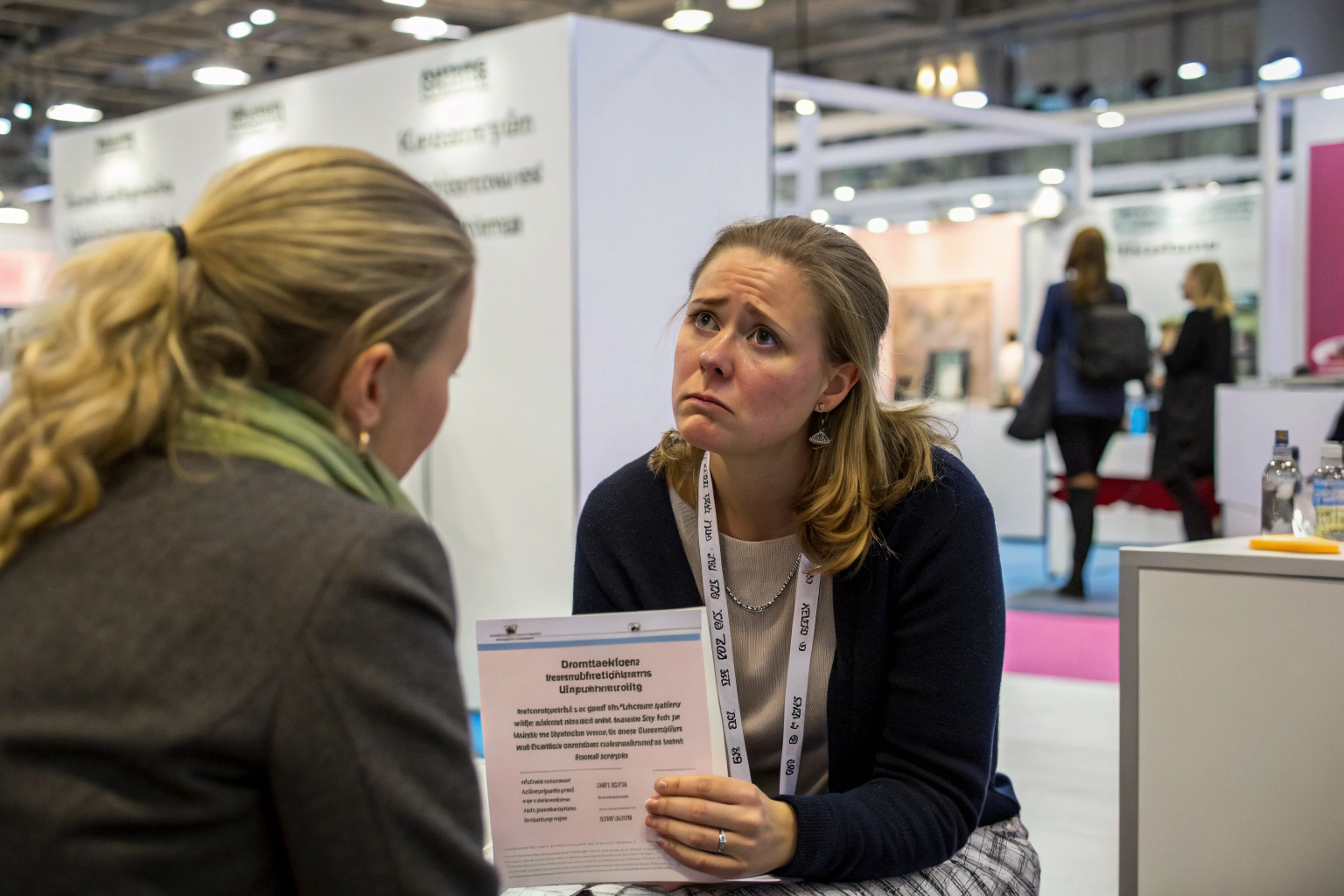
A children’s accessories brand founder from Sweden sat across from me at a trade show in Berlin two years ago, and she was shaking. She had just received a notice from the Swedish Chemicals Agency. A random market surveillance test had found nickel release and lead content in the metal hair clips she had been selling for over a year. The levels exceeded the EU REACH regulation limits. The agency ordered her to immediately recall all affected products from every retailer in Sweden, to issue a public safety notice, and to provide documentation proving that future shipments would be compliant. The recall cost her over thirty thousand euros. The reputational damage was incalculable. Her brand, which she had built over five years on a promise of safe, non-toxic products for children, was suddenly associated with heavy metal contamination. The factory that produced the clips had provided a document claiming the metal was nickel-free, but the document was not from an accredited laboratory. It was an internal memo, typed on the factory’s letterhead, with no test data, no lab accreditation number, and no legal validity. She had trusted the document. It nearly destroyed her business.
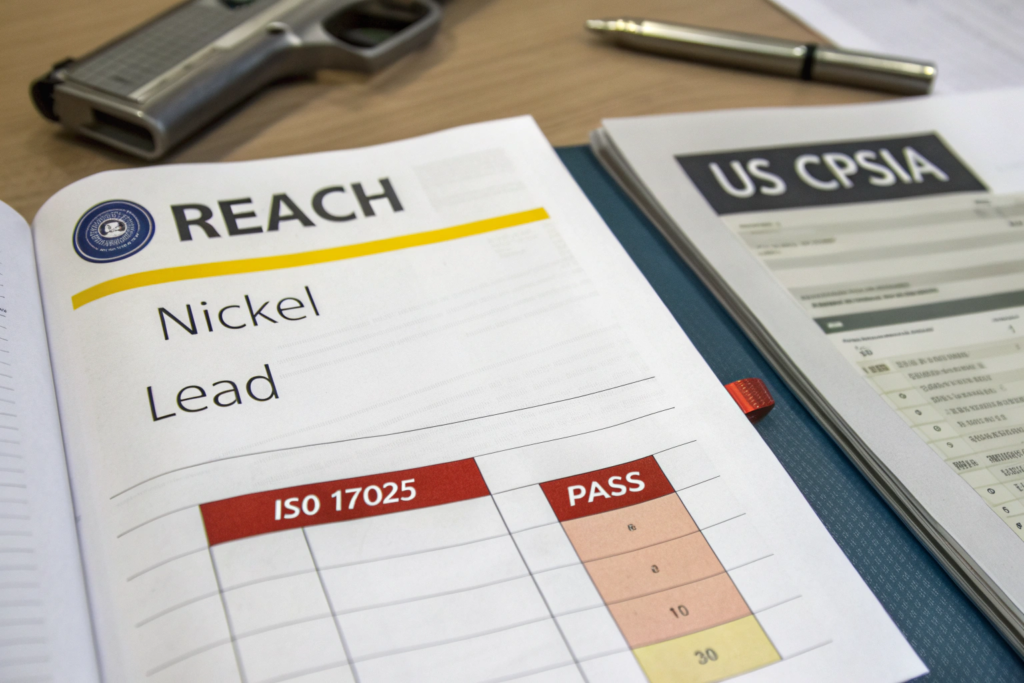
To verify that a factory’s metal hair clips are genuinely nickel-free and lead-free, you must require and validate third-party laboratory test reports from an ISO 17025 accredited laboratory. The reports must specifically test for nickel release according to EN 1811, the European standard for nickel release from articles intended for direct and prolonged skin contact, and for total lead content according to EN 16711 or CPSC-CH-E1001-08, the US standard for lead content in children’s products. The test reports must be current, typically within one year, must reference the specific product style and metal component, and must show results below the legal limits. Nickel release must be less than 0.5 micrograms per square centimeter per week. Lead content must be less than 90 parts per million for children’s products under US law and under 100 parts per million for articles supplied to the general public under EU REACH. You must also verify the authenticity of the test reports by checking the laboratory’s accreditation status online and by contacting the laboratory directly if you have any doubts. A factory’s internal document, an uncertified XRF gun reading, or a verbal assurance is not sufficient for legal compliance.
Metal hair clips, barrettes, snap clips, and claw clip springs are in direct, prolonged contact with the skin and hair. For children’s products, they are also subject to mouthing, the natural behavior of young children putting objects in their mouths. The metals used in these components, typically iron, steel, brass, or zinc alloy, are often plated or coated to improve appearance and prevent corrosion. The plating and the base metal can contain nickel, a known skin sensitizer and allergen, and lead, a potent neurotoxin. The regulations governing these substances are strict, the enforcement is increasing, and the consequences of non-compliance are severe. At AceAccessory, metal component safety is a core pillar of our quality management system. We test every metal component we use, we maintain current, valid test reports, and we provide full transparency to our clients. Let me walk you through exactly how to verify that the metal hair clips you source are safe and compliant.
What Regulations Limit Nickel and Lead in Hair Accessories
The legal framework governing nickel and lead in consumer products is global, but the most stringent and most widely enforced regulations originate in the European Union and the United States. These regulations apply not just to products manufactured in those jurisdictions, but to products sold there, regardless of country of origin. A metal hair clip manufactured in China and sold in a boutique in Paris or on an e-commerce platform shipping to California is subject to EU REACH and US CPSIA requirements. The factory does not need to understand every nuance of every regulation, but they must be able to produce test reports that demonstrate compliance with the applicable standards. The buyer, as the importer of record, bears the ultimate legal responsibility.
The key regulations limiting nickel and lead in hair accessories are EU REACH, the Registration, Evaluation, Authorisation and Restriction of Chemicals regulation, and the US CPSIA, the Consumer Product Safety Improvement Act. Under EU REACH, specifically Annex XVII Entry 27, nickel release from articles intended for direct and prolonged skin contact, which includes metal hair clips, must not exceed 0.5 micrograms per square centimeter per week. This is tested according to EN 1811. Lead content in articles supplied to the general public is restricted under REACH Annex XVII Entry 63, with a limit of 0.05 percent by weight, which is 500 parts per million, for most articles. However, for children’s products and for jewelry, which hair clips can be classified as in some interpretations, the limit is effectively driven by other regulations and retailer policies to 100 parts per million or lower. Under the US CPSIA, specifically Section 101, the total lead content in children’s products, defined as products designed or intended primarily for children 12 years of age or younger, must not exceed 90 parts per million in any accessible component. This includes the metal parts of hair clips marketed to children. The test method is CPSC-CH-E1001-08. There is also a separate requirement under CPSIA for lead in paint and surface coatings, with a limit of 90 parts per million. For adult hair accessories, there is no federal lead content limit in the US, but several states, notably California with Proposition 65, have their own limits that are effectively enforced nationwide through retailer requirements.
The regulatory landscape is complex, but the practical takeaway is simple. To sell metal hair clips legally in the EU and the US, you need test reports showing nickel release below 0.5 micrograms per square centimeter per week and lead content below 90 parts per million in the metal. These numbers are your compliance targets. Let me explain the two most important regulatory concepts in more detail.
What Is the EU REACH Nickel Release Limit for Skin Contact Items?
The EU REACH nickel restriction is one of the oldest and most rigorously enforced chemical restrictions in consumer product regulation. It was originally enacted as the EU Nickel Directive in 1994 and was later incorporated into REACH as Annex XVII Entry 27. The restriction is driven by the prevalence of nickel allergy, which affects approximately 10 to 20 percent of the population, making it one of the most common contact allergens. Nickel sensitization occurs when nickel ions are released from a metal object in contact with the skin, particularly under conditions of moisture and friction. Once sensitized, a person will develop allergic contact dermatitis upon subsequent exposure to nickel, a painful, itchy rash that can take weeks to heal. The regulation sets a migration limit, not a content limit. This is a critical distinction. The regulation does not specify how much nickel can be present in the metal. It specifies how much nickel can be released, or leached out, from the metal when in contact with the skin. The test method, EN 1811, simulates skin contact by immersing the metal component in a synthetic sweat solution at body temperature for one week. The solution is then analyzed for nickel concentration. The limit is 0.5 micrograms of nickel per square centimeter of surface area per week. This is an extremely low concentration. To pass, the metal must be effectively nickel-free in its surface composition, meaning the plating or the base metal must not contain nickel that can be released. The test is performed on the finished product, after any plating or coating. A metal clip with a nickel-plated finish will fail spectacularly because the entire surface is nickel. A metal clip with a chrome or lacquer coating over a nickel base layer may pass if the coating is intact, but a single scratch through the coating to the nickel layer will cause a failure. This is why the best practice is to specify nickel-free base metals and nickel-free plating from the start, rather than relying on a barrier coating.
How Does the US CPSIA Lead Limit Apply to Metal Hair Clips?
The US CPSIA lead limit is a total content limit, not a migration limit. This means the regulation specifies the maximum amount of lead that can be present in the material, regardless of whether it leaches out. The limit for children’s products is 90 parts per million, or 0.009 percent by weight, in any accessible component. An accessible component is any part of the product that can be touched by a child. For a hair clip, the entire metal body, the spring, the clasp, and any decorative elements are accessible. The test method, CPSC-CH-E1001-08, involves digesting the metal sample in strong acid and analyzing the solution using inductively coupled plasma spectroscopy, a highly sensitive analytical technique. The lead limit applies to the substrate metal, not just the surface coating. If the base metal is a brass alloy that contains lead, which is common because lead improves machinability, the clip will fail even if it is plated with a lead-free coating. The CPSIA lead limit is enforced by the Consumer Product Safety Commission. The CPSC can require a recall, impose civil penalties of up to 100,000 dollars per violation, and, in cases of knowing and willful violation, refer the matter for criminal prosecution. The enforcement is real and active. The CPSC maintains a public database of product recalls, and a search for "hair clips" or "hair accessories" will return examples of recent recalls due to lead content violations. The California Proposition 65, while not a federal regulation, requires warnings on products containing chemicals known to the state of California to cause cancer or reproductive harm. Lead is listed, and the safe harbor level for lead in jewelry and accessories is extremely low. Because California is such a large market, many retailers nationwide require Prop 65 compliance for all products, effectively making it a national standard.
What Testing Methods Verify Nickel and Lead Compliance
Verifying nickel and lead compliance requires actual chemical testing, not visual inspection, not a factory’s verbal assurance, and not a magnet test. A magnet test can tell you if the base metal is ferrous, iron or steel, but it tells you nothing about the plating or the presence of lead. Visual inspection can tell you the color of the plating, a silver-colored plating could be nickel, chrome, zinc, or tin, but it cannot identify the metal. Only laboratory analysis can provide legally defensible proof of compliance. There are two tiers of testing. Screening tests, which provide rapid, non-destructive, but less precise results. And confirmatory tests, which provide the legally required precision and accuracy.
The definitive testing methods for verifying nickel and lead compliance in metal hair clips are laboratory-based chemical analyses performed by an ISO 17025 accredited laboratory. For nickel release, the reference method is EN 1811, which simulates one week of skin contact in synthetic sweat and measures the released nickel. For lead content, the reference method is total acid digestion followed by ICP-OES or ICP-MS analysis, as specified in CPSC-CH-E1001-08 or EN 16711. These tests must be performed on the finished product, because manufacturing processes like plating, soldering, and polishing can introduce contaminants that were not present in the raw material. The cost of a combined nickel release and lead content test is typically 100 to 200 US dollars per sample, a small investment compared to the cost of a recall. The test reports must come from an accredited laboratory. The laboratory’s accreditation can be verified on the website of the accreditation body, such as A2LA, UKAS, or DAkkS. The report must include the laboratory’s name, address, and accreditation number, a unique report number, the date of testing, a description of the sample tested, the test methods used, the test results with units, and the signature of an authorized representative.
In addition to laboratory testing, X-ray fluorescence, or XRF, analyzers are widely used for rapid, non-destructive screening of lead content. XRF is a handheld gun that shoots X-rays at the sample and measures the characteristic fluorescence of different elements. It gives a result in seconds. XRF is excellent for screening large numbers of samples and for identifying components that require further laboratory testing. However, XRF has limitations. It measures surface composition, not bulk composition. A thick plating can mask lead in the base metal. It is less sensitive than laboratory methods, with a typical detection limit of 10 to 50 parts per million for lead, compared to 1 part per million for ICP. An XRF reading is not accepted by the CPSC or EU authorities as a definitive test for legal compliance. It is a screening tool, not a compliance test. Let me explain the two primary laboratory test methods.
How Is an EN 1811 Nickel Release Test Performed?
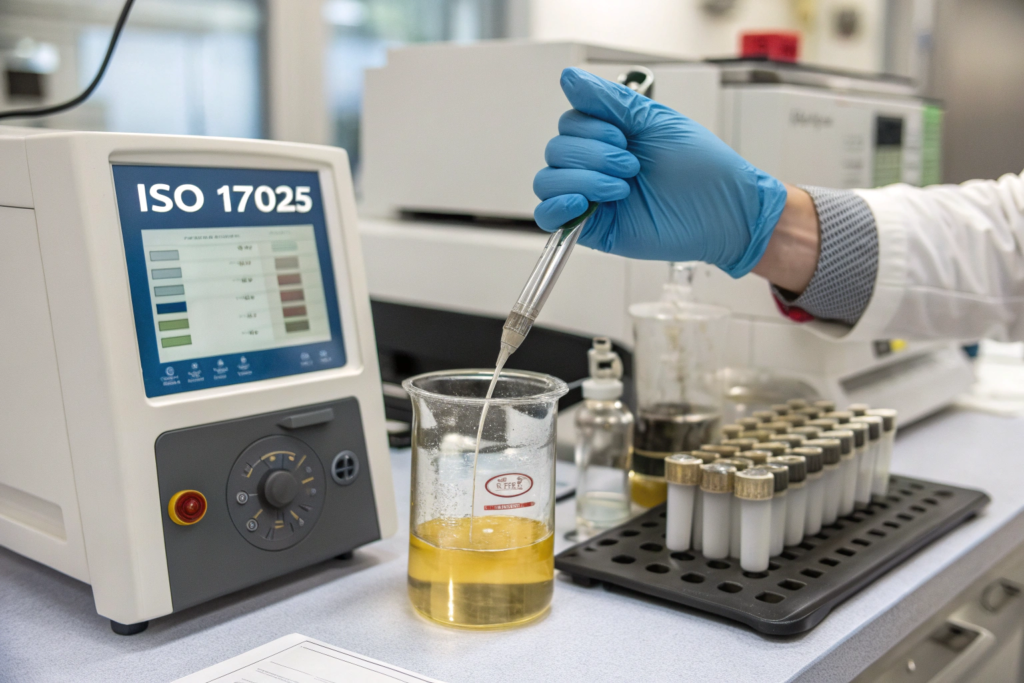
The EN 1811 test is a simulation of skin contact. The test article, the finished metal hair clip, is placed in a container with a precisely measured volume of artificial sweat solution. The solution is a mixture of water, sodium chloride, lactic acid, and urea, adjusted to a pH of 6.5, mimicking the chemical composition of human perspiration. The container is sealed and placed in an oven at 30 degrees Celsius, human body temperature, for a period of 168 hours, one week. During this time, nickel ions, if present on the surface of the metal, will dissolve into the sweat solution. After one week, the solution is removed and analyzed. The analysis is performed using Inductively Coupled Plasma Optical Emission Spectroscopy, or ICP-OES, or an equivalent technique. The instrument measures the concentration of nickel in the solution in micrograms per liter. This concentration is then mathematically converted, using the volume of the solution and the surface area of the test article, to a nickel release rate in micrograms per square centimeter per week. If the release rate is less than 0.5, the article passes. If it is 0.5 or greater, it fails. The test is sensitive to several factors. The surface area calculation must be accurate. The surface area is measured or calculated for the entire article, not just the skin-contact area. A small article with a small surface area may fail even with a low absolute amount of nickel because the release is normalized to area. The test article must be clean and free of oils or residues that could block nickel release. The laboratory handles this preparation. The test is also sensitive to the presence of a coating. A lacquer or clear coat can temporarily block nickel release, leading to a false pass. The EN 1811 standard includes a procedure for testing coated articles with and without abrasion to simulate wear. For hair clips, which experience friction during use, the abrasion test is often specified.
What Is the Difference Between Total Lead Content and Soluble Lead Testing?
Total lead content and soluble lead are two different measurements with two different regulatory applications. Total lead content measures the total amount of lead present in the material, regardless of its chemical form or its ability to leach out. It is measured by completely dissolving the metal sample in strong acid, typically nitric acid or a mixture of nitric and hydrochloric acids, and analyzing the resulting solution. The result is expressed as parts per million of lead by weight. This is the measurement required by the US CPSIA for children’s products. The limit is 90 parts per million. Total lead content is a strict standard. Even if the lead is chemically bound in a stable alloy that does not leach, it counts toward the total. Soluble lead, also called migratable or extractable lead, measures the amount of lead that can be extracted from the material under simulated physiological conditions. This is the measurement used in the EU Toy Safety Directive, EN 71-3, for toys, and in some other EU standards. The test involves immersing the material in a hydrochloric acid solution that simulates stomach acid, and measuring the lead that dissolves. The limit is expressed in micrograms of lead per gram of material. Soluble lead testing is not typically the primary requirement for metal hair clips under REACH or CPSIA. However, for children’s products that may be mouthed, the soluble lead test may be relevant in the EU under the toy safety framework, if the hair clip is considered a toy or a toy-like product. The CPSC has also considered the accessibility of lead in the context of mouthing, and the total lead limit of 90 parts per million is considered protective for this exposure route. In practice, a total lead content test is the standard requirement for metal hair clips sold in the US. A nickel release test and a total lead content test, both performed by an ISO 17025 accredited lab, is the standard compliance package for the EU market.
How to Validate a Factory’s Test Reports and Certifications
A test report is only as trustworthy as the laboratory that produced it and the authenticity of the document itself. Unfortunately, fraudulent test reports are a real problem in global supply chains. Unscrupulous factories have been known to alter genuine reports by changing the product name or the results. They have created entirely fake reports using copied logos and forged signatures. They have submitted reports from laboratories that are not accredited, or whose accreditation has expired or been suspended. Verifying the authenticity and validity of a test report is a necessary step in any compliance verification process. It takes ten minutes and provides a level of assurance that no amount of factory assurances can match.
To validate a factory’s test reports for metal hair clips, follow a four-step verification process. Step one, verify the laboratory’s accreditation. Every legitimate test report from an accredited laboratory will display the laboratory’s accreditation number and the logo of the accreditation body, such as A2LA, UKAS, DAkkS, or CNAS. Go to the accreditation body’s website and search for the laboratory by name or accreditation number. Confirm that the accreditation is current, not expired or suspended, and that the scope of accreditation includes the specific test methods, EN 1811 and CPSC-CH-E1001-08. Step two, verify the report’s authenticity. Contact the laboratory directly using the contact information on their official website, not the contact information printed on the report, which could be fake. Provide the report number and ask them to confirm that the report is genuine and that the results have not been altered. Most accredited laboratories have a report verification service. Step three, verify that the tested sample matches your product. The report should describe the sample in sufficient detail, product type, metal component, color, finish, and, ideally, include a photograph, so that you can confirm the tested item is the same as the item you are purchasing. A report for "metal hair clip" with no further description could apply to any clip. Step four, verify that the results meet the legal limits. Nickel release must be less than 0.5 micrograms per square centimeter per week. Lead content must be less than 90 parts per million for children’s products. Do not accept a report that states "PASS" without providing the numerical results. You need the numbers.
This verification process may seem like overkill, but it is standard practice for responsible brands and retailers. Major European and American retailers have dedicated compliance teams that perform exactly this verification on every test report submitted by every supplier. A factory that is familiar with this process and provides complete, verifiable test reports is demonstrating professionalism and commitment to compliance. A factory that is reluctant, that provides incomplete or unverifiable reports, is a red flag.
How Can You Check if a Test Lab Is ISO 17025 Accredited?
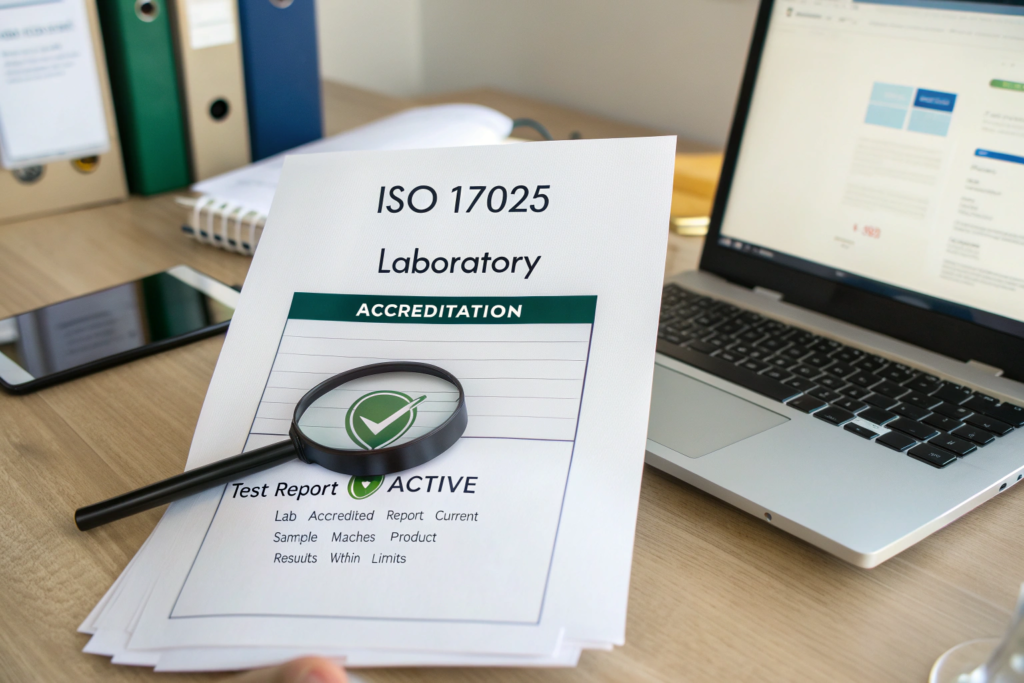
ISO 17025 is the international standard for the competence of testing and calibration laboratories. A laboratory that is accredited to ISO 17025 has been audited by an independent accreditation body and found to have the technical competence, the quality management system, and the impartiality to produce valid test results. Accreditation is the foundation of trust in laboratory testing. Checking a laboratory’s accreditation status is a straightforward process. The test report will display the accreditation body’s logo. Common accreditation bodies include A2LA in the United States, UKAS in the United Kingdom, DAkkS in Germany, COFRAC in France, and CNAS in China. The report will also display the laboratory’s accreditation number, a unique alphanumeric code. Go to the accreditation body’s website. Each body maintains an online directory of accredited laboratories. Enter the laboratory name or the accreditation number into the directory search. The search result will show the laboratory’s name, address, accreditation status, active, suspended, or withdrawn, the accreditation expiry date, and the scope of accreditation. The scope of accreditation is a document that lists the specific test methods for which the laboratory is accredited. Open the scope document and search for the test methods you require, EN 1811 for nickel release, and CPSC-CH-E1001-08 or a similar method for lead content. The test method must be listed on the scope. If it is not, the laboratory is not accredited for that specific test, and the report may not be accepted by authorities or retailers. If the laboratory is not in the directory, or if the accreditation status is not active, the report is not valid. This check takes five minutes online and provides a definitive answer. We provide our clients with the accreditation details for every laboratory we use, and we encourage them to verify independently.
What Should a Valid Heavy Metals Test Report Include?
A valid heavy metals test report is a comprehensive document that tells the complete story of the test. A report that is missing key information is not reliable, even if it comes from an accredited laboratory. The report must include the laboratory’s full name, address, and contact information, and the ISO 17025 accreditation logo and accreditation number. A unique report number and the date the report was issued. The name and address of the client who submitted the sample, which should be the factory or the brand. A detailed description of the sample tested. For a metal hair clip, this should include the product name, the style number, the metal component tested, such as "snap clip spring" or "alligator clip body," the material, such as "iron with silver plating," and the color. A photograph of the sample is highly desirable. The date the sample was received by the laboratory and the date the testing was performed. The test methods used, stated in full. "EN 1811:2011 + A1:2015 Reference Method" for nickel release, and "CPSC-CH-E1001-08" or "EN 16711" for lead content. The test results, expressed in the correct units. Nickel release in micrograms per square centimeter per week, with the result stated to at least one decimal place. Lead content in parts per million, or milligrams per kilogram, with the result stated as a whole number. The limit of detection or limit of quantification for each test, which is the lowest concentration the method can reliably measure. A result reported as "Not Detected" must be accompanied by the detection limit. The signature and title of the authorized laboratory representative. A statement that the results relate only to the sample tested. This is a standard disclaimer that prevents the report from being applied to a different product. If any of these elements is missing, the report is incomplete and its validity can be challenged. We review every test report against this checklist before sharing it with our clients.
Conclusion
Verifying that metal hair clips are nickel-free and lead-free is not a matter of trust. It is a matter of documented, verifiable scientific evidence obtained from an independent, accredited source. The health risks are real. Nickel allergy affects millions of people and makes wearing contaminated accessories a painful experience. Lead is a neurotoxin with no safe level of exposure, particularly for children. The regulations, REACH in Europe and CPSIA in the United States, are clear, strict, and enforced. The consequences of non-compliance range from market withdrawal to legal liability to brand destruction. The verification process we have walked through, understanding the regulations and the specific limits they impose, requiring laboratory testing to the correct standards, and validating the authenticity and completeness of the test reports, is the only reliable way to ensure that the metal hair clips you source are safe and legally compliant.
At AceAccessory, we have integrated heavy metals compliance into our product development and quality control systems. We source metal components only from audited suppliers who provide material composition declarations and who are subject to our own incoming material testing. We test finished products at ISO 17025 accredited laboratories on a regular schedule, and we maintain current, valid test reports for every metal accessory we produce. We provide full transparency to our clients, sharing the complete test reports, not just the cover pages, and supporting our clients in their own compliance verification processes. Our project managers are trained in the regulatory requirements for the EU and US markets and can guide you through the documentation you need.
If you are sourcing metal hair clips or any metal accessories, and you want a manufacturing partner who treats heavy metals compliance as a fundamental requirement, not an optional extra, I invite you to contact us. Reach out to our Business Director, Elaine, at elaine@fumaoclothing.com. Tell her about your product, your target market, and your compliance documentation needs. She can provide sample test reports, explain our metal sourcing and testing protocols, and give you the confidence that the accessories you sell are safe for your customers. Do not rely on a factory’s word. Rely on accredited laboratory science.