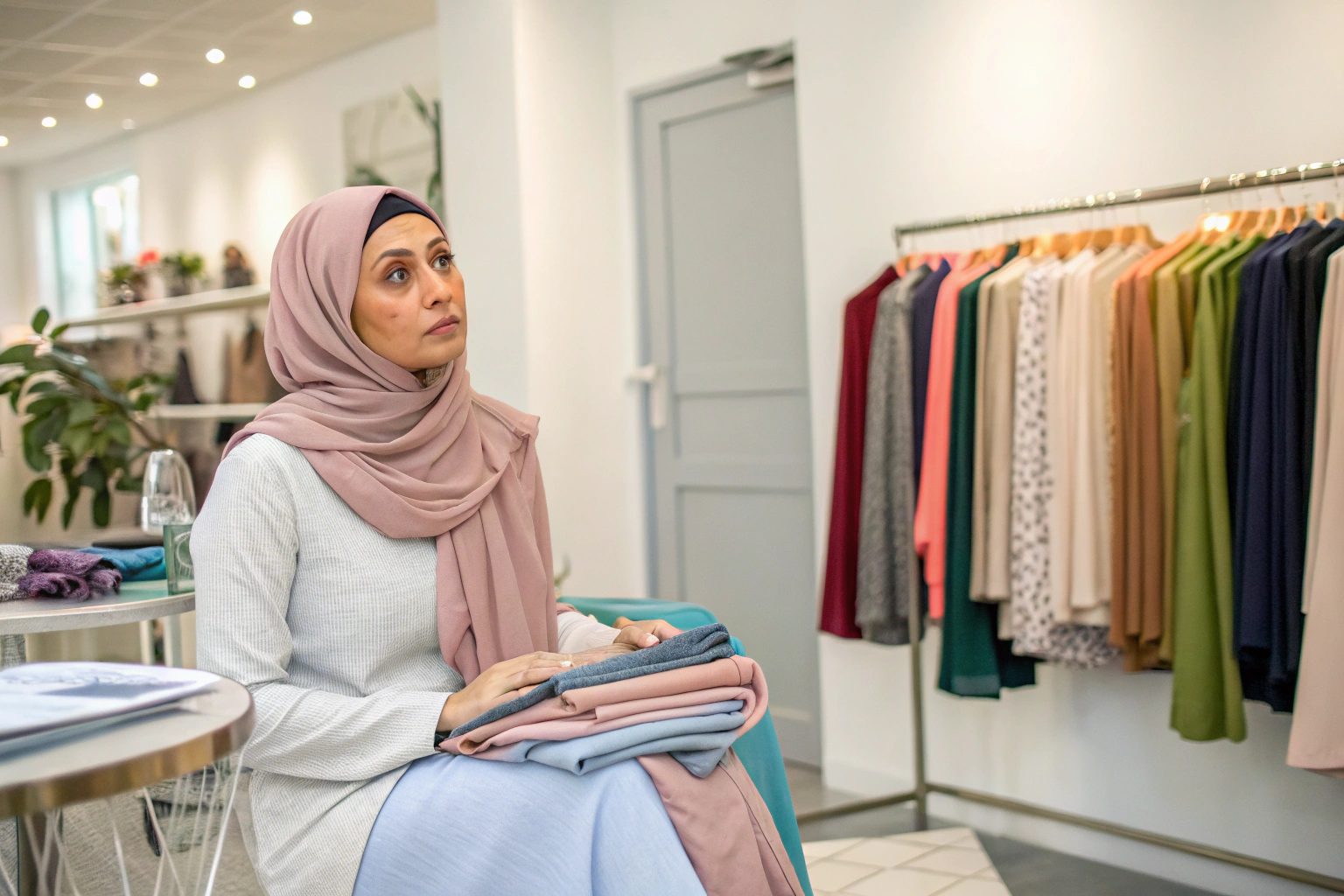
A modest fashion brand founder from London sat in my showroom last spring, and she was visibly frustrated. She had spent months developing a collection of hijabs with a unique architectural drape, an angled front edge that framed the face in a specific, flattering way, and a lightweight, breathable construction that would appeal to active, fashion-conscious Muslim women. She had visited five factories. Two told her they only produced standard rectangular hijabs and could not accommodate a custom shape. Two others tried but produced samples where the shape was inconsistent, the edge finishing was rough, and the drape was all wrong. The fifth factory told her the minimum order for a custom-shaped hijab was 10,000 units, far beyond her startup volume. She had almost given up on her vision when she walked through our door. I listened to her concept, examined her reference images and her technical sketches, and told her we could absolutely produce what she was envisioning. Six weeks later, her first collection launched. The signature shaped hijab became her bestseller, and her brand has since been featured in several prominent modest fashion publications.
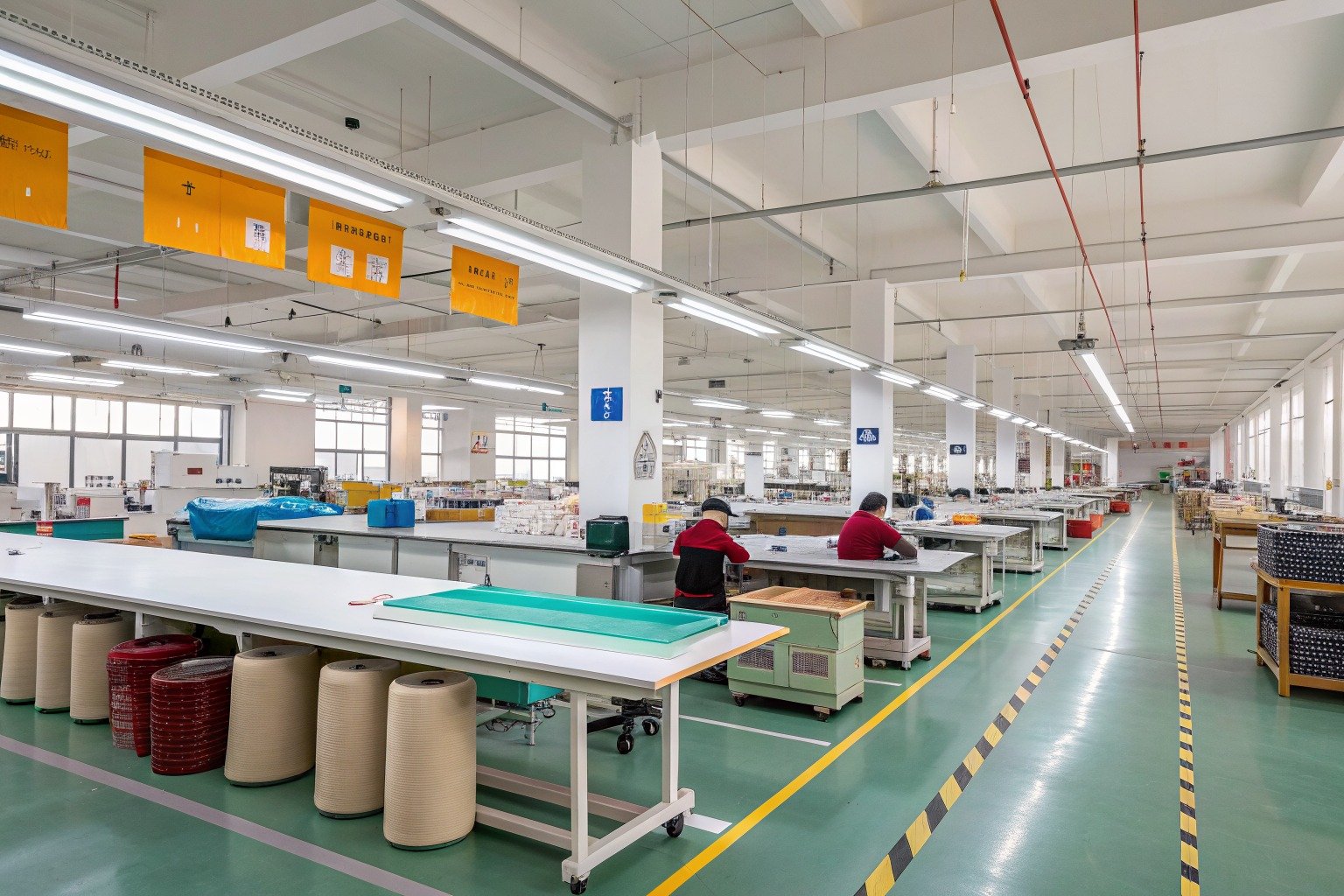
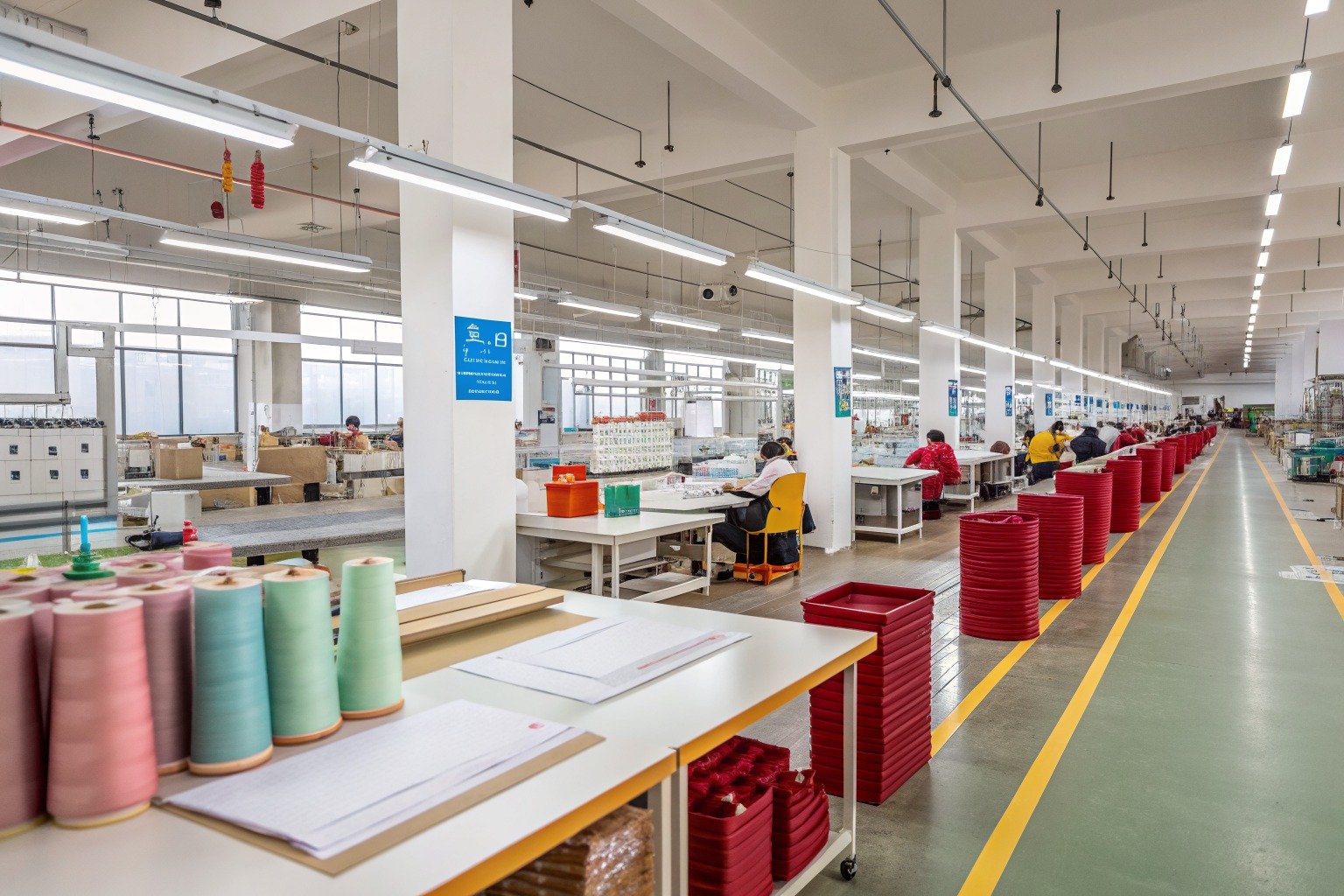
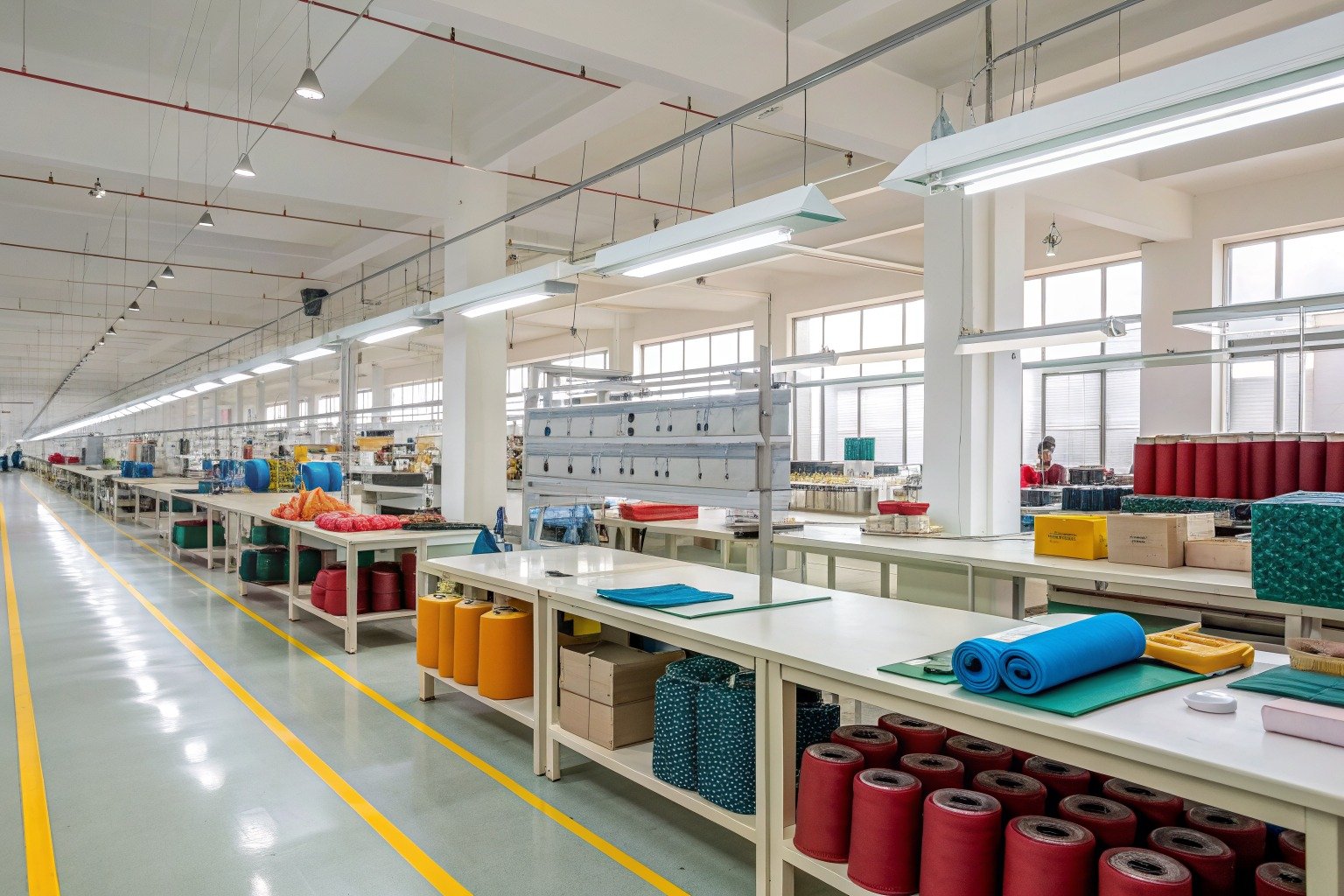
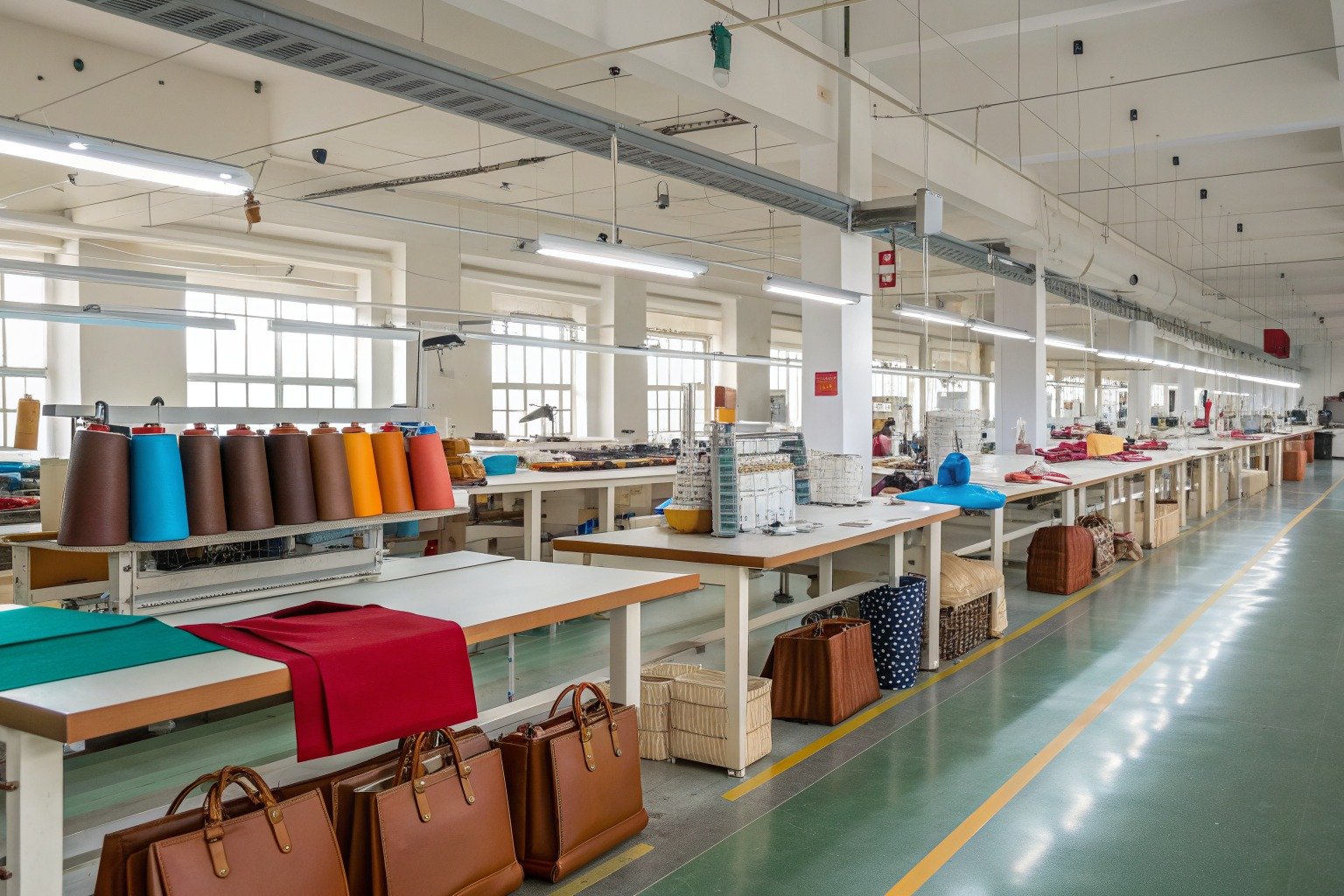
Yes, our factory produces fully custom shaped head scarves for hijab fashion, with the capability to execute virtually any silhouette, contour, or edge profile that a brand envisions. We produce custom-shaped hijabs in a comprehensive range of fabrics including lightweight georgette, breathable bamboo jersey, soft modal, premium chiffon, and sustainable Tencel, all selected for the specific drape, opacity, and comfort requirements of hijab wear. Our in-house pattern making team translates your design concept into a precise, repeatable production pattern. Our cutting department uses both precision laser cutting for clean, sealed edges on synthetic fabrics and skilled hand cutting for delicate natural fibers. Our edge finishing options include baby overlock, rolled hem, bias binding, and contrast taping, each applied with the meticulous quality that hijab fashion demands. Our MOQs are flexible, starting from as low as 200 pieces per design for brands launching new shapes, and our sampling process is fast and collaborative.
The hijab fashion market is one of the most dynamic and creative segments in the global accessories industry. It is driven by a new generation of designers who are reimagining the hijab not just as a religious garment but as a canvas for personal style, cultural identity, and fashion innovation. These designers need manufacturing partners who understand the specific technical requirements of hijab construction, the importance of consistent drape, the necessity of comfortable, secure fit, and the aesthetic nuances of modest fashion. At AceAccessory, we have invested in developing specialized expertise in hijab production because we believe in the growth and the creative potential of this market. Let me walk you through exactly how we bring custom shaped hijabs from concept to finished product.
What Custom Shapes Can You Create for Fashion Hijabs
The silhouette of a hijab is its defining characteristic. The shape determines how the fabric drapes around the face, how it falls over the shoulders, how it moves with the wearer, and what kind of styling options it offers. For decades, the hijab market was dominated by standard rectangles and squares. That era is over. Today’s hijab fashion brands are exploring shaped silhouettes that offer new aesthetics, new functionality, and new ways for the wearer to express her personal style. The creative possibilities are limited primarily by the physics of fabric drape and the practical requirement that the hijab adequately cover the hair and neck.
Our factory can produce custom shaped hijabs in four broad silhouette categories. Face-framing contours are the most popular category, where the front edge of the hijab is cut with a curved, angled, or asymmetric profile that creates a specific framing effect around the face. A soft crescent curve, a sharp diagonal angle, a layered cascade, or a subtle wave are all achievable. Draped and sculptural shapes are for designers pushing the boundaries of hijab as wearable art. These hijabs may feature asymmetric hems, high-low lengths, integrated capes, or built-in volume that creates a specific sculptural effect when worn. Functional sports and active shapes prioritize security and performance. These hijabs may be contoured to stay in place during physical activity, with a shaped nape that covers the neck securely, a shorter front length that does not interfere with movement, and integrated undercap or tie features. Layered and multi-component shapes combine multiple pieces into a single hijab design. A hijab with an attached, shaped undercap. A hijab with a built-in scrunchie or tie at the back. A two-layer hijab with a contrast under-layer that peeks out at the edges. The pattern engineering for these shapes requires expertise in three-dimensional draping and an understanding of how the fabric will behave on the human head.
Each silhouette category requires a different approach to pattern making, cutting, and construction. A simple face-framing curve is achieved with a modified rectangular pattern. A complex sculptural shape requires a multi-piece pattern with darts, seams, and precisely calculated grain lines. Let me explain the two most technically demanding shape categories.
How Do You Create a Consistent Face-Framing Curved Front Edge?
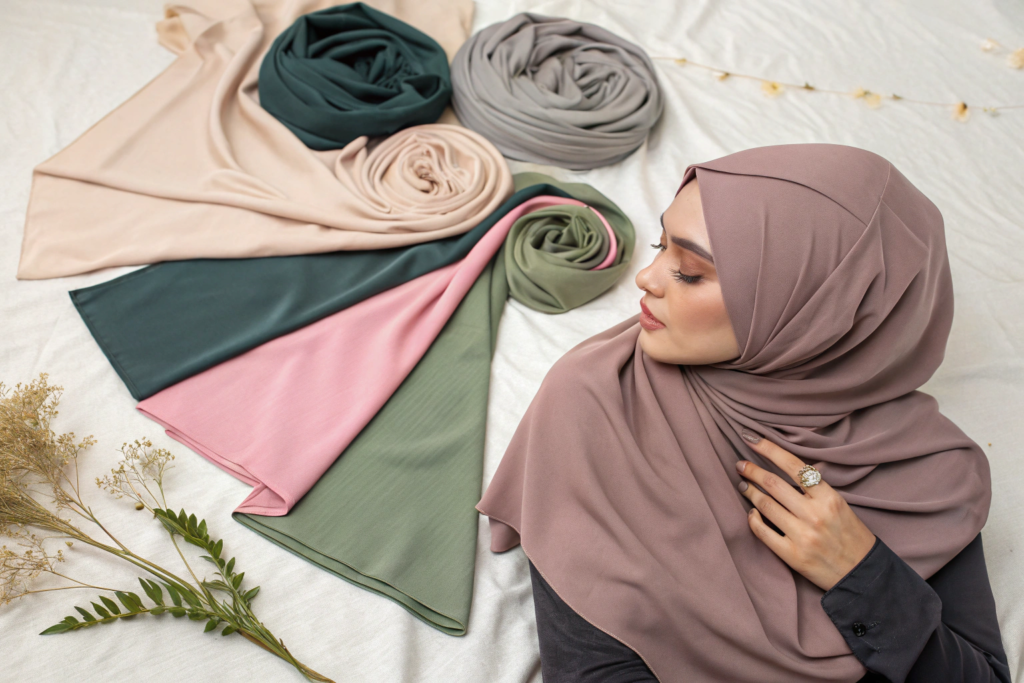
The face-framing curved front edge is the signature detail of many premium hijab brands. The curve is designed to create a soft, flattering line around the face, often mimicking the crescent of a moon or the gentle sweep of a calligraphic stroke. The technical challenge is achieving a consistent, smooth curve that drapes correctly on the head, without puckering, twisting, or losing its shape. The process begins with the pattern. A standard rectangular hijab pattern is modified by drafting a curved line along the front edge. The curve is not a simple arc of a circle. The human face is not a symmetrical geometric shape when viewed from the side and from below, which is the angle at which the hijab frames it. The curve must be drafted with a subtle compound shape, slightly flatter across the forehead and slightly more curved at the temples, to create a natural-looking frame. Our pattern maker uses a combination of digital pattern drafting software and physical draping on a head form to perfect the curve. The grain line of the fabric is critical. For a woven fabric like georgette or chiffon, the front edge curve should be cut on the bias, at a 45-degree angle to the straight grain. Bias-cut fabric has a natural elasticity and fluidity that allows the curve to drape softly without puckering. A curve cut on the straight grain will be stiff and may pucker at the tightest point. For a knit fabric like jersey, the stretch of the knit itself provides the needed flexibility, and the grain line is less critical. The edge finishing reinforces the curve. A baby overlock stitch with a fine thread, or a meticulously executed rolled hem, follows the curve smoothly without creating tension that would distort the shape. The sewing machine operator must be skilled in feeding the curved edge through the machine at a consistent speed and tension. After sewing, the hijab is pressed on a curved pressing form that matches the contour of the finished piece. This sets the curve and ensures it holds its shape. The finished hijab is inspected on a head form under natural lighting. The curve is visually assessed from multiple angles. Any puckering, asymmetry, or distortion is a defect.
Can You Produce Asymmetric and Layered Hijab Designs?
Asymmetric and layered hijab designs are the frontier of hijab fashion innovation. An asymmetric hijab might have one side longer than the other, a diagonal hem that falls from a shorter length at one shoulder to a longer length at the opposite hip, creating a dramatic, sculptural silhouette. A layered hijab might feature two layers of fabric, a sheer chiffon outer layer and an opaque jersey inner layer, sewn together along the front edge, with the inner layer providing coverage and the outer layer providing movement and visual depth. These designs are complex to engineer. An asymmetric hijab is not simply a rectangle cut on an angle. The drape of the fabric on the body is affected by gravity, the wearer’s shoulder slope, and the way the hijab is wrapped or pinned. The pattern must be drafted in three dimensions, often by draping fabric directly on a body form and marking the desired lines. The draped fabric is then removed from the form and transferred to a flat paper pattern. This is a couture-level pattern making technique. The cutting of asymmetric pieces requires careful fabric utilization. Because the pieces are not simple rectangles, they do not nest together efficiently on the fabric width. This results in higher fabric consumption and slightly higher material cost per hijab, which must be factored into the pricing. The sewing of asymmetric hems requires the same skilled curve-handling as the face-framing curve, applied to longer, more complex edge lines. A layered hijab presents the additional challenge of managing two different fabrics with different stretch, weight, and drape characteristics. The layers must be cut to slightly different dimensions to account for the differential drape. The inner layer, which sits closer to the head, may be slightly smaller to prevent it from peeking out unintentionally. The outer layer may be slightly larger to create the desired overflow and movement. The layers are joined along the front edge with a single seam or binding that encloses both raw edges. The seam must be perfectly smooth against the forehead, with no ridges or bumps that could cause discomfort during extended wear. The result of successful asymmetric and layered construction is a hijab that is not just a garment but a design object, a piece of wearable sculpture that moves beautifully and photographs dramatically.
What Fabrics Work Best for Shaped Hijab Construction
Fabric is the foundation of hijab design. The fabric determines the drape, the opacity, the breathability, the weight, the care requirements, and the overall aesthetic of the finished piece. For custom shaped hijabs, fabric selection is even more critical than for standard rectangular hijabs because the fabric must hold the intended shape while still draping naturally on the body. A fabric that is too stiff will look sculptural but feel uncomfortable. A fabric that is too fluid will lose the shape definition. The ideal fabric for a shaped hijab balances structure, drape, comfort, and aesthetic appeal.
The best fabrics for custom shaped hijab construction are those that combine a degree of structural memory with a soft, fluid hand. Lightweight georgette is the most popular choice for face-framing and draped styles. It is a woven fabric with a subtle crinkle texture, excellent drape, and enough body to hold a shaped edge without being stiff. Bamboo jersey is the preferred choice for active, everyday, and sensory-friendly hijabs. It is a knit fabric with exceptional softness, breathability, and a gentle stretch that conforms comfortably to the head. Premium chiffon is the choice for luxury and special occasion hijabs. It is a sheer, floaty fabric with a beautiful movement, often used as an outer layer in layered designs. Modal is a newer entrant in the hijab fabric market, prized for its silky smoothness and its excellent drape. It is a semi-synthetic fiber made from beechwood pulp, with eco-friendly credentials that appeal to sustainability-conscious consumers. Cotton voile is a classic natural fiber option, breathable and crisp, suitable for warm climates. Tencel, a branded lyocell fiber, offers a sustainable choice with a soft, smooth hand and good shape retention.
Each fabric requires specific handling during cutting and sewing. Georgette and chiffon are slippery and delicate. They require skill to cut accurately and to sew without puckering. Bamboo jersey stretches and must be handled with care to avoid distorting the shape during sewing. Modal is smooth and dense, sewing beautifully but requiring sharp needles to avoid snagging. Our production team is trained in the specific handling requirements of each fabric type. Let me detail the two most important fabric characteristics for shaped hijabs.
Why Is Fabric Drape Critical for Custom Hijab Silhouettes?
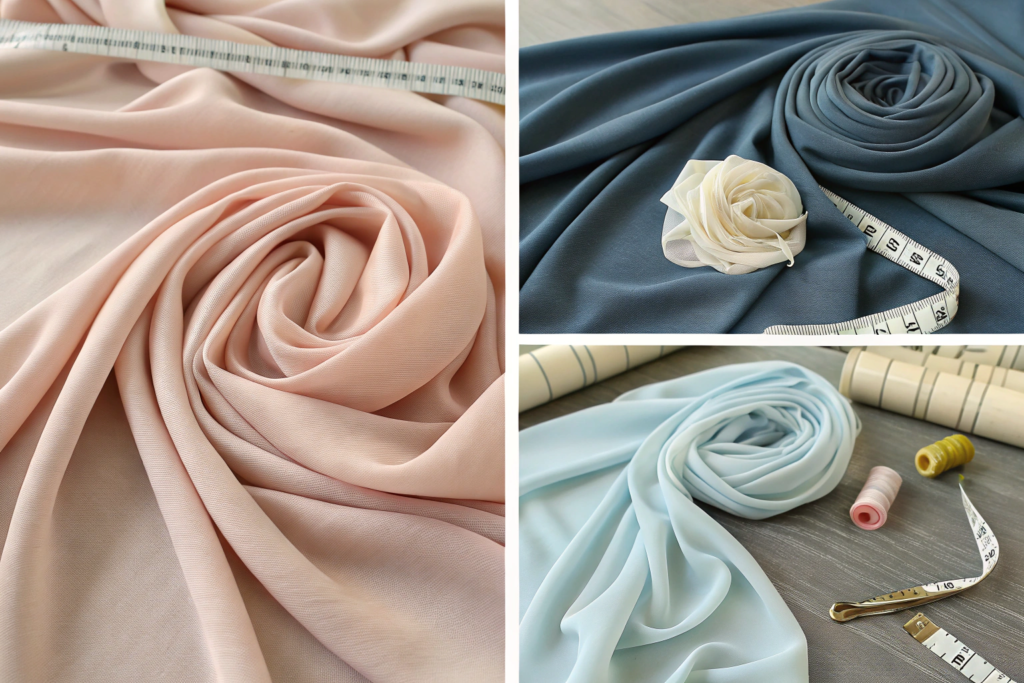
Drape is the way a fabric hangs under its own weight. It is a combination of the fabric’s stiffness, weight, and surface friction. A fabric with a soft, fluid drape falls in gentle folds and follows the contours of the body. A fabric with a stiff drape stands away from the body and holds its own shape. For a custom shaped hijab, the drape must be exactly right. If the drape is too stiff, the shaped edge will look harsh and angular. The hijab will not move naturally with the wearer. It will look like a costume piece, not a fashion accessory. If the drape is too fluid, the shaped edge will lose its definition. A carefully drafted face-framing curve will collapse into a formless line. The hours of pattern making and skilled sewing will be invisible. The drape must be balanced. The fabric must have enough body to hold the shape definition while also having enough fluidity to fall gracefully. Georgette achieves this balance beautifully. The crinkle texture of georgette gives it a slight structural memory. When it is cut on the bias and shaped, it holds the curve while still draping softly. Bamboo jersey achieves the balance through its knit construction. The stretch of the knit allows it to conform to the head and hold a shape through tension, while the softness of the bamboo fiber gives it a fluid, comfortable feel. Modal achieves the balance through its fiber properties. Modal has a high wet modulus, meaning it retains its strength and shape when wet, which translates to a fabric that drapes beautifully and holds its form. When developing a new hijab shape, we create samples in the intended fabric and evaluate the drape on a head form and on a live model. We photograph the drape from multiple angles. We observe how the shape holds up when the wearer moves, turns her head, and walks. If the drape is not right, we adjust the fabric choice, the pattern, or the cutting angle until it is.
How Do You Ensure Opacity in Lightweight Hijab Fabrics?
Opacity is a critical requirement for hijab fashion. The hijab is a covering garment. It must obscure the hair and neck from view. Lightweight fabrics like georgette and chiffon are inherently semi-sheer. A single layer held up to the light is translucent. This presents a challenge for shaped hijab designs that use these fabrics. The hijab must provide adequate coverage while maintaining the lightweight, breathable quality that makes these fabrics desirable. There are several strategies for ensuring opacity. The most common is layering. Many lightweight hijabs are designed as two-layer pieces. The outer layer is the fashion fabric, the georgette or chiffon. The inner layer is an opaque lining fabric, typically a lightweight polyester or cotton blend in a matching color. The two layers are cut together, sewn together along the edges, and worn as a single piece. The lining provides the opacity. The fashion layer provides the aesthetic. The two-layer construction also adds body and improves the drape of the shaped edges. The layers move together, with the lining providing a smooth, non-slip surface against the hair and the outer layer providing the visual texture and movement. A second strategy is fabric selection. Not all lightweight fabrics are equally sheer. A heavier weight of georgette, sometimes called crepe georgette or double georgette, provides more coverage than a standard georgette. Bamboo jersey, while lightweight, is naturally opaque because of its knit construction. The loops of the knit trap air and create a fabric that is not see-through even in light colors. A third strategy is the use of a separate undercap. The hijab itself may be a single layer of semi-sheer fabric, worn over an opaque undercap that covers the hair. This is a traditional styling approach that offers maximum flexibility. The wearer can pair the sheer hijab with any color undercap to create different looks. The strategy chosen depends on the brand’s design philosophy, the target customer’s preferences, and the specific aesthetic of the collection. We work with our brand clients to select the opacity strategy that best aligns with their vision.
What Edge Finishing Techniques Are Used for Premium Hijabs
The edge finish is the detail that separates a mass-market hijab from a premium fashion piece. It is what the wearer sees up close, what she feels against her skin, and what communicates the quality and care that went into the product. A poorly finished edge, with loose threads, uneven stitching, or a rough texture, undermines the entire design. A beautifully finished edge, smooth, consistent, and elegant, elevates the hijab and justifies a premium price. The choice of edge finish is both an aesthetic and a functional decision. It must complement the fabric, the shape, and the brand’s design language.
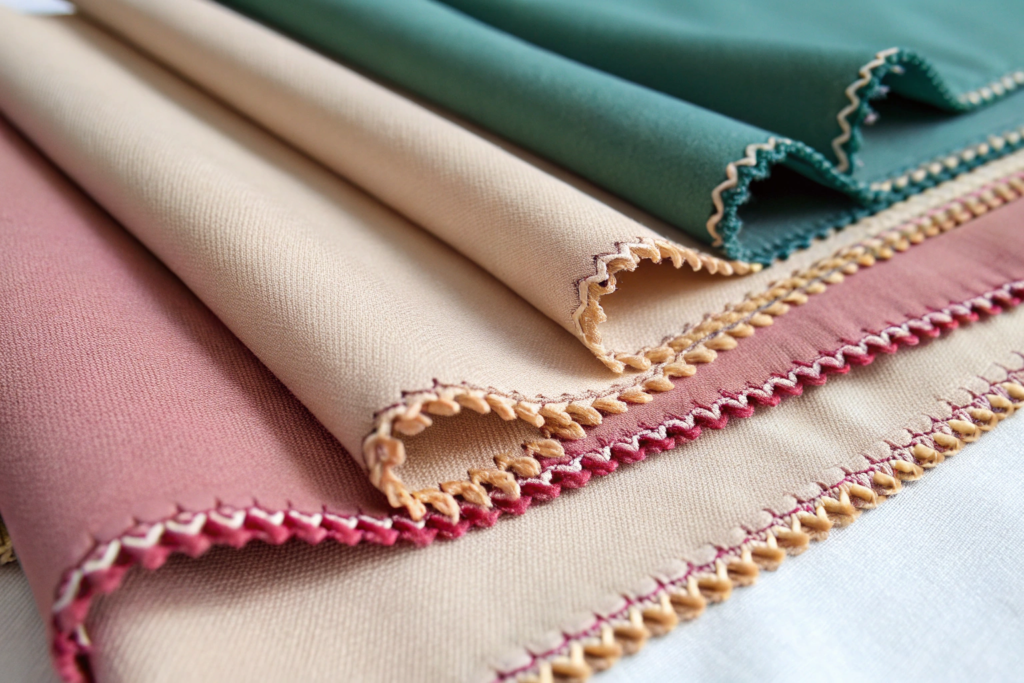
The edge finishing techniques used for premium hijabs are the baby overlock, a fine, narrow overlock stitch that encases the raw edge in thread and is ideal for lightweight fabrics and simple, understated designs. The rolled hem, also called a pin hem, where the fabric edge is tightly rolled and stitched with a straight stitch, creating a clean, almost invisible finish that is the gold standard for luxury hijabs. The bias binding, where a strip of fabric cut on the bias is wrapped over the raw edge and topstitched, available in self-fabric for a seamless look or in a contrast color or print for a decorative accent. The contrast taping, where a pre-made tape, often satin or grosgrain ribbon, is stitched over the edge, providing a crisp, defined border that adds structure and a sporty or tailored aesthetic. Each technique has its own visual character, its own cost, and its own production time. The choice depends on the design intent and the brand positioning.
The execution of the edge finish is as important as the choice of technique. A baby overlock on a georgette hijab must use a fine, 120-denier or finer thread to avoid a bulky edge. The thread tension must be perfectly balanced to avoid puckering the lightweight fabric. A rolled hem on a chiffon hijab is a test of the sewing machine operator’s skill. The hem is rolled by hand or with a specialized rolled hem foot, and the stitching must be perfectly straight and consistently close to the edge. A bias binding must be cut on the true bias, at exactly 45 degrees, to curve smoothly around the shaped contours of the hijab without twisting or bunching. Let me explain the two most prestigious edge finishes.
What Is the Difference Between Baby Overlock and Rolled Hem Finishes?
The baby overlock and the rolled hem are the two most common edge finishes for premium hijabs, and they represent two different design philosophies. The baby overlock, sometimes called a picot edge or a delicate overlock, is a machine stitch that uses two or three threads to encase the raw edge of the fabric. The stitch wraps around the edge, preventing fraying and creating a narrow, finished border. A baby overlock on a hijab uses a very fine thread, often a 120-denier polyester or a fine cotton-wrapped polyester, and a very small stitch length. The resulting edge is about 2 to 3 millimeters wide. It is visible but unobtrusive. The baby overlock is efficient to produce. A skilled operator can overlock the edges of a hijab in a few minutes. It is durable, holding up well to repeated washing and wearing. It has a slightly sporty, modern aesthetic that works well for everyday hijabs and active styles. The rolled hem is a different category of finish. It is a couture technique that requires exceptional skill. The raw edge of the fabric is folded over twice, creating a tiny, tight roll, and stitched down with a straight stitch. The roll is typically 1 to 2 millimeters in diameter. The thread is a very fine, 80-weight or 100-weight polyester, and the stitch is almost invisible. The result is an edge that looks like the fabric simply ends, with no visible seam or stitch. The rolled hem is the most labor-intensive edge finish. It takes significantly longer to execute than a baby overlock. The cost reflects the labor. It is the finish of choice for luxury hijabs, special occasion pieces, and brands that position themselves at the highest end of the market. The choice between baby overlock and rolled hem is a choice between modern efficiency and traditional craft, between sporty and luxurious, between affordable premium and ultra-premium.
Can You Add Contrast Binding or Taping for a Signature Look?
Contrast binding and taping are edge finishes that double as design features. They are not just about finishing the raw edge. They are about creating a visual signature that makes the hijab instantly recognizable. Contrast binding is a strip of fabric, cut on the bias from a contrasting color or a coordinating print, that is wrapped over the raw edge of the hijab and topstitched in place. The binding typically extends 5 to 10 millimeters onto the face of the fabric, creating a visible border. The contrast binding adds structure to the edge, helping the shaped hijab hold its form. It also adds a pop of color or pattern that can be a brand’s signature detail. A brand might use a specific striped binding, a signature color binding, or a binding made from the same fabric as the rest of the collection, on every hijab they produce. Contrast taping is similar, but it uses a pre-made tape rather than a self-fabric binding. The tape is typically a satin ribbon, a grosgrain ribbon, or a woven jacquard tape. It is stitched over the edge using a two-needle topstitching machine. Contrast taping has a crisp, defined look. It is popular for sports hijabs, where the tape adds durability and a athletic aesthetic, and for tailored, structured hijab styles. The technical challenge of contrast binding and taping on shaped hijabs is navigating the curves. A straight tape or binding will not lay flat on a curved edge. The bias binding, because it is cut on the bias, has natural stretch that allows it to be eased around curves. The pre-made tape, if it is not stretchy, must be carefully manipulated, sometimes with small pleats or gathers on the inside of the curve, to follow the contour without twisting. The topstitching must be perfectly parallel to the edge and consistent in distance, typically 1 to 2 millimeters from the binding or tape edge. This level of precision requires a skilled operator and a well-maintained machine. The contrast binding or taping adds cost due to the additional material and the additional labor. But it also adds significant perceived value and brand differentiation. It is a detail that consumers notice, appreciate, and associate with quality.
Conclusion
Custom shaped head scarves for hijab fashion represent the intersection of tradition and innovation, faith and fashion, coverage and creativity. The brands that are succeeding in this market are those that treat the hijab not as a commodity but as a design object, with every aspect of its construction, the shape, the fabric, the drape, the edge finish, considered and intentional. We have explored the silhouette possibilities, from face-framing curves that soften and flatter to asymmetric and layered designs that push the boundaries of hijab as wearable sculpture. We have examined the fabric choices, georgette for its balanced drape, bamboo jersey for its soft comfort, chiffon for its ethereal beauty, and modal for its silky luxury, each requiring specific handling and each contributing a unique aesthetic. We have detailed the edge finishing techniques, the baby overlock for modern sportiness, the rolled hem for couture luxury, the contrast binding and taping for signature branding, each a reflection of the brand’s positioning and commitment to quality.
At AceAccessory, we approach hijab production with the respect and the attention to detail that this category deserves. We understand that a hijab is not just a piece of fabric. It is an expression of identity, a tool of empowerment, and a garment that must perform flawlessly in the wearer’s daily life. Our pattern makers, our cutting team, our sewing specialists, and our QC inspectors all receive specific training in hijab construction. We work with modest fashion brands from startups to established names, and we treat every project, whether 200 pieces or 20,000 pieces, with the same dedication to quality and consistency.
If you are a modest fashion brand developing a custom shaped hijab collection, and you are looking for a manufacturing partner who understands your design vision and your quality standards, I invite you to contact us. Reach out to our Business Director, Elaine, at elaine@fumaoclothing.com. Tell her about your brand, your design concepts, the fabrics you are drawn to, and the shapes you are imagining. She can arrange for samples, provide fabric swatches, and give you a quotation for a production run that brings your vision to life. Let us create hijabs that your customers will wear with confidence, pride, and style.