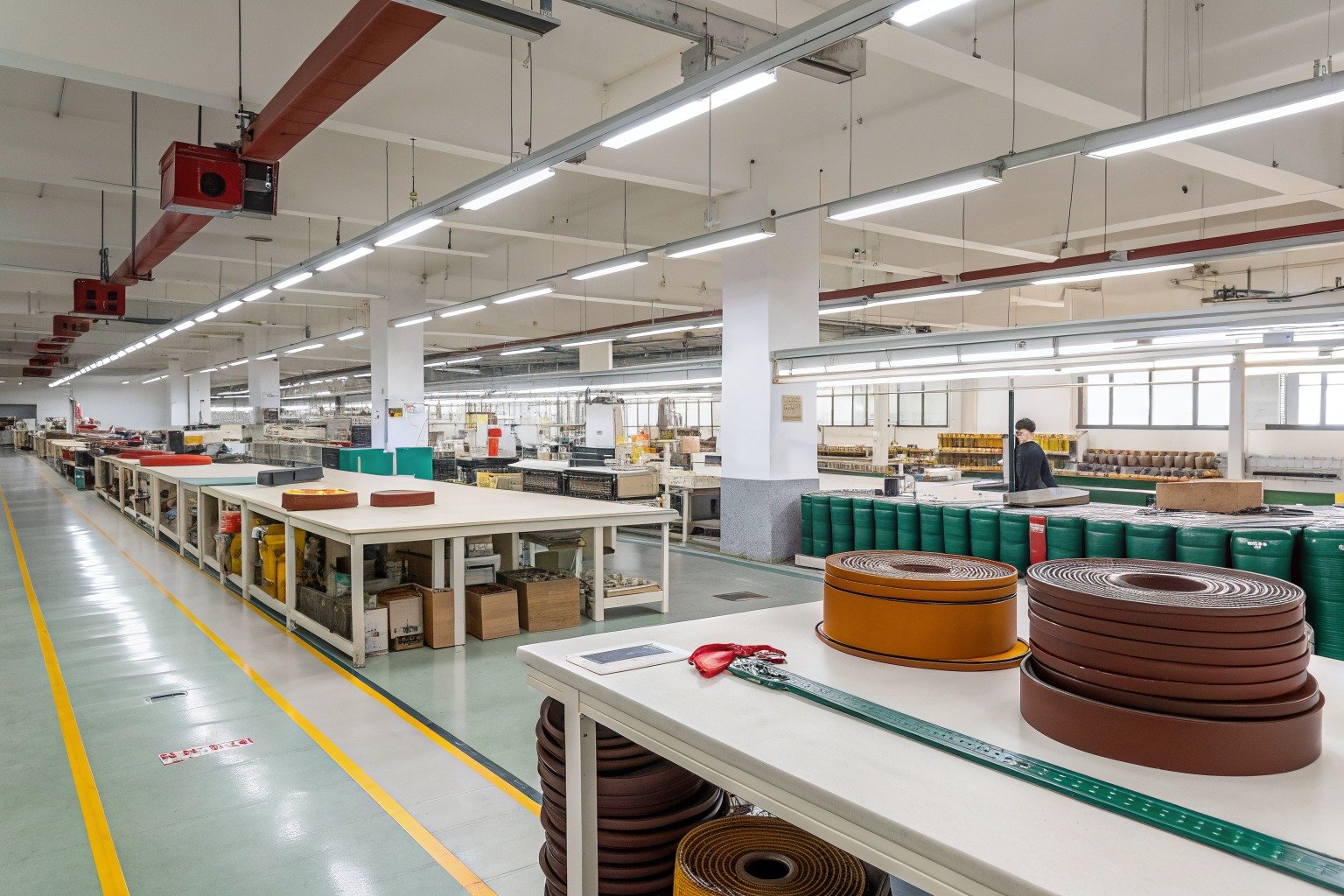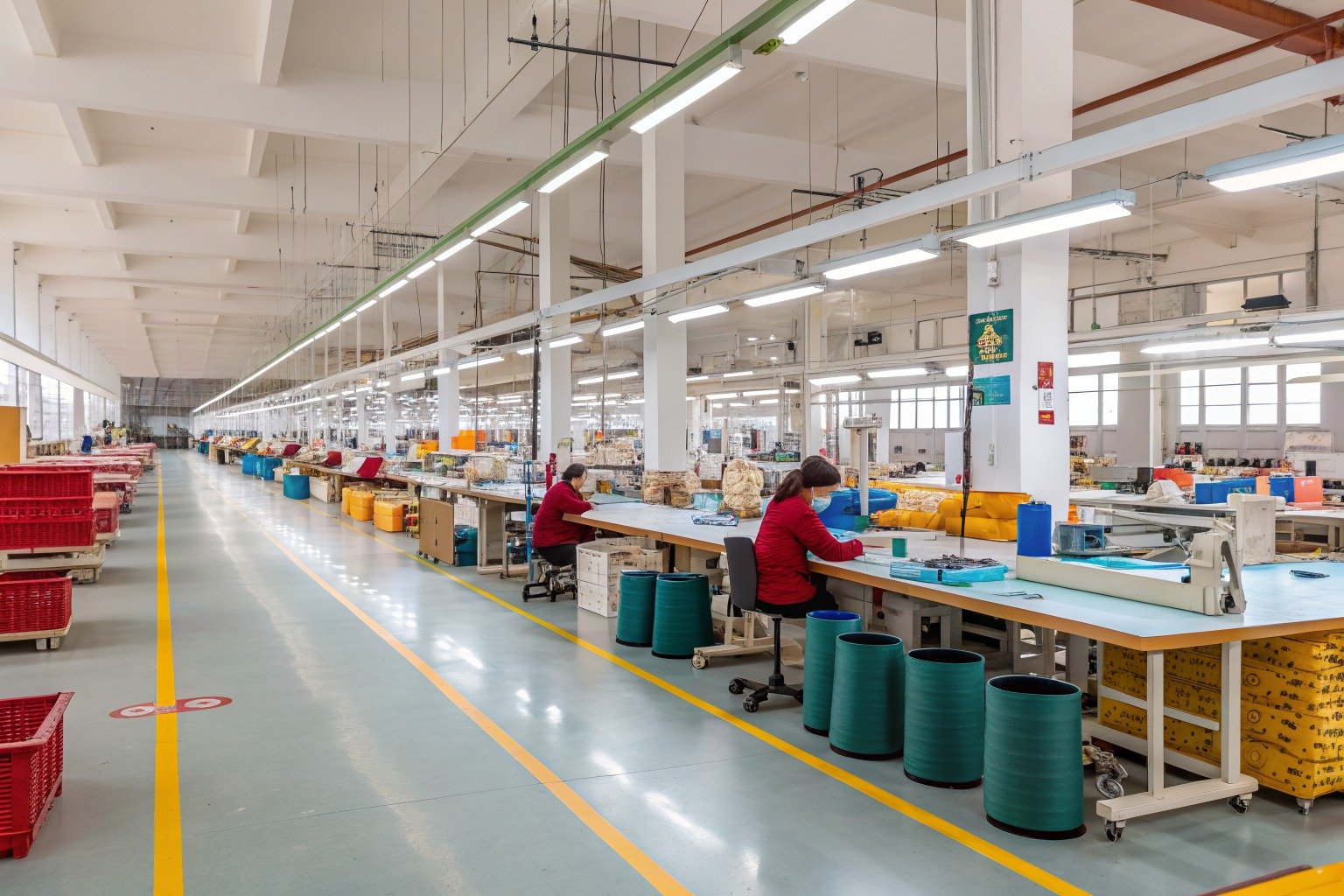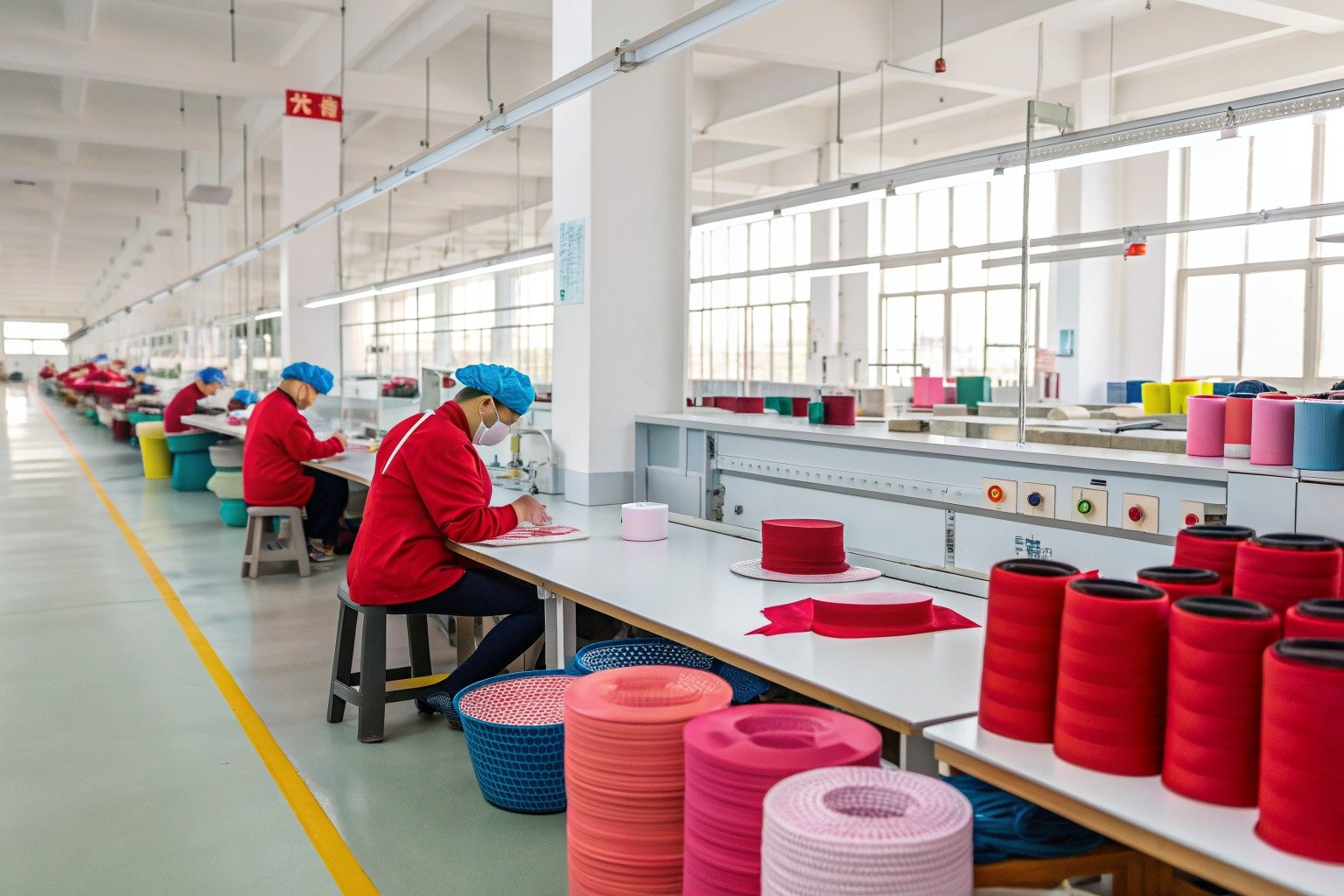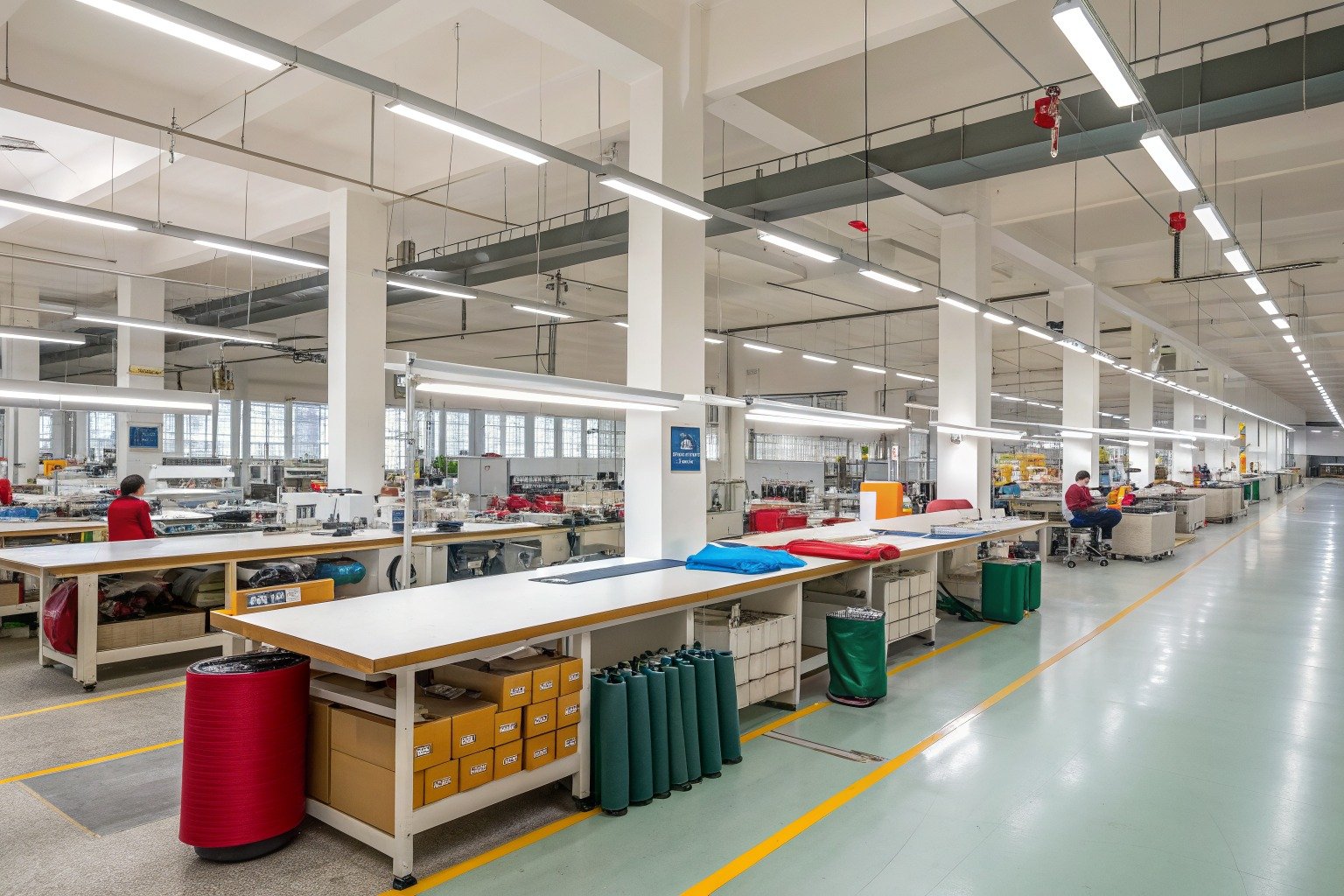
Have you ever watched your expensive umbrella invert and snap in a sudden gust of wind, leaving you soaked and holding a tangled mess of broken metal and torn fabric? I have experienced this frustration on a windy street in Shanghai. I had just bought a beautiful, branded umbrella from a designer store. It looked strong. It felt heavy. But when a tunnel gust hit it, the shaft bent like a drinking straw. The ribs twisted. The canopy exploded. I was left unprotected, embarrassed, and angry. The problem was not the wind. It was the material inside the shaft. The factory had used a cheap, thin-walled steel tube with a weak tensile strength. The umbrella was designed for fashion, not for function.
AceAccessory is a professional manufacturer and exporter of accessories. The most common 2026 umbrella shaft materials for wind resistance are high-tensile fiberglass, aircraft-grade aluminum alloy 7075, and triple-layer carbon fiber. These three materials offer the optimal balance of strength-to-weight ratio, flexibility, and corrosion resistance needed to withstand sudden, violent gusts without permanent deformation.
The shaft is the spine of the umbrella. It bears the full structural load. A fashion umbrella can have a weak spine and survive a drizzle. A wind-resistant umbrella must have an engineered, high-performance spine. As a factory owner in Zhejiang who develops umbrellas for the stormy European and American markets, I can explain the material science and the specific testing we use. This knowledge will help you choose a product that does not just survive a windy day, but dominates it.
Why Is High-Tensile Fiberglass the Most Popular Wind-Resistant Shaft?
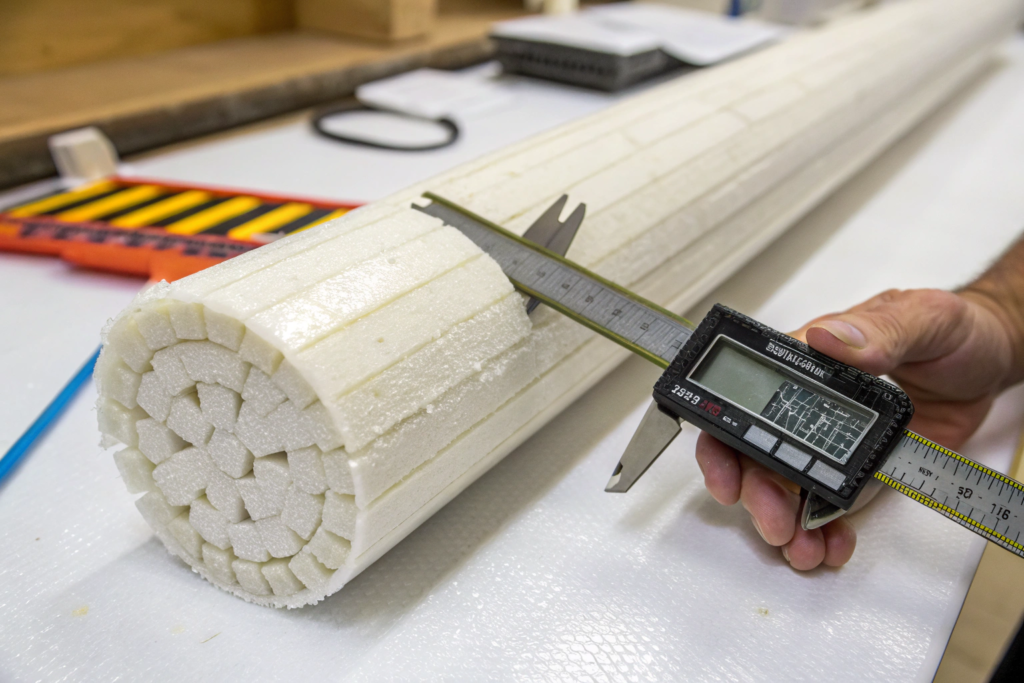
Fiberglass is not a single material. It is a composite. It is millions of continuous glass fibers, each thinner than a human hair, bound together in a high-strength polyester or epoxy resin. This combination creates a material with a unique property: a high elastic limit. This means it can bend significantly under load and then snap back to its original, straight shape instantly. It does not take a permanent bend.
In 2026, high-tensile pultruded fiberglass is the dominant shaft material for mid-to-high-end wind-resistant umbrellas. The "pultrusion" process pulls the glass fibers through a heated die, aligning them perfectly straight and packing them densely. The result is a solid or hollow tube with incredible flexural strength. A quality fiberglass shaft can bend into a complete U-shape without breaking. When the wind gust stops, it whips back to straight. This flexibility is the secret. A stiff, rigid metal shaft resists the wind until it reaches its yield point, and then it buckles permanently. A fiberglass shaft yields to the wind and then overcomes it. It is the judo master of umbrella materials. It does not fight the force; it flows with it and returns. It is also non-conductive. It is safe in a lightning storm. It does not corrode in salt air. It is the versatile champion of foul weather.
How Is the Flexural Strength of a Fiberglass Shaft Tested?
We use a three-point bend test. The shaft is supported at two ends, like a bridge. A hydraulic press pushes down on the center.
The force required to bend the shaft to a specific deflection is measured. We test to failure. A standard cheap steel shaft might fail at 30 kilograms of force. A premium fiberglass shaft will exceed 80 kilograms. It will not snap cleanly. It will splinter gradually with a loud, fibrous crackle. The test machine generates a stress-strain curve. The area under the curve represents the energy absorbed. Fiberglass absorbs significantly more energy than metal. This means it can survive a sudden, violent gust that would instantly snap an aluminum pole. We provide these test reports to our clients. It is the engineering truth behind the marketing claim of "windproof."
Why Is Fiberglass More Expensive Than Steel?
Steel is melted and cast. It is cheap and fast. Fiberglass is a precision composite. The raw materials, the glass rovings and the epoxy resin, are more expensive. The pultrusion process is slow. It runs at a few meters per minute. The tooling, the heated die, is costly. A fiberglass shaft costs roughly 3 to 5 times more than a standard steel shaft. But it lasts 10 times longer. It does not rust. It does not take a permanent set. The value proposition is the long-term durability. It is an investment, not a disposable commodity. This is the message that sells a premium umbrella.
What Makes Aircraft-Grade Aluminum Alloy 7075 a Premium Choice?
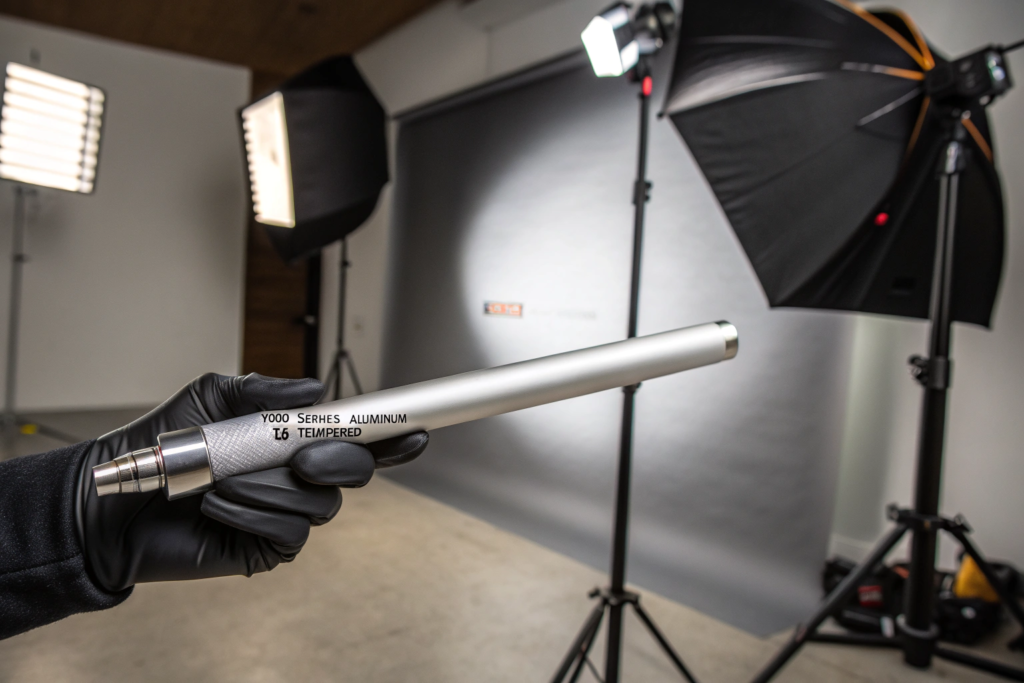
Not all aluminum is the same. A cheap umbrella uses a 6063 or 3003 series alloy. It is soft. It bends easily. A premium wind-resistant umbrella uses 7075 aluminum. This is an aerospace alloy. It is the same material used in aircraft wing spars and high-end bicycle frames. Its primary alloying element is zinc. It has a tensile strength comparable to some steels, but it weighs one-third as much.
The 2026 trend is the 7075-T6 aluminum shaft. The "T6" designation means it has been solution heat-treated and artificially aged. This tempering process creates a fine, uniform precipitate of zinc-magnesium-copper particles within the aluminum crystal lattice. These particles block dislocation movement. They make the material incredibly strong and hard. The shaft is machined from a solid bar or drawn from a seamless tube. It has no welded seam. A welded seam is a weak point. A seamless 7075 tube has uniform strength around its entire circumference. It is stiff. It does not flex like fiberglass. It resists the wind with pure, rigid strength. It is the choice for a traditional, classic gentleman’s umbrella that needs to perform in a storm. It also has a premium, cold, metallic feel. It conveys luxury and precision engineering. The anodized finish is durable and scratch-resistant. It is the premium metal choice for 2026.
Why Is the Seamless Construction of a 7075 Shaft Critical?
A welded tube has a heat-affected zone along the seam. The metal’s grain structure is altered. It becomes weaker and more brittle exactly where the bending stress is highest.
A seamless tube is drawn over a mandrel. The grain structure is continuous and uniform. There are no weak points. Under a bending load, it deforms evenly. We source our 7075 tubes from certified aerospace material suppliers. The tube is ultrasonically tested for internal cracks. It is a zero-defect product. This is the standard that justifies the high price of a luxury umbrella. It is a precision mechanical component.
What Is the Anodizing Process and Why Does It Matter?
Aluminum corrodes. It forms a white, powdery oxide. Anodizing is an electrochemical process that creates a thick, controlled, transparent oxide layer on the surface.
This layer is sapphire-hard. It is scratch-resistant. It can be dyed in various colors, but the most elegant is a matte black or a clear silver anodize. The layer also provides electrical insulation. It makes the shaft non-conductive to static and lightning. This is a safety feature. A cheap painted aluminum shaft chips easily. The paint peels. The metal corrodes underneath. An anodized finish is integral to the metal. It does not chip. It is the ultimate durable, premium surface for a metal umbrella shaft.
How Is Carbon Fiber Changing the Ultra-Premium Umbrella Market?
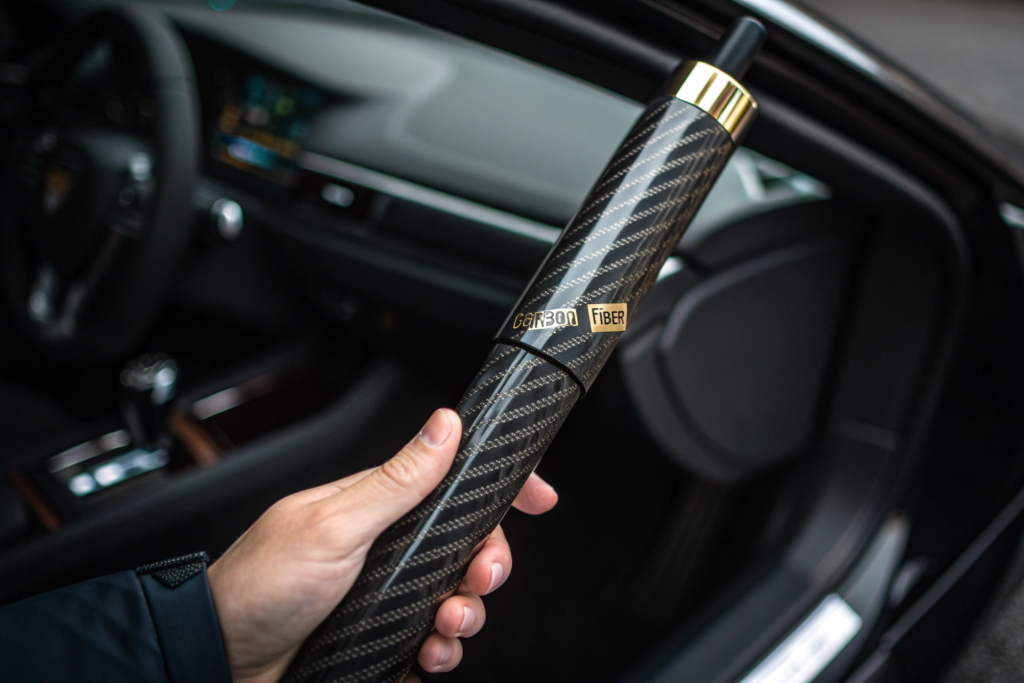
Carbon fiber is the material of Formula 1 race cars and aerospace super-structures. In 2026, it has entered the umbrella market at the absolute pinnacle of price and performance. A carbon fiber shaft is an ultralight, ultra-stiff marvel.
We use a rolled carbon fiber tube. The process starts with a thin sheet of "pre-preg" carbon fiber. This is a fabric woven from carbon filaments, pre-impregnated with a precise amount of epoxy resin. The sheet is rolled tightly around a polished steel mandrel. It is then wrapped with a shrink tape and cured in a high-pressure autoclave oven at 120 degrees Celsius. The result is a tube with a wall thickness of just 0.5 millimeters but a stiffness that exceeds a 2-millimeter thick steel tube. The strength-to-weight ratio is unmatched. A carbon fiber umbrella feels impossibly light in the hand. It weighs less than 200 grams total. Yet it can withstand hurricane-force winds. The stiffness is the key characteristic. It does not flex like fiberglass. It does not yield. It holds the canopy in a perfectly stable aerodynamic shape. The carbon weave pattern is visible under a gloss clear coat. It is a high-tech aesthetic. It signals the owner is at the forefront of material technology. It is the ultimate statement piece for the modern, tech-savvy executive.
What Is the "Modulus" of Carbon Fiber?
Modulus is a measure of stiffness. Standard carbon fiber is "high-strength." Premium carbon fiber is "intermediate modulus" or "high modulus."
A high-modulus shaft is 30% stiffer than a standard carbon shaft. It deflects less under the same wind load. But it is more brittle. A high-strength shaft bends slightly more but absorbs impact better. We use an intermediate modulus fiber for our umbrella shafts. It balances stiffness and toughness. It resists both the steady push of a gale and the sudden shock of a dropped umbrella. This is the material engineering decision that defines the product’s character.
Why Is Carbon Fiber So Expensive?
The raw material, the polyacrylonitrile precursor fiber, is costly. The pre-preg process requires clean-room conditions. The autoclave cure cycle takes hours. The tooling, the steel mandrel, must be precision ground and perfectly polished. Any defect transfers to the inner surface of the tube. The scrap rate is high. A single carbon fiber umbrella shaft costs more to produce than 20 steel shafts. But for the luxury market, the weight saving, the high-tech image, and the absolute stiffness justify the cost. It is a Veblen good. It is engineering as art.
How Do We Test Entire Umbrellas for Wind Tunnel Performance?
The material test is a component test. The wind tunnel test is the system test. It proves the shaft, the ribs, the canopy, and the joints work together as a coherent aerodynamic structure. This is the final validation.
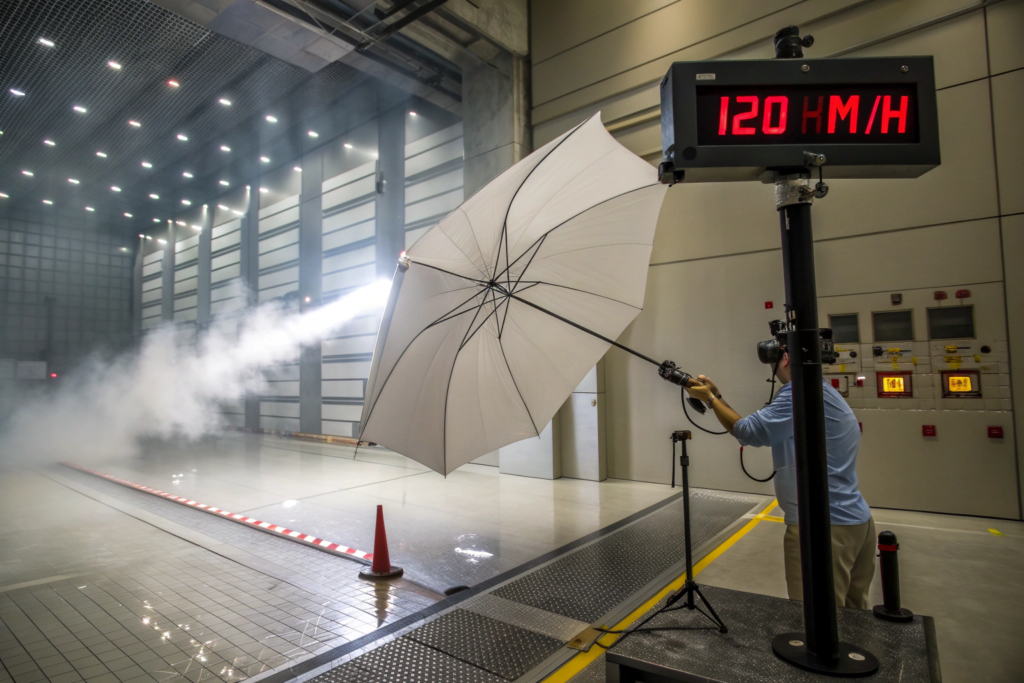
We use an accredited wind tunnel facility. The umbrella is mounted in the test section. It is subjected to a gradually increasing wind speed. The wind is directed at the front of the canopy. This is the worst-case scenario, the "blowout" test. We measure the wind speed at which the umbrella inverts. A standard fashion umbrella inverts at 40 kilometers per hour. A good wind-resistant umbrella withstands 80 kilometers per hour. Our premium shafts are tested to 120 kilometers per hour without inversion or structural damage. High-speed cameras record the deformation. Strain gauges on the shaft measure the bending moment. The test concludes when the umbrella inverts or a component breaks. We then analyze the failure mode. Did the shaft snap? Did the rib joint fail? This data validates the engineering model and drives continuous improvement. The wind tunnel video is the most powerful marketing asset we provide to our clients.
What Is the "Inversion Test" and Why Is It Important?
Inversion is the classic umbrella failure. The wind gets under the canopy edge. It pushes the concave shape outward, turning it into a convex bowl. The aerodynamic drag force spikes instantly.
A good shaft material resists the bending moment of inversion. A fiberglass shaft flexes and often self-recovers after inversion. An aluminum shaft is rigid enough to prevent inversion in the first place. The test measures the "inversion speed." We publish this number. It is a direct, comparable metric of wind resistance. It is the umbrella equivalent of a car’s top speed. It gives the consumer a concrete, understandable performance claim.
How Do We Simulate Years of Use in a Fatigue Test?
An umbrella is opened and closed thousands of times in its life. This repeated stress can fatigue the shaft material. We use a robotic arm.
The robot opens and closes the umbrella 5,000 times. The shaft is inspected every 1,000 cycles for cracks or permanent deformation. Fiberglass and carbon fiber excel in fatigue resistance. They can withstand millions of flex cycles. Aluminum has a finite fatigue life, but 7075-T6 exceeds 10,000 cycles, far beyond the umbrella’s useful life. Steel has a sharper fatigue limit. It can fail suddenly. This accelerated life test proves the durability of the chosen material. It is the behind-the-scenes testing that guarantees a lifetime warranty.
Conclusion
The 2026 umbrella shaft is a precision engineering component. High-tensile fiberglass dominates the market with its unique combination of flexibility, high elastic recovery, and corrosion resistance. It is the judo master. Aircraft-grade 7075 aluminum offers rigid, seamless, anodized luxury for the traditionalist. It is the stoic knight. Triple-layer carbon fiber redefines the ultra-premium segment with an unmatchable strength-to-weight ratio and a high-tech aesthetic. It is the aerospace pioneer.
The common factor across all three materials is a refusal to accept permanent deformation. They bend, flex, or stand rigid, but they do not kink. They protect the user by managing the aerodynamic force with material science.
In our Zhejiang factory, we work with all three materials. Our engineers select the optimal shaft based on the umbrella’s design brief, target weight, and wind resistance rating. We validate every design with the three-point bend test and the full-system wind tunnel inversion test. The performance data is available to our clients.
If you are developing a wind-resistant umbrella line and need to specify the correct shaft material, I invite you to contact our Business Director, Elaine. She can send you our material sample kit with cross-sections of fiberglass, 7075 aluminum, and carbon fiber shafts. She can share the wind tunnel test videos and the engineering data sheets. Send her an email at elaine@fumaoclothing.com. Let us engineer an umbrella that stands tall in a storm.