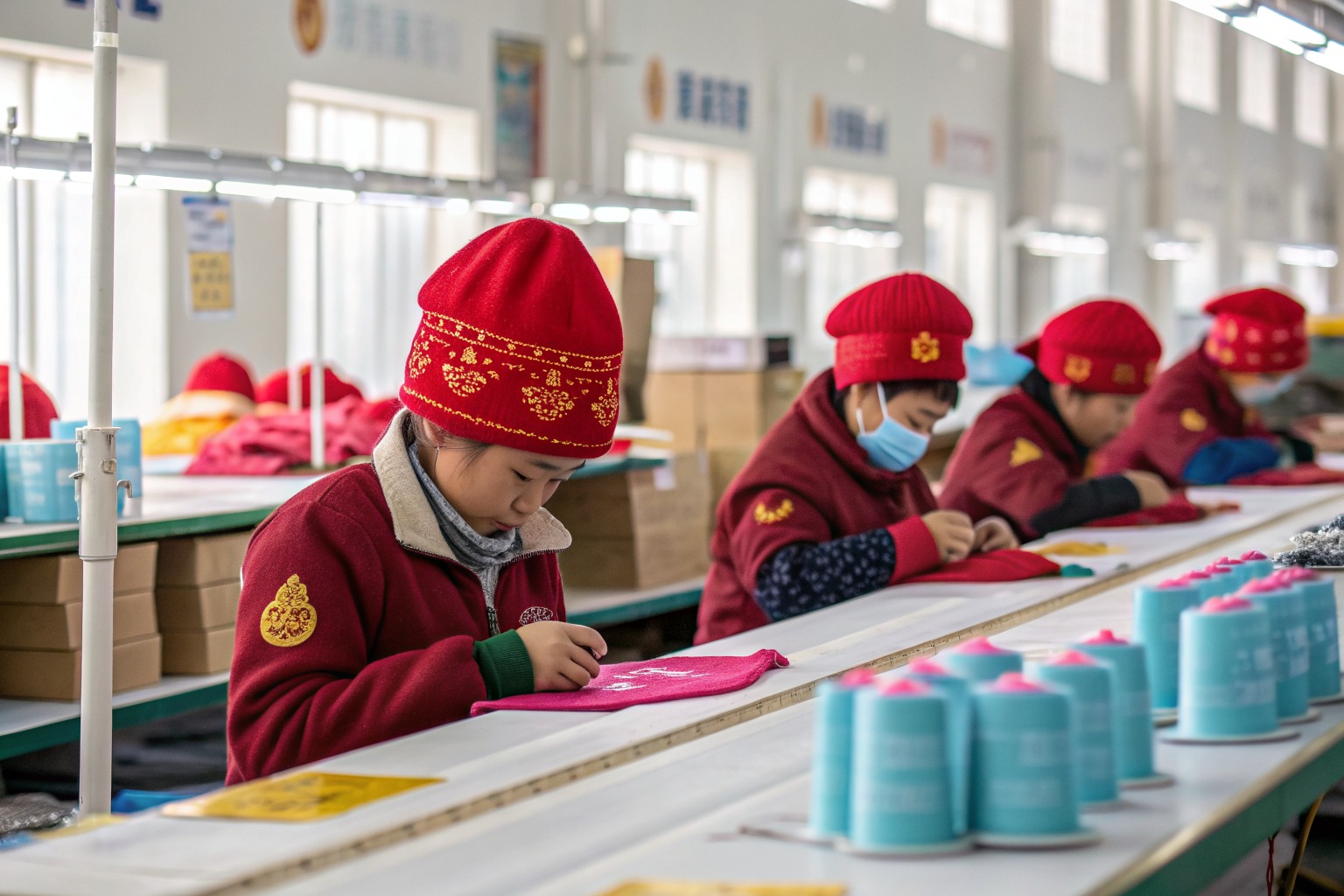
Have you ever needed a medical-grade headband for a clinic or a hospital, only to be told by accessory factories that they "don’t do medical"? I have seen nurses and surgeons struggle with ill-fitting, generic elastic bands that slip off during critical procedures. They tie them too tight. They get headaches. They improvise with rubber bands that snap and sting. The problem is not the design. It is the material certification. Most fashion accessory factories cannot meet the biocompatibility and sterilization standards required for medical skin contact. They are afraid of the liability. So, healthcare workers suffer with consumer-grade products.
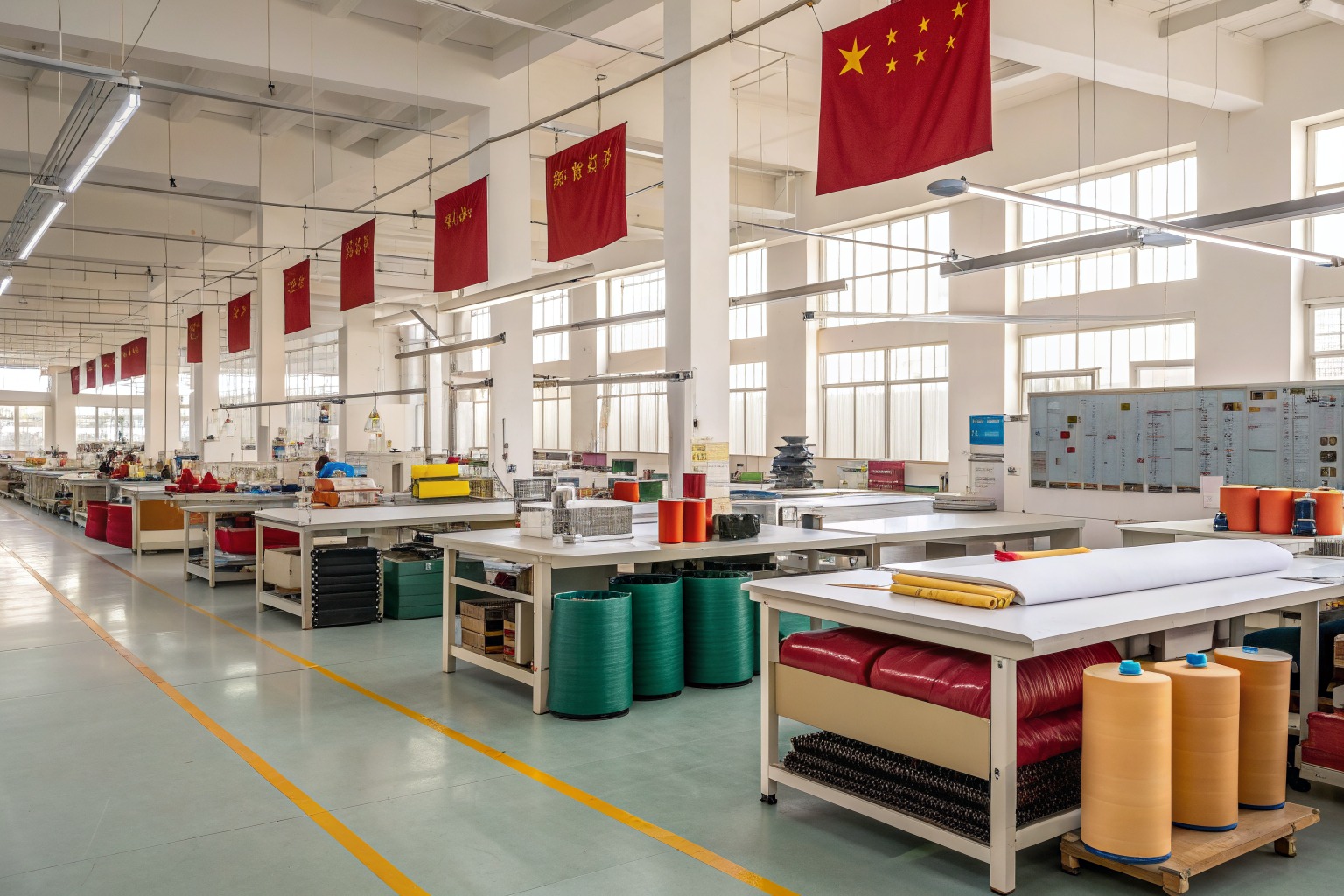
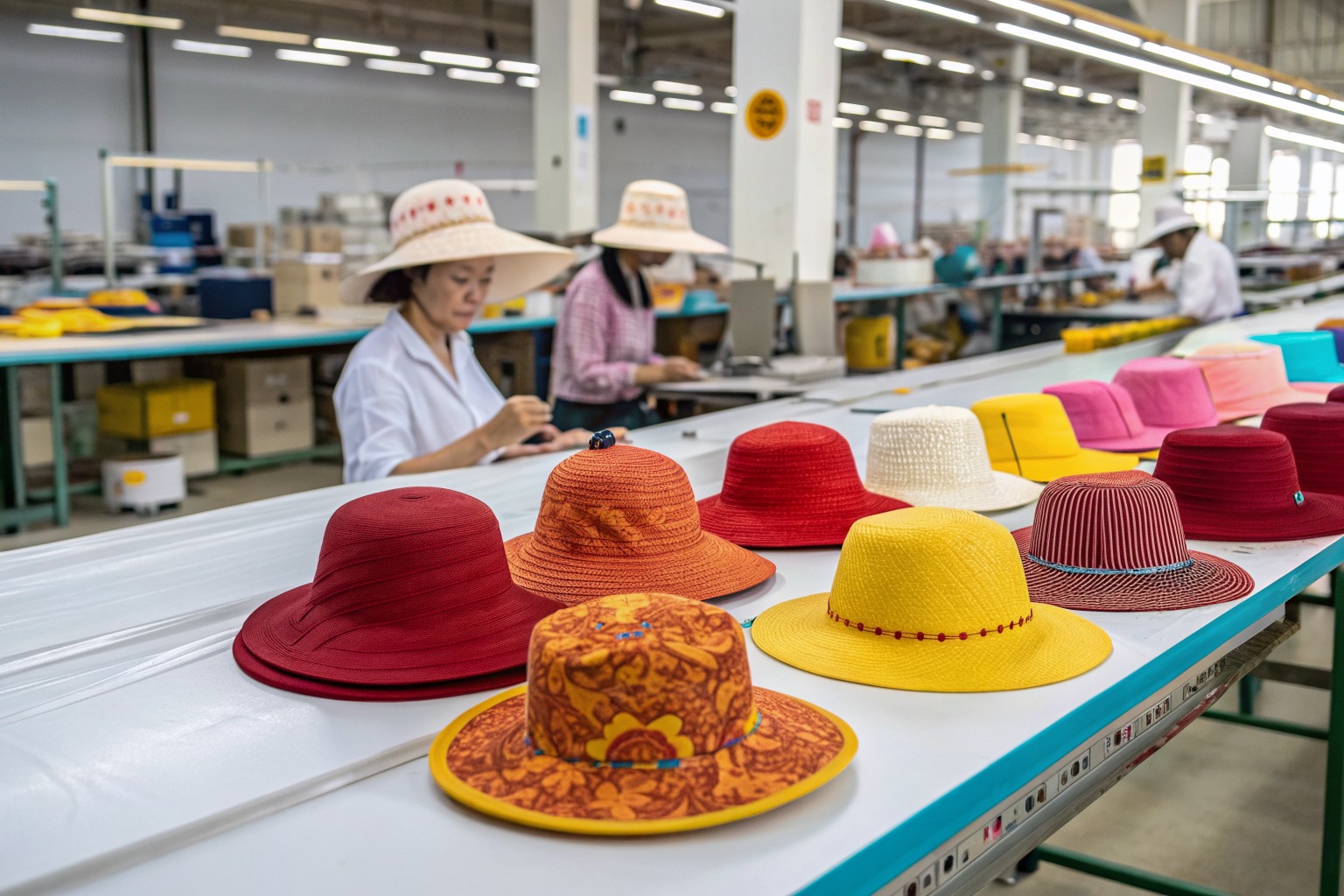
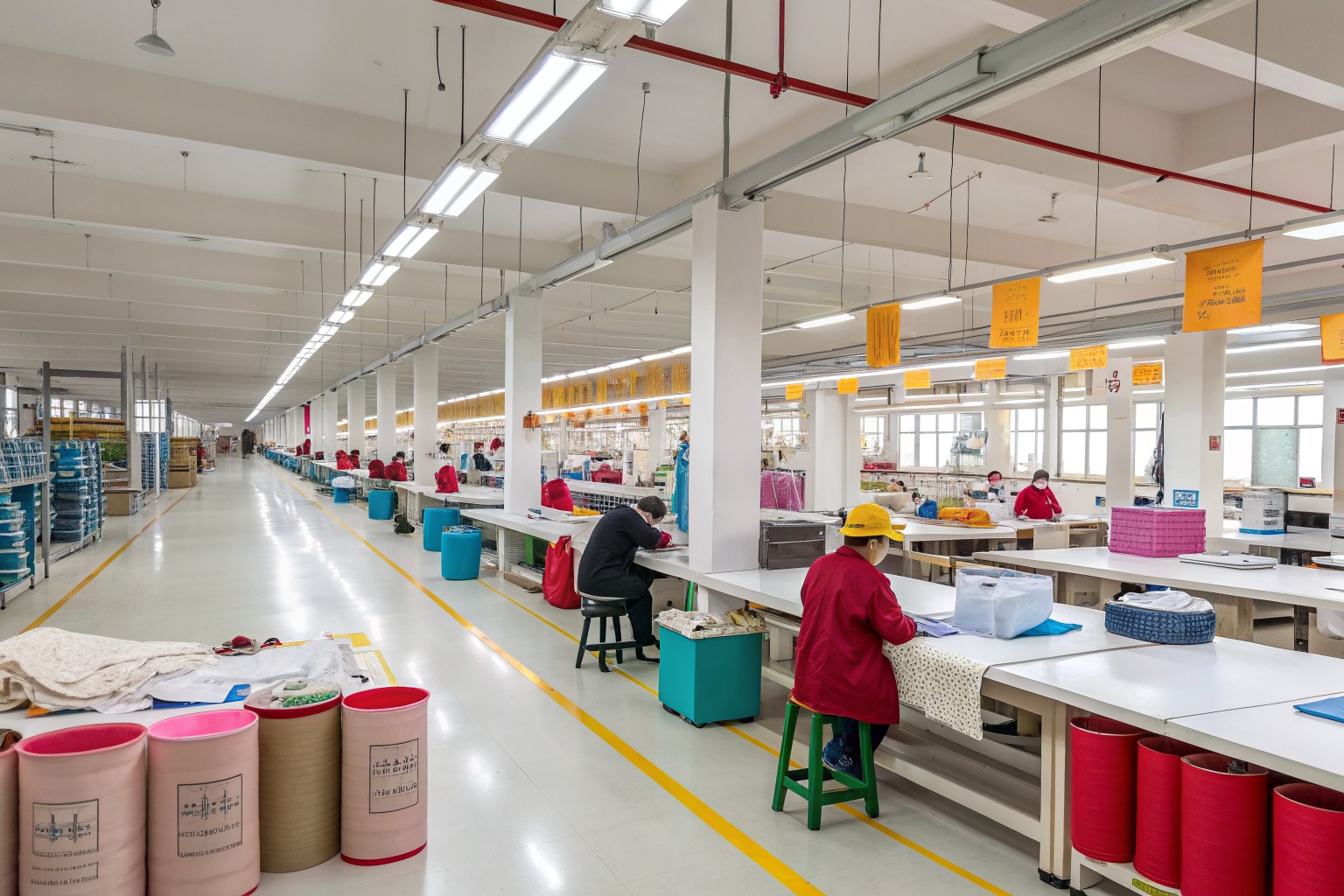
AceAccessory is a professional manufacturer and exporter of accessories. We can produce custom shaped headbands for medical use. Our factory has a dedicated clean-room sewing line, we source medical-grade silicone and hypoallergenic fabrics, and we follow strict ISO 13485 protocols for quality management in medical device accessories.
A medical headband looks like a fashion headband. But it is regulated like a medical device. The adhesive must be skin-safe. The elastic must be latex-free. The shape must accommodate a surgical cap or a respirator strap. As a factory owner in Zhejiang, I invested in this capability because our healthcare clients needed a partner who understood both textile engineering and regulatory documentation. Let me explain exactly how we build a headband that can withstand an autoclave and a 12-hour shift.
What Medical Certifications Do Custom Headbands Require?
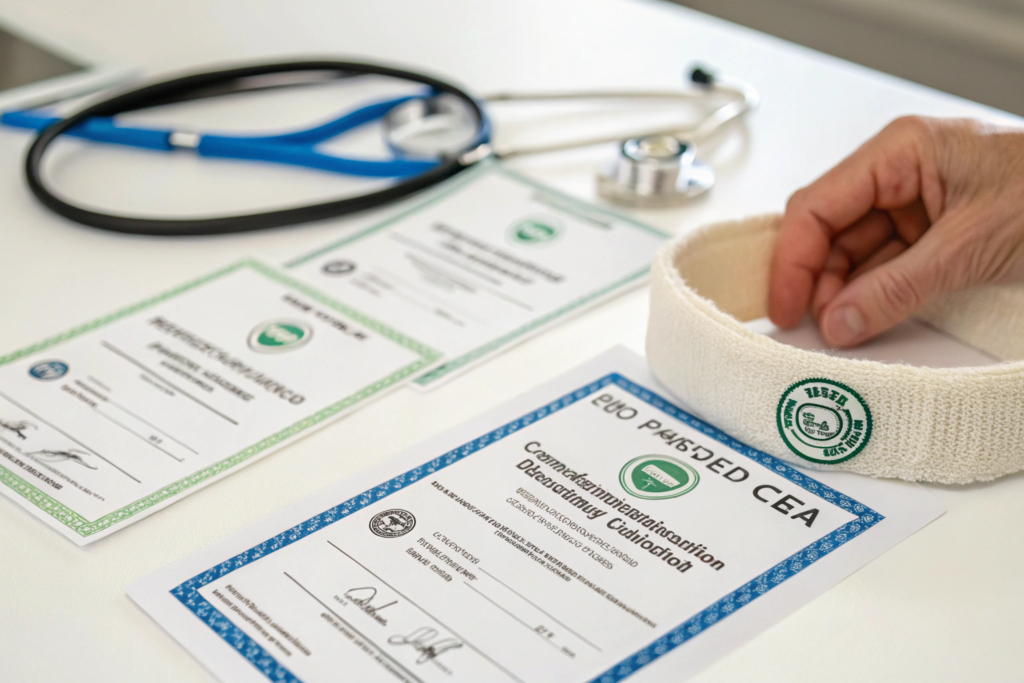
Medical products exist in a regulated world. A fashion headband needs no paperwork. A medical headband demands a traceable paper trail. The core standard is ISO 13485. This is the quality management system specifically for medical devices. It covers everything from raw material sourcing to the sterilization validation.
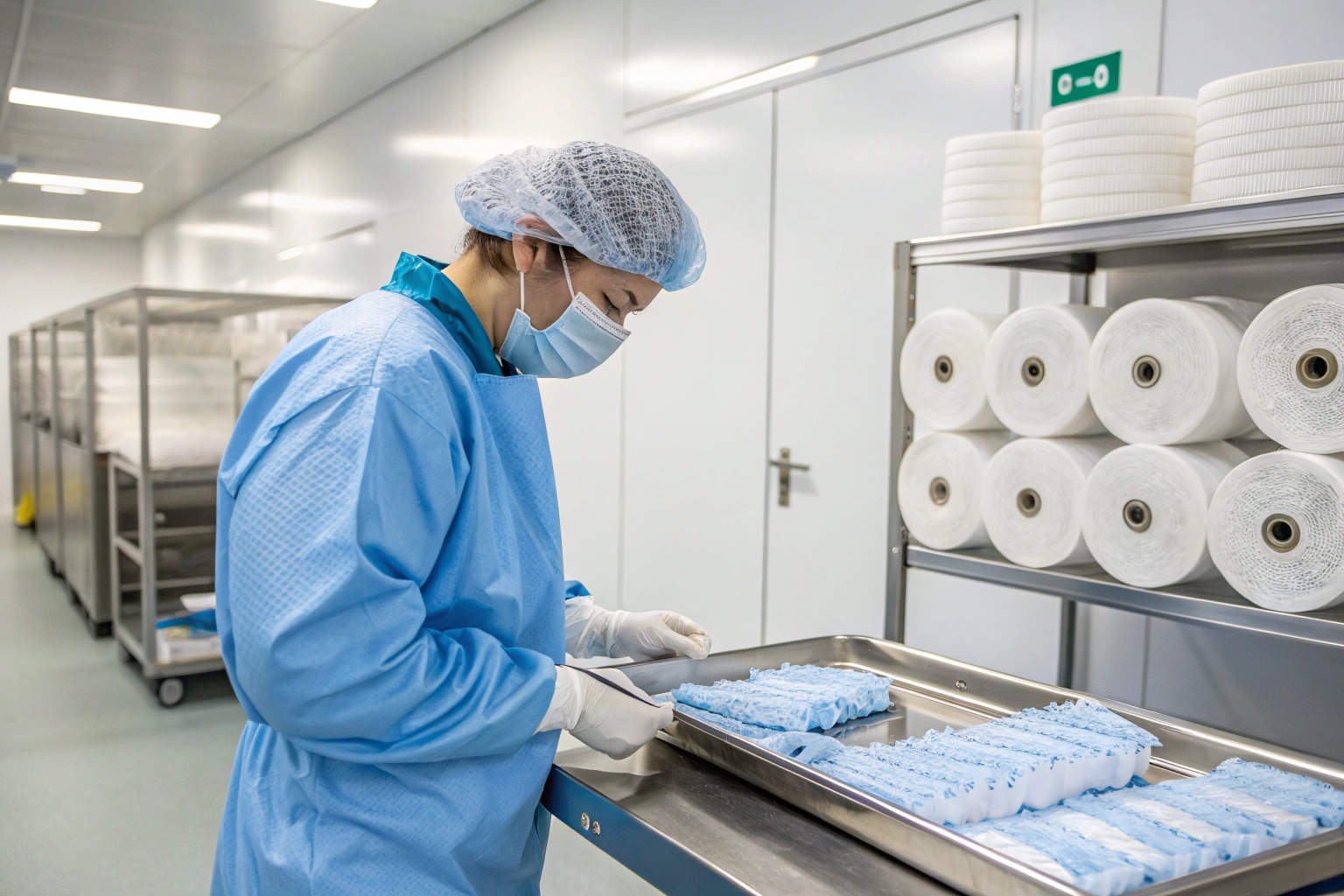
We had to redesign our production line to meet this standard. We created a physically separated clean room. The air is filtered. The workers wear full protective clothing. No street clothes. No jewelry. No makeup. This prevents fiber contamination and bacterial transfer. We also validate every material. A standard polyester thread might have a chemical sizing on it. That sizing can cause skin irritation. We use a certified medical-grade polyester that is free of heavy metals and phthalates. The elastic must be latex-free. Latex allergy is a serious risk in a hospital setting. We use a silicone-based elastic or a spandex that is USP Class VI certified for biocompatibility. We keep a "device master record" for every headband design. It details every component, every supplier, and every processing step. If an auditor from the FDA asks, we produce the file in an hour.
Why Is ISO 13485 Necessary for a Simple Fabric Band?
It is about predictability. A fashion band can vary slightly in length or tension. A medical band cannot. The tension must be controlled.
A band that is too tight restricts blood flow. It causes pressure points during long surgical procedures. A band that is too loose slips. It drops into the sterile field. We validate the tension with a force gauge. The band must exert a pressure between 20 and 30 mmHg. We test 20 random samples from each batch. The results are documented. This documented consistency is the core requirement of ISO 13485. It proves you can make the same product reliably. It is the standard that most medical device regulators demand globally.
What Does Biocompatibility Testing Involve?
Biocompatibility means the material does not harm living tissue. The three standard tests are cytotoxicity, sensitization, and irritation.
Cytotoxicity tests if the material kills cells. We send a sample of the silicone grip strip to a lab. They place it on a culture of living skin cells. The cells must remain healthy and grow. Sensitization tests if the material causes an allergic reaction over time. Irritation tests if it causes redness immediately. The silicone we use passes all three tests according to USP Class VI or ISO 10993 standards. We hold these certificates from our material suppliers. We provide them directly to our medical clients. This is the safety evidence that a fashion factory cannot provide. It is the foundation of medical textile safety.
How Does the Design Differ for Medical Versus Sports Headbands?
A sports headband is designed to wick sweat and make a fashion statement. A medical headband is designed for functionality, hygiene, and compatibility with other personal protective equipment. The design brief is completely different.
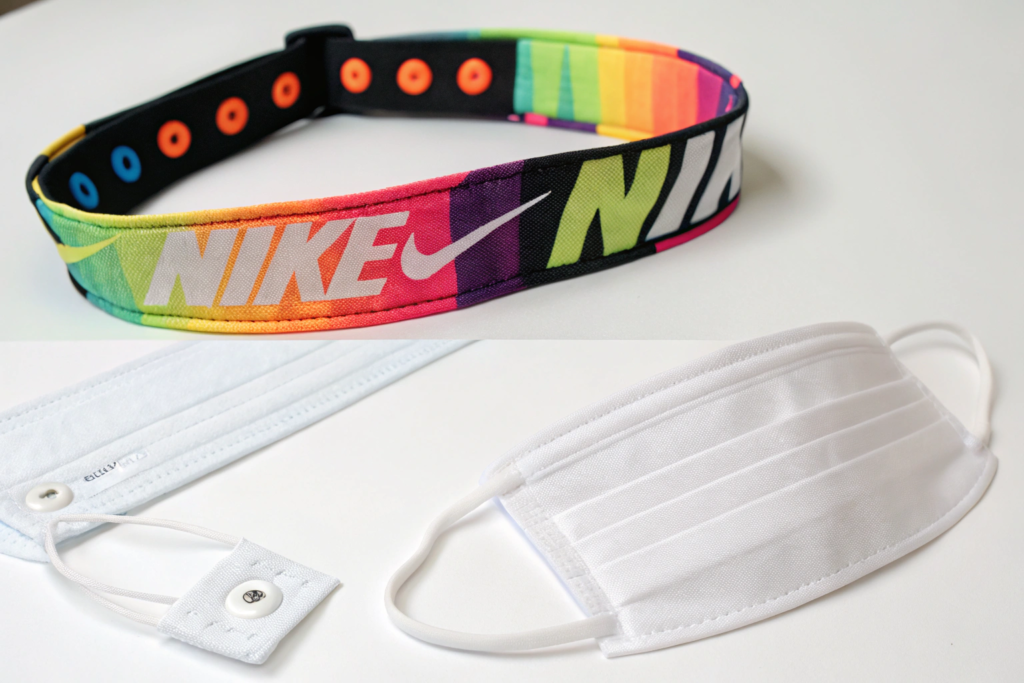
The first design priority is the ear saver integration. Medical staff wear surgical masks for hours. The elastic loops cut into the back of their ears. The skin breaks down. It becomes a wound. Our medical headbands have built-in buttons or side slits. The mask loops hook onto the headband instead of the ear. This transfers the pressure to the back of the head. It saves the ears. The second priority is the grip profile. A sports band uses a thick terry cloth to absorb sweat. A medical band uses a thin, smooth silicone strip. The silicone does not absorb fluid. It does not harbor bacteria. It wipes clean with alcohol. The shape is also different. A surgical headband is narrower. It sits above the surgical cap. It must not interfere with the cap tie. We work with surgeons to get the shape exactly right. The prototype goes through multiple fit sessions.
Why Are Latex-Free Materials a Non-Negotiable?
Latex allergy can kill. A Type I latex allergy triggers anaphylaxis. The throat swells. The blood pressure drops. It is a medical emergency.
Hospitals have banned latex from their environments. The powder from a latex band can become airborne. It can trigger a reaction in a sensitive patient. Our medical line is a completely latex-free zone. We do not allow any natural rubber latex through the door. We even test the adhesives on our tape. We use a synthetic acrylic adhesive. This zero-latex guarantee is a critical safety requirement. It is a legal requirement for hospital procurement.
How Do You Design for Autoclave Sterilization?
Some headbands need to be sterilized. An autoclave uses steam at 121 degrees Celsius under high pressure. A standard fashion elastic melts in this. The silicone becomes sticky. The dye bleeds.
We use a high-temperature silicone that is rated for autoclave cycles. The fabric is a tightly woven, unbleached cotton or a medical-grade polyester. The color is achieved with a high-energy disperse dye. It does not sublimate under steam heat. The stitching thread is a continuous filament polyester. It does not wick moisture into the seam. We test the headband through 50 autoclave cycles. It must not shrink. The grip must not harden. The shape must remain stable. This durability is what makes a reusable medical product. It justifies a higher price point. It is a true industrial-grade medical accessory.
Can You Embed Antimicrobial Properties into the Headband Fabric?
Hospitals are breeding grounds for bacteria. A headband worn all day in a warm ward collects sweat and skin cells. By the end of a shift, it is a biohazard. Our solution is silver-ion technology.
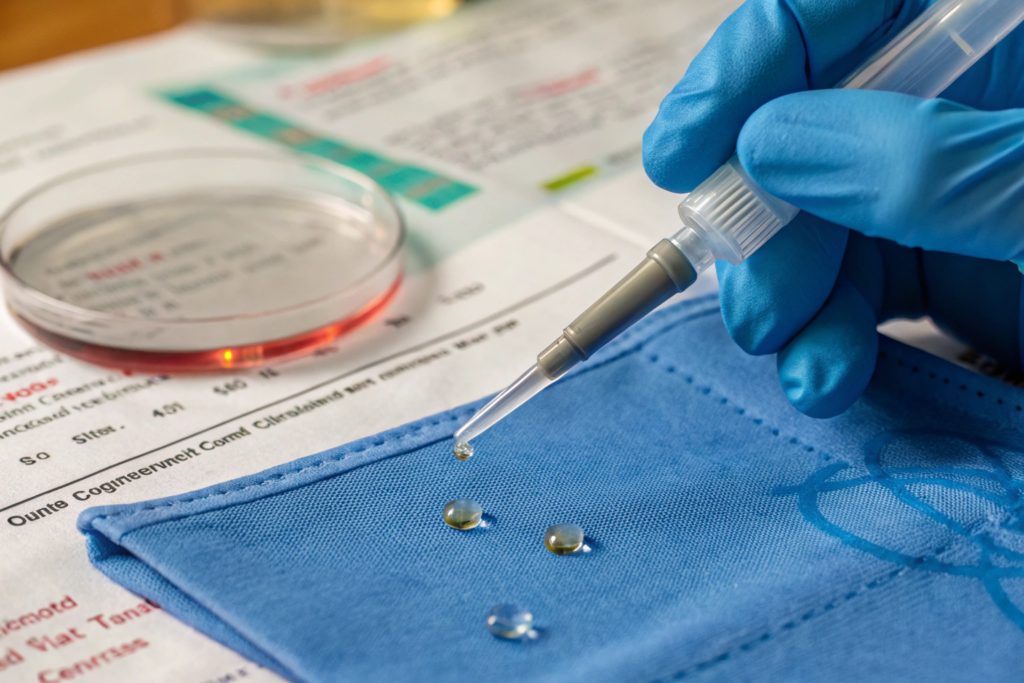
We treat the fabric fibers with a silver-ion finish. Silver ions disrupt the enzyme system of bacteria. They cannot reproduce. The bacteria die. The treatment is durable. It lasts for the life of the headband, typically 100 industrial laundry cycles. We test it against Staphylococcus aureus and Klebsiella pneumoniae, two common hospital bugs. The test is the AATCC 100 method. The fabric must show a 99.9% reduction in bacteria. We provide the test report. This antimicrobial feature adds a layer of protection between the wearer and the patient. It also keeps the headband smelling fresh. This improves the quality of life for staff who wear it for long hours.
What Is the Difference Between Topical and Embedded Antimicrobials?
Topical is a spray or a dip. It sits on the surface. It washes out in ten cycles. It is cheap. It gives false confidence.
Embedded antimicrobial is inside the fiber. The silver ions are bonded to the polymer. They do not wash out. The protection is permanent. We use a masterbatch method for synthetic fibers. The silver ceramic is mixed into the molten plastic before it is extruded into yarn. This yields a uniform, durable effect. It is more expensive but is the only method accepted by strict infection control protocols. You can verify the durability through independent lab wash testing. It is a point of technical superiority that we offer to our clinical clients. This aligns with current textile antimicrobial standards.
How Does Moisture Management Reduce Infection Risk?
A wet headband is a dirty headband. Moisture transports bacteria from the skin to the fabric surface. It creates a culture medium.
Our medical headband uses a hydrophobic outer layer and a hydrophilic inner core. The inner layer pulls sweat off the skin. The outer layer repels external splashes. This keeps the band dry. A dry surface is inhospitable to bacteria. It is a passive defense system. Combined with the active silver-ion defense, the headband provides a multi-barrier protection. This technical fabric engineering is our specialty. It is not just a piece of cloth. It is a piece of personal protective equipment.
What Is the Development Timeline for a Custom Medical Headband?
Custom medical products cannot be rushed like a fashion accessory. The regulatory paperwork sets the minimum timeline. A standard development cycle is 6 to 8 weeks.
Week 1 and 2 are the design and material phase. We consult with your clinical team. We define the shape, the grip location, and the mask attachment points. We source the certified medical-grade materials. Week 3 and 4 are sampling. We make a first prototype on our standard line. We send it to you. You test it on 5 to 10 staff members. You provide feedback. Maybe the band is too wide behind the ears. Maybe the tension is too high. We adjust the pattern. We make a second sample. Week 5 and 6 are the validation tests. We send the approved sample for biocompatibility testing if we are using a new material. The lab needs 2 weeks to complete the tests. Concurrently, we run our internal tension and washing tests. Week 7 is production. We cut and sew in the clean room. Week 8 is sterilization if required, and final packaging. We pack in sealed, tamper-evident medical-grade polybags.

Why Does Regulatory Paperwork Slow the Process?
You cannot skip the paperwork. Each raw material needs a Certificate of Conformance. The batch needs a Certificate of Analysis. The sterilization load needs a release certificate.
We build this dossier during production. We attach it to the shipment. The customs clearance for medical goods is strict. They check the documentation. If a certificate is missing, the box is held. We ensure the paperwork is perfect. This administrative discipline is a service we provide. It removes the headache from the buyer. It is part of our commitment to medical supply chain compliance.
Can You Accommodate Urgent Pilot Orders?
Yes, with the understanding that materials are limited. If the requirement is urgent, we do not develop a new custom shape. We adapt an existing validated base design.
We take our pre-approved, ISO-validated base headband platform. We modify the length or the attachment placement. This eliminates the need for new biocompatibility tests. It cuts the timeline to 3 to 4 weeks. We can do this for a pilot launch in a single hospital wing. We always recommend starting with the platform and moving to a full custom design for the second order. This practical approach saves time and money. It is how we help innovative healthcare startups get to market safely.
Conclusion
Producing custom shaped headbands for medical use is a serious responsibility. It requires a shift from fashion thinking to medical device thinking. It demands a certified clean room, biocompatible silicone, latex-free elastics, and a validated sterilization process. Our Zhejiang factory has made this investment. We have separated our medical line from our fashion line to prevent cross-contamination. We maintain the ISO 13485 documentation. We work with clinical end-users to ensure the shape relieves pressure, not causes it.
A medical headband might look like a simple strip of fabric. But inside that fabric is antimicrobial silver, a moisture-wicking core, and a tension-calibrated elastic. It is a tool for infection control and staff comfort. It reduces the micro-adjustments a surgeon makes during a procedure. It keeps the focus on the patient.
If you are a medical distributor, a hospital procurement manager, or a brand developing a healthcare accessory line, I invite you to contact our Business Director, Elaine. She can share our ISO certifications, the technical data sheets for our medical silicone, and our platform base designs. She can schedule a video call to walk you through our clean-room production area. Send her an email at elaine@fumaoclothing.com. Let us design a headband that supports the people who save lives.