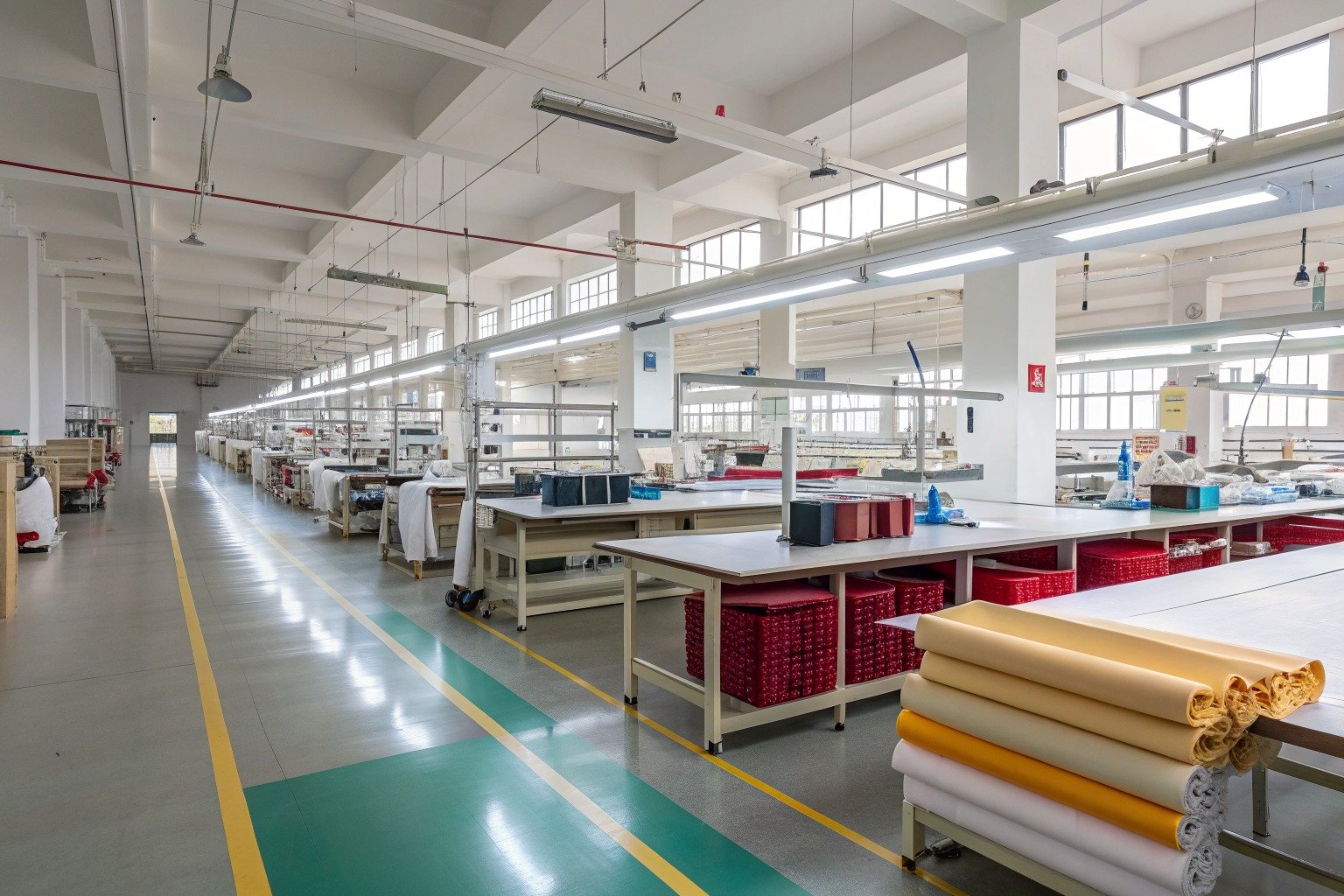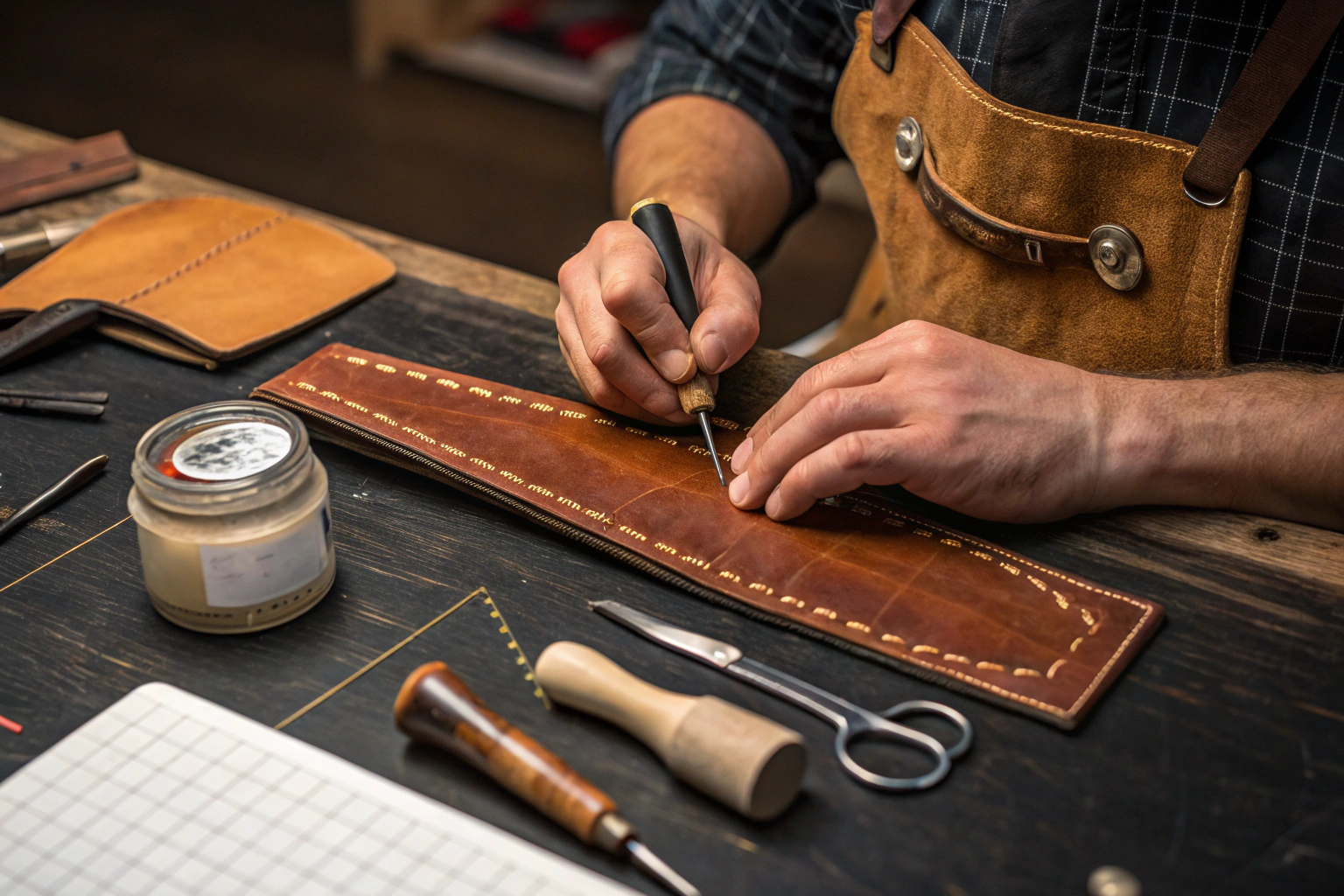
I visited a glove factory on the outskirts of Hangzhou a few years ago that changed how I think about specialization. The factory was not large. It did not have hundreds of machines running generic work gloves. It had about forty workers, and every single one of them was focused on one product: leather driving gloves. The cutting tables were set up with dies for the specific curved shape of a driving glove back. The sewing machines were all post-bed machines, calibrated for the tight radius stitching required around the knuckle holes. The owner, a third-generation glove maker, told me that his grandfather had started the business making gloves for chauffeurs in Shanghai in the 1950s. He had tried, once, to diversify into winter ski gloves. The order failed. His workers were too fastidious, too used to the fine tolerances of dress gloves, and the bulky insulated gloves they produced were over-engineered and too expensive. He returned to driving gloves and never looked back.
Some Chinese glove factories specialize exclusively in driving gloves because the product demands a fundamentally different set of materials, machinery, and manual skills than any other glove category. Driving gloves require thin, unlined or minimally lined leather with high tensile strength and a soft, supple hand, typically hairsheep, cabretta, or peccary leather. They are sewn on specialized post-bed machines that allow the operator to stitch tight, precise curves around the fingers and the signature knuckle perforations. The production workforce is trained not in bulk textile handling but in fine leather craftsmanship, including hand-stitching, skiving, and hand-burnishing edges. A factory optimized for this specific skill set cannot easily switch to making insulated ski gloves or dipped work gloves without losing the efficiency and quality that defines its niche. The specialization is a deliberate strategic choice to dominate a narrow, high-value market rather than compete on volume in a broader commodity market.
What Material Supply Chain Supports a Dedicated Driving Glove Factory?
A factory that only makes driving gloves does not buy leather from the same tanneries that supply factories making protective work gloves or fashion handbags. The material requirements are too specific, and the supplier relationships are too deeply integrated into the production process. A dedicated driving glove factory sits at the center of a specialized micro-supply chain that has been developed over years or decades, and this supply chain is a significant barrier to entry for any competitor trying to replicate their product.
Why Are Certain Leathers Like Hairsheep and Peccary Preferred?
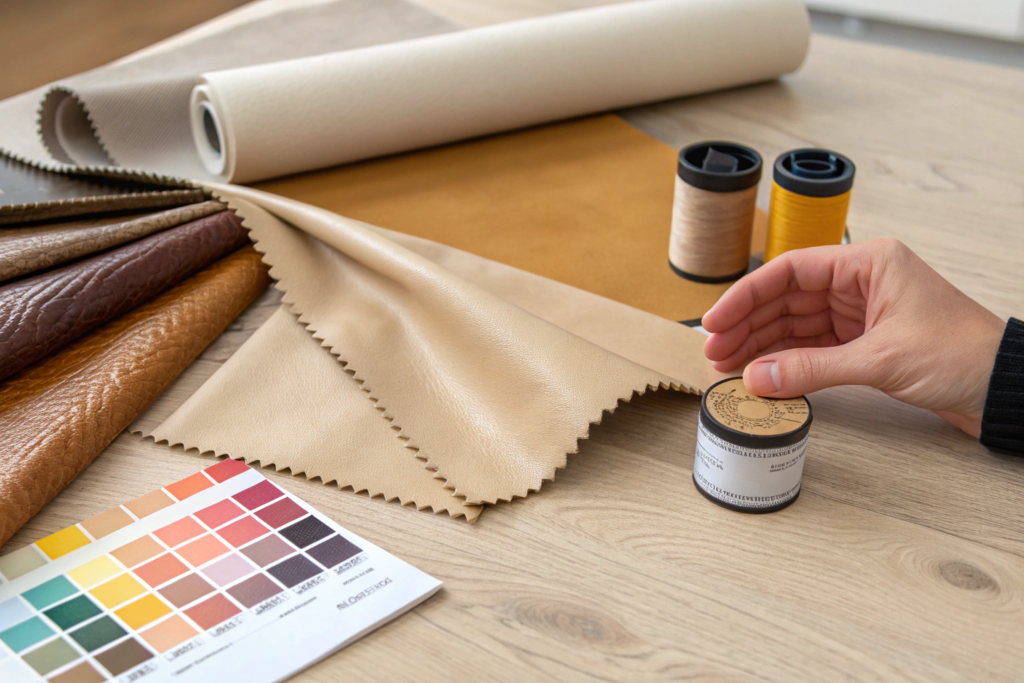
The defining characteristic of a luxury driving glove is that it must feel like a second skin. It must allow the driver to feel the texture of the steering wheel through the leather, to flex the fingers without any resistance from the material, and to maintain a secure grip without bulk. This is fundamentally different from a winter glove, where insulation and wind resistance are the primary performance criteria. The leathers that achieve this second-skin feel are a narrow, specific group. Hairsheep leather, which comes from sheep that grow hair rather than wool, is the volume leader for premium driving gloves. Its grain structure is naturally finer, softer, and more elastic than standard sheepskin or cowhide. It has a remarkable tensile strength relative to its thinness, typically 0.4 to 0.6 millimeters, meaning it resists tearing even when stretched tightly across the knuckles.
Cabretta leather, a similarly fine, soft sheepskin, is another core material. Peccary leather, sourced from a wild boar native to South America, is the ultra-premium option. It is instantly recognizable by its distinct triangular pore pattern and is renowned for becoming softer and more supple with wear while remaining exceptionally durable. A dedicated driving glove factory has established, long-term relationships with specific tanneries in Ethiopia, Italy, and South America that specialize in tanning these specific hides to the exact softness, stretch, and colorfastness standards required for glove making. They are the tanneries’ priority customers, and they receive the highest-grade, cleanest skins, the ones without scars, branding marks, or grain defects. A general-purpose glove factory simply does not have access to this tier of raw material supply. For more on the specific qualities that make these leathers the industry standard, you can refer to detailed resources on leather and luxury materials.
How Do Minimum Order Quantities for Custom Linings and Threads Differ?
Driving gloves are often unlined, or they are lined with an extremely thin, luxurious material that adds no bulk. A typical lining is a fine silk habotai, a soft cashmere blend, or a technical, moisture-wicking microfiber. The seams are a visible design element, often sewn with a contrasting high-tenacity polyester or bonded nylon thread in a precise, decorative pattern. The knuckle perforations are punched with specialized cutting dies in specific patterns that are often a brand’s signature design feature. None of these components, the ultra-thin lining, the specific luxury thread, the custom perforation die, are standard, off-the-shelf items. They require minimum order quantities and production lead times from specialty suppliers.
A factory that makes driving gloves, and only driving gloves, aggregates demand across all its brand clients for these specialized inputs. It orders silk habotai by the thousands of meters and specific thread colors by the hundreds of spools, which makes it economically viable for a small, emerging brand to access these luxury components without having to meet an entire mill’s minimum order alone. A general factory that attempts to make a batch of driving gloves once a year for a single client will face punitive minimums and long lead times for these materials, making their small batch prohibitively expensive and slow to produce. This material network is a proprietary asset that a specialized factory builds and protects.
What Specialized Machinery and Craftsmanship Is Required?
You cannot walk into a generic cut-and-sew factory and find the equipment to make a high-end driving glove. The machinery is too specific, and the manual skills required to operate it are too specialized. The production line in a dedicated driving glove factory is built around a sequence of machines and handwork stations that have been refined over decades. The workers who operate these stations are not interchangeable with general sewing machine operators. They are specialists.
Why Can’t a Standard Sewing Line Produce a Tightly Fitted Glove?
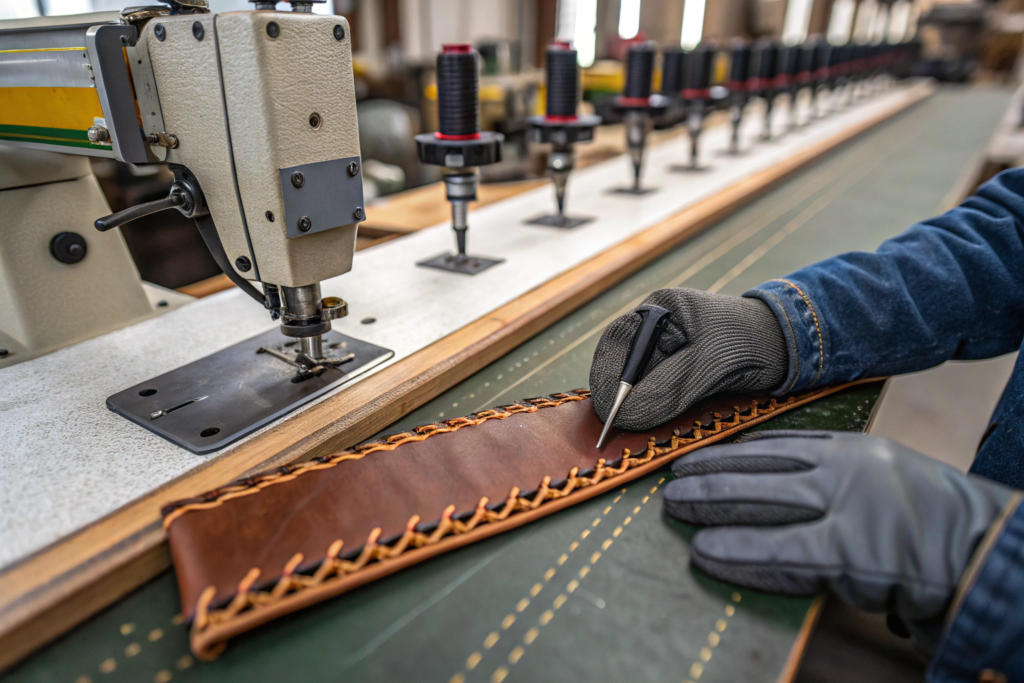
A standard industrial sewing machine, the kind used to assemble shirts, hats, or bags, has a flat bed. The fabric lays flat, and the operator feeds it through in a straight line or a gentle curve. A glove is the opposite of flat. It is a three-dimensional, compound-curved object with tight, 3-millimeter radius curves at the crotch between each finger. Trying to sew these tight internal curves on a flatbed machine is like trying to stitch the inside of a teacup. The fabric or leather bunches, the stitches become uneven, and the seam integrity fails at the point of highest stress.
A specialized driving glove factory uses post-bed sewing machines. On these machines, the sewing head is raised on a vertical column, and the needle operates at the very edge of a narrow, cylindrical bed. This allows the operator to rotate the glove panel freely in three-dimensional space. The needle can access the deepest, tightest curve at the base of the fingers. The operator can sew a precise, perfectly parallel seam around a knuckle perforation. Our factory’s sewing technicians train specifically on the French "pique" technique, a decorative whip-stitch that lies flat against the leather surface and provides a smooth, elegant finish on the back of the hand and the vent openings on the cuff. This is not a technique that a general sewer can learn in a few days. It takes months of practice to execute consistently on the delicate, unforgiving surface of a fine hairsheep leather.
How Is Leather Skiving and Hand-Burnishing Central to Driving Glove Quality?
Skiving is the process of thinning the edge of a piece of leather to a precise, tapered profile. In a driving glove, skiving is essential wherever two pieces of leather overlap, at the finger seams, the knuckle inserts, and the hem of the cuff. If the leather is not skived, the seam is a bulky, raised ridge. In a tight-fitting glove, this ridge presses painfully into the skin and creates a lumpy, unattractive finish. The operator uses a specialized skiving machine with a rotating bell knife to shave the leather edge down to a feather-thin taper. The thickness reduction is measured in tenths of a millimeter, and the consistency from end to end must be perfect. A dip or a gouge from a clumsy skiving pass ruins the panel.
Hand-burnishing is the manual finishing of the cut leather edge. After the seam is sewn, the raw leather edge is coated with a thin layer of specialized edge paint, allowed to dry, and then vigorously rubbed with a hand-held bone folder or a heated edge-creasing tool. The friction and heat smooth and seal the fibers, creating a durable, perfectly smooth, glossy, or matte edge finish. This is a purely manual, time-consuming process that a machine cannot replicate. The craftsman’s skill determines whether the edge feels like a single, unified, glass-smooth surface or a tacky, uneven line. In a factory making woven work gloves with a dipped coating, these stations simply do not exist. The machinery is absent, and the skilled labor is not on the payroll. This is why a genuine, high-quality driving glove can only come from a facility that has been purpose-built for the task. At Shanghai Fumao, our specialized accessory ateliers are structured precisely around these specific, technique-intensive production requirements.
What Retail Markets and Brand Relationships Drive This Specialization?
Driving glove factories are not just manufacturing specialists. They are integrated into a specific, stable, and demanding retail ecosystem. Their production model is shaped by the buying patterns and quality expectations of the brands they serve. The market for a $150 pair of peccary driving gloves is fundamentally different from the market for a $15 pair of thermal work gloves. The buyers, the retail channels, and the cadence of orders are all distinct.
Why Do Automotive and Luxury Brands Demand Such Deep Specialization?
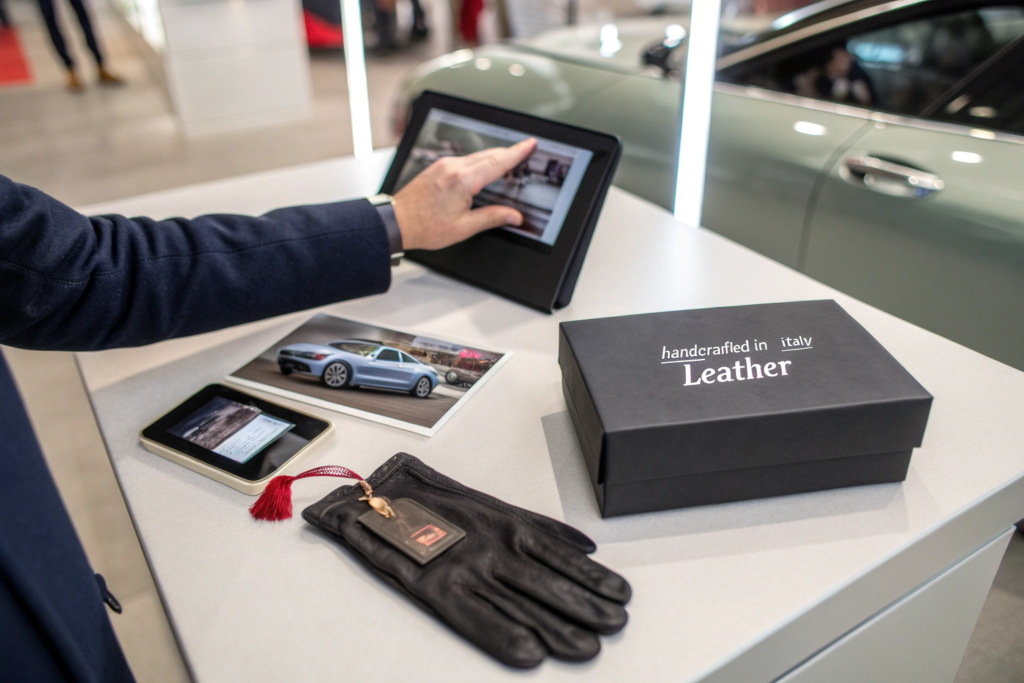
The primary customers for a dedicated driving glove factory are European and American automotive heritage brands, high-end department store private label programs, and luxury fashion houses. These brands are not just buying a glove. They are buying a piece of brand identity that must align perfectly with the ethos of a vehicle that costs tens of thousands of dollars. The buyer for an automotive brand’s accessories collection is not comparing your glove to other gloves on a generic rack. They are comparing it to the stitching on the car’s leather steering wheel, the finish on its walnut dashboard, and the feel of its seats.
This buyer demands a production partner who can speak their exact technical language, provide certification on the leather origin and chemical composition, and execute a level of finishing that feels consistent with a luxury automotive interior. They audit the factory not just for social compliance but for quality management systems, material traceability, and the specific finishing techniques that define their brand. A specialized glove factory has oriented its entire quality control system, its workforce training, and its production layout around satisfying this single, highly demanding buyer profile. They do not diversify into lower-cost, lower-margin work glove lines because that would dilute their brand positioning with their core clientele. The automotive accessory sector relies on these deep ties, and you can explore more about the nuances of this unique automotive accessories market through the organizations that support its supply base.
How Do Predictable, B2B Order Cycles Sustain a Niche Factory?
The commercial model of a driving glove factory is built on stability, not rapid growth. Their automotive and luxury brand clients operate on a predictable seasonal calendar. They place their orders for the spring and fall collections months in advance. The order quantities, while not massive compared to fast-fashion volumes, are reliable and recurring year after year. A classic men’s unlined driving glove model may remain in a brand’s collection for a decade. The factory produces that same SKU, on the same patterns, with the same materials, season after season. This allows an extreme optimization of production that a factory chasing short-term, trend-driven orders can never achieve. The factory’s production rhythm is an annual cycle of sample development for new seasonal colors, followed by large, stable production runs of the core collection. The margin on these luxury products is healthy enough, and the volume predictable enough, to support a skilled, living wage workforce and continuous investment in specialized machinery. The business model is not about making millions of units. It is about making a few hundred thousand units with exceptional precision and reliability. The Volvo, Aston Martin, and Porsche drivers who buy these gloves, either from the marque’s own accessory catalog or a luxury gift boutique, rely on that deep specialization to provide them with a product that feels like it belongs in their car.
Conclusion
Some Chinese glove factories specialize solely in driving gloves because the product exists in a category of its own. It is defined by a unique material chain of ultra-fine, high-tensile leathers that cannot be substituted with bulk glove leather or synthetic fabrics. It depends on a suite of specialized machinery, post-bed sewing machines, bell-knife skivers, and hand-burnishing stations, that are useless for producing a winter ski glove or a dipped work glove. Its workforce is trained in manual craftsmanship skills, like French pique stitching and hand-burnishing, that take years to master and are entirely specific to fine leather goods.
This deep, capital-intensive specialization is sustained by the factory’s integration into the luxury automotive and fashion market, a market that provides stable, predictable demand and values the precise quality that the specialization delivers. The factory is not a generic manufacturer that happens to make a few driving gloves among hundreds of other styles. It is a dedicated, purpose-built atelier. A brand seeking a genuine, luxury-grade driving glove does not find this capability in a generalist. It finds it in the same specialized workshops that have produced them for generations.
If your brand is developing a luxury driving glove or a fine leather glove for an automotive or premium accessories market, and you need a partner who understands the specific material, craftsmanship, and finishing standards required, contact our Business Director Elaine at elaine@fumaoclothing.com. Tell her about your brand, your target customer, and your material preferences. She can connect you with our dedicated leather glove atelier for a technical conversation about leather grades, construction techniques, and custom perforation patterns. Your driving glove deserves a manufacturer whose only focus is making it perfectly.