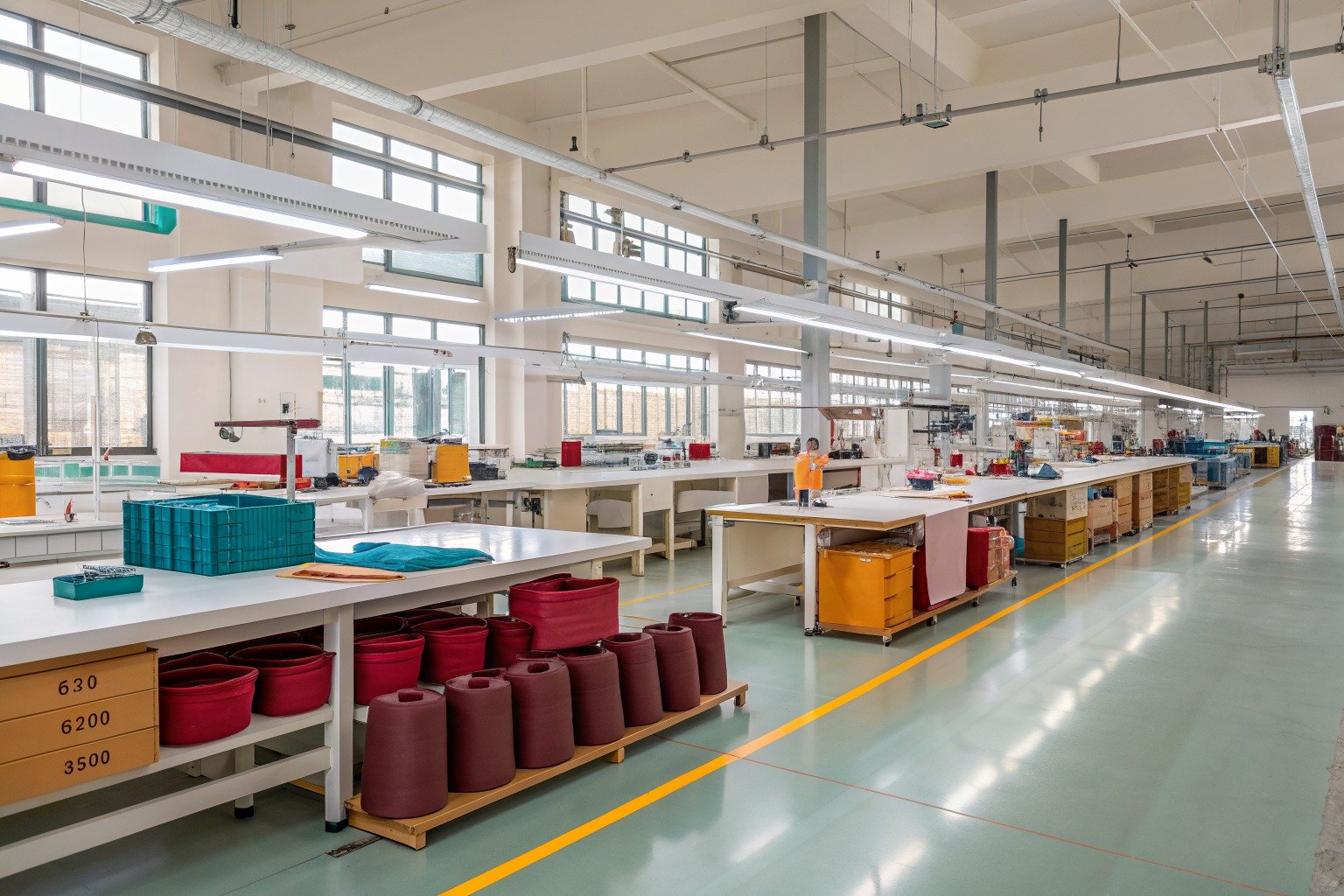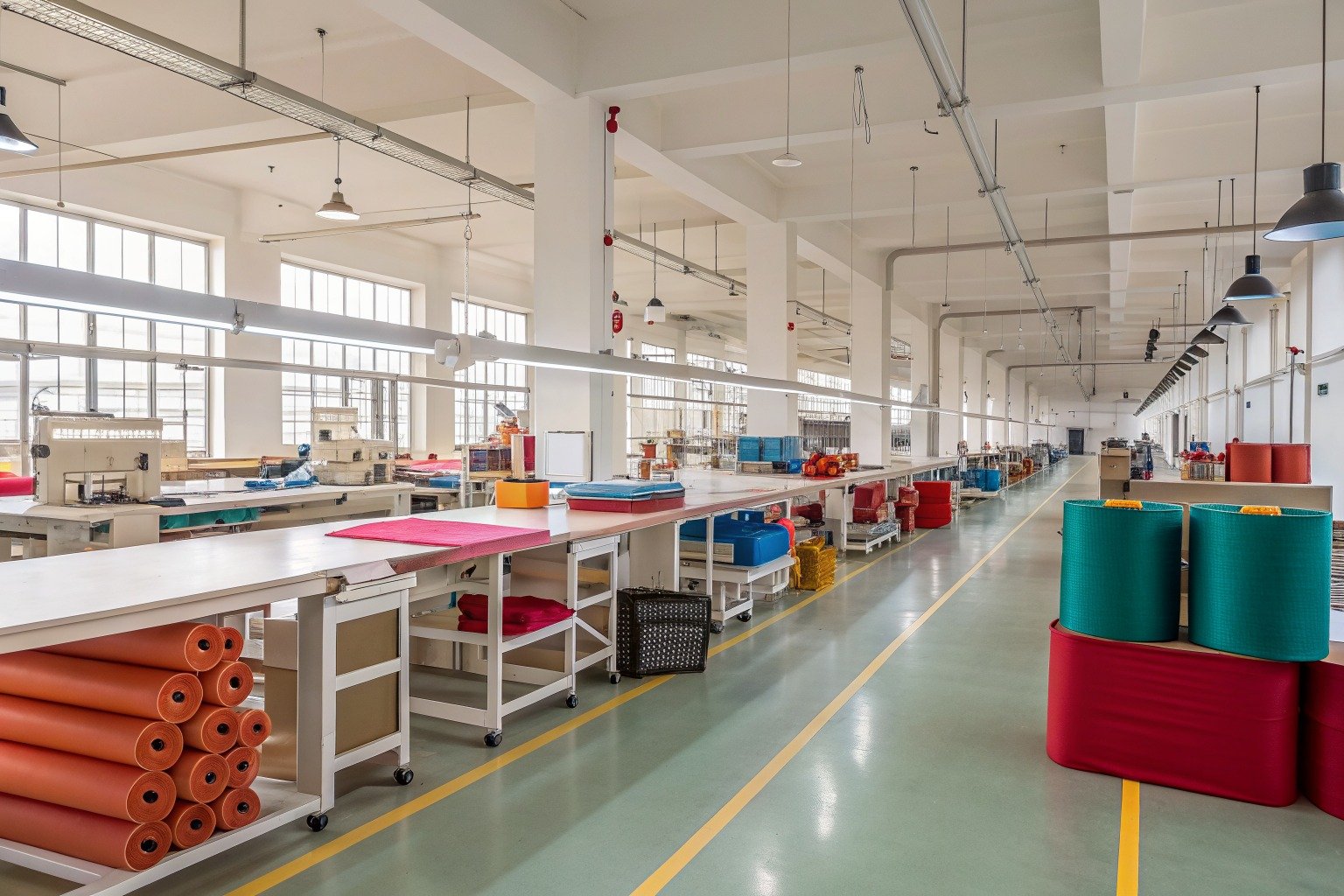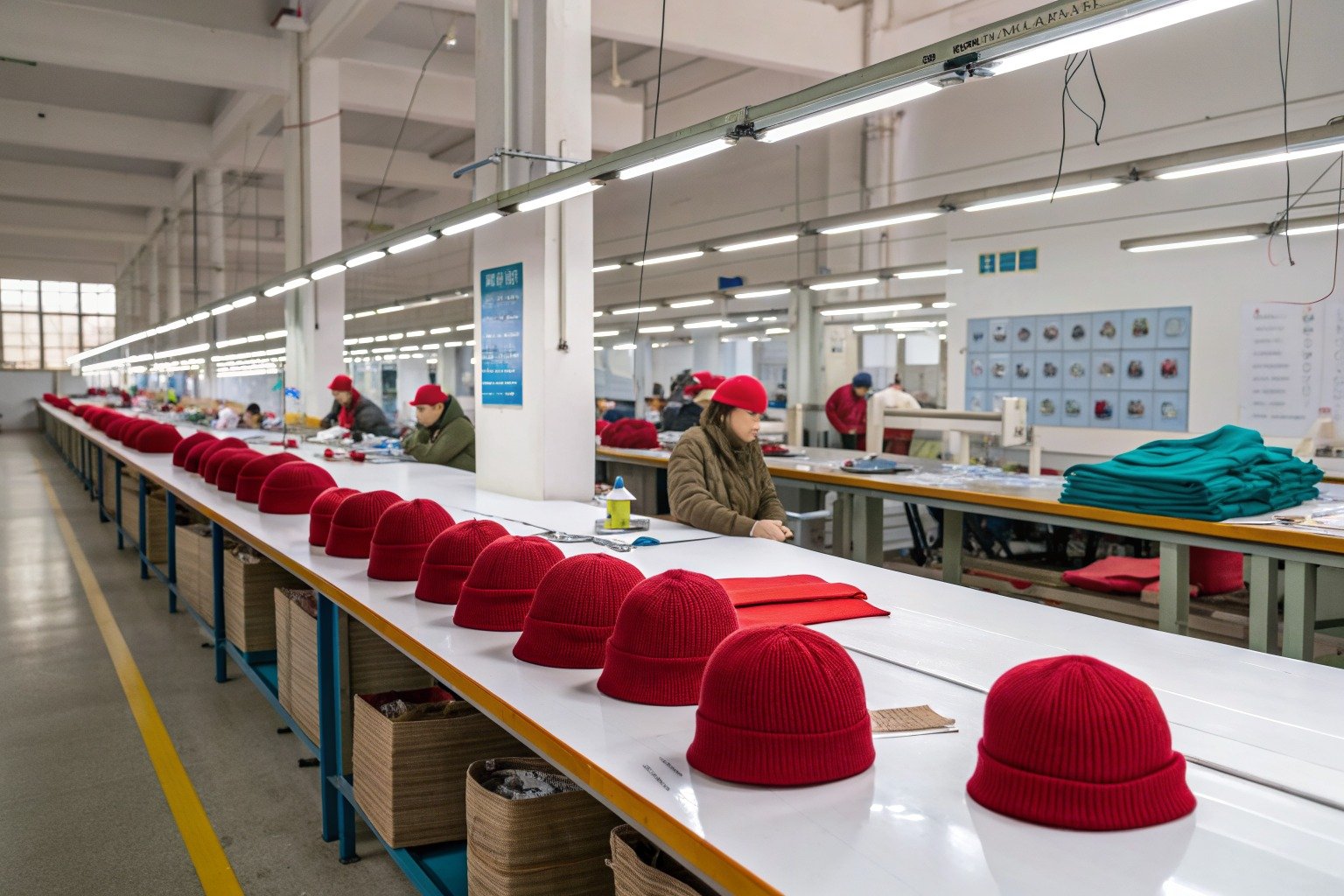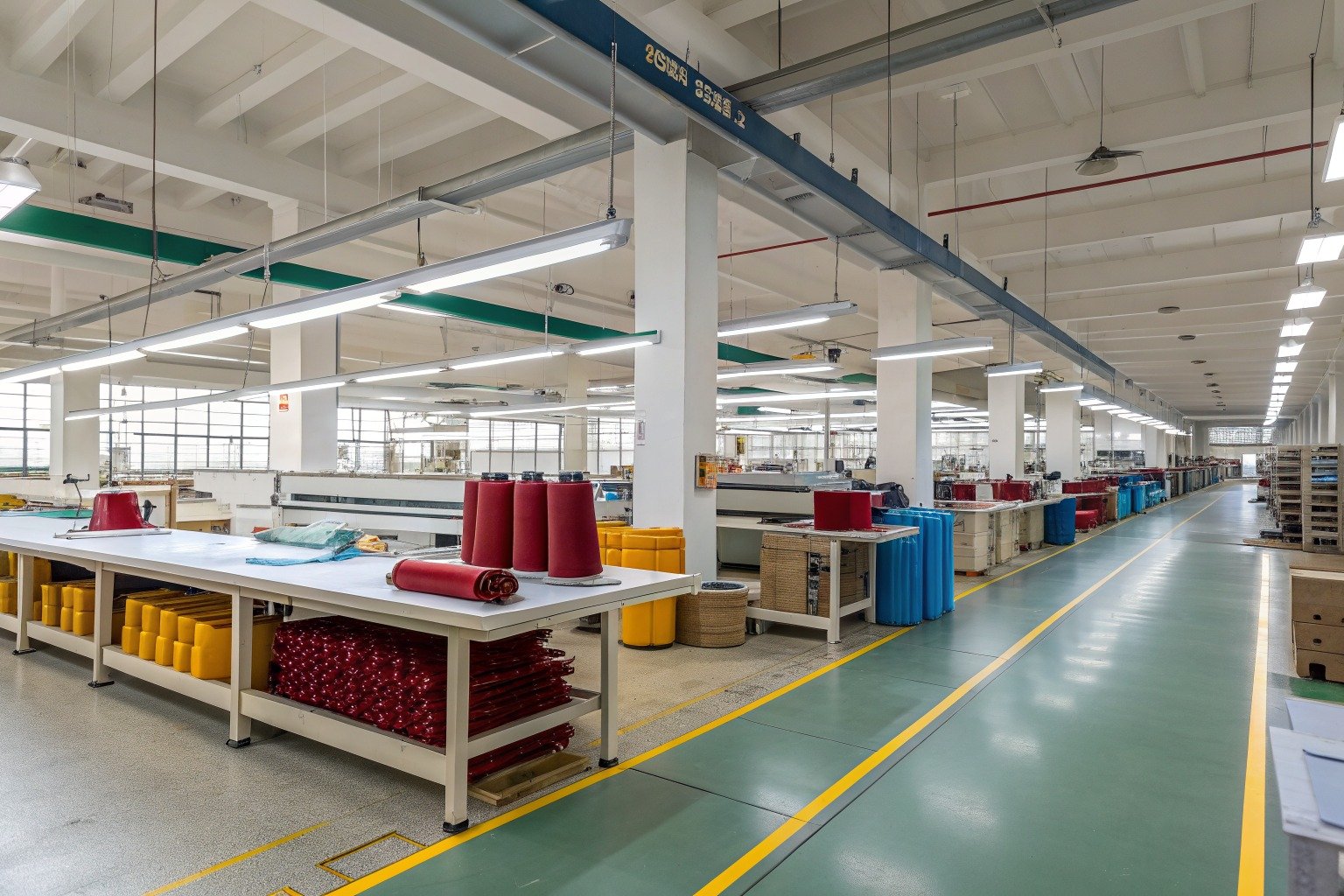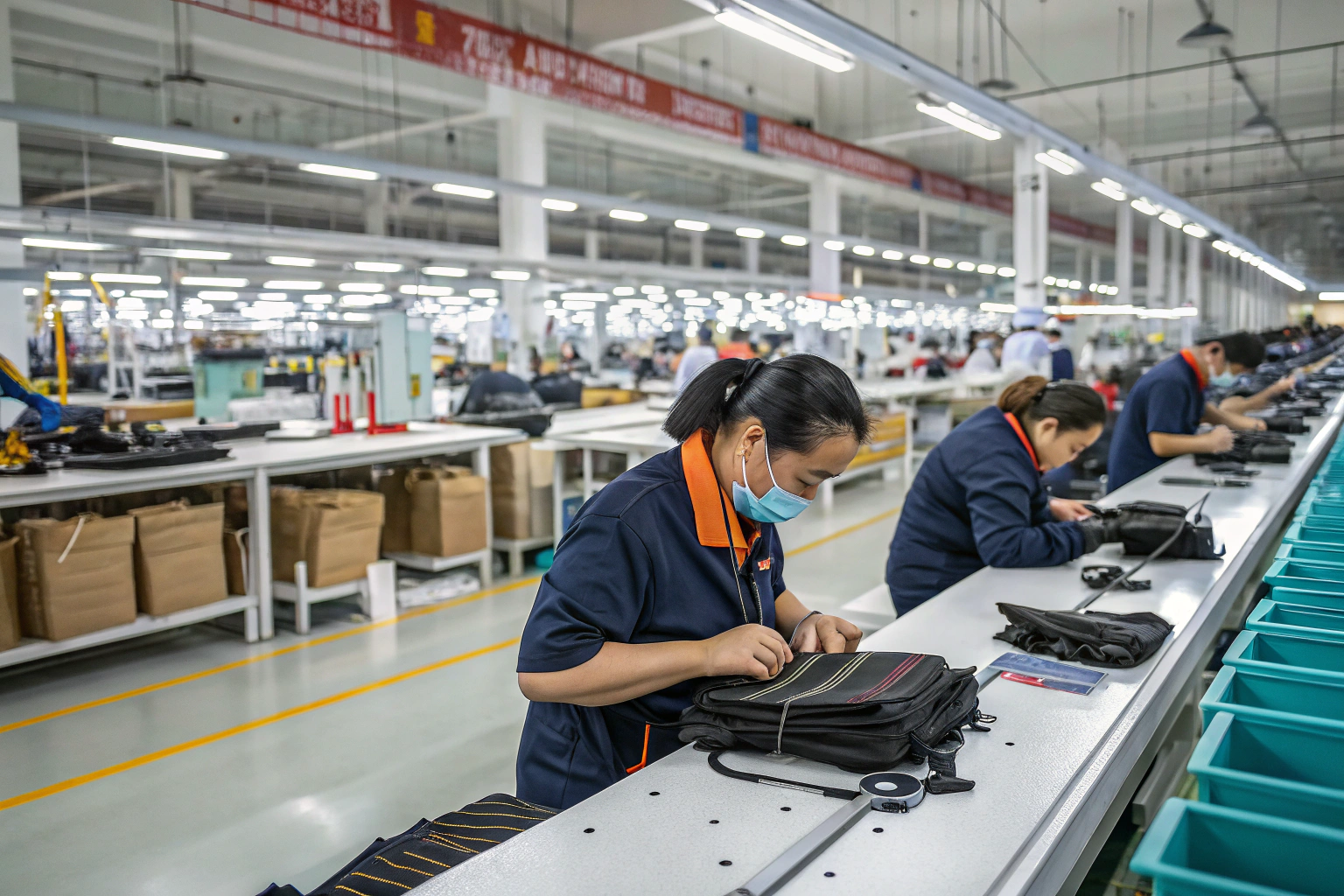
I remember a phone call with a client named Jennifer last spring. She was frustrated. She had been sourcing hair accessories from a trading company in Guangzhou for three years. Her average lead time from sample approval to container loading was 45 to 55 days. She missed the back-to-school window two years in a row. She asked me, "Why does it take so long? They’re in the ‘World’s Factory’ down there. Shouldn’t they be faster?" I explained to her that Guangdong is a massive, sprawling ecosystem, but speed is not always its strength. She switched her production of hair claws and headbands to us in Zhejiang. Her next order was on the water in 28 days. She made her launch date and reordered immediately. If you are like Ron, you plan your inventory around seasons. A two-week difference in production lead time is the difference between a sellout and a markdown.
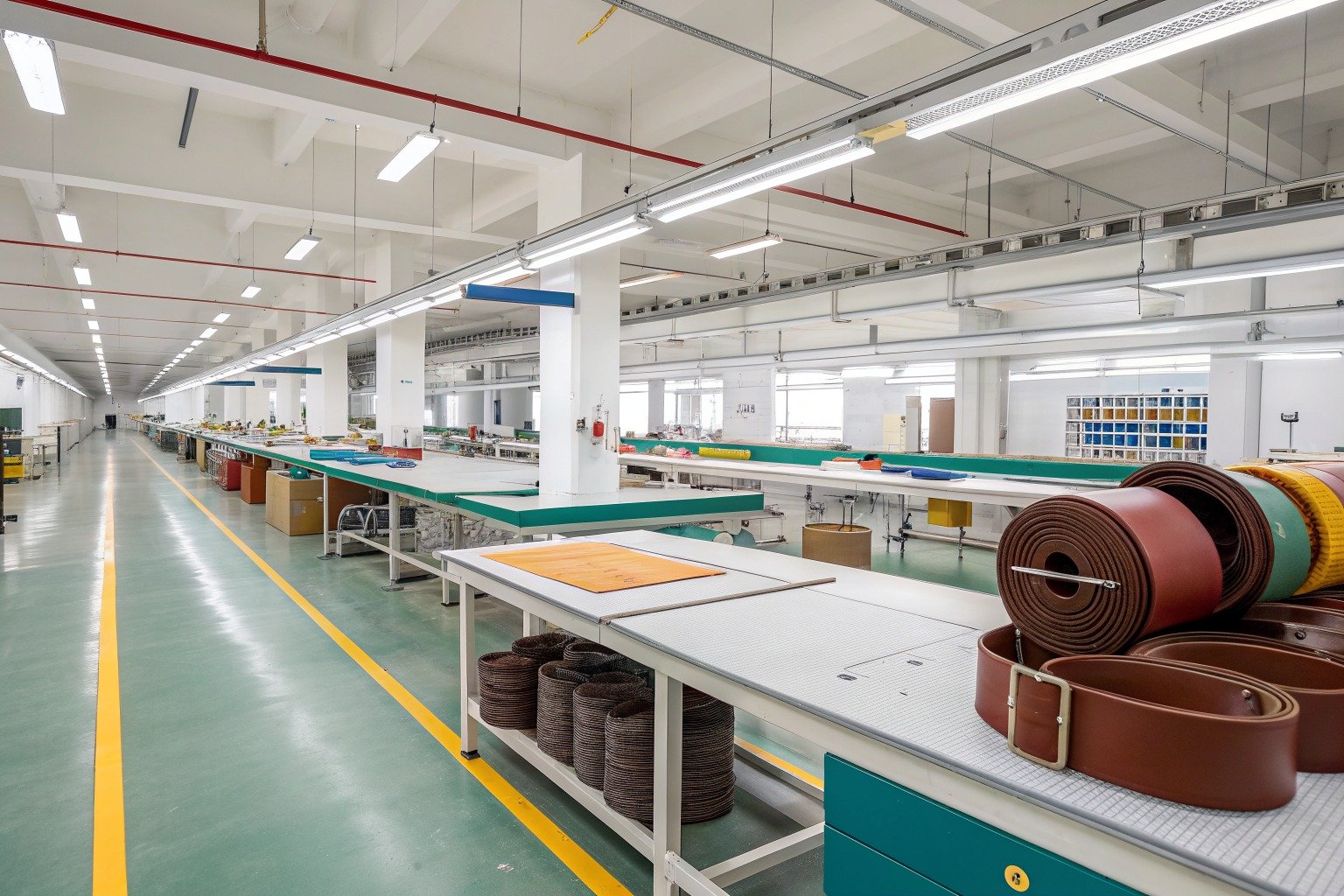
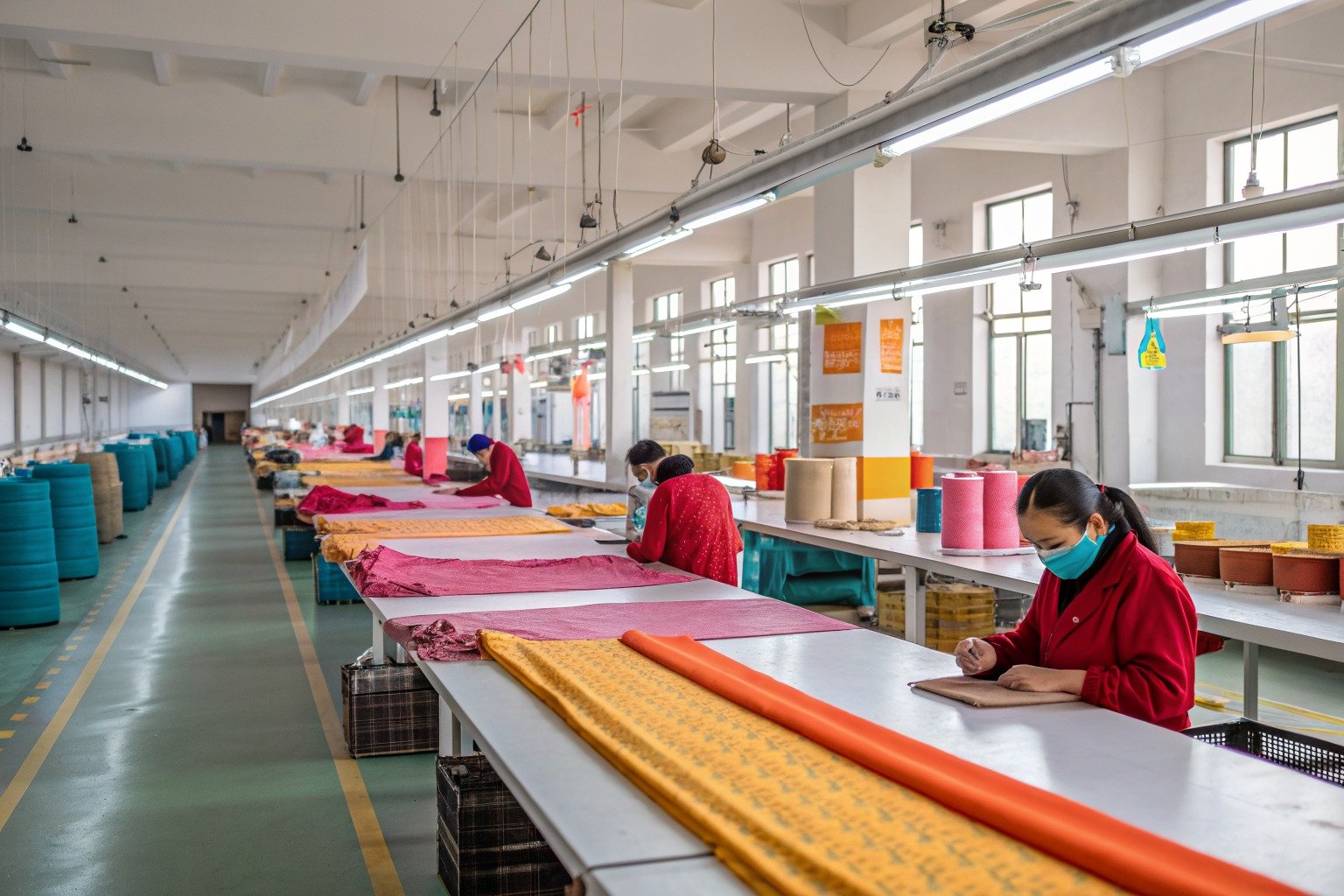
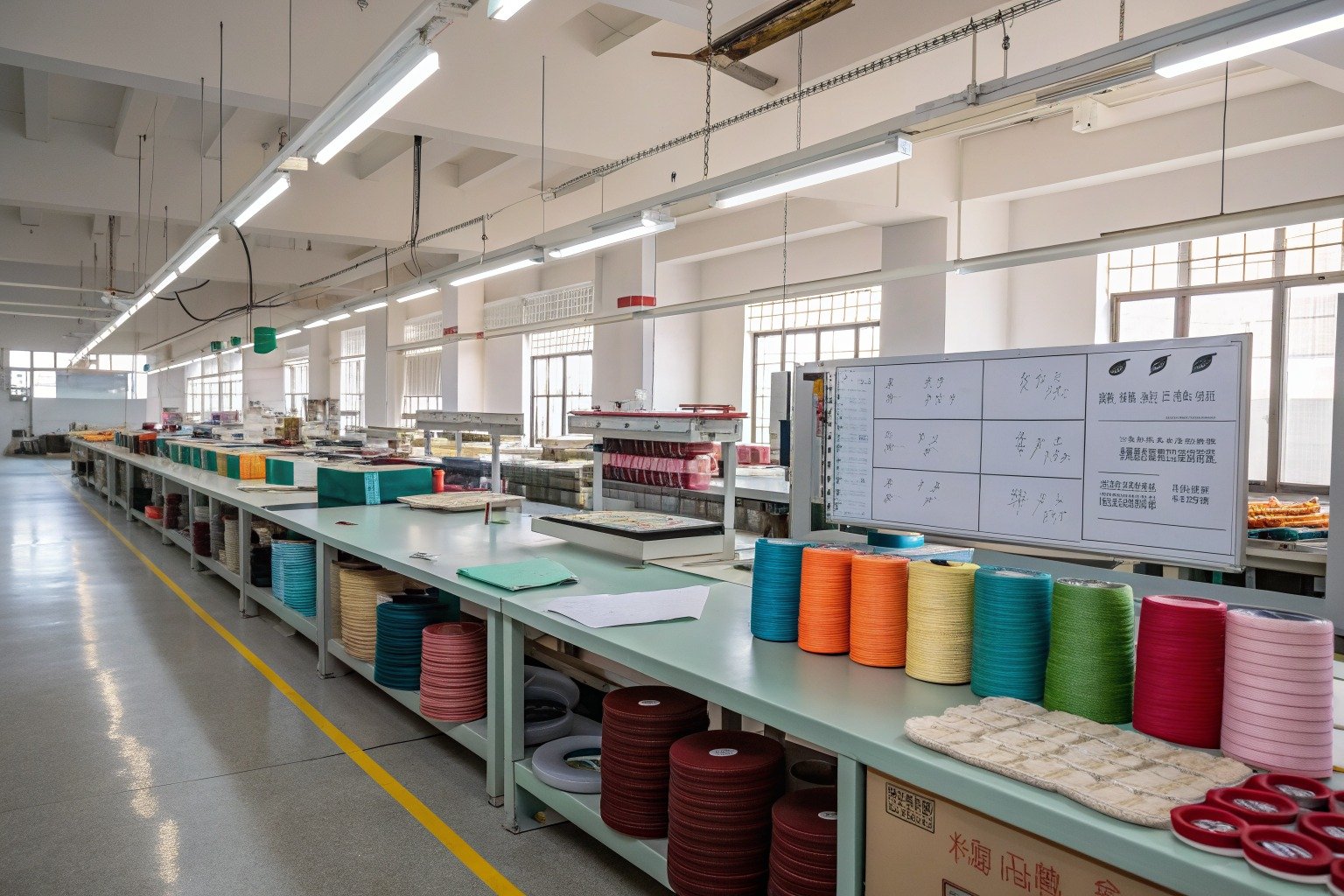
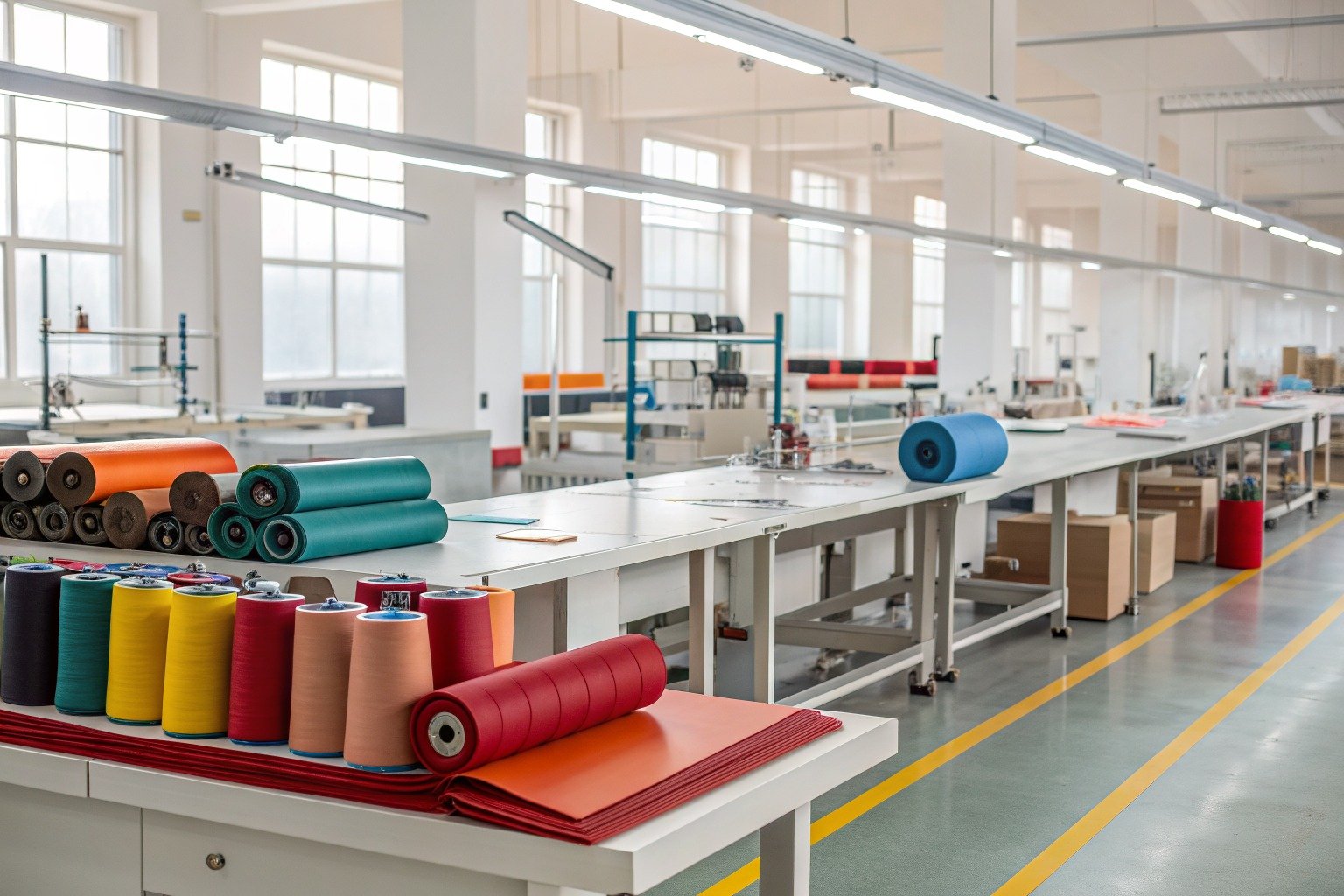
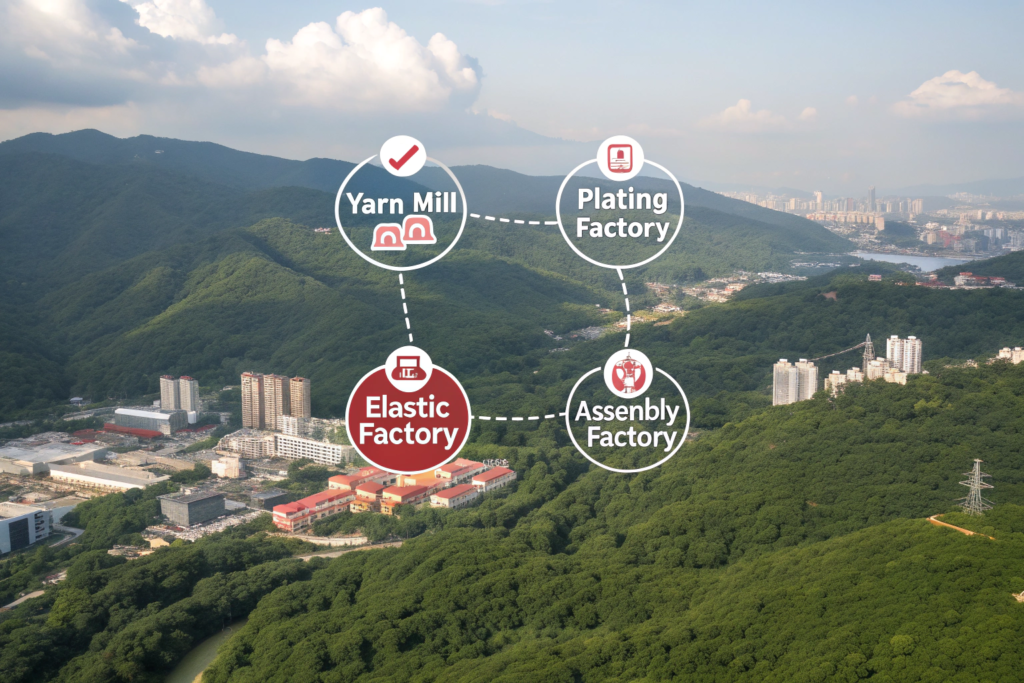
Our production lead times are shorter than Guangdong factories primarily due to the concentrated, vertically integrated supply chain of Zhejiang Province for fashion accessories. Unlike Guangdong, where accessory components (buckles, elastics, acetate sheets) are often sourced from distant industrial parks requiring multi-day logistics, our key raw materials are produced within a 50-kilometer radius. This proximity eliminates supply chain friction. Furthermore, our factory operates as a focused, mid-sized facility with in-house mold making and design, allowing for agile production scheduling rather than the rigid, high-volume-only scheduling of Guangdong’s mega-factories.
I run AceAccessory in Zhejiang Province. I have spent my entire career in this specific industrial ecosystem. I have friends who run factories in Dongguan and Shenzhen. I respect their scale. But I know that for the fashion accessory buyer who needs speed, flexibility, and consistency, Zhejiang offers structural advantages that are often overlooked in favor of Guangdong’s famous name. The secret to our speed is not a magic machine or a superhuman workforce. It is geography and business philosophy. Let me walk you through the specific, tangible reasons why a Zhejiang factory like ours can turn your orders around faster.
How Does Zhejiang’s Accessory Supply Chain Density Reduce Lead Times?
The number one driver of lead time is not sewing speed. It is logistics time. How long does it take for the raw materials to get to the factory floor? In Guangdong, the accessory industry is spread out across the Pearl River Delta. The buckle factory is in Dongguan. The electroplating shop is in Huizhou (a 2-hour drive in traffic). The leather strap supplier is in Guangzhou (another hour). A single missing component can halt the entire assembly line for three days while a motorcycle courier battles traffic.
Zhejiang’s accessory ecosystem is fundamentally different. It is hyper-concentrated. The city of Yiwu is the global epicenter for small commodity trading. The city of Haining is the center for leather and belts. Shaoxing is the textile printing hub. Our factory is strategically located in the center of this triangle.
Here is what this means for a specific order of belts :
- Need custom zinc alloy buckles? Our mold partner is 25km away. The mold is cut, samples are cast, and the first batch is delivered to our door in 3 days.
- Need a specific width of elastic for hair bands ? The elastic mill is 15km away. We can pick up a new color batch in 2 hours.
- Need a custom printed label? The digital print shop is in the next industrial park. 1-day turnaround.
This density eliminates the "Waiting for Materials" line on the production schedule. In Guangdong, a factory might wait a week for a component. We wait a few hours. This time saving is compounded across every component, resulting in a 10-14 day reduction in the overall production timeline. This is a structural advantage of manufacturing fashion accessories in Zhejiang.
Why Does Proximity to Yiwu Commodity Market Accelerate Component Sourcing?
Guangdong has huge wholesale markets, but Yiwu International Trade City is unique. It is the largest wholesale market in the world. It spans over 4 million square meters and houses over 75,000 booths.
Why does this matter for lead time?
- Instant Availability of Trims: Need 10,000 pieces of a specific metal rivet for a shawl pin? Or a specific size of cardboard insert for a hat ? Our sourcing team can walk into a booth in Yiwu and buy it off the shelf, today. In Guangdong, that same item might need to be ordered from a specialized factory with a 7-10 day production lead time.
- Rapid Prototyping of Packaging: We can take your packaging concept to Yiwu in the morning. A shop specializing in ribbon, another in paper boxes, another in hangtags. We can source all the components for a complete Packaging Prototype in under 48 hours. This speed of sample making is unmatched elsewhere in China.
This proximity turns the massive inventory of Yiwu into our extended warehouse. We do not need to stockpile every obscure rivet or ribbon size. We know we can source it in hours. This lean inventory approach reduces our overhead and allows us to be more agile in responding to custom product requests.
How Does In-House Mold Making Cut Weeks from Custom Buckle Timelines?
I touched on this in the belt buckle prototype article, but it is a critical differentiator in production lead time, not just sampling.
Most accessory factories in Guangdong outsource mold making. They send the design file to a specialized tooling shop. That shop has its own queue of clients. You wait in line. First for CNC time, then for EDM time, then for polishing.
When we say "In-House" at AceAccessory, we mean the mold-making equipment is under our roof. Our tooling engineers report to the same project manager as the assembly line workers.
Impact on Timeline:
- Scheduling Priority: Your buckle mold doesn’t compete with a faucet handle mold from a plumbing company. It only competes with other accessory molds, and we prioritize based on your production schedule.
- Iteration Speed: If the first test shot of the belt buckle shows a slight flaw in the logo depth, the engineer walks 20 meters to the CNC machine, adjusts the G-code, and re-cuts the cavity. This takes 2 hours. An outsourced tool shop would require a formal change order, a new PO, and a 3-day wait.
This vertical integration cuts 5-7 days off the pre-production phase. It is one of the primary reasons our overall lead times are consistently shorter for custom metal accessories.
Why Do Mid-Sized Zhejiang Factories Offer More Agile Scheduling?
Size matters. Guangdong is home to some of the largest factories in the world. They employ 5,000, 10,000, even 20,000 workers. This scale is incredible for producing 1 million identical t-shirts. But it is a bureaucratic nightmare for producing 10,000 mixed-color hair clips .
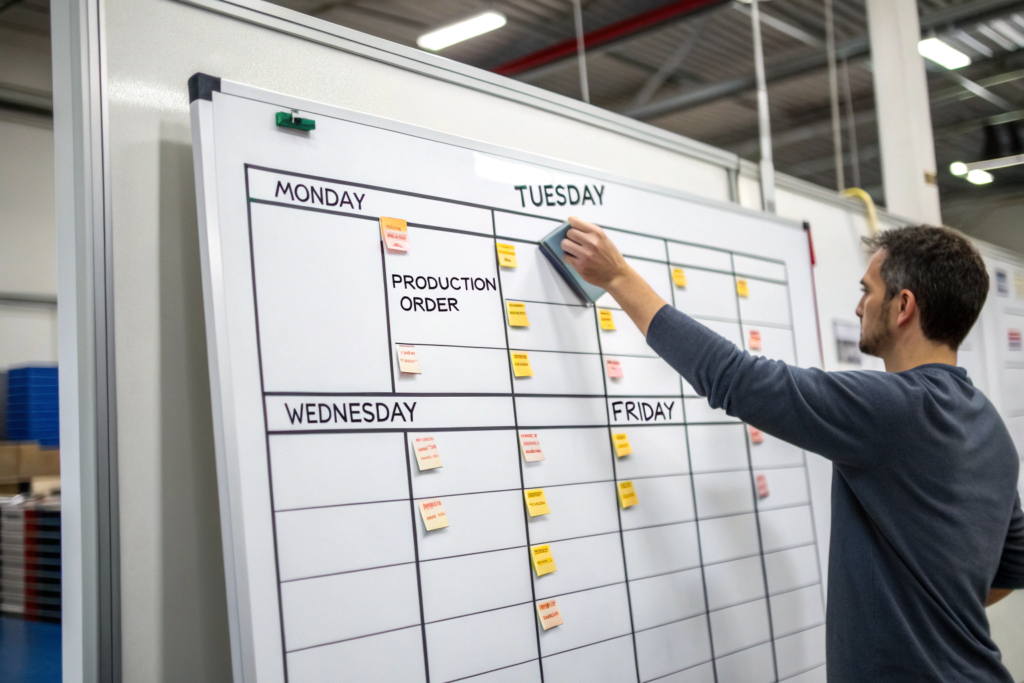
In a mega-factory, the production planning office is a separate department located in a different building. Changing a production schedule requires a meeting, an ERP system update, and approval from three layers of management. The schedule is set in stone weeks in advance. If you need to squeeze in a rush reorder of a hot-selling color, the answer is usually "No, the line is booked."
At AceAccessory, we are a Mid-Sized Enterprise (SME) . Our project manager sits 50 feet from the production line supervisor. They talk face-to-face multiple times a day.
The Advantage of Flat Hierarchy:
- Line Changeovers: We can switch a sewing line from Black elastic to Navy elastic in 15 minutes. The decision is made verbally.
- Rush Orders: If a client sells out of a hat style and needs 2,000 pieces fast, we can look at the physical floor, identify a line that is ahead of schedule, and slot the rush order in tomorrow morning.
This agility is a direct result of our size. We are large enough to have professional systems, but small enough to turn on a dime. We are not a battleship. We are a fleet of speedboats. This is the ideal structure for serving the modern fashion accessories market, where demand is volatile and speed is a competitive weapon.
How Does Piece-Rate Labor Incentivize Speed Without Sacrificing Quality?
This is a sensitive but important operational truth. The labor model in Zhejiang accessory factories differs from the model in Guangdong electronics or garment mega-factories.
In many Guangdong factories, workers are paid a Fixed Monthly Salary plus overtime. There is a cultural expectation of long hours. The pace of work is steady but not necessarily urgent.
In Zhejiang’s accessory workshops (including ours), skilled workers are predominantly paid on a Piece-Rate Basis. They earn a set amount for every dozen hair bands they sew, or every hundred scarves they fringe.
This creates a natural incentive for efficiency. The worker wants the line to run smoothly. They want the materials to be ready. They want the machine to be maintained. They are micro-entrepreneurs within the factory.
But what about quality? This is where the system must be managed. A pure piece-rate system without oversight encourages cutting corners. That is why AceAccessory pairs piece-rate pay with a Strict In-Line QC Penalty System.
- Incentive: Produce 1,000 good units = Earn high pay.
- Penalty: Produce 1,000 units with 5% defects = Rejected units are not counted toward pay. The worker must fix them on their own time.
This aligns the worker’s financial interest with our quality standards. It creates a culture where speed and quality are not trade-offs, but partners. Workers are fast, but they are also careful, because a rejected batch hurts their paycheck directly. This balance is a hallmark of the Zhejiang manufacturing culture.
Can You Accommodate Smaller Minimum Order Quantities Than Guangdong Mega-Factories?
Yes, and this is a direct function of agile scheduling. A mega-factory in Guangdong has a high Cost of Changeover. Because their lines are long and their bureaucracy is heavy, they need a high MOQ to justify the setup time. They want to run one color for three days straight.
At AceAccessory, our Per-Style MOQ for stock materials is typically 300 to 500 pieces. For a custom color, it might be 1,000 pieces. This is significantly lower than the 3,000 to 5,000 piece minimums common in Guangdong for similar accessories.
Why does this matter for lead time?
- Lower MOQ = Faster Reorder Frequency: You don’t need to wait until you have a massive 10,000 piece order to justify production. You can reorder 2,000 pieces of a winning belt immediately.
- Faster Turnaround on Reorders: Because the quantities are smaller, the batch sizes are smaller. A 2,000 piece reorder can be cut, sewn, and packed in 3-5 days. A 10,000 piece order takes longer simply due to volume.
This low-MOQ, high-agility model is perfectly suited to the "Test and Reorder" strategy of modern e-commerce brands. We are built to support brands that grow through data, not through massive upfront inventory bets. This is a key differentiator in our production model .
How Does Regional Specialization in Zhejiang Improve Efficiency?
Guangdong is a generalist. It makes everything: phones, drones, furniture, toys, and accessories. Zhejiang is a specialist. The province is organized into "Industrial Clusters" —entire towns dedicated to a single product category.
This phenomenon is called "One Town, One Product."
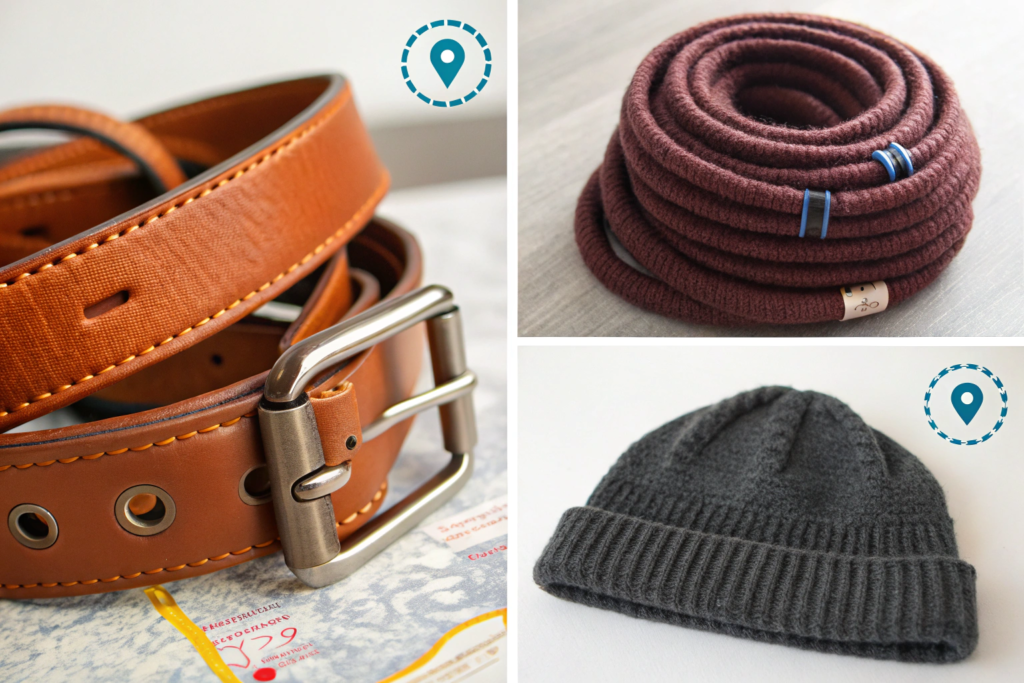
- Haining: Leather and Fur. (If you want a premium leather belt , the world’s best tanneries and stitching experts are within an hour of our factory).
- Yiwu: Small Commodities and Trims.
- Shaoxing: Textile Printing and Dyeing.
- Tongxiang: Knitwear. (The best knit hats and sweaters).
Why does this specialization lead to shorter lead times?
Deep Labor Pool: If we need a skilled worker to operate a specific type of Edge Painting Machine for a shawl order, we can find that person in the local labor market tomorrow. They have been doing that exact job in that exact town for 10 years. In a generalist factory in Guangdong, you might have to train a general sewer on a specialized machine, which takes time and results in lower initial quality.
Shared Knowledge: The technical knowledge of how to dye a specific shade of elastic or how to set the tension on a brim-curling machine is tribal knowledge shared among the thousands of technicians in the cluster. Problems get solved faster because someone down the street has already solved them.
At AceAccessory, we leverage this regional specialization. We are not trying to be the best at everything in one building. We are the best at assembling and finishing accessories, drawing upon the specialized resources of our immediate neighbors.
Why Is the Zhejiang Workforce More Stable and Skilled in Soft Goods?
Labor turnover is a silent killer of lead times. A factory that loses 10% of its workforce every month spends all its time training new hires, not producing goods. Efficiency plummets.
The workforce in Zhejiang’s accessory industry is remarkably stable. Why?
- Local Ownership: Many workers are from the local region or have settled here for decades. They have families, homes, and roots. They are not the transient "migrant worker" population that cycles through Guangdong’s dormitory factories annually.
- Skill Pride: Working with soft goods—sewing a delicate scarf , assembling a complex hair clip —is viewed as a skilled trade, not just manual labor. Experienced workers take pride in their speed and consistency.
At AceAccessory, our average employee tenure is over 5 years. Our production supervisors have been with us for over 10 years. This institutional memory is invaluable. When a new order for a complex winter accessory comes in, the team knows exactly how to set up the line for maximum efficiency. They don’t need to figure it out from scratch. This is why our per-unit labor time is often lower than a factory in Guangdong, even if the hourly wage is similar. Experience equals speed.
How Does Lower Employee Turnover Translate to Consistent Production Flow?
Let’s connect the dots from stable workforce to shorter lead times. It is a direct chain of causation.
Stable Workforce -> Consistent Quality: An experienced worker makes fewer mistakes. Fewer mistakes mean less Rework Time. Rework is the biggest thief of production efficiency. If 10% of a batch needs to be sent back for repair, the effective lead time for that batch increases by 10%.
Stable Workforce -> Predictable Output: A factory manager who knows her team knows exactly how many units Line A will produce on a Tuesday. She can make accurate promises to the client. She doesn’t have to pad the lead time estimate with "buffer" for unexpected labor shortages.
Stable Workforce -> Faster Training on New Styles: When we introduce a new belt design, we don’t have to teach the team how to sew from scratch. We just show them the new sequence. They adapt in hours, not days. This dramatically shortens the "ramp-up" phase of a new production order.
This human capital advantage is difficult for competitors to replicate. It is built over years of fair treatment and stable operations. It is a core reason why our lead times are consistently reliable. This is the foundation of our manufacturing reliability .
Conclusion
The perception that Guangdong is the only place for fast, reliable manufacturing in China is an outdated one, especially in the fashion accessories sector. The structural advantages of Zhejiang Province—its hyper-dense supply chain, its agile mid-sized factory culture, and its deep, stable pool of specialized labor—create a manufacturing environment where speed and flexibility are not just possible, but are the standard operating procedure.
Our shorter lead times are not the result of a single secret technique. They are the cumulative effect of sourcing components in hours instead of days, scheduling production lines with the agility of a speedboat rather than the inertia of a battleship, and relying on a workforce whose experience and stability translate directly into efficient, low-defect output. This ecosystem allows us to offer lower minimum order quantities and faster reorder turnaround, aligning perfectly with the inventory needs of modern, data-driven brands. When you choose a manufacturing partner in Zhejiang, you are not just choosing a factory. You are choosing an entire industrial ecosystem optimized for the specific needs of fashion accessory production.
If you are tired of long lead times and rigid MOQs and want to experience the Zhejiang advantage for your next collection, we can provide a detailed production timeline based on your specific designs. Contact our Business Director, Elaine. She can walk you through a sample production schedule and show you how our location translates to faster delivery. Email Elaine at: elaine@fumaoclothing.com