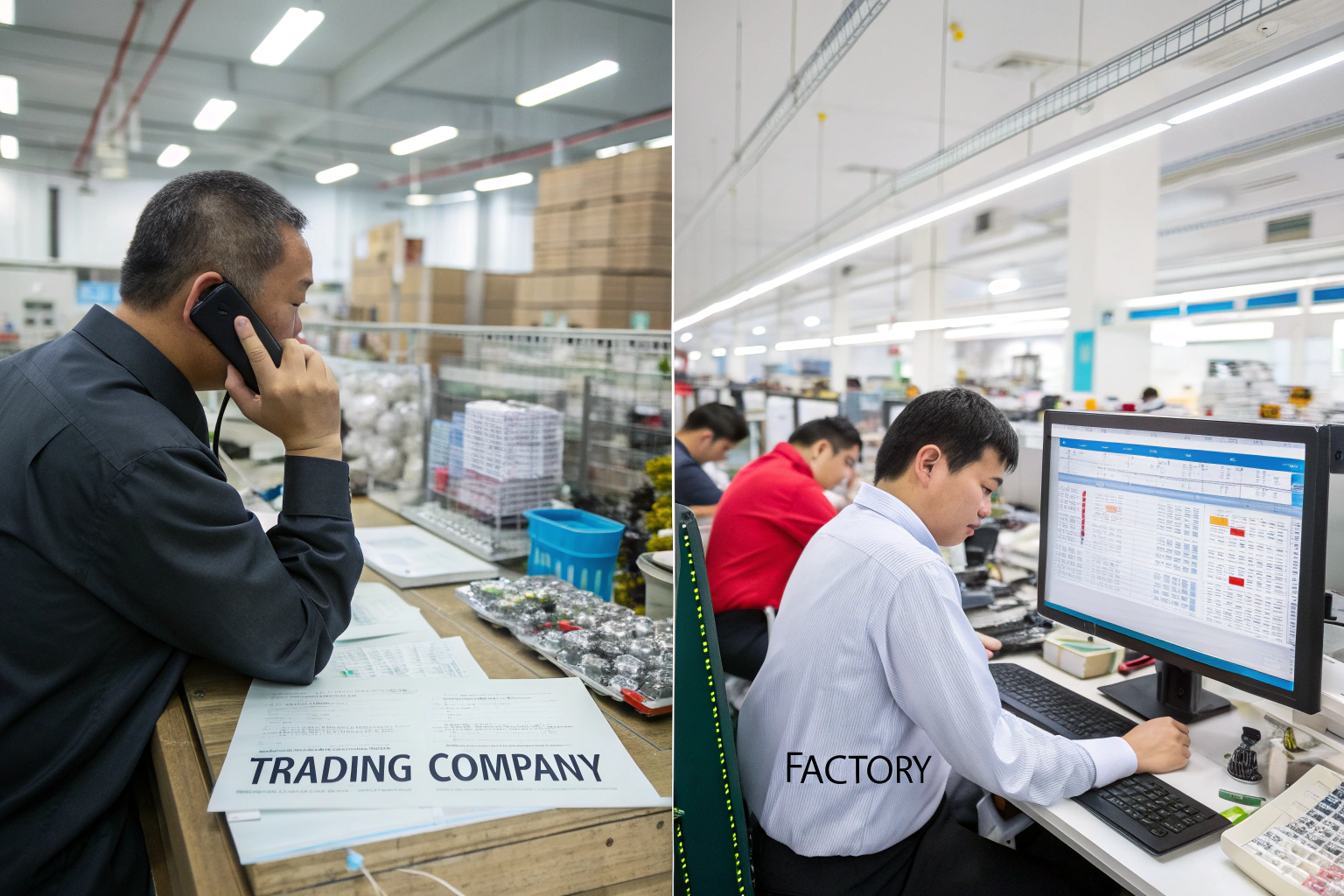
You are on Alibaba, searching for a supplier for your new line of hair accessories. You type in "acetate hair claw manufacturer." Thousands of results appear. Supplier A has a glossy profile, a huge catalog of everything from hair clips to socks to Christmas ornaments, and a rock-bottom price. Supplier B has a smaller catalog focused solely on hair accessories, slightly higher prices, and photos of a factory floor. Both have "Gold Supplier" badges. Both call themselves a "manufacturer." You are paralyzed. You’ve heard the warnings about trading companies, but how do you actually tell the difference? Choosing wrong could mean higher costs, inconsistent quality, and a complete lack of control over your production. You are not just choosing a supplier. You are choosing the entire structure of your supply chain.
The fundamental difference between a trading company and a factory on Alibaba is that a factory physically manufactures the goods in its own facility, giving it direct control over production, quality, and cost. A trading company is an intermediary that sources products from a network of often-unknown factories, adding a markup for its service of aggregation and communication, but sacrificing direct control and transparency.
I manage AceAccessory in Zhejiang. We are a direct factory. I also compete with, and sometimes clean up after, trading companies on Alibaba every single day. I am not saying all trading companies are bad. They serve a purpose for very small or highly mixed orders. But you must know who you are dealing with. Let me give you the practical, insider’s guide to telling them apart and understanding what it means for your business.
How Can You Visually Identify a Factory vs. a Trading Company on Alibaba?
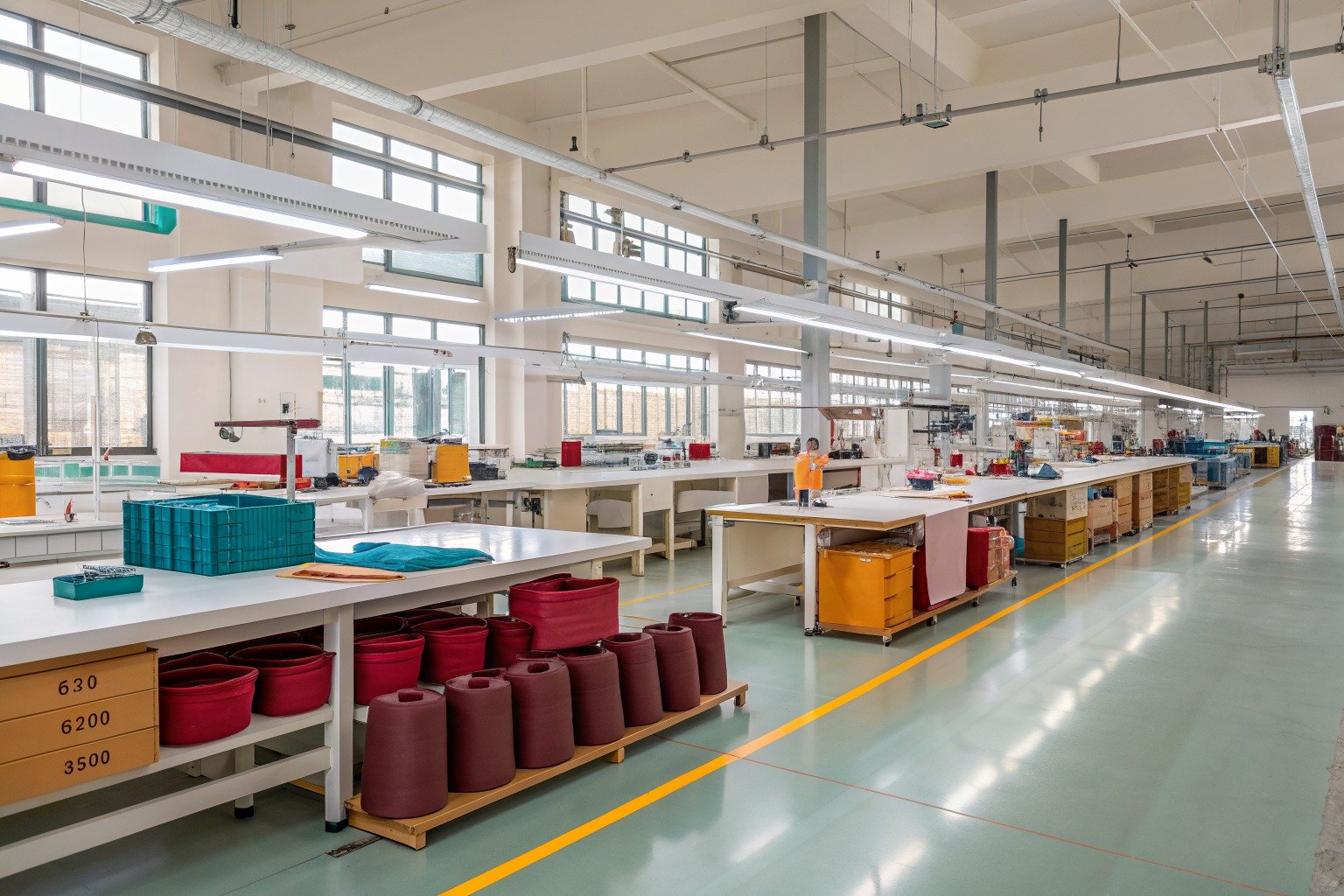
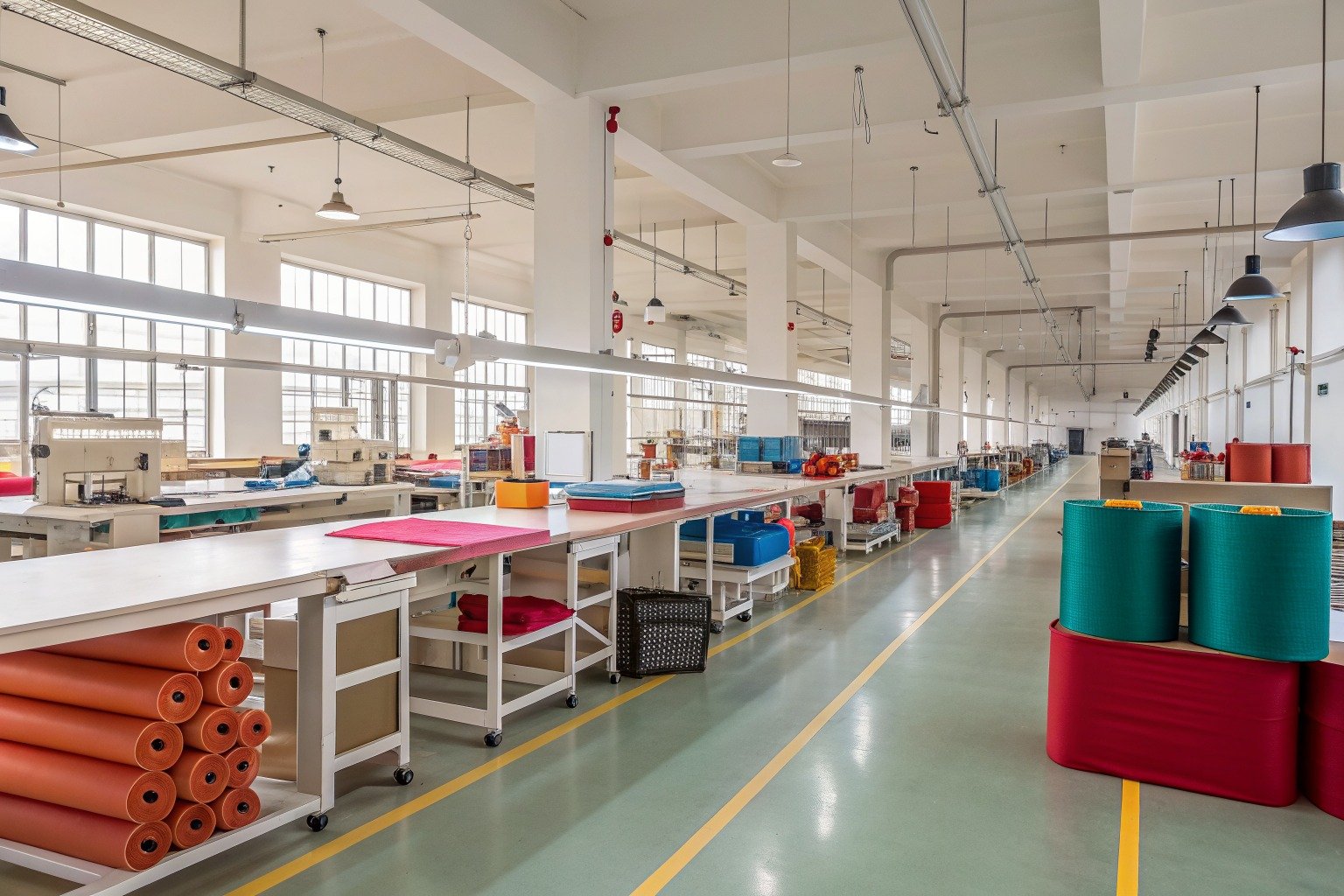
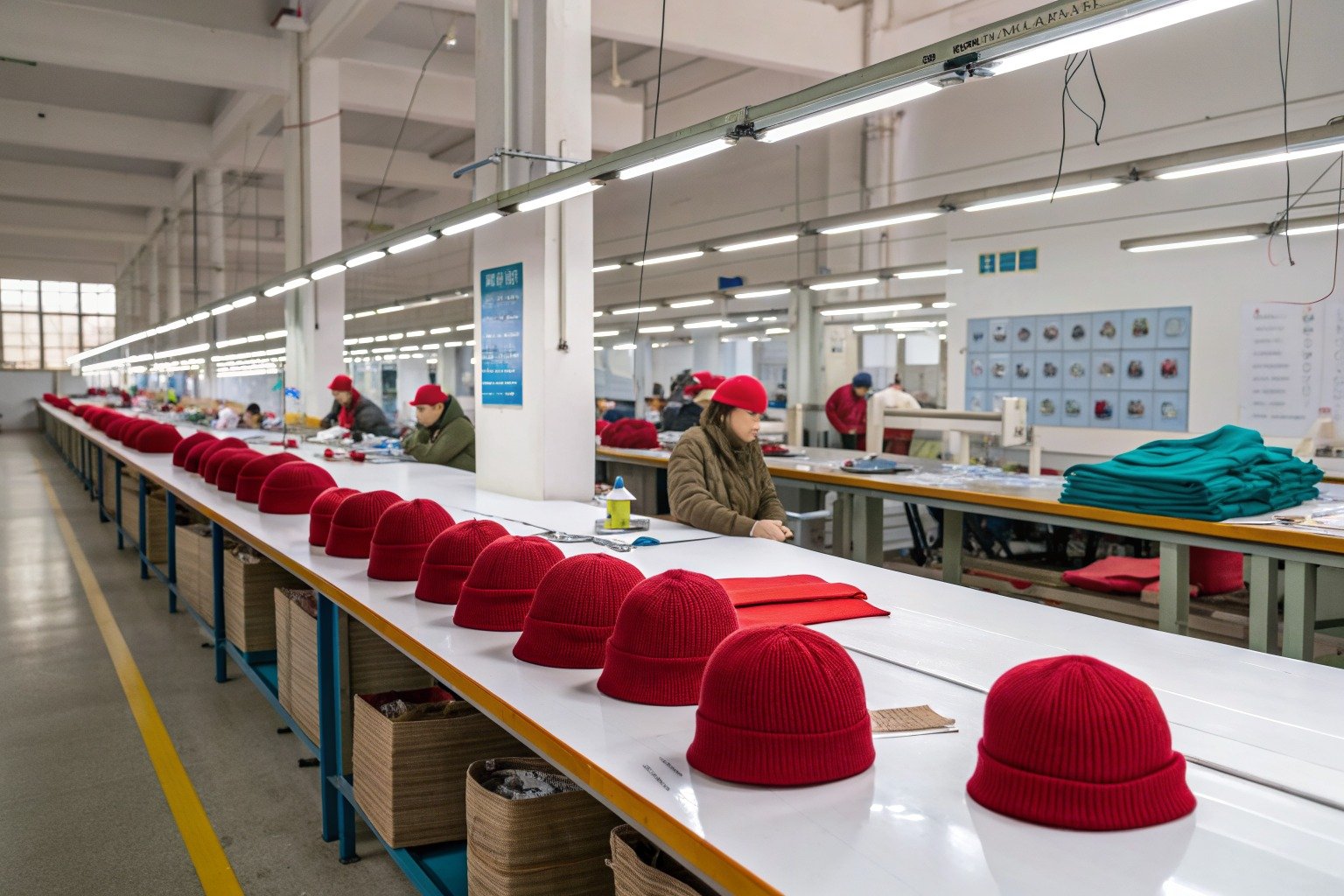
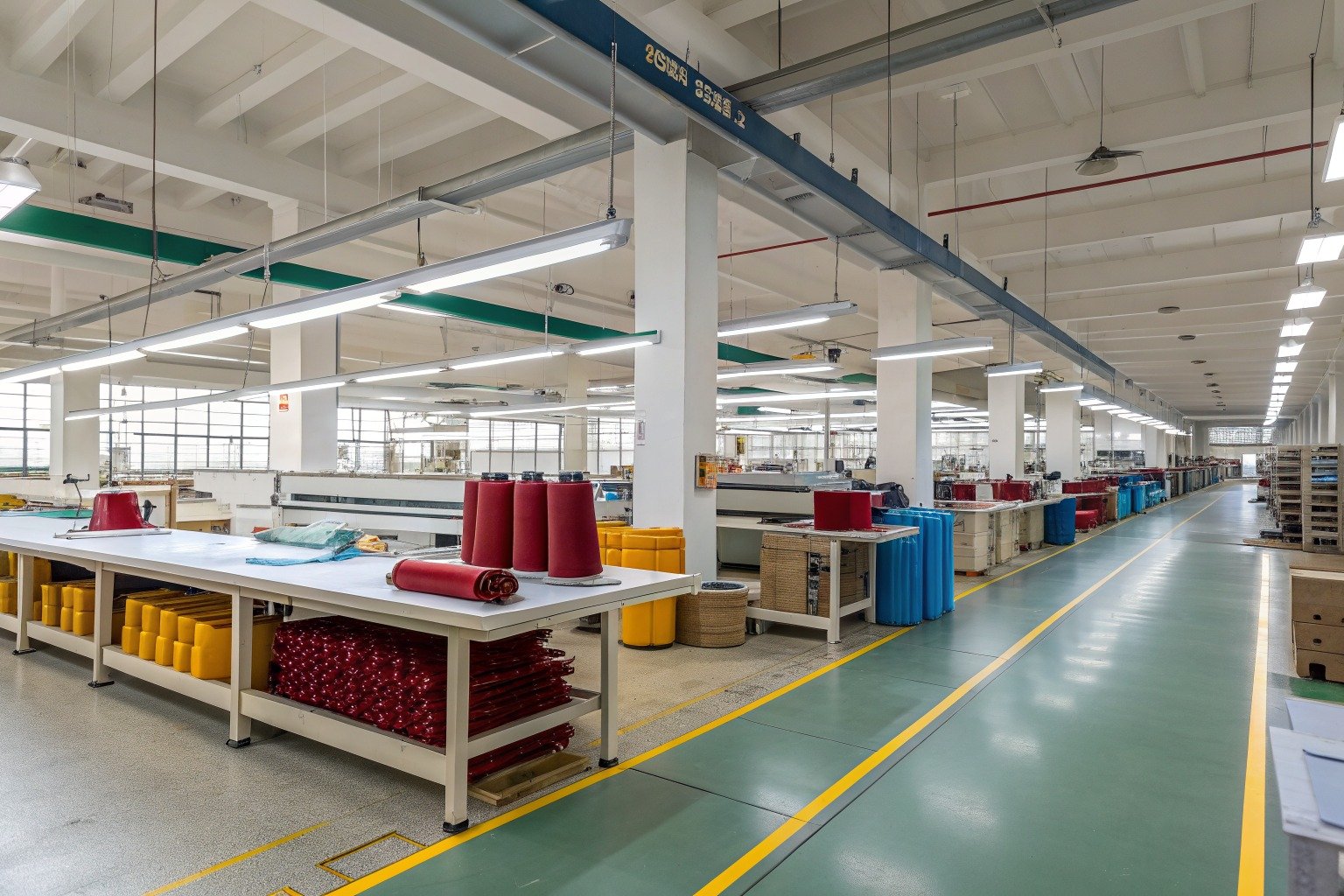
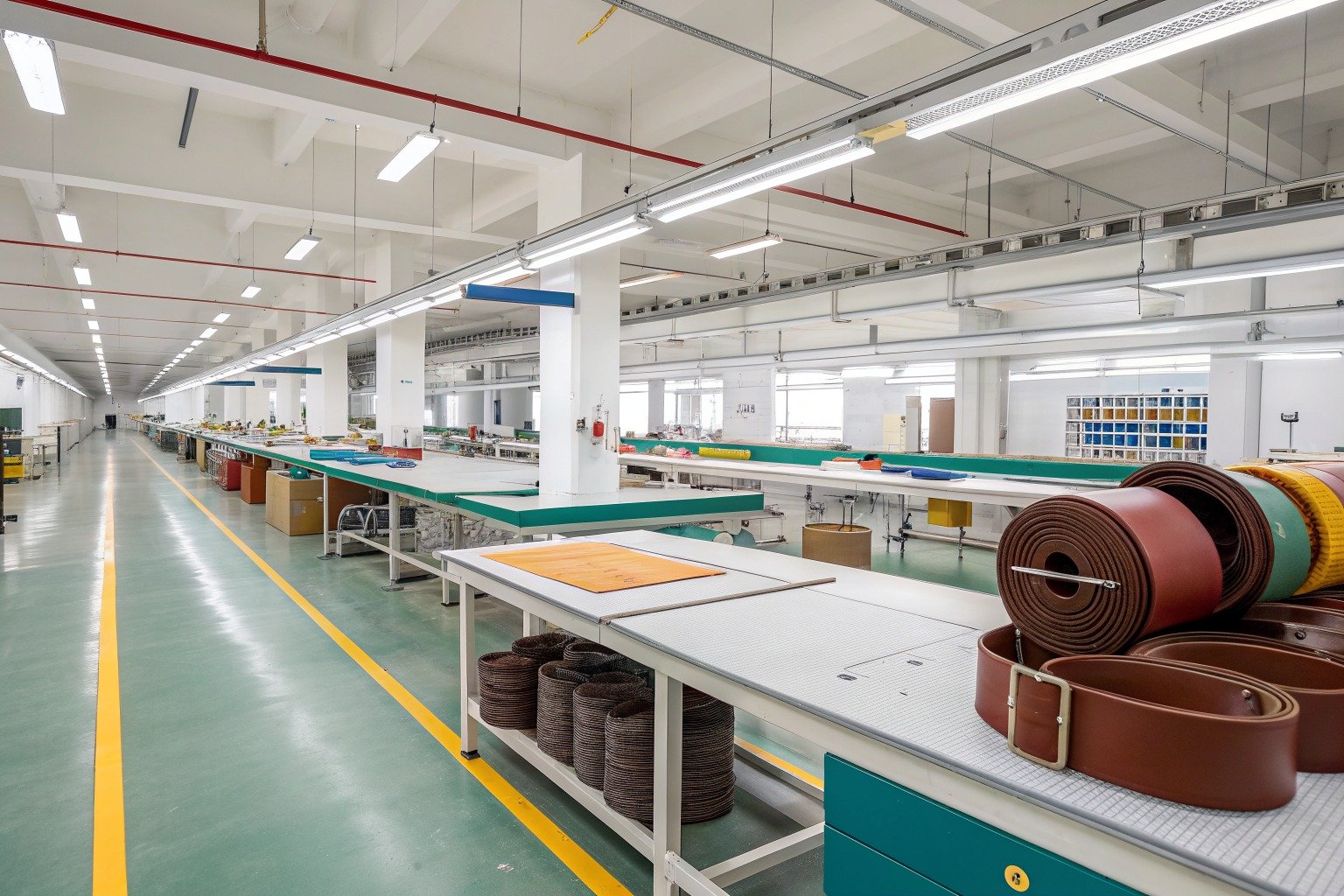
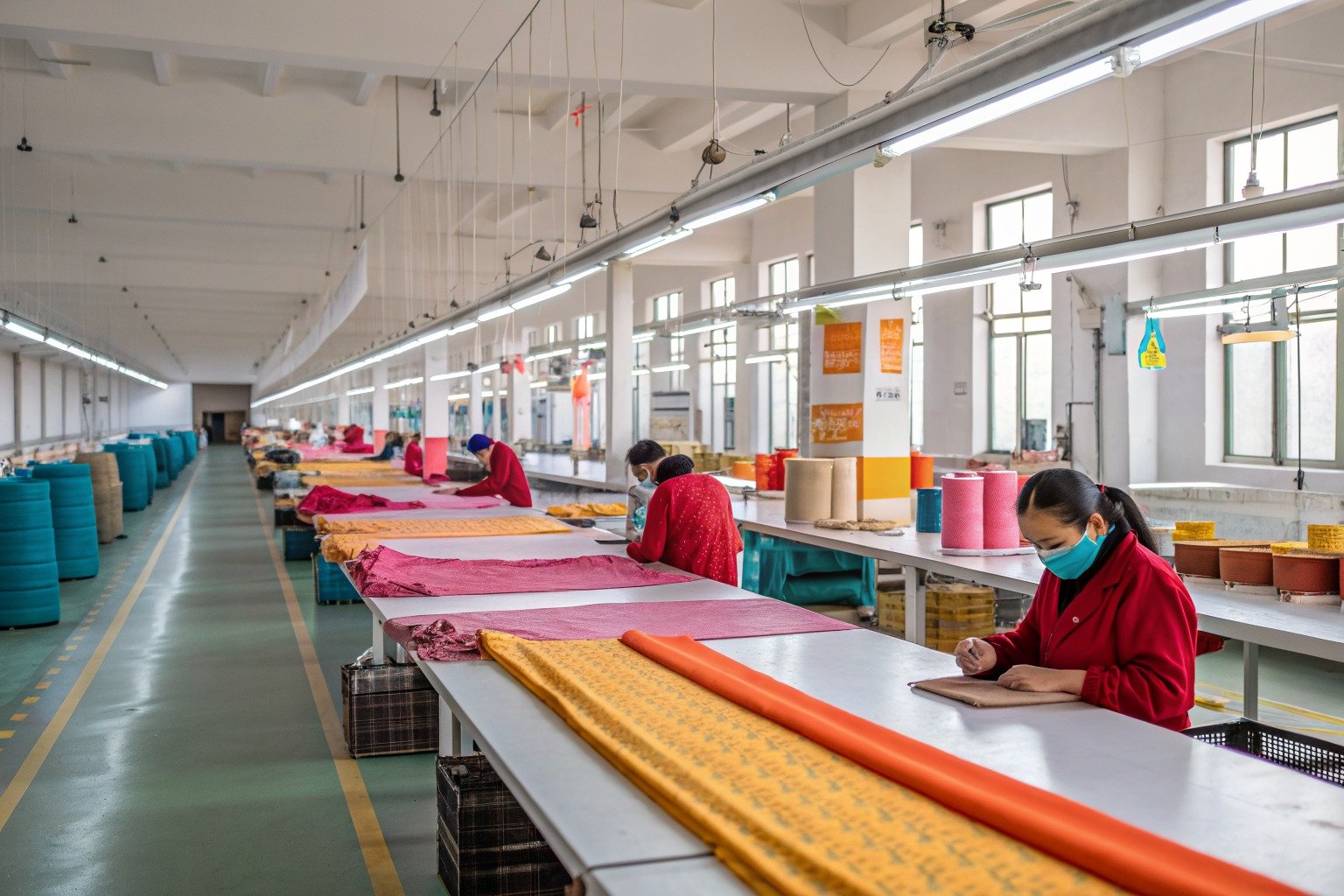
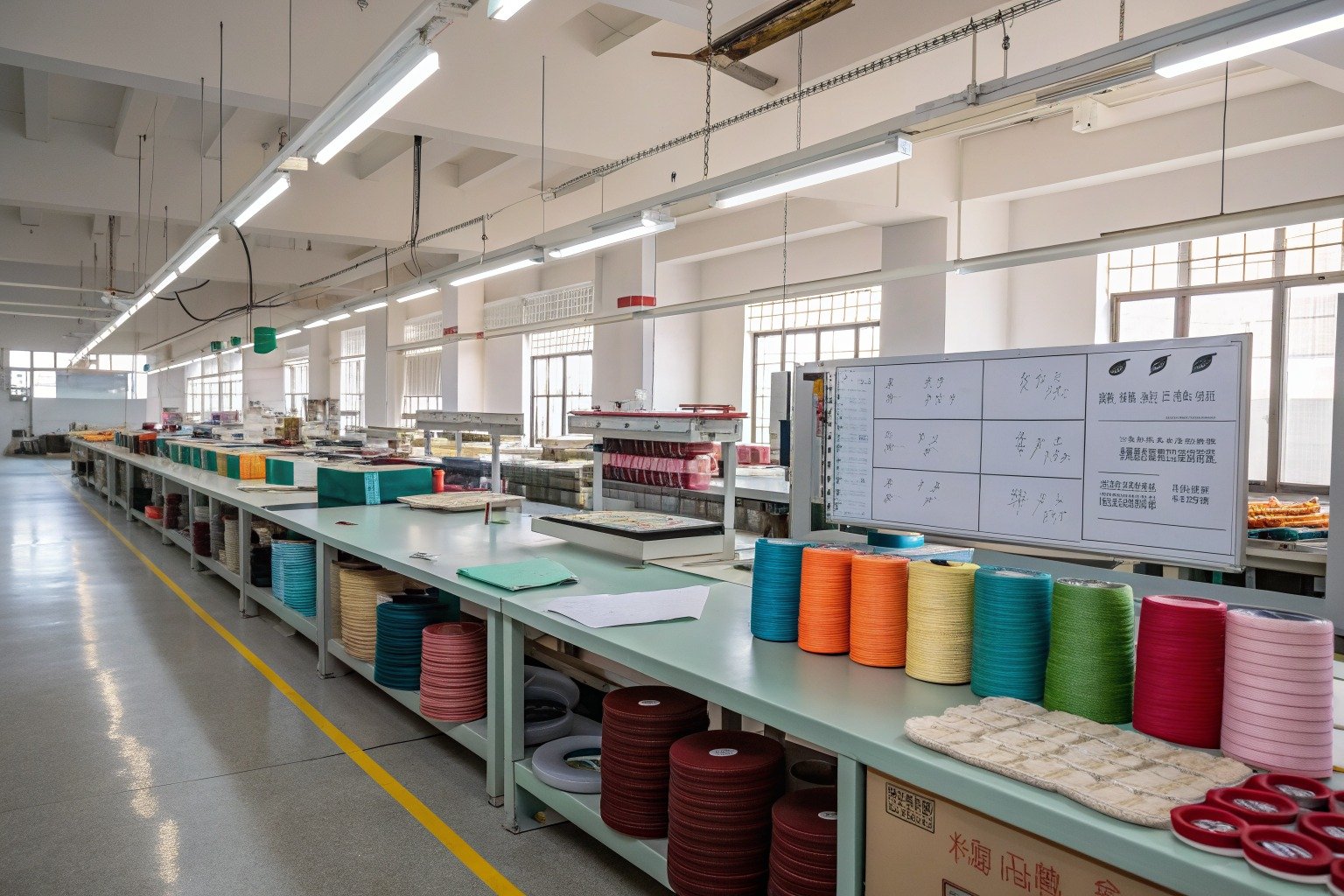
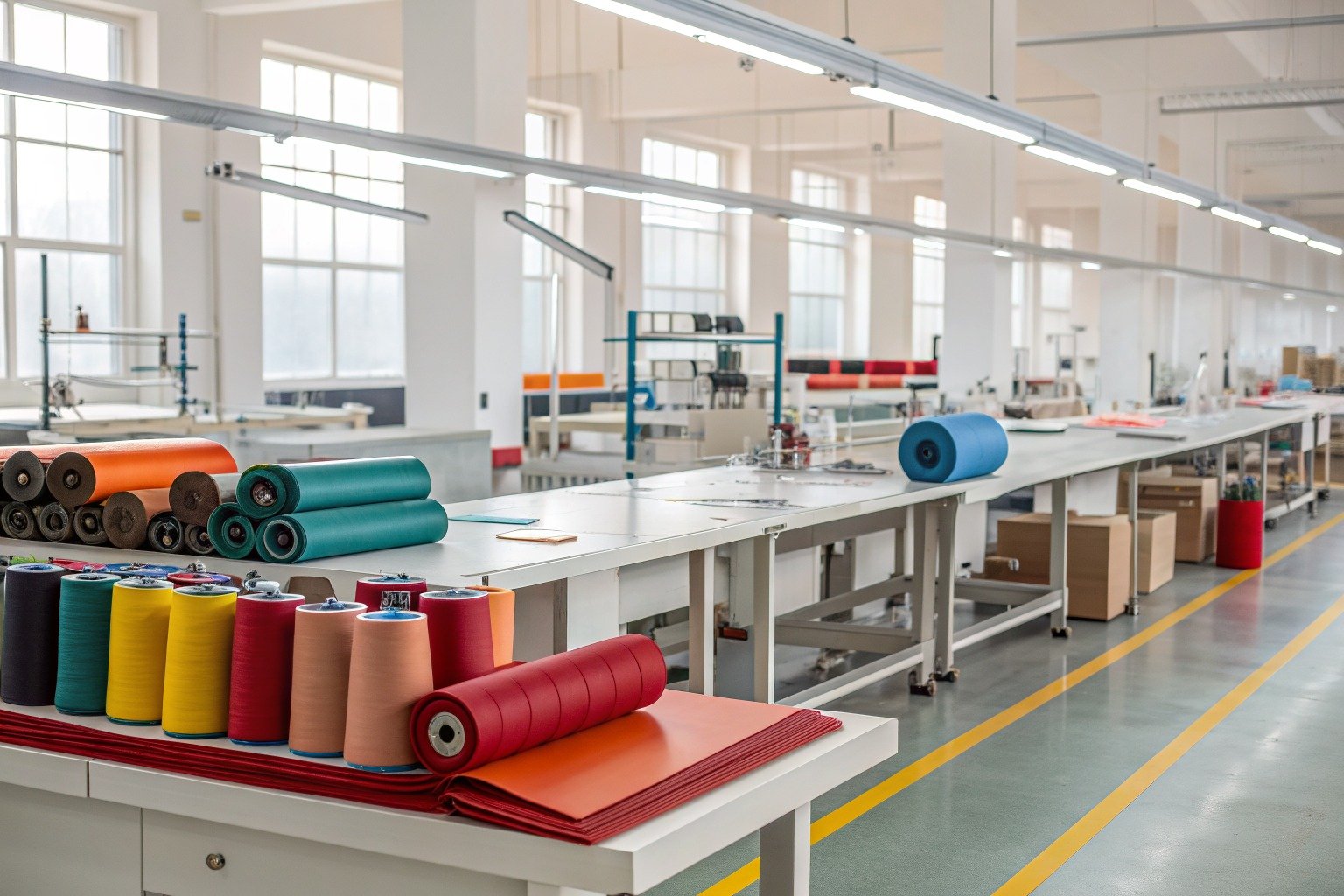
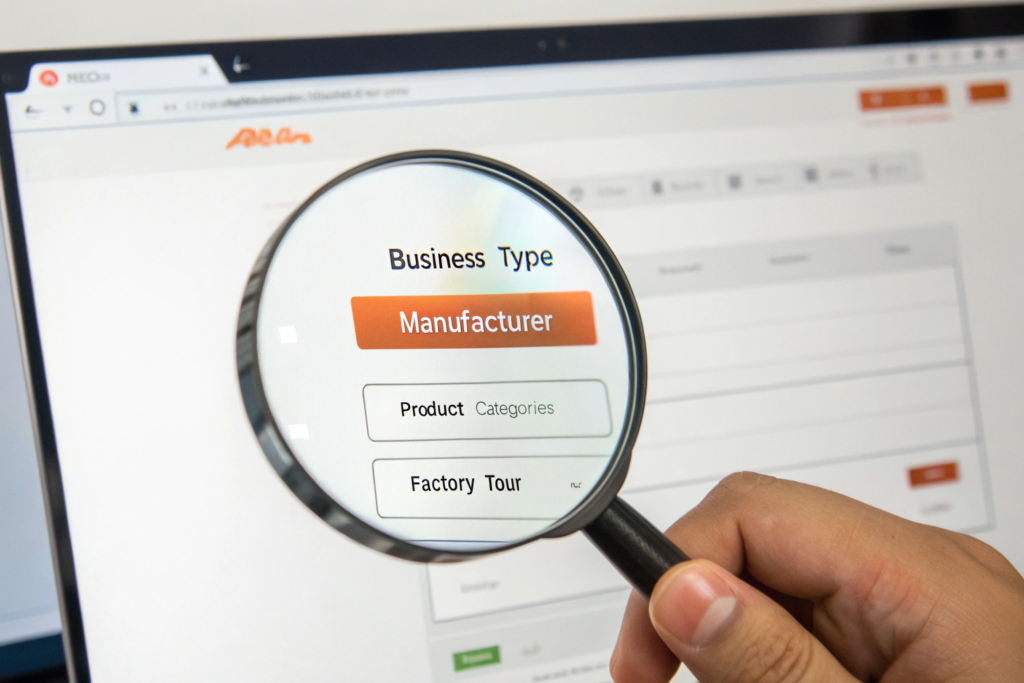
The Alibaba platform provides several clues, but you have to know where to look and how to interpret them. A badge that says "Gold Supplier" only means the company has paid a membership fee and passed a basic business license check. It does not mean they are a factory. You need to dig deeper. First, look at the "Business Type" listed on their profile. It should explicitly say "Manufacturer" or "Manufacturer/Factory." If it says "Trading Company," they are being honest. The problem is, many trading companies falsely list themselves as manufacturers. Next, examine their "Product Categories." A true factory will typically specialize. An accessory factory might make hair clips, headbands, and jewelry. A trading company will often list a bizarrely wide range of unrelated products—hair clips, socks, phone chargers, and power tools. This is a major red flag. Finally, look for evidence of a physical factory. Do they have a "Factory Tour" video on their profile? Are there multiple, consistent photos of a production floor with workers and machinery? Or are all the photos just generic product shots on a white background? This visual clues to identify a factory versus a trading company on Alibaba profiles is your first line of analysis.
What Does the "Assessed Supplier" Badge Actually Verify?
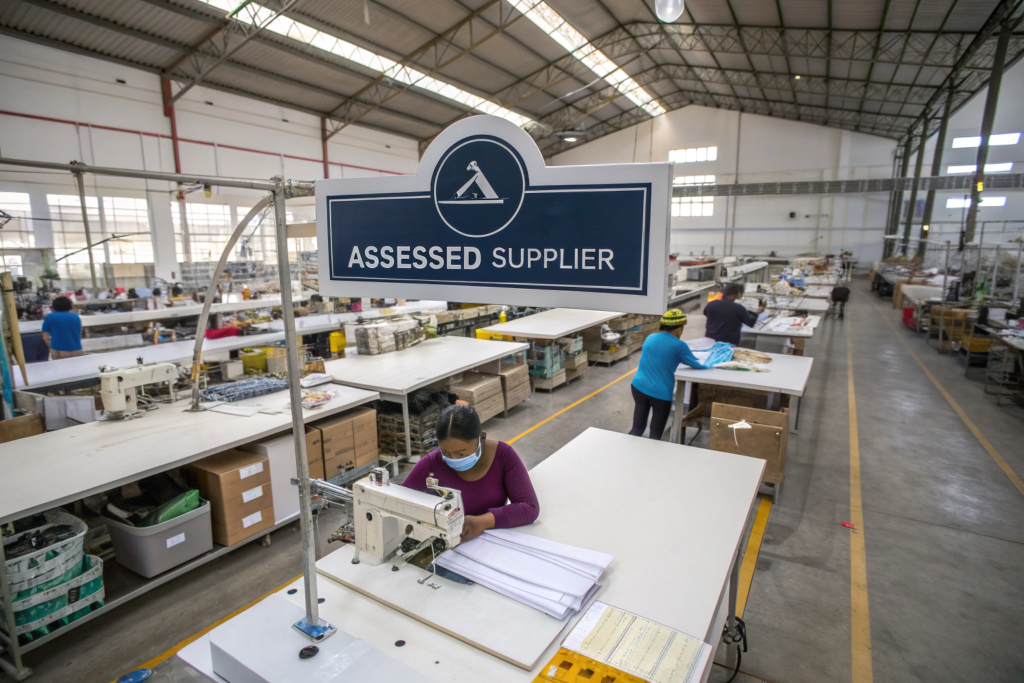
This is a step up from a basic Gold Supplier. An "Assessed Supplier" or "Verified Supplier" badge means that a third-party inspection company, like Bureau Veritas or Intertek, has physically visited the company’s registered address. They have verified that a business exists at that location. However, the assessment may not verify if it’s a true factory or just a trading company’s office. The report might confirm the company is located in an industrial zone, which is a good sign, but it is not a guarantee of manufacturing capability. You can often view the full assessment report on Alibaba, which will show photos of the facility. If the photos show an office building, it is likely a trading company. If they show a production floor, it is more likely a factory. This limitations of the Alibaba Assessed Supplier badge for verifying manufacturing status means you must still do your own verification.
Why Is the "Years on Alibaba" Metric a Useful Signal?
A supplier that has been on Alibaba for 7, 10, or more years is demonstrating stability. They are a going concern. The annual membership fees are significant. A company that pays those fees for a decade is generating consistent revenue. A "pop-up" trading company might appear, operate for a year or two under one name, accumulate negative feedback, and then rebrand. Longevity on the platform is a positive signal, but it still does not confirm they are a factory. An established trading company can also have a long history on Alibaba. This using the years on Alibaba metric as a signal of supplier stability is one data point among many.
Why Is the Live Video Walkthrough the Ultimate Test?
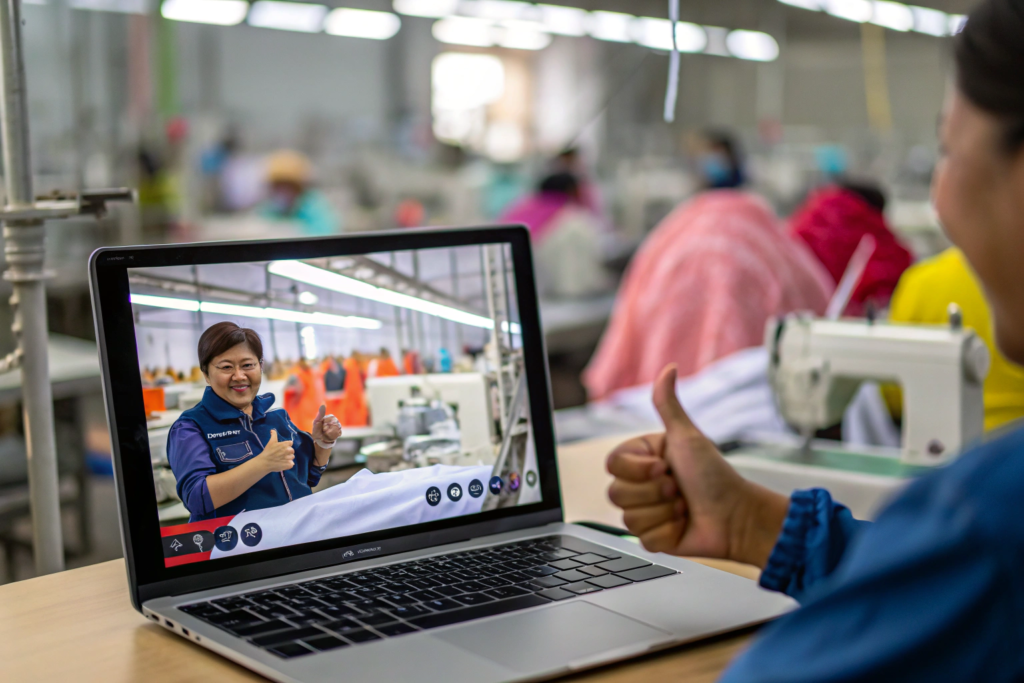
Forget the profile badges and the glossy photos. There is one test that separates a true factory from a trading company with near 100% accuracy: the unscripted, live video walkthrough. When you are on a call with the salesperson, ask them to take their phone and walk out onto the factory floor. Right now. A factory salesperson works in an office that is attached to or very near the production floor. They can do this in 30 seconds. You will see the production lines. You will hear the noise of the machines. You will see workers. A trading company salesperson works in a commercial office building, often in a different city, or even a different province, from the actual factory. They will make excuses. "The factory is in another city. I can’t go there now." "My camera isn’t working." "The factory doesn’t allow video for security reasons." These are lies. Modern, professional factories allow video walkthroughs. We do them every day. This is the single most effective way to know who you are dealing with. This unscripted live video walkthrough as the definitive test for factory verification is your most powerful tool.
What Specific Questions Should You Ask During a Video Call?
To further test their knowledge and transparency, ask specific, technical questions while they are on the floor. Ask: "Can you show me the injection molding machine for the acetate clips?" "Can you walk over to the sewing line for headbands?" "What is the gauge of the knitting machine you use for beanies?" A factory contact will answer these questions immediately and show you the equipment. A trading company contact will fumble, deflect, or give vague answers. They do not know the factory floor intimately. This technical questions to ask during a factory video walkthrough to verify expertise will quickly expose a middleman.
What If a Supplier Refuses a Video Call Entirely?
A flat refusal to conduct a live video walkthrough is a massive red flag and, in my opinion, a deal-breaker. In today’s world, there is no legitimate reason for a professional supplier to refuse a reasonable request for a brief, virtual tour. A refusal screams "I have something to hide." It almost certainly means they are a trading company and do not want you to see the real, and likely less impressive, factory where your goods will be made. You should move on to the next supplier. This refusal to conduct a live video call as a major red flag in supplier vetting is a clear warning sign.
What Are the Real-World Implications of Choosing a Trading Company?
Choosing a factory versus a trading company has profound implications for your business that go far beyond the unit price. The most significant impact is on quality and consistency. A factory controls its own production. We have systems in place to ensure that every batch of headbands meets the same specifications. A trading company sources from the cheapest available workshop at the time of your order. Your first order might come from Workshop A. Your reorder, six months later, might come from Workshop B. The materials, the workmanship, and even the sizing will be slightly different. You will experience the frustration of inconsistent quality. Secondly, communication and problem-solving are slower and less effective with a trading company. They are a middleman. Every question or issue must be relayed to the actual factory. You lose the ability to have a direct, urgent conversation with the person who can fix the problem. Thirdly, your intellectual property is at greater risk. Your designs are being shared with unknown subcontractors over whom you have no control. This real-world consequences of sourcing from a trading company on quality consistency and IP is the hidden cost of a lower unit price.
How Does the Pricing Model Differ Between the Two?
A factory quotes you a price based on its own material, labor, and overhead costs, plus a reasonable profit. A trading company buys from a factory at Factory Price X, and then sells to you at Factory Price X plus their margin, typically 15-30%. You are paying a direct markup for their service as an intermediary. While the unit price from a trading company might sometimes appear lower on a very small, mixed order, for any consistent volume, a direct factory relationship will almost always yield a lower total landed cost. This pricing model comparison factory direct versus trading company markup explains the cost difference.
Are There Any Situations Where a Trading Company Is a Better Choice?
Yes, there are specific, limited scenarios where a trading company can be useful. For a very small brand just starting out, placing tiny, mixed orders of 100 units across several different product categories, a trading company can aggregate those small orders and provide a simpler, if more expensive, sourcing experience. They can also be helpful for navigating very complex supply chains involving multiple different factories and materials. However, for any brand with a serious, growing volume and a focus on consistent quality and building a unique brand identity, the direct factory relationship is the superior long-term model. This niche scenarios where using a trading company might be a practical short-term solution is the exception, not the rule.
How Does AceAccessory Demonstrate Its Status as a Direct Factory?
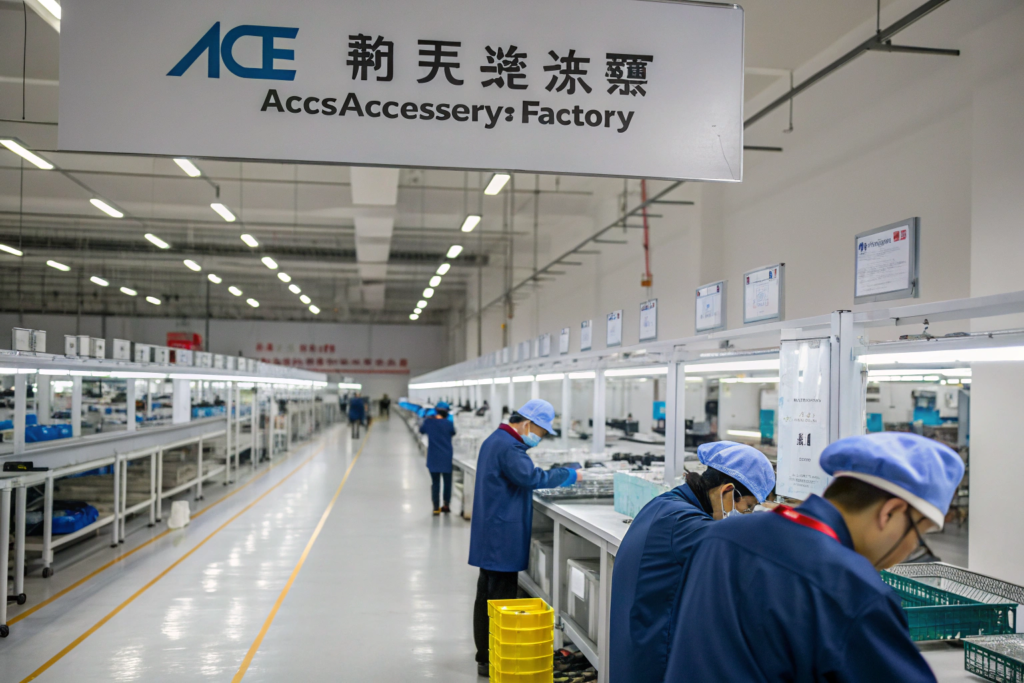
At AceAccessory, we have nothing to hide. We are a direct manufacturer, and we make it easy for our clients to verify this. Our Alibaba profile clearly states our business type as "Manufacturer." Our product catalog is focused entirely on the fashion accessories we actually produce. We have an "Assessed Supplier" badge with a report that includes photos of our factory floor. And, most importantly, we welcome and encourage live video walkthroughs. We will happily take you on a virtual tour of our cutting tables, our sewing lines, our embroidery machines, and our quality control stations. We are proud of our facility and our workforce. We believe that transparency is the foundation of a strong, long-term partnership. We want you to see exactly where your products are made and meet the people who make them. This AceAccessory’s commitment to transparency and easy factory verification is our promise to you.
Can We Provide Client References to Verify Our Factory Status?
Absolutely. A reputable factory will have long-term clients who can vouch for them. Upon request, and with appropriate confidentiality, we can provide references from established brands who have visited our facility, either in person or virtually, and can speak to our manufacturing capabilities and our integrity. A trading company will struggle to provide credible references that confirm they are the actual manufacturer. This providing client references as further proof of direct factory status is a powerful form of social proof.
What Documentation Can We Provide to Prove We Are the Manufacturer?
We can provide a range of documents that demonstrate our manufacturing status. Our business license, which is verifiable, lists our scope of operations as "manufacturing." We can provide certificates like our BSCI audit report, which is conducted on our specific physical factory. We can show you invoices for raw materials—acetate sheets, yarn, fabric—that we purchase to make your products. A trading company cannot provide this level of manufacturing-specific documentation. This documentation a direct factory can provide to verify its manufacturing status is the paper trail.
Conclusion
The difference between a trading company and a factory on Alibaba is the difference between sourcing from a middleman and partnering directly with the source. It is a choice that impacts your costs, your quality control, your supply chain transparency, and the very integrity of your brand. A factory gives you control, consistency, and a direct relationship. A trading company offers convenience at a price, but at the cost of opacity and risk. The tools to tell them apart are in your hands. Scrutinize the Alibaba profile. Ask the hard questions. And never, ever skip the live video walkthrough. That five-minute call is the most valuable due diligence you will ever perform.
At AceAccessory, we make the choice easy. We are a transparent, verifiable, direct manufacturer. We open our doors to our clients and invite you to see the reality of our operation. We believe that a strong partnership is built on a foundation of truth and trust.
If you are looking for a true manufacturing partner and want to experience the difference of working directly with a factory, I encourage you to put us to the test. Contact our Business Director, Elaine, and schedule a live video walkthrough. See for yourself. You can email Elaine at: elaine@fumaoclothing.com. Let us show you where your products come to life.