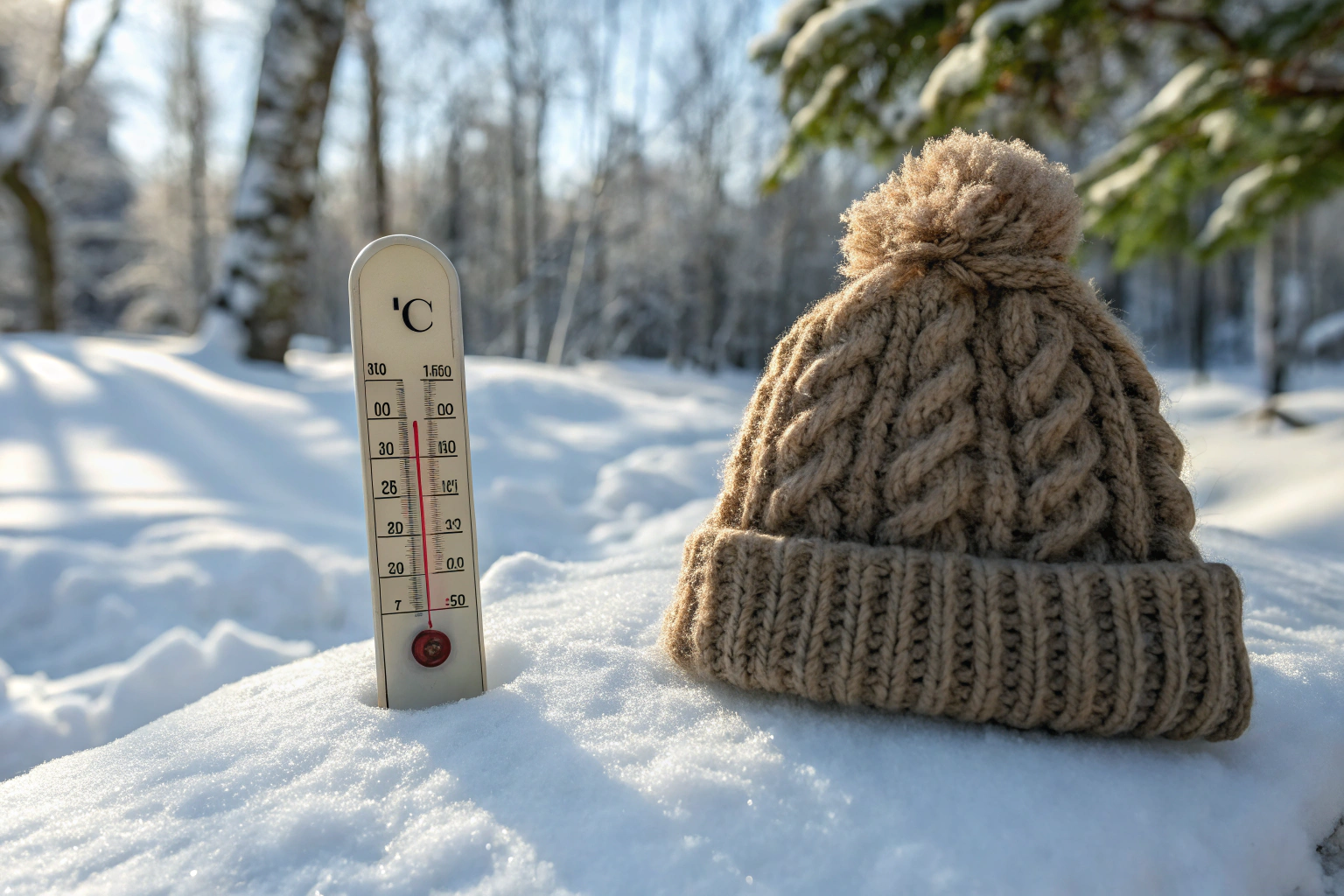
You are a buyer for a Russian outdoor brand, a workwear supplier, or a retailer serving customers who face genuine, life-threatening cold. The winters in Siberia, the Urals, and across vast swaths of Russia are not a fashion statement. They are a brutal reality. Temperatures routinely plunge to minus 20, minus 30, and even minus 40 degrees Celsius. A standard acrylic beanie from a mild European winter collection is worse than useless. It provides a false sense of security. You need materials that are specifically engineered for extreme cold. Materials that trap maximum heat, block the killing wind, and manage the moisture that can lead to dangerous chilling. You are not just buying yarn. You are sourcing survival gear.
The essential beanie materials for extreme Russian cold in 2026 are high-micron, coarse wools and alpaca blends for maximum loft and insulation, dense fleece and sherpa linings with windproof membranes to block convective heat loss, and strategic use of Thinsulate or PrimaLoft synthetic insulation for packable, high-warmth options, all constructed with a dense gauge to eliminate wind penetration.
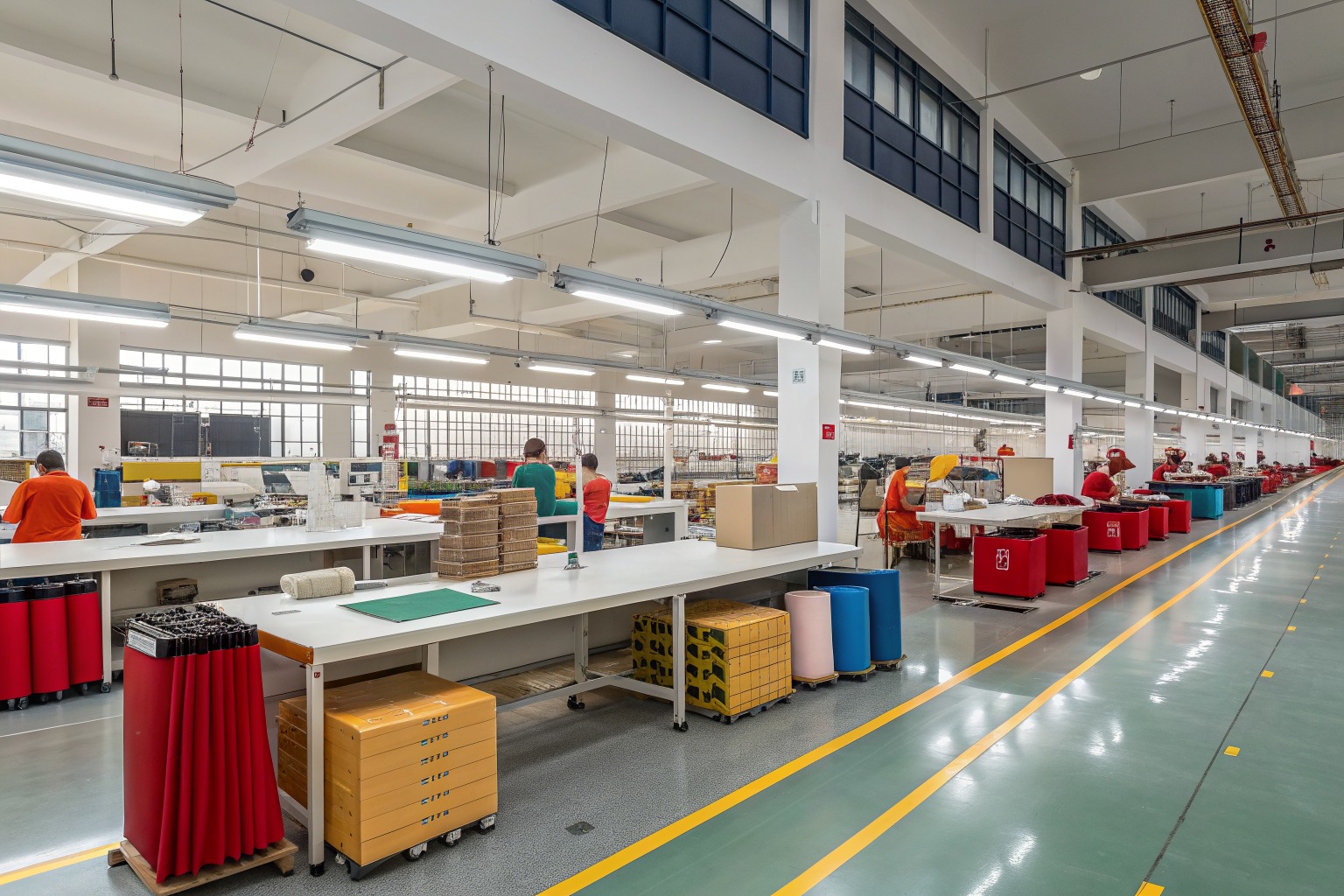
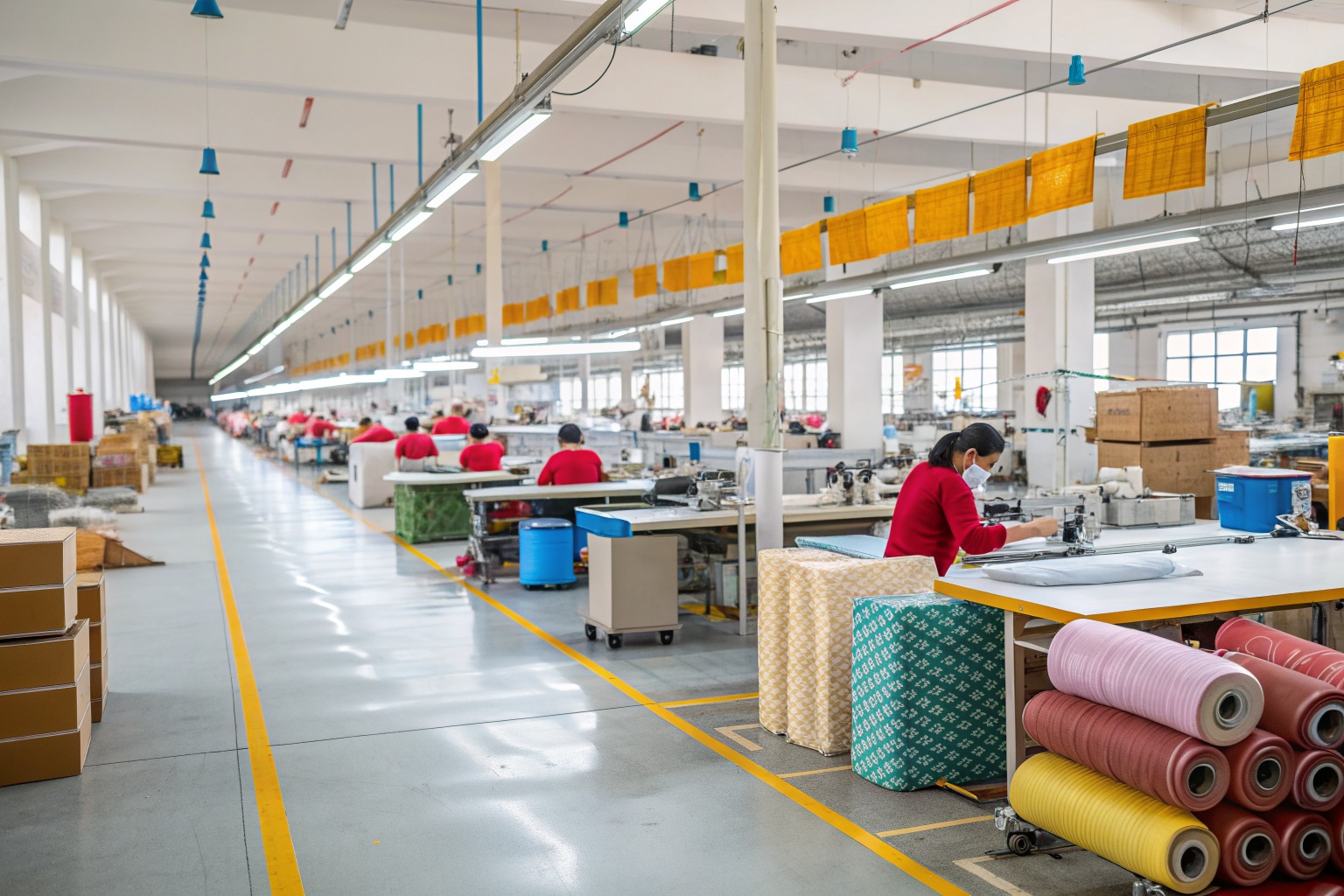
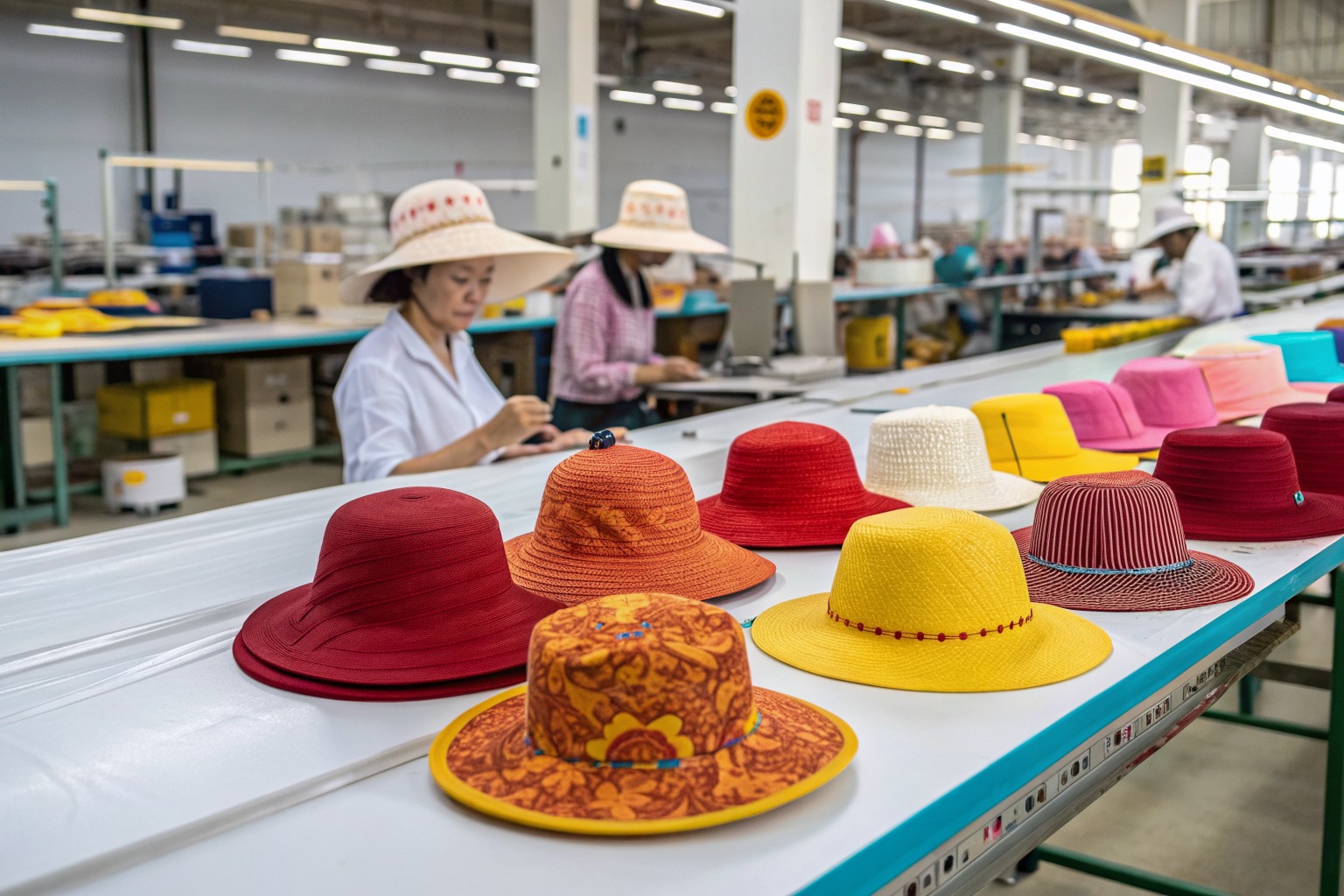
I manage AceAccessory in Zhejiang, and we manufacture cold-weather headwear for some of the most demanding climates on earth. The Russian winter requires a fundamentally different approach to material selection and hat construction. Let me explain the specific fibers, technologies, and engineering principles that define a true extreme-cold beanie for 2026.
Why Are Coarse Wools and Alpaca the Foundation for Extreme Cold Beanies?
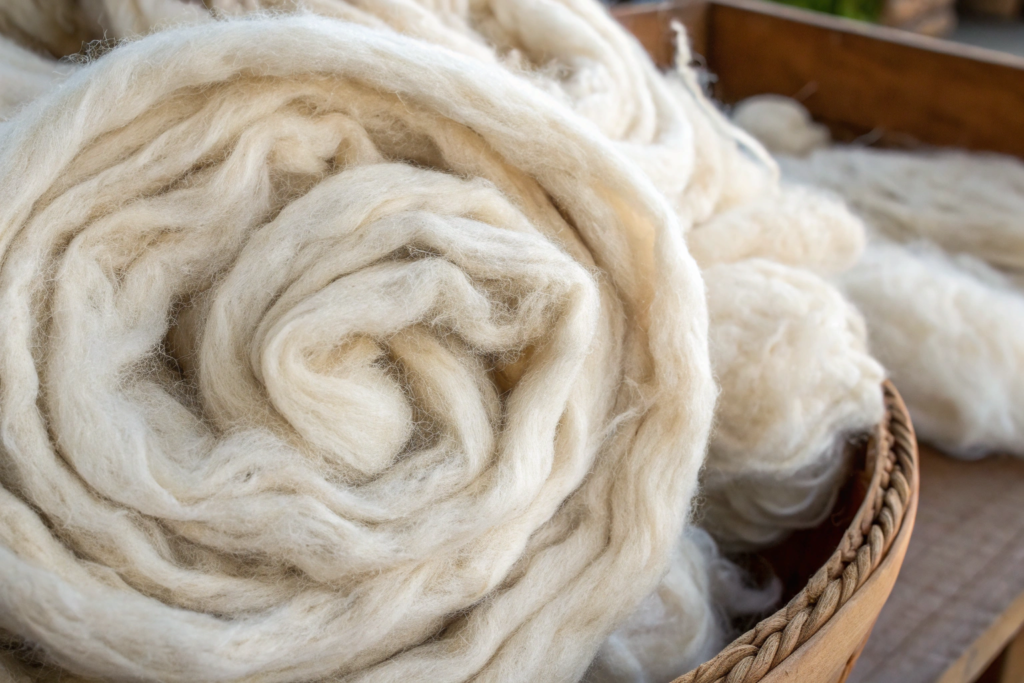
For extreme cold, the superfine merino wool prized for next-to-skin luxury is not the best choice. What you need is a different class of wool: high-micron, coarse wools from hardy mountain sheep breeds. Think Icelandic wool, Shetland wool, or Peruvian Highland wool. These wools have a larger fiber diameter, typically 25 to 35 microns or more, and a much more pronounced natural crimp. This coarse, springy structure is incredibly effective at trapping vast amounts of still air, the very best insulator. The fibers themselves are strong and durable. Crucially, these wools are often still rich in natural lanolin, the sheep’s own waxy coating. Lanolin makes the wool naturally water-repellent. Snow will bead on the surface of a lanolin-rich beanie rather than soaking in and freezing. This is a critical performance advantage in heavy snow. Alpaca fiber, which is hollow, provides an exceptional warmth-to-weight ratio and is another premium choice. This thermal properties of high micron coarse wools and alpaca for extreme cold insulation is the foundation of a serious winter beanie.
How Does Lanolin Content in Wool Enhance Cold-Weather Performance?
Lanolin is a complex, waxy substance secreted by a sheep’s skin to protect its fleece. In many commercial wool processing methods, the lanolin is scoured out to create a clean, odorless fiber for fine apparel. For an extreme-cold beanie, leaving a higher percentage of natural lanolin in the yarn is a deliberate performance choice. The lanolin makes the wool fibers naturally hydrophobic. Water beads up and rolls off rather than being absorbed. In sub-zero temperatures, this is vital. A wet beanie loses its insulating properties and can actually accelerate heat loss, a dangerous condition. The lanolin also adds to the fiber’s durability and resilience. A beanie with a higher lanolin content will have a distinct, earthy, "sheepy" smell when wet, a small price to pay for genuine cold-weather performance. This benefits of natural lanolin for water repellency and insulation in extreme cold wool beanies is a key functional advantage.
What Is the Ideal Blend Ratio for a Performance Wool Beanie?
Pure, 100% coarse wool is incredibly warm but can be heavy, and it can be slightly itchy for some wearers. It also lacks the shape retention and durability of synthetic fibers. The optimal solution for 2026 is a performance blend. A blend of 70% to 80% high-quality coarse wool, such as Icelandic or Shetland, with 20% to 30% high-tenacity nylon or polyester. The wool provides the unparalleled natural insulation, moisture management, and lanolin benefits. The synthetic fiber adds crucial durability, helps the beanie maintain its shape and resist sagging, and significantly improves abrasion resistance. This blend creates a beanie that combines the best of natural and synthetic performance. This optimal wool and synthetic blend ratios for durable extreme cold beanies is the engineered solution.
Why Are Windproof Membranes and Dense Linings Non-Negotiable?
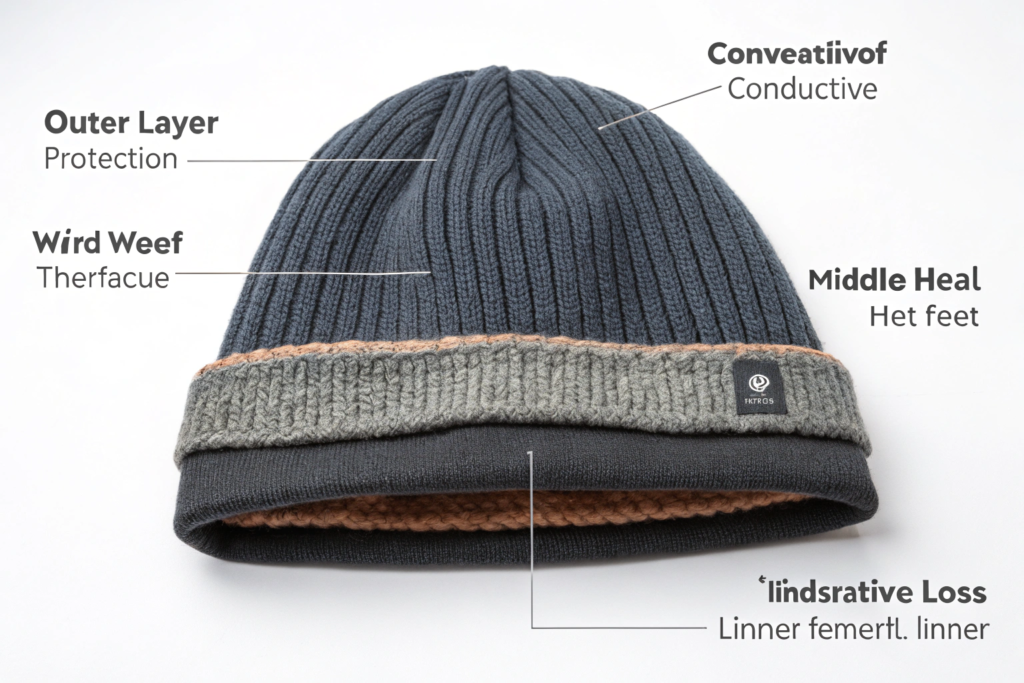
Insulation works by trapping still air. In extreme cold, the greatest enemy of that trapped warm air is the wind. A biting wind will strip the warm air layer away from the surface of a standard knit beanie, drastically reducing its effective warmth. This is convective heat loss. To combat this, a true extreme-cold beanie must incorporate a windproof layer. This is often a thin, microporous membrane, similar to what is used in high-end softshell jackets, laminated between the outer wool layer and an inner lining. This membrane completely blocks the wind while still allowing some water vapor from perspiration to escape. The inner layer against the skin is just as critical. It should be a dense, plush material like high-pile fleece or faux sherpa. This lining provides an additional layer of conductive insulation, trapping more warm air and wicking moisture away from the skin. The combination of a windproof membrane and a dense thermal liner transforms a knit hat into a high-performance piece of cold-weather equipment. This integration of windproof membranes and thermal linings in extreme cold beanies is essential for true protection.
How Does a Windproof Liner Affect Breathability and Comfort?
A completely impermeable vapor barrier would trap all moisture inside the hat, making it feel clammy and damp. Modern windproof membranes are microporous. They have pores that are too small for liquid water or wind to pass through, but large enough to allow water vapor molecules from sweat to escape. This is breathability. While not as breathable as an unlined knit hat, a quality windproof liner provides a crucial balance, blocking the wind chill while preventing excessive moisture buildup. For the active outdoor worker or commuter in extreme cold, this balance is key to staying warm and dry. This breathability of microporous windproof membranes in cold weather headwear is a key performance characteristic.
What Are the Best Liner Materials for Moisture Management?
The liner is against the skin. It must manage the inevitable perspiration from the forehead. If it becomes soaked, it will feel cold and clammy. The best liner materials for this application are synthetic. A high-quality polyester fleece with a brushed or grid-back construction is excellent. The grid pattern creates channels for moisture to move away from the skin. Polyester is hydrophobic and dries quickly. Merino wool, while soft, can absorb and hold moisture, which is a disadvantage in this specific, high-sweat application. A synthetic fleece liner, sometimes blended with a small amount of spandex for a snug fit, is the performance choice. This moisture wicking and quick drying synthetic liner materials for extreme cold beanies ensures next-to-skin comfort.
What Role Do Advanced Synthetic Insulations Like Thinsulate Play?
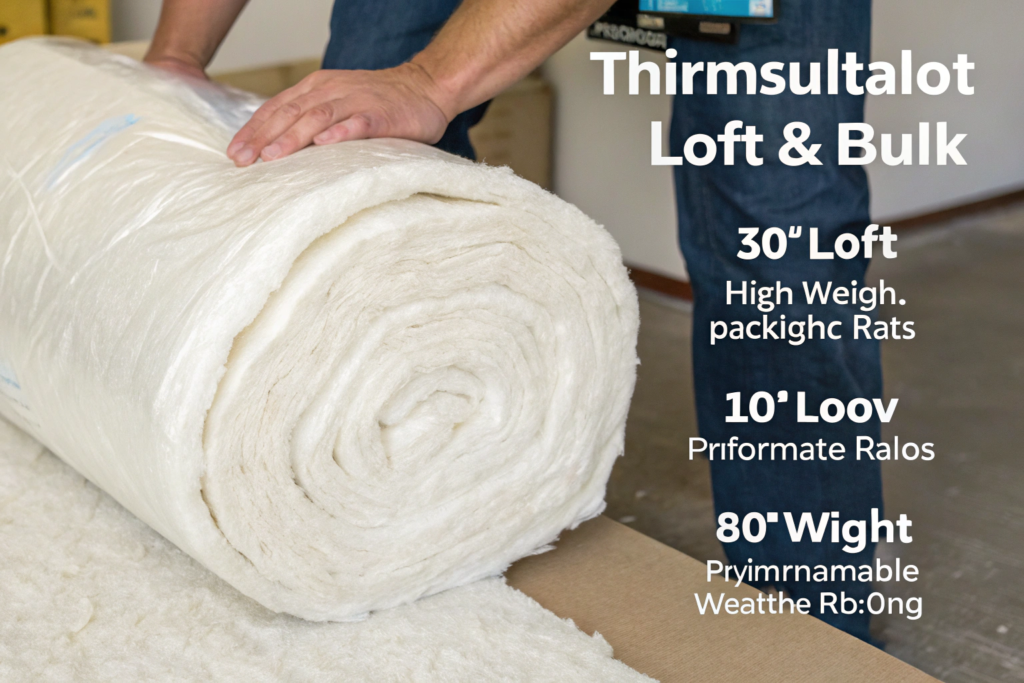
For a beanie that needs to provide maximum warmth with minimum bulk, perhaps for wearing under a hard hat or for packing in an emergency kit, advanced synthetic insulations like 3M Thinsulate or PrimaLoft Gold are the materials of choice. These are not yarns. They are micro-fiber battings. They consist of incredibly fine, densely packed synthetic fibers that create millions of tiny air pockets to trap heat. They provide an exceptional warmth-to-weight ratio. A beanie made with a layer of Thinsulate is significantly warmer for its weight and thickness than a comparable fleece or wool beanie. This makes it ideal for ultra-lightweight backpacking, for emergency kits, or for a low-profile liner that fits comfortably under a helmet without compromising safety. This Thinsulate and PrimaLoft synthetic insulation for high warmth low bulk beanies is the pinnacle of modern material science for cold weather.
How Is Thinsulate Constructed into a Beanie?
Thinsulate is not a yarn that can be knitted. It is a thin, flexible batting. To use it in a beanie, it is typically laminated between two layers of fabric. The most common construction is a three-layer sandwich. An outer shell fabric, which could be a durable nylon or polyester knit. The middle layer of Thinsulate batting. And an inner liner fabric, usually a soft, moisture-wicking polyester. The three layers are quilted or bonded together, and then the beanie is cut and sewn from this composite fabric. This construction creates a beanie that is incredibly warm, wind-resistant, and surprisingly lightweight. This three layer laminated construction using Thinsulate insulation for beanies is a specialized manufacturing process.
How Does Synthetic Insulation Perform When Wet?
One of the greatest advantages of synthetic insulations like Thinsulate and PrimaLoft over natural downs is their performance when wet. Down insulation collapses completely when it gets wet, losing virtually all of its insulating ability. Synthetic microfibers are hydrophobic. They absorb very little moisture, and even when damp, they retain a significant portion of their loft and insulating properties. In the extreme cold, where snow can melt from body heat and then potentially refreeze, this wet-weather performance is a critical safety feature. A synthetic-insulated beanie will continue to provide warmth even under challenging conditions. This wet weather performance of synthetic insulation versus down for extreme cold is a key differentiator.
How Does Gauge and Knit Density Contribute to Wind Resistance and Warmth?
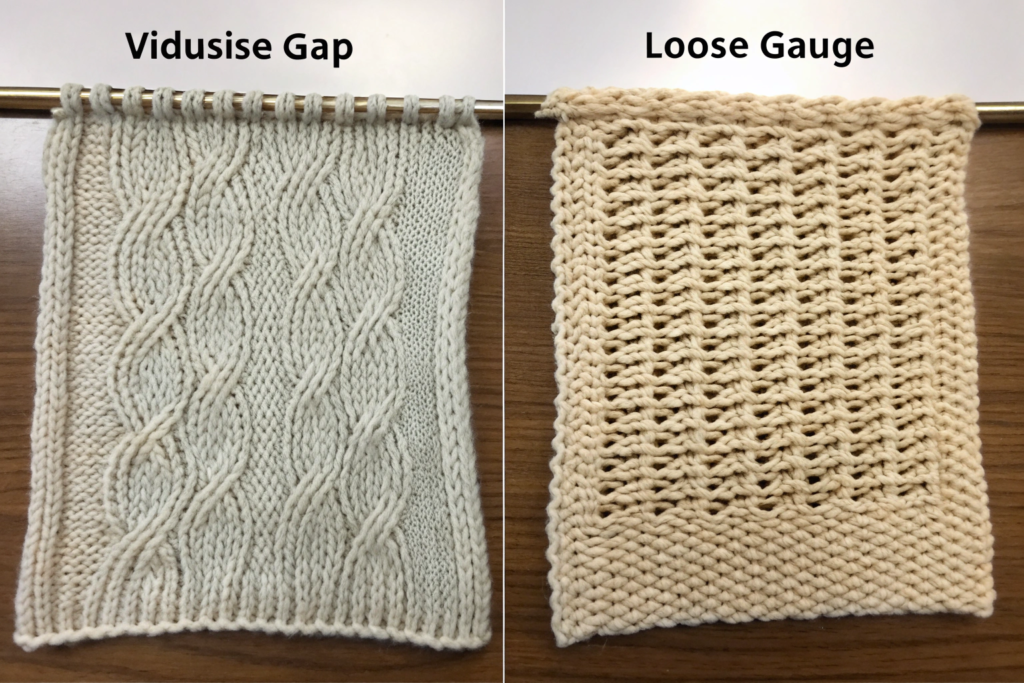
The choice of material is only half the equation. How that material is knitted into a fabric is equally important. For extreme cold, the gauge, which is the number of stitches per inch, must be tight. A loose, open knit, even if made from the finest wool, will allow wind to pass right through the gaps between the stitches. It will be a poor insulator. A dense, tightly knitted fabric creates a much more effective physical barrier against the wind, trapping more still air within the structure of the knit itself. We use a tight gauge, often a bulky or super-bulky weight yarn knitted on machines set for a high stitch density. We also use knit structures like the fisherman’s rib or brioche stitch. These stitches create a thicker, more three-dimensional fabric with deep, air-trapping channels. This impact of tight gauge and dense knit structures on wind resistance and warmth is a fundamental principle of cold-weather knitwear engineering.
What Is the Advantage of a Folded or Double-Layer Brim?
The forehead and ears are the areas of the head most vulnerable to wind chill and frostbite. An extreme-cold beanie must provide extra protection in these zones. A wide, fold-over brim is a simple but highly effective design feature. When the brim is unfolded, it doubles the layer of fabric over the ears and forehead, instantly increasing the insulation in the most critical areas. Some designs incorporate a hidden layer of windproof fleece or Thinsulate inside the folded brim for even greater protection. This is a functional design detail, not just a style choice. This thermal benefits of a wide fold over brim on extreme cold beanies is a key performance feature.
Should an Extreme-Cold Beanie Have a Fleece Ear Band Inside?
For the ultimate in ear protection, especially for static activities in deep cold, a dedicated fleece ear band or lining sewn inside the beanie is a premium feature. This is a band of dense, windproof fleece that encircles the inside of the hat at ear level. When the beanie is worn, this soft, thick band completely seals around the ears, providing maximum insulation and blocking any drafts. This is a feature we often incorporate into our highest-performance workwear and outdoor recreation beanies for the Russian market. This internal fleece ear band for maximum ear protection in extreme cold is a mark of a truly serious piece of kit.
Conclusion
Creating a beanie for the extreme cold of a Russian winter is an exercise in performance engineering, not just fashion design. The materials and construction must be chosen with a singular focus: preserving the wearer’s body heat in the face of brutal temperatures and biting winds. The 2026 trends in this space are not about fleeting colors or patterns. They are about a deeper understanding of material science. It is the return to high-micron, lanolin-rich coarse wools and alpaca for their unparalleled natural insulation. It is the intelligent integration of windproof membranes and dense synthetic liners to create a multi-layered defense. It is the strategic use of advanced synthetic insulations like Thinsulate for packable, high-warmth solutions. And it is the application of tight-gauge knitting and functional design features like fold-over brims and internal ear bands. These are the details that transform a simple hat into a vital piece of protective equipment for the men and women who live and work in the world’s coldest climates. For the brand serving this market, understanding and specifying these performance materials is not optional. It is a fundamental requirement.
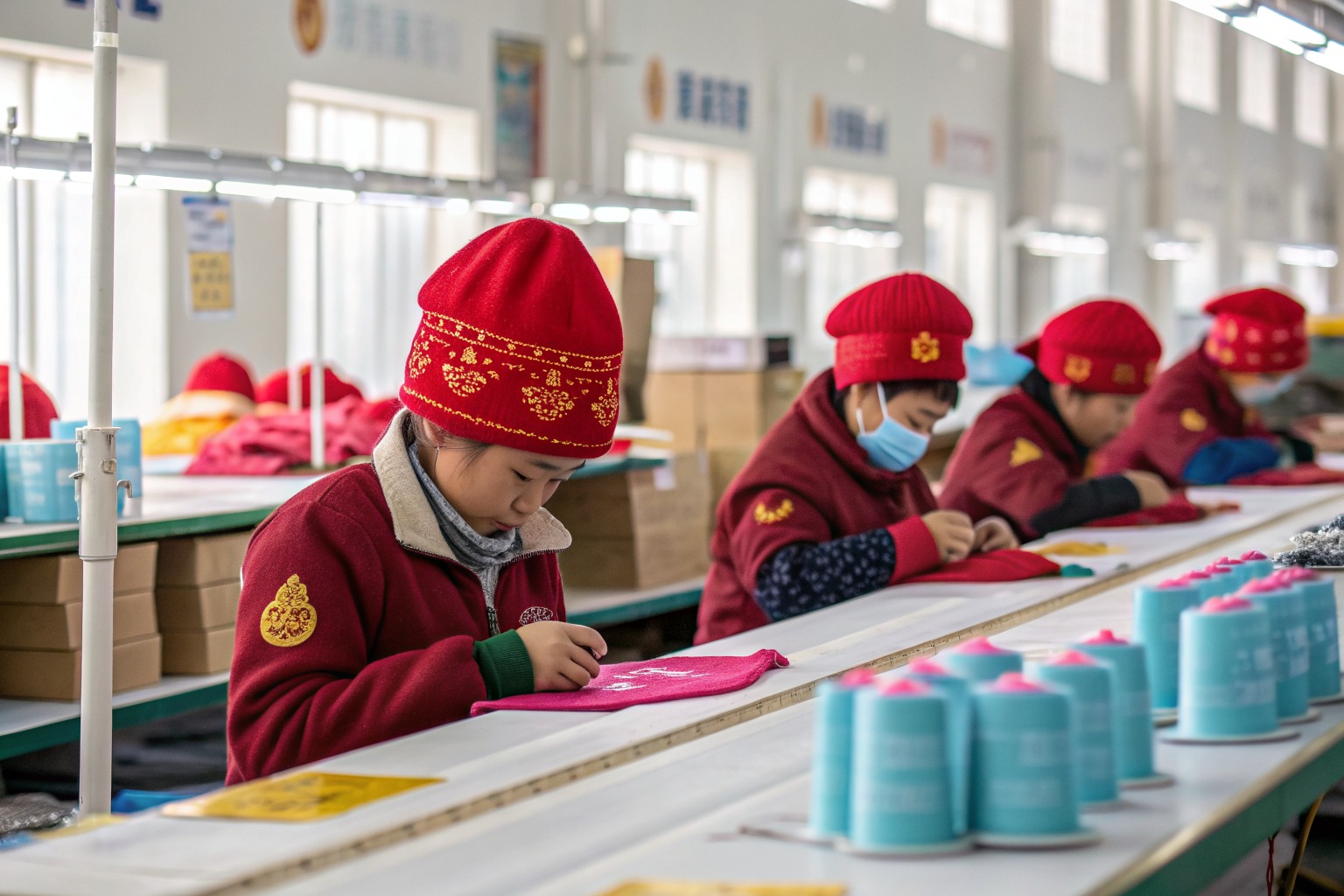
At AceAccessory, we have the sourcing capabilities and the manufacturing expertise to build beanies that meet these demanding specifications. We work with mills that specialize in coarse wools and technical synthetic fabrics. We understand the construction techniques required for windproof linings and synthetic insulation.
If you are developing a line of extreme-cold weather headwear for the Russian or similar markets, I encourage you to contact our Business Director, Elaine. She can discuss material options, performance specifications, and our experience in this specialized category. You can email Elaine at: elaine@fumaoclothing.com. Let us help you build headwear that provides genuine protection in the world’s harshest winters.