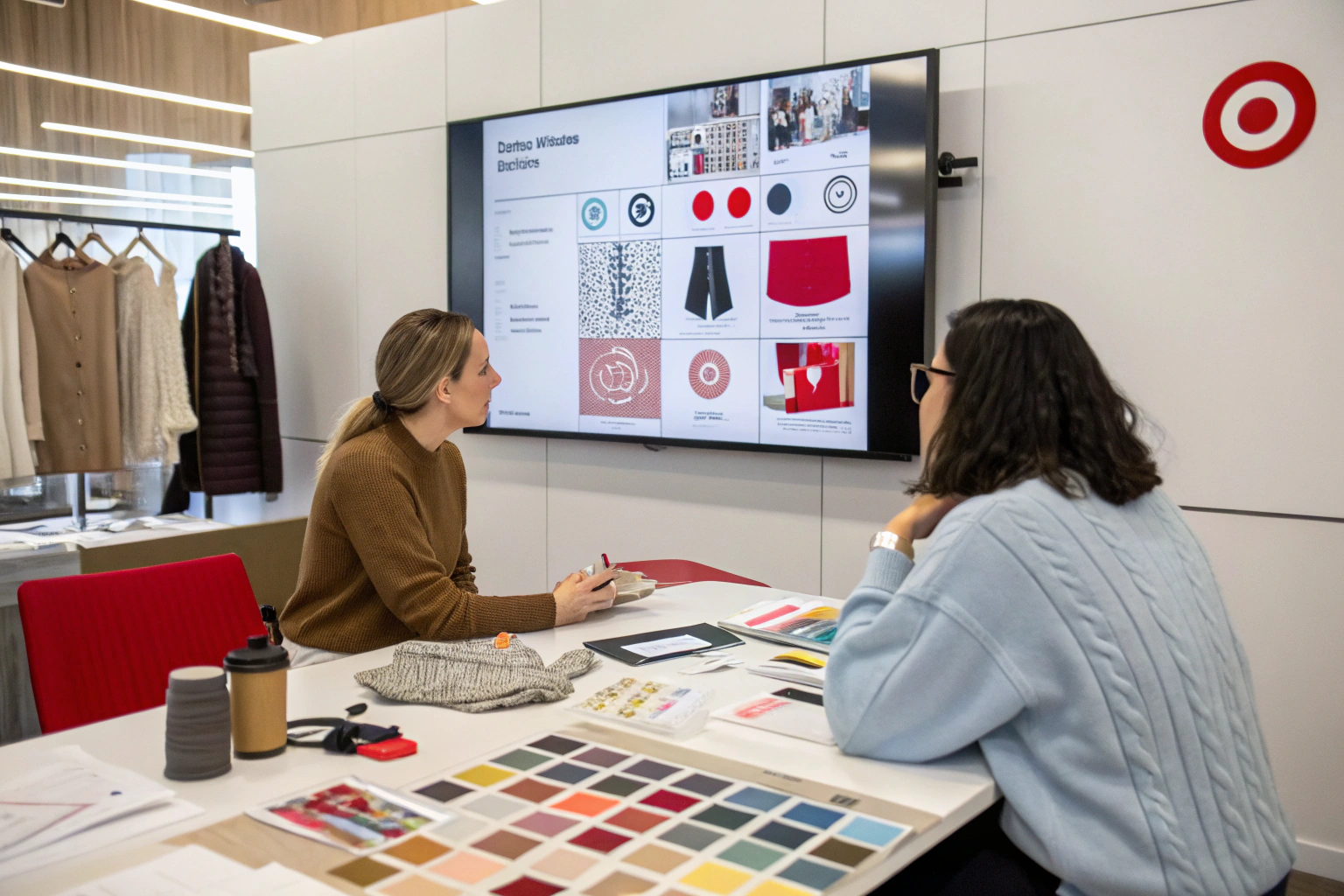
You are a brand manager or a buyer for a major retailer like Target or Carrefour. You are not just looking for a factory to make a product you have already fully designed. You need a strategic partner who can help you build a complete, commercially viable collection that aligns perfectly with your private label brand identity, your target customer demographic, and your rigorous margin and sell-through requirements. You need a partner who understands the entire ecosystem of big-box retail. You are not just sourcing accessories. You are entrusting a significant portion of your seasonal business to an external product development team. How does that process actually work?
Our design team creates collections for major retailers like Target and Carrefour through a highly collaborative, data-driven process that begins with interpreting the retailer’s specific trend forecasts and historical sell-through data, moves through a curated material and product development phase aligned with strict cost targets, and culminates in a professionally presented, fully merchandised collection of samples and line sheets ready for the retailer’s internal buy review.
I manage AceAccessory in Zhejiang, and we are a direct development and manufacturing partner for several large retail chains. Creating a collection for a retailer of this scale is fundamentally different from developing a single style for a small boutique. It is a structured, multi-phase process that requires a deep understanding of their business. Let me pull back the curtain and show you exactly how we do it.
How Does the Collection Development Process Begin with a Major Retailer?
The process does not start with a sketch. It starts with a deep immersion into the retailer’s world. Months before the season, typically 8 to 12 months in advance for a large program, we receive a detailed creative and commercial brief from the retailer’s buying and design teams. This brief is a comprehensive document. It includes the retailer’s proprietary trend forecast for the season, outlining the key aesthetic directions, color palettes, and material stories they believe will resonate with their specific customer. It includes historical sell-through data from previous seasons, showing which price points, silhouettes, and colors performed best and which were marked down. Crucially, it includes the "cost architecture." This is a detailed breakdown of the target FOB costs for each product category within the collection. For example, a fashion headband must hit an FOB of $0.85 to achieve a $5.99 retail. A premium hair claw must hit an FOB of $1.65 to achieve a $9.99 retail. This cost architecture is non-negotiable. It is the financial foundation of the entire collection. Our job is to translate this strategic brief into a tangible, beautiful, and profitable product line. This interpreting a major retailer’s creative and cost architecture brief for accessory development is the first critical step.

How Do You Translate a Macro Trend into a Retail-Ready Product?
The retailer’s trend forecast might say "Soft Utility" is a key direction. This is an abstract concept. Our design team’s job is to translate that into specific, manufacturable, cost-engineered products. We ask a series of questions. What does "Soft Utility" mean for a hair accessory? It might mean organic, rounded shapes instead of sharp angles. It might mean matte, tactile finishes instead of high gloss. It might mean a color palette of warm terracotta, soft sage, and sandy beige. We then apply these filters to our existing library of molds and designs, or we develop new concepts. We create a range of product options, from a safe, commercial interpretation to a more fashion-forward, directional piece. We present these options to the retailer. This translating abstract trend concepts into specific cost engineered retail products is a core competency of our team.
What Role Does the Retailer’s Historical Sales Data Play?
The data is the reality check. Our creative ideas are constantly measured against the retailer’s historical performance data. If the data shows that solid color headbands consistently outsell prints by a factor of 3 to 1, we will skew the collection heavily toward solid colors, even if the trend forecast suggests prints are emerging. We might include one or two print options as a test, but the core of the assortment will be driven by proven winners. The data also informs color decisions. If "blush pink" had a high sell-through rate last season, we will likely propose an updated, fresh version of blush pink for the new season. The data provides the commercial discipline that ensures the collection is not just beautiful, but also profitable. This leveraging retailer sell through data to inform product assortment and color decisions is what separates a retail-driven collection from a purely creative one.
How Is the Collection Curated and Presented for the Retailer’s Buy Review?
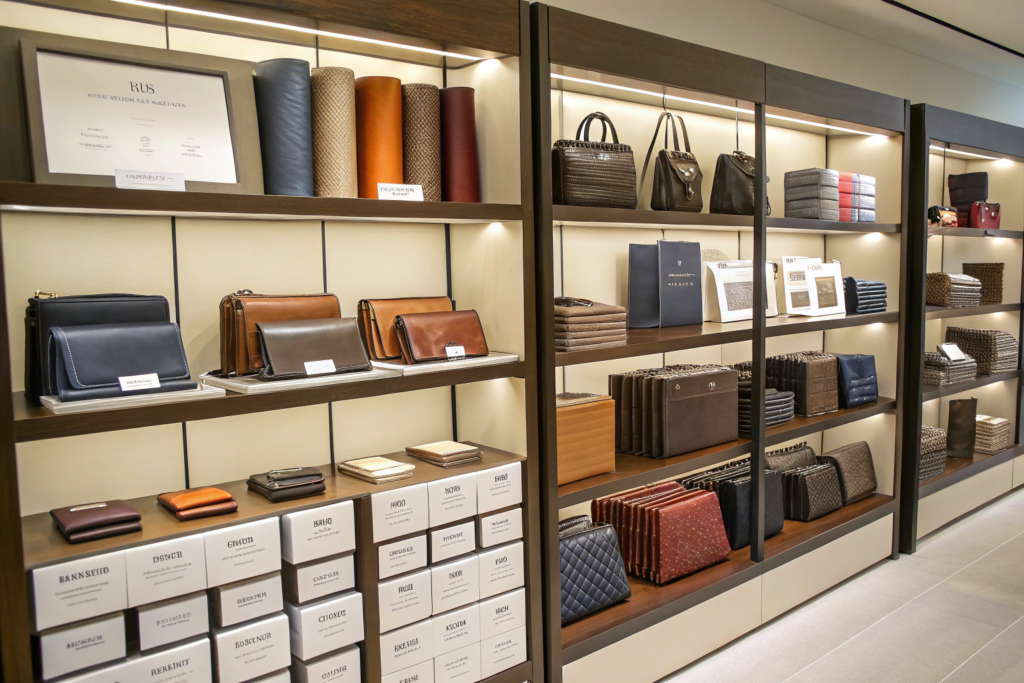
After weeks of development, sampling, and cost negotiation, the moment of truth arrives. We must present the proposed collection to the retailer’s buying team for their internal "buy review." This is where they decide which specific SKUs they will actually purchase and in what quantities. This presentation is a critical sales and communication event. We do not just send a box of random samples. We create a professional, merchandised presentation. The samples are organized by trend story or by product category. Each sample has a corresponding SKU number and is accompanied by a detailed line sheet. The line sheet includes the product image, the style name, the available colorways, the material composition, the FOB price, and the suggested retail price. We often create a digital lookbook with lifestyle photography to help the buyer visualize the collection on the sales floor. The goal is to make it as easy as possible for the buyer to say "yes." This professional sample presentation and line sheet creation for retail buy reviews is a crucial step in securing the order.
How Do You Ensure the Collection Hits the Required Margin Targets?
Every single SKU presented in the line review has been cost-engineered to meet the retailer’s target FOB price. This is not an afterthought. It is a primary design constraint. We work backward from the target retail price. For a $5.99 retail headband, we know the retailer needs a specific landed cost to achieve their required margin. We know the approximate duty and freight costs. This gives us a precise target FOB price from the factory. Our product development and sourcing teams work together to select materials and construction methods that allow us to hit that exact cost target without sacrificing the essential design integrity or perceived quality. If we cannot hit the target cost, the style is either re-engineered or, in rare cases, dropped from the collection. This cost engineering and value analysis to meet strict retail margin targets is a fundamental part of our development process.
What Happens After the Retailer Places the Bulk Order?
The buy review results in a finalized purchase order. This is a significant milestone, but the work is far from over. The detailed PO is entered into our system. It specifies the exact quantities for each SKU, broken down by color, and the required delivery windows, often with strict "must arrive by" dates for the retailer’s distribution centers. Our production planning team then creates a master schedule. We procure the bulk materials. We schedule the production lines. Our project managers become the central point of communication, providing the retailer’s buying and planning teams with regular updates on production status. We coordinate the complex logistics, ensuring the goods are shipped and delivered precisely on time to meet the retailer’s floor-set dates. This post order production planning and logistics management for large retail programs is where execution excellence is paramount.
How Does Quality Assurance and Compliance Work for Big-Box Retailers?
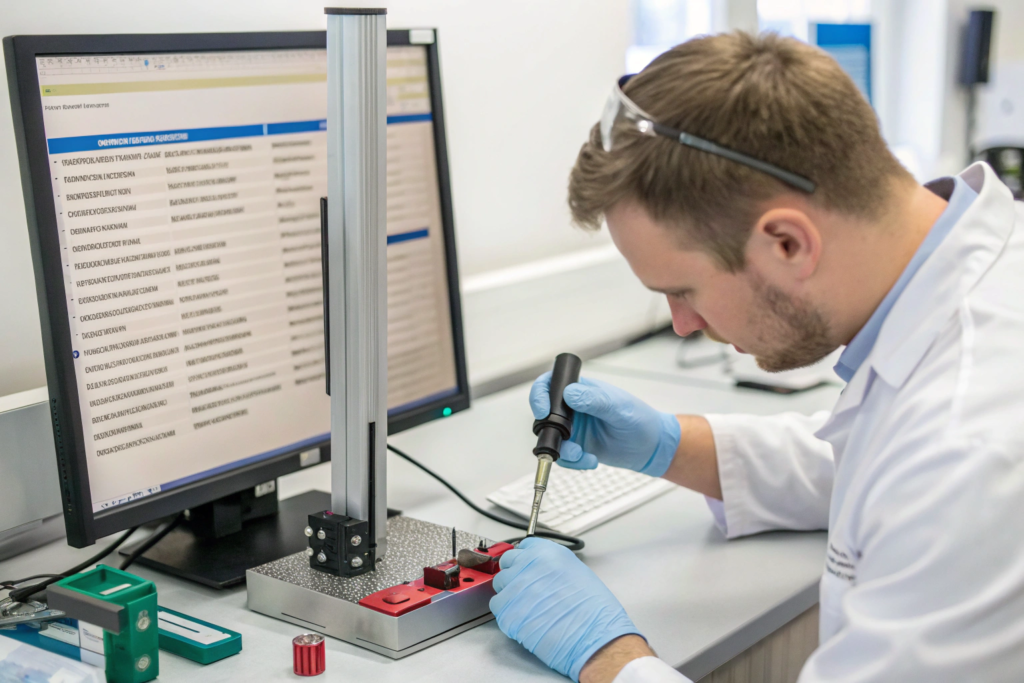
Major retailers like Target and Carrefour have some of the most stringent quality assurance and compliance requirements in the world. Their brand reputation is on the line with every product they sell. Our quality and compliance systems must be fully aligned with their specific vendor manuals, which can be hundreds of pages long. This goes far beyond a simple visual inspection. It includes mandatory social compliance audits, like SMETA or BSCI, of our factory. It includes rigorous product safety testing for lead content, phthalates, and other restricted substances, according to their specific protocols. It includes performance testing, such as pull tests for hair clip springs and colorfastness tests for fabrics. It includes precise adherence to their packaging and labeling specifications, including the correct use of RFID tags, barcodes, and country of origin marking. Our dedicated compliance team manages this entire process. We know the specific requirements of each retailer. This managing quality assurance and compliance for Target and Carrefour vendor requirements is a specialized and critical function.
How Do You Handle Retailer-Specific Packaging and Ticketing?
The logistics of packaging and ticketing for a major retailer are complex. Each retailer has its own specific requirements for hang tags, price tickets, barcodes, and carton markings. Carrefour’s ticket format is different from Target’s. The placement of the barcode is specified. The information on the carton label is dictated by their routing guide. A single error can result in a costly chargeback or a rejected shipment. We have a dedicated packing and ticketing department that is equipped to handle these complex, retailer-specific requirements. We use sophisticated software to generate the correct barcodes and labels. We have rigorous quality checks in place to ensure every carton is perfectly compliant before it leaves our facility. This retailer specific packaging ticketing and labeling compliance for big box stores is a detail-oriented discipline.
What Happens If a Quality Issue Is Discovered After Shipment?
Even with the most rigorous systems, issues can occasionally arise. A hidden defect might be discovered at the retailer’s distribution center or, in a worst-case scenario, by a customer. The key is a rapid and transparent response. The retailer’s quality team will issue a formal corrective action report. We take these reports extremely seriously. Our team immediately investigates the root cause of the issue in our factory. We implement corrective and preventative actions to ensure the problem does not recur. We work collaboratively with the retailer’s team to determine the appropriate resolution, which may involve a discount, a rework of remaining inventory, or, in rare cases, a product recall. Our long-term partnership and our reputation depend on our integrity and responsiveness in these situations. This corrective action and root cause analysis process for retail quality issues is the true test of a partnership.
How Does This Partnership Differ from Working with a Small Boutique?
The fundamental difference is scale and complexity. Developing a single, unique style for a boutique is a creative, artisanal process. Developing a 50-SKU collection for 1,000 Target stores is an industrial, data-driven, and highly collaborative enterprise. The stakes are higher. The lead times are longer. The systems required are more robust. The boutique owner might be thrilled with a beautiful, unique product. The Target buyer needs that same product to sell through at a rate of 85% or higher within six weeks. It is a different metric of success. Our factory is structured to serve both types of clients, but we operate distinct processes for each. The retail team has dedicated project managers, compliance specialists, and production planners who are experts in navigating the big-box retail environment. This differences in product development and production for large retailers versus small boutiques is a matter of specialized expertise.
How Do You Manage the Longer Lead Times Required by Large Retailers?
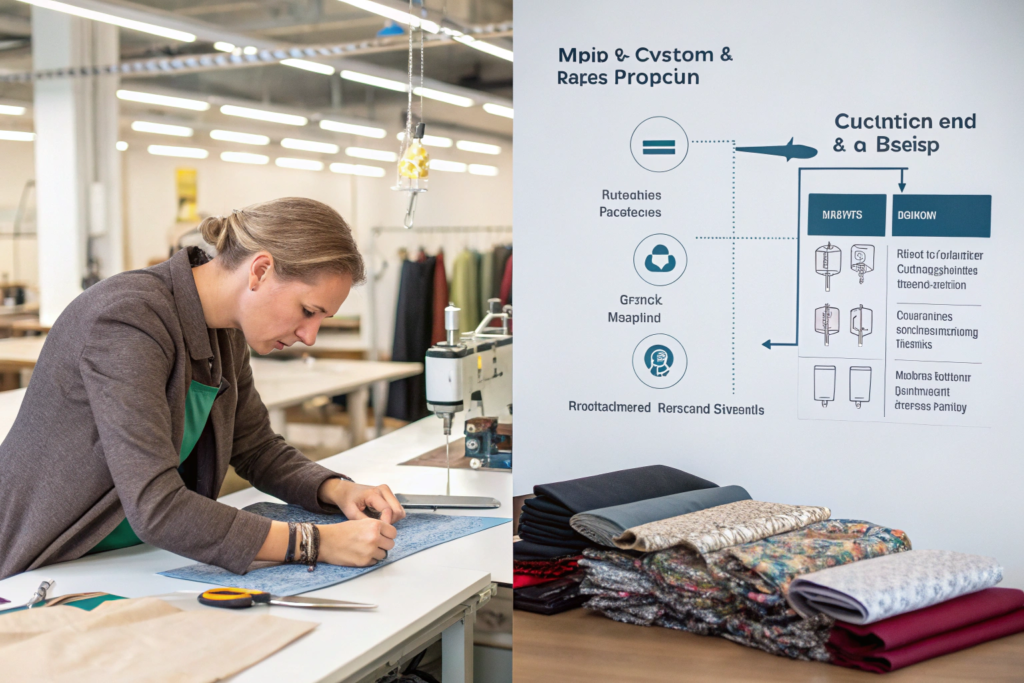
The development calendar for a major retailer is measured in months, not weeks. The entire process, from initial brief to goods on shelf, can take 9 to 12 months. We manage this long lead time through meticulous project planning and constant communication. We use shared project timelines and regular status calls to keep the retailer’s team informed of progress at every stage. We identify potential bottlenecks early and work proactively to mitigate them. The long lead time is a function of the complexity and the need to get every detail right. We respect the calendar and we manage it diligently. This managing the extended 9 to 12 month development calendar for large retail programs is a core project management skill.
What Is the Key to a Successful Long-Term Retail Partnership?
Beyond the systems and processes, the key to a lasting partnership with a major retailer is alignment and trust. The retailer needs to trust that we understand their brand, their customer, and their business objectives. They need to trust that we will deliver on our promises of quality, cost, and on-time delivery. We earn that trust through consistent performance, transparent communication, and a genuine commitment to their success. We do not view ourselves as just a vendor. We view ourselves as an extension of their own sourcing and product development team. This strategic, partnership-oriented mindset is what sustains these relationships over many years and multiple seasons. This building strategic trust and long term partnership with major retail clients is the ultimate goal.
Conclusion
Creating accessory collections for retail giants like Target and Carrefour is a sophisticated discipline that blends creative trend interpretation with rigorous commercial and operational execution. It is a world away from simple contract manufacturing. It requires a deep understanding of the retailer’s brand DNA, their customer data, and their strict financial and compliance requirements. It demands a highly structured, collaborative process that spans many months, from the initial strategic brief to the final on-shelf execution. It is a process that relies on specialized teams, robust systems, and a culture of precision and accountability. The reward for mastering this complexity is a stable, high-volume, and deeply integrated partnership that is mutually beneficial. It allows the retailer to offer a compelling, on-trend, and profitable private label assortment, and it provides the factory with the foundation for sustained growth and operational excellence.
At AceAccessory, we have invested heavily in building the team, the systems, and the expertise required to succeed at this level. We are proud to be a trusted partner to some of the world’s largest and most demanding retailers. We understand their language, we respect their processes, and we are committed to their success.
If you are a buyer or brand manager for a major retailer and are looking for a strategic manufacturing partner for your accessory programs, I encourage you to contact our Business Director, Elaine. She can discuss our capabilities and walk you through our development process in greater detail. You can email Elaine at: elaine@fumaoclothing.com. Let us show you how we can help build your next successful collection.