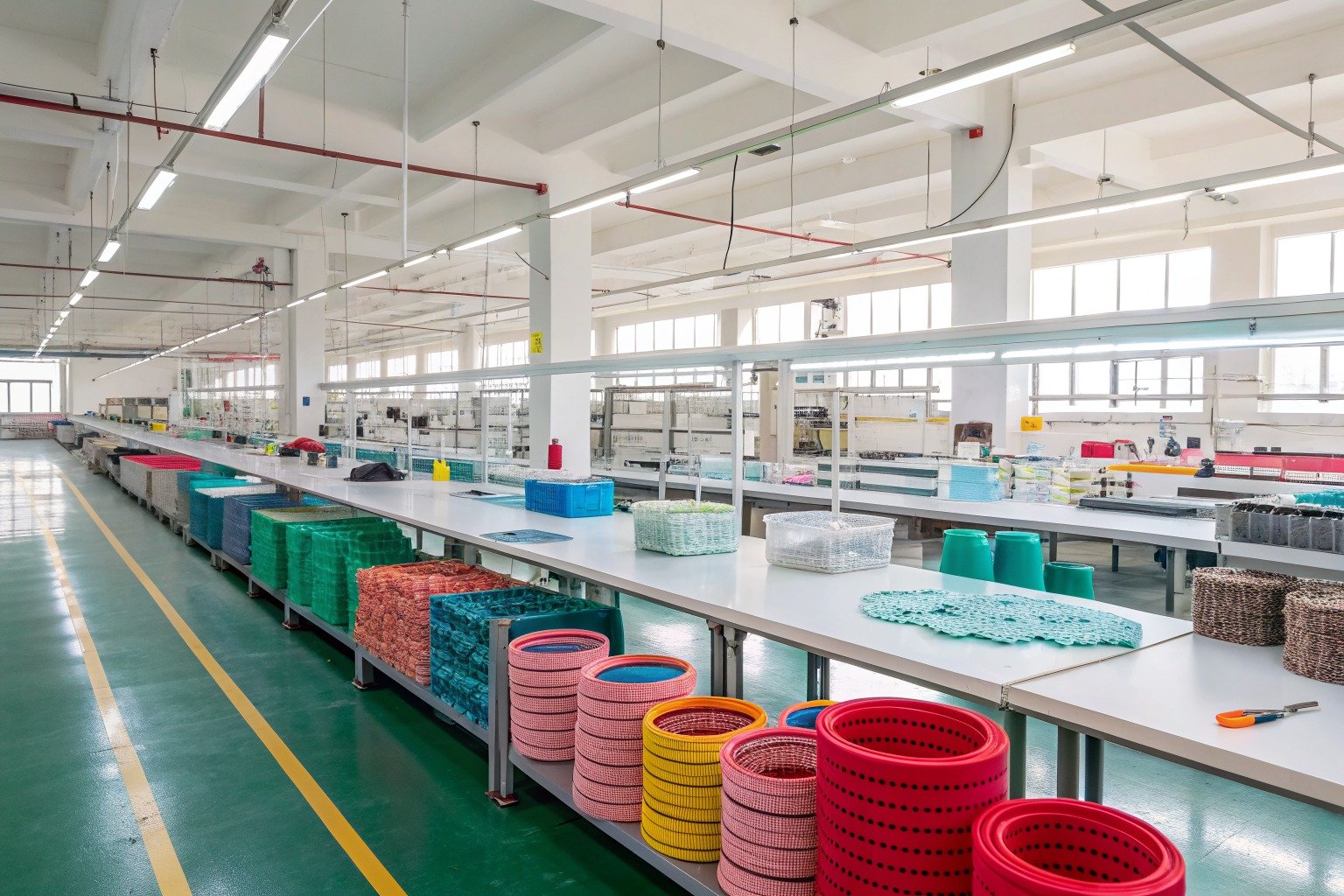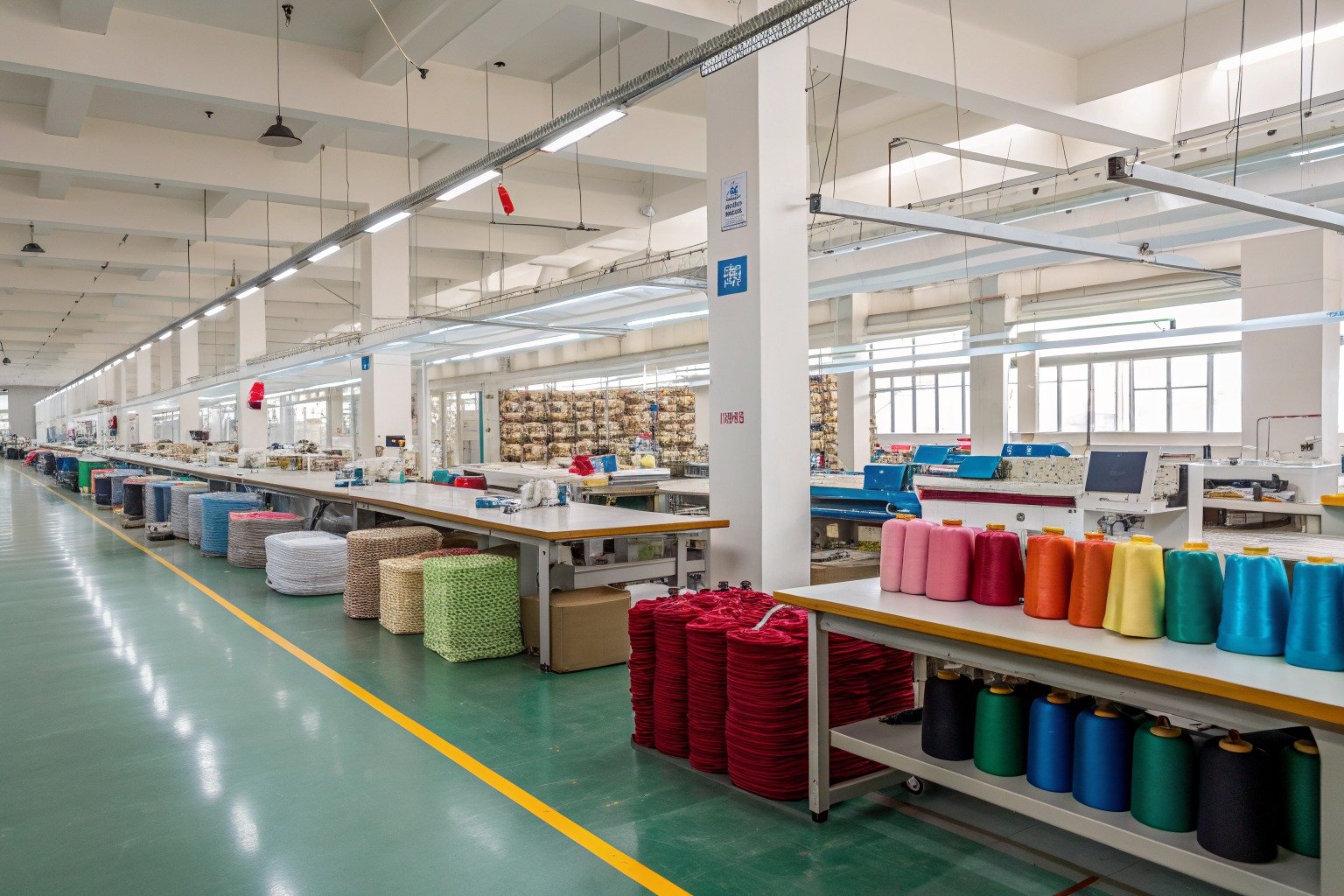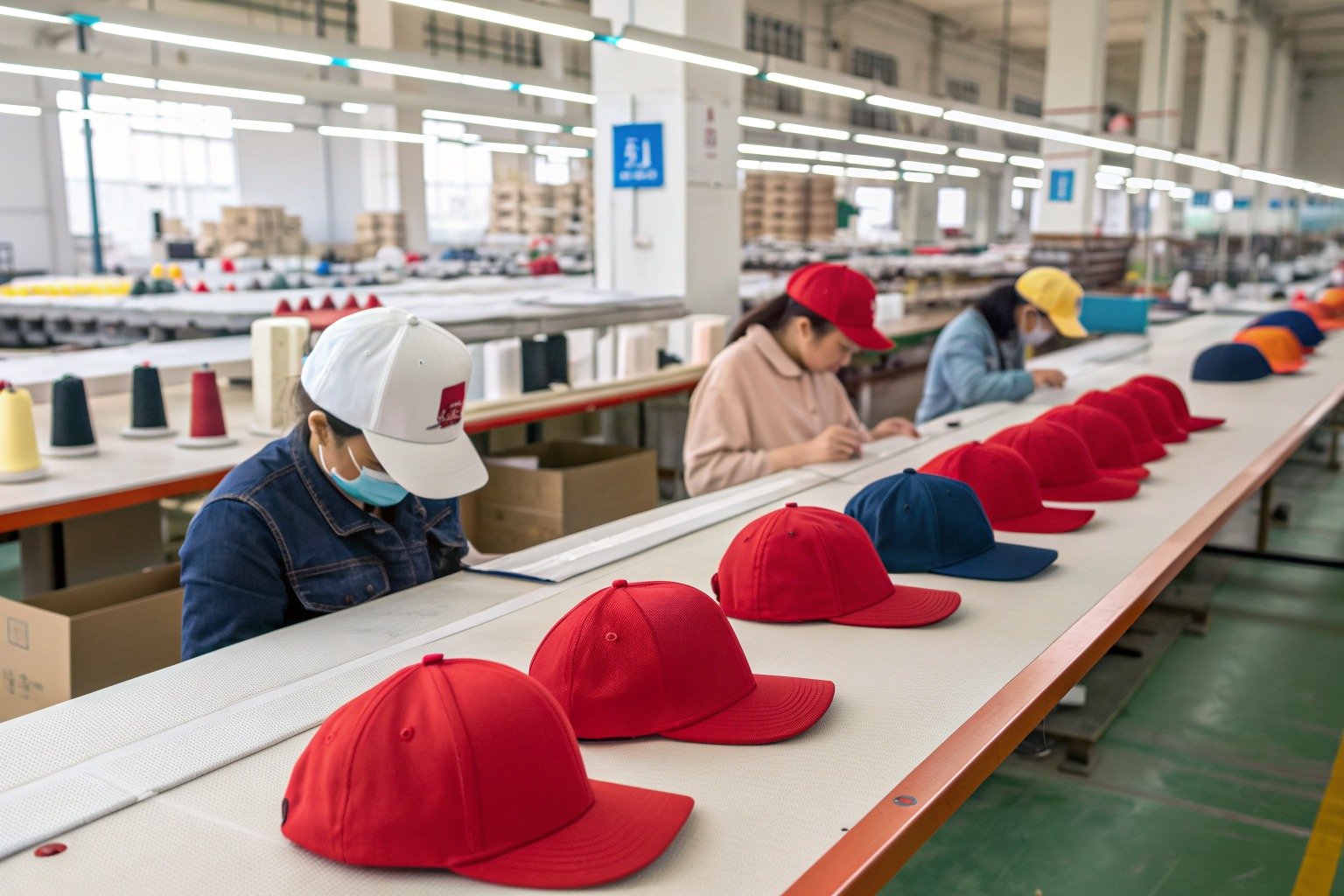
You have been working with a major US retailer for two years. The orders are consistent. The relationship feels solid. Then you get the email. "Annual Factory Audit Scheduled." Your contact at the retail chain is apologetic. "It is just our standard procedure. Nothing personal." But the audit still creates work for your team. It requires preparation, documentation, and a day of walking an auditor around your facility. You wonder, "If they trust me enough to place orders, why do they need to inspect my factory every single year? What are they looking for that they have not already seen?" You are not just being audited. You are participating in a risk management system that protects the retailer’s massive brand investment.
Major US retailers audit our factory annually not because they distrust us, but because it is a mandatory, non-negotiable component of their corporate risk management and compliance programs. These audits verify ongoing adherence to social compliance standards for labor and safety, environmental regulations, and supply chain security protocols, all of which are required by their internal policies, their insurers, and increasingly, by US customs and consumer protection laws.
I manage Shanghai Fumao in Zhejiang, and we host multiple retailer audits every year. I welcome them. A successful audit is a competitive advantage. It is a formal verification that we operate at the highest standards of our industry. Let me explain exactly what these audits cover, why they are repeated annually, and how they ultimately benefit both the retailer and a factory like ours.
What Social Compliance Standards Are Audited Every Year?
The most critical and heavily scrutinized component of any major US retailer audit is social compliance. This is the assessment of the factory’s labor practices and working conditions. The retailer wants absolute assurance that the products they sell were not made with forced labor, child labor, or under exploitative conditions. This is both a moral imperative and a legal necessity.
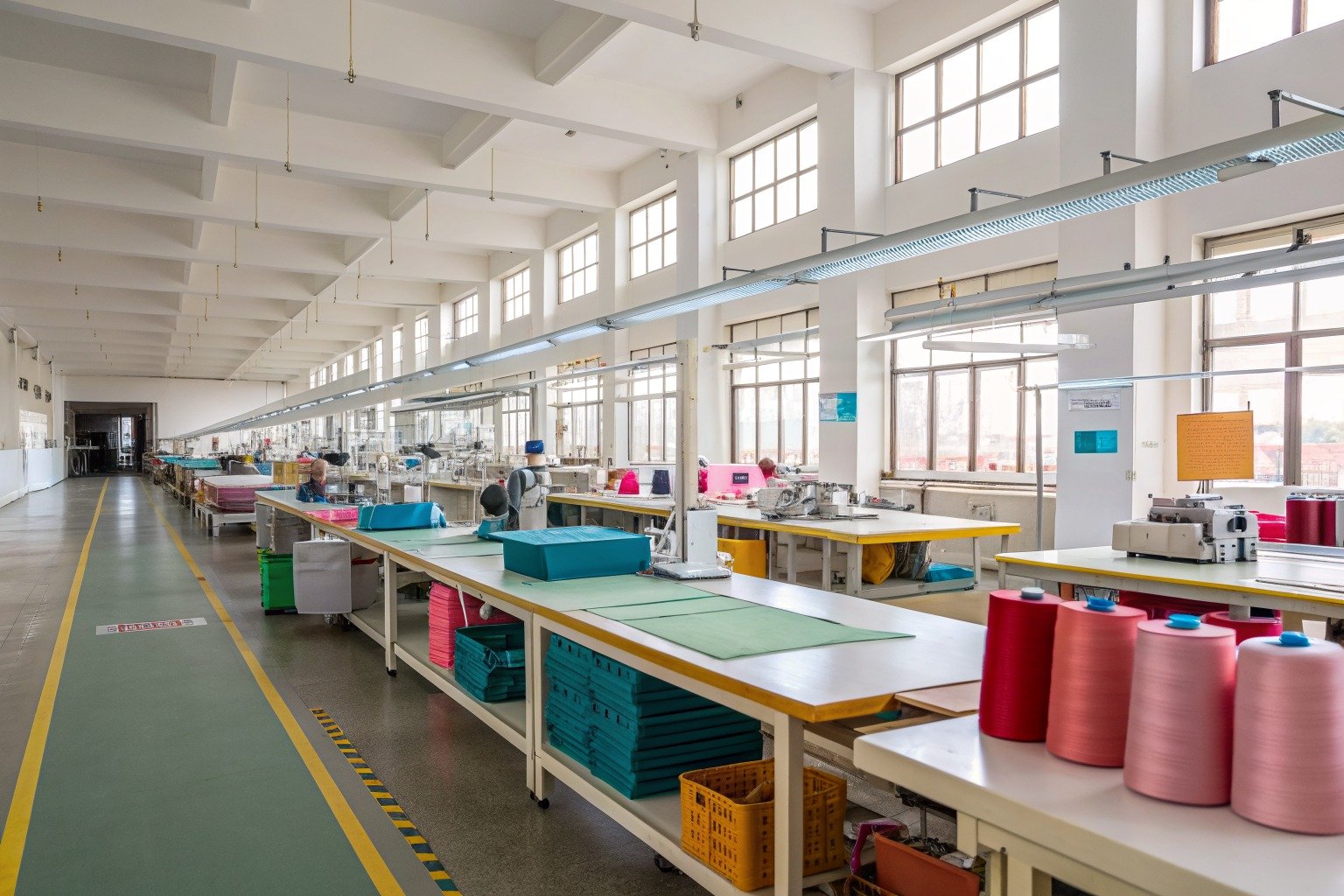
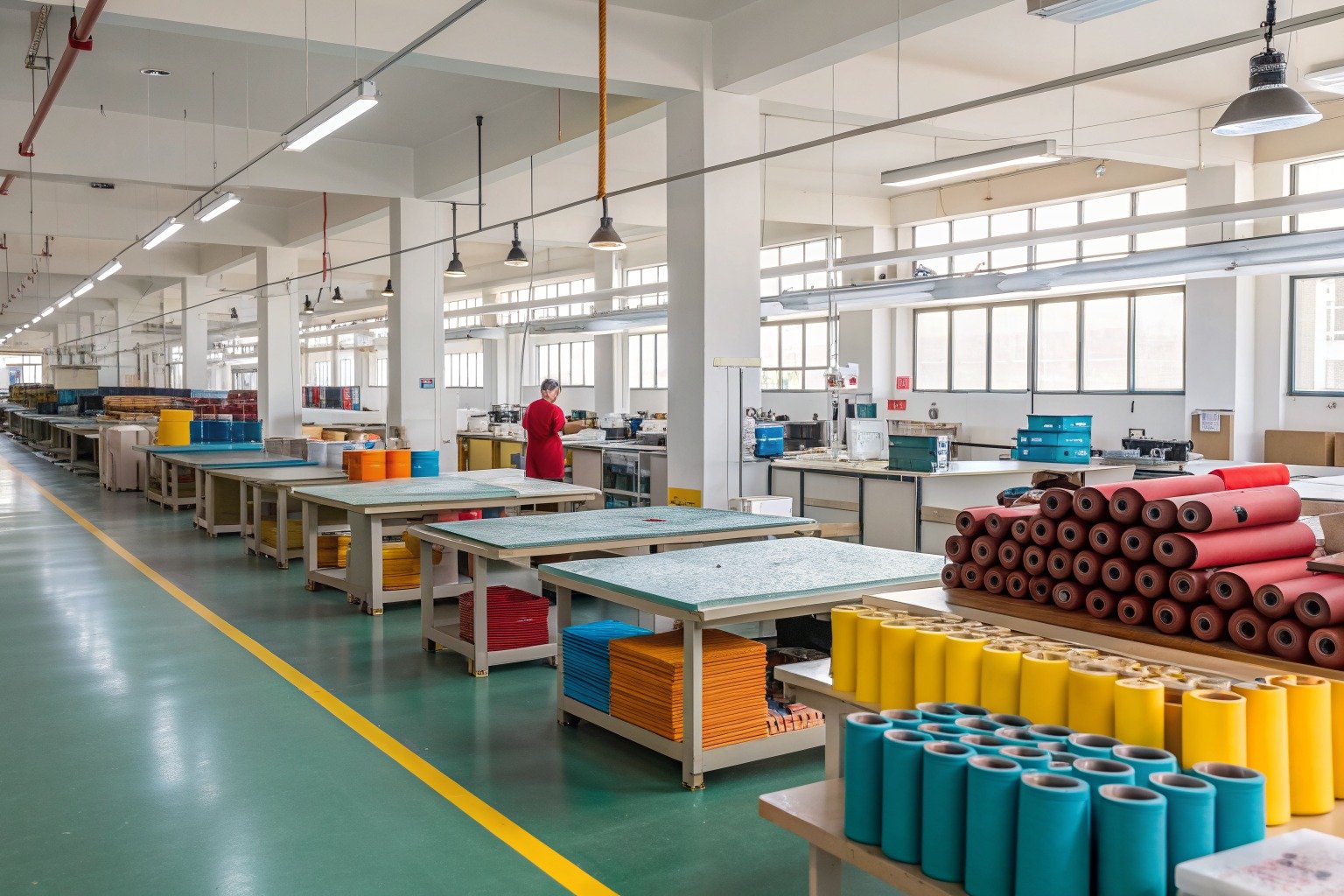
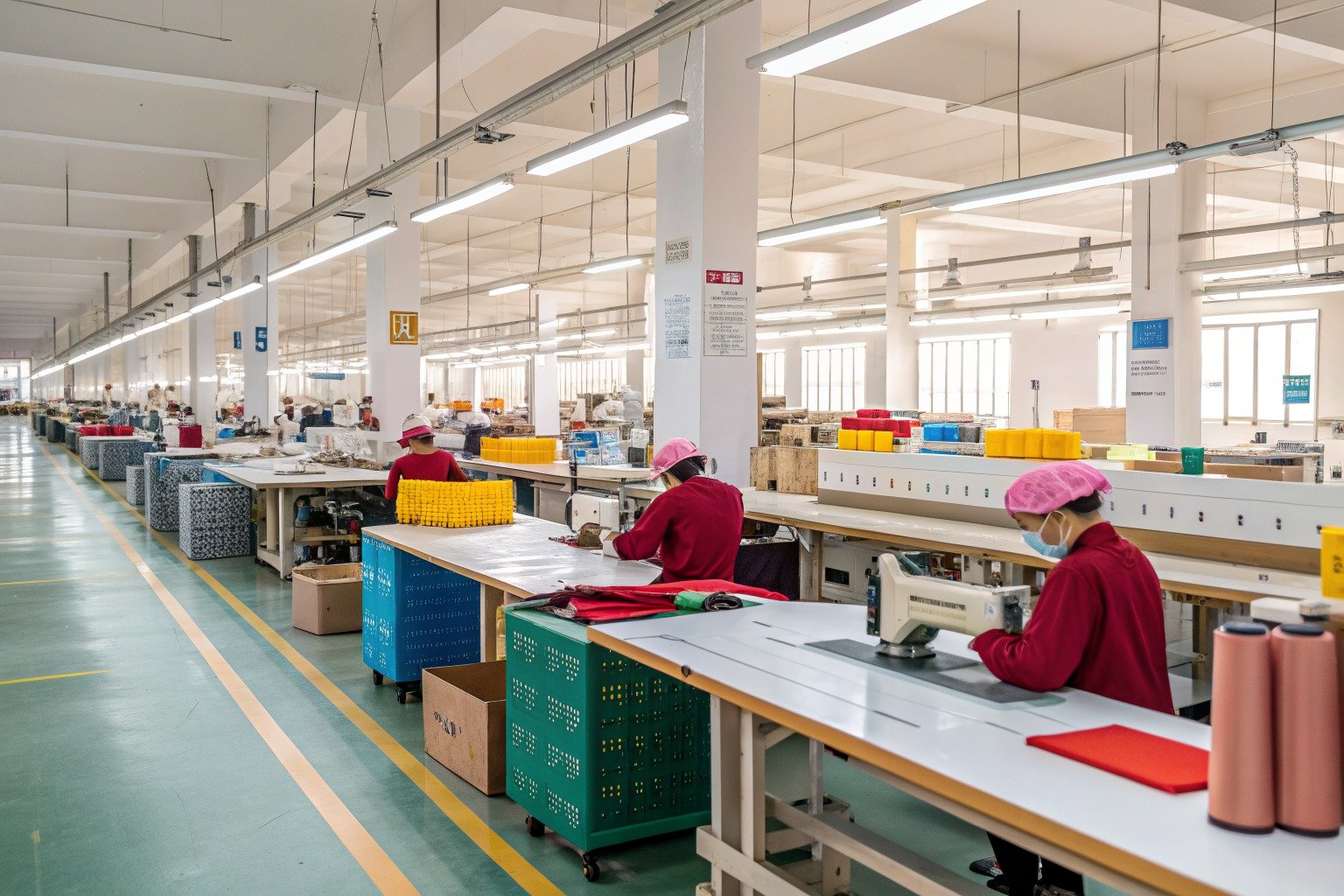
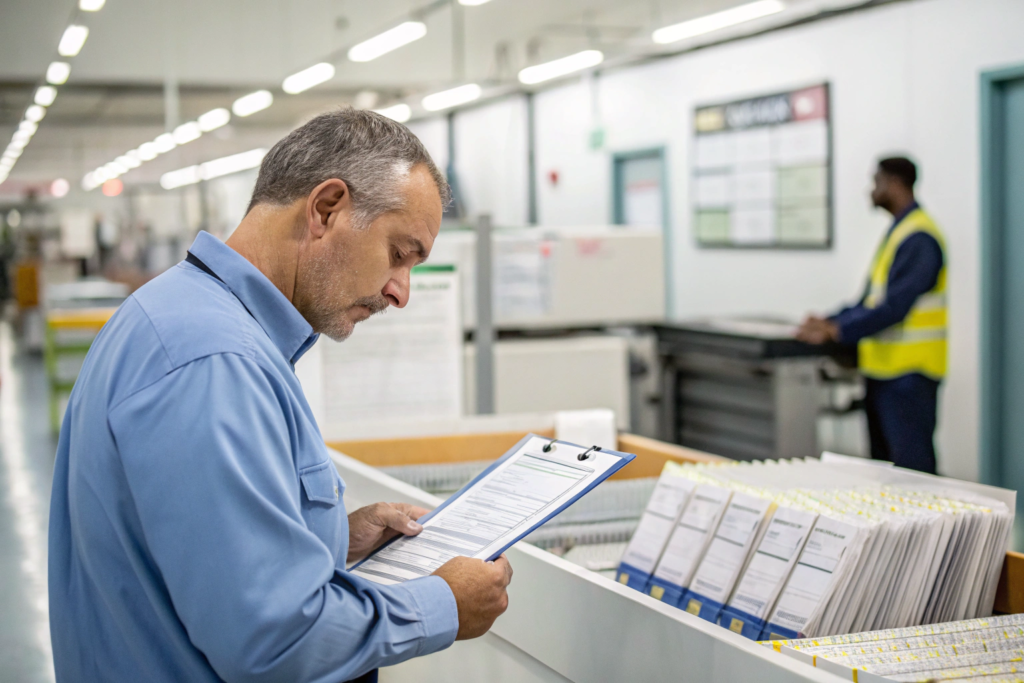
The audit examines several key areas. First, labor practices. The auditor reviews payroll records, time cards, and hiring documents. They verify that workers are paid at least the legal minimum wage and are compensated correctly for overtime. They verify that workers are of legal working age. They check that employment is voluntary and that workers are free to leave. Second, health and safety. The auditor walks the entire factory floor. They check for clear and unobstructed fire exits. They verify that fire extinguishers are present, accessible, and recently inspected. They check for proper machine guarding, adequate lighting, and ventilation. They ensure that appropriate personal protective equipment, such as masks and gloves, is provided and used. They check the dormitories if the factory provides housing.
These are not superficial checks. The auditor spends a full day on site, often conducting confidential worker interviews. They are looking for systemic issues. At AceAccessory, we maintain these standards every day. The annual audit is simply a verification of our ongoing commitment. This social compliance audit scope for US retailers labor practices and workplace safety is the foundation of the audit.
Why Are These Audits Repeated Annually Instead of Just Once?
Conditions can change. A factory that was fully compliant last year could have slipped this year. A new production supervisor might be less diligent about safety. Cost pressures might lead to corner-cutting on overtime pay. A building owner might block a fire exit with stored materials. The annual audit is a check on the sustainability of the factory’s compliance systems. It ensures that compliance is embedded in the culture, not just a one-time event for a single inspection.
Furthermore, the retailer’s own requirements and the legal landscape evolve. New regulations may come into force. The retailer’s internal code of conduct may be updated. The annual audit verifies compliance against the current, most up-to-date standards. This reasons for annual renewal of social compliance factory audits by US retailers is about managing ongoing risk, not a reflection of past performance.
What Are the Consequences of a Failed Social Compliance Audit?
The consequences are severe and immediate. A failed audit typically results in the factory being placed in a "Corrective Action Plan" or CAP. The factory is given a specific timeframe, usually 30 to 90 days, to fix the identified issues and provide evidence of the correction. A follow-up audit is scheduled. If the factory fails to correct the issues, or if the violations are egregious, such as the discovery of child labor or forced labor, the retailer will immediately terminate the business relationship. The factory is "de-listed" as an approved vendor. For a factory like AceAccessory, our approval status with major retailers is one of our most valuable business assets. We protect it fiercely. This consequences of failed social compliance audit for Chinese factories is a powerful incentive for continuous improvement.
What Is C-TPAT and Why Does the Audit Include Security Checks?
In addition to social compliance, many major US retailer audits include a rigorous supply chain security assessment. This is often driven by the retailer’s participation in C-TPAT, the Customs-Trade Partnership Against Terrorism. C-TPAT is a voluntary program led by US Customs and Border Protection. Retailers who participate in C-TPAT receive benefits like faster customs clearance and reduced exam rates. In return, they must ensure that their foreign suppliers meet minimum security criteria.
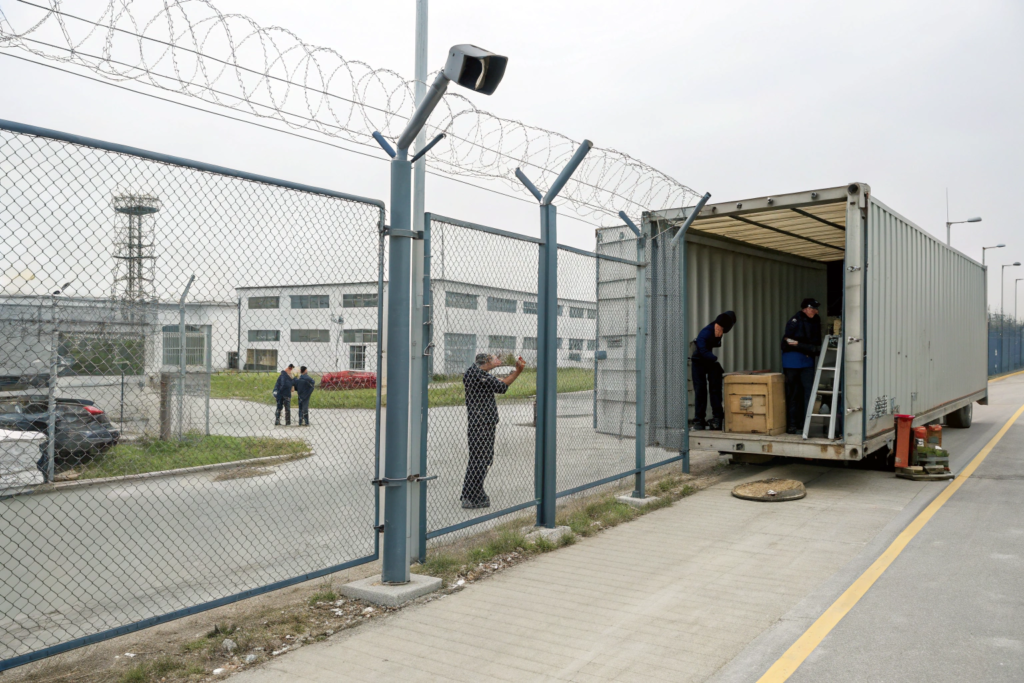
The security portion of the audit examines the factory’s physical security. Is the perimeter secured with a fence? Are there controlled access points? Is there adequate lighting? It examines personnel security. Are background checks performed on employees? It examines procedural security. How are containers loaded and sealed? Is there a documented process for preventing the introduction of unauthorized cargo into outbound shipments? The goal is to prevent terrorists from using legitimate commercial shipments to smuggle weapons or other contraband into the United States.
At Shanghai Fumao, we meet or exceed all C-TPAT security criteria. Our facility is secured. Our container loading procedures are documented and supervised. We use high-security bolt seals that meet ISO standards. This C TPAT security criteria and factory audit requirements for US importers is a critical part of the modern global supply chain.
How Does the Audit Verify Container Seal Integrity?
The container seal is the primary defense against tampering during transit. The audit verifies that the factory has a strict procedure for managing seals. Seals must be stored in a secure, locked location with controlled access. A log must be maintained, recording who checked out which seal and for which container. The seal must be affixed to the closed container doors in the presence of a supervisor. The seal number must be recorded on the Bill of Lading and other shipping documents. This chain of custody is critical. Any break in this chain creates a security vulnerability. Our shipping department follows these procedures meticulously for every single container. This container seal management and chain of custody procedures for C TPAT compliance is a key part of the security audit.
Does the Audit Check for Counterfeit Goods or IP Infringement?
Yes, increasingly. Major retailers are under immense pressure to ensure that their supply chains are free from counterfeit goods and that they are not inadvertently selling products that infringe on intellectual property rights. The auditor will ask about the factory’s processes for verifying the authenticity of branded materials and for ensuring that the products they manufacture are for legitimate brand owners. They will look for any evidence of unauthorized production. At AceAccessory, we only manufacture for the brand owners who contract with us. We do not produce counterfeit goods. We verify the authorization of our clients. This intellectual property protection and anti counterfeiting measures in retail factory audits is a growing area of focus.
How Does the Audit Address Environmental and Sustainability Standards?
Environmental compliance is no longer a niche concern for major US retailers. It is a core component of their corporate sustainability commitments and their public brand image. Consumers and investors are demanding greater environmental responsibility. The annual factory audit now includes a detailed environmental module.
The auditor will examine the factory’s waste management practices. How is solid waste, such as fabric scraps and packaging materials, handled? Is it recycled? Is it disposed of legally? They will examine wastewater treatment, if applicable. For a factory like ours, which involves some fabric dyeing and finishing processes, proper wastewater treatment is critical. The auditor will verify that we have the required environmental permits and that our emissions are within legal limits. They will look for evidence of efforts to reduce energy consumption and water usage. The audit verifies that the factory is not causing environmental harm and is operating in compliance with local and national environmental laws. This environmental compliance and sustainability standards in US retail factory audits is a rapidly expanding part of the assessment.

Are There Specific Chemical Management Requirements for Accessories?
Yes, and they are extremely strict. For fashion accessories like hair clips, belts, and bags, the chemicals used in materials, dyes, and adhesives are a major focus. The retailer wants to ensure that the products are safe for consumers and comply with regulations like CPSIA and REACH. The audit will verify that the factory has a documented chemical management system. We must maintain a list of all chemicals used in production. We must have Safety Data Sheets or SDS for each chemical. We must store chemicals safely and dispose of them properly. We must have procedures in place to prevent contamination. Our compliance with OEKO-TEX and other material certifications is reviewed. This chemical management and restricted substances compliance in accessory factory audits is a critical consumer safety issue.
How Does the Audit Verify Our Certifications Like OEKO-TEX?
Certifications like OEKO-TEX Standard 100 are not just pieces of paper. The auditor verifies that the certification is current and valid. They check the certificate number against the issuing body’s online database. They verify that the scope of the certification covers the specific products and processes used in the factory. They may also take random samples of materials or finished products to be tested independently for restricted substances. This independent verification ensures that the certification is not fraudulent and that the factory is genuinely adhering to the required standards. At AceAccessory, our certifications are current, our documentation is organized, and we welcome this level of scrutiny. This verification of OEKO TEX and other material certifications during factory audits is a standard procedure.
What Is the Benefit of These Audits for a Factory Like AceAccessory?
While preparing for and hosting an annual audit requires effort, the benefits for a factory like AceAccessory far outweigh the costs. A successful audit is a powerful credential. It is a third-party validation that we operate at a world-class level of social, security, and environmental responsibility. This is a significant competitive advantage.
First, it opens doors. Many major retailers will not even consider a new supplier unless they have a recent, passing audit from a recognized firm. Our audit reports are a key part of our sales and marketing materials. They demonstrate our credibility and reduce the perceived risk for potential new clients. Second, it strengthens existing relationships. A clean audit report reassures our current retail partners that their supply chain is secure and ethical. It builds trust and makes it easier to negotiate larger orders and longer-term programs. Third, it drives internal improvement. The audit process often identifies small areas for improvement that we might have overlooked. It keeps our management team focused on maintaining the highest standards.
We view the annual audit not as an imposition, but as an essential part of being a best-in-class global supplier. This benefits of annual retail compliance audits for reputable Chinese manufacturers is a strategic asset we actively cultivate.

How Do We Prepare for an Annual Retailer Audit?
Preparation is not a last-minute cram session. It is an ongoing state of readiness. We maintain our documentation and our physical facility to audit standards every day. When an audit is scheduled, we do a final internal review. We walk the floor to check for any new safety hazards. We review our personnel files and payroll records for completeness. We organize our environmental permits and chemical SDS sheets. We designate a member of our management team to be the primary escort for the auditor, ensuring they have access to whatever they need. This state of constant readiness is far more efficient than a frantic, last-minute scramble. This proactive preparation and ongoing compliance management for annual factory audits is our standard operating procedure.
How Do We Share Audit Results with Current and Potential Clients?
Transparency is key. Upon request, and with appropriate confidentiality agreements in place, we share the summary findings of our most recent audits with current and prospective clients. This provides them with immediate, third-party assurance of our compliance status. It can significantly shorten their own vendor onboarding process. For some clients, if our recent audit was conducted by an accredited firm and meets their specific standard, they may accept it in lieu of conducting their own separate audit. This reduces audit fatigue for us and saves the client time and money. We are proud of our audit record and use it as a tool to build trust and efficiency. This sharing factory audit reports with clients to expedite onboarding and build trust is a valuable business practice.
Conclusion
The annual audit by major US retailers is not a sign of distrust. It is a fundamental pillar of modern global supply chain management. It is the mechanism by which retailers verify that the products they sell are made in factories that respect their workers, protect the environment, secure their supply chains, and produce safe, compliant goods. These audits are driven by a complex web of legal requirements, corporate policies, consumer expectations, and risk management imperatives.
For a factory like Shanghai Fumao, these audits are a welcome and necessary part of doing business at the highest level. They validate our daily commitment to operational excellence. They provide a credential that opens doors to the world’s most prestigious retailers. They drive a culture of continuous improvement. We do not fear the auditor’s visit. We are ready for it, every day. Because we know that a clean audit report is not just a piece of paper. It is a statement of who we are and how we operate.
If you are a brand or retailer looking for a manufacturing partner in China with a proven track record of audit compliance, I encourage you to contact our Business Director, Elaine. She can provide a summary of our recent audit history and discuss our compliance programs in detail. You can email Elaine at: elaine@fumaoclothing.com. Let our commitment to compliance give you confidence in your supply chain.