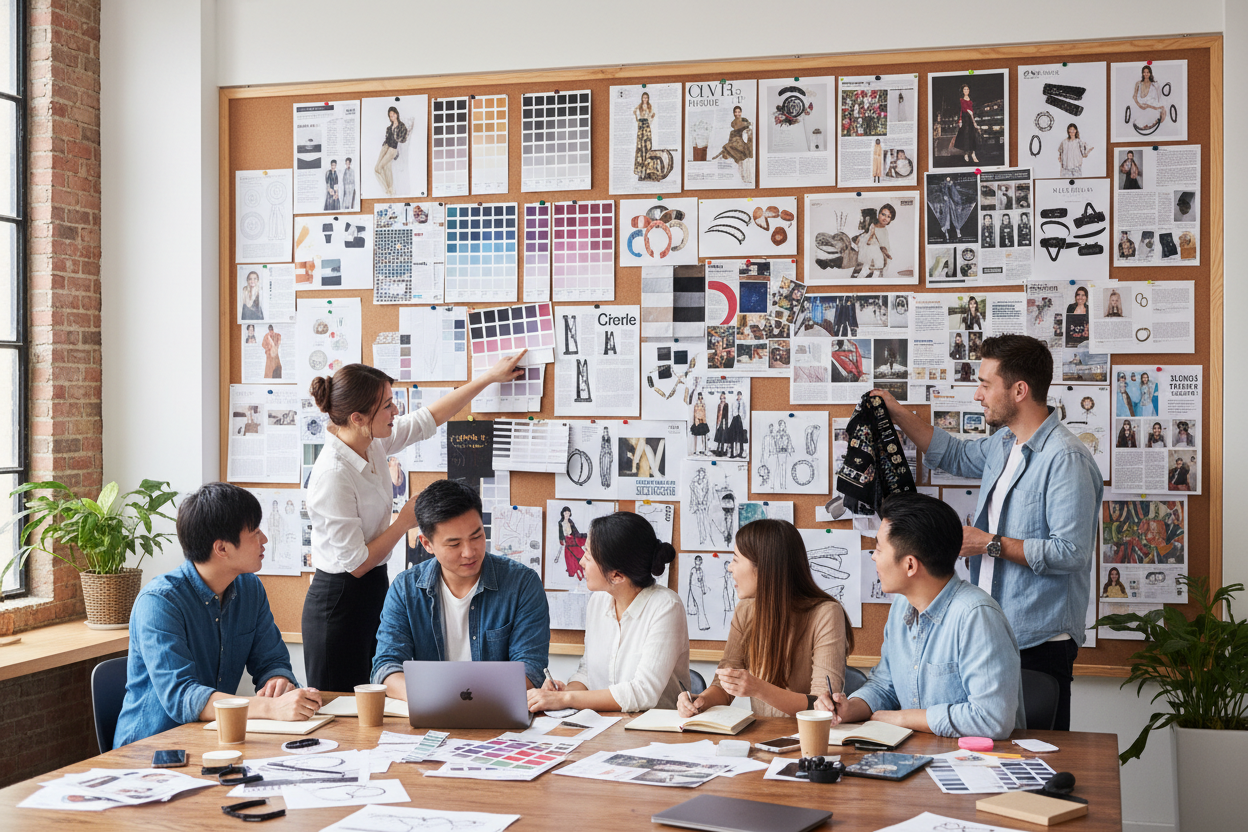
You are a brand owner. You are staring at a blank page, trying to imagine what hair accessories your customer will want to buy eighteen months from now. You scroll through TikTok and Instagram. You save pins on Pinterest. You read trend reports that feel vague and generic. You have a sense of the direction, but translating that vague sense into a specific, manufacturable hair clip or headband that will arrive on time and on budget feels overwhelming. You are not just looking for a factory to sew pieces together. You are looking for a partner who can help you navigate the creative process and de-risk your product development.
Our design team creates trend-aligned hair accessories for 2026 through a structured, four-phase process that combines global trend forecasting research, material and component curation from the Zhejiang supply chain, collaborative design refinement with our clients via CAD and 3D renderings, and rigorous prototyping to ensure the aesthetic vision translates into a commercially viable, high-quality product.
I manage Shanghai Fumao in Zhejiang, and our in-house design team is one of our most valuable assets. We do not just wait for clients to send us finished tech packs. We actively research, develop, and propose new concepts. Our goal is to make our clients look like trend geniuses. Let me take you inside our design process for the 2026 season.
How Do We Research and Forecast Hair Accessory Trends for 2026?
Trend forecasting is not guesswork. It is a disciplined process of gathering and synthesizing information from multiple sources. Our design team begins the 2026 development cycle eighteen months in advance by immersing themselves in the global fashion conversation.
We subscribe to professional trend forecasting services like WGSN. These services provide macro-level direction on color, material, and silhouette shifts. We analyze the runway shows from New York, London, Milan, and Paris, paying close attention to the hair styling and the accessories used to complement the clothing. We monitor street style photography from fashion weeks around the world. We track emerging brands and viral moments on social media platforms, particularly TikTok and Instagram, as these platforms are now primary drivers of accessory trends.
This research is synthesized into an internal trend report. The report identifies three to five key aesthetic directions for the 2026 season. For example, one direction might be "Soft Utility," characterized by organic shapes, matte finishes, and earthy colors. Another might be "Digital Romanticism," characterized by iridescent materials, 3D-printed textures, and pastel gradients. This report becomes the creative brief for our material sourcing and concept development. This professional trend forecasting methodology for fashion accessories is the foundation of our proactive design service.
How Do You Translate a Macro Trend into a Specific Hair Clip Design?
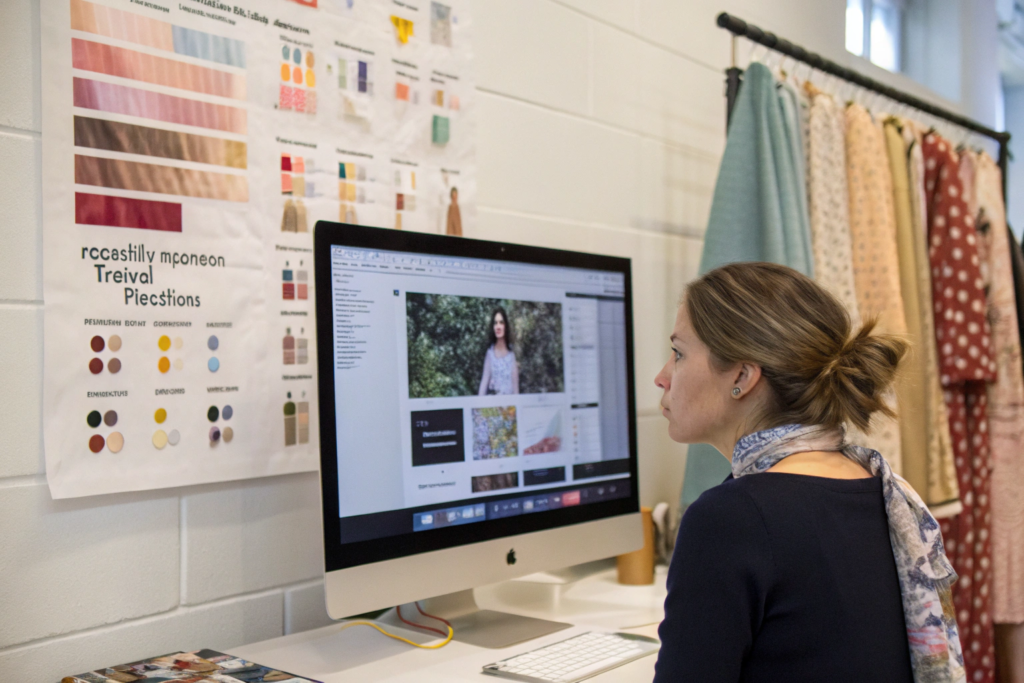
This is the critical step where many brands struggle. A macro trend like "Soft Utility" is an abstract concept. It must be translated into a tangible object. Our design team breaks this translation down into specific design elements.
First, we consider shape. A "Soft Utility" shape is organic and rounded, perhaps a large, asymmetrical oval hair claw or a gently curved headband. It avoids sharp angles or aggressive points. Second, we consider material and finish. The material should have a matte, tactile quality. We might select a matte-finish acetate, a sandblasted metal, or a softly textured resin. Third, we consider color. The color palette is drawn from nature, sun-faded terracotta, warm sand, sage green, and deep umber.
The designer sketches multiple concepts exploring these three elements. A single macro trend can inspire a whole family of hair accessories, including clips, claws, headbands, and barrettes. This translating macro fashion trends into specific product design elements is the core skill of our design team.
What Role Does the Local Zhejiang Material Market Play in Trend Spotting?
We have a unique advantage. Our factory is located at the epicenter of the fashion accessory supply chain. Our designers regularly visit the massive wholesale markets in Yiwu and the fabric markets in Shaoxing. They see what materials and components are being produced in volume.
This on-the-ground intelligence is invaluable. We can spot an emerging material trend, a new type of eco-friendly acetate, a novel iridescent coating, or a unique metal plating finish, months before it appears in Western trend reports. We can bring samples of these new materials back to the studio and begin experimenting with them immediately. This on the ground material trend spotting in Zhejiang accessory supply chain gives our clients a first-mover advantage.
How Do We Curate Materials and Components for the 2026 Collection?
A beautiful design is worthless if it cannot be manufactured at the target price or if the materials are not available. Our design process is grounded in the reality of our supply chain. Material and component curation happens in parallel with design concepting.
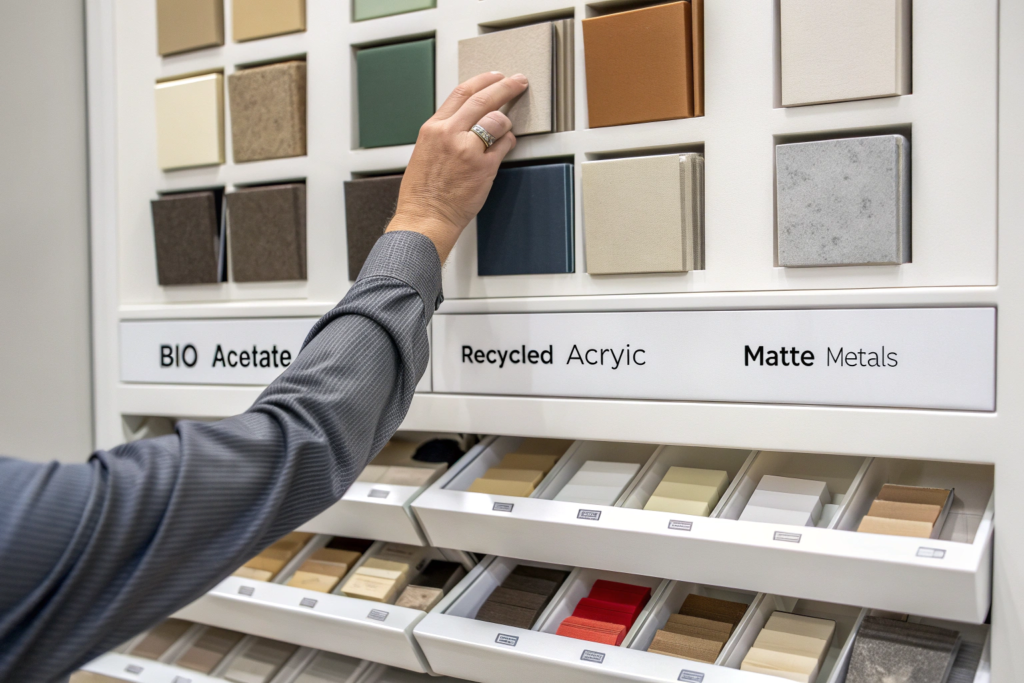
Based on the 2026 trend directions, our design team and sourcing team collaborate to identify and qualify new materials. For the "Soft Utility" trend, we might source new matte-finish bio-acetates from our suppliers. For the "Digital Romanticism" trend, we might test new iridescent coatings on recycled acrylic. We order sample quantities of these materials. We test them for durability, colorfastness, and manufacturability. We build a curated material library specifically for the 2026 season.
This curated library is then presented to our clients. Instead of being overwhelmed by a thousand generic swatches, the client is guided toward a focused selection of trend-right, commercially viable materials. This curated material and component selection for 2026 hair accessory trends streamlines the development process and ensures the final product is both beautiful and buildable.
How Are Sustainability Requirements Integrated into Material Selection?
Sustainability is not a trend. It is a permanent shift in consumer values. Our material curation for 2026 places a heavy emphasis on sustainable options. We proactively source and qualify materials that meet specific environmental criteria.
This includes bio-acetate, a plastic made from wood pulp that is biodegradable under certain conditions. It includes recycled acrylic and recycled polyester. It includes natural materials like FSC-certified wood and plant-based resins. We are also sourcing water-based glues and low-impact dyes for our fabric-wrapped components.
We provide our clients with clear documentation on the sustainable attributes of these materials. We can support claims related to recycled content or bio-based origin. This sustainable material sourcing and certification for eco conscious hair accessories is an integrated part of our 2026 development strategy.
What Is the Process for Developing a New Custom Color or Finish?
Often, a client needs a specific color that is not available in the standard material offerings. Developing a custom color is a precise process that we manage for our clients.
For acetate hair clips, the color is mixed into the raw plastic material. We provide the acetate supplier with a Pantone color reference. The supplier creates a small lab sample, called a lab dip, for our approval. We review the lab dip under standard lighting conditions. We check for color accuracy and opacity. We may go through two or three rounds of lab dips to achieve a perfect match. Once approved, the custom color is produced in a larger batch for the bulk order. This custom color matching and lab dip process for acetate and resin hair accessories ensures brand color consistency.
How Do We Collaborate with Clients to Refine the 2026 Designs?
Our design team does not work in a vacuum. We are not creating a collection for ourselves. We are creating a collection in service of our clients’ brands. Collaboration is at the heart of our process.
Once we have developed a set of initial concepts based on the 2026 trends, we present them to our clients. This presentation includes digital sketches, material swatches, and a narrative explaining the trend rationale behind each concept. We gather feedback. The client may love the shape of one clip but prefer the material from another concept. They may want to adjust the size or add their logo in a specific location.
This collaborative back-and-forth is where the design is truly refined and tailored to the specific brand. We use digital tools like CAD renderings and 3D models to visualize the changes in real-time. This collaborative design refinement process with brand clients for custom accessories ensures the final product is a true partnership between our trend expertise and the client’s brand identity.
How Do You Use CAD and 3D Renderings in the Approval Process?
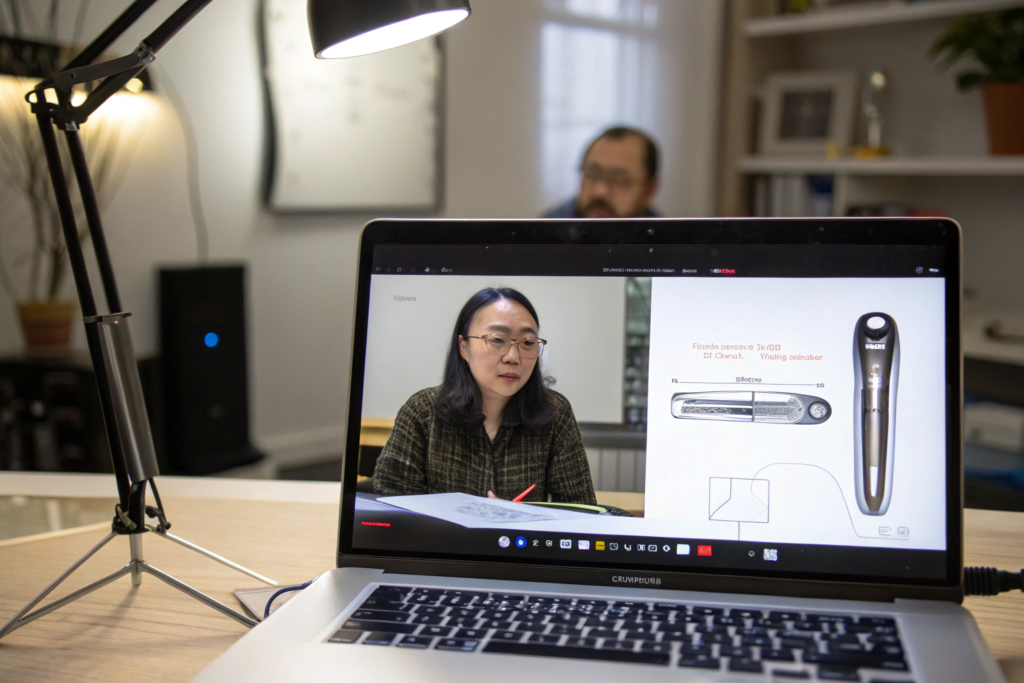
A flat sketch can only convey so much. A 3D rendering brings the design to life. It shows how light will play across the curved surface of a hair claw. It shows the scale and proportion of a headband on a virtual model. It allows the client to visualize the final product with far greater accuracy than a 2D drawing.
Our designers use specialized software to create photorealistic 3D renderings of proposed designs. We can apply the exact material finish and color to the rendering. We can rotate the object 360 degrees. We can place it in a lifestyle context. This level of visualization significantly reduces the risk of misunderstandings and speeds up the approval process. The client can sign off on the design with confidence, knowing exactly what they are getting. This CAD and 3D rendering technology for virtual accessory sampling and approval is a powerful tool in our collaborative process.
What Happens During the Prototyping and Sampling Phase?
The digital design is the blueprint. The physical prototype is the proof. Once a design is approved in CAD, we move to the prototyping phase. This is where the design meets the realities of manufacturing.
For a new shape of acetate hair claw, we first produce a resin prototype using 3D printing. This allows the client to hold the shape in their hand and evaluate the size and ergonomics. How does it feel in the hair? Is the clip mechanism positioned correctly? Adjustments are made to the 3D file based on this feedback. Once the shape is perfected, we proceed to a molded acetate sample using a temporary mold or a sample from a similar existing mold. This sample shows the final material and finish. The prototyping phase is an iterative process of refinement. It is where we solve the practical challenges of manufacturing and ensure the final product meets our quality standards. This prototyping and sampling process for new hair accessory shapes and materials is the final validation step before bulk production.
How Do We Ensure the 2026 Designs Are Commercially Viable?
A design that is beautiful but cannot be produced efficiently at the target price is a failure. Our design team works in close physical proximity to our production team. This ensures that manufacturability and cost are considered from the very beginning of the design process.
Our designers understand the capabilities and limitations of our injection molding machines, our metal stamping equipment, and our hand-assembly processes. They design parts that can be molded without complex undercuts. They specify finishes that can be applied consistently in a production environment. They consider the labor content of a hand-wrapped headband and look for ways to streamline the process without compromising the aesthetic.
This integration of design and production is a key advantage of working with a factory that has an in-house design team. The designs that come out of our studio are not just pretty. They are engineered for efficient, high-quality production. This design for manufacturability and cost optimization in accessory development ensures that the final product meets both the creative brief and the margin requirements.

How Do You Balance Trend Aesthetics with Minimum Order Quantities?
A highly trend-driven design might be very specific and have a limited market window. The client may be hesitant to commit to a large MOQ. We address this by designing with component modularity in mind.
For example, a hair claw might be designed with a removable decorative element. The base claw can be produced in a higher volume to meet the mold MOQ. The decorative element, which is trend-specific, can be produced in smaller batches and attached later. This allows the client to refresh the style seasonally without incurring the full cost and MOQ of a completely new mold.
We also offer lower MOQ options using digital printing or by utilizing our library of existing mold shapes that can be customized with new colors or surface treatments. This strategies for balancing trend driven design with minimum order quantity requirements helps our clients manage the risk of new product introductions.
What Is the Role of Value Engineering in the Design Process?
Value engineering is the process of analyzing a design to identify opportunities to reduce cost without sacrificing function or perceived quality. It is a proactive part of our design review.
A designer might initially specify a solid brass logo plate. Our production team might suggest a zinc alloy plate with a high-quality brass plating. The visual appearance is nearly identical, but the material cost is significantly lower. A designer might design a headband with a complex, multi-part assembly. The production team might suggest a one-piece molded design that achieves a similar look with less labor.
These value engineering suggestions are brought to the client transparently. The client makes the final decision. This collaborative approach to cost management ensures that the final product hits the target FOB price while maintaining the design integrity. This value engineering and cost reduction strategies in fashion accessory design is a service that directly improves our clients’ margins.
Conclusion
Our design team is not a cost center. It is a strategic engine that drives value for our clients. By systematically researching global trends, curating innovative materials from the Zhejiang supply chain, collaborating closely with clients through digital visualization tools, and rigorously engineering designs for manufacturability, we de-risk the product development process and increase the likelihood of commercial success.
We enable our clients to bring trend-aligned, beautifully crafted hair accessories to market faster and with greater confidence. We do the heavy lifting of trend translation and material sourcing so that our clients can focus on what they do best, building their brand and connecting with their customers. For the 2026 season, we are ready with a portfolio of concepts and a library of materials that capture the emerging aesthetic directions.
If you are developing your 2026 hair accessory collection and want to leverage our design expertise, I encourage you to contact our Business Director, Elaine. She can arrange a virtual tour of our design studio and a presentation of our 2026 trend research and material curation. You can email Elaine at: elaine@fumaoclothing.com. Let us help you create the hair accessories that will define the coming season.