You found a supplier on Alibaba offering knotted headbands for $0.42 per unit. Your current supplier, a factory you trust, quoted $0.68 per unit. The math seems simple. On an order of 10,000 units, you save $2,600. That is a new laptop. That is a partial payment on a trade show booth. You place the order with the cheap supplier. The headbands arrive. The colors are slightly off. The knots are inconsistent. About 15% of them have visible glue residue. Your e-commerce return rate spikes to 12% on this SKU. Your customer service inbox fills with complaints. You spend hours dealing with the fallout. The cheap supplier is unresponsive. You realize, with a sick feeling, that the $2,600 you saved upfront has already been consumed by return shipping labels, lost customer goodwill, and your own time. You did not save money. You just paid for it in a different, more painful currency.
The hidden costs of low-priced fashion accessories from China include the financial impact of higher defect rates and customer returns, the time cost of managing unreliable supplier communication and missed deadlines, the compliance cost of customs exams triggered by poor documentation, the brand cost of negative reviews and damaged reputation, and the opportunity cost of lost reorders and wasted product development cycles.
I run Shanghai Fumao in Zhejiang, and I have seen this story play out countless times. A buyer chases a lower unit price and ends up with a higher total landed cost and a massive operational headache. My factory is not the cheapest option on Alibaba. There is a reason for that. Our price includes the systems, the people, and the quality control that prevent these hidden costs from materializing. Let me shine a light on the real costs lurking beneath that tempting low unit price.
What Is the True Cost of Quality Failures and Returns?
The low unit price is seductive. But that price often reflects compromises made in materials and quality control. Those compromises translate directly into a higher defect rate. A defect rate that is invisible on the invoice but very visible on your profit and loss statement.
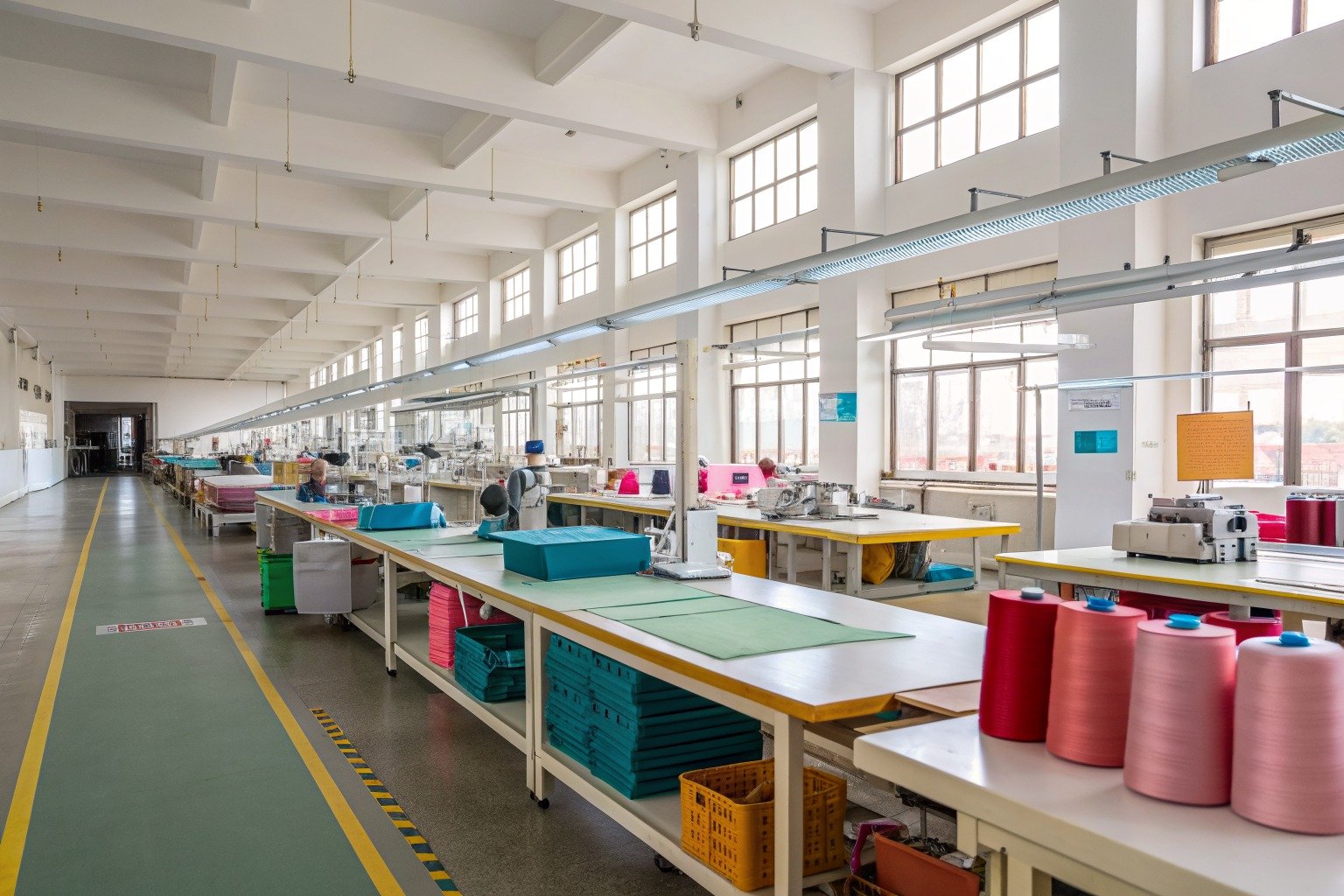
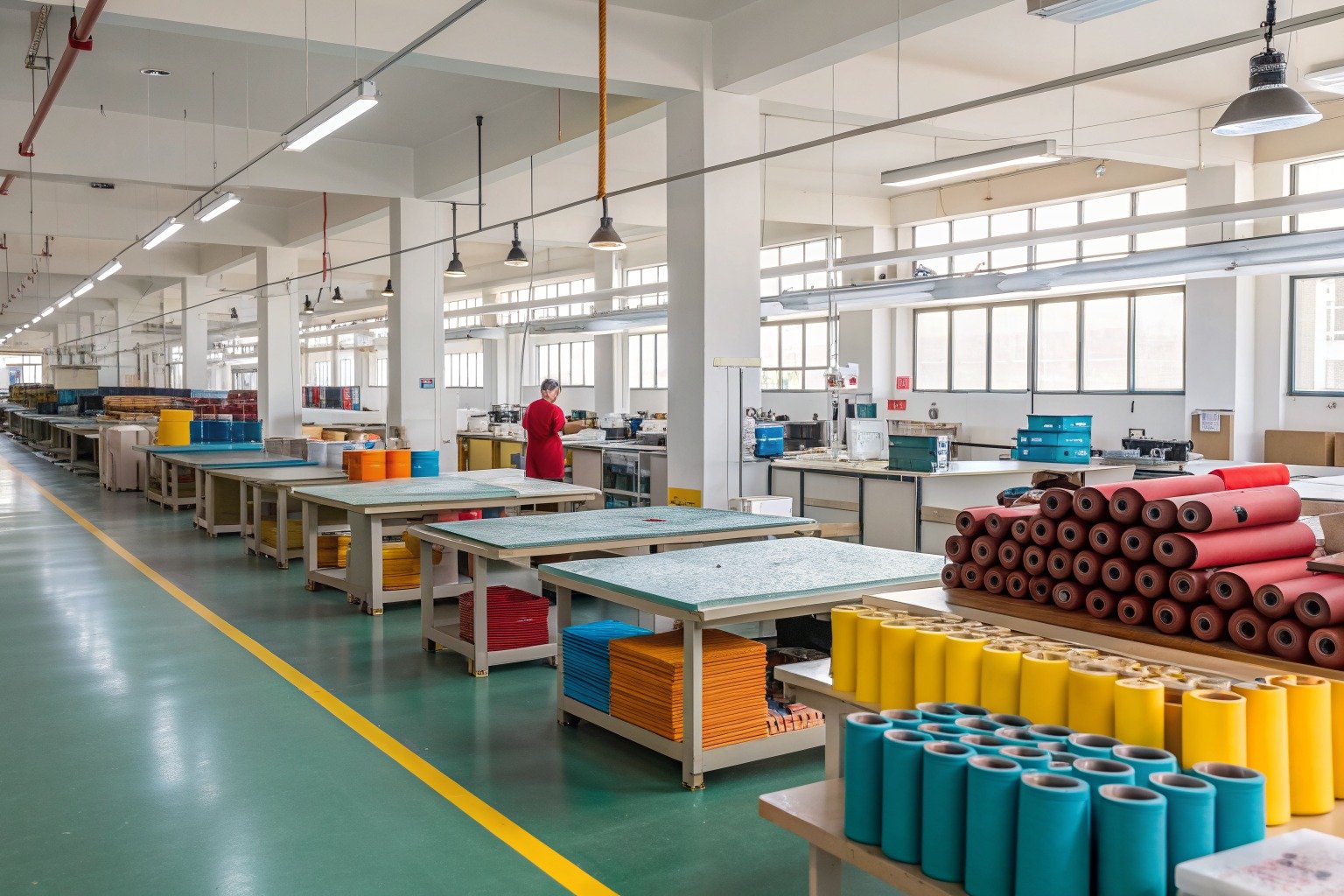
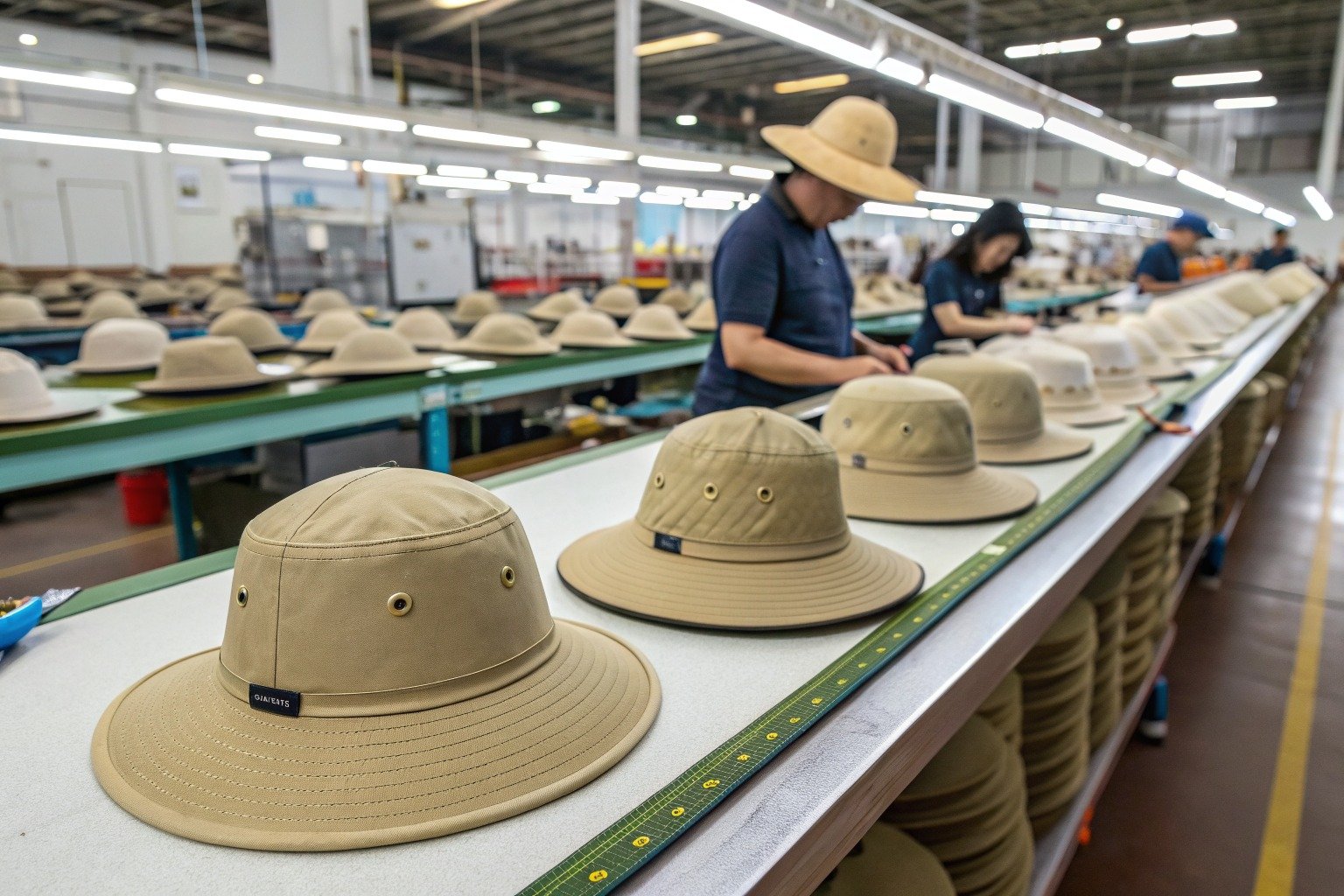
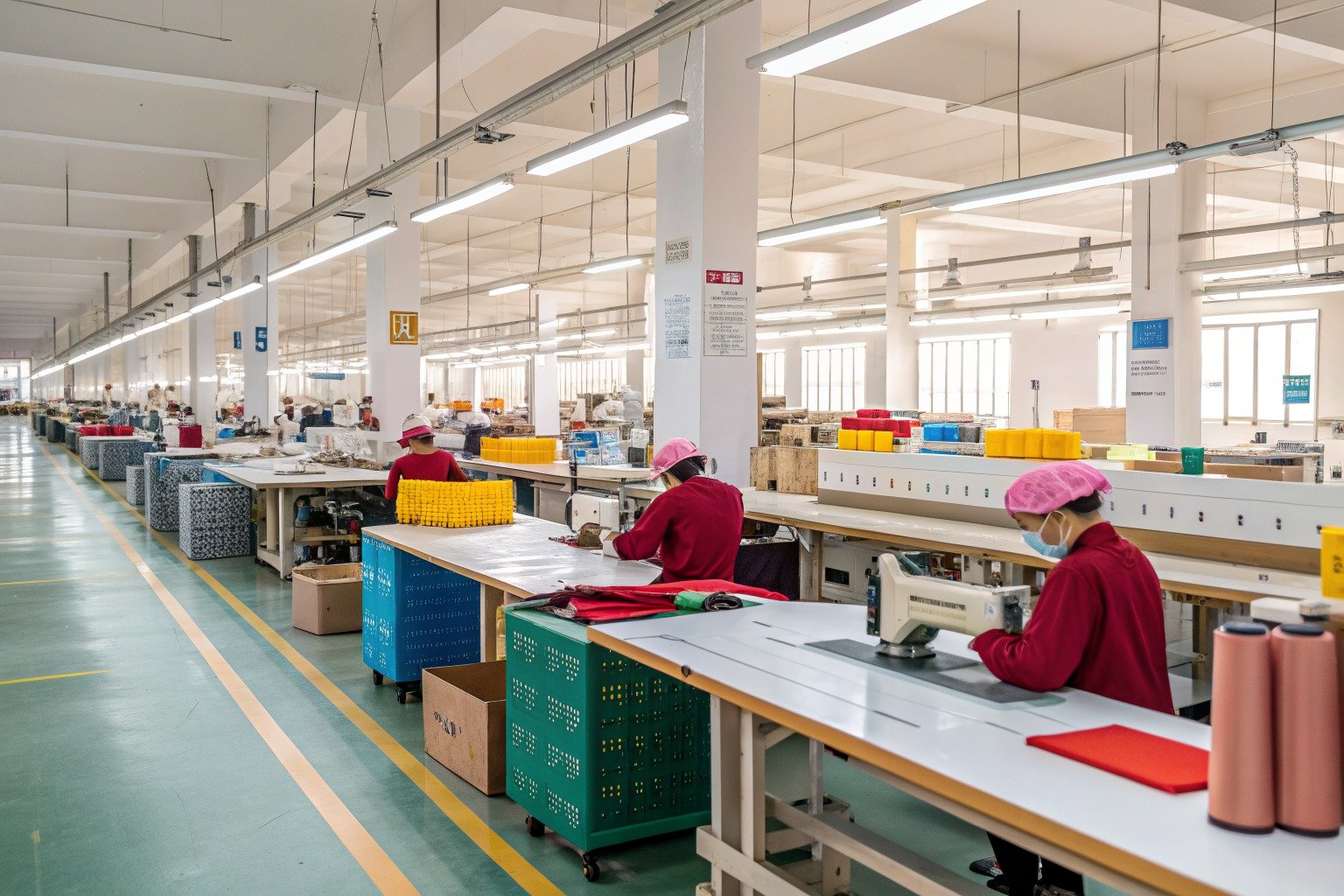
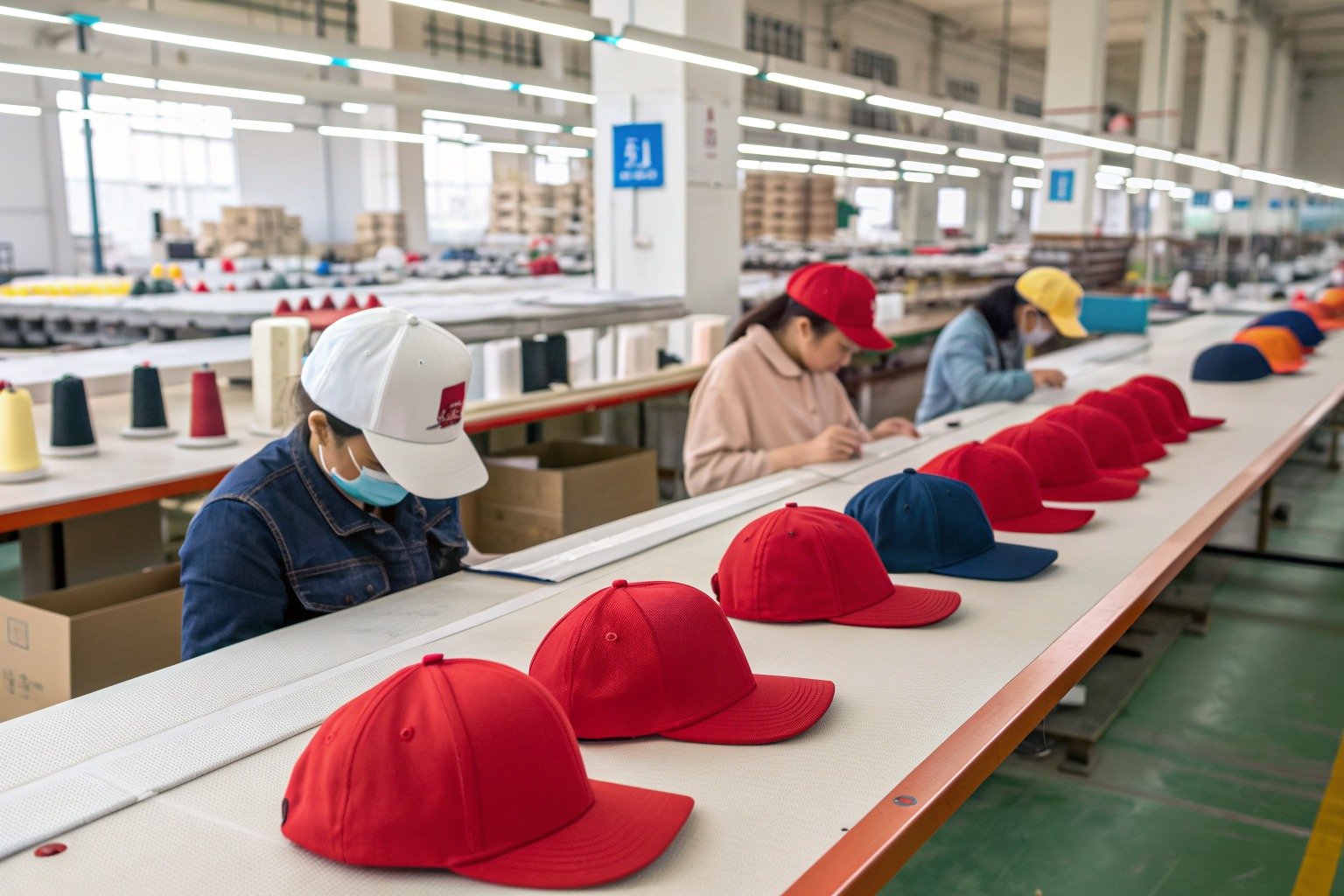
A professional factory like AceAccessory invests in inline QC and final AQL inspections. We catch defects before they leave our facility. A low-cost workshop often relies on a single, cursory final check, or no check at all. The result is that defective goods are packed into cartons and shipped to you. The true cost of these defects is not just the cost of the defective unit itself. It is the cost of the return shipping label you provide to the customer. It is the cost of the customer service agent’s time to process the return. It is the cost of the warehouse labor to inspect the returned item. It is the cost of the lost margin if the item cannot be resold. This total cost of quality failure and product returns for imported accessories often exceeds the initial unit price savings by a significant multiple.

How Do You Calculate the Landed Cost of a Defective Unit?
Let us do the math on a single defective headband. You paid $0.42 for the unit. The ocean freight and duty added $0.15 per unit. The landed cost of that defective headband is $0.57. That money is gone.
Now, the customer wants a return. You provide a pre-paid return shipping label. That label costs you $4.00. Your warehouse worker spends five minutes processing the return. At a labor rate of $18 per hour, that is $1.50 in labor. The headband is damaged and cannot be resold. It goes into the trash.
The total cost of that single defective unit is not $0.42. It is $0.57 plus $4.00 plus $1.50. That is $6.07. You would need to sell fifteen perfect headbands at a healthy margin just to break even on the cost of that one defective unit from the cheap supplier. This landed cost calculation including reverse logistics for defective fashion accessories reveals the devastating financial leverage of poor quality.
What Is the Lifetime Value Impact of a Lost Customer?
The cost of a return extends beyond the immediate transaction. A customer who receives a defective product is unlikely to purchase from your brand again. The lifetime value of that customer is lost.
Acquiring a new customer is expensive. It requires marketing spend, advertising, and promotional discounts. Let us say your customer acquisition cost is $15. If a defective headband causes you to lose a customer, you have not only incurred the $6.07 in direct return costs. You have also wasted the $15 you spent to acquire that customer in the first place. You must now spend another $15 to acquire a new customer to replace them.
The cheap supplier’s $0.42 headband just cost you $21.07 in real, measurable business costs. This is the math that the unit price comparison completely obscures. This customer acquisition cost and lifetime value impact of poor quality imported goods is a strategic cost that low-price sourcing ignores.
How Does Poor Communication and Unreliability Cost You Time and Money?
Time is the one resource you cannot replenish. The hours you spend chasing a non-responsive supplier for a tracking number, clarifying a misunderstood specification, or re-explaining a packaging requirement are hours you are not spending on growing your business. This is a very real cost.
A low-priced supplier often achieves that low price by skimping on customer-facing staff. They may have one salesperson handling hundreds of clients. Emails go unanswered for days. Questions are misunderstood due to language barriers. The burden of managing the project shifts from the supplier to you. You become the de facto project manager, but without any authority or visibility into the factory.
At Shanghai Fumao, our project managers are a core part of our value proposition. They communicate proactively. They provide weekly updates. They answer questions within hours. The time you save by not having to manage us is time you can invest in design, marketing, and sales. This cost of time spent managing unreliable overseas suppliers is a significant hidden expense of low-price sourcing.

What Is the Cost of a Missed Delivery Window?
Fashion accessories are seasonal. A shipment of summer hats that arrives in August is worth a fraction of a shipment that arrives in May. The cost of a missed delivery window is markdown money and lost full-price sales.
A reliable supplier provides a realistic production schedule and meets it. An unreliable supplier makes optimistic promises and then fails to deliver. They blame material delays, production backups, or Chinese holidays. The shipment is late. Your retail partners cancel orders. Your e-commerce launch is delayed. You are forced to put the goods on sale immediately to clear the inventory.
The financial impact is stark. A product intended to sell at a 60% margin at full price may only achieve a 20% margin on clearance. That 40-point margin erosion on an entire order is a massive hidden cost that dwarfs any upfront unit price savings. This financial impact of missed seasonal delivery windows for fashion accessories is a risk that professional suppliers mitigate, not create.
How Do You Value the Opportunity Cost of Wasted Development Time?
You spent three months going back and forth with a cheap supplier on a custom hat sample. The sample never turned out right. The season ended. You have nothing to sell. The time you invested in that failed development project is gone forever.
That time could have been spent working with a capable supplier on a product that actually made it to market. That is opportunity cost. It is the revenue you did not generate because your resources were tied up in a doomed project. A professional supplier accelerates your development cycle and increases your hit rate on new products.
At Shanghai Fumao, our in-house design team and efficient sampling process are designed to get viable products to market faster. We do not waste your time on endless, fruitless sample revisions. This opportunity cost of failed product development with low capability suppliers is one of the largest hidden drains on a brand’s growth potential.
Why Do Low-Priced Shipments Attract More Customs Scrutiny and Fees?
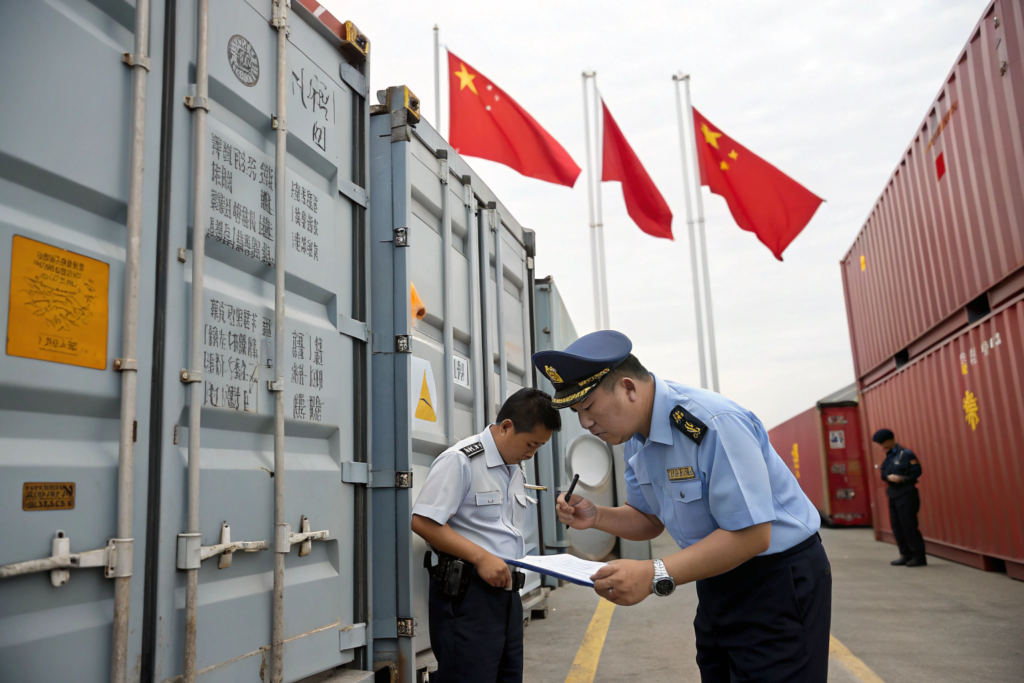
US Customs and Border Protection uses a risk-based targeting system. Shipments from known, compliant shippers with accurate documentation flow through quickly. Shipments from unknown or non-compliant shippers with vague or inaccurate documentation are flagged for examination. Low-priced suppliers often fall into the second category.
The low-price supplier may not invest in professional export documentation. They may use a vague description of goods on the commercial invoice. They may misclassify the HTS code. They may not properly label cartons with the country of origin. These documentation failures are red flags for CBP. They trigger a customs exam. A customs exam means your container is pulled aside. You pay for the exam itself. You pay demurrage fees to the steamship line for the days the container is held. You pay storage fees to the customs bonded warehouse. You miss your delivery window.
These fees can add hundreds or even thousands of dollars to the cost of a shipment. They are a direct result of the supplier’s lack of compliance infrastructure. At AceAccessory, our documentation is meticulous. We know what CBP looks for. We prepare every shipment to clear smoothly. This customs exam and demurrage fees triggered by poor supplier documentation is a hidden cost that cheap suppliers externalize onto you.
How Does Incorrect HTS Classification Lead to Penalties?
The Harmonized Tariff Schedule classification determines the duty rate you pay. A cheap supplier may not have the expertise to classify your goods correctly. They may use a generic code or a code that minimizes their own perceived responsibility.
If CBP examines your shipment and determines the HTS code is incorrect, you are liable for the underpaid duty, plus interest, plus potential penalties. A penalty for negligence can be 20% of the underpaid duty. A penalty for gross negligence or fraud can be much higher. These penalties are assessed against the importer of record, which is you or your customs broker acting on your behalf.
The few dollars you saved on the unit price are instantly wiped out by a customs penalty. A professional supplier like AceAccessory provides accurate material breakdowns and recommended HTS codes. We support your broker in making a correct and defensible entry. This CBP penalties for incorrect HTS classification and undervaluation is a financial risk that competent suppliers help you avoid.
What Is the Risk of Intellectual Property Seizure with Unknown Suppliers?
If your product design is original, you are at risk. A low-priced supplier may not respect intellectual property rights. They may be producing goods that infringe on someone else’s design. If CBP suspects the goods are counterfeit, they will seize the entire shipment.
Even if your design is original, if the supplier is on a watchlist for previous IP violations, your shipment is at higher risk of detention and examination. The burden of proof falls on you. You must provide evidence that the goods are legitimate. This process is time-consuming and expensive.
We at AceAccessory respect IP rights. We manufacture only for the brand owner. We do not sell client designs to other parties. We are not on any CBP watchlists. This CBP intellectual property rights enforcement and seizure of counterfeit goods is a catastrophic risk associated with unknown, low-price suppliers.
How Does Poor Material Sourcing Impact Long-Term Brand Reputation?
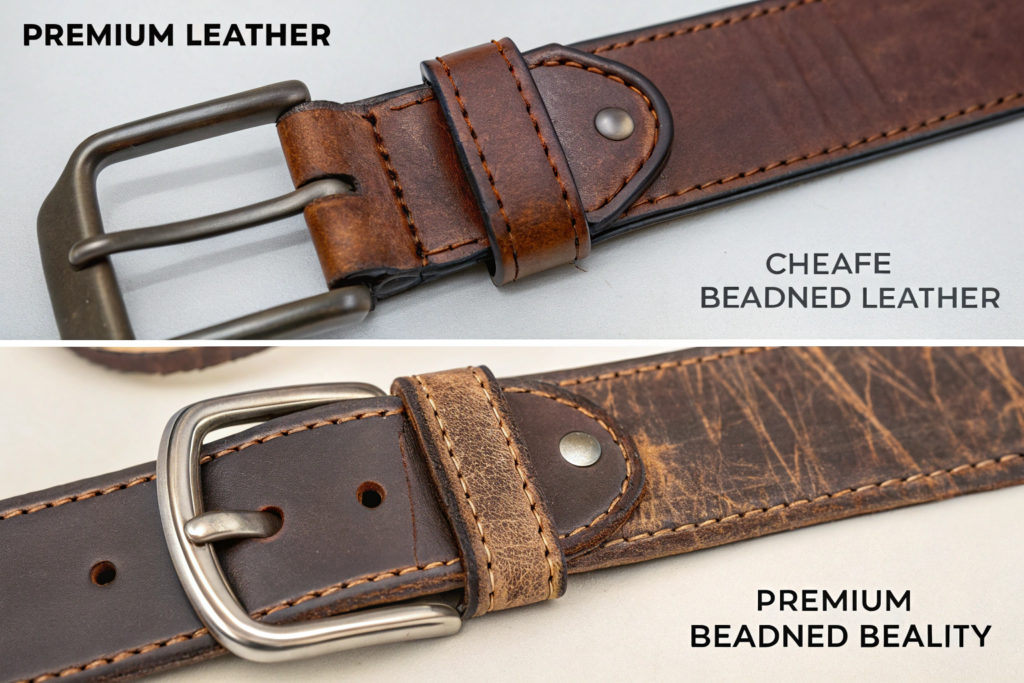
The initial transaction is just the beginning of the product’s life. The true test of quality comes weeks and months later, as the customer uses the product. A low-priced accessory made with cheap materials will fail in the field. It will fade, crack, peel, or stretch out of shape.
The customer does not blame the anonymous factory in China. They blame your brand. Your brand name is on the product. The negative review they leave online is about your brand. The photo of the failed product they post on social media tags your brand. This reputational damage is a hidden cost that compounds over time. It erodes trust and makes it harder to sell future products at a premium price.
At AceAccessory, we source materials for durability and performance. We test our acrylic for brittleness. We test our leather for colorfastness. We test our fabrics for pilling. We know that our quality reflects on our clients’ brands. This long term brand reputation damage from poor quality imported accessories is the ultimate hidden cost of low-price sourcing.
What Is the Cost of Negative Online Reviews?
A single negative review can cost a brand multiple sales. Studies show that consumers read reviews before purchasing. A product with a 3.5-star average rating will convert at a much lower rate than a product with a 4.5-star rating.
Let us say your cheap headband generates a wave of one-star reviews complaining about quality. Your conversion rate on that product page drops by 30%. You are now spending the same amount on advertising to drive traffic, but you are converting far fewer visitors into customers. Your customer acquisition cost effectively increases.
The money you saved on the unit price is now being spent on less efficient marketing. You are paying to send traffic to a product page that is actively repelling customers. This impact of negative online reviews on e-commerce conversion rates and marketing efficiency is a measurable financial consequence of poor quality.
How Do You Rebuild Trust After a Quality Failure?
Trust is hard to earn and easy to lose. A customer who has a bad experience with your brand is unlikely to give you a second chance. They will simply choose a competitor next time. Rebuilding trust requires significant investment.
You may need to issue a public apology. You may need to offer discounts or free products to affected customers. You may need to invest in a public relations campaign to shift the narrative. All of these activities cost money. They are a direct tax on the earlier decision to prioritize a low unit price over quality.
Prevention is far cheaper than cure. Partnering with a quality-focused factory from the beginning protects your brand’s most valuable asset, its reputation. This cost of rebuilding brand trust and managing a quality crisis is a hidden liability that cheap sourcing creates.
Conclusion
The allure of a low unit price on fashion accessories from China is a powerful but dangerous temptation. That single number on the quotation is a fraction of the total cost of bringing a product to market and satisfying a customer. The true cost includes the financial drain of returns and defects, the time sink of managing unreliable communication, the risk of customs penalties and delays, and the long-term erosion of your brand’s most valuable asset, its reputation.
The cheapest supplier is rarely the least expensive. The least expensive supplier is the one who delivers a consistent, quality product, on time, with transparent communication and compliant documentation. This supplier may have a slightly higher unit price, but their total landed cost and total cost of ownership are almost always lower. They save you the hidden costs that drain your profit and your energy.
At Shanghai Fumao, we do not compete on being the cheapest. We compete on being the best value. Our price reflects the investment we make in quality materials, skilled labor, professional project management, and rigorous quality control. These investments pay for themselves many times over by preventing the hidden costs that plague importers who chase the lowest bid.
If you are tired of paying the hidden costs of low-price sourcing and are ready to work with a factory that values your time, your money, and your brand reputation, I encourage you to contact our Business Director, Elaine. She can provide a realistic quotation and explain the value behind our pricing. You can email Elaine at: elaine@fumaoclothing.com. Let us show you the true cost advantage of quality.