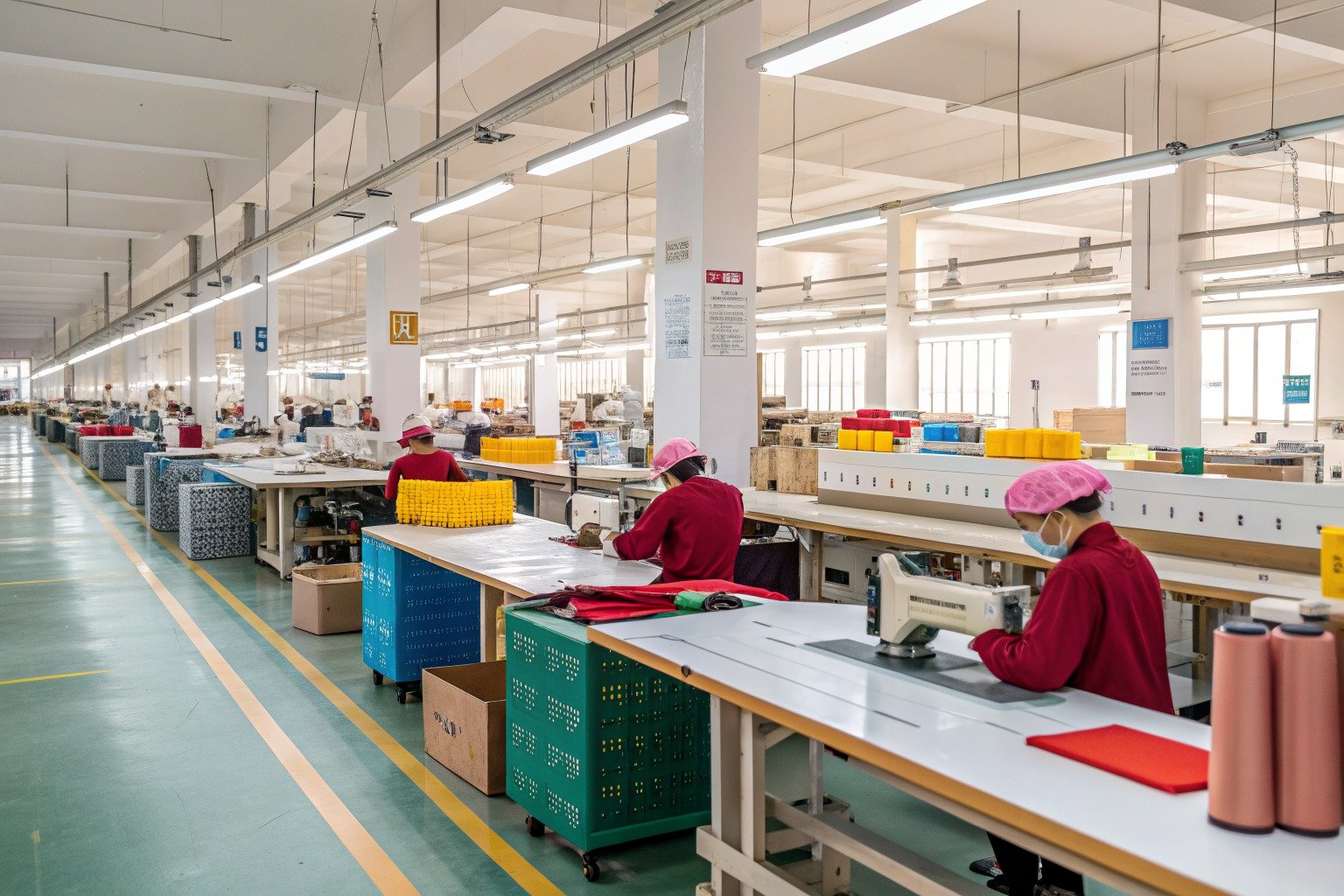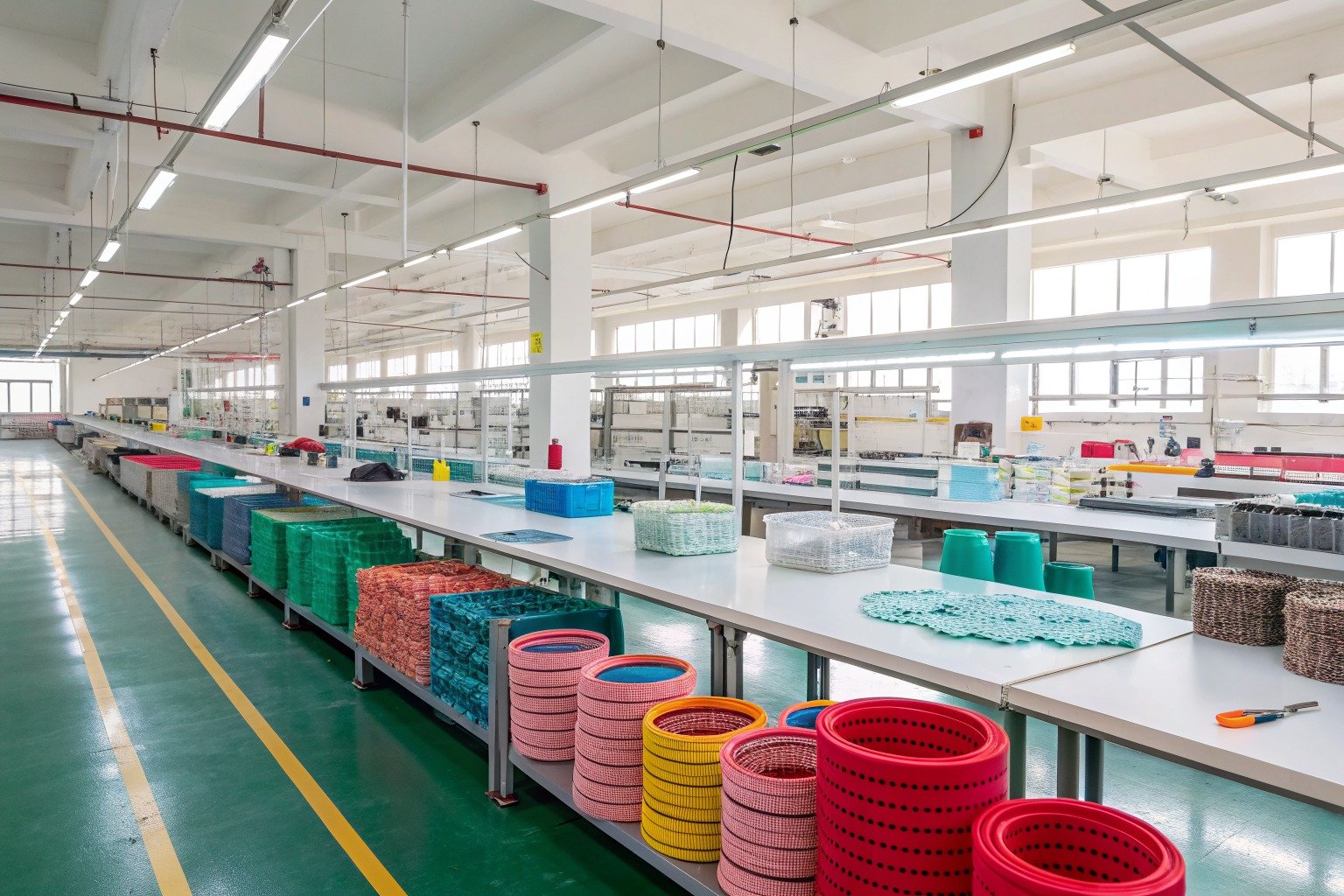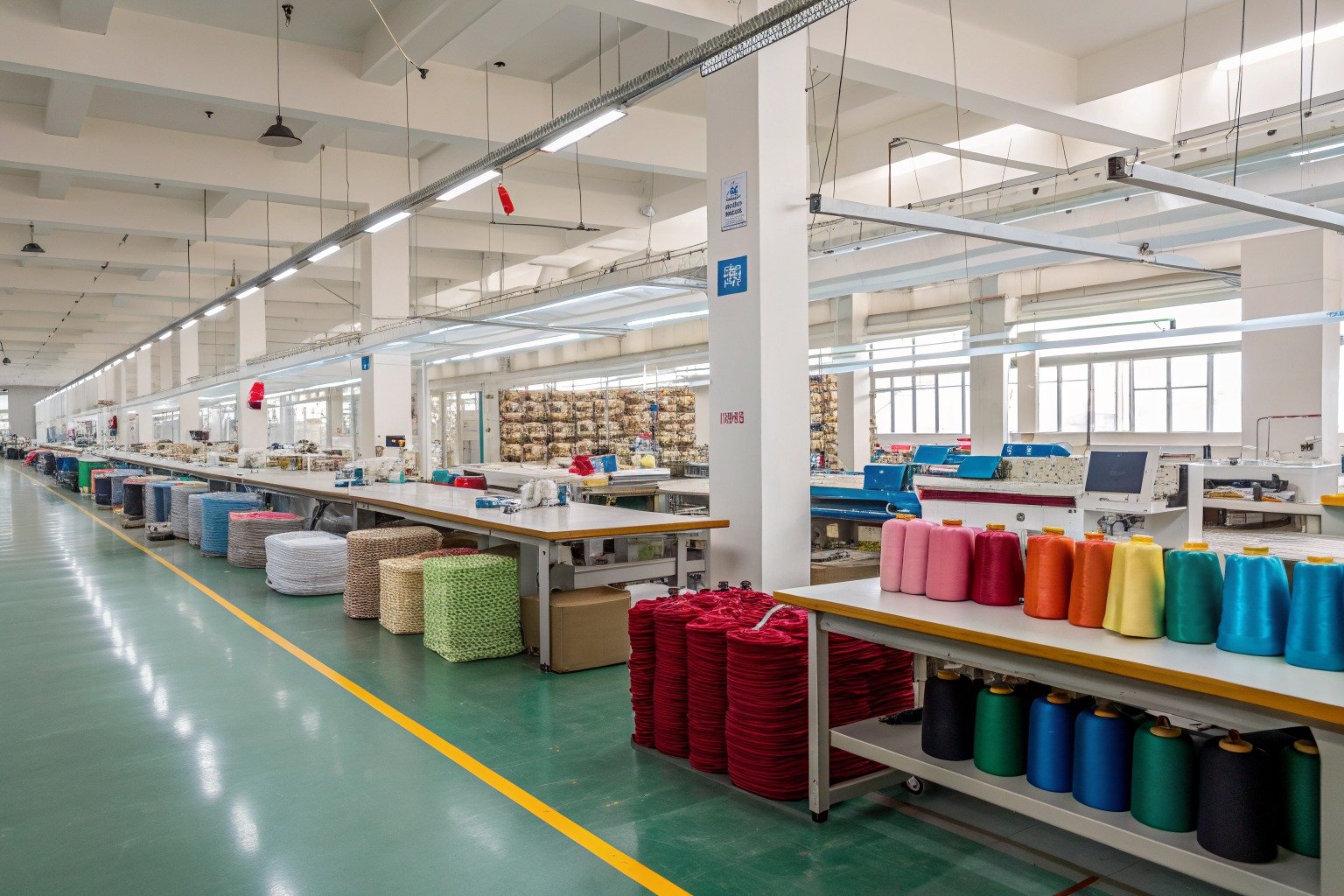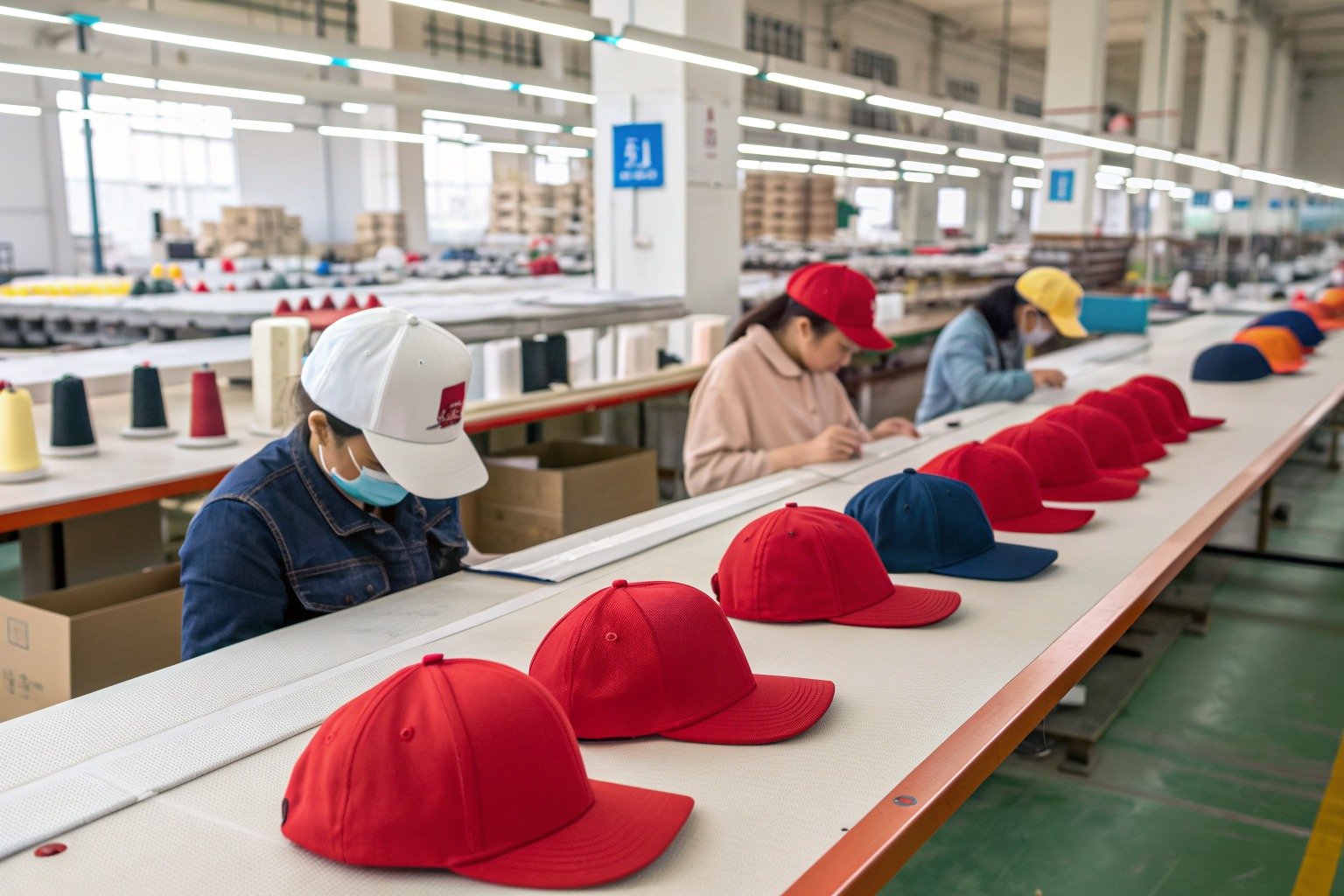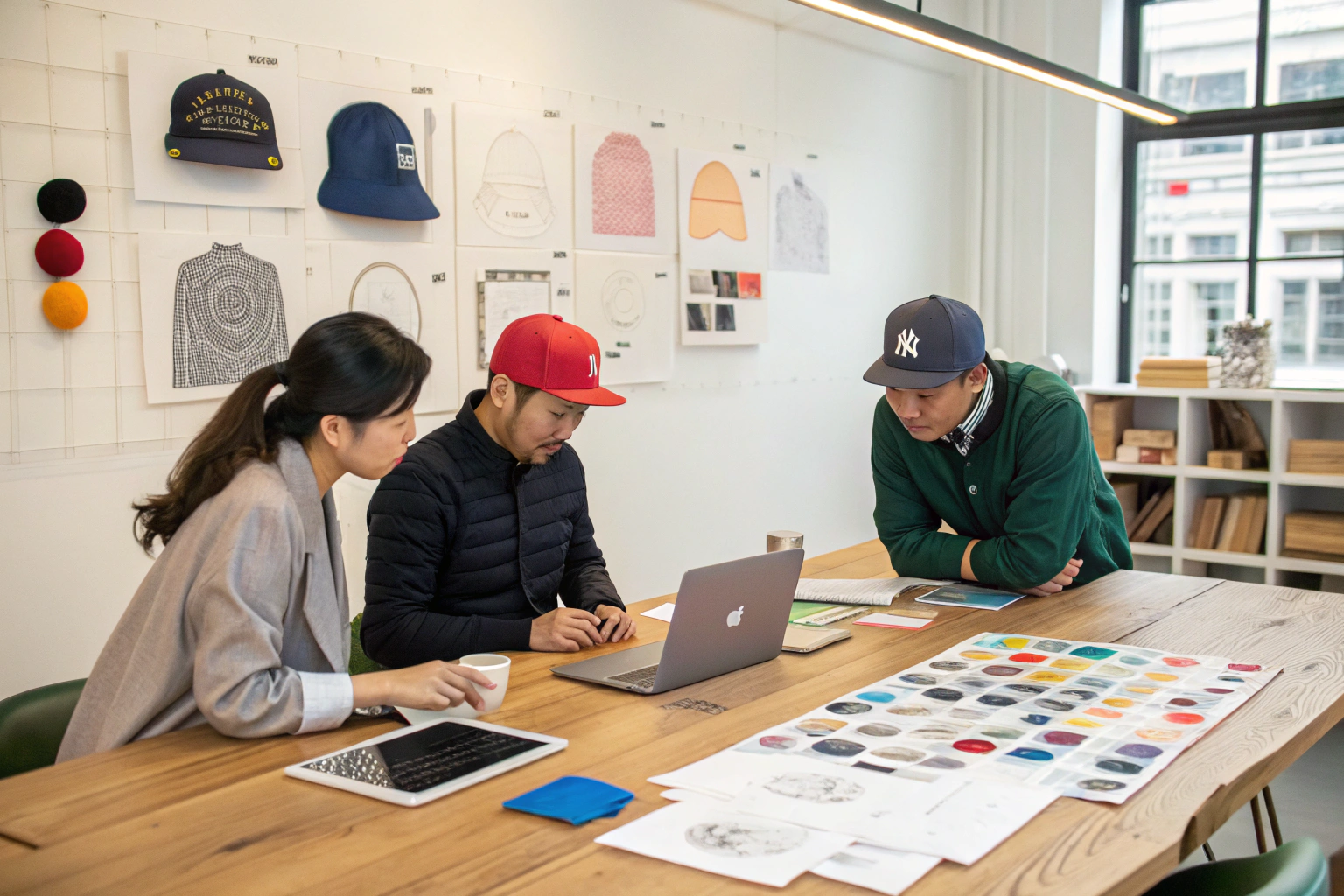
You have a vision for a hat collection. You have a mood board filled with vintage military caps, modern streetwear snapbacks, and textured wool fedoras. You send this vision to three different factories in China. Two of them reply with a short email: "Send us a sample to copy." The third factory replies with a list of questions. They ask about the target retail price. They ask about the weight of the fabric you prefer. They attach a sketch of a modified brim curve that they think will hold its shape better in high humidity. You realize in that moment that you are not just talking to a sewing contractor. You are talking to a product development partner. This is the difference an in-house design team makes.
Choosing a hat factory with an in-house design team accelerates your product development cycle by two to three weeks, reduces sampling errors by providing professional technical translation of your concepts, and unlocks cost-saving material and construction alternatives that a pure production factory cannot identify.
I run Shanghai Fumao in Zhejiang, and our design team sits twenty feet from our pattern makers and fifty feet from our production floor. This proximity is not an accident. It is a strategic advantage that I want to explain to buyers like Ron who value speed, quality, and development capability. Let me show you why the design team is the engine that drives everything else we do.
How Does an In-House Design Team Speed Up Hat Development?
Time is the currency of the fashion accessories business. The trend window for a specific hat silhouette might be six months. If you spend four of those months going back and forth with a factory that has no design capability, you have missed the market. You are now selling into the discount cycle instead of the full-price cycle.
A factory without a design team is a passive order taker. They wait for you to send a perfect tech pack or a physical sample. If you send a sketch on a napkin, they do not know what to do with it. They forward it to a freelance pattern maker who works for five other factories. That freelancer is busy. Your napkin sketch sits in a queue. At AceAccessory, our in-house designer walks over to the pattern maker’s desk. They spend ten minutes discussing the crown height and the seam placement. The pattern maker starts drafting the paper pattern that afternoon. That same day, fabric is being pulled from our library for a first sample. This compression of communication time is the single biggest reason our sample development lead time reduction is faster than the industry average.
I recall a project for a US streetwear brand. They had a rough idea for a five-panel camp cap with a unique side seam detail. They sent a photo of a vintage cap and a sketch. Our design team created a technical flat drawing within twenty-four hours. The pattern was made the next day. The proto sample was on the sewing machine by day three. A factory without a design team would have taken a week just to find a pattern maker who understood the five-panel construction. That week saved meant the brand hit their pre-order window and captured early season revenue.
What Is the Difference Between a Pattern Maker and a Designer?
This distinction matters when you are evaluating a factory. Many factories in China employ pattern makers. A pattern maker takes a finished design and creates the paper or digital pattern used to cut the fabric. They are technicians. They are excellent at what they do.
A designer operates upstream from the pattern maker. A designer interprets your mood board and your brand aesthetic. They suggest silhouette modifications. They propose alternative seam placements that might reduce cost without sacrificing look. They understand proportion and how the hat will sit on a human head, not just on a flat cutting table.
At Shanghai Fumao, we have both. The designer speaks with you about the vision. The designer then creates a technical specification that the pattern maker can execute. This handoff is seamless because they work in the same room. There is no lost information in translation. This integrated pattern making versus design development process is what separates a product development partner from a simple cut-and-sew contractor.
How Does In-House Design Reduce Costly Sampling Errors?
Every round of sampling costs money. The sample fee, the courier fee, and most importantly, the calendar time. A factory with no design team relies on you to catch every error. You are the de facto quality control for the development phase.
A factory with an in-house design team catches errors before the fabric is cut. Our designer reviews your logo placement. She knows that an embroidery file sized for a structured six-panel cap will look different on an unstructured dad cap because the fabric curves differently. She adjusts the placement before digitizing. She checks the contrast stitching color against the fabric swatch under our factory lighting, which is different from your office lighting. She flags potential issues and communicates them to you before they become expensive samples.
I estimate that an in-house design review saves our clients one to two rounds of sampling per project. At $100 to $200 per sample round including shipping, plus two weeks of calendar time per round, that is a significant saving. This is the design review sample error prevention value that an integrated factory provides.
Can a Factory Design Team Help with Material Selection and Cost?
The design team’s value extends far beyond drawing pretty sketches. They are your allies in value engineering. They know the material market in Zhejiang intimately. They know which suppliers have overstock of a particular wool blend. They know which polyester twill drapes like cotton but costs 40% less. This knowledge directly impacts your landed cost and your margin.
When you work with a trading company, they are incentivized to use the most expensive materials because they mark up the cost. When you work with a factory that has an in-house design team, we are incentivized to find the best material for the target retail price. Our designer will say: "This Italian wool is beautiful, but for a $24.99 retail cap, we need to find a domestic alternative that looks 90% as good at half the cost." That is a conversation a pure production manager cannot have. They only know how to sew. They do not know how to source creatively.
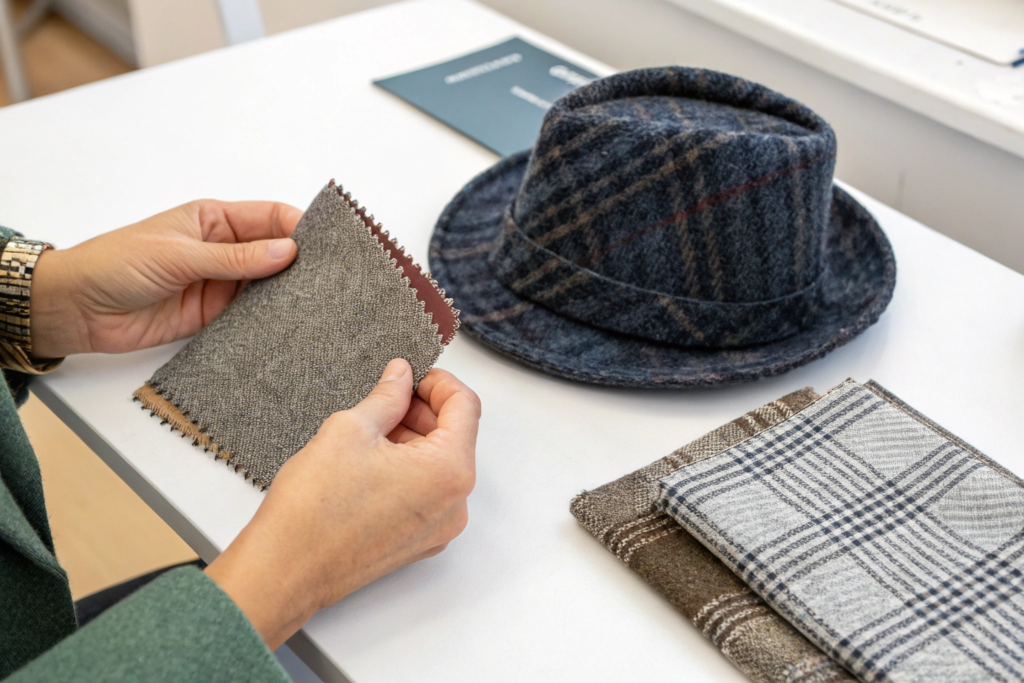
At AceAccessory, our design team maintains a physical library of over 300 fabric qualities. They are constantly visiting the fabric markets in Shaoxing and Yiwu. They bring back new textures and finishes. When a client describes a "soft, brushed feel," our designer knows exactly which three fabrics to pull from the shelf to match that hand feel. This material sourcing expertise cost optimization happens before the first sample is even cut.
How Do Designers Navigate Minimum Order Quantities for Custom Trims?
Custom hat trims are a major pain point. You want a specific leather strap with a branded metal buckle. The buckle factory has a minimum order quantity of 2,000 pieces. You only want to make 500 hats. You are stuck.
An experienced in-house designer knows the workarounds. She knows a hardware supplier who stocks a very similar buckle shape that can be laser engraved with your logo for a much lower setup fee and no minimum. She knows a leather supplier who sells pre-cut straps in small batches. She knows how to achieve the "custom look" using semi-stock components.
This knowledge is only gained by working in the industry day in and day out, sourcing components for multiple clients. Our design team aggregates demand across projects. If three different clients need a similar vintage brass finish buckle, we can combine the order to meet the factory minimum. This is a minimum order quantity trim sourcing solution that an independent designer or a small trading company simply cannot offer.
Can the Design Team Suggest Construction Changes to Lower Price?
Absolutely. The construction of a hat has many hidden cost drivers. The number of panels. The complexity of the seam. The type of sweatband. The method of attaching the brim.
A designer with production floor experience knows that a six-panel cap with a curved seam is more labor-intensive than a five-panel cap with a straight seam. If the difference in visual impact is minimal, the designer might propose the five-panel construction to hit a lower target price. She knows that a self-fabric sweatband is cheaper and faster to sew than a padded grosgrain sweatband. She knows that a sewn eyelet is more durable but a punched metal eyelet is faster to install.
These are not decisions you should have to make alone. You are a brand owner or a buyer. You focus on the aesthetic and the market positioning. Our design team translates that market positioning into a construction specification that meets your margin requirements. This is the cost effective hat construction design optimization that happens when design and production sit under the same roof.
How Does a Design Team Help You Interpret Trends for Western Markets?
You live in America or Europe. You see the trends on the street and on social media every day. You have a native understanding of what is cool in Brooklyn, Berlin, or Manchester. A factory designer in Zhejiang does not have that native understanding. This is a valid concern.
However, a professional in-house design team does not guess at Western trends. They research them systematically. They subscribe to trend forecasting services like WGSN. They monitor the e-commerce sites of major Western retailers. They study the runway shows and the street style coverage from fashion weeks. They are not trying to be tastemakers for the Western market. They are trying to be excellent technical translators of Western trends.
At Shanghai Fumao, our design team’s value is not in telling you what is cool. Their value is in saying: "I see you want this oversized, slouchy beanie silhouette. To achieve that specific drape, we need to use a 3-gauge knit with a specific yarn blend. A 5-gauge knit will stand up too stiff and look like a different product." That is the kind of technical insight that bridges the gap between a Pinterest photo and a wearable, sellable hat. This Western fashion trend technical interpretation is the service our design team provides.
How Do You Communicate a Trend Concept Without a Physical Sample?
You have a photo of a hat from a competitor’s website. You want something similar but not identical. You want it to have "that vibe." How do you communicate "vibe" to a factory 7,000 miles away?
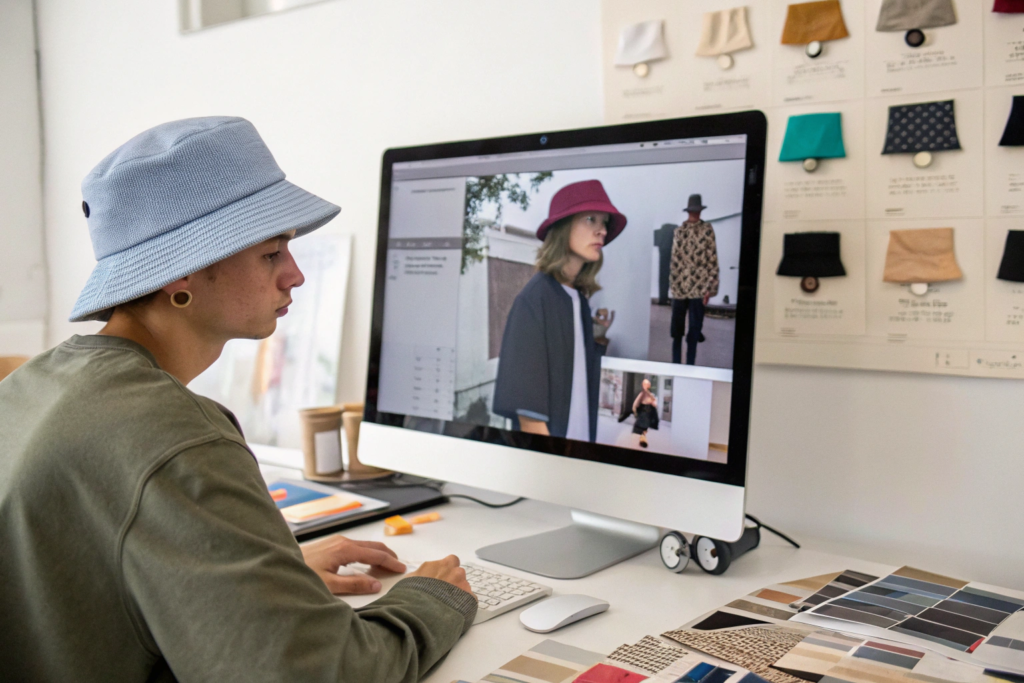
This is where the design team’s visualization skills become essential. Our designer takes the reference photo and creates a CAD or computer-aided design rendering. This is a digital drawing of the proposed hat. It shows the silhouette, the seam lines, the logo placement, and the colorway. It is not a photograph. It is a precise technical illustration.
This CAD rendering becomes the common visual language. You can look at it and say: "Make the crown 10% lower" or "Move the logo up half an inch." We can make those adjustments digitally in minutes and send you a revised rendering. This iterative digital process eliminates the need for multiple physical samples just to dial in the basic proportions. Once the CAD is approved, we cut the first physical sample with a high degree of confidence that the silhouette is correct. This CAD hat design rendering communication tool saves weeks in the development cycle.
What If I Have My Own Designer and Just Need Production?
This is a common scenario. You have a talented designer on your team in Los Angeles or London. You do not need another designer. You need a factory that can execute your designer’s vision flawlessly.
In this case, the factory’s in-house design team functions as a technical design and pattern-making department. Your designer sends a tech pack. Our team reviews it for production feasibility. They identify any construction details that might be problematic for bulk production. They communicate these findings back to your designer with proposed solutions. They do not override your designer’s creative vision. They support it with manufacturing reality.
I tell clients in this situation: "Think of our design team as your technical design extension in China. They speak the language of seams, seam allowances, and stitch densities. They will make your designer’s job easier by catching issues before they become samples." This collaborative approach works very well. Your designer retains creative control. Our team ensures the product can be manufactured efficiently at scale. This technical design support for external brand designers is a valuable service even if you do not need creative design input.
What Is the Long-Term Value of a Factory Design Partnership?
The first order with a new factory is always the most expensive. There is a learning curve. The factory learns your quality expectations. You learn their communication style. But by the third or fourth order, a factory with an in-house design team becomes an extension of your own product development department.
Our design team builds an archive of your brand’s specific patterns, preferred materials, and logo digitizing files. When you come back for a reorder of the classic dad cap with a new seasonal color, we do not start from scratch. We pull the archived pattern. We source the new color fabric. We use the existing logo file. The development time drops from weeks to days. The cost drops because there is no new sampling or digitizing required.
This archival function is only possible with a dedicated design team that manages the digital assets. A factory without a design team relies on the pattern maker’s memory or a stack of dusty paper patterns. Files get lost. Knowledge walks out the door when a worker leaves. At AceAccessory, your brand’s digital asset management and pattern archival system is maintained by the design department. It is a long-term asset that appreciates in value over the life of our partnership.

How Does the Design Team Contribute to Quality Consistency?
Quality is not just about tight stitches. It is about consistency. It is about the tenth production run looking exactly like the first approved sample. The design team is the guardian of that consistency.
The design team creates and maintains the "Gold Seal" sample. This is the final approved PP sample that represents the exact standard for bulk production. The design team also creates a detailed specification sheet with measurements and tolerances. This spec sheet is given to the production line supervisor and the QC team. It is the single source of truth.
If a QC inspector finds a cap with a brim length that is 5mm too short, they do not have to ask the production manager. They refer to the design team’s spec sheet. The tolerance is clearly stated. The cap passes or fails based on that documented standard. This removes subjectivity from quality control. It is a quality consistency documentation system design team role that ensures your brand standard is maintained order after order.
Can a Design Team Help You Expand Your Product Line?
You started with baseball caps. The program is successful. Now you want to add bucket hats and knit beanies to the collection. A factory without a design team might say: "Sorry, we only do cut-and-sew caps." Or they might say "Yes" and then subcontract the beanies to an unknown knit factory with no quality oversight.
A factory with a strong in-house design team can manage the transition to new categories because they understand the underlying principles of headwear design. They understand head circumference, crown depth, and brim proportions across different styles. They can apply that knowledge to a bucket hat pattern. They can source the knit fabrics or the yarns for a beanie because their material sourcing network extends beyond woven fabrics.
At AceAccessory, our design team works across our entire headwear product range. The same designer who helps you with a structured snapback can help you develop a slouchy beanie. This cross-category capability means you can consolidate your supply chain. One point of contact. One quality standard. One design language across your entire hat assortment. This multi category headwear design and development capability simplifies your sourcing and ensures brand cohesion.
Conclusion
Choosing a hat factory with an in-house design team is a strategic decision that pays dividends across every aspect of your business. It is the difference between working with a vendor and working with a partner. A vendor waits for instructions. A partner contributes ideas and solves problems before you even know they exist.
The design team accelerates your time to market by compressing the communication cycle between concept and sample. They reduce your development costs by catching errors early and suggesting smart material substitutions. They protect your brand consistency by maintaining a detailed archive of your patterns and specifications. And they provide the technical bridge between your creative vision and the reality of the factory floor.
When you walk into our Zhejiang facility, the design studio is the first room you see. It is intentionally placed at the front of the building. It is the place where your ideas take physical form. The sewing lines and the cutting tables are the engines of production, but the design studio is the brain. You want a hat factory with a brain.
If you are developing a new hat collection and want to experience the difference a professional in-house design team can make, I invite you to start a conversation with us. Our Business Director, Elaine, can arrange a video tour of our design studio and introduce you to the designers who would be working on your project. You can reach Elaine by email at: elaine@fumaoclothing.com. Bring us your mood boards and your sketches. Let us show you how we translate vision into finished hats.