I have been manufacturing accessories for over 15 years. Every year, I see the same pattern. Brands underestimate their holiday needs. They run out of stock. They miss sales. Or they overestimate. They are left with excess inventory. They have to discount. I remember a client who sold hair clips. She had a great holiday season. But she ran out of her best-seller in early December. She lost thousands in sales. The next year, she over-ordered. She had too much inventory. She had to discount. That experience taught me that holiday inventory planning is a balance. Today, I want to share how to plan your accessory inventory for the holiday shopping season.
Planning your accessory inventory for the holiday shopping season requires analyzing past sales, forecasting demand, ordering early, diversifying your product mix, and planning for returns. Start by analyzing last year’s sales. Which styles sold best? Which colors? Which sizes? Use this data to forecast. Then add a buffer for growth. Order early. Production lead times can be 60 to 90 days. Place your orders by August or September. Diversify your product mix. Include core items that always sell and trend items that create excitement. Plan for returns. Holiday returns are high. Factor in a return rate of 10% to 20%. A good inventory plan prevents stockouts and overstocks. It maximizes sales and minimizes markdowns.
You might be thinking, "I know my business. I can guess what I need." But guessing is risky. A data-driven plan is better. At Shanghai Fumao, we help our clients plan their holiday inventory. We have seen what works. Let me walk you through the steps.
How Do You Analyze Past Sales Data?
Past sales are the best predictor of future sales. If a style sold well last year, it will likely sell well this year. I have learned to dig into the data.
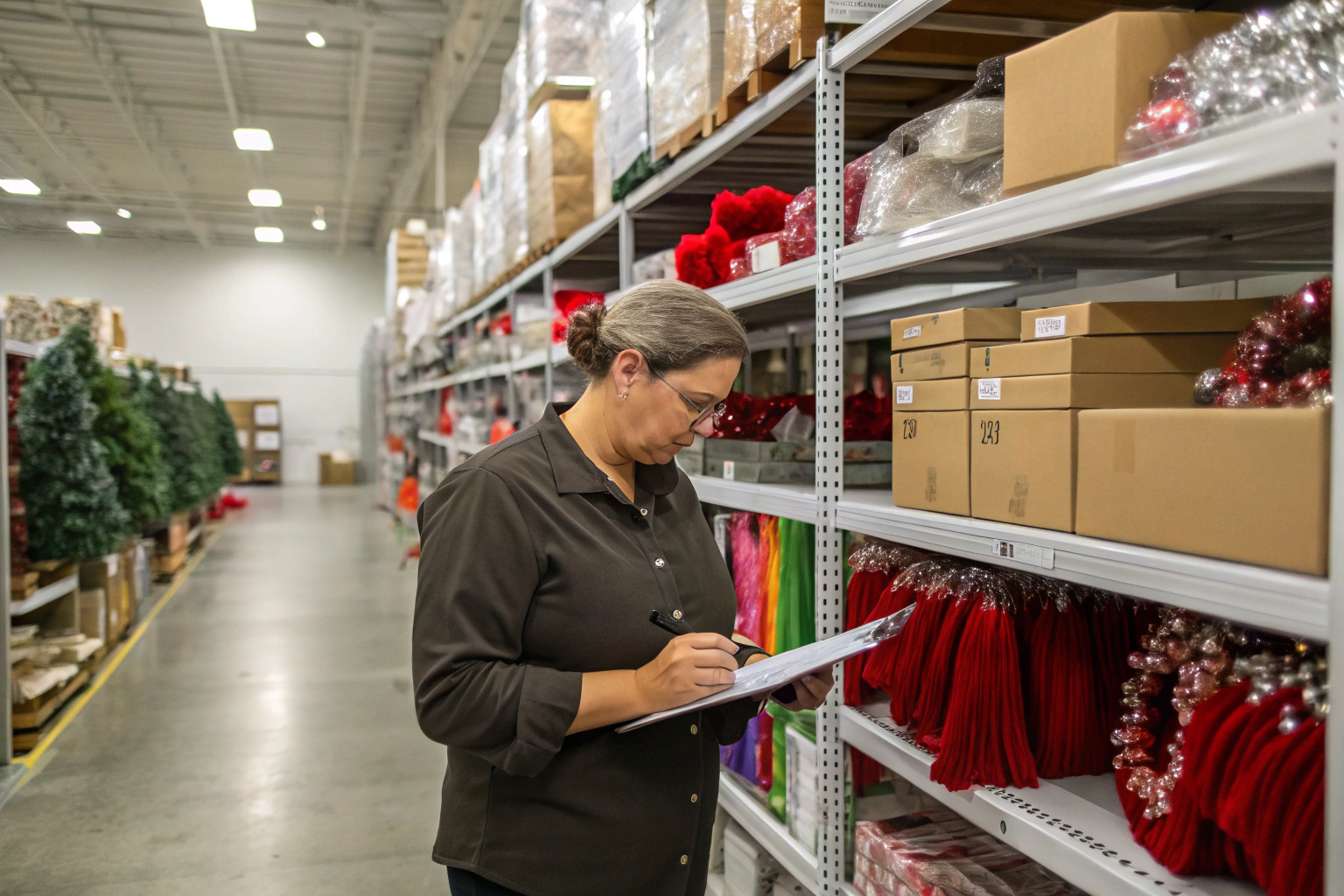
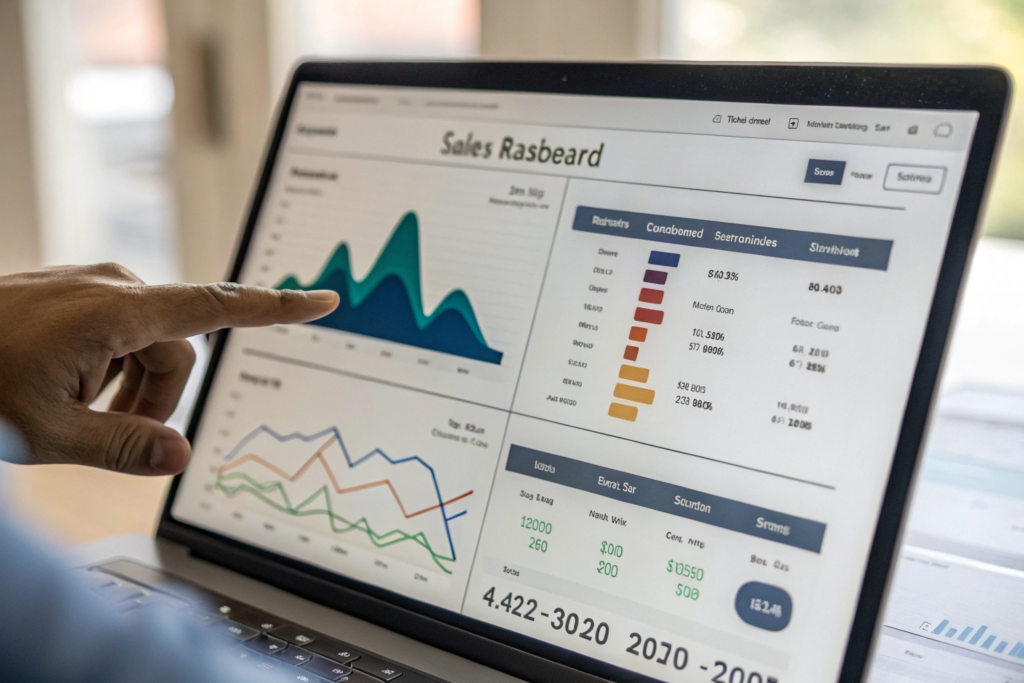
Analyzing past sales data is the first step in holiday inventory planning. Look at last year’s sales for the holiday period (November to December). Which products sold the most? Which colors? Which sizes? Which price points? Look at the sell-through rate. Did you sell 80% of your inventory or only 50%? Look at the rate of sale. When did sales peak? Did you run out of stock? If so, you under-ordered. Did you have excess inventory after the holidays? If so, you over-ordered. Use this data to adjust this year’s order.
I want to share a story about data. A client sold red hair clips last year. They sold out in early December. The data showed she under-ordered. This year, she ordered 50% more red clips. They sold well. She did not run out. The data guided her.
What Metrics Should You Track?
Track sales by product. Track sales by color. Track sales by size. Track sell-through rate. Track days of inventory. Track peak sales week. These metrics help you forecast. We provide sales analysis templates for clients.
How Do You Account for Growth?
If your business is growing, add a growth factor. If you grew 20% last year, add 20% to your forecast. If you are launching new marketing campaigns, add more. Be realistic. Overly optimistic forecasts lead to overstock.
How Do You Forecast Demand for New Products?
Forecasting for new products is harder. You have no past data. I have learned to use analogs. Find a similar product from last year. Use its sales as a guide.
Forecasting demand for new products requires using analogs, market research, and conservative estimates. Find a similar product from last year. If you sold 1,000 units of a standard hair clip, you might sell 800 of a new design. Use market research. Ask your customers. Send a survey. See which new products they like. Use social media polls. Test the product with a small batch. Order a small quantity first. If it sells well, you can reorder. For new products, it is better to be conservative. Under-order rather than over-order. You can always reorder if the product is a hit.
I want to share a story about a new product. A client launched a new velvet hair clip. She had no past data. She ordered a small batch of 500. They sold out in two weeks. She reordered 2,000. The conservative approach saved her from overstock. She was able to reorder quickly.

What Is an Analog?
An analog is a similar product from the past. If you are launching a new green hair clip, look at sales of a blue hair clip. Use that as a guide. Adjust for differences. Green may be more or less popular than blue.
How Do You Test a New Product?
Order a small batch. 100 to 500 pieces. Sell them on your website. See how they perform. If they sell out quickly, order more. If they sell slowly, you have limited exposure. This test order approach reduces risk.
Why Is It Important to Order Early?
Holiday production is a race. Factories are busy. Shipping is congested. I have seen clients order in November. They received their goods in January. The holiday was over.
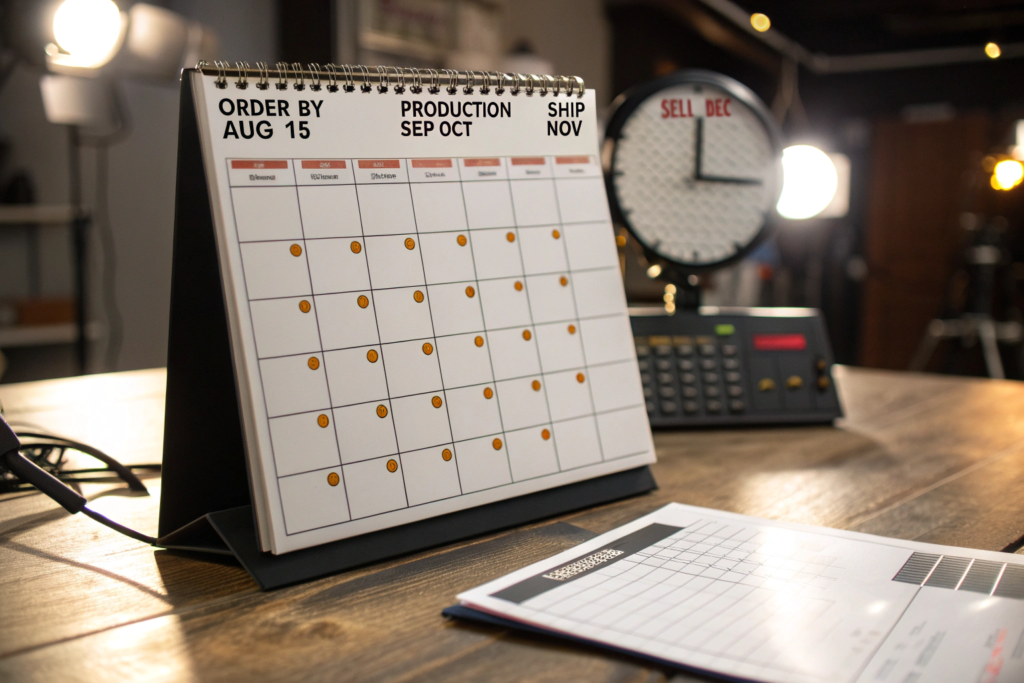
Ordering early is critical for holiday inventory. Production lead times are 30 to 60 days for standard items. Custom items take longer. Shipping takes 2 to 4 weeks. To have goods in hand by November 1, you need to place your order by August or September. Early ordering also ensures factory capacity. Factories are busiest from September to November. If you order early, you get priority. If you order late, you may face delays. Order early. It is the single most important step.
I want to share a story about ordering late. A client ordered holiday scarves in October. The factory was busy. Production took 8 weeks. Shipping took 4 weeks. The scarves arrived in January. The client missed the holiday season. She learned to order in August.
What Is the Latest You Can Order for Holiday Delivery?
For standard products, order by September 1 for delivery by November 1. For custom products, order by August 1. For air freight, you can order later. But air freight is expensive. Plan ahead. We provide a holiday production calendar for clients.
How Do You Handle Reorders?
If a product sells out, you may want to reorder. But reordering takes time. Production and shipping take weeks. For a product that sells out in early November, you may still get a reorder by mid-December. For a product that sells out in late November, it is too late. Plan for reorders by ordering a buffer. We offer fast reorder for some products.
How Do You Diversify Your Holiday Product Mix?
A good holiday mix has core items and trend items. Core items sell every year. Trend items create excitement. I have learned to balance the mix.
Diversifying your holiday product mix means including core items and trend items. Core items are your best-sellers from previous years. Black belts. Neutral scarves. Classic hair clips. These are safe bets. They will sell. Trend items are new for the season. Velvet bows. Glitter clips. Pearl headbands. These create excitement. They attract attention. A good mix is 70% core and 30% trend. This balance ensures you have reliable sales and exciting new products. Also consider price points. Include gift-friendly price points: $10-$20 for stocking stuffers, $30-$50 for main gifts, and $50+ for premium gifts.
I want to share a story about a balanced mix. A client had 80% core and 20% trend. Sales were good but not exciting. She increased trend to 30%. Sales increased. The trend items attracted new customers. The core items provided steady revenue.
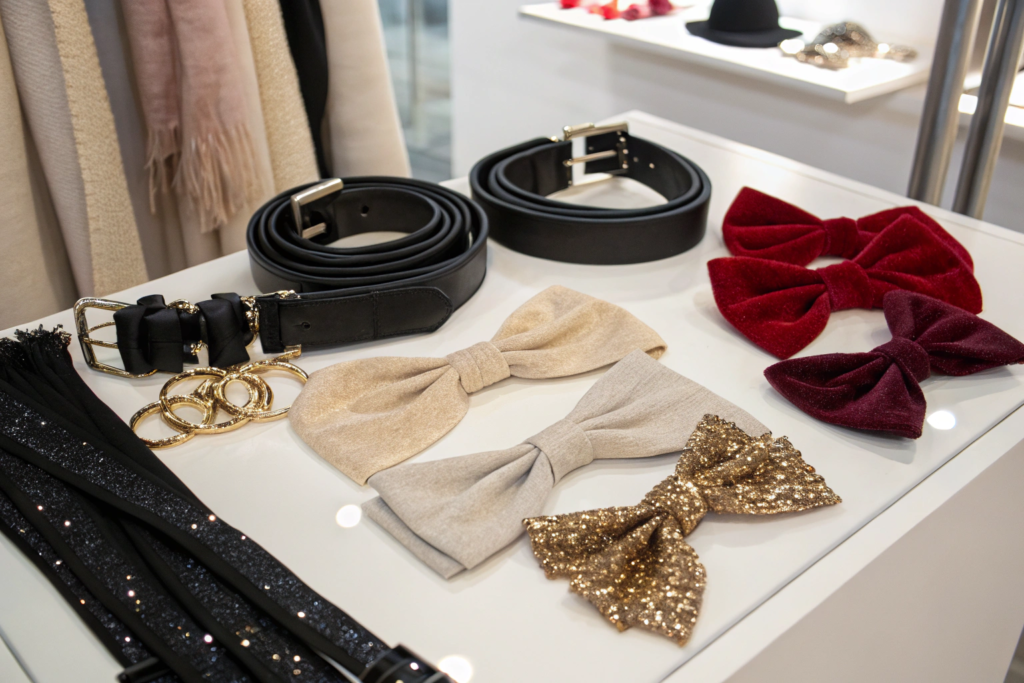
What Are Core Holiday Items?
Core items are the steadfast companions of wardrobes, products that sell year after year with unwavering consistency. Black hair clips, sleek and unassuming, nestle in drawers like silent sentinels, their smooth surfaces glinting softly under lamp light, ready to tame unruly tresses on any given day. Red scarves, vibrant and bold, drape gracefully around necks, their rich hue evoking warmth and confidence, a splash of color that transcends seasons and moods. Brown belts, sturdy and reliable, cinch waists and define silhouettes, their leather supple with age, bearing the marks of countless adventures and daily wear.
What Are Trend Holiday Items?
Trend items are specific to the season, fleeting as the changing leaves and as vibrant as the first blush of spring. For 2026, the air hums with anticipation for velvet bows—soft, rich, and swirled in deep burgundy and emerald, their plush texture whispering luxury against the skin—and pearl clips, delicate orbs of moonlight that catch the light like scattered stardust, adding a touch of timeless elegance to any ensemble.
These creations spark a fervent buzz among fashion enthusiasts and trendsetters alike, turning heads and igniting conversations in boutiques and social circles.
Conclusion
Planning your accessory inventory for the holiday shopping season is a process. Analyze past sales. Forecast demand. Order early. Diversify your product mix. Plan for returns. The key is to start early. Place your orders by August or September. Use data, not guesses. Balance core items and trend items. Plan for returns.
At Shanghai Fumao, we are here to help. We have the production capacity. We have the forecasting tools. We have the flexibility. We want your holiday season to be a success. Please contact our Business Director, Elaine, at elaine@fumaoclothing.com to discuss your holiday inventory plan. We can help you forecast, order, and fulfill for the holiday season.