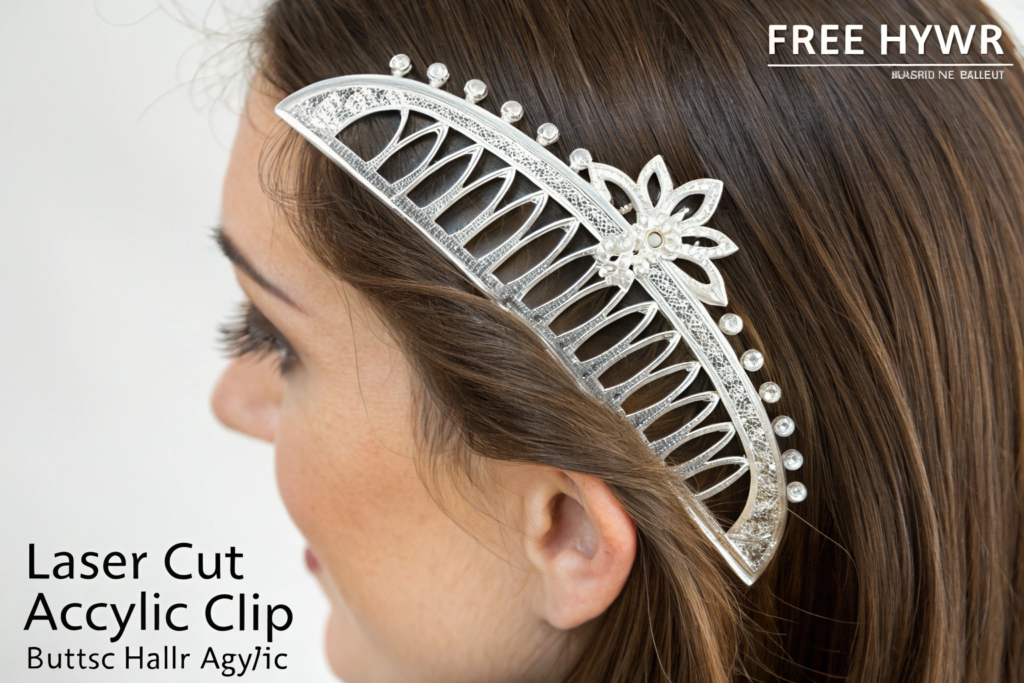
I have been manufacturing accessories for over 15 years. For most of that time, I used traditional cutting methods. Steel rule dies. Clicker presses. They worked. But they had limits. Then I discovered laser cutting. I remember a client who wanted a hair clip with a very intricate design. It had fine details. Traditional dies could not do it. The edges would be rough. The fine points would break. I tried laser cutting. The result was perfect. The edges were smooth. The details were sharp. The client was thrilled. That experience taught me that laser cutting is a game-changer. Today, I want to share the advantages of laser cutting in accessory production.
The advantages of laser cutting in accessory production include precision, complexity, no tooling costs, material versatility, and clean edges. Laser cutting is incredibly precise. It can cut details as small as 0.1 mm. It can produce complex shapes that are impossible with traditional dies. There are no tooling costs. You do not need to pay for a steel rule die. You can go from design to production instantly. Laser cutting works on many materials: acrylic, wood, leather, fabric, and metal. The edges are clean and sealed. They often do not require finishing. Laser cutting is ideal for small batches, prototypes, and custom designs. At AceAccessory, we use laser cutting for many of our products.
You might be thinking, "Laser cutting sounds expensive." It can be. But the advantages often outweigh the cost. For complex designs, it is the only option. For small batches, it is more cost-effective than traditional dies. At AceAccessory, we have integrated laser cutting into our production. We have seen the benefits. Let me walk you through them.
How Does Laser Cutting Achieve Precision and Complexity?
Precision is the most obvious advantage. A laser beam is very fine. It can cut details that a steel rule die cannot. I have used laser cutting for designs with text, fine lines, and complex curves.
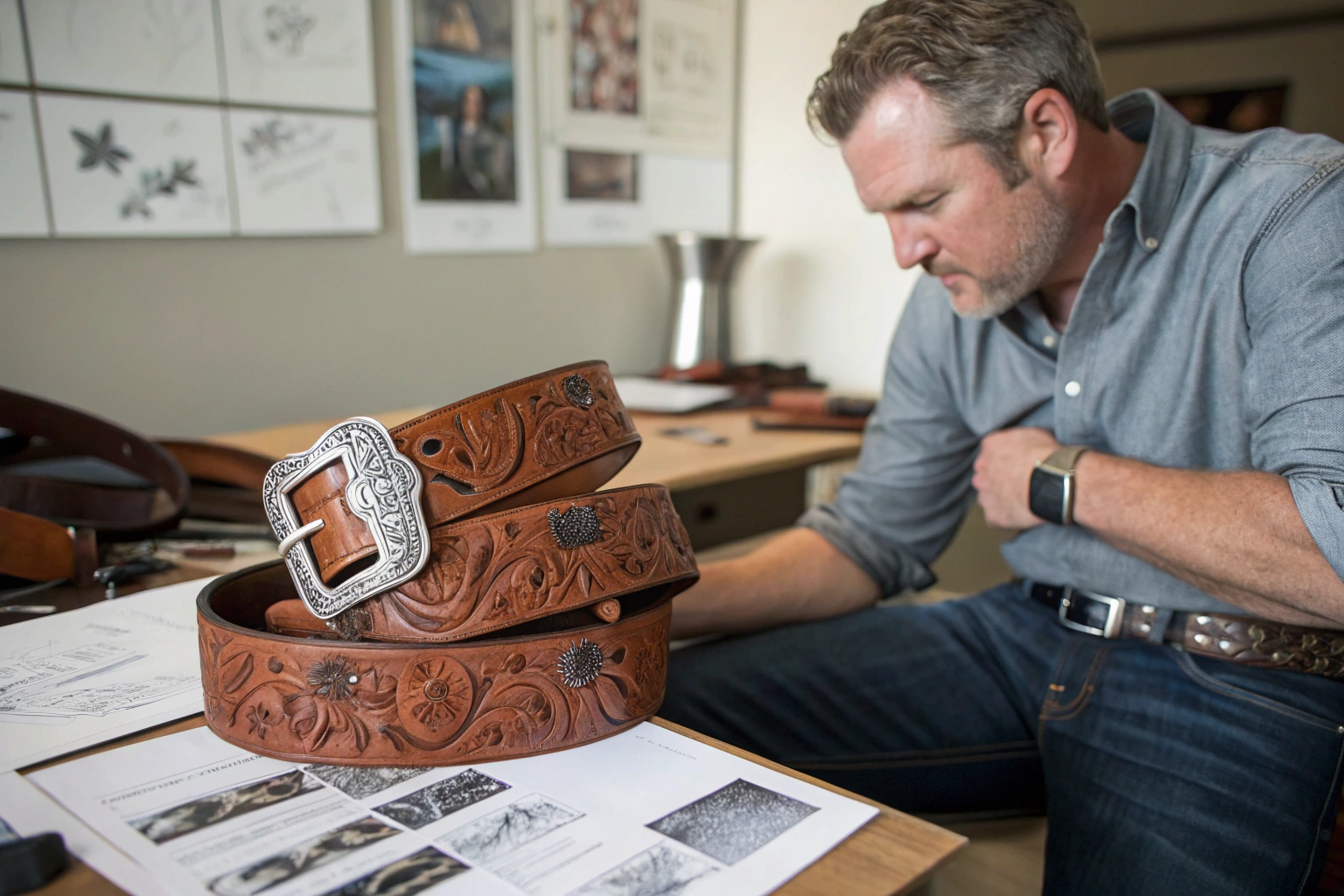
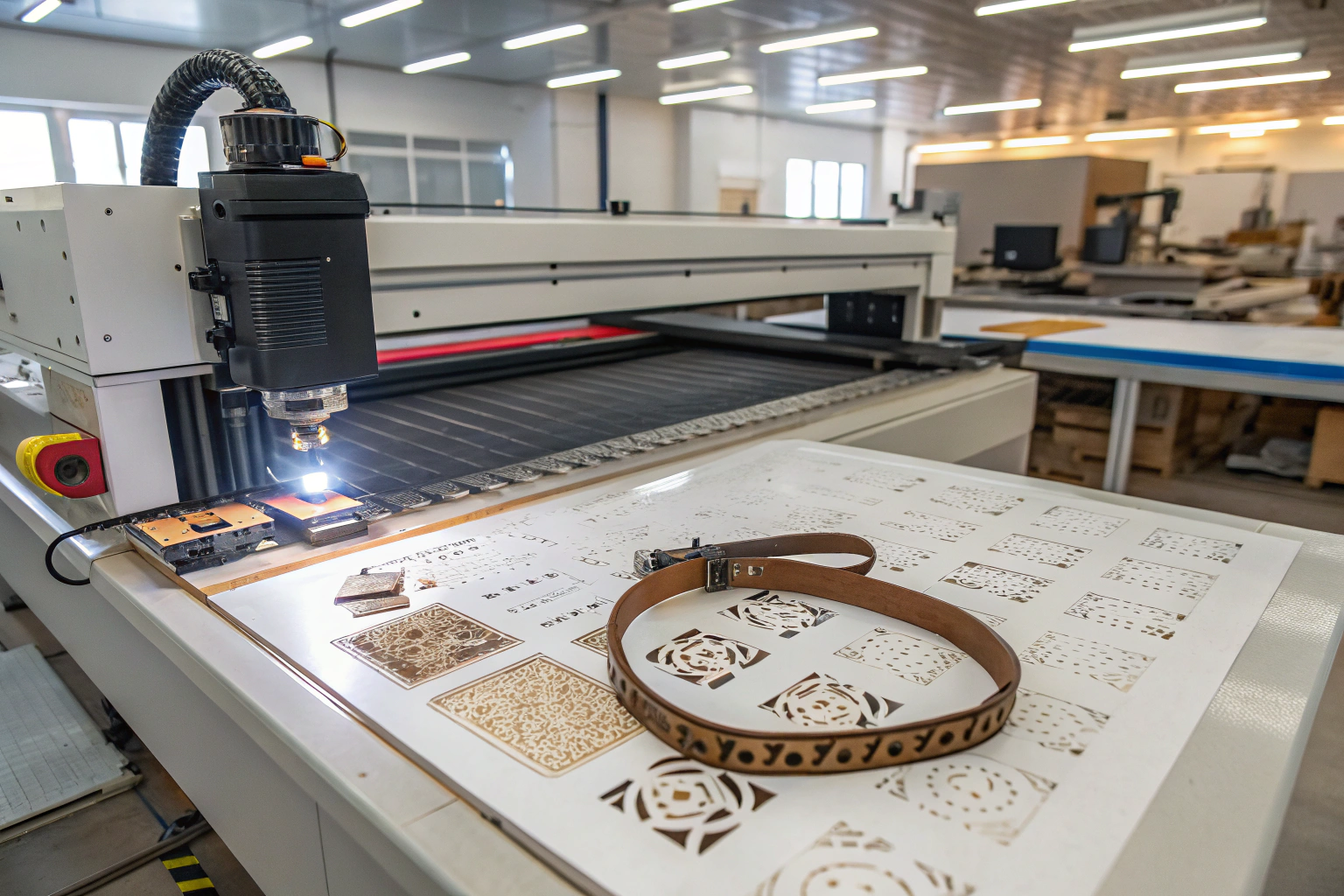
Laser cutting achieves precision and complexity that traditional methods cannot match. The laser beam is focused to a point as small as 0.1 mm. It can cut intricate patterns, fine text, and sharp corners. Traditional steel rule dies have limitations. The rules have thickness. They cannot cut very fine details. The corners are rounded. Laser cutting has no such limits. It can cut any shape that you can draw. This allows for unique, high-detail accessories. Hair clips with filigree patterns. Belt buckles with logos. Earrings with delicate cutouts. Laser cutting makes it possible.
I want to share a story about complexity. A client wanted a hair clip shaped like a butterfly. The wings had intricate cutouts. Traditional dies could not do it. The cutouts were too small. The edges would be rough. We used laser cutting. The result was perfect. The butterfly was delicate. The cutouts were clean. The client was thrilled.
What Is the Minimum Feature Size for Laser Cutting?
Laser cutting can cut features as small as 0.1 mm. But the material matters. For thin materials like fabric or paper, very fine details are possible. For thicker materials like wood or acrylic, the minimum feature size is larger. We can advise on the minimum feature size for your material.
Can Laser Cut Text and Logos?
Yes. Laser cutting is excellent for text and logos. It can cut letters as small as 2 mm. The edges are sharp. The letters are readable. This is ideal for personalized accessories. We use laser-cut logos on many products.
What Are the Cost Advantages of Laser Cutting?
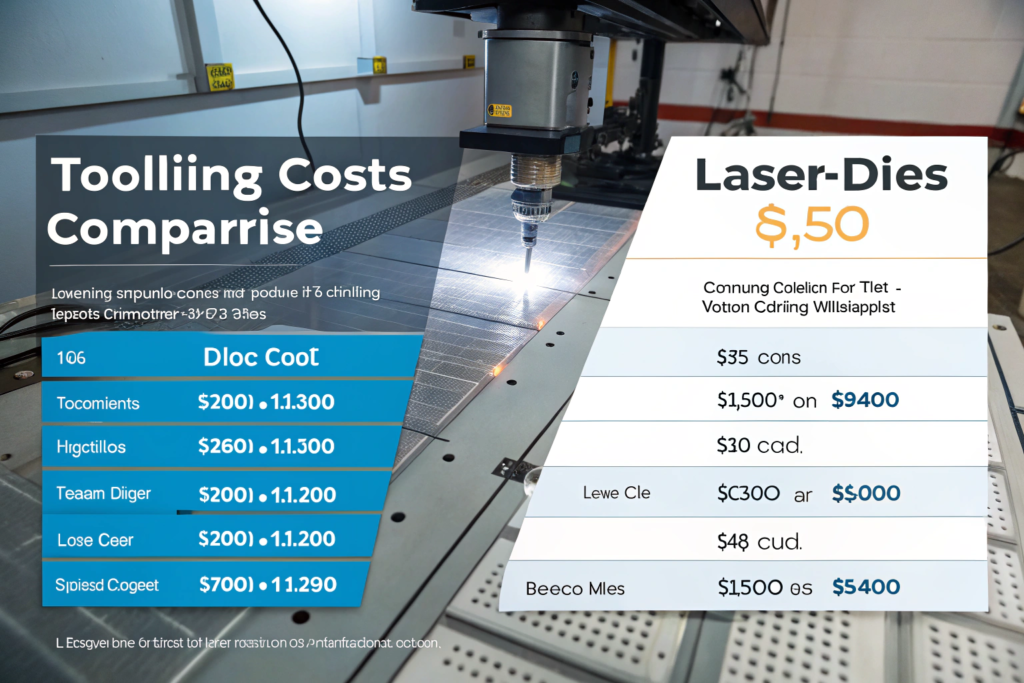
Traditional cutting requires a steel rule die. The die costs money. It can cost $200 to $500 or more. For a small batch, that cost is high per unit. Laser cutting has no die cost. You can cut one piece or one thousand. The cost is the same per unit.
Laser cutting has no tooling costs. Traditional cutting requires a steel rule die. The die can cost $200 to $500. For a large production run, the die cost is spread over many units. For a small run, the die cost is prohibitive. Laser cutting has no die. You design the file. You send it to the laser. It cuts. The cost per unit is the same for 1 piece or 1,000 pieces. This makes laser cutting ideal for prototypes, small batches, and custom orders. It also allows you to test a design without investing in a die.
I want to share a story about cost. A client wanted to test a new belt buckle design. She was not sure if it would sell. Traditional die cost would have been $300. She used laser cutting instead. She made 50 buckles. The cost was low. The design sold well. She then invested in a die. Laser cutting saved her money.
When Is Laser Cutting More Cost-Effective?
Laser cutting is more cost-effective for small batches. For runs under 1,000 pieces, laser cutting is often cheaper. For runs over 5,000 pieces, traditional dies become cheaper per unit. The break-even point depends on the die cost and the laser cutting time. We help clients calculate the best method for their volume.
Are There Any Hidden Costs?
Laser cutting has setup time. The design must be prepared. The material must be loaded. The machine must be calibrated. But these costs are low. For complex designs, the cutting time is longer. Time is cost. We provide time estimates for each design.
How Does Laser Cutting Offer Material Versatility?
One machine can cut many materials. I have used laser cutting on acrylic, wood, leather, fabric, and even thin metal. This versatility is a huge advantage.
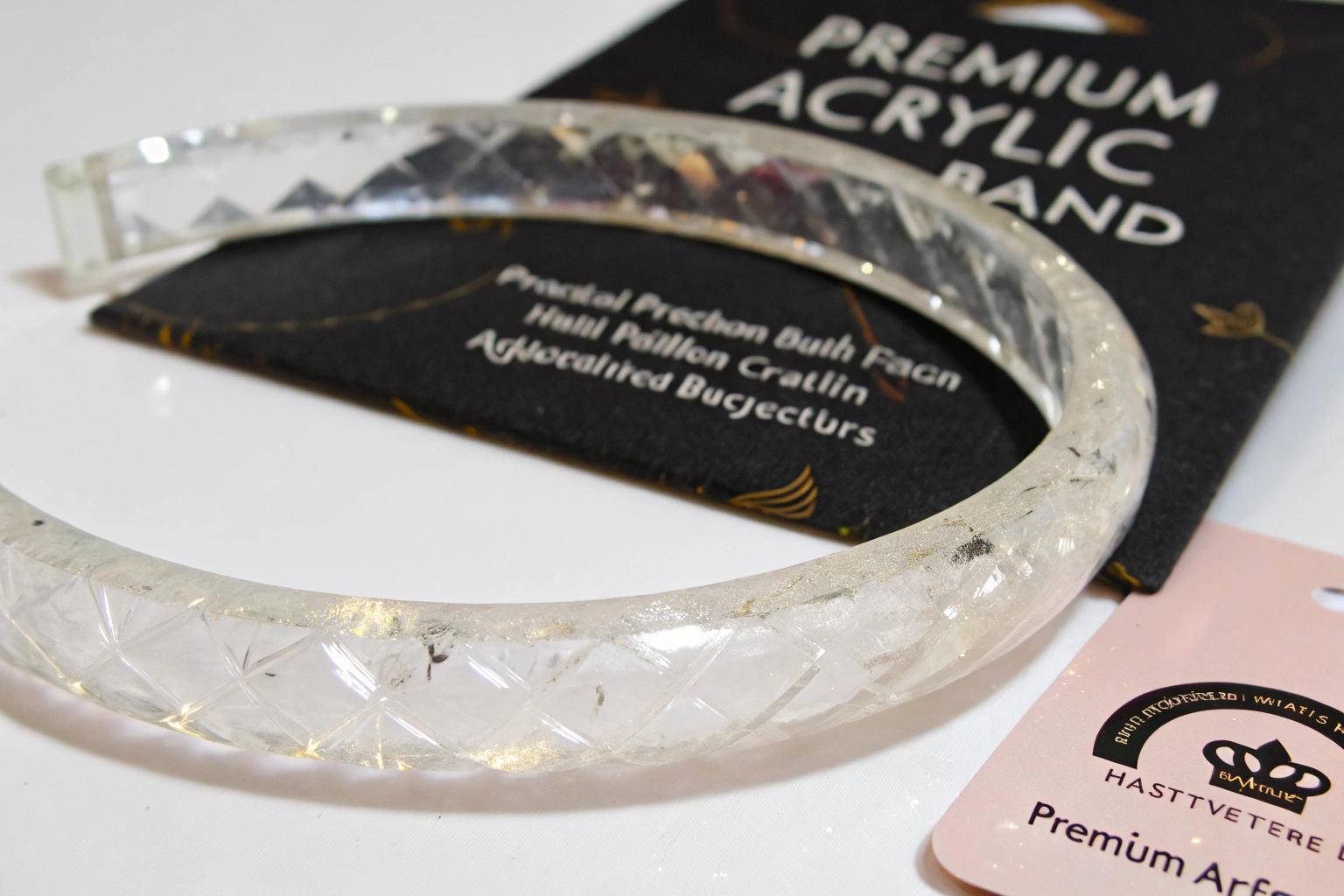
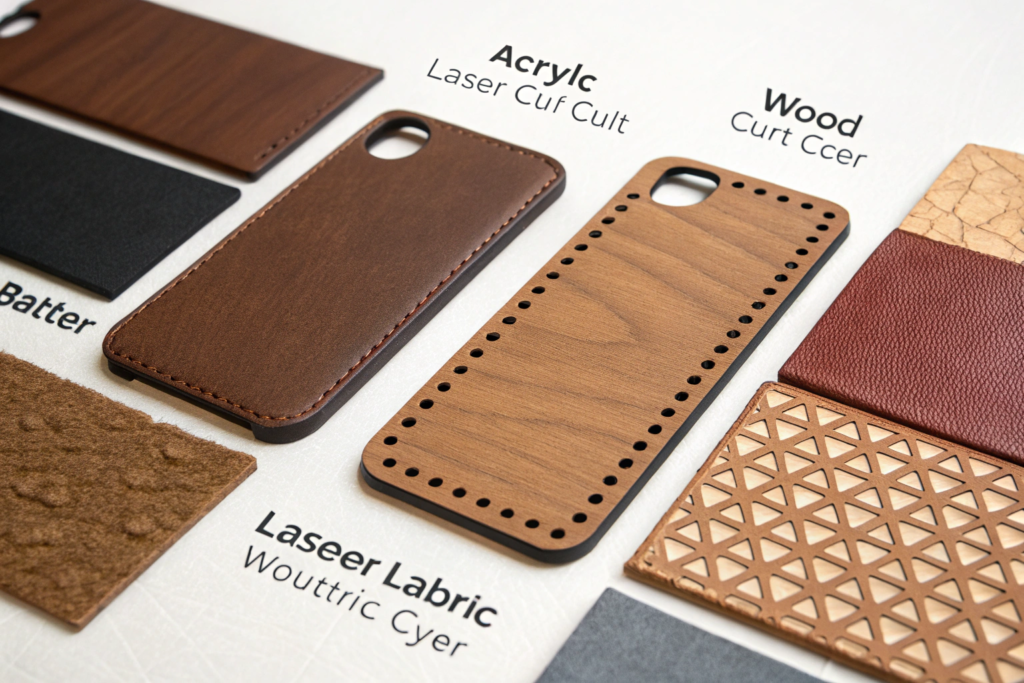
Laser cutting works on a wide range of materials. Acrylic is the most common. It cuts cleanly and leaves a polished edge. Wood, including plywood and MDF, cuts well. The edge is darkened by the laser. Leather cuts cleanly. The laser seals the edge, preventing fraying. Fabric cuts precisely without unraveling. Thin metal, such as brass or stainless steel, can be cut with a higher-power laser. This versatility allows you to produce many different accessories with one machine. Hair clips from acrylic. Earrings from wood. Belt straps from leather. Patches from fabric.
I want to share a story about versatility. A client made accessories from multiple materials. Acrylic hair clips. Wooden earrings. Leather keychains. All were cut on the same laser machine. The client did not need different tools for different materials. The laser did it all.
What Materials Cannot Be Laser Cut?
PVC and vinyl cannot be laser cut. They release toxic chlorine gas. Some metals require a very high-power laser. Thick metals are not practical. Glass and stone do not cut well. Always check material safety. We have a material safety guide for clients.
How Does Laser Cutting Affect Material Properties?
Laser cutting uses heat. The edge of the material may be darkened or slightly melted. For acrylic, the edge becomes polished. For wood, the edge becomes darker. For fabric, the edge is sealed. These effects are often desirable. They reduce finishing work.
What Are the Edge Quality Benefits of Laser Cutting?
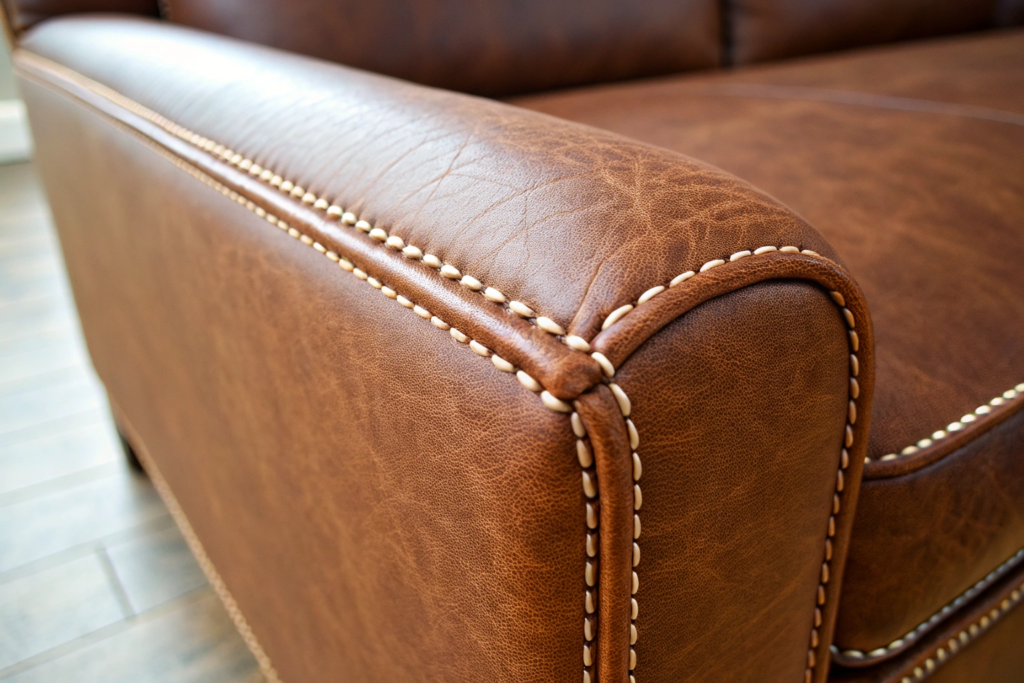
The edge quality of laser cutting is excellent. Traditional cutting can leave rough edges. Fabric can fray. Leather can have fuzzy edges. Laser cutting seals the edge. This is a huge time-saver.
Laser cutting produces clean, sealed edges. The heat of the laser melts the edge slightly. For acrylic, this creates a polished, transparent edge. For wood, it creates a dark, smooth edge. For leather, it seals the fibers, preventing fraying. For fabric, it melts the edge, preventing unraveling. This means you often do not need additional finishing. No sanding. No sealing. No hemming. The part is ready to use as soon as it is cut. This saves time and labor.
I want to share a story about edge quality. A client made fabric patches. Traditional cutting left frayed edges. The edges had to be hemmed. That took time. Laser cutting sealed the edges. The patches were ready to use immediately. The client saved hours of labor.
Does Laser Cutting Leave Burn Marks?
On wood, the laser leaves a dark edge. Some consider this a desirable feature. On acrylic, the edge is clear or slightly frosted. On leather, the edge is dark. Burn marks can be minimized by adjusting the laser settings. We optimize settings for each material.
Do You Need to Finish Laser-Cut Edges?
Usually not. For most applications, the edge is ready to use. For some materials, you may want to clean the edge with a damp cloth. For wood, you may want to sand lightly. But generally, no finishing is needed. This edge quality is a major advantage.
Conclusion
Laser cutting offers many advantages for accessory production. It provides precision and complexity. It has no tooling costs. It works on many materials. It produces clean edges. It enables rapid prototyping and mass customization.
For complex designs, laser cutting is the only option. For small batches, it is cost-effective. For prototypes, it is fast. For customization, it is ideal. At Shanghai Fumao, we have embraced laser cutting. We have the machines. We have the expertise. We are ready to help you. Please contact our Business Director, Elaine, at elaine@fumaoclothing.com to discuss your laser-cut accessory project. We can help you take advantage of this precision technology.