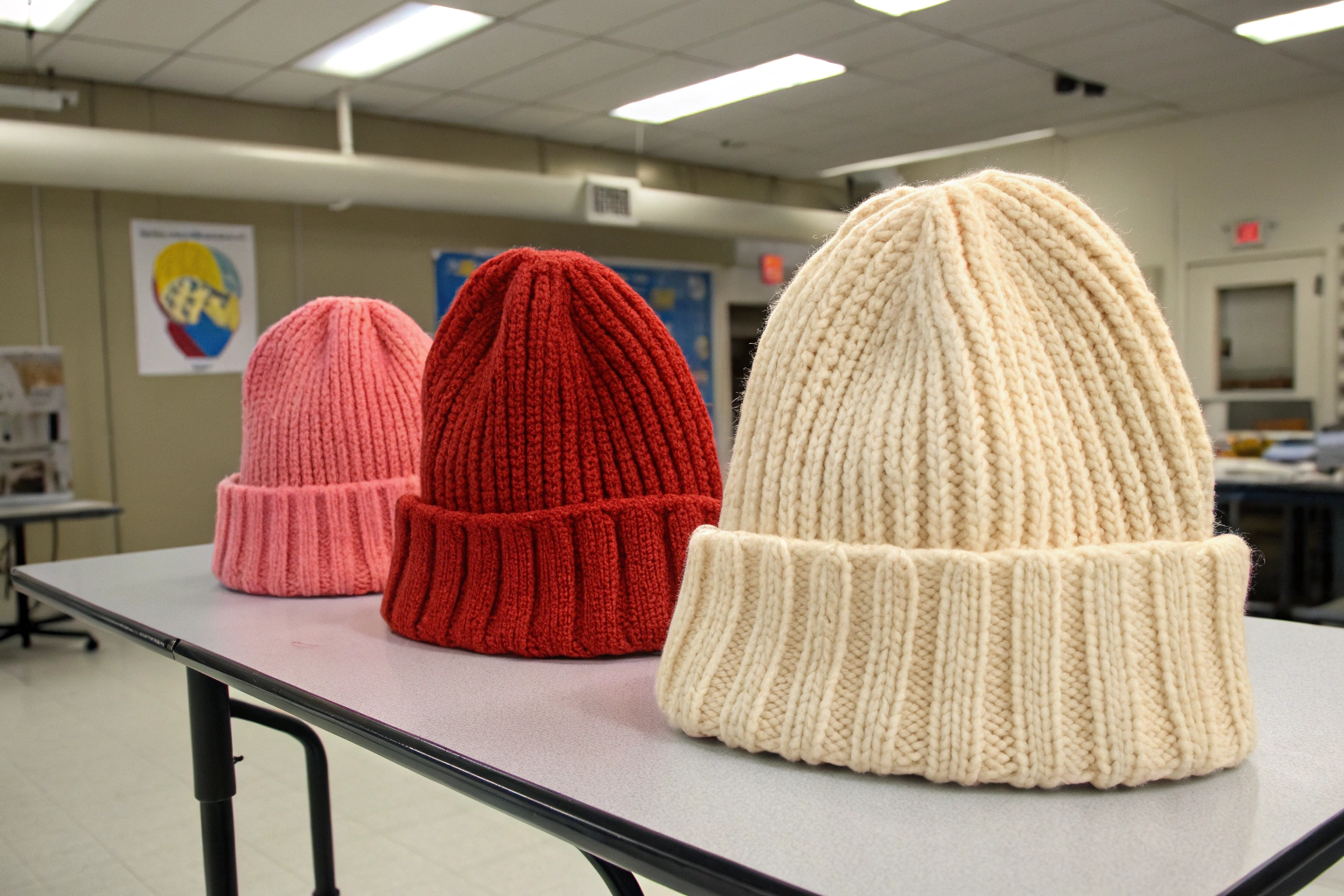
I remember a client who came to me with a problem. They had designed a beautiful knit hat. The shape was perfect. The color was on trend. But customers were complaining. Some said the hat was too hot. Some said it was scratchy. Some said it lost its shape after washing.The problem was not the design. The problem was the fiber. They had chosen the wrong material for their market.
I have been making knit hats for over fifteen years. I have worked with acrylic, wool, and cotton. Each has strengths. Each has weaknesses. The right choice depends on your market, your price point, and your customer’s needs. I am the owner of Shanghai Fumao. Our factory in Zhejiang produces thousands of knit hats every year. Let me explain the differences between these three fibers. This will help you choose the right one for your hats.
What Are the Characteristics of Acrylic Yarn?
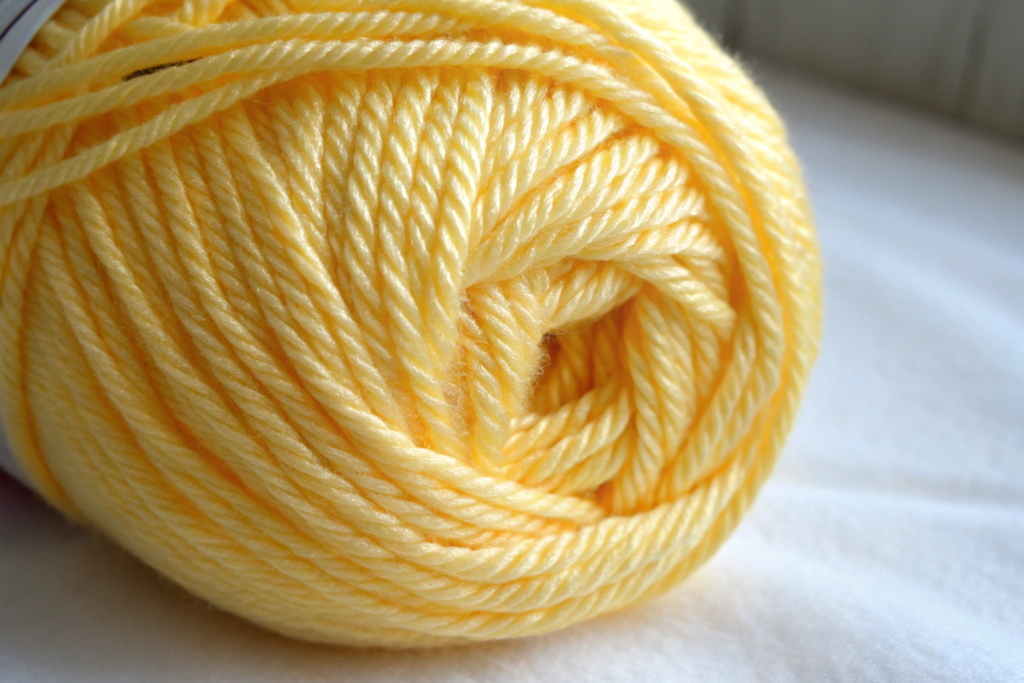
Acrylic is a synthetic fiber, its smooth, lustrous strands mimicking the soft warmth of natural wool yet boasting a resilience that defies the test of time. Born from the desire to craft an affordable alternative to the luxurious, often delicate wool, it emerged as a game-changer in textile innovation. Today, it stands as the most common fiber for crafting those cozy, budget-friendly knit hats that adorn heads during crisp winter mornings and chilly evenings alike. I turn to acrylic for clients who crave that plush, voluminous look—hats that puff gently around the ears and crown, offering a satisfyingly full appearance without the premium price tag. It’s the perfect choice for those seeking both style and substance, where low cost meets the comforting embrace of a well-worn knit.
Is Acrylic Warm Enough for Winter Hats?
Acrylic is warm. But it is not as warm as wool. For mild winters, acrylic is fine. For harsh winters, it may not be enough.
The warmth comes from trapped air. Acrylic fibers trap air like wool. But acrylic does not breathe as well. It can trap moisture against the skin. When the moisture cools, the hat feels cold.
For moderate climates like the UK or the Pacific Northwest, acrylic works well. For cold climates like Minnesota or Canada, I recommend wool or a wool blend. We offer acrylic knit hats in many weights. A thicker knit provides more warmth. A tighter knit blocks more wind.
How Durable Is Acrylic?
Acrylic is very durable. It does not shrink. It does not felt. It holds its shape after washing. This is a major advantage for everyday hats. A customer can throw an acrylic hat in the washing machine. It comes out looking the same.
Acrylic is also resistant to moths. Wool is a natural fiber. Moths love it. Acrylic is synthetic. Moths do not eat it. The downside is that acrylic can pill. Small balls of fiber form on the surface. This happens with friction. A hat that is worn frequently may pill over time. We use high-quality acrylic that resists pilling. Cheap acrylic pills quickly. Good acrylic lasts longer.
What Are the Characteristics of Wool Yarn?
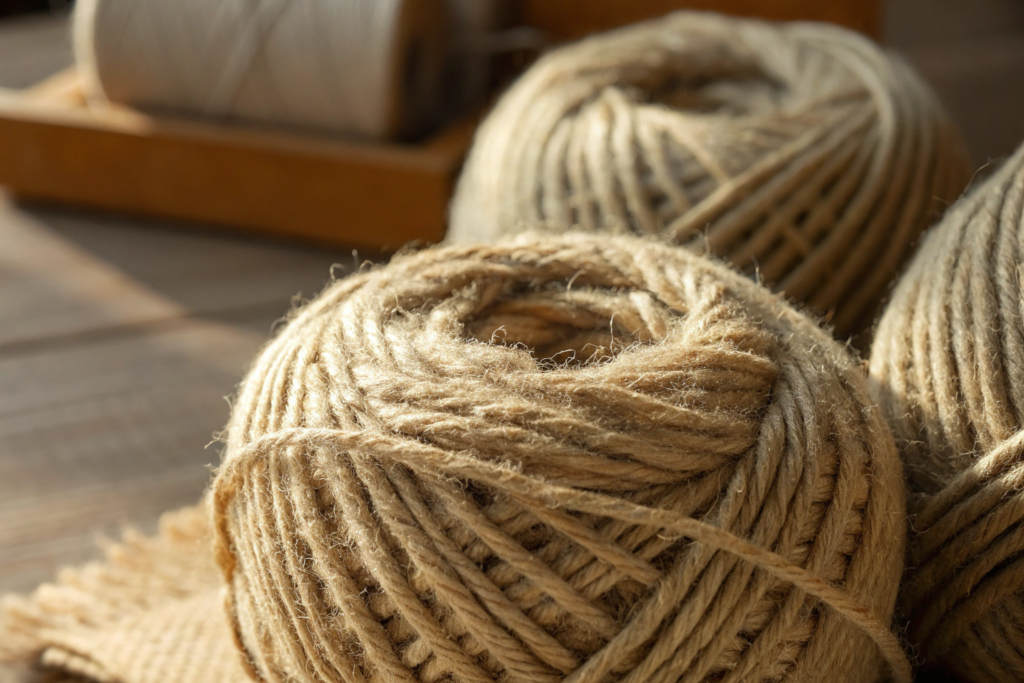
Wool stands as the timeless, classic fiber for winter hats, a staple woven into the very fabric of cold-weather comfort for centuries. There is a reason it has endured through the ages, cherished and relied upon by generations past and present. Wool does things that synthetic fibers cannot—it breathes with a life of its own, trapping warmth like a soft, living blanket against the biting chill of frost-kissed air.
Its natural crimp creates tiny pockets of insulating air, shielding the head from the numbing bite of winter winds that howl through streets and forests. Unlike the stiff, unyielding embrace of man-made alternatives, wool conforms gently to the contours of the face, offering a snug, almost comforting hug that feels like a warm hand on the crown.
Why Is Wool the Warmest Choice?
Wool is the warmest natural fiber. The fibers have a natural crimp. This crimp creates tiny air pockets. Air is the best insulator. More trapped air means more warmth.
Wool also retains warmth when wet. This is unique. Acrylic and cotton lose insulation when wet. Wool does not. For wet climates, wool is superior.
For extreme cold, I recommend merino wool. Merino fibers are finer. They trap more air. The hat is warmer without being bulky.
Is Wool Scratchy or Comfortable?
This is the biggest concern about wool. Traditional wool can be scratchy. The fibers are coarse. They irritate sensitive skin.
But not all wool is the same. Merino wool is much softer. The fibers are finer. They bend more easily. They do not poke the skin.
I had a client who wanted a wool hat but was worried about itch. We used merino wool. The hats were soft. Customers loved them.
For the softest option, we use baby merino. This is wool from young sheep. The fibers are the finest. It is as soft as cashmere.
What Are the Characteristics of Cotton Yarn?
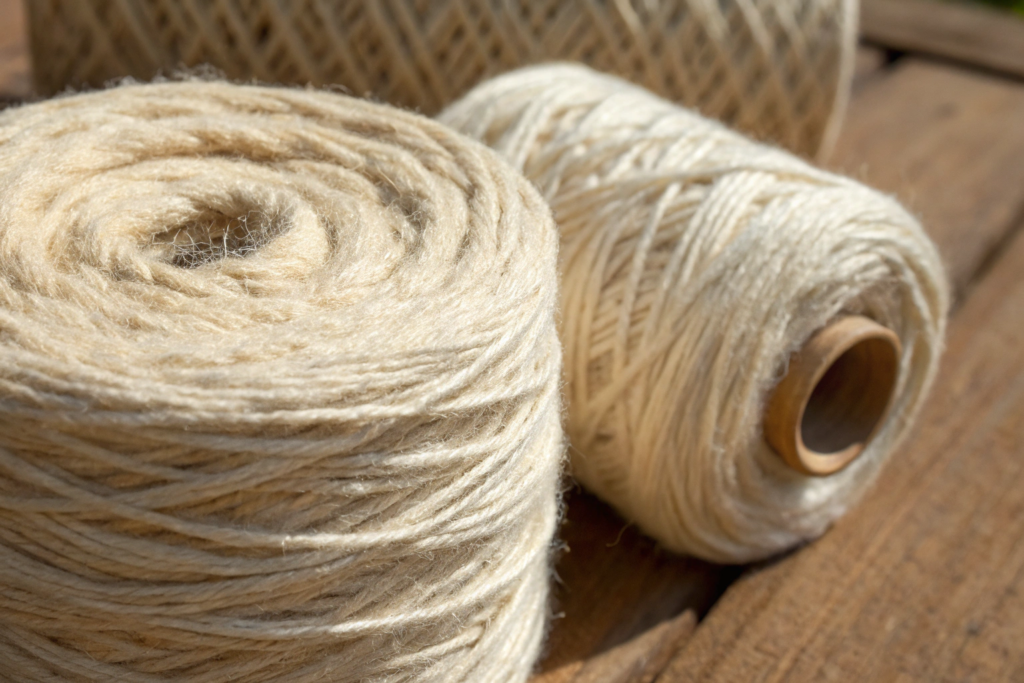
Cotton is not a winter fiber, its soft, breathable nature ill-suited to the biting chill of frost-kissed air or the heavy dampness of snow-laden winds. But it has its place, a quiet niche where its gentle warmth and comfort shine. I use cotton for hats that are worn in mild weather—those golden afternoons when the sun lingers long, casting a soft glow over dewy lawns, or crisp autumn mornings with a hint of coolness in the breeze that tugs at the edges of your sleeves.
Is Cotton Warm Enough for Winter?
Cotton is not warm. It does not trap air like wool or acrylic. It is breathable. That is good for summer. It is not good for winter.
Cotton absorbs moisture. It holds it against the skin. When the moisture cools, the hat feels cold and damp. For winter hats, I do not recommend pure cotton. But cotton blends can work. A cotton-acrylic blend gives some warmth while keeping the softness.
We offer cotton blend hats for clients who want a soft, breathable hat for mild winters.
How Does Cotton Handle Washing?
Cotton is easy to care for. It can be machine washed. It can be machine dried. It does not shrink much if pre-shrunk. But cotton can lose its shape. A cotton knit hat may stretch out over time. The ribbing may relax. The hat may become loose.
We use pre-shrunk cotton to minimize shrinkage. We also use a tighter knit to help the hat hold its shape.
How to Choose the Right Fiber for Your Market and Price Point?
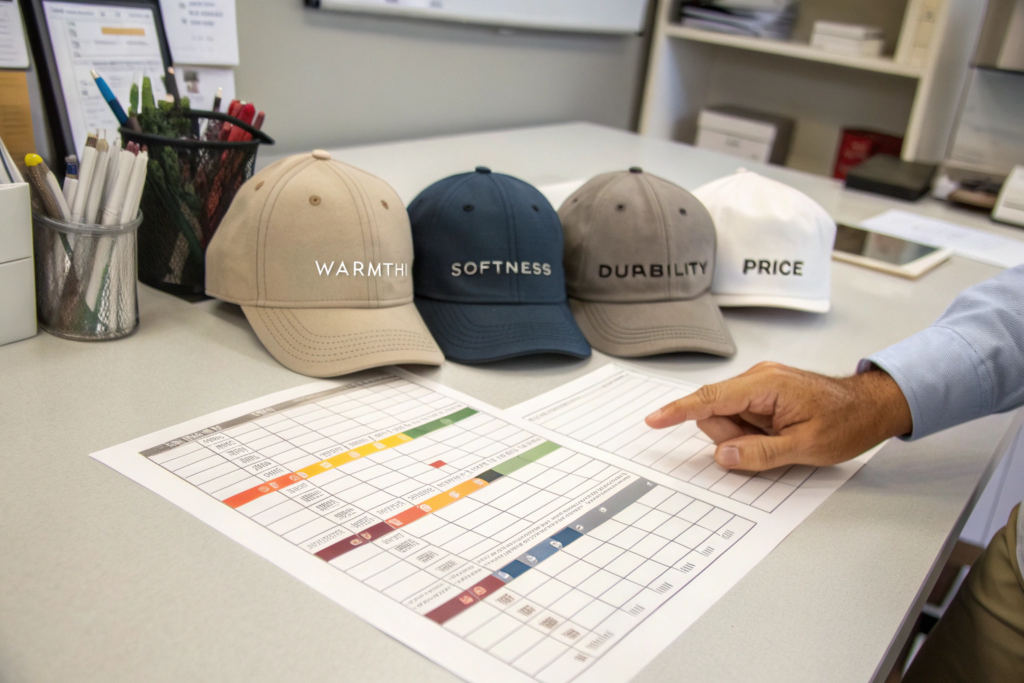
Now you understand the fibers—their whispers of warmth, their crispness in cool air, their softness that melts against skin. The next step is choosing the right one for your hats, those crowning adornments that shield and style. There is no single best fiber, no golden thread that outshines all others. There is only the best fiber for your specific needs: the brisk morning commuter seeking a hat that stands firm against wind and rain, the sun-worshipping beachgoer craving something light as a breath, the artisan weaver dreaming of a texture that tells a story. Each fiber carries its own essence, its own promise, waiting to be woven into the perfect cap for your life’s moments.
What Should You Choose for Softness?
If softness is your priority, choose acrylic or cotton. Acrylic is soft and consistent. Cotton is soft and natural.
If you want wool but need softness, choose merino wool. It is almost as soft as acrylic. It has the benefits of wool without the itch. I had a client who wanted a luxury soft hat. We used a cashmere blend. Cashmere is the softest fiber. It is expensive. But the hats were beautiful.
How Do Blends Combine the Best of Multiple Fibers?
Blends are often the best choice. They combine the strengths of different fibers. A wool-acrylic blend is common. The wool provides warmth. The acrylic provides softness and durability. The cost is moderate.
A cotton-acrylic blend is good for mild weather. The cotton is soft and breathable. The acrylic adds structure and durability. We offer a range of blend options. Clients can choose the combination that works for their market.
Conclusion
Acrylic, wool, and cotton are different. Each has its place. The right choice depends on your needs. Acrylic is affordable, soft, and durable. It is good for mass market hats. It is good for people with wool sensitivity. It is not as warm as wool. Wool is warm, natural, and breathable. It is the best for cold climates. It requires more care. It can be scratchy. Cotton is soft, breathable, and easy to care for. It is good for mild weather. It is not warm. It can lose its shape.
Blends combine the best of multiple fibers. A wool-acrylic blend gives warmth and softness. A cotton-acrylic blend gives softness and structure. At Shanghai Fumao, we work with all these fibers. We help our clients choose the right one for their market. We make samples. We test. We ensure quality.
If you are developing knit hats, I invite you to work with us. Let us help you choose the right fiber. Let us make samples. Let us create hats that your customers will love. Contact our Business Director, Elaine. She will walk you through our fiber options and help you build the perfect hat for your market. Her email is: elaine@fumaoclothing.com.