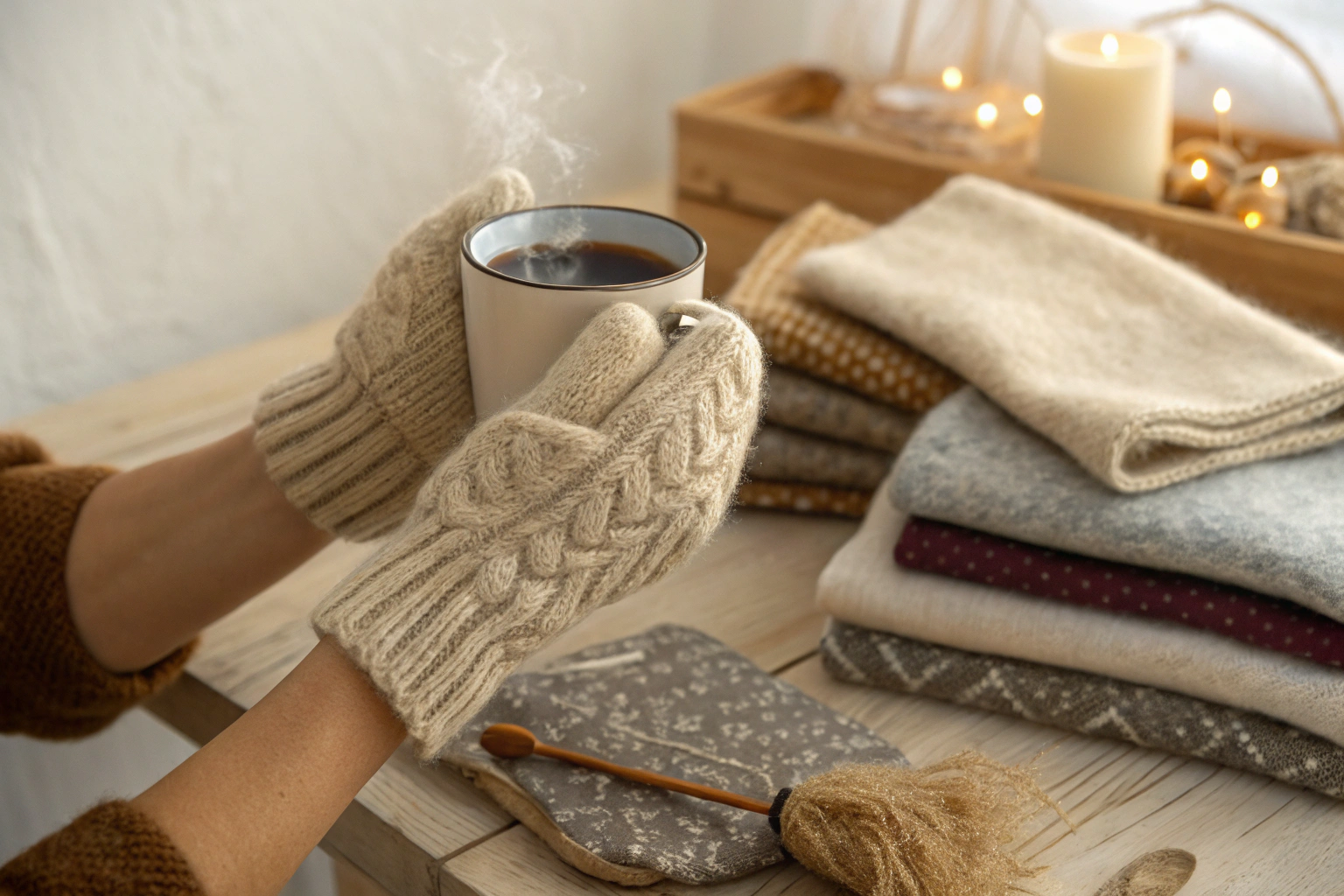
I have a client who sells winter gloves to department stores in New York and Chicago. Two years ago, they had a problem. Their gloves were beautiful. But customers complained. They said the gloves looked warm but did not feel warm. They said the lining was scratchy. They said after a few weeks, the gloves lost their shape.
The client was frustrated. They had chosen what they thought was the right material. But they did not understand how fibers behave in real-world conditions. A fiber that is warm on paper can be uncomfortable on skin. A fiber that is soft initially can pill after a few wears.
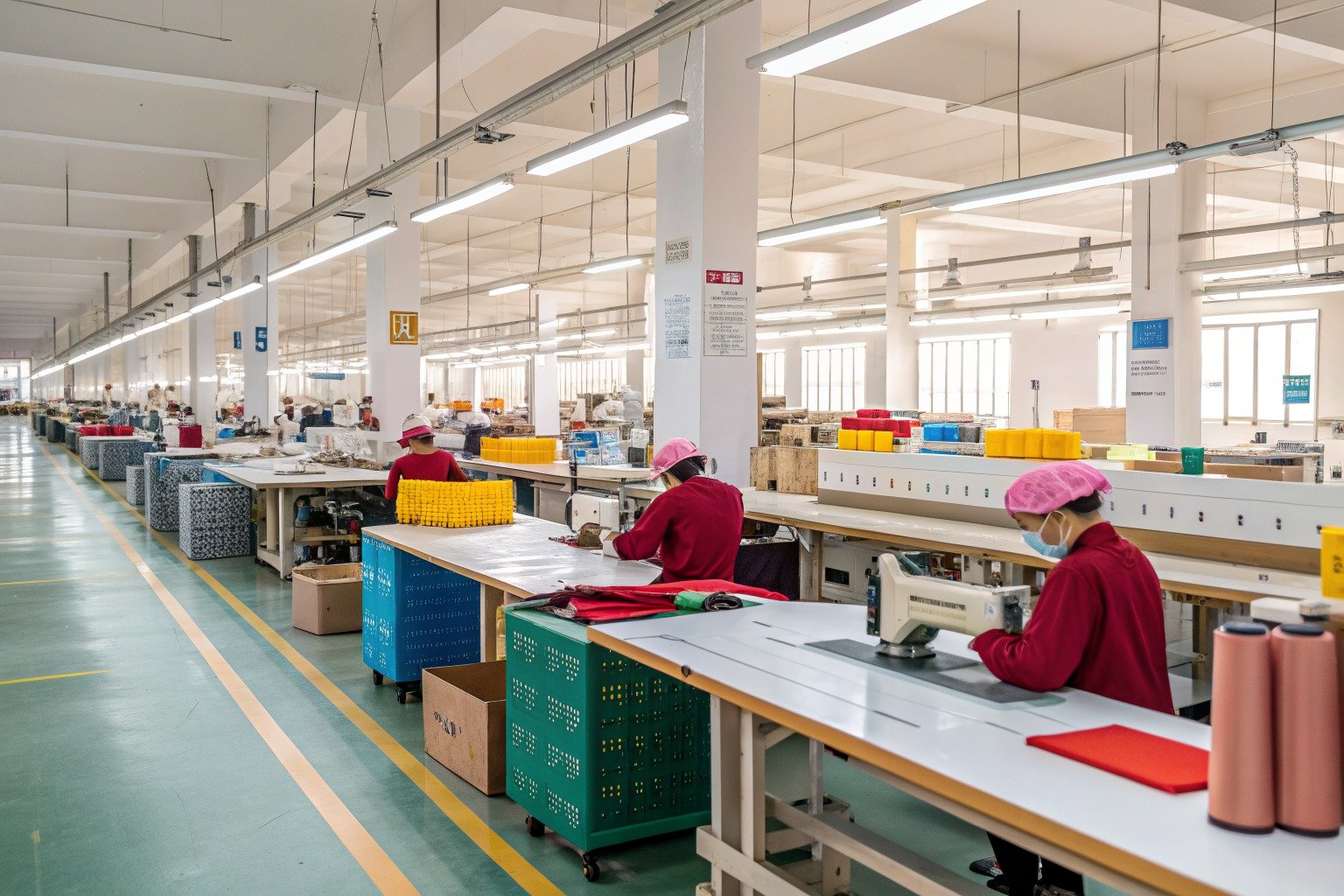
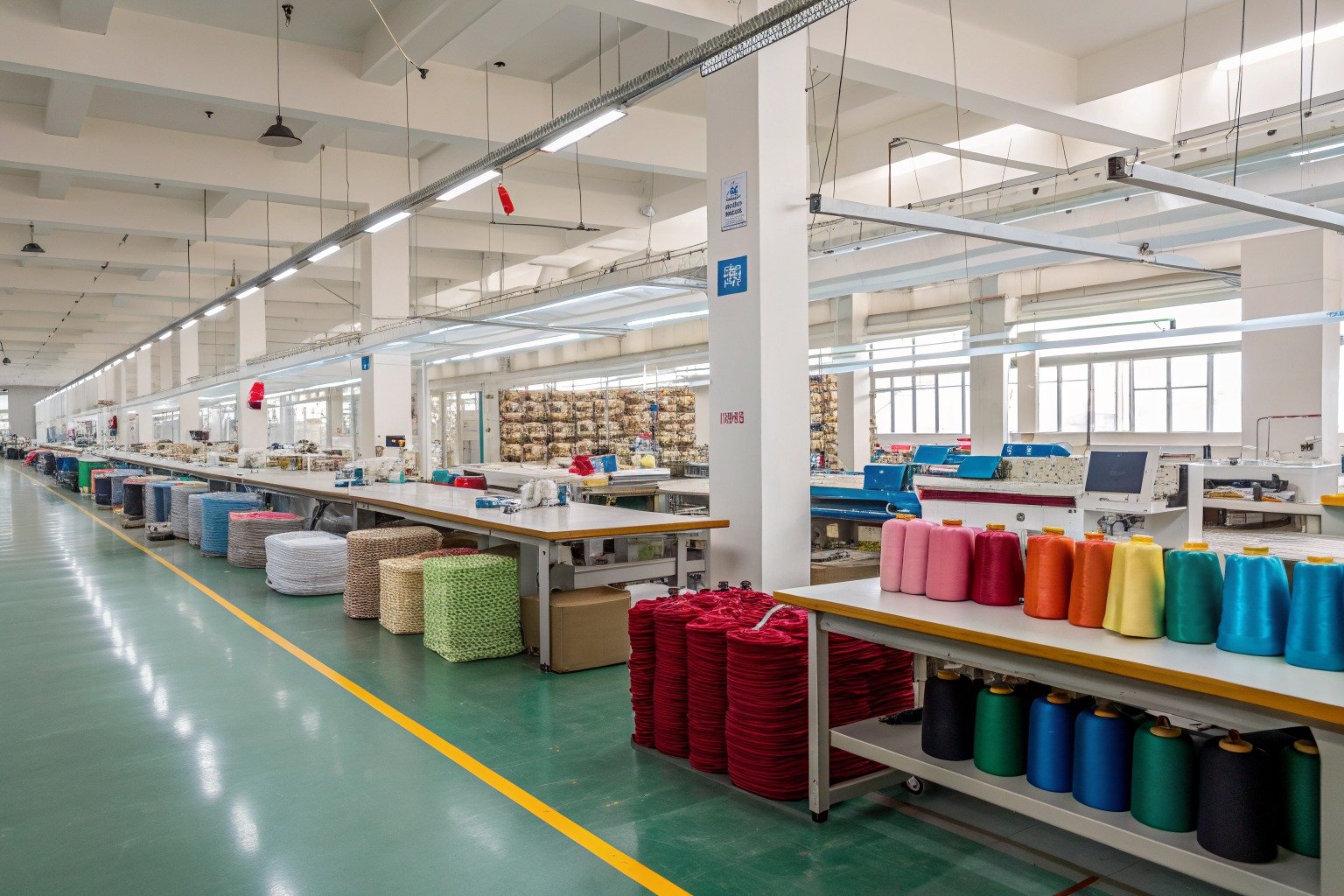
I am the owner of Shanghai Fumao. Our factory in Zhejiang produces thousands of winter gloves every year. I have tested every fiber on the market. I have learned which ones work and which ones do not. Let me share what I have learned so you can choose the best fibers for your gloves.
Which Natural Fibers Deliver the Best Warmth and Softness?
Natural fibers have been keeping hands warm for centuries. They breathe. They insulate. They feel natural against the skin. But not all natural fibers are the same. Each has strengths and weaknesses.
I have worked with all of them. I know which ones deliver the best combination of warmth, softness, and durability.
Is Cashmere Really the Ultimate Luxury Fiber for Gloves?
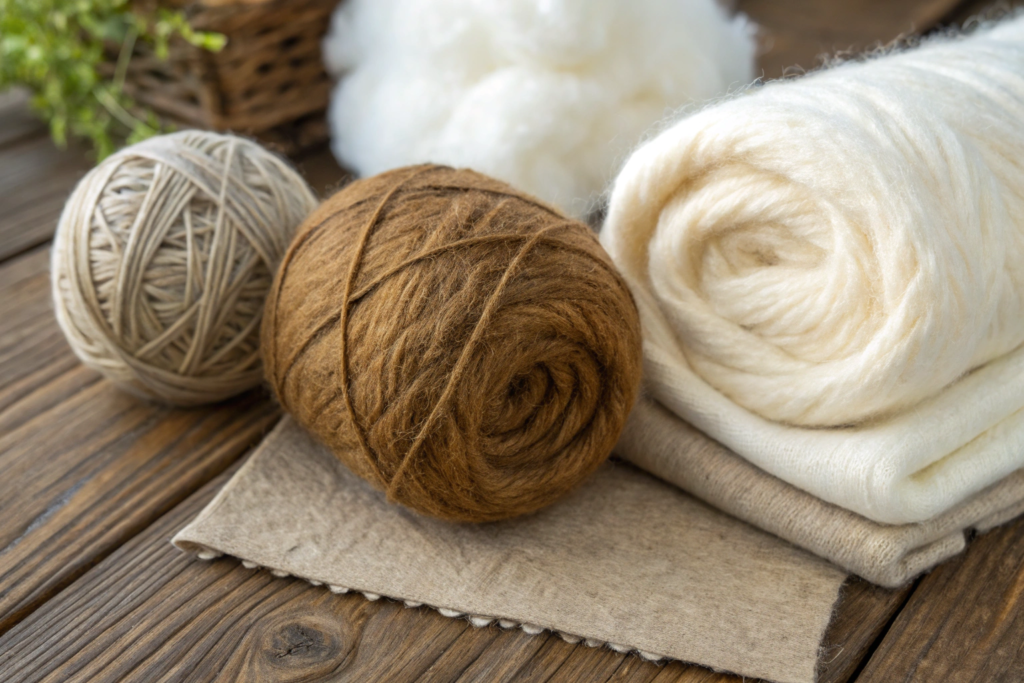
Cashmere is the gold standard for winter gloves. It is incredibly soft. It is lightweight. It is warmer than sheep’s wool. And it has a luxurious feel that customers love.
But cashmere has challenges. It is expensive. A good cashmere glove costs significantly more than a wool glove. It is also delicate. Cashmere pills over time. It requires careful washing.
We use cashmere for high-end clients who are targeting the luxury market. The key is to get the quality right. Not all cashmere is equal.
The best cashmere comes from the undercoat of goats in Mongolia and China. The fibers are fine and long. Short fibers are cheaper but pill more. We only use long-staple cashmere for our premium gloves.
I had a client who wanted a cashmere glove at a mid-range price. We used a cashmere blend instead of 100% cashmere. We mixed it with a small percentage of nylon for strength. The glove was 80% cashmere and 20% nylon. It was almost as soft as pure cashmere but much more durable. The client sold out their entire order.
For customers who want the best, we offer 100% pure cashmere gloves. They are expensive. But they are also the warmest and softest option.
Can Merino Wool Compete with Cashmere for Softness and Performance?
Merino wool is my personal favorite for many applications. It comes from Merino sheep. The fibers are much finer than traditional wool. They are soft enough to wear against the skin without itching.
Merino wool breathes better than cashmere. It wicks moisture away from the skin. This is important for gloves. Hands sweat. If the sweat stays on the skin, the hands get cold. Merino moves the moisture away.
Merino is also more durable than cashmere. It resists pilling better. It holds its shape longer. It is easier to care for.
The downside is that Merino is not as soft as cashmere. It is soft. But it is not that buttery, luxurious softness. It is also less warm than cashmere for the same weight.
We use Merino wool for clients who want a balance of performance and cost. It is our most popular choice for everyday winter gloves.
I remember a client who was making gloves for an outdoor brand. They needed warmth, durability, and moisture management. Cashmere was too delicate. Synthetic fibers did not have the right feel. Merino wool was the perfect solution. The gloves sold well for three seasons.
Why Are Fiber Blends Often Better Than Pure Fibers for Gloves?
I have learned that pure fibers are not always the best choice. Sometimes a blend gives you better performance. You combine the warmth of one fiber with the durability of another. You combine the softness of cashmere with the structure of nylon.
Blends are especially important for gloves. Gloves take more abuse than scarves or hats. They are pulled on and off. They rub against bags and pockets. They need to be durable.
Why Are Cashmere Blends More Durable Than Pure Cashmere?
This is a question I get from almost every client. They want the softness of cashmere. But they are worried about durability.
Pure cashmere is delicate. The fibers are fine. They break and pill over time. Adding a small percentage of nylon or silk changes this.
A typical cashmere blend is 90% cashmere and 10% nylon. The nylon adds strength without changing the feel much. The glove is almost as soft as pure cashmere. But it lasts much longer. We also use cashmere and silk blends. Silk adds strength and a beautiful sheen. It also helps the glove drape better. A cashmere-silk blend is a premium choice.
I had a client who was selling cashmere gloves at a mid-range price point. They wanted the cashmere name but could not afford pure cashmere. We used an 80% cashmere, 20% nylon blend. The gloves were soft, durable, and affordable. The client was happy. We offer several cashmere blend options depending on the client’s budget and performance needs.
How to Choose the Right Blend for Your Target Market?
This is where experience matters. Different markets want different things.
For a luxury department store, I recommend a high cashmere content blend. 90% cashmere or higher. The customer is paying for softness and luxury. They expect the best.
For a mid-range brand, I recommend a cashmere blend with 50% to 80% cashmere. The rest can be nylon or silk. The glove is still soft. It is still warm. But it is more affordable and more durable.
For an outdoor or active brand, I recommend a wool-nylon blend. Merino wool is best. It performs well. It is durable. It manages moisture.
For a sustainable brand, I recommend alpaca blends. Alpaca is naturally sustainable. It can be blended with nylon for durability or with silk for luxury.
We help our clients select the right blend based on their market, price point, and performance requirements. We do not guess. We test. We make samples. We let the client feel the difference.
What Lining Materials Offer the Best Comfort Against the Skin?
I have seen beautiful gloves that failed because the lining was wrong. The outer material was perfect. But the lining was scratchy or thin or hot. The customer put the glove on and immediately disliked it.
The lining is the part that touches the skin. It is the first thing the customer feels. It matters as much as the outer material.
Is Fleece the Most Reliable Choice for Glove Linings?
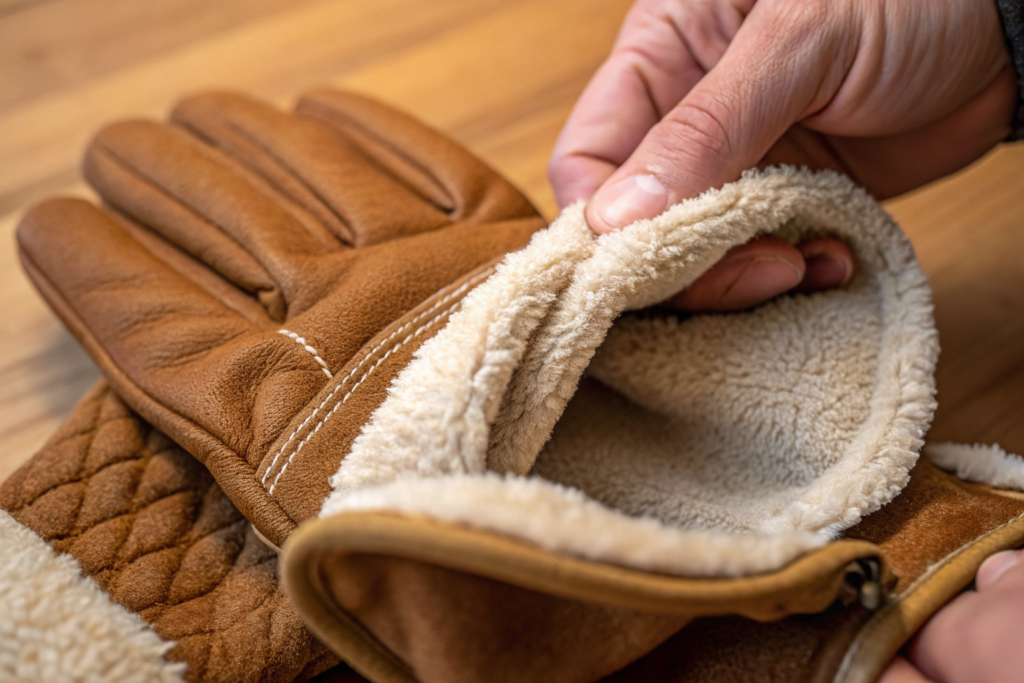
Fleece is the most common lining for winter gloves. It is soft. It is warm. It is affordable. It comes in different weights and qualities.
The best fleece is made from polyester. It is brushed to create a soft, fuzzy surface. It traps air for insulation. It dries quickly if it gets wet.
We use high-quality fleece for most of our lined gloves. It is reliable. It is comfortable. It is easy to care for.
The downside of fleece is that it is synthetic. It does not breathe as well as natural fibers. For very active use, it can trap sweat.
Are Cashmere and Wool Linings Worth the Premium Price?
For luxury gloves, we use cashmere or Merino wool linings. These linings are incredibly soft. They breathe. They regulate temperature.
A cashmere-lined glove is the ultimate in comfort. The outer layer can be leather or a durable fabric. The lining is pure luxury against the skin.
The challenge is cost. Cashmere lining adds significantly to the price. It is also more delicate. The lining can pill over time.
We offer cashmere-lined gloves for clients targeting the high-end market. These are gifts. These are special occasion gloves. The customer is willing to pay for the experience.
How Can You Test Gloves for Warmth, Softness, and Durability?
I have learned that you cannot guess at performance. You have to test. What feels warm in the hand might not be warm in the cold. What feels soft today might pill after a week.
We have built a testing lab specifically for gloves. We test every batch. We test every new material. We want to know exactly how it will perform.
How to Measure Thermal Insulation in Gloves?
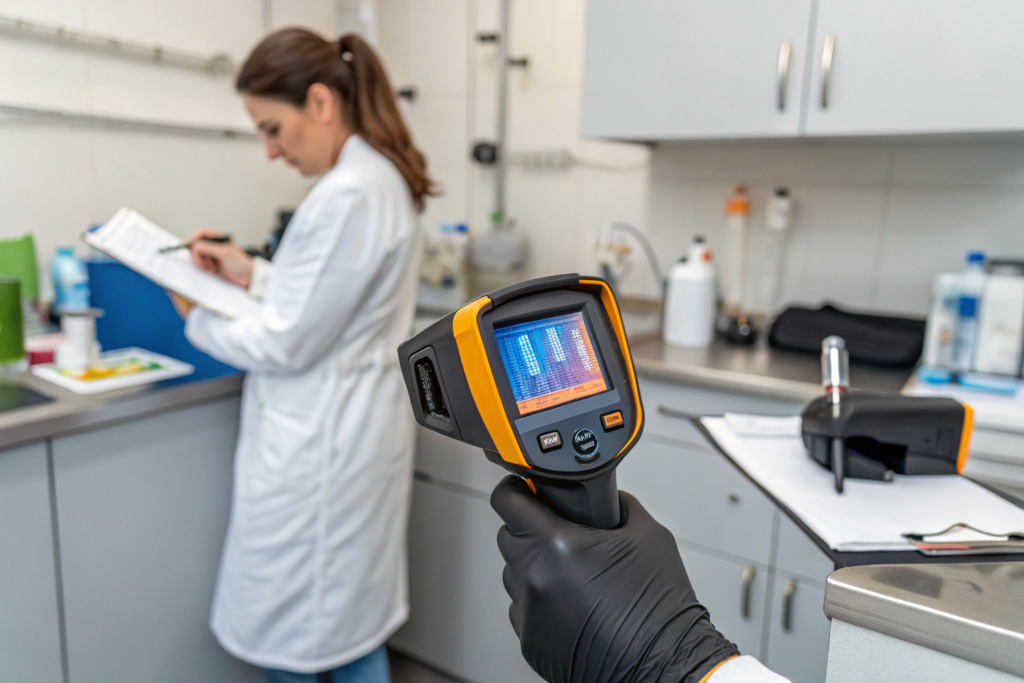
Thermal insulation is measured by how well the material traps air. We use a thermal imaging camera to test our gloves.
We put the glove on a heated hand model. We set the model to body temperature. We put it in a cold chamber. We measure how quickly the surface of the glove cools.
A good glove should maintain a consistent temperature. The heat should be trapped inside. The surface should stay warm.
We also do wear testing. I wear the gloves myself. I go outside in cold weather. I feel how they perform. There is no substitute for real-world testing.
We provide thermal testing reports to our clients. They can see the data. They can compare different materials.
What Tests Determine Softness and Pilling Resistance?
Softness is subjective. But we can measure it. We use a device called a handle-o-meter. It measures the force required to bend the fabric. A softer fabric bends more easily.
We also do touch panels. A group of people feel the gloves and rate the softness. We get both objective and subjective data.
Pilling is a major concern for gloves. Pills are the little balls of fiber that form on the surface. They make the glove look worn.
We test pilling with a Martindale abrasion tester. It rubs the fabric in a circular motion. We count how many cycles it takes for pills to form. A good glove should resist pilling for at least 5,000 cycles.
We also test for abrasion resistance. Gloves rub against bags, pockets, and other surfaces. We measure how long the material lasts under friction.
We share all these test results with our clients. We want them to know exactly what they are buying.
Conclusion
Choosing the right fiber for winter gloves is not simple. You have to consider warmth, softness, durability, cost, and the intended use. There is no single best fiber. There is only the best fiber for your specific needs.
Cashmere is the ultimate luxury. It is soft and warm. It is also expensive and delicate. Alpaca is a sustainable alternative that is almost as warm. Merino wool is the versatile performer. It balances warmth, softness, and durability. Blends combine the best of multiple fibers. They give you performance at a better price. And do not forget the lining. The lining is what touches the skin. Fleece is the standard. Cashmere and wool are the premium choices. Silk is for lightweight, breathable gloves.
At Shanghai Fumao, we have worked with all these fibers. We have tested them. We have made thousands of gloves with each one. We know what works and what does not.
If you are developing winter gloves, I invite you to work with us. Let us help you choose the right fiber for your market. Let us make samples so you can feel the difference. Let us test so you can trust the performance. Contact our Business Director, Elaine. She will walk you through our fiber options and help you create the perfect glove for your customers. Her email is: elaine@fumaoclothing.com.