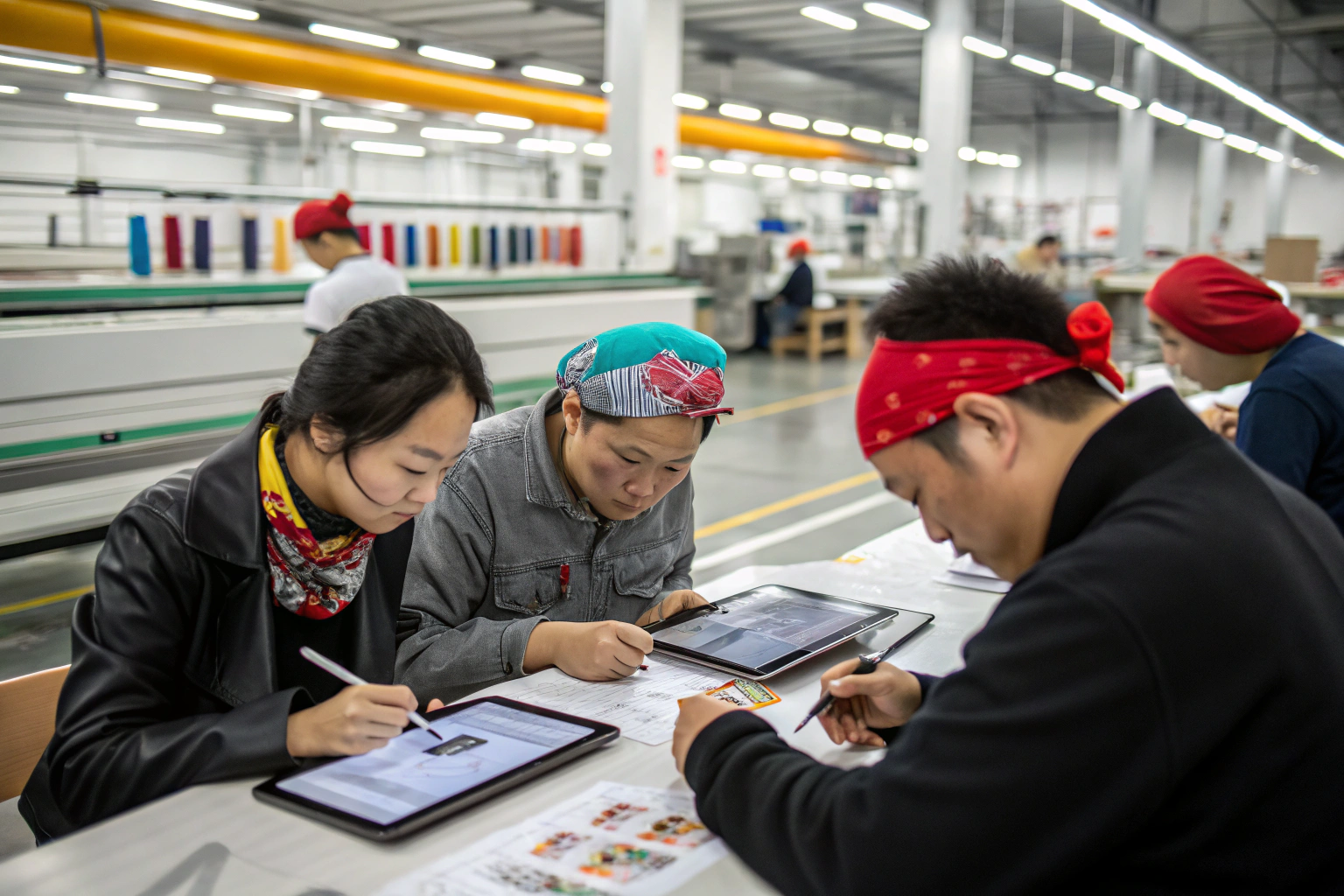
I remember when a new accessory collection took six months from concept to delivery. You would sketch in January, sample in February, finalize in March, produce in April, and ship in May. By the time the product hit the shelves, summer was already here. And you had already started working on winter.
Fast fashion changed everything. It compressed those six months into six weeks. Sometimes less. A trend appears on a runway in Paris. Two weeks later, it is on Instagram. Two weeks after that, it is in stores. And if you are not ready to produce it, you miss the wave. I have lived through this transformation. I have had to adapt my factory to keep up. And I have helped my clients navigate the new reality.
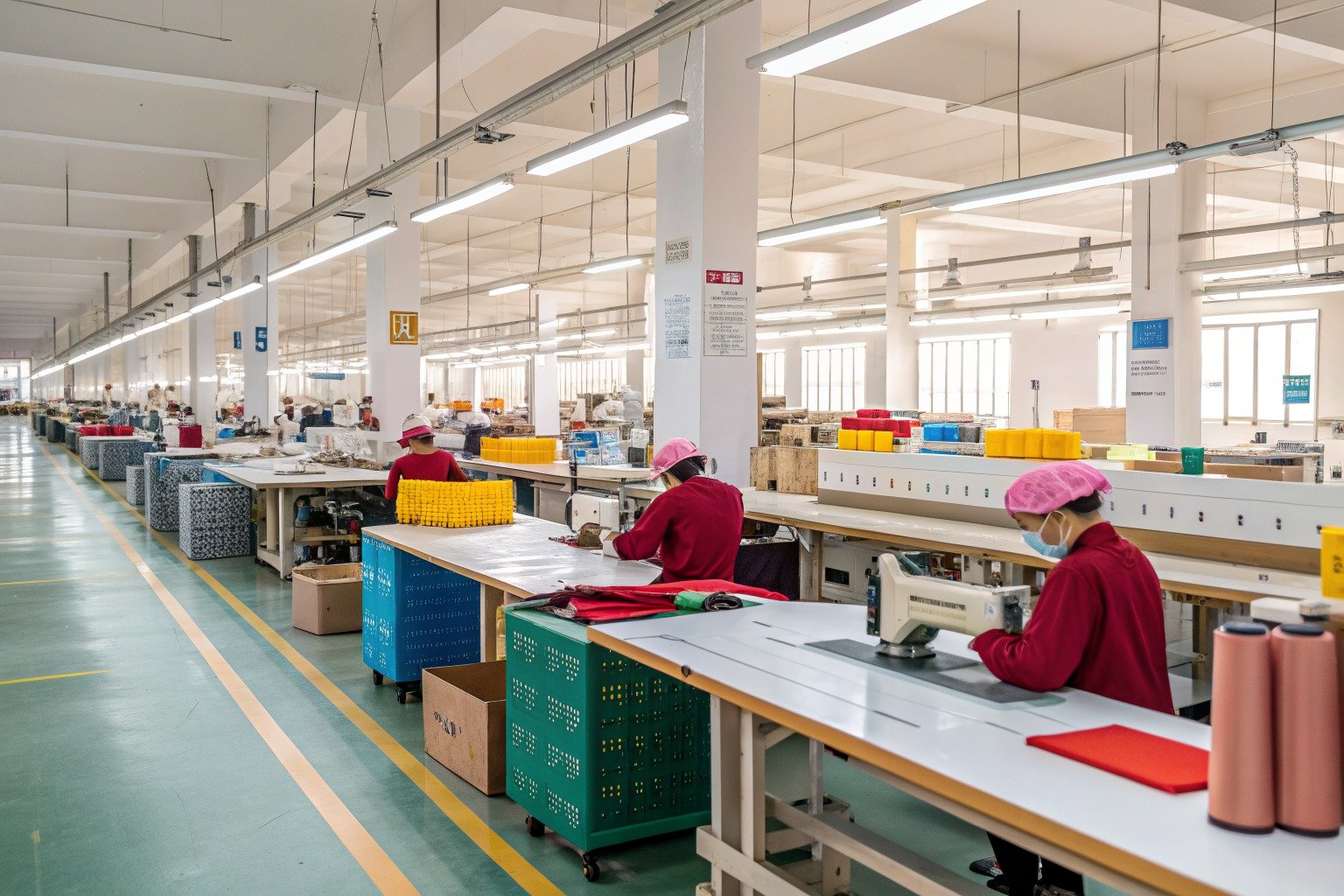
I am the owner of AceAccessory. Our factory in Zhejiang has been at the forefront of this shift. We have learned to develop faster, produce faster, and ship faster. Let me show you how fast fashion has changed accessory development, and how you can stay ahead.
Compressed Timelines from Concept to Shelf
The most obvious change is time. Fast fashion demands speed at every stage. There is no room for long development cycles. There is no patience for slow sampling.
I have seen development cycles go from 12 weeks to 3 weeks. And the pressure keeps increasing.
How Short Can a Development Cycle Realistically Be?
Let me give you a realistic timeline. I get this question from clients all the time. They want to know what is possible.
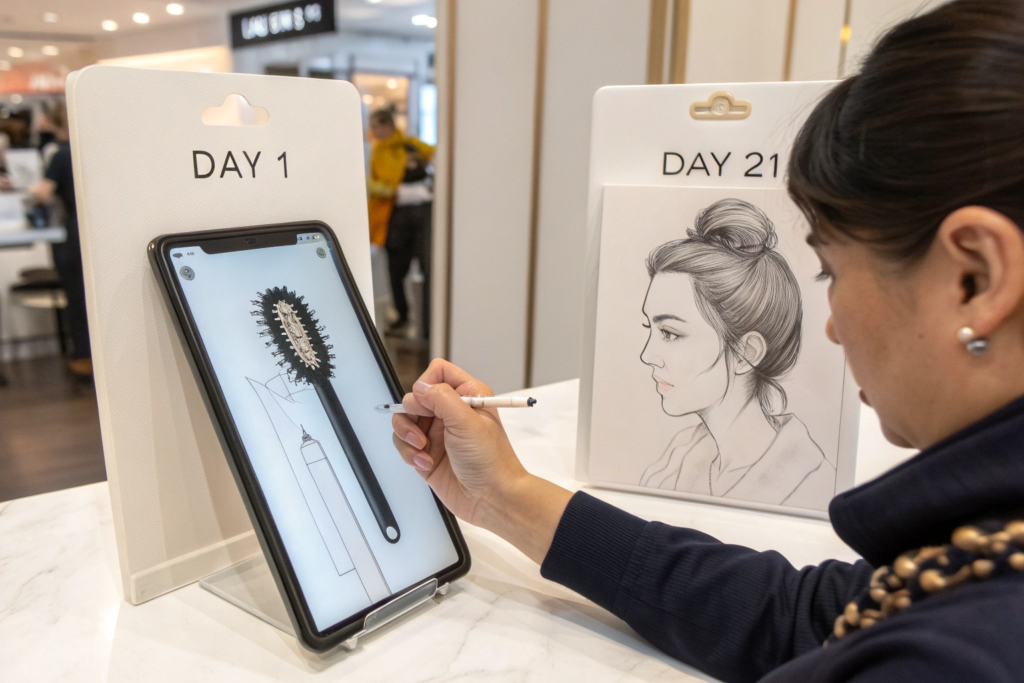
A true fast-fashion accessory can go from concept to shipped product in 14 to 21 days. That is the extreme end. It requires everything to go perfectly.
Here is how it breaks down. Day one, we get the design. It could be a sketch, a photo, or just a description. Our design team starts working immediately. By day two, we have a CAD drawing. By day three, we have a 3D render.
By day four, we are sourcing materials. We keep a large inventory of common materials so we do not have to wait for orders. By day five, we are making the mold if it is a plastic product, or cutting fabric if it is a textile product.
By day seven, we have a sample. The client approves it within 24 hours. By day eight, we start production. By day fourteen, production is complete. By day twenty-one, the goods are on a ship or a plane.
That is the ideal. It does not always happen. But it is possible when the factory is set up for speed.
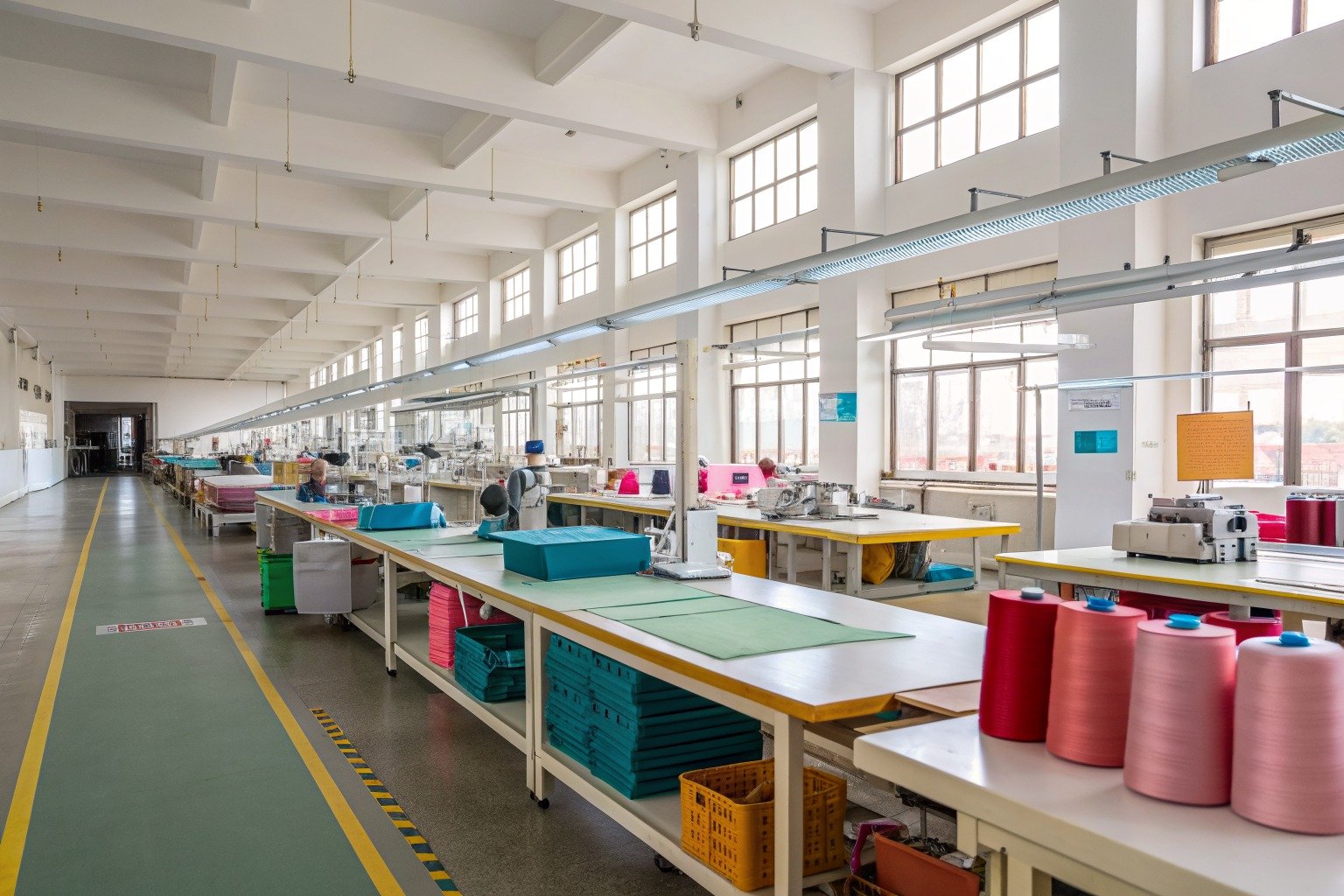
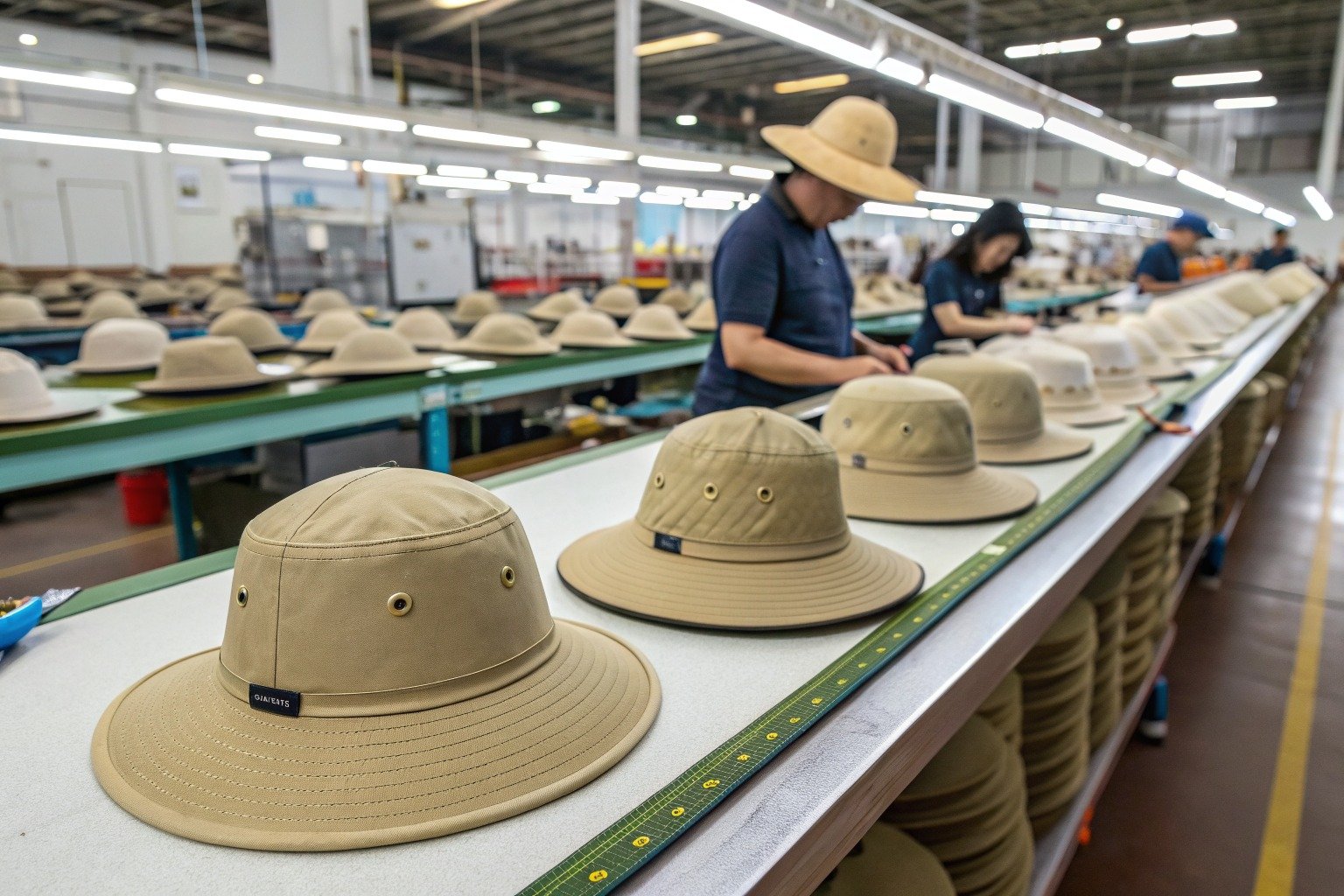
We have built our factory around this model. We keep a rapid development team that is dedicated to fast-turn projects. They do not work on slow, complicated orders. They are focused only on speed.
The trade-off is flexibility. When we are moving this fast, there is no time for multiple rounds of samples. The client has to trust our judgment. They have to make decisions quickly. If they hesitate, we lose the window.
What Are the Trade-Offs Between Speed and Quality?
This is the question I hear most often. Clients want speed. But they are afraid that speed means lower quality.
I will be honest. There is a trade-off. When you move fast, you have less time for testing. You have less time for multiple quality checks. You have to rely on systems that are designed for speed.
But speed does not have to mean poor quality. It means quality has to be built into the process differently.
For fast-fashion orders, we use a different quality control approach. We do not have time for 100% inspection on the production line. Instead, we do more frequent in-process checks. We catch problems early, when they are easy to fix.
We also use standardized components. Instead of developing a new custom spring for every hair clip, we use springs from our standard parts inventory. They are proven. They are reliable. They do not need extensive testing.
The materials are also standardized. We keep a library of commonly used fabrics, plastics, and metals. When a fast-fashion order comes in, we choose from what we have in stock. We do not wait for custom orders.
This approach limits creativity. The client cannot have a completely unique material if they want speed. But they can have a high-quality product that reaches the market in time.
I have learned that for fast fashion, being first is often more important than being unique. A client can capture the trend with a standard material in a fashionable color. Then they can follow up with a more unique version for the next season.
Increased Demand for Flexibility and Scalability
Fast fashion does not just demand speed. It demands flexibility. Trends change overnight. What was popular last week is forgotten today. The factory has to be able to switch production quickly.
I have seen factories that are set up for long runs of the same product. They are efficient at making 100,000 of one thing. But they cannot make 10,000 of ten different things. Fast fashion requires the opposite.
How to Balance Large Orders with Small, Fast-Turn Orders
This is a constant challenge for us. We have clients who need 100,000 units of a core product. They also need 1,000 units of a trendy product that will sell out in a week.
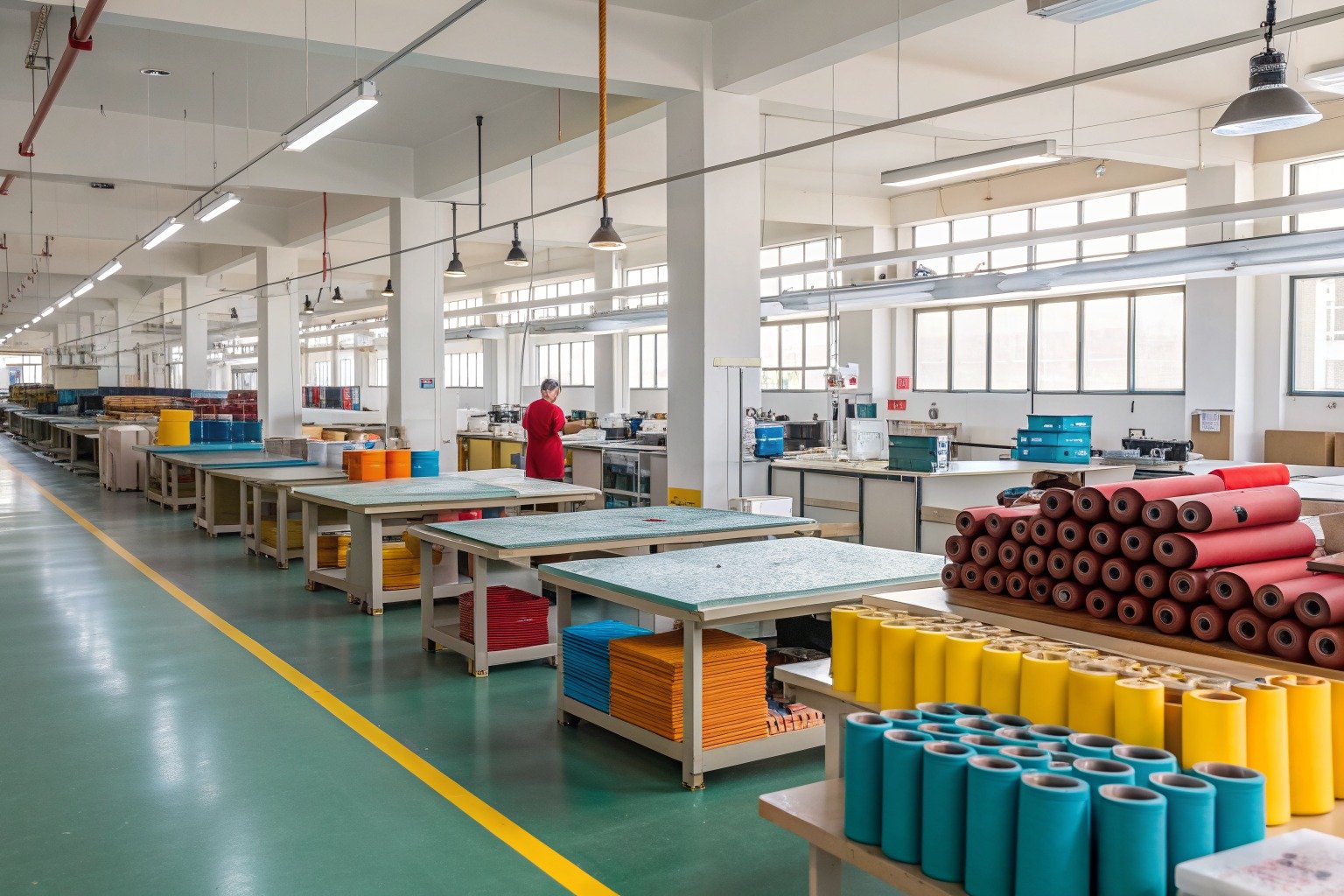
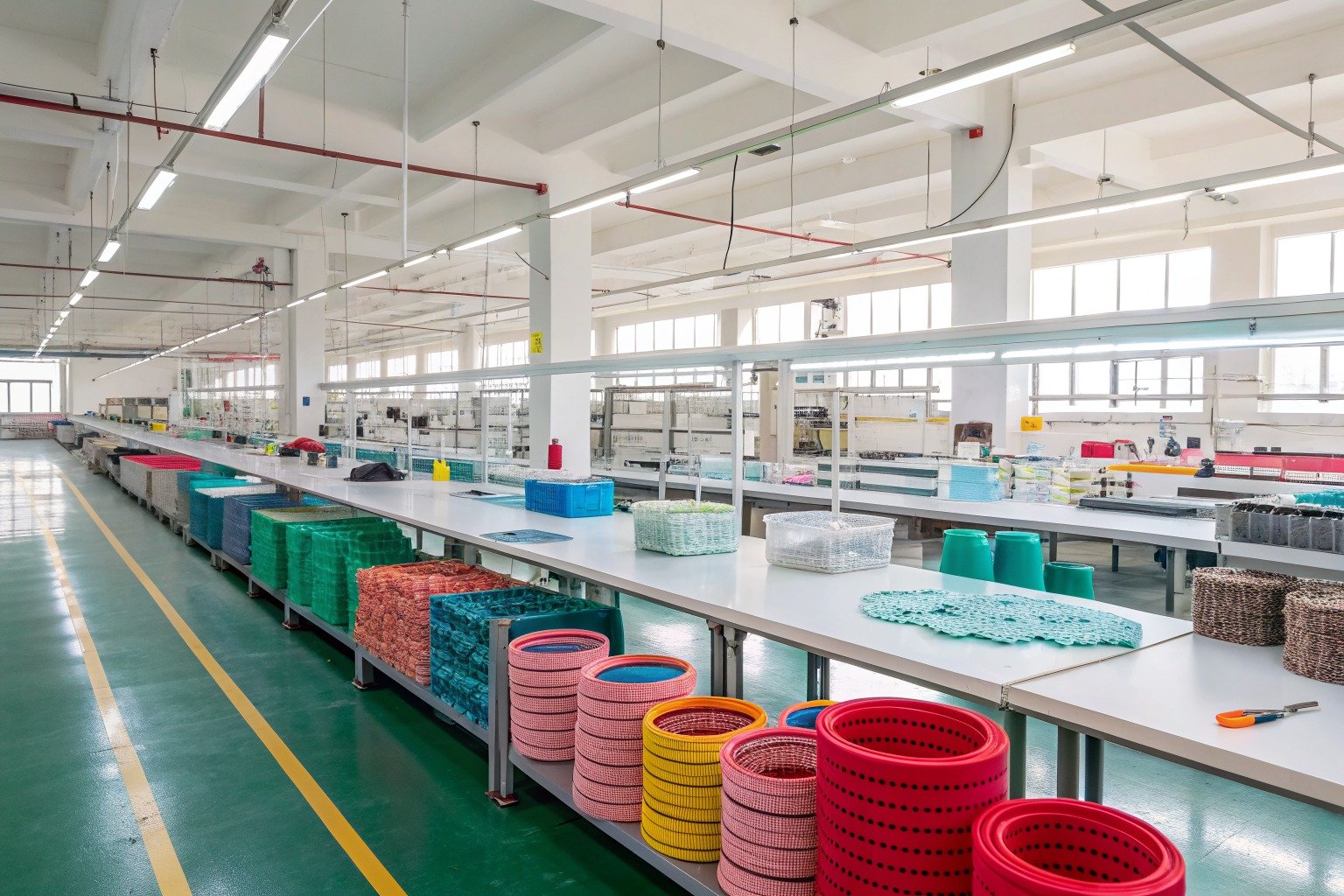
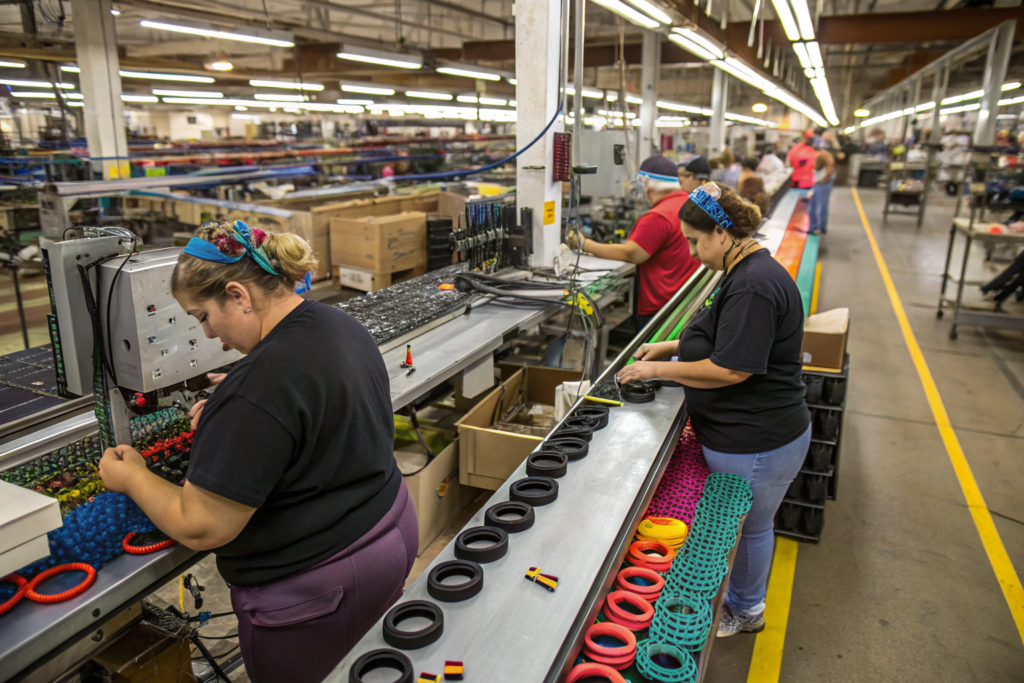
We have developed a production system that handles both. We keep our large orders running on dedicated lines. These lines are optimized for efficiency. They run the same product for weeks.
Then we have flexible lines. These lines are designed for changeovers. They can switch from one product to another in hours, not days. The workers on these lines are cross-trained. They can make hair clips, then switch to headbands, then switch to scarves.
We also use a modular production system. We break the production process into small modules. Each module can be reconfigured quickly. For a small order, we might use just a few modules. For a large order, we add more modules.
This approach allows us to scale up or down without stopping production. If a client’s product goes viral, we can shift more capacity to it. If it dies, we can shift capacity away.
I remember a client who had a hair clip that unexpectedly went viral on TikTok. They had ordered 2,000 units. They sold out in a day. They called us in a panic. They needed 20,000 units in two weeks.
We shifted capacity from other lines. We brought in extra workers. We ran the production 24 hours a day. We delivered 18,000 units in two weeks. The client was thrilled. They kept selling. We kept producing.
That flexibility is what fast fashion demands. You have to be ready to respond when the market moves.
What Inventory Strategies Support Fast-Fashion Production?
Inventory is another challenge. In traditional manufacturing, you order materials when you get the order. Then you wait for them to arrive. Then you produce.
In fast fashion, you cannot wait. You have to have materials ready before the order comes.
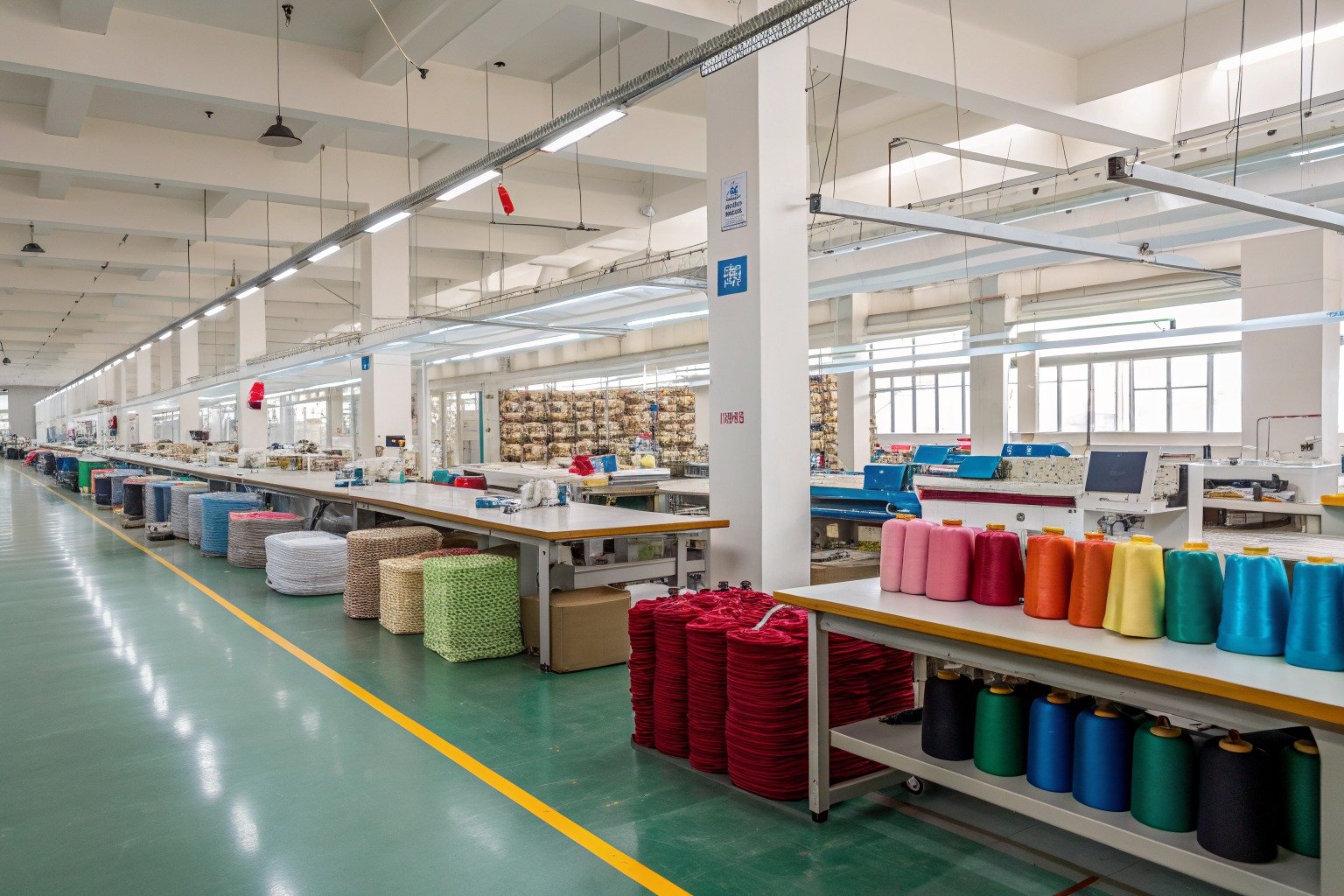
We keep a large inventory of commonly used materials. We call this our fast-fashion materials library. We have hundreds of colors of fabric. We have dozens of types of plastic pellets. We have thousands of standard components.
This inventory costs money. It ties up capital. But it is necessary for speed. When a client comes with a trend that just appeared, we can start production immediately. We do not wait for materials.
We also use a just-in-time replenishment system for our most common materials. Our suppliers keep inventory for us. When we use material, they automatically send more. We never run out of the basics.
For clients who want to move fast, we recommend committing to a seasonal materials buy. Instead of ordering materials per order, they commit to a certain quantity for the season. We hold the materials. They call off production as needed. They get speed without the risk of holding inventory themselves.
Data-Driven Trend Forecasting and Design
Fast fashion is not just about being fast. It is about being right. You have to know what will sell before it sells. And you have to know it fast enough to produce it.
This has transformed how we approach design. It is no longer about what the designer likes. It is about what the data says.
How to Use Social Media and Sales Data to Predict Trends
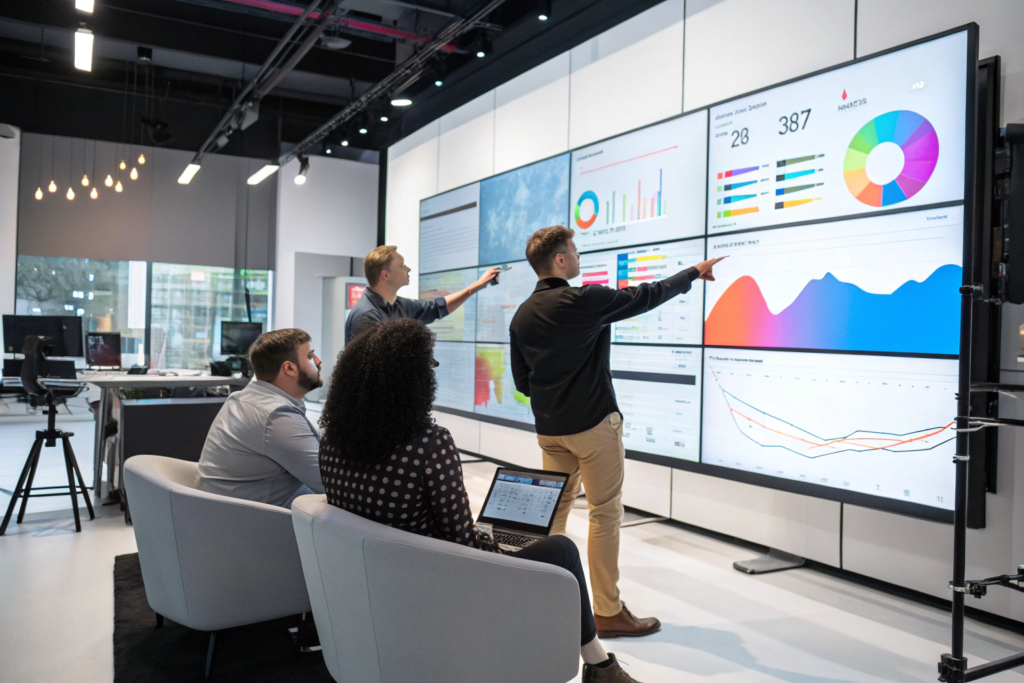
We have built a system for tracking trends in real time. It is not perfect. But it gives us an edge.
We monitor social media platforms. We look at what influencers are wearing. We look at what hashtags are growing. We look at what products are being tagged in photos.
We also track sales data from our clients. We see what is selling and what is not. We see how fast it sells. We see what colors are moving.
We feed this data into a trend forecasting dashboard. Our design team reviews it every week. They look for patterns. They look for emerging trends.
When they see something, they start designing. They do not wait for the client to ask. They create samples. They show them to our clients. They say, "This is what we are seeing. Do you want it?"
This proactive approach is the opposite of traditional manufacturing. In the old model, the client told the factory what to make. In fast fashion, the factory helps the client decide what to make.
I had a client who was focused on neutral colors. Their data said neutrals were safe. Our data said bright colors were trending. We showed them samples of bright hair clips. They were hesitant. We sent them a small batch on consignment. They sold out in a week. Now they are one of our biggest buyers of bright colors.
What Role Does AI Play in Accessory Design Development?
AI is becoming a powerful tool in our industry. I was skeptical at first. Now I am convinced.
We use AI for several things. First, we use it to generate design variations. A designer creates a base design. The AI generates dozens of variations. Different shapes. Different colors. Different patterns. The designer selects the best ones.
Second, we use AI to predict material performance. We input the material properties. The AI predicts how it will behave in production. Will it warp? Will it shrink? Will it hold color? This saves us time in testing.
Third, we use AI to optimize production. The AI looks at our production schedule and suggests the most efficient sequence. It reduces changeover time. It increases output.
We are still learning. AI is not a replacement for human judgment. But it is a powerful tool for speed.
We offer AI-assisted design services to our clients. They can see hundreds of variations quickly. They can pick what they like. They can move to production faster.
I remember a client who had a specific design in mind. They spent weeks trying to perfect it. We ran it through our AI system. The AI generated 50 variations in an hour. The client picked one they had not even considered. It became their best seller.
Sustainability Challenges in Fast-Fashion Accessories
I have to be honest about this. Fast fashion and sustainability are often at odds. The speed, the volume, the disposability… it all creates waste.
But I believe we can do better. And my clients are demanding it. They want fast fashion that is also responsible.
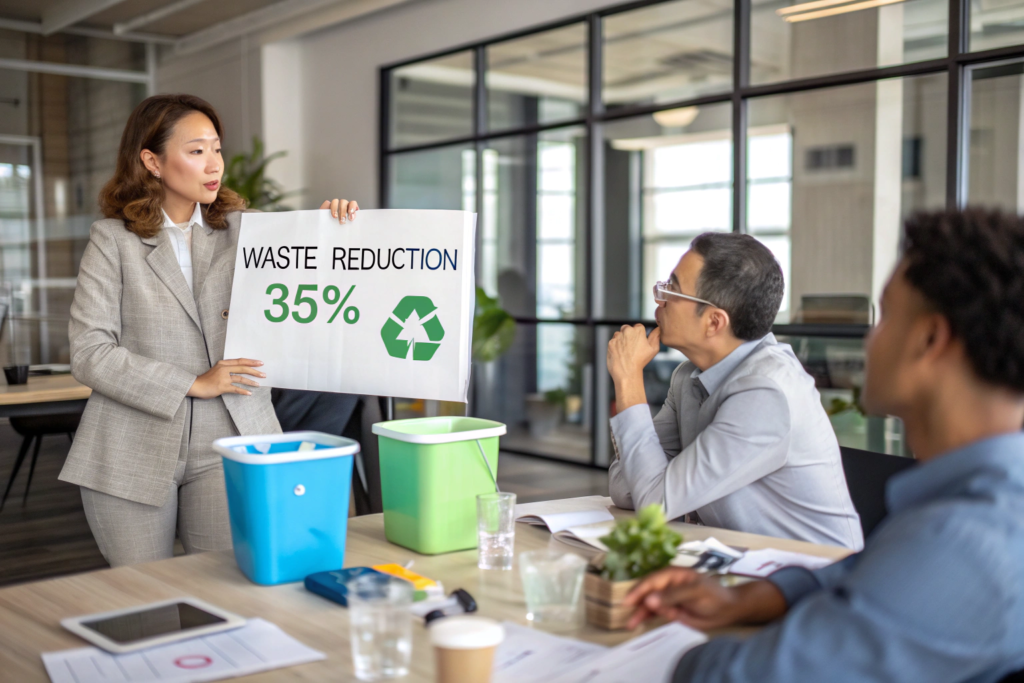
How to Reduce Waste in Rapid Development Cycles
Waste happens at every stage. In design, we throw away samples. In production, we have defective products. At the end of life, the products are thrown away.
We have implemented several strategies to reduce waste.
First, we use digital sampling. Instead of making physical samples for every design, we create high-quality 3D renders. The client can see the product virtually. They can approve it without a physical sample. We only make physical samples for approved designs.
We have reduced our sample waste by 60% with this digital sampling system.
Second, we recycle our production waste. Plastic scrap is ground up and reused. Fabric scraps are collected and sold for recycling. We have a zero-landfill policy for our production waste.
Third, we use biodegradable materials when possible. For fast-fashion products that are meant to be used for a short time, biodegradable plastics make sense. They break down after disposal. We are working with suppliers to develop more biodegradable accessory materials.
Fourth, we help our clients design for durability. This sounds counterintuitive for fast fashion. But a product that lasts longer creates less waste. We encourage clients to use better materials and stronger construction, even for trendy products.
I had a client who wanted to make a very cheap hair clip for a one-season trend. We convinced them to spend a few cents more for a better spring. The clip lasted longer. Customers bought more because they trusted the quality. The client sold more units than they expected.
What Are Eco-Friendly Alternatives for Fast-Fashion Accessories?
There are several alternatives we offer to clients who want to be more sustainable.
Recycled materials are the most common. We use recycled ABS plastic for hair clips. It performs almost identically to virgin material. The cost is slightly higher. But the environmental impact is much lower.
We also use plant-based plastics. These are made from corn or sugarcane. They are biodegradable. They are not as strong as traditional plastics. But for some applications, they work well.
For textile accessories like headbands and scrunchies, we use organic cotton and recycled polyester. These materials have a lower environmental footprint.
We also offer a take-back program. Clients can return unsold or returned products to us. We recycle them into new products. This closes the loop. It keeps waste out of landfills.
The challenge is cost. Sustainable materials are more expensive. Fast fashion is built on low prices. There is tension between these two goals.
But I see the market moving. Consumers are demanding sustainability. Retailers are requiring it. The brands that figure out how to be fast and sustainable will win.
We are investing in this future. We are building partnerships with sustainable material suppliers. We are training our team on sustainable manufacturing. We are ready to help our clients make the transition.
Conclusion
Fast fashion has transformed our industry. Development cycles are shorter. Flexibility is essential. Data drives design. And sustainability is the new challenge.
I have seen factories that could not adapt. They are gone. I have seen clients who could not keep up. They lost their market.
But I have also seen the opportunity. Speed can be an advantage. Flexibility can set you apart. Data can guide you to success. And sustainability can be a differentiator.
At AceAccessory, we have built our factory to thrive in this new world. We have rapid development teams. We have flexible production lines. We have data-driven design tools. We have sustainable alternatives.
We are ready to help you navigate fast fashion. We can help you move faster, adapt more flexibly, and produce more responsibly.
If you are ready to accelerate your accessory development, I invite you to reach out to us. Let us show you how fast we can move. Contact our Business Director, Elaine. She will walk you through our process and help you capture the next trend. Her email is: elaine@fumaoclothing.com.