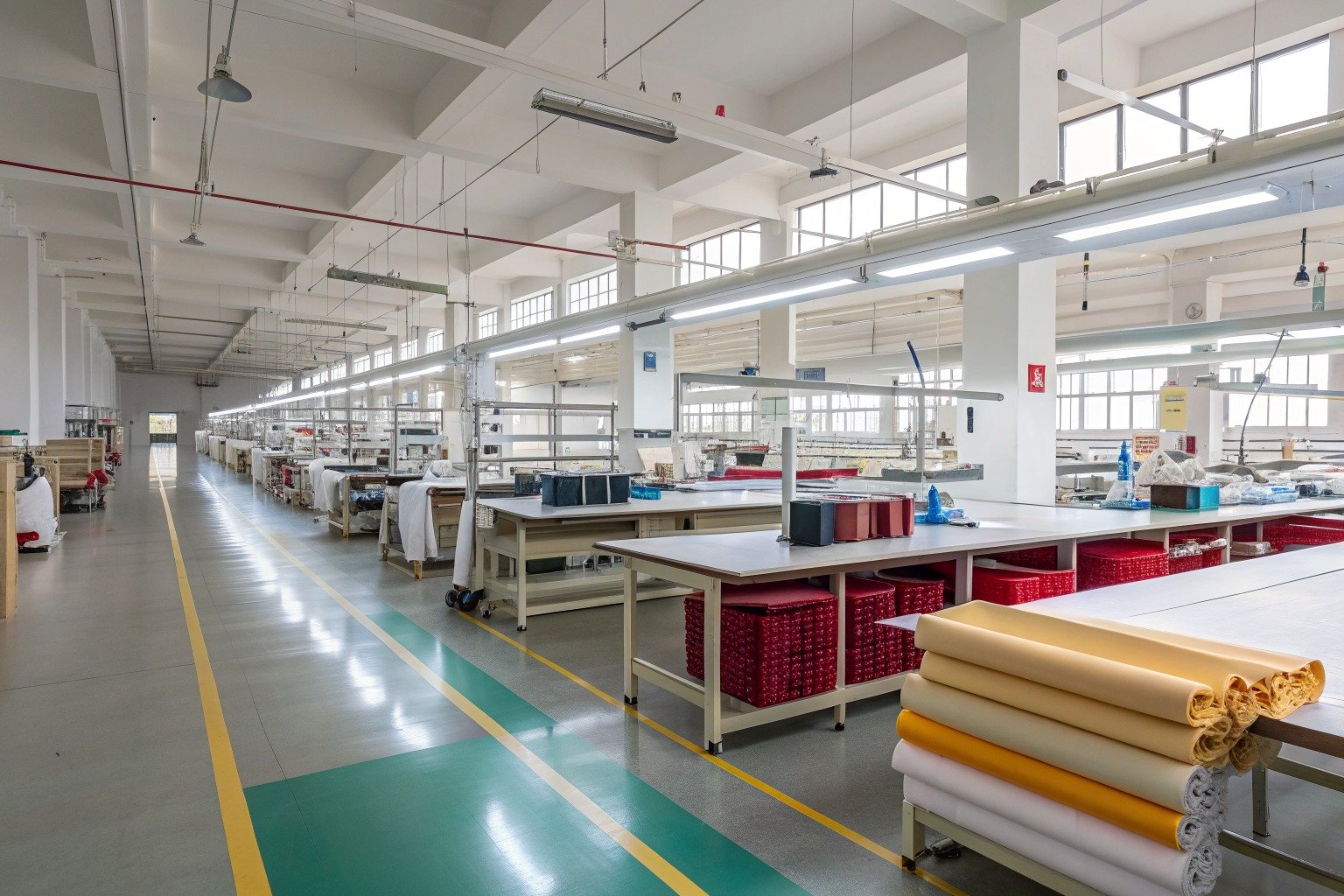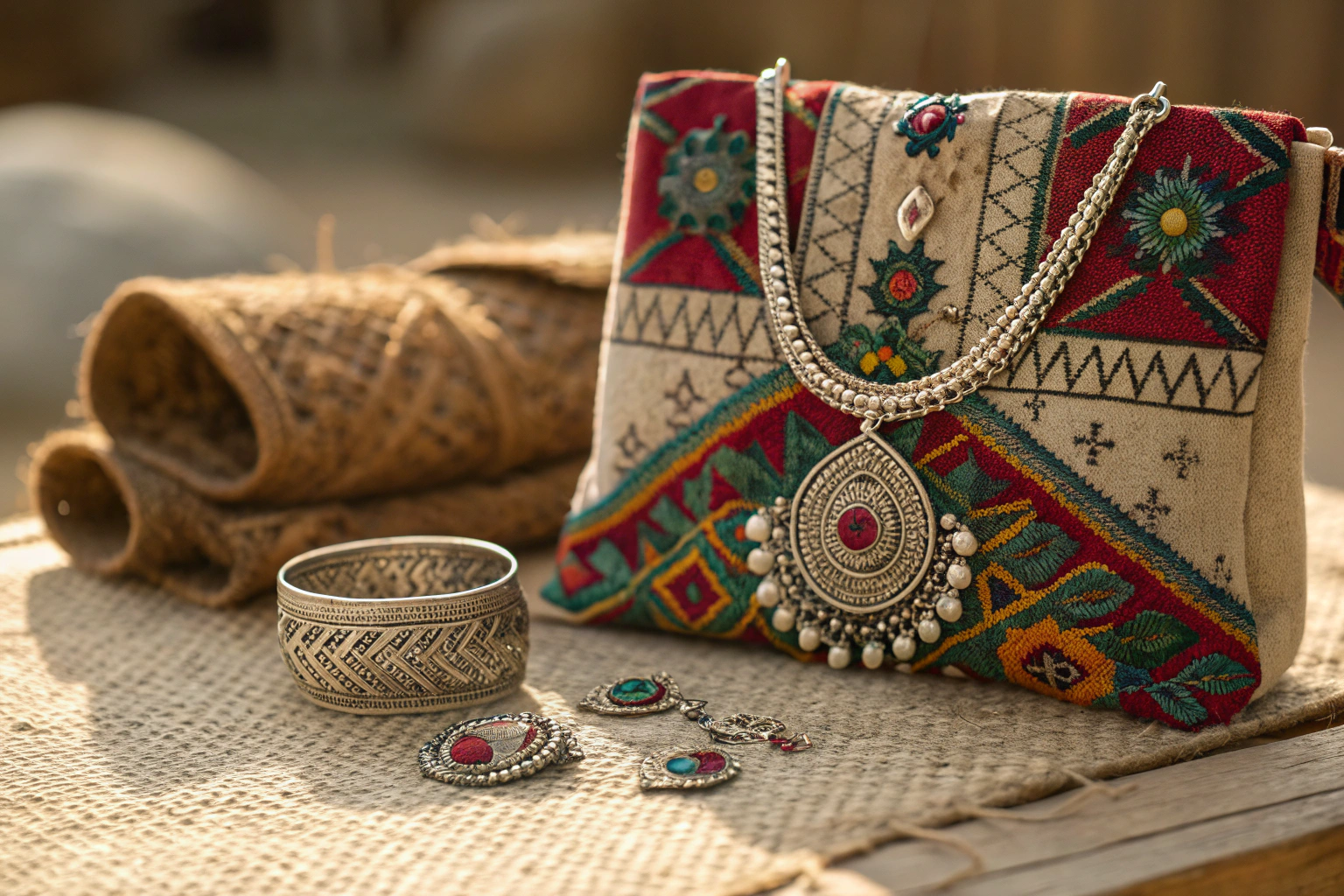
I remember a conversation with a designer who had a deep personal connection to her heritage. She wanted to create a collection of accessories that celebrated the traditional patterns and crafts of her ancestors. She had the ideas, the sketches, and the passion. But she was stuck. "Every factory I talk to wants to mass-produce my designs as cheaply as possible," she told me. "They don’t understand the meaning behind the patterns. They just see them as decoration. I need a partner who respects the culture, not just exploits it. How do I find someone like that?" Her question was not just about sourcing; it was about ethics, respect, and authenticity.
Finding a supplier for accessories with cultural or ethnic designs requires a sourcing approach that goes beyond the usual criteria of price and lead time. It demands a partner who demonstrates cultural sensitivity, respect for intellectual property, and a proven ability to execute traditional techniques with authenticity. Key steps include: researching suppliers in the region of origin where the craft has deep roots, vetting them for their ethical practices and fair labor standards, providing clear and respectful design briefs that explain the cultural significance of the elements, and building a long-term, collaborative relationship based on trust and mutual respect. At Shanghai Fumao Clothing, while we are a modern factory, we have deep experience in working with traditional craftspeople and helping our clients navigate the complexities of producing culturally-inspired designs with integrity.
That designer was right to be concerned. Cultural appropriation is a real and damaging issue. When traditional designs are taken out of context, mass-produced without understanding, and sold without credit or benefit to the originating culture, it causes harm. But there is a better way. It is possible to create beautiful, culturally-inspired accessories in a way that is respectful, ethical, and collaborative. It requires a different mindset and a different kind of partnership. Let me walk you through the four essential steps to finding the right supplier for this sensitive and meaningful work.
Why Is Sourcing from the Region of Origin So Important?
The first and most important step in sourcing culturally-inspired accessories is to look for suppliers in the region where that culture and its crafts originate. This is not just about logistics; it is about authenticity, knowledge, and economic benefit. A factory in a completely different part of the world may be able to copy a design, but they will lack the deep, embodied understanding of the techniques, materials, and meanings that come from generations of practice.
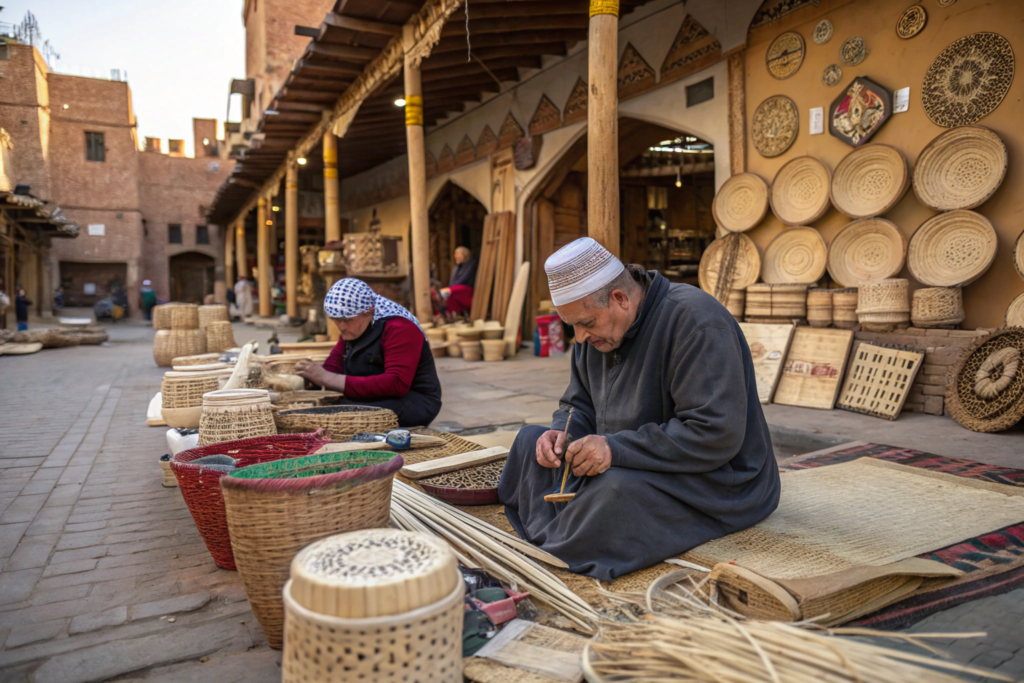
Sourcing from the region of origin ensures that your supplier has inherent, generational knowledge of the craft. They understand the traditional techniques, the appropriate materials, and the cultural significance of the designs. This leads to a more authentic final product. It also means that your business is directly supporting the communities where these crafts are a living tradition. You are contributing to the local economy and helping to sustain these art forms for future generations. This is the foundation of ethical and respectful sourcing. For example, if you are seeking authentic Huichol beadwork, you would look for suppliers in the regions of Mexico where this art form is practiced. For intricate Celtic knotwork, you might look to Ireland or Scotland.
The benefits of sourcing from the region of origin go far beyond authenticity. It provides you with a powerful story to tell your customers. You are not just selling a beautiful accessory; you are selling a piece of cultural heritage, made by people who have inherited these skills. This adds immense value and meaning to your product. It also protects you from accusations of cultural appropriation. When you can point to your supplier and say, "We work directly with artisans in the community where this art form originated, and we pay them fairly for their work," you have a powerful and defensible position. This is a core principle of ethical fashion and cultural sustainability. At Shanghai Fumao Clothing, while we are a large-scale manufacturer, we have connections with specialized artisan cooperatives and smaller workshops in various regions and can help our clients navigate these relationships.
What if the region of origin is difficult to source from due to political or logistical reasons?
This is a real challenge. In such cases, you can look for diaspora communities or fair-trade organizations that work directly with artisans in that region and handle the logistics of importing the goods. These organizations often have established, ethical supply chains and can be a valuable intermediary. The key is to ensure that the artisans themselves are still being fairly compensated and that their work is being represented authentically.
How do I find suppliers in these specific regions?
This requires dedicated research. You can start by searching for "fair trade [craft name]" or "artisan cooperative [region]." You can attend trade shows that specialize in ethical or handmade goods. You can also work with sourcing agents who specialize in a particular region and have established relationships with trusted artisan groups. It takes more effort than a general online search, but it is essential for this type of product.
How Do You Vet a Supplier for Ethical Practices and Cultural Sensitivity?
Finding a supplier in the right region is a crucial first step. But it is not enough. You must also vet that supplier to ensure they operate ethically and treat their artisans with respect and fairness. Unfortunately, exploitation can happen anywhere. You need to be a diligent and responsible partner, asking the right questions and looking for evidence of ethical practices. This is about ensuring that your business is a force for good.
Vetting a supplier for cultural and ethnic designs involves looking beyond standard business credentials. You should inquire about their labor practices: How are the artisans compensated? Is it fair trade? Are working conditions safe and respectful? Ask about their relationship with the artisans: Do they work directly with them, or are there multiple middlemen? Can they provide evidence of their ethical sourcing? Look for certifications like Fair Trade or World Fair Trade Organization (WFTO) membership. Most importantly, have open conversations about cultural sensitivity. Discuss the meaning of the designs and ensure they share your commitment to representing them accurately and respectfully. A good partner will welcome these conversations.
The conversation about cultural sensitivity is vital. You need to ensure that your supplier understands that these are not just "patterns" to them. They are living traditions. Ask them about the history and meaning of the designs. Show them your own respect and curiosity. A supplier who is dismissive or who cannot articulate the significance is a red flag. A good partner will be proud to share this knowledge. They will also be able to advise you on what is appropriate to use and what might be considered sacred or off-limits for commercial production. This collaborative approach, where you are learning from each other, is the foundation of a respectful partnership. This is a key aspect of ethical supply chain management. At Shanghai Fumao Clothing, we encourage this level of dialogue and can help facilitate connections with artisans where this kind of respectful collaboration is possible.

What questions should I ask about fair compensation?
Ask directly: "How are the artisans paid?" "Is it per piece, an hourly wage, or a salary?" "How does this compare to the average income in the region?" "Are there any benefits?" A transparent supplier will be able to answer these questions. Be wary of vague answers. If possible, ask to speak directly with the artisans or their representatives. Fair trade certifications provide an independent third-party verification.
How can I be sure a design is not sacred or inappropriate to use?
This is where a deep, respectful conversation with your supplier is essential. Explain which designs you are interested in and ask directly if they have any cultural or spiritual significance that would make their commercial use inappropriate. A knowledgeable and culturally sensitive partner will guide you. When in doubt, err on the side of caution and choose different motifs. The goal is celebration, not appropriation.
How Do You Collaborate on Design While Respecting Cultural Integrity?
You have found an ethical supplier. You have established a relationship of trust. Now comes the exciting part: creating the designs. This is where collaboration is key. You are not simply handing over a sketch and asking them to copy it. You are engaging in a dialogue, combining your contemporary vision with their traditional expertise. This is how you create something truly beautiful and respectful—a fusion of old and new.
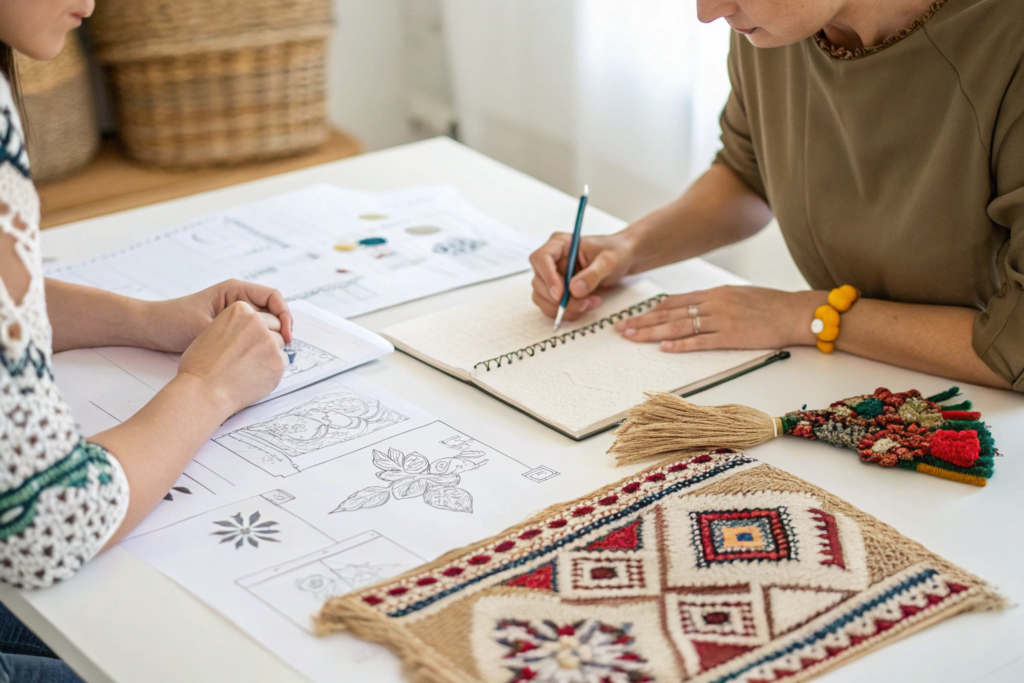
A respectful design collaboration involves open communication and mutual learning. Share your sketches and your vision with the artisans. Explain what you are inspired by. Then, listen to their feedback. They may have insights into which traditional techniques would work best, which colors are most authentic, or how a design could be adapted to be more suitable for their methods. They may even suggest incorporating elements you hadn’t considered. This is not a one-way street. It is a partnership where both sides contribute their expertise. The result is a design that is both fresh and deeply rooted in tradition.
This collaborative process also helps to ensure the final product is of the highest quality. The artisans know their materials and their techniques intimately. They can advise on what is feasible and what will work best. They might suggest a different type of thread for an embroidery, or a slightly different weave for a textile, that will result in a more durable and beautiful final product. This collaboration also builds a deeper connection between you and the makers. They become invested in the success of the collection. They are not just fulfilling an order; they are co-creating something they are proud of. This is the essence of collaborative design and co-creation. At Shanghai Fumao Clothing, we facilitate this kind of collaboration, acting as a bridge between our clients’ design vision and the deep well of traditional craftsmanship.
What if my design is a modern interpretation of a traditional motif? Is that okay?
Yes, this is often the most successful and respectful approach. You are not copying a sacred or culturally significant design outright. You are taking inspiration from it—its colors, its patterns, its spirit—and creating something new. This is a form of homage and celebration. The key is to be transparent about your inspiration and to ensure the originating culture is acknowledged and benefits from the collaboration.
How do I protect my designs while collaborating?
This is a valid concern. You should have a clear agreement with your supplier from the outset. This agreement should specify that the designs are your intellectual property and are for your exclusive use. A reputable, professional supplier will understand and agree to this. It is part of building a trustworthy, long-term partnership.
How Do You Build a Long-Term, Sustainable Partnership?
Sourcing culturally-inspired accessories is not a one-off transaction. It is a relationship. The most successful and meaningful projects are built on long-term partnerships. When you commit to working with a community of artisans over many seasons, you provide them with stability, fair income, and a reason to continue their traditions. This is where the true power of ethical sourcing is realized.
Building a long-term partnership means consistency and commitment. It means placing regular orders, not just one-offs. It means communicating openly, sharing your plans for future collections, and asking for their input. It means paying fairly and on time. It means celebrating their work and telling their story to your customers. Over time, this relationship deepens. The artisans come to understand your aesthetic. You come to understand their capabilities. The collaboration becomes more seamless and more creative. This is not just good ethics; it is good business. A stable, loyal supplier who is invested in your success is an invaluable asset.
This long-term approach also allows for growth and evolution. You might start with a small collection of one type of accessory. As your partnership strengthens, you can explore new designs, new techniques, and new product categories together. The artisans can invest in new tools or train new apprentices, knowing they have a reliable partner. This creates a virtuous cycle of growth and sustainability. It also gives you a powerful and authentic marketing story. Your customers are not just buying a product; they are supporting a community and a living tradition. This connection is incredibly powerful and builds deep brand loyalty. This is a core principle of sustainable business and conscious capitalism. At Shanghai Fumao Clothing, we believe in this long-term, partnership-based approach. We are not just a factory; we are a collaborator, committed to the success of our clients and, by extension, to the communities they choose to work with.

What if my sales are seasonal? How can I provide consistent orders?
This is a common challenge. Even if your main sales are seasonal, you can work with your supplier to plan for a steadier workflow. You might place a larger order for the peak season and then smaller, "fill-in" orders for the rest of the year. You can also explore developing a "core collection" of classic, year-round styles to complement your seasonal offerings. Open communication about your sales patterns helps your supplier plan their own production and labor.
How do I tell my customers about the artisans without making it seem like a marketing gimmick?
Authenticity is key. Share the story in a genuine, respectful way. Use the artisans’ own words if possible. Include photos of them at work. Focus on their skill, their pride in their craft, and the tradition they are carrying forward. Let your customers see the human connection behind the product. This is not a gimmick; it is a beautiful part of your brand’s story. When it’s done with genuine respect, customers will respond positively.
Conclusion
Finding a supplier for accessories with cultural or ethnic designs is a journey of respect, research, and relationship-building. It is about moving beyond the typical buyer-supplier dynamic and towards a true partnership. It means sourcing from the region of origin, vetting for ethical practices, collaborating on design with humility and openness, and committing to a long-term relationship that benefits everyone involved. The reward is not just a beautiful product, but a meaningful connection to a living culture and a story you can be proud to share.
At Shanghai Fumao Clothing, we understand the sensitivity and importance of this work. While we are a modern manufacturing facility, we have deep roots in a country with immense cultural and ethnic diversity. We have experience working with traditional craftspeople and can help our clients navigate the complexities of sourcing culturally-inspired designs with integrity. We believe that business can be a force for cultural preservation and respect.
Are you ready to create a collection that honors tradition while celebrating contemporary style? Let’s build a partnership based on respect and collaboration. Contact our Business Director, Elaine, at elaine@fumaoclothing.com to start the conversation.