I learned about glove fabrics from a customer who couldn’t find gloves that worked for her. She lived in a cold climate but needed to use her phone throughout the day. Existing gloves were either too bulky or not warm enough. She needed something in between. Lightweight but warm. Flexible but protective. That conversation started a journey into understanding the science of lightweight winter gloves.
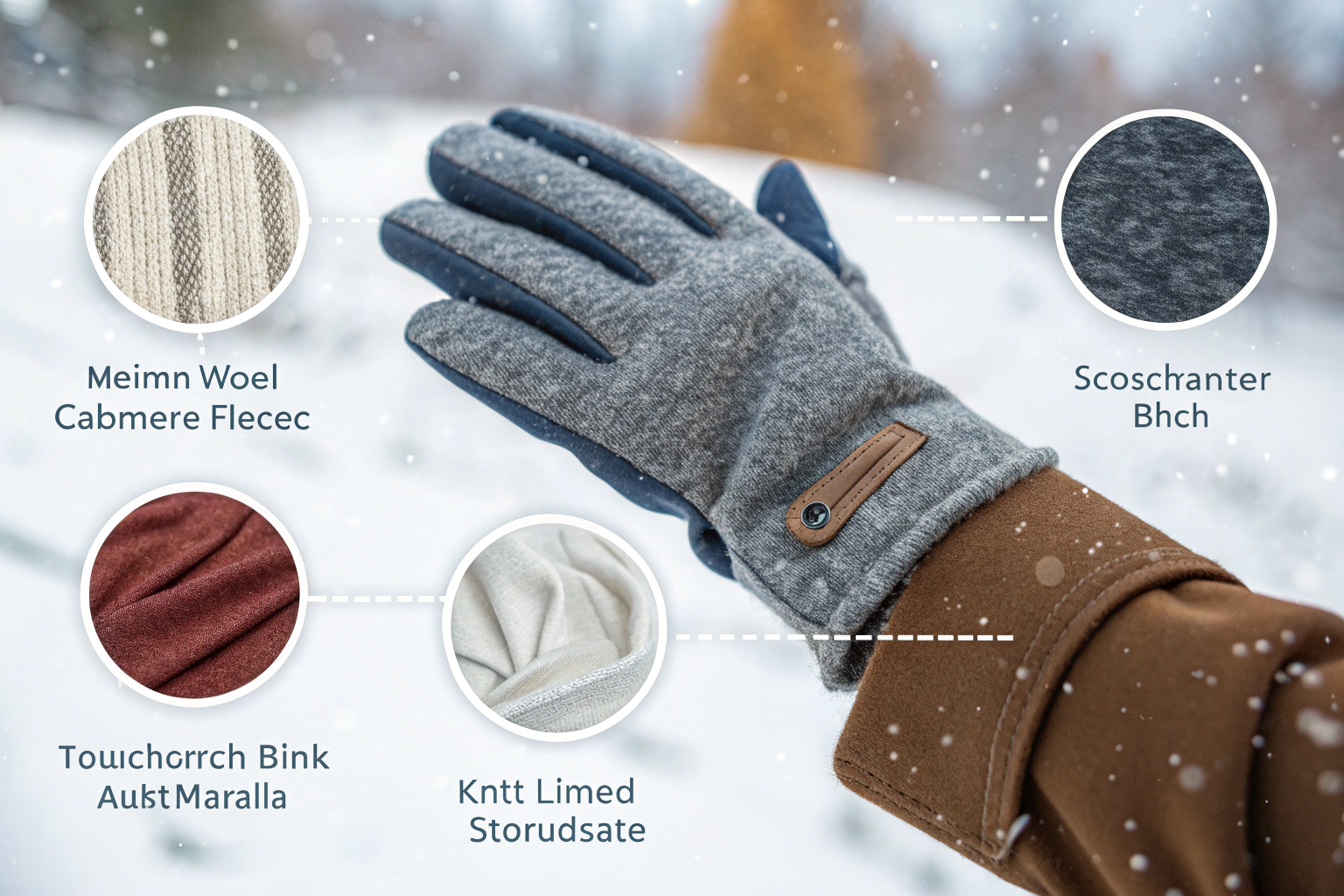
The best fabrics for lightweight winter gloves include merino wool for warmth and breathability, cashmere blends for luxury and softness, fleece for insulation and flexibility, lined knits for everyday wear, and specialized materials with touchscreen compatibility. Each offers different benefits in terms of warmth, dexterity, and comfort.
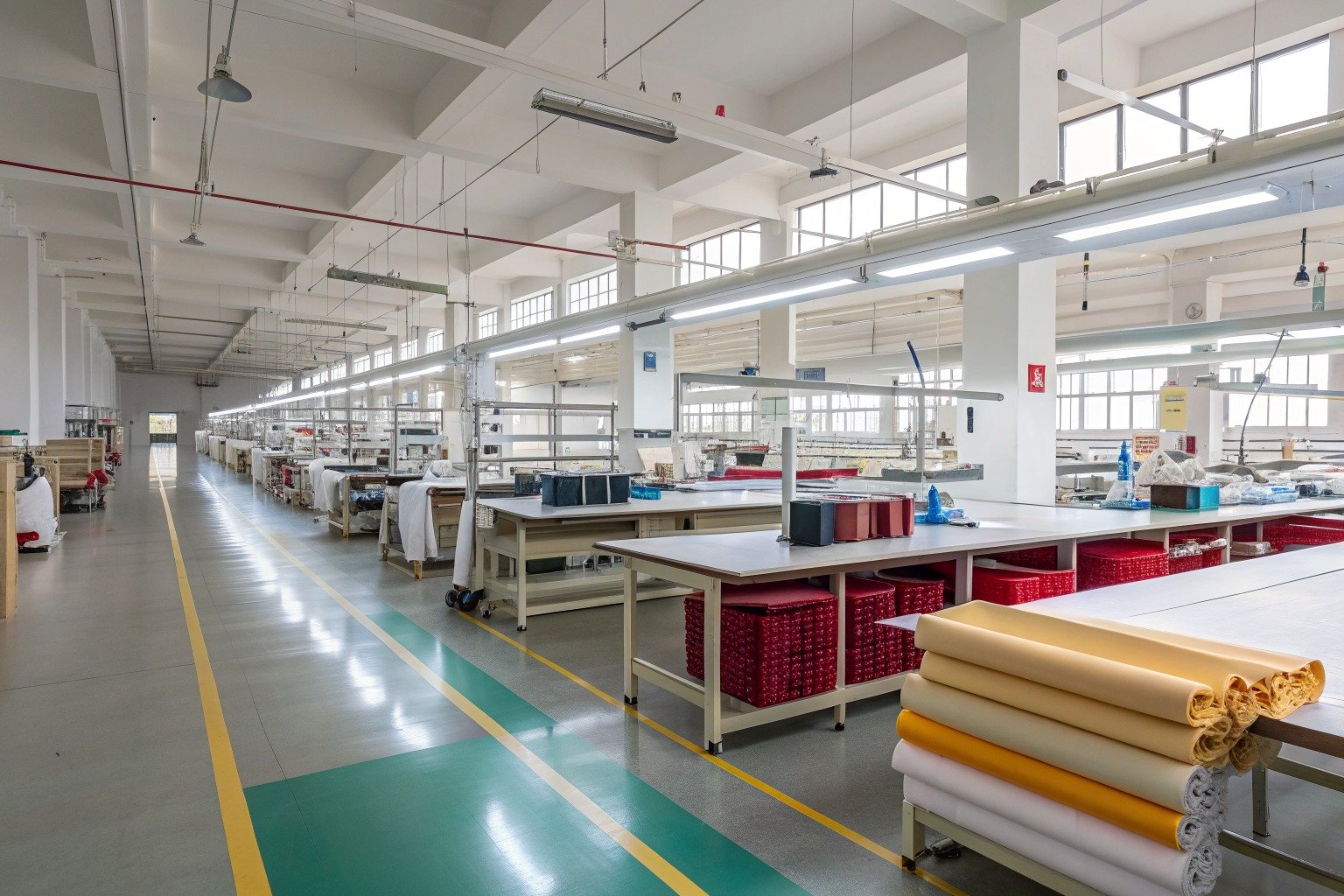
I’m the owner of Shanghai Fumao Clothing, and we run AceAccessory. We’ve made thousands of gloves for all kinds of conditions. Let me share what we’ve learned about lightweight options.
Why choose lightweight gloves over heavy ones?
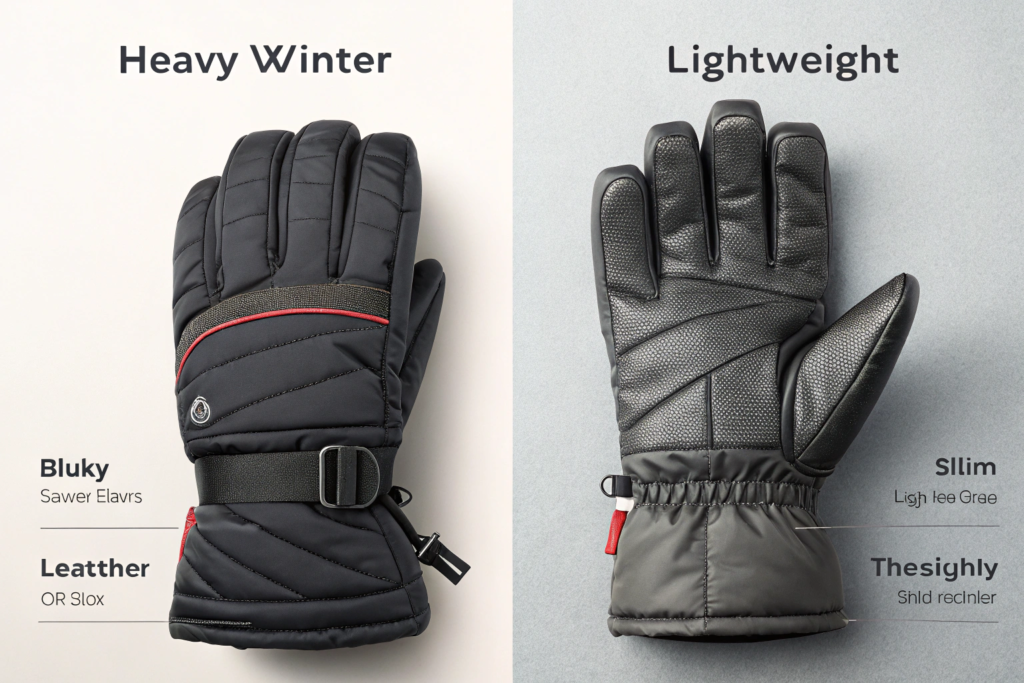
Heavy gloves have their place. For extreme cold, nothing beats insulation. But for most daily winter use, lightweight gloves are better. They allow dexterity. You can still use your phone, grab keys, handle packages. They’re easier to carry when not in use. They look less bulky with stylish coats.
The key is finding the right balance. Warm enough for the conditions, but not so thick that you lose function. Modern fabrics make this possible in ways that weren’t available years ago. This balance is something Shanghai Fumao Clothing considers in every glove design.
What temperature range are lightweight gloves suitable for?
It depends on the fabric and your personal cold tolerance. Generally, lightweight gloves work well from just above freezing down to about 20°F (-6°C). Below that, you may need something warmer. But with the right materials, some lightweight gloves can handle even colder conditions. This temperature guide helps you choose.
How do you balance warmth with dexterity?
Dexterity comes from flexibility and thinness. The fabric needs to be thin enough to allow movement but insulating enough to trap heat. This is where modern materials excel. Merino wool, for example, is naturally insulating even when thin. The construction also matters. Seamless knitting reduces bulk at the fingers. This design approach creates gloves that are both warm and functional.
What makes merino wool ideal for lightweight gloves?
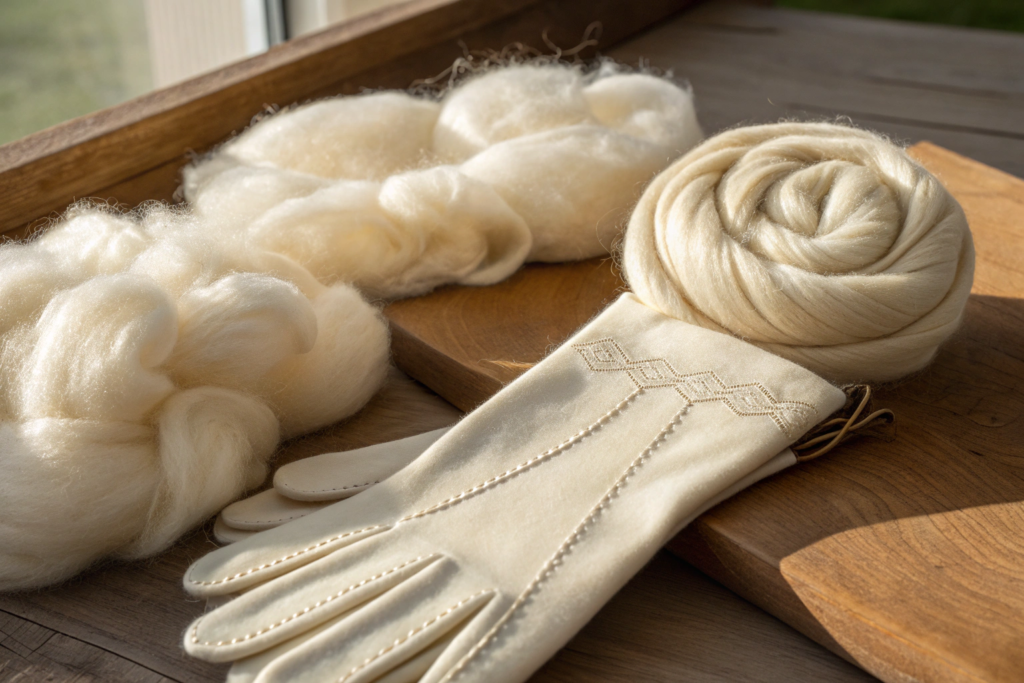
Merino wool is nature’s high-performance fiber. It’s soft enough to wear against skin. It insulates even when wet. It breathes to prevent sweat buildup. And it’s naturally odor-resistant. For lightweight gloves, it’s hard to beat.
The key is the fineness of the fibers. Merino wool is much finer than traditional wool. It doesn’t itch. It’s comfortable for hours. And it can be knit into thin, flexible gloves that still provide surprising warmth.
What micron count indicates quality merino?
Micron measures fiber thickness. Lower numbers mean finer, softer wool. For gloves, look for 18-20 micron merino. This is soft enough for comfort but durable enough for wear. Superfine merino (under 18 micron) is even softer but more delicate. We source premium merino from trusted suppliers.
How warm is merino wool relative to its weight?
Merino is incredibly efficient. It traps air in its fibers, creating insulation. A thin merino glove can be as warm as a thicker synthetic glove. The wool also manages moisture, keeping hands dry and comfortable. This thermal efficiency makes merino perfect for lightweight gloves.
What about cashmere and other luxury blends?
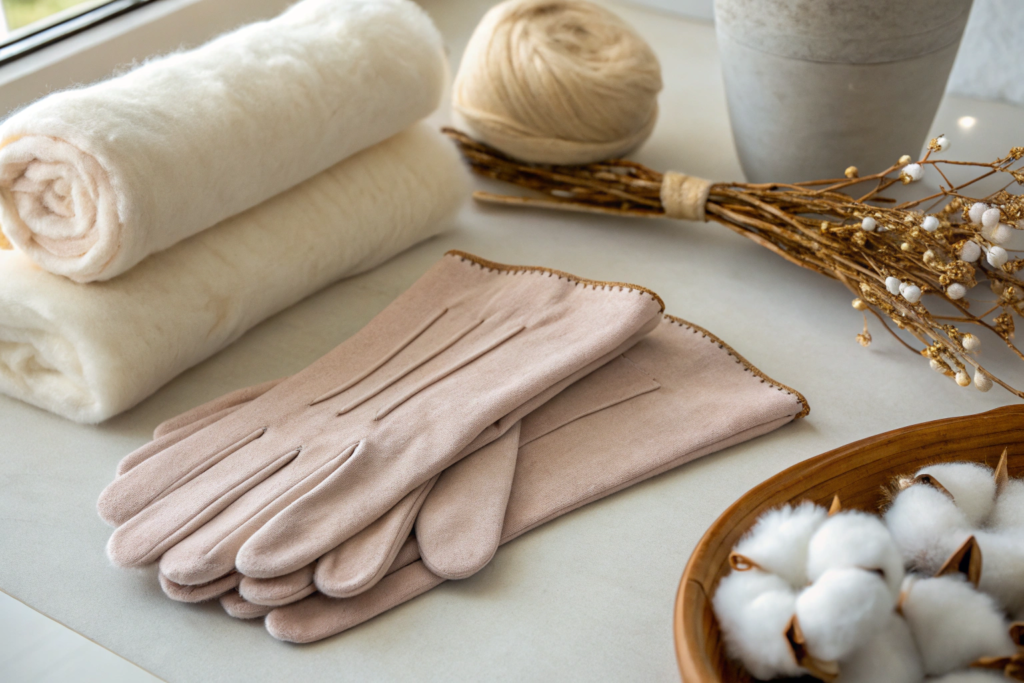
Cashmere is the ultimate luxury. It’s incredibly soft and lightweight. It’s warmer than wool for the same weight. But it’s also more delicate and expensive. For gloves that feel amazing against skin, cashmere is hard to beat.
Many gloves use cashmere blends. Mixing cashmere with wool or silk reduces cost while maintaining softness. Nylon can be added for durability. These blends offer a good balance of luxury and practicality.
Is pure cashmere worth the extra cost?
For pure luxury, yes. Pure cashmere gloves are incredibly soft and comfortable. They’re perfect for dress occasions and mild cold. But they’re delicate. They may not hold up to daily wear as well as blends. For everyday use, a cashmere blend often makes more sense. We offer both pure and blended options to suit different needs.
How do cashmere blends compare to pure cashmere?
Blends are more durable and often less expensive. A cashmere-wool blend retains much of the softness with added strength. Cashmere-silk blends are even softer but more delicate. Cashmere-nylon blends are very durable. The right choice depends on how you’ll use the gloves. This fiber guide helps you decide.
What fleece options work for lightweight gloves?
Fleece is a synthetic option that works well for lightweight gloves. It’s soft, warm, and dries quickly. It’s less expensive than natural fibers. And it can be engineered for specific properties like wind resistance or stretch.
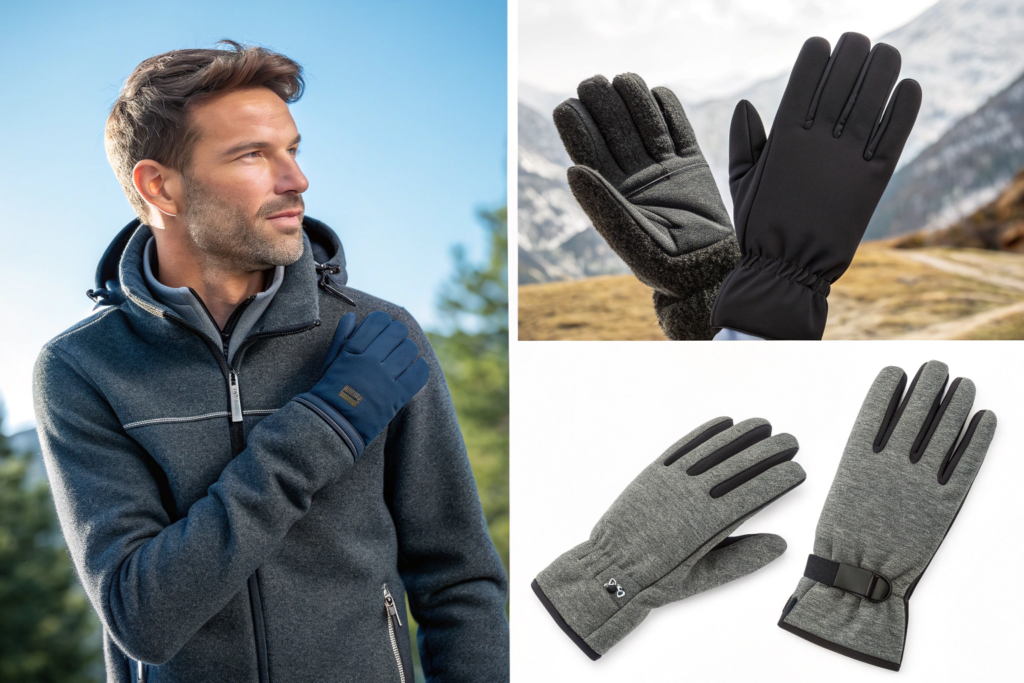
Microfleece is the thinnest option, great for mild cold and high dexterity. Mid-weight fleece offers more warmth while remaining flexible. Some fleece gloves have a smooth exterior for a more polished look.
What is microfleece and when should you use it?
Microfleece is an ultra-thin, soft fleece fabric. It’s perfect for gloves when you need minimal bulk. Great for cool fall days, for driving, for using your phone. It’s also excellent as a liner under heavier gloves for extreme cold. This fleece guide explains the options.
How does fleece compare to wool for warmth?
Wool is generally warmer for the same thickness. It also insulates when wet, which fleece doesn’t. But fleece dries faster and is often less expensive. For dry conditions and moderate cold, fleece works well. For damp cold, wool is better. This comparison helps you choose based on conditions.
What about lined knit gloves for everyday wear?
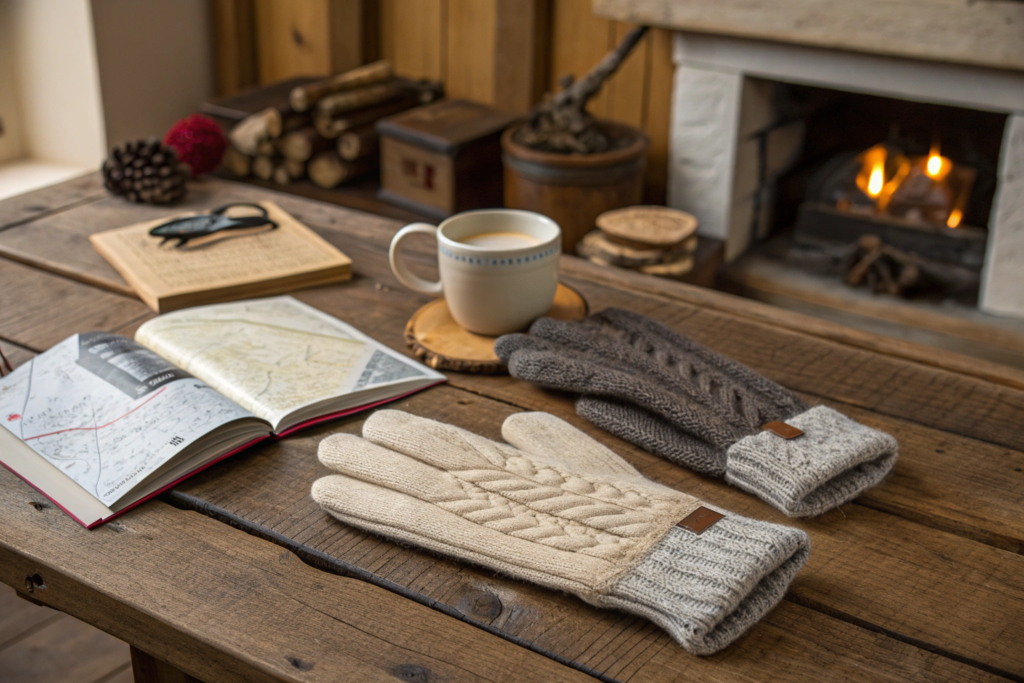
Knit gloves are classic winter wear. But traditional knit gloves aren’t very warm. The solution is lining. A knit exterior for style, plus a warm lining for insulation. This combination creates gloves that look good and keep hands warm.
Linings can be fleece, wool, or synthetic materials. The knit exterior can be wool, cotton, or acrylic. The combination allows for many style options while maintaining function.
What lining materials are warmest?
Fleece is a common lining that adds significant warmth. Wool or cashmere linings are even warmer but more expensive. Some gloves use a brushed interior, which is the same fabric but with raised fibers for warmth. The warmest options combine a wind-resistant exterior with a thick, insulating lining. This lining guide helps you choose.
How do you care for lined knit gloves?
Care depends on the materials. Many lined gloves can be hand washed in cool water and laid flat to dry. Some may be dry clean only. Always check the care label. Avoid machine washing, which can shrink or damage both the knit and the lining. We provide care instructions with every pair.
Conclusion
The best fabrics for lightweight winter gloves depend on your needs. Merino wool offers natural warmth and breathability. Cashmere provides luxury and softness. Fleece is practical and affordable. Lined knits combine style with function. Touchscreen compatibility adds modern convenience. Consider your climate, your activities, and your style preferences.
At shanghai Fumao, we make lightweight winter gloves in all these materials. We understand the science of warmth and the importance of dexterity. Our gloves are designed to keep hands comfortable without sacrificing function. If you’re looking for lightweight winter gloves, let’s talk. Reach out to our Business Director, Elaine, at elaine@fumaoclothing.com. She’ll connect you with a project manager who can help you find the perfect gloves for your needs.