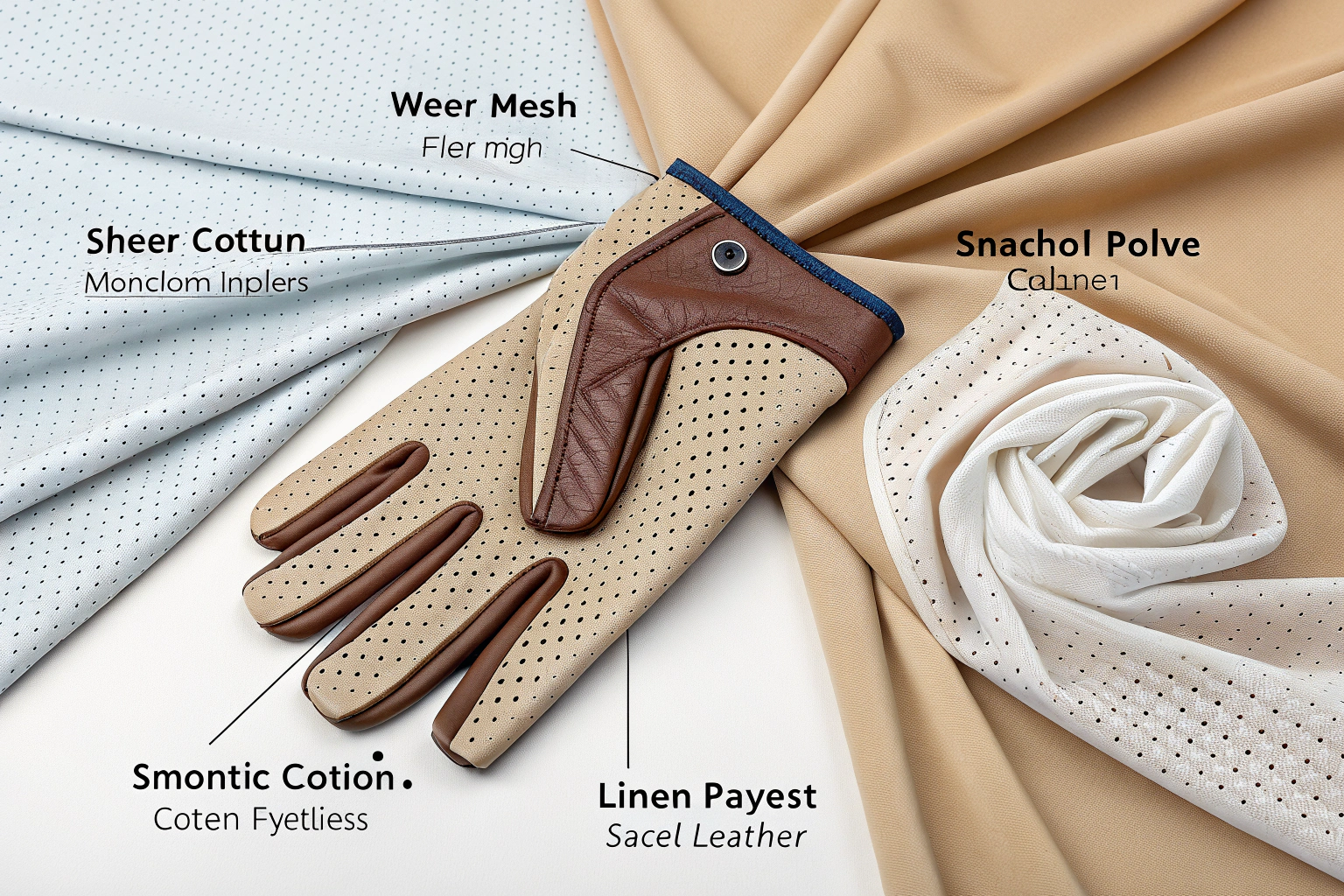
You're driving in the summer sun, and your hands are sweating inside your gloves. You're cycling, and your palms feel clammy and slippery. You need gloves for sun protection, grip, or style, but the thought of hot, uncomfortable hands is a major deterrent. This is the classic summer glove dilemma: finding a balance between necessary coverage and unbearable heat. The solution lies not in avoiding gloves, but in choosing the right breathable fabrics engineered for comfort in warm conditions.
The best fabrics for breathable and comfortable summer gloves are lightweight, moisture-wicking synthetics like polyester and nylon mesh, natural fibers with excellent airflow like linen and lightweight cotton, and innovative hybrid blends that combine cooling technologies with stretch and durability. These materials actively manage heat and moisture, moving perspiration away from the skin to the fabric's outer surface where it can evaporate, keeping hands dry and cool. At Shanghai Fumao Clothing, we specialize in sourcing and constructing with these performance fabrics to create gloves that are protective without being oppressive.
Let's explore the specific fabric technologies and constructions that make summer gloves a practical and comfortable choice rather than a sweaty inconvenience.
Why Are Synthetic Performance Fabrics Leading the Category?
When you think of breathability, natural fibers might come to mind first, but modern synthetic textiles have been specifically engineered to outperform them in active scenarios. These fabrics are designed at the molecular and structural level to manage moisture and heat with unparalleled efficiency.
Synthetic performance fabrics lead in breathability for summer gloves due to their engineered moisture-wicking properties, ability to be woven into ultra-lightweight and open constructions (like mesh), and their quick-drying nature which prevents the clammy feeling of saturated fabric. Polyester, often derived from recycled materials (rPET), is the cornerstone. It doesn't absorb moisture like cotton; instead, it transports it. The fibers are shaped or treated to pull sweat from the skin through capillary action and spread it across a larger surface area for rapid evaporation. Nylon adds durability and a soft hand-feel, making it ideal for gloves that also require abrasion resistance.
How Does Mesh Fabric Provide Maximum Airflow?
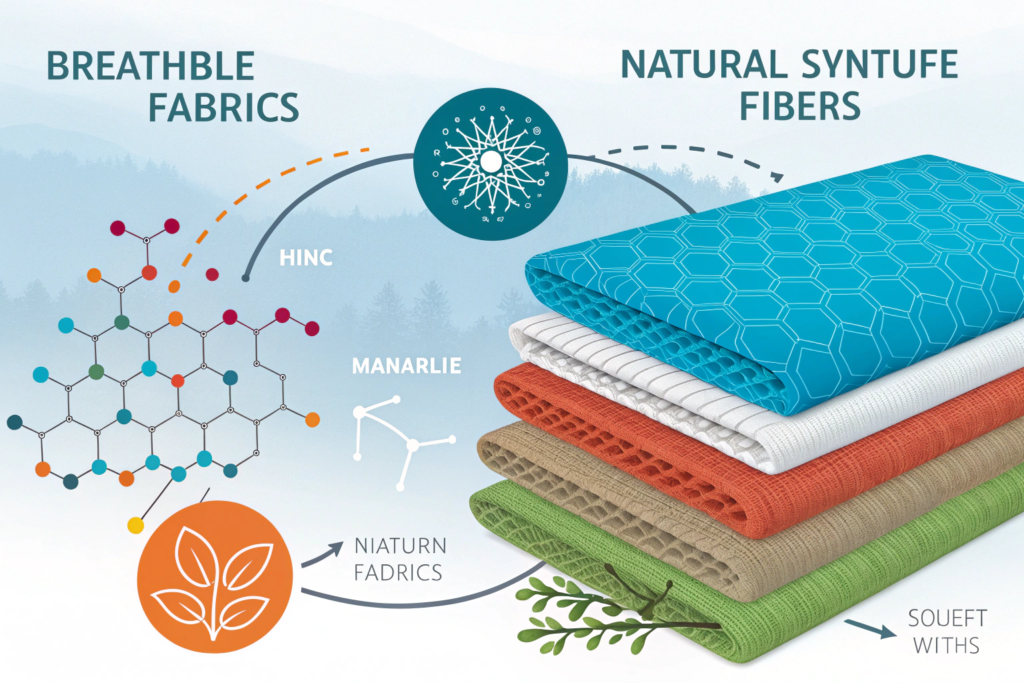
Mesh fabric is the ultimate solution for targeted ventilation. It is a knitted fabric characterized by a grid-like pattern of open spaces between yarns. In summer gloves, mesh is strategically placed on the back of the hand and between fingers—areas with high sweat production and low need for padding. This open structure allows for convective cooling, where air can freely circulate over the skin, carrying away heat and moisture. Advanced mesh can be made from mono-filament yarns that are incredibly thin and smooth, reducing friction and further enhancing comfort. For driving or cycling gloves, mesh panels are essential to prevent the "greenhouse effect" inside the glove.
What are "Cooling" Technologies in Synthetics?
Beyond basic wicking, advanced cooling technologies are being integrated:
- Phase-Change Materials (PCMs): Microcapsules embedded in the fibers that absorb excess heat from the skin, storing it and releasing it when the hand cools, maintaining a stable temperature.
- Moisture-Wicking Treatments: Permanent finishes applied to the fabric (like wicking agents) that enhance the inherent capillary action.
- UV-Blocking Fibers: Polyester inherently blocks more UV radiation than cotton, and it can be further enhanced with additives to provide a consistent UPF (Ultraviolet Protection Factor) of 50+ without the need for chemical coatings that can reduce breathability.
These technologies transform a simple synthetic glove into an active cooling system, a key selling point for performance and outdoor markets.
How Do Natural Fibers Contribute to Breathable Comfort?
For less strenuous, more fashion-oriented, or sensitive-skin applications, natural fibers offer a classic, reliable breathability rooted in the inherent properties of the materials themselves. They provide a different type of comfort that is highly valued in certain contexts.
Natural fibers like linen, lightweight cotton, and silk contribute to breathable comfort through their hollow fiber structures that facilitate air circulation, their high moisture absorption, and their soft, non-irritating hand-feel that is ideal for sensitive skin or all-day casual wear. These fibers are inherently temperature-regulating. They absorb perspiration, which is a cooling process in itself (evaporative cooling), though they dry slower than synthetics. This makes them perfect for situations where extreme sweat isn't a factor but all-day comfort and style are priorities, such as in fashion driving gloves or sun-protection gloves for gardening.
Why is Linen Considered the "King of Summer Fabrics"?
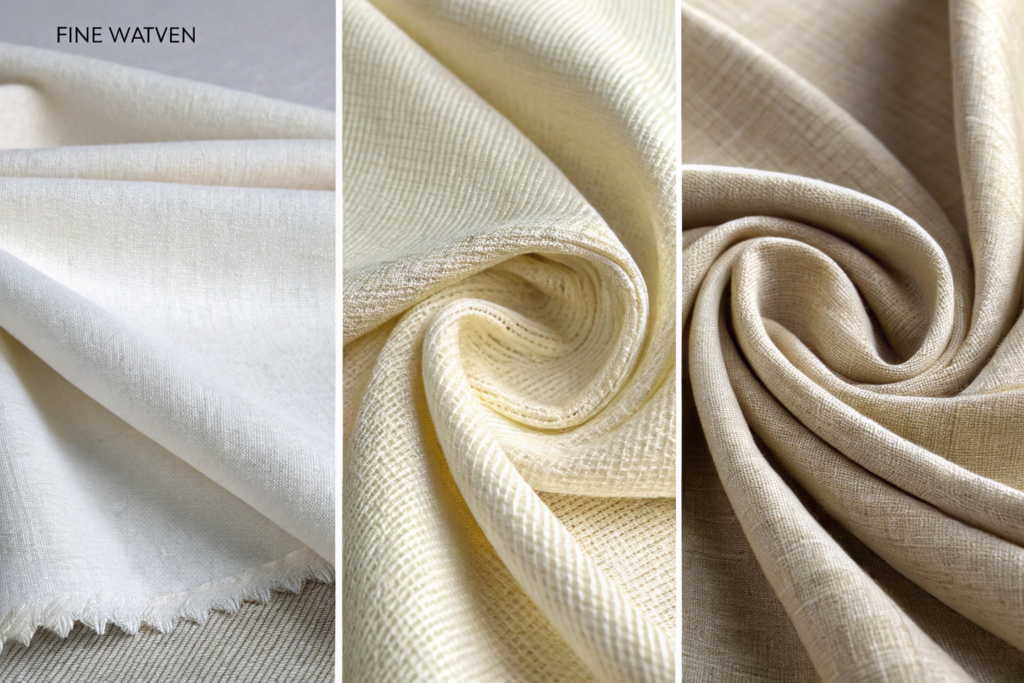
Linen, made from the flax plant, is renowned for its exceptional breathability. Its fibers are hollow and highly absorbent, capable of taking up to 20% of their weight in moisture before feeling damp. The typical loose weave of linen fabric creates constant micro-airflow. While pure linen can be crisp and may wrinkle, in a summer glove it provides unmatched coolness and a distinctive, relaxed aesthetic. For a more refined feel, linen is often blended with cotton or rayon to improve drape and reduce wrinkling while maintaining most of its cooling properties.
Are There Drawbacks to All-Natural Fabrics for Active Use?
Yes, for high-activity scenarios, pure natural fabrics have limitations:
- Slow Drying: Once saturated with sweat, cotton and linen can stay wet, leading to a clammy feel and potential chafing.
- Lower Durability: Natural fibers are generally less abrasion-resistant than synthetics like nylon. A cotton gardening glove will wear out faster than a synthetic-leather palmed one.
- Loss of Shape: When wet, cotton can stretch and lose its shape, affecting the fit of a fitted glove.
Therefore, the choice between natural and synthetic often comes down to the primary use case: high-output activity (choose synthetics) vs. low-output, style-focused wear (choose natural fibers or blends).
What Role Do Blends and Hybrid Constructions Play?
The most innovative and effective summer gloves rarely use a single fabric throughout. Instead, they employ strategic hybrid constructions that place the right material in the right place to optimize overall performance, comfort, and durability.
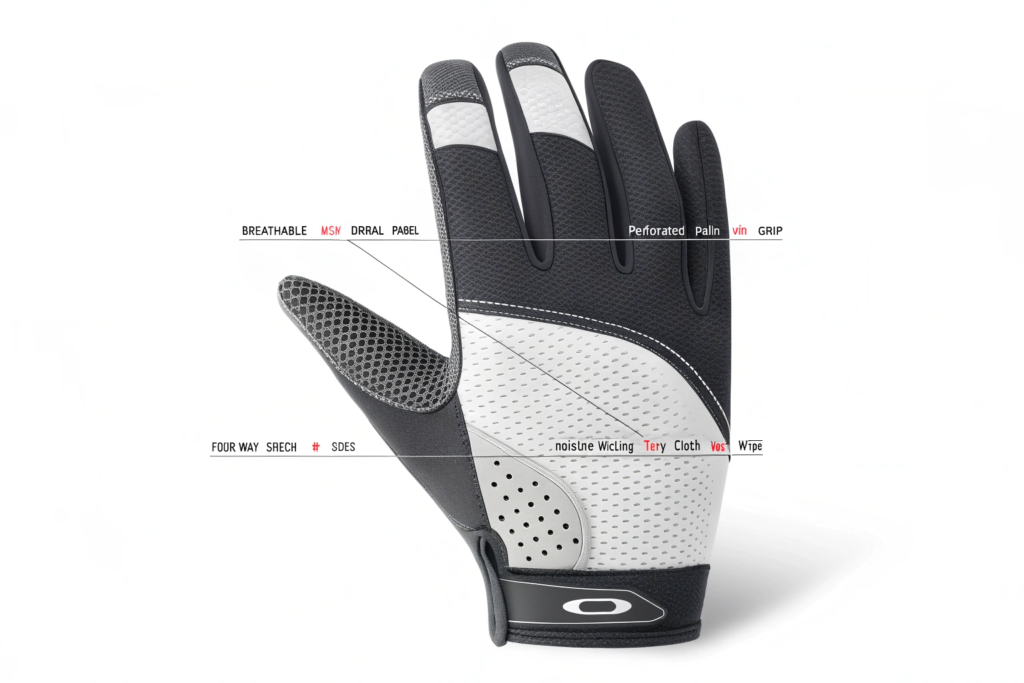
Blends and hybrid constructions allow manufacturers to combine the strengths of different fibers and fabrics: using breathable mesh on the top for ventilation, durable synthetic leather or silicone grips on the palm for abrasion resistance, and moisture-wicking stretch fabrics on the sides for a secure, comfortable fit. For example, a top-tier cycling glove might have a polyester-spandex mesh back, perforated synthetic leather palms with silicone grip prints, and terry cloth thumbs for wiping sweat. This zoning approach is critical for creating a glove that is truly functional and comfortable for specific activities.
How is Stretch Integrated for Comfort and Fit?
A glove that doesn't fit perfectly will cause discomfort and reduce effectiveness. Four-way stretch fabrics (often a nylon-spandex or polyester-spandex knit) are essential. They allow the glove to conform to the complex contours of the hand without restricting movement or creating pressure points. This stretch is often integrated into the sides of the fingers and the back of the hand, complementing the less-stretch but more durable materials in the palm. The spandex content (usually 5-15%) provides the recovery needed to maintain the glove's shape over time.
What about the Palm? Can it Be Both Durable and Breathable?
The palm requires durability, grip, and breathability—a challenging combination. Solutions include:
- Perforated Synthetic Leather (Microfiber): Leather is punched with micro-perforations to allow some airflow while maintaining a protective, grippy surface.
- Silicone or Gel Grip Prints: Instead of covering the entire palm with leather, silicone patterns are printed onto a breathable fabric base. This provides high-friction grip points while leaving most of the palm area open for breathability.
- Abrasion-Resistant Mesh: For lighter-duty applications, a tighter, more robust mesh can be used on the palm.
The goal is to maximize the breathable surface area without compromising the glove's primary function (e.g., grip on a steering wheel or handlebars).
How to Evaluate and Specify Summer Glove Fabrics as a Buyer?
As a retailer or brand, selecting the right fabric is a technical decision that impacts customer satisfaction, product longevity, and market positioning. You need to move beyond generic descriptions and evaluate based on data and intended use.
To evaluate and specify summer glove fabrics, request and review fabric technical data sheets (TDS), insist on physical sample testing for breathability and wicking, and clearly define the target activities and environmental conditions in your product brief. Key specifications to ask your manufacturer for include: Fabric Weight (in grams per square meter - GSM; lighter is generally more breathable), Air Permeability (a measured value, often in cfm), Moisture Vapor Transmission Rate (MVTR), and UPF Rating. At Shanghai Fumao Clothing, we provide this data to clients to inform their selection and validate performance claims.

What Simple Tests Can You Perform on a Sample?
Before ordering bulk, conduct these real-world tests on a glove or fabric sample:
- The Breathability Test: Hold the fabric tightly over your mouth and try to blow air through it. You should feel little resistance with a truly breathable fabric.
- The Wicking Test: Place a drop of water on the fabric's inner surface. A good wicking fabric will quickly spread the droplet outwards and begin pulling it through to the other side, rather than letting it bead up on the surface.
- The Stretch and Recovery Test: Stretch the fabric in all directions. It should offer even resistance and snap back immediately without lingering deformation.
- The "In-Hand" Test: Simply wear the sample glove for 15-30 minutes in a warm environment. Note any buildup of heat or moisture.
How Do You Communicate This in a Tech Pack?
Your technical pack must specify fabrics with precision. Instead of "breathable fabric," write:
- Dorsal (Topside): 85% Recycled Polyester / 15% Spandex Mesh, 120 GSM, UPF 50+.
- Palm: 1.2mm Perforated PU Synthetic Leather, 20% open area.
- Side Panels: 92% Nylon / 8% Spandex Four-Way Stretch Knit.
- Lining: None (for maximum breathability) OR Moisture-Wicking Polyester Tricot.
- Performance Finish: DWR (Durable Water Repellent) on dorsal fabric.
This level of detail ensures your manufacturer sources the correct materials and delivers a product that meets your functional expectations.
Conclusion
The quest for breathable and comfortable summer gloves is decisively won by intelligent fabric selection and construction. Synthetic performance fabrics like polyester and nylon mesh offer superior active moisture management for sports and high-exertion activities. Natural fibers like linen and fine cotton provide classic, skin-friendly comfort for casual and fashion-focused wear. The most successful products on the market today are hybrids, strategically combining these materials in a zoned construction that delivers targeted breathability, durable grip, and perfect fit.
For brands, this represents an opportunity to cater to specific niches—from the serious cyclist to the style-conscious driver—with products that solve a real problem. The key is to understand the user's activity level and environmental needs, then engineer the glove fabric accordingly, using quantifiable performance metrics to guide development.
Ready to develop a line of summer gloves that your customers will reach for instead of avoid? Contact our Business Director, Elaine, at elaine@fumaoclothing.com to discuss how we can source and construct with the ideal breathable fabrics for your specific application. Let Shanghai Fumao Clothing help you create gloves that are cool, comfortable, and perfectly suited for the season.