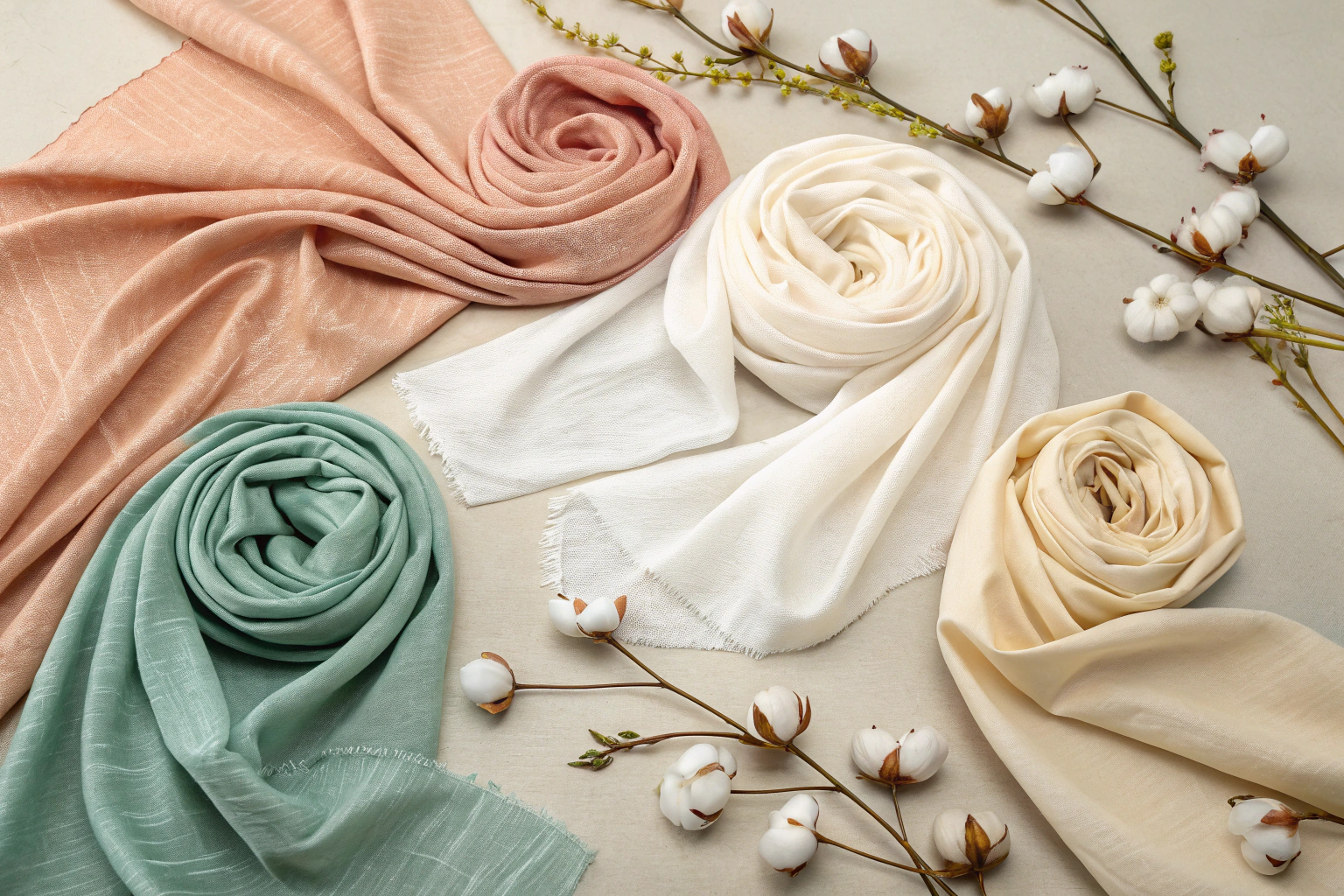
You’re curating your seasonal accessory line. For spring and fall, you need scarves that are more than just decorative; they must be functional, providing just the right amount of warmth without causing overheating or discomfort. The wrong material can feel stifling, itchy, or too heavy, leading to customer returns and negative reviews. So, how do you select scarf fabrics that offer stylish versatility and genuine breathable comfort for the shoulder seasons?
The most breathable scarf materials for spring and fall are natural fibers and specific lightweight synthetics that allow air circulation, manage moisture, and feel comfortable against the skin. The top performers are Linen, Cotton (especially gauze, voile, or jersey knits), Silk, Lightweight Wool blends (like Merino), and high-quality Rayon/Viscose. These fabrics possess inherent properties like moisture-wicking, temperature regulation, and porous weaves that make them ideal for fluctuating temperatures.
Choosing the right material isn’t just about fiber content; it’s about understanding the fabric’s weight, weave, and finish. This guide will break down the science and sensation behind each recommended material, helping you make informed decisions that enhance your product’s appeal and wearability. As a manufacturer like Shanghai Fumao Clothing, we work with these materials daily and understand how to source and finish them for optimal seasonal performance.
Why is Fiber Choice Critical for Seasonal Breathability?
Breathability is not a marketing term; it’s a measurable physical property. It refers to a fabric’s ability to allow air and moisture vapor (sweat) to pass through it. In spring and fall, your body temperature fluctuates. A breathable scarf acts as a buffer, preventing you from getting too cold in the wind or too warm in the sun. Which fiber properties create this effect?
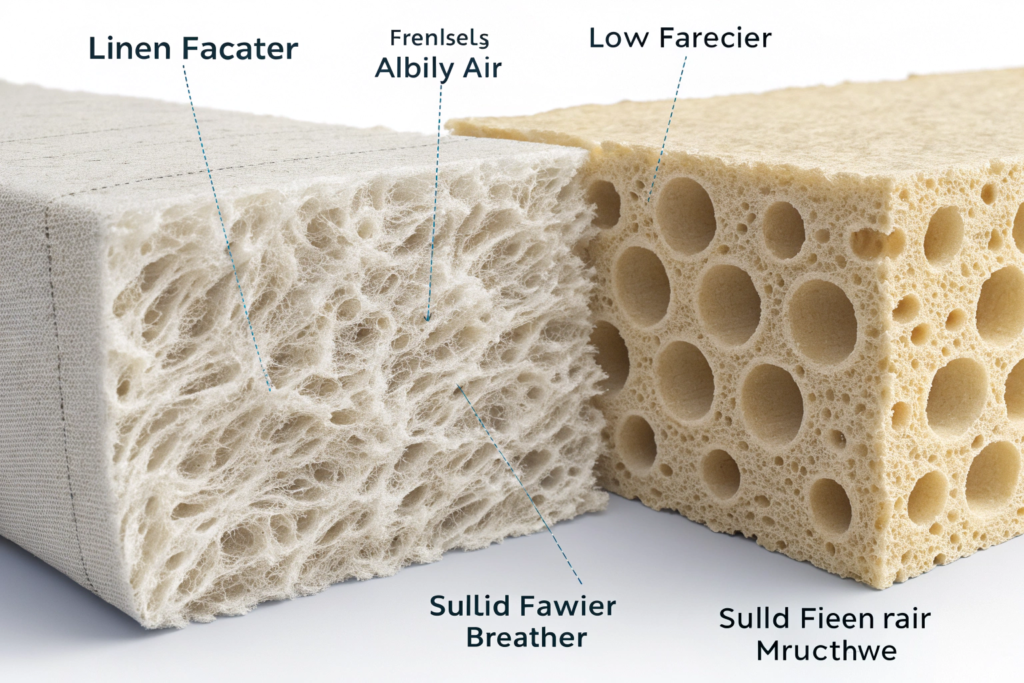
Breathability is determined by the fiber’s hygroscopicity (moisture absorption), the fabric’s construction (weave/knit density), and its weight (GSM – grams per square meter). Natural fibers typically have a hollow or irregular structure that traps air (for insulation) and readily absorbs moisture, which then evaporates, creating a cooling effect. Light weaves like plain weave, gauze, or jersey further enhance airflow. The goal is to avoid non-porous, heavy, or tightly woven fabrics that trap heat and humidity next to the skin.
How Do Natural Fibers Like Linen and Cotton Manage Moisture?
Linen, made from flax fibers, is the champion of breathability. Its long, thick fibers create a fabric with a naturally loose weave and high porosity, allowing maximum airflow. It is also highly absorbent, pulling moisture away from the skin quickly and drying fast, preventing that damp, clammy feeling. Cotton is similarly absorbent and soft. For breathability, look for lightweight cotton constructions: cotton gauze (a loose, open weave), cotton voile (sheer and plain-woven), or cotton jersey (a single-knit that stretches and breathes). According to textile resources like The Textile Institute, these natural cellulosic fibers are unmatched for comfort in moderate climates.
Can Synthetic or Man-Made Fibers Ever Be Breathable?
Traditional, low-quality polyester is notorious for being non-breathable. However, advanced synthetic and regenerated fibers can be engineered for breathability. High-quality Microfiber Polyester can be woven into very fine, lightweight fabrics that wick moisture. Rayon/Viscose (made from wood pulp) is a semi-synthetic that is highly breathable, absorbent, and has excellent drape, making it a popular choice for fluid, lightweight scarves. Tencel™ Lyocell (a type of rayon) is exceptionally breathable, moisture-wicking, and produced sustainably. The key is to avoid cheap, densely woven polyesters and specify lightweight, porous constructions when using man-made fibers.
What Are the Top Material Choices for Spring and Fall Scarves?
Now let’s apply the principles of breathability to specific, commercially viable scarf materials. Each offers a unique combination of feel, drape, aesthetic, and functional benefits. What are the standout options for your collection?
The top material choices can be categorized by their primary feel and use-case: 1. The Crisp & Cool Classic (Linen), 2. The Soft & Versatile Everyday (Cotton), 3. The Light & Lustrous Elegant (Silk), 4. The Warm-but-Breathable Essential (Lightweight Wool), and 5. The Drapy & Printed Favorite (Rayon). Offering a range within your line caters to different customer preferences and styling needs.

Why is Linen the Ultimate Choice for Transitional Weather?
Linen’s benefits are perfectly suited for spring and fall:
- Temperature Regulation: Its high breathability and heat conductivity mean it feels cool to the touch in warmer moments and provides gentle insulation when it’s cooler.
- Moisture Management: It can absorb up to 20% of its weight in moisture without feeling damp, making it ideal for unpredictable days.
- Durability & Texture: It gets softer with every wash and its characteristic slubs and wrinkles add a relaxed, artisanal texture. For scarves, look for plain weave linen or linen-cotton blends (e.g., 55% linen/45% cotton) which soften the feel while retaining breathability. It’s the ideal material for oversized, drapey scarves and shawls.
How Can Lightweight Wool Be a Breathable Option?
The word "wool" might evoke winter, but fine, lightweight wools are exceptional for cooler spring/fall days. Merino Wool is the gold standard. Its fibers are much finer and smoother than traditional wool, making it soft, non-itchy, and incredibly breathable. Merino naturally wicks moisture and regulates temperature; it keeps you warm in a breeze but won’t overheat you. Look for Merino wool gauze, lightweight jersey knits, or fine woven challis in weights below 200 GSM. A wool-silk blend is another luxurious option, combining wool’s warmth with silk’s lightness and luster.
How Does Fabric Construction Enhance Breathability?
The fiber is only half the story. A heavy, tight weave can stifle the breathability of even the best cotton or linen. The construction—how the yarns are turned into fabric—is equally important. What weaving or knitting techniques should you look for?
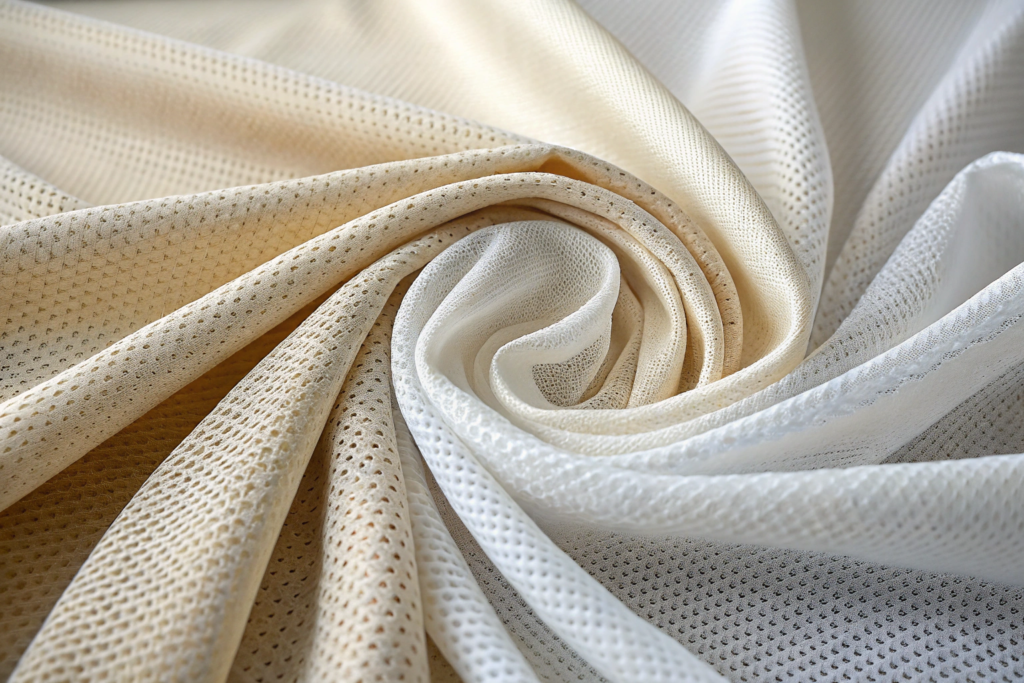
Prioritize open, porous constructions that create tiny channels for air to flow. Key weaves include Plain Weave (the simplest, most common, and breathable), Gauze Weave (a leno weave where yarns are twisted, creating a stable yet very open mesh), and Basket Weave (a variation of plain weave with multiple yarns, often creating a slightly open texture). In knits, Single Jersey (lightweight with natural stretch) and Mesh Knits are highly breathable.
What is the Difference Between Woven and Knit Scarves for Breathability?
Both can be breathable, but they offer different feels:
- Woven Scarves (like linen, silk twill, cotton voile): Tend to have more structure and drape. Breathability is controlled by the weave density (threads per inch). A lower density means more air pockets. They are ideal for tailored looks, knots, and wraps.
- Knit Scarves (like cotton jersey, merino jersey): Made from interlocking loops, they are inherently stretchy and conform to the body. The loops create natural air pockets. Knits are often softer and have a more casual, cozy feel. They are excellent for infinity scarves and softer, bulkier styles. For maximum breathability in knits, look for open-knit or slub knit textures.
Why Does Fabric Weight (GSM) Matter More Than You Think?
GSM (Grams per Square Meter) is the objective measure of a fabric’s weight and, by extension, its likely thickness and density. For spring/fall scarves, you generally want a light to medium weight. Here’s a practical guide:
- Ultra-Lightweight (30-100 GSM): Silk chiffon, fine cotton voile. Sheer, flowing, for delicate styling.
- Lightweight (100-180 GSM): Linen, cotton gauze, lightweight merino jersey. The sweet spot for daily wear—substantial enough to provide warmth but light enough to layer without bulk.
- Medium Weight (180-250 GSM): Heavier linen, cotton twill, wool blends. Suitable for cooler fall days or as a statement piece.
Always ask your supplier for the GSM of their fabric offerings to make informed comparisons.
How to Source and Specify These Materials with Your Supplier?
Knowing what you want is one thing; communicating it effectively to your manufacturer is another. To ensure you receive the breathable, high-quality scarves you envision, you must provide clear, technical specifications and work with a knowledgeable partner. What steps guarantee the right outcome?
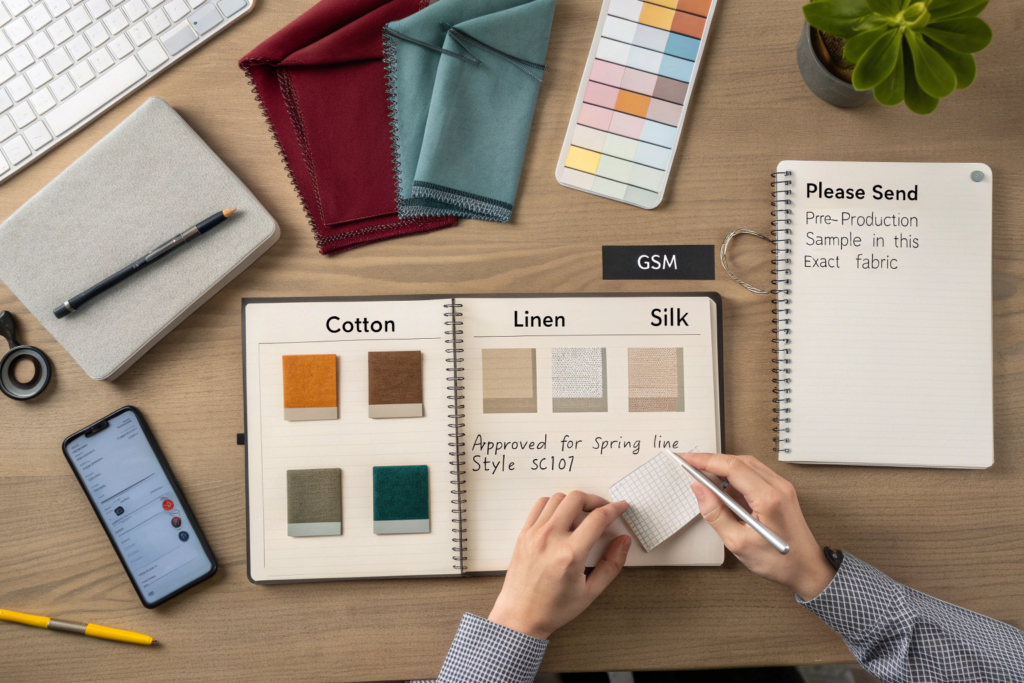
Start by requesting physical swatches of your shortlisted materials. Feel them, drape them, and even wash them to test performance. When finalizing your order, your tech pack must include: 1. Full Material Composition (e.g., "100% Linen"), 2. Fabric Construction (e.g., "Plain Weave"), 3. Fabric Weight (GSM), 4. Approved Color Standard (Pantone code or swatch), and 5. Finishing Requirements (e.g., "pre-washed for softness," "enzyme wash").
What Questions Should You Ask Your Scarf Supplier About Materials?
Move beyond "What materials do you have?" Ask targeted questions to assess their expertise:
- "What is the GSM and thread count of this linen/cotton offering?"
- "Do you offer a pre-washed or garment-dyed finish for a softer hand feel?" (This is crucial for linen and cotton to reduce initial stiffness).
- "Can you provide a fabric test report for colorfastness and shrinkage?" (Especially important for rayon and cotton).
- "What lightweight wool blends do you work with, and what is the micron count of the wool?" (Lower microns = finer, softer wool).
A supplier like Shanghai Fumao Clothing will readily provide this information and advise on the best choice for your design and price point.
How Can You Test a Scarf Material’s Breathability Before Production?
While lab tests like the Moisture Vapor Transmission Rate (MVTR) exist, you can perform simple, practical tests on development samples:
- The Breath Test: Hold a single layer of the fabric tightly over your mouth and exhale. If you can feel your warm breath easily through the fabric, it’s breathable. If it’s difficult, it’s not.
- The Drape & Feel Test: Drape the scarf sample around your neck for 10-15 minutes in a normally heated room. Does it feel comfortable, or does it quickly feel warm and restrictive?
- The Wash Test: Wash and dry the sample as intended. Does it maintain its open weave and soft hand, or does it become stiff or felted (a risk with wool if washed improperly)?
This hands-on due diligence is invaluable.
Conclusion
Selecting breathable scarf materials for spring and fall is a strategic decision that blends textile science with an understanding of consumer comfort. By focusing on natural fibers like linen, cotton, silk, and fine wool—and ensuring they are constructed in lightweight, open weaves—you create accessories that are both stylish and functionally superior. This attention to material detail enhances customer satisfaction, encourages repeat purchases, and establishes your brand as a thoughtful leader in seasonal fashion.
The journey from fiber to finished scarf requires partnership with a manufacturer who understands these nuances and can source, handle, and finish these materials with care. It’s an investment in product quality that pays dividends in brand loyalty.
If you are ready to develop a collection of beautifully breathable scarves that your customers will reach for season after season, partner with a team that understands material excellence. Shanghai Fumao Clothing specializes in sourcing and crafting accessories from the very materials discussed here. Contact our Business Director Elaine to start creating your next comfortable, stylish, and season-perfect scarf line. Reach her at: elaine@fumaoclothing.com.