You’ve designed a stunning collection of accessories. The samples look perfect, the colors pop, and the styles are on-trend. But a few months after launch, you start getting returns and negative reviews: a hair clip clasp snapped, a scarf’s hem unraveled, a hat’s brim lost its shape. Durability failure can destroy your brand’s reputation and your bottom line overnight. So, how do you move from creating beautiful accessories to creating beautiful accessories that last?
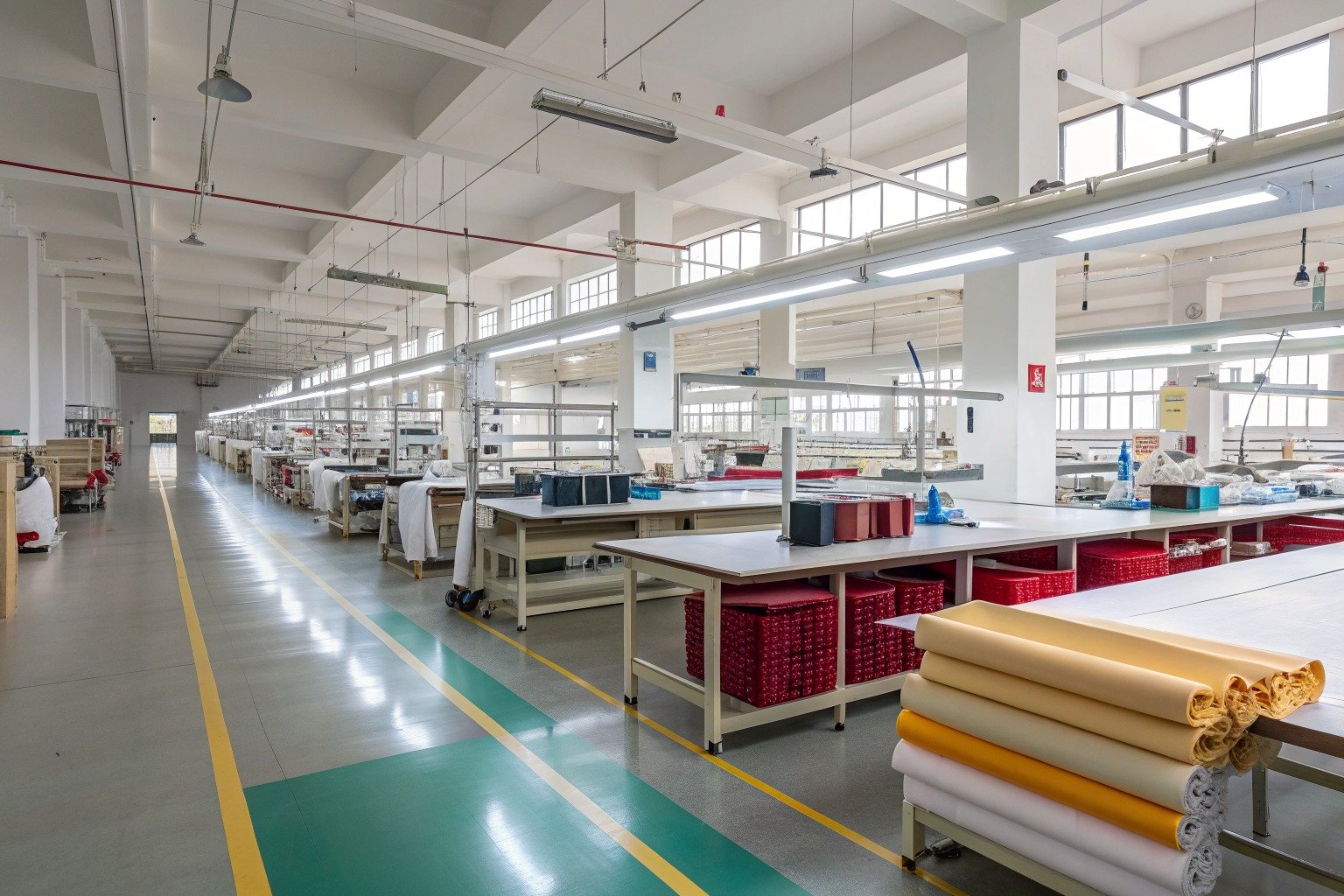
Ensuring durability is a proactive, multi-stage process that begins at the design table and continues through final quality inspection. It requires a partnership with a manufacturer who prioritizes robust material selection, intelligent construction, rigorous testing, and consistent quality control. Durability isn’t an accident; it’s engineered into the product through careful specification and verification at every step of production. This is the core philosophy at factories like Shanghai Fumao Clothing, where building products to last is a fundamental commitment.
Many brands focus solely on aesthetics and cost, leaving durability to chance. This guide will walk you through the critical steps you and your manufacturer must take to ensure your hair bands, belts, hats, and scarves withstand real-world use. We’ll cover how to select the right materials, design for strength, implement practical testing, and enforce strict production standards.
How Does Material Choice Define Accessory Longevity?
The journey to durability starts with the very first decision: what is your product made of? The materials you choose are the foundation of its lifespan. A beautiful but delicate fabric or a cheap, brittle plastic will fail no matter how well it’s made. How do you select materials that are both stylish and strong?
You must evaluate materials based on their inherent mechanical properties, suitability for the product’s function, and compatibility with finishing processes. For example, the polyester used in a scrunchie needs high elasticity recovery, while the metal in a belt buckle needs corrosion resistance and tensile strength. Always request material specifications and test reports from your supplier. Don’t just go by feel or name; ask for data on abrasion resistance (Martindale test for fabrics), tensile strength, colorfastness, and composition.
What Are the Key Fabric Tests for Scarves, Hats, and Hair Accessories?
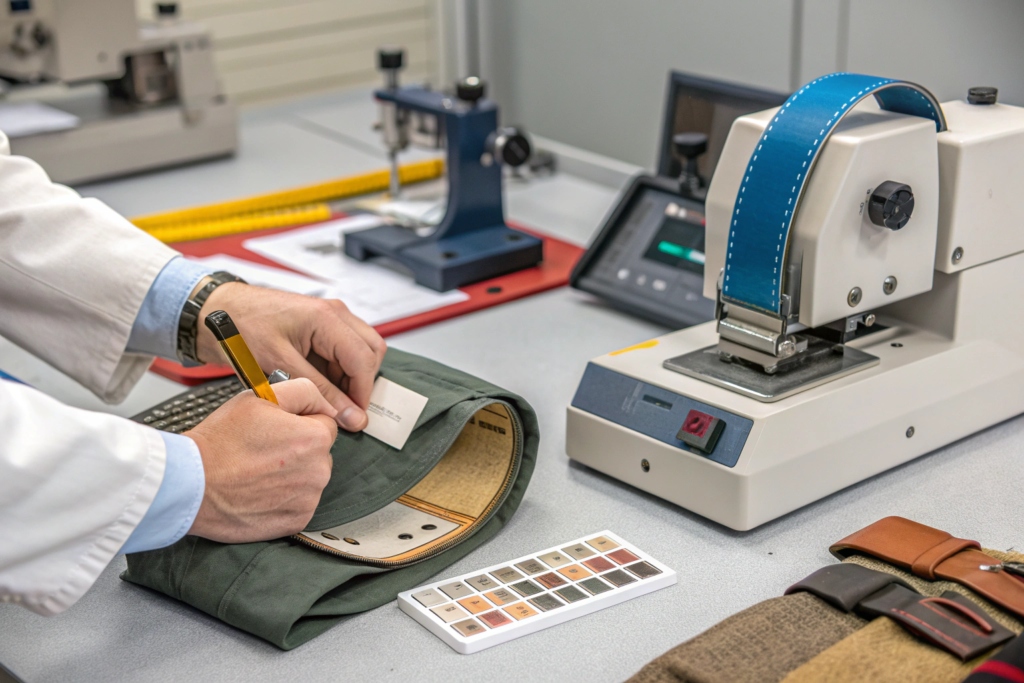
For textile-based accessories, specific laboratory tests predict performance. For scarves and shawls, prioritize colorfastness to washing and light (AATCC Test Methods) to prevent fading, and dimensional stability to avoid shrinking or stretching. For hats (like bucket or baseball caps), fabric pilling resistance and seam strength are crucial, as these areas undergo constant friction and stress. For fabric hair bands and scrunchies, elastic recovery rate is non-negotiable; the material must return to its original shape after repeated stretching. Reputable suppliers should be able to provide or commission these tests from certified labs. Basing your material approval on this data removes guesswork.
How to Specify Metals and Hardware for Lasting Function?
The failure of a clasp, buckle, or ring can render an accessory useless. When specifying metals, avoid cheap, brittle zinc alloys for high-stress parts. Opt for stainless steel, brass, or quality aluminum alloys for corrosion resistance and strength. For plating, specify a minimum thickness (e.g., nickel plating over brass) and require a salt spray test report to prove it won’t tarnish quickly. Ask your factory for the supplier’s certification of analysis for metal components. For plastic parts, like hair clip mechanisms, discuss the polymer type (e.g., ABS plastic is more impact-resistant than PS). A manufacturer with a strong supply chain, like Shanghai Fumao Clothing, will have vetted component suppliers and can provide this traceability.
Why is Construction More Important Than Design for Durability?
A clever design can attract a customer, but solid construction is what keeps them happy. The way an accessory is put together—the seams, joins, reinforcements, and finishes—is where durability is either achieved or compromised. How do you translate a great design into a robust physical product?
Focus on engineering the construction details. This means specifying stitch types and densities (SPI – stitches per inch), seam allowances, reinforcement points, and joining methods. For example, a reversible bucket hat requires a clean, flat-felled or bound seam to handle stress and look good on both sides. A bag’s strap attachment point needs bar-tacking for reinforcement. Work with your factory’s technical team during the prototyping phase to optimize these details for both aesthetics and strength.
What Are the Best Stitching and Seaming Techniques for Different Accessories?
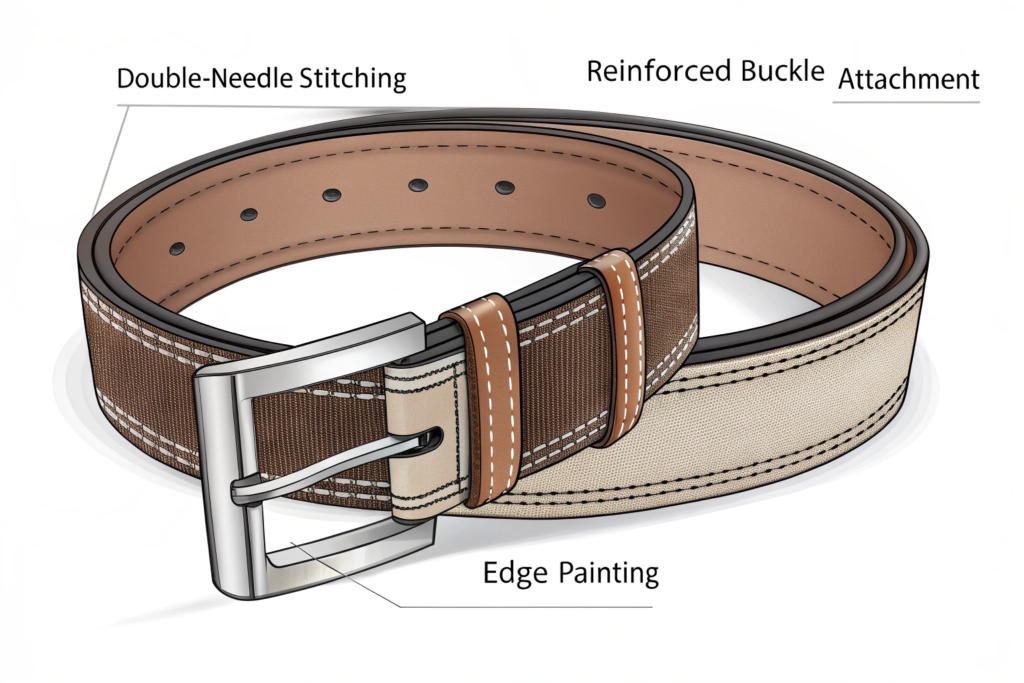
The right stitch prevents unraveling and handles stress. Use lockstitch (401) for most straight seams—it’s strong and secure. For stretch fabrics in headbands or gloves, use a zigzag stitch (304) or coverstitch to allow movement without breaking threads. Seam allowance matters; too narrow, and it rips. For load-bearing seams (bag straps, belt holes), specify a wider allowance and bar-tacks at stress points. For leather or faux leather belts and bags, saddle stitching by hand or machine is renowned for its durability. The SPI (stitches per inch) should be high enough for strength but not so high as to perforate and weaken the material; 8-12 SPI is common for medium-weight fabrics. Your factory should have clear standards for these specifications.
How Do You Reinforce High-Stress Points in Accessories?
Identify every point on your accessory that will experience pull, friction, or tension. Common high-stress points include:
- Bag/Backpack Straps: Where they attach to the bag body. Use webbing loops, metal D-rings, and triple-stitched bar-tacks.
- Belt Holes: Punch clean holes and apply eyelets/grommets to prevent tearing.
- Hat Brims: Where the brim joins the crown. Use a double-stitched seam and sometimes a hidden wire for structure.
- Hair Clip Hinges and Clasps: The metal hinge must be securely riveted or screwed into the plastic/metal body, not just glued.
During sample evaluation, physically test these points. Pull on straps, flip clips open and closed hundreds of times. If a failure point is identified, work with the factory to redesign the reinforcement before mass production begins.
What In-House and Third-Party Tests Guarantee Durability?
You can’t guarantee durability without testing it. Relying on "it looks sturdy" is a recipe for failure. A comprehensive testing protocol simulates years of use in a short time, exposing weaknesses before thousands of units are made. What tests should be mandatory for your accessory line?
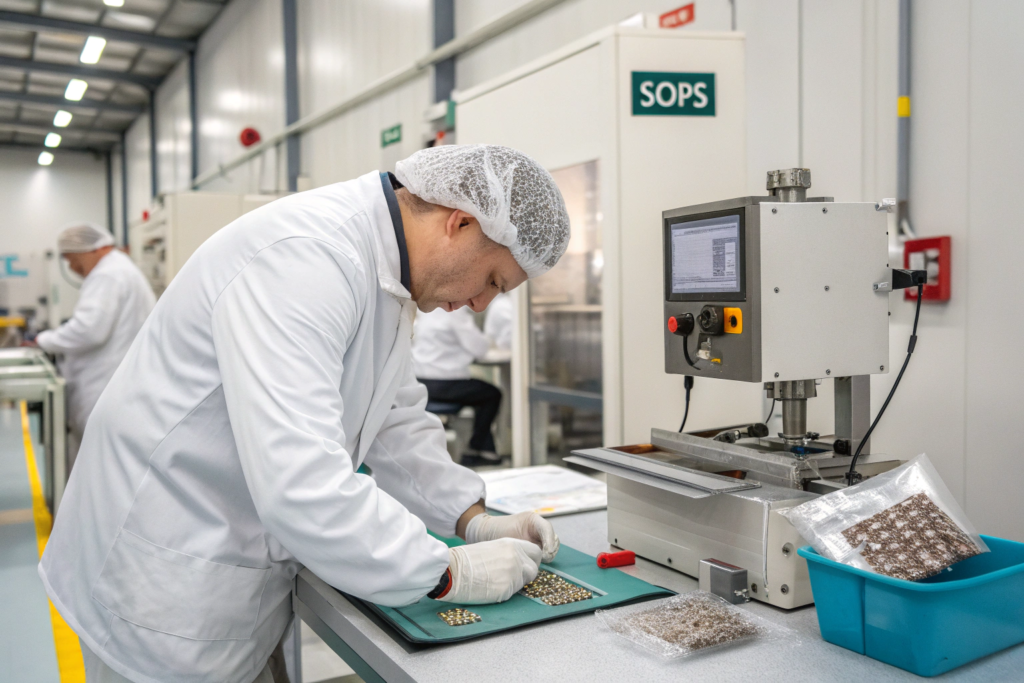
Implement a two-tier testing strategy: Standardized In-House Tests performed by the factory on every production batch, and Periodic Third-Party Lab Tests for validation and certification. In-house tests are practical, high-frequency checks like zip pull tests, button attachment strength, and basic color rub tests. Third-party tests, conducted by accredited labs like SGS, Bureau Veritas, or Intertek, provide authoritative data on specific claims (e.g., washability, lightfastness, material strength).
What Are Essential Pre-Production "Torture Tests" for Samples?
Before approving mass production, subject your approved sample to a battery of real-world "torture tests." Create a simple protocol:
- Wear & Flex Test: Wear the hat, use the bag, put on the belt for a week. Note any discomfort, deformation, or early wear.
- Cycle Test: Open and close clasps, zippers, and buckles 500+ times. Do they remain functional and secure?
- Wash/Clean Test: Follow the intended care label (hand wash, machine wash) for 3-5 cycles. Check for color bleeding, shrinkage, seam puckering, or hardware damage.
- Sun Exposure Test: Leave the item in direct sunlight for a period. Check for color fading or material degradation.
Document this process with photos and notes. Share both the protocol and results with your factory. This hands-on testing often reveals flaws that laboratory tests might miss, ensuring the final product is truly user-ready.
When and Why Should You Invest in Laboratory Testing?
Lab testing is crucial for establishing baseline quality, complying with safety regulations, and making substantiated marketing claims. It is especially important for:
- Children’s Accessories (e.g., hair clips, small bags): To meet CPSIA (Consumer Product Safety Improvement Act) standards in the US, which regulate lead content and phthalates.
- Products Making Specific Claims: If you claim a scarf is "machine washable" or a hat is "UV protective," you need a AATCC or ISO test report to prove it.
- New or Unfamiliar Materials: To verify the supplier’s specifications are accurate.
The cost of lab testing is minor compared to the cost of a product recall or a class-action lawsuit for a failed product. It is a non-negotiable part of responsible product development.
How Does Consistent Factory Quality Control Ensure Batch Durability?
A perfect sample means nothing if the following 10,000 units are inconsistent. Durability must be replicated exactly across the entire production run. This is where the factory’s day-to-day quality management system becomes your most important ally. What should you look for in a factory’s QC process?
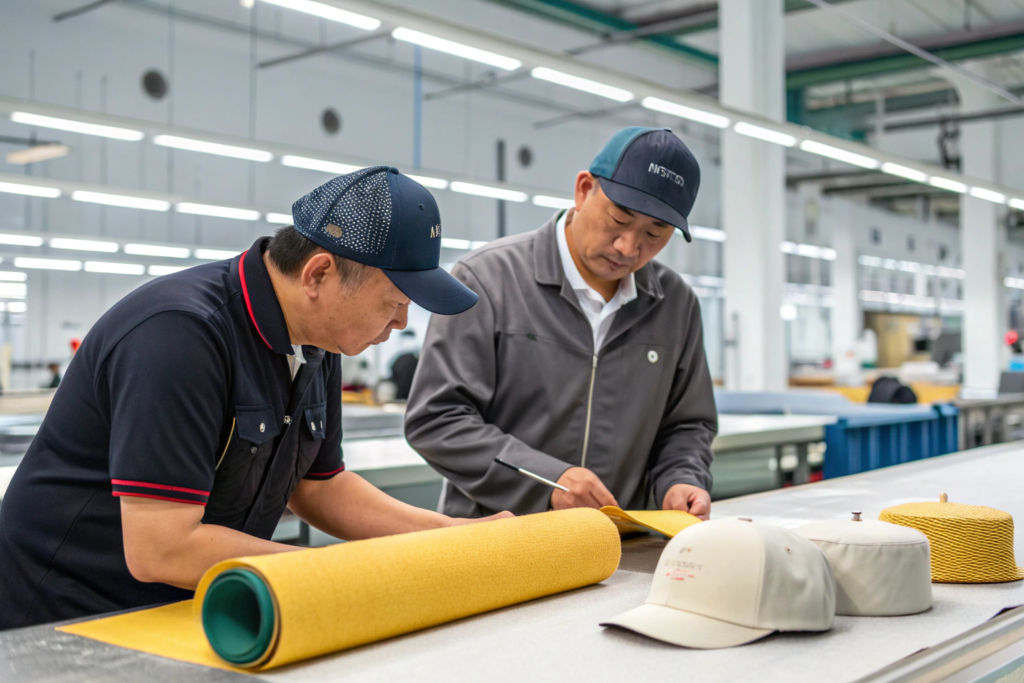
You need a factory with a structured, multi-stage QC system that intervenes at critical points: Incoming Material Inspection (Fabric, Hardware), In-Process Inspection (During Cutting, Sewing, Assembly), and Final Random Inspection (FRI) before shipping. The system should be documented, with clear checklists, acceptable quality limits (AQL), and corrective action protocols. The factory should welcome your own QC checks or third-party inspections at any stage.
What Does an Effective In-Process Inspection Look Like?
In-process inspection catches errors when they are cheapest to fix. For accessory sewing, key checkpoints include:
- After Cutting: Verify pattern pieces match markers and that fabric flaws are removed.
- During Assembly: Check seam alignment, stitch quality, and the correct placement of logos or decorations before moving to the next step.
- Before Final Assembly: Inspect sub-assemblies (e.g., a completed hat brim, a belt strap) for defects.
The factory QC team should have the authority to stop a production line if a recurring defect is found. Ask your supplier to describe their in-process checkpoints for your specific product. A transparent partner will outline this process clearly.
How to Use AQL in Final Inspection to Protect Your Order?
The AQL (Acceptable Quality Level) is an international sampling standard used during the Final Random Inspection. It defines the maximum number of minor, major, and critical defects allowed in a randomly selected sample from your order. For fashion accessories, a common standard is AQL 2.5 for major defects and AQL 4.0 for minor defects. This means your inspector will pull a statistically significant number of units, inspect them against your checklist, and determine if the entire batch passes or fails based on the defect count. You should always require an AQL-based inspection report before authorizing shipment. This is your final, data-driven gatekeeper before goods leave the factory.
Conclusion
Ensuring your fashion accessories are durable is a deliberate, end-to-end strategy, not a single step. It begins with the science of material selection and the engineering of robust construction. It is validated through rigorous pre-production testing, both practical and laboratory-based. Finally, it is safeguarded by the factory’s unwavering commitment to consistent quality control throughout production.
By embedding durability into every phase—from design brief to final carton—you build more than just products; you build trust. You create accessories that customers love, rely on, and recommend, transforming one-time buyers into loyal advocates for your brand. This approach protects your reputation, reduces returns, and establishes a foundation for long-term business success.
If you are looking for a manufacturing partner who understands that true quality is measured in seasons of use, not just moments of unboxing, we should talk. Shanghai Fumao Clothing is built on a culture of durability, with systems in place for material vetting, construction excellence, and meticulous quality control. Let us help you build accessories that are made to last. Contact our Business Director Elaine to begin developing your next durable collection. Reach her at: elaine@fumaoclothing.com.