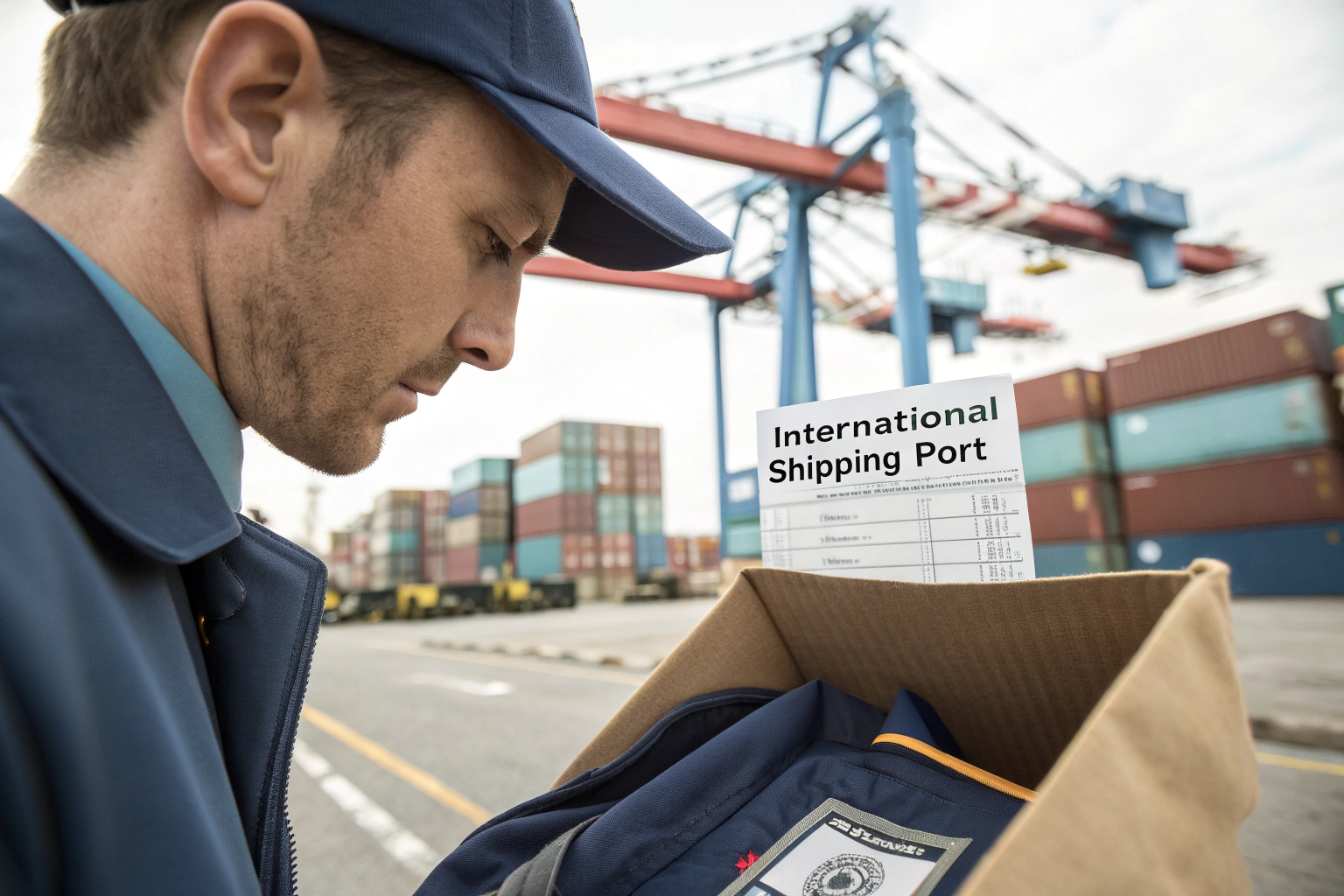
You’ve produced a beautiful shipment of accessories—scarves, hats, gloves—all perfectly crafted and packaged. The container arrives at the destination port, but customs officials halt the entire shipment. The reason? A missing fiber content label, an incomplete country of origin statement, or care symbols that don’t match the import country’s regulations. This single oversight can lead to massive delays, steep fines, or even the rejection and destruction of your goods. The difference between smooth clearance and a logistical nightmare often comes down to the small, detailed tags sewn into your products.
Detailed labeling is not merely a bureaucratic formality; it is a fundamental requirement of international trade and a direct extension of your brand’s credibility. It serves as the product’s passport, providing essential information to customs authorities, retailers, and end-consumers across different legal jurisdictions. For an exporter, accurate labels are your first line of defense against compliance failures, a tool for building consumer trust, and a practical necessity for efficient supply chain management.
Let’s examine the multifaceted role of detailed labeling in ensuring your export shipments are compliant, marketable, and secure from factory floor to final customer.
How Does Labeling Ensure Customs Compliance and Smooth Clearance?
Customs agencies worldwide use product labels as primary documents to verify declarations, assess duties, and enforce trade agreements. Inaccurate or incomplete labels are red flags that trigger inspections, leading to delays of days or even weeks. In today’s fast-paced supply chains, such delays can mean missing a crucial sales season or incurring hefty demurrage charges at the port.
Labels provide the hard data that supports your commercial invoice and packing list. They are the physical proof of what you’ve declared. Key label elements like the Country of Origin are legally mandated for duty assessment under rules like the USMCA (U.S.-Mexico-Canada Agreement) or the EU’s preferential origin rules. For example, a scarf labeled "Made in China" but transshipped through Vietnam must still accurately reflect China as the origin to avoid charges of illegal transshipment and potential anti-dumping duties.
What Are the Legal Consequences of Non-Compliant Labeling?
The risks are severe and financial:
- Penalties and Fines: Agencies like U.S. Customs and Border Protection (CBP) or the European Union’s Safety Gate can impose fines for incorrect country of origin or missing mandatory information.
- Held Shipments: Goods can be detained until labeling is corrected—often at the importer’s expense in a bonded warehouse.
- Seizure and Destruction: In cases of egregious violation (e.g., false fiber content claims) or for regulated products (e.g., children’s items), goods can be seized and destroyed.
- Loss of Preferential Tariff Status: Incorrect origin labeling can void eligibility for lower tariffs under free trade agreements.
A reliable manufacturer, like Shanghai Fumao Clothing, has a quality control process that includes a dedicated label audit against the target market’s specifications before packing, acting as a critical safeguard.
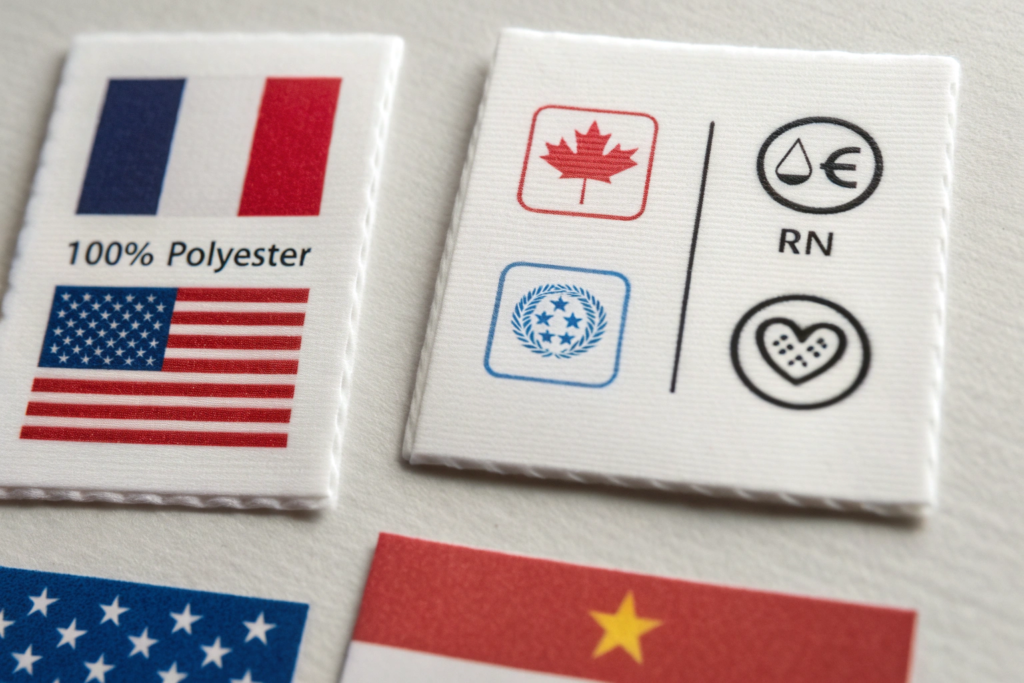
Which Label Elements Are Non-Negotiable for Major Markets?
While requirements vary, core elements are universal:
- Country of Origin: Must be clear, permanent, and in English (e.g., "Made in China").
- Fiber Content: Percentage by weight of each fiber, following the formatting rules of the destination (e.g., listed in descending order by weight).
- Care Instructions: Using standardized international care symbols (ISO) or clear text.
- Manufacturer/Importer Identity: A company name and address, or in the US, an RN (Registered Identification Number).
- Size: According to the local sizing convention.
Neglecting any of these can be grounds for a compliance failure at the border.
How Does Detailed Labeling Protect Your Brand and Build Consumer Trust?
Beyond customs, the label is a silent salesman and a liability shield at the point of sale. It is a key touchpoint where the consumer evaluates the quality and authenticity of your product. A poorly made, incorrect, or missing label signals carelessness and can destroy confidence, leading to returns and negative reviews.
In an era of conscious consumption, labels are also where you tell your product’s story. Detailed information about sustainable materials (e.g., "Made from 100% Recycled Polyester"), ethical certifications (e.g., OEKO-TEX Standard 100, GOTS), or proper care to extend the product’s life directly influences purchasing decisions and brand loyalty.

Why is Accuracy a Matter of Brand Reputation and Liability?
Inaccurate information on a label is considered mislabeling, which can have serious repercussions:
- Consumer Trust: If a customer buys a "100% Cashmere" scarf based on the label but discovers it’s a blend, you’ve lost that customer forever and risk damaging word-of-mouth.
- Legal Liability: If a care label incorrectly states "Machine Wash Hot" and the item shrinks or is damaged, the consumer has grounds for a return or complaint. In some jurisdictions, this can lead to liability for damages.
- Retailer Relationships: Major retailers and supermarkets have strict vendor compliance manuals. Shipments with incorrect labels often result in chargebacks—financial penalties levied by the retailer to cover their cost of fixing the problem. Consistent label errors can get a supplier blacklisted.
How Can Labels Be Used as a Marketing and Sustainability Tool?
Modern labels go beyond compliance to communicate value:
- Brand Story: A well-designed label with your logo and a short, impactful line about your brand ethos enhances perceived value.
- Sustainability Credentials: Clearly stating certifications like Global Recycled Standard (GRS) or OEKO-TEX appeals to eco-conscious buyers and can be a deciding factor.
- QR Codes: Incorporating a QR code on the label or hangtag can link consumers to a website about the product’s origin, care videos, or your brand’s sustainability journey, creating an engaging post-purchase experience. This transforms the label from a simple tag into a gateway for deeper brand connection.
What Are the Practical Supply Chain and Operational Advantages?
From a pure logistics standpoint, detailed and accurate labeling is the cornerstone of efficient warehouse and inventory management for both you and your client. It prevents costly errors in sorting, distribution, and sales.
Imagine a retailer receiving a shipment of 10,000 beanies in five colors and three sizes. Without clear, unique labels on each item or its polybag, the process of sorting and routing to the correct store or online fulfillment center becomes a slow, error-prone manual task. This inefficiency is often passed back to the supplier as a cost.
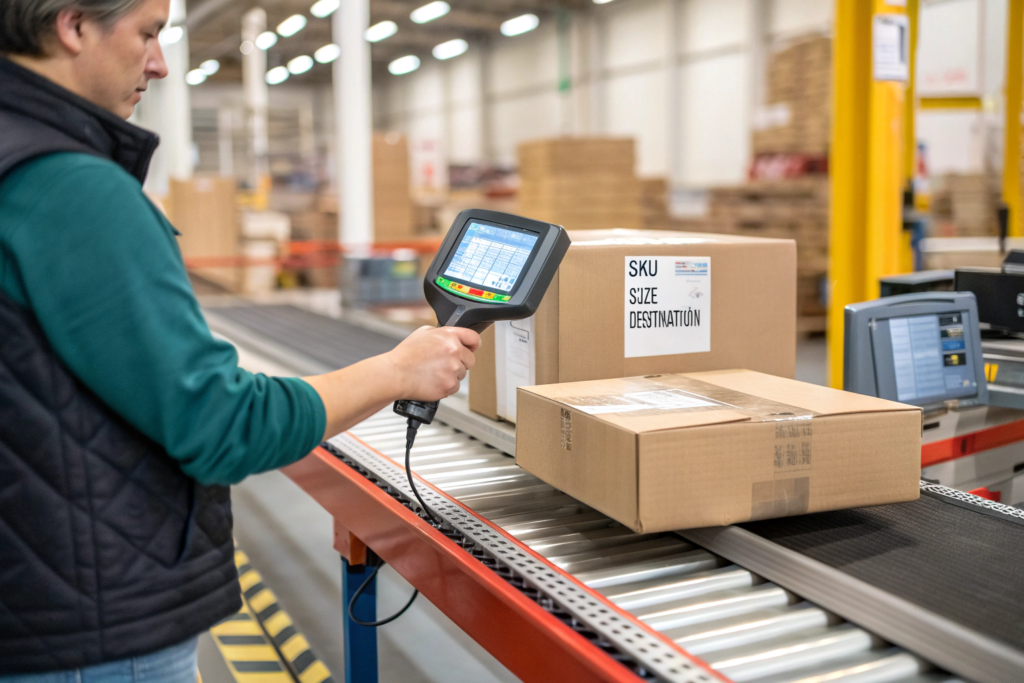
How Does Labeling Streamline Logistics and Inventory Control?
SKU-Specific Information on labels is crucial:
- Barcodes (UPC/EAN): These unique product codes, often printed on the label or a separate sticker, allow for instantaneous scanning throughout the supply chain—from factory outbound inspection to the retail point of sale. This enables accurate tracking, reduces picking errors, and speeds up checkout.
- Size and Color Coding: Clear, standardized size labels (S, M, L, XL) and color names prevent confusion in fulfillment centers, especially when dealing with similar-looking items.
- Lot Numbers: For quality control, including a lot or batch number on the label allows for precise tracking in the event of a production issue, enabling targeted recalls if necessary instead of pulling entire inventories.
Why is Internal Labeling Just as Important as External?
The export process often involves internal labeling—tags or stickers on the packaging itself. This includes:
- Carton Marks: Identifying information on the shipping carton, often matching the packing list.
- Polybag Labels: Individual polybags containing each product should have a sticker with SKU, size, and color.
- Hangtags: While often marketing-focused, they also repeat key SKU information for retail staff.
A comprehensive labeling strategy, managed by an experienced manufacturer with strong project management, ensures every level of packaging communicates the right information to the right person in the supply chain, minimizing costly handling mistakes.
Conclusion
Detailed labeling for exports is a critical business function that intersects legal compliance, brand integrity, and operational efficiency. It is far more than a last-step sewing task; it is a strategic component of your product that safeguards against financial penalties, builds lasting consumer trust, and ensures your goods flow smoothly through complex global supply chains.
Investing in accurate, comprehensive, and market-specific labeling is not an expense—it is an insurance policy for your shipment and a direct investment in your brand’s reputation. By prioritizing this detail, you demonstrate professionalism and reliability to customs officials, retail partners, and end-consumers alike.
Need expert guidance on compliant labeling for your accessory exports? Our quality control and compliance team stays updated on international regulations to ensure your products are correctly labeled for seamless market entry. Contact our Business Director, Elaine, to ensure your next shipment is fully prepared. Email her at: elaine@fumaoclothing.com.