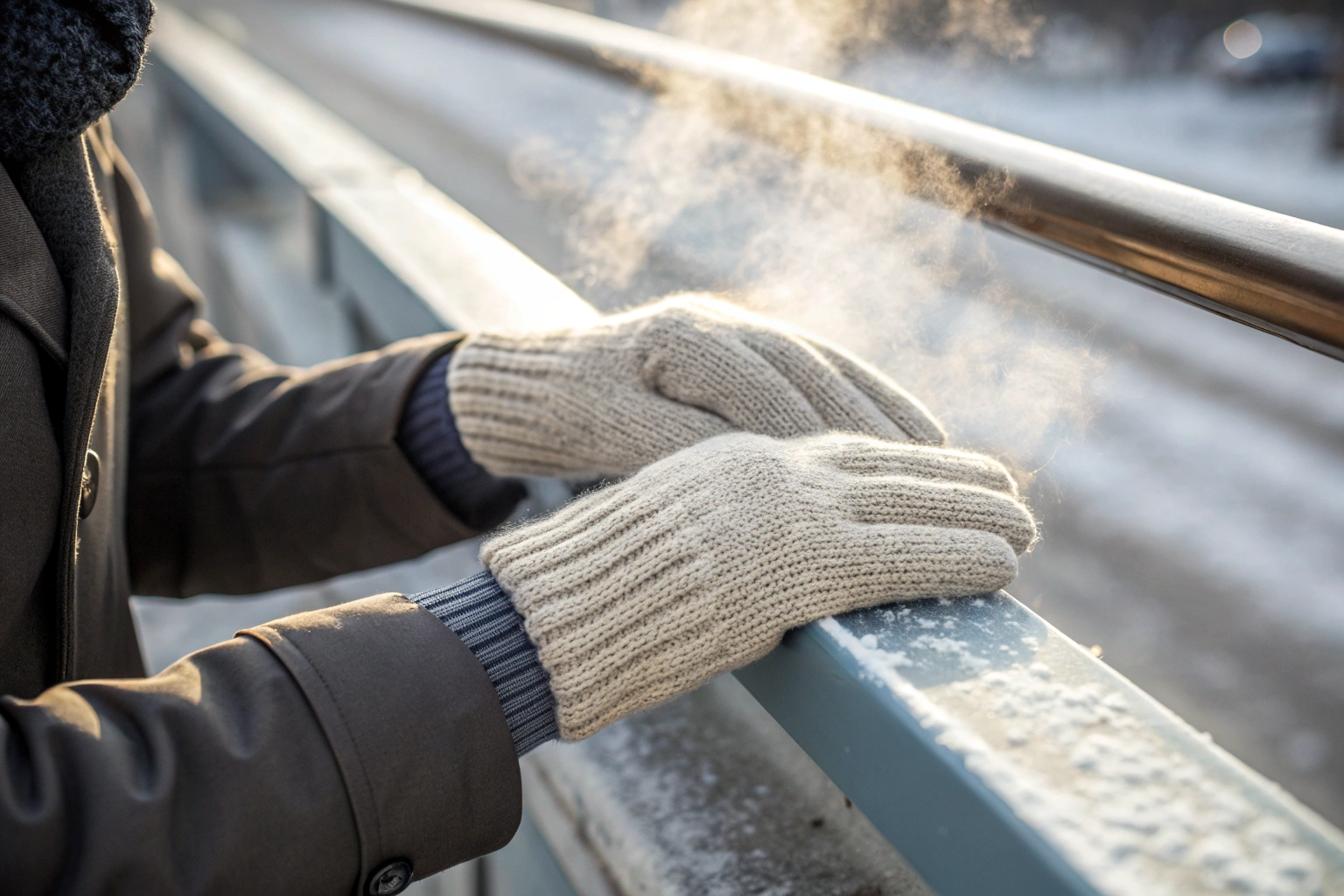
Have you ever put on a pair of winter gloves only to have your hands go from freezing to sweaty and clammy in minutes? You’re left with the worst of both worlds: cold, damp hands trapped inside. This frustrating experience is why material choice is everything, and it leads many to wonder if the natural choice—wool—can truly deliver both cozy warmth and comfortable breathability for everyday use.
Yes, wool gloves are exceptional for daily wear because they uniquely offer both superior breathability and reliable warmth. Unlike many synthetic materials, wool fibers can absorb moisture vapor from your skin while still retaining their insulating properties. This natural thermoregulation keeps your hands dry and at a comfortable temperature during varied daily activities, from commuting to walking the dog, preventing the "sweat-then-freeze" cycle common with less breathable materials.
But not all wool gloves are created equal. The secret lies in understanding the specific properties of wool, how it’s processed, and how it compares to alternatives. Let’s explore the science behind wool’s magic and how to choose the right pair for your daily needs, ensuring your hands stay comfortably protected all day long.
How Does Wool Naturally Regulate Temperature?
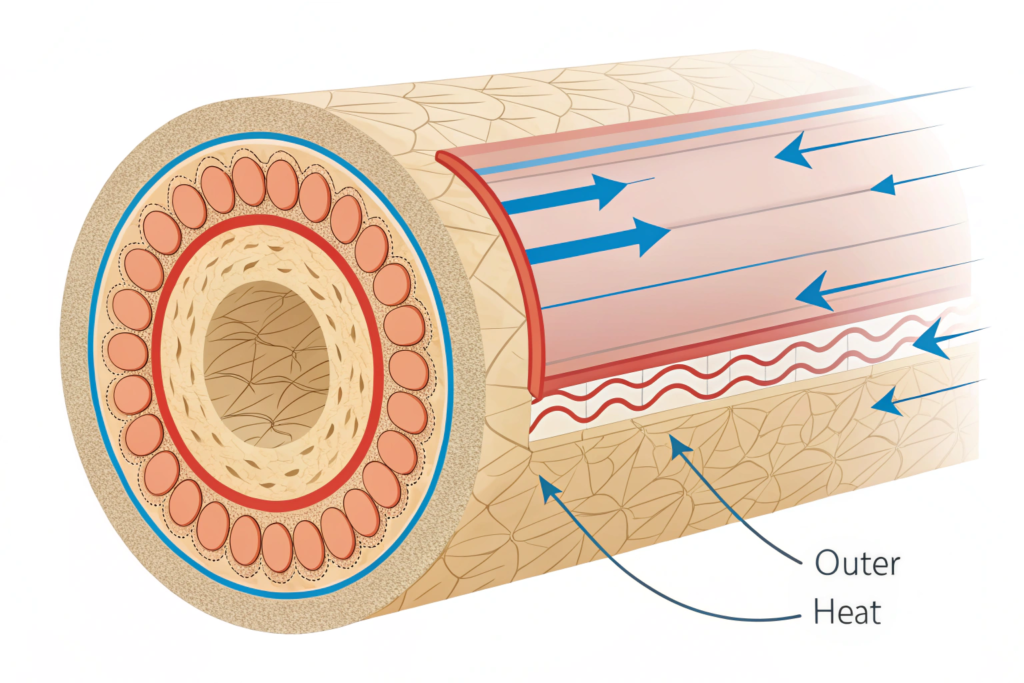
Wool’s ability to provide warmth without overheating is not magic; it’s sophisticated natural engineering. Each wool fiber is structured with a scaly outer layer (the cuticle) and an inner core that can absorb moisture.
The key is hygroscopicity—wool can absorb up to 30% of its weight in moisture vapor (sweat) from your skin without feeling wet. As it absorbs this vapor, it generates a small amount of heat. This process pulls dampness away from your skin, keeping you dry. Concurrently, the core of the fiber creates millions of tiny air pockets that trap body heat, providing excellent insulation. When you move from a cold outdoors to a heated indoors, wool slowly releases the absorbed moisture, helping to cool your hands and prevent overheating. This dynamic system is why wool is considered a temperature-regulating fiber.
What specific wool properties contribute to breathability?
Breathability in fabrics refers to the ability to allow water vapor to pass through. Wool’s breathability stems from its moisture-wicking capability and its porous structure. The scales on the fiber create a slight roughness that spaces out the yarns when knitted, allowing air to circulate. Furthermore, because wool absorbs vapor directly into the fiber (rather than just letting it pass through), it actively manages humidity next to the skin. This is different from some synthetic moisture-wicking fabrics that merely move liquid sweat to the outer surface, where it can evaporate. Wool manages vapor before it becomes liquid sweat, which is a more efficient and comfortable process for moderate activity levels typical of daily wear.
How does this compare to common synthetic insulation?
Materials like polyester fleece or Thinsulate™ provide warmth primarily by trapping air in synthetic fibers. They are often excellent at insulation and can dry quickly. However, they generally lack wool’s active moisture management. They may wick moisture but do not absorb it in the same way, which can sometimes lead to a clammy feel if you perspire. Wool’s advantage is its dual-action: passive insulation plus active vapor absorption. For the variable conditions of daily life—stepping in and out of cars, buildings, and changing weather—wool’s adaptability often provides more consistent comfort. This makes it a superior choice for the versatile design demanded by modern consumers.
What Types of Wool Are Best for Everyday Gloves?
The term "wool" covers a wide range, from coarse and itchy to incredibly soft and fine. The type of wool used drastically affects the glove’s comfort, durability, and performance for daily tasks.
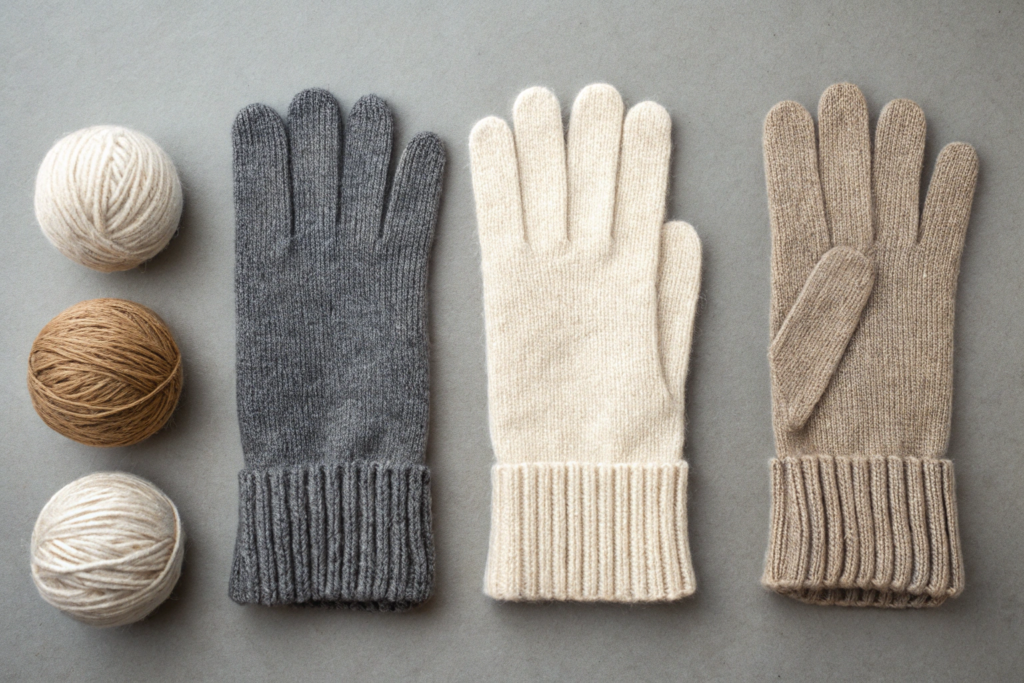
For everyday wear, softness against the skin is paramount. Merino wool, sourced from Merino sheep, is the gold standard. Its fibers are exceptionally fine (often under 20 microns in diameter) and long, making them soft, less itchy, and highly durable. It possesses all the classic wool benefits—breathability, warmth, and odor resistance—in a luxurious package. Other good options include cashmere (warmer and softer but less durable) and lambswool (the first shearing from a lamb, offering softness and resilience). Blends are also common; a Merino wool blend with a small percentage of nylon or spandex enhances durability, shape retention, and stretch without sacrificing too much of the natural fiber’s benefits.
Why is Merino wool often considered the best choice?
Merino wool is the benchmark for performance in daily wear due to its balance of attributes. Its fine fiber diameter eliminates the itchiness associated with traditional wool, allowing for comfortable, direct skin contact. It has excellent elasticity, meaning gloves will retain their shape well over time. Perhaps most importantly for daily use, Merino wool is renowned for its natural odor resistance. The fiber’s structure makes it less hospitable to odor-causing bacteria, so gloves stay fresher longer between washes. When you source gloves, asking for the micron count of the wool (lower is finer) is a sign of dealing with a quality-focused supplier like Shanghai Fumao Clothing, who prioritizes material selection for end-user comfort.
How do wool blends enhance functionality for daily use?
Pure wool is fantastic, but for the rigors of daily life—handling keys, phones, steering wheels—adding a small percentage of synthetic fiber can be a smart upgrade. A typical 85% Merino Wool, 15% Nylon blend significantly increases abrasion resistance at high-wear points like fingertips and palms without compromising breathability. Adding 3-5% Spandex or elastane gives the glove essential stretch and recovery, ensuring a snug, comfortable fit that doesn’t sag. These blends represent a practical approach to product development, marrying natural fiber benefits with synthetic performance enhancements to create a product that stands up to real-world use.
How Should Wool Gloves Be Cared for to Maintain Performance?
Proper care is essential to preserve the breathability, warmth, and shape of wool gloves over multiple seasons. Incorrect washing is the primary reason wool items shrink, felt, or lose their softness.
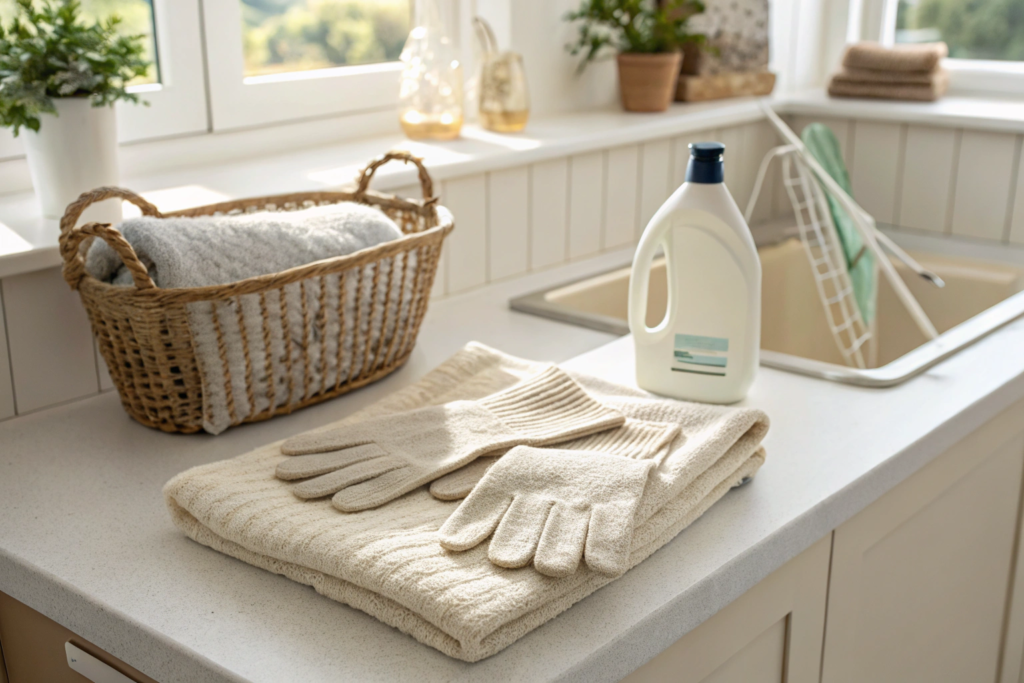
The golden rule is: avoid heat and agitation. Wool fibers have scales that can lock together when exposed to heat and friction, causing irreversible felting (shrinking). Most quality wool gloves, especially Merino, are safe to machine wash on a gentle, cold-water cycle using a mild detergent formulated for wool or delicates. They should always be air-dried flat, away from direct heat or sunlight. Never tumble dry. For minor odors between washes, simply airing them out is often sufficient due to wool’s natural properties.
What are the most common mistakes in wool glove care?
The two biggest mistakes are using hot water and machine drying. Hot water causes the fiber scales to open and agitate, leading to felting. The tumbling action and heat of a dryer dramatically accelerate this process, often ruining gloves in one cycle. Another mistake is using harsh detergents or bleach, which can damage the fibers and strip away wool’s natural lanolin (which contributes to water resistance). Wringing or twisting wool gloves to remove water can also misshape them. Following the care label instructions is the simplest way to ensure longevity, a testament to a manufacturer’s commitment to quality control and customer satisfaction.
Can wool gloves be made water-resistant for daily wear?
While wool itself retains warmth even when damp, truly wet conditions require additional protection. Many everyday wool gloves incorporate a Durable Water Repellent (DWR) finish—a coating that causes water to bead up and roll off the surface. This is ideal for light snow or drizzle. For heavier weather, look for gloves that pair a wool liner with a waterproof yet breathable outer shell made from materials like Gore-Tex® or similar membranes. This combination provides the ultimate protection: the wool manages moisture and heat from the inside, while the shell blocks wind and rain from the outside. This functional layering is a key trend in modern accessory design.
Are Wool Gloves Suitable for All Daily Activities?
Wool gloves excel in a wide range of daily scenarios, but understanding their ideal use case ensures you get the most from them. They are perfect for moderate, variable conditions rather than extreme, static ones.
They are ideal for: Urban commuting (walking to transit, driving), casual outdoor recreation (winter walks, hiking in cool weather), running errands, and spectator sports. Their breathability prevents overheating during periods of activity, while their insulation keeps you warm during stationary moments. For activities involving high dexterity (like using a smartphone), look for gloves with touchscreen-compatible fingertips (often created by weaving conductive fibers like silver into the wool blend).

What are the limitations of wool for daily wear?
For all their benefits, pure wool gloves have some limitations. They are not fully waterproof and can become heavy and slow to dry if soaked. They also may not provide enough insulation for prolonged static exposure in extremely cold temperatures (e.g., below -10°C / 14°F) without a supplemental liner or shell. For very high-intensity activities that produce a lot of sweat (like running), some may find a dedicated synthetic performance fabric more effective at rapid moisture transport. The key is matching the product to the use case—a well-made wool glove is the perfect, versatile solution for the vast middle ground of daily winter life.
How do you choose the right weight and fit?
Wool gloves come in various weights, akin to sweater gauges. A lightweight (150-200g) Merino liner is perfect for cool fall days or as an inner layer. A mid-weight knit is the standard for all-around winter wear. Fit should be snug but not tight. A properly fitted glove allows for slight air insulation but doesn’t restrict movement. Fingertips should reach the end of the glove without excessive leftover material, which can reduce dexterity. Trying on different sizes or consulting a manufacturer’s specific size chart is crucial, as knit dimensions can vary—another reason why clear sizing information is a mark of a professional supplier focused on customer experience.
Conclusion
Wool gloves are not just a winter cliché; they are a brilliantly engineered solution for daily wear, masterfully balancing breathability and warmth through natural fiber technology. Their ability to manage moisture, regulate temperature, and resist odors makes them uniquely suited to the variable conditions of everyday life, from brisk morning commutes to indoor errands.
Choosing the right pair—prioritizing fine wools like Merino, considering practical blends, and following proper care—ensures this natural performance lasts for seasons. In a world of synthetic alternatives, wool stands out for its sustainable, comfortable, and highly effective approach to keeping hands dry and warm.
If you are looking to source or develop a line of high-quality, comfortable, and market-ready wool gloves that leverage these natural benefits, partnering with an expert manufacturer is key. We specialize in crafting accessories that blend material science with everyday functionality. To discuss creating a best-selling glove collection, contact our Business Director Elaine. She can connect you with our material and design experts. Email her at: elaine@fumaoclothing.com.