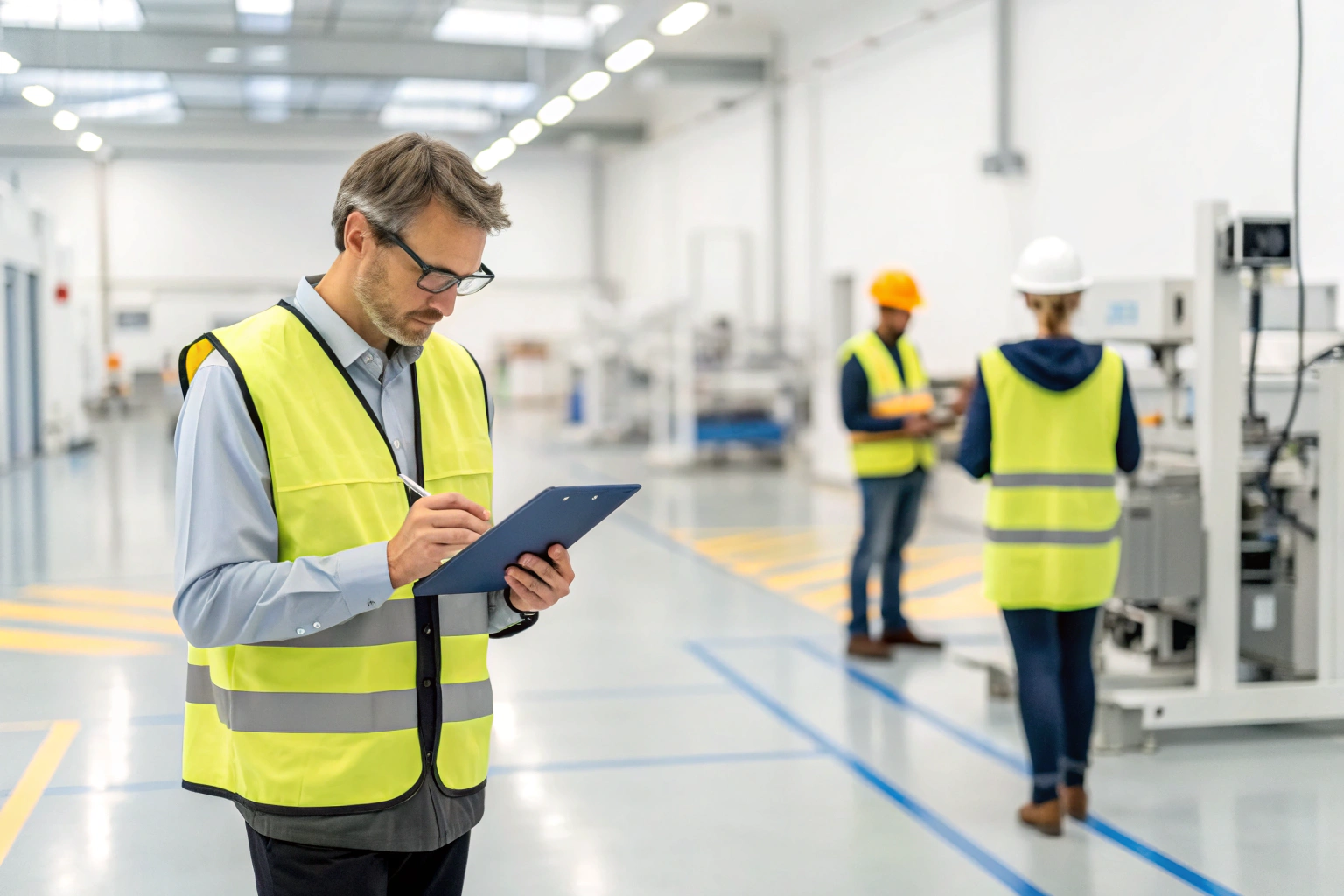
Your responsibilities extend far beyond designing and selling a great product. In today’s transparent world, your brand is directly linked to the conditions under which your products are made. You’re planning to partner with a factory in China, and a critical question is weighing on your mind: How do you really know that the workers making your accessories are safe? How can you be sure the factory isn’t cutting corners on health and safety, exposing your brand to enormous reputational and legal risk? You need to move beyond promises and conduct a real audit. But what does that actually involve? What should you be looking for?
Auditing an accessory factory for health and safety is a systematic process of verification that goes far beyond a simple walkthrough. It involves a three-pronged approach: 1) a thorough documentation review to check for policies, training records, and licenses; 2) a comprehensive physical site inspection to assess real-world conditions from fire safety to machine guarding; and 3) confidential worker interviews to understand the lived experience of the employees. A credible audit is not a "gotcha" exercise; it’s a structured assessment designed to identify risks, verify compliance, and foster a culture of continuous improvement.
I’m the owner of Shanghai Fumao, and I want to be very clear: we welcome audits. In fact, we insist on them. A factory that is resistant to a health and safety audit is a factory with something to hide. A professional, modern manufacturer sees an audit not as a threat, but as a partnership opportunity—a chance to demonstrate our commitment to ethical practices and to work with our clients to maintain the highest possible standards. For a brand owner, learning how to conduct or commission a meaningful audit is one of the most important things you can do to protect your brand, your customers, and the people who bring your vision to life. Let’s walk through the professional methodology.
What Does the "Paper Trail" Reveal? (Documentation Review)
Before you even set foot on the factory floor, the audit begins in the meeting room. A factory’s commitment to safety is first and foremost reflected in its official policies, records, and licenses. This "paper trail" provides the formal framework. If the paperwork is missing, disorganized, or fraudulent, it’s a massive red flag that the safety culture is not taken seriously.
The documentation review is the foundational stage of an audit, designed to verify that the factory has the legally required systems, licenses, and policies in place. This involves a meticulous examination of everything from business and fire safety permits to machine maintenance logs, chemical safety data, and employee training records. This phase establishes whether the factory has a formal commitment to safety on paper, which can then be compared against the reality on the factory floor.
A professional auditor will request and scrutinize the following key documents:
- Essential Licenses and Permits:
- Business License: Is the factory a legally registered entity?
- Fire Safety Certificate: Has the local fire department inspected and approved the facility? Is the certificate current?
- Environmental Permits: Does the factory have the necessary permits for waste disposal or water discharge, especially if they are doing any dyeing or plating?
- Safety Policies and Procedures:
- Does the factory have a written Health and Safety (H&S) policy?
- Are there documented emergency procedures for fire, medical emergencies, and chemical spills? Are they posted where workers can see them?
- Training and Maintenance Records:
- Training Logs: Can the factory provide records showing that workers have been trained on fire safety (e.g., how to use a fire extinguisher), emergency evacuation, and the safe operation of their specific machinery? Are there signatures and dates?
- Machine Maintenance Logs: Is there a documented schedule for the regular maintenance and safety inspection of machinery? A well-maintained machine is a safer machine.
- Chemical Safety Documentation:
- Chemical Inventory: Does the factory maintain a list of all chemicals used on-site (e.g., glues, solvents, cleaning agents)?
- Safety Data Sheets (SDS): For every chemical on the inventory list, can the factory provide the corresponding SDS, which details its hazards and handling procedures? Are these accessible to workers?
This documentation review provides a crucial baseline. It tells you what the factory’s stated policies are. The next step is to see if they actually follow them.
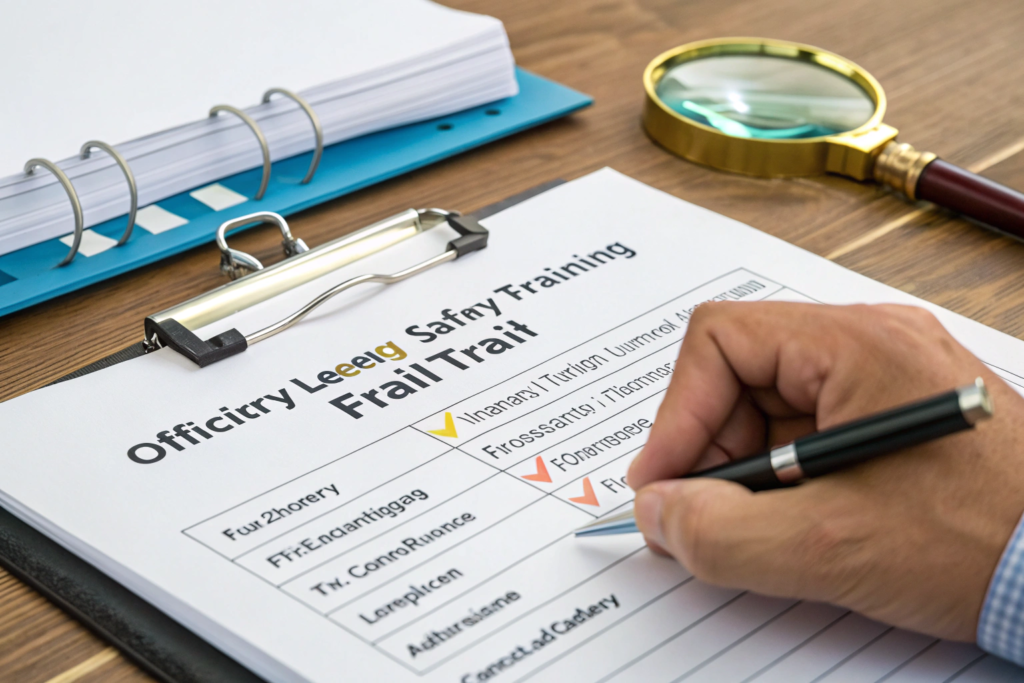
Why is a fire safety certificate so important?
In any factory, fire is the single greatest and most immediate risk to workers’ lives. A valid fire safety certificate from the local authorities is a non-negotiable starting point. It indicates that the building’s structure, alarm systems, and evacuation routes have been officially inspected and deemed adequate. Auditing this document is the first and most critical fire safety check.
What if the factory can’t produce these documents?
This is a major red flag. A modern, professional factory that works with international clients will have all of this documentation organized and ready for inspection. An inability or unwillingness to provide these records suggests either extreme disorganization or a deliberate attempt to hide non-compliance. It is often a reason to "fail" an audit or to proceed with extreme caution.
What Are the Critical "Red Flags" to Look for on the Factory Floor? (Physical Inspection)
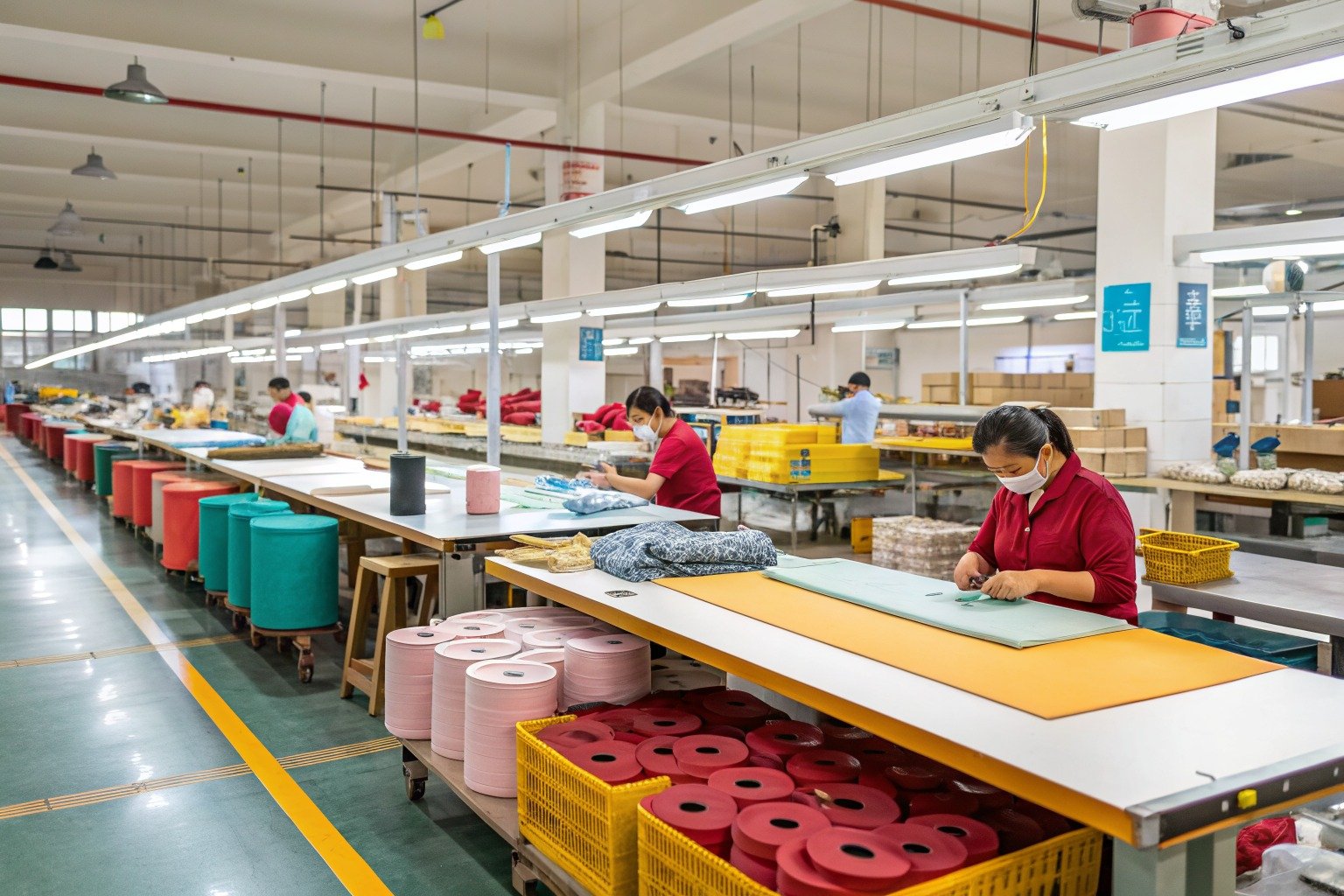
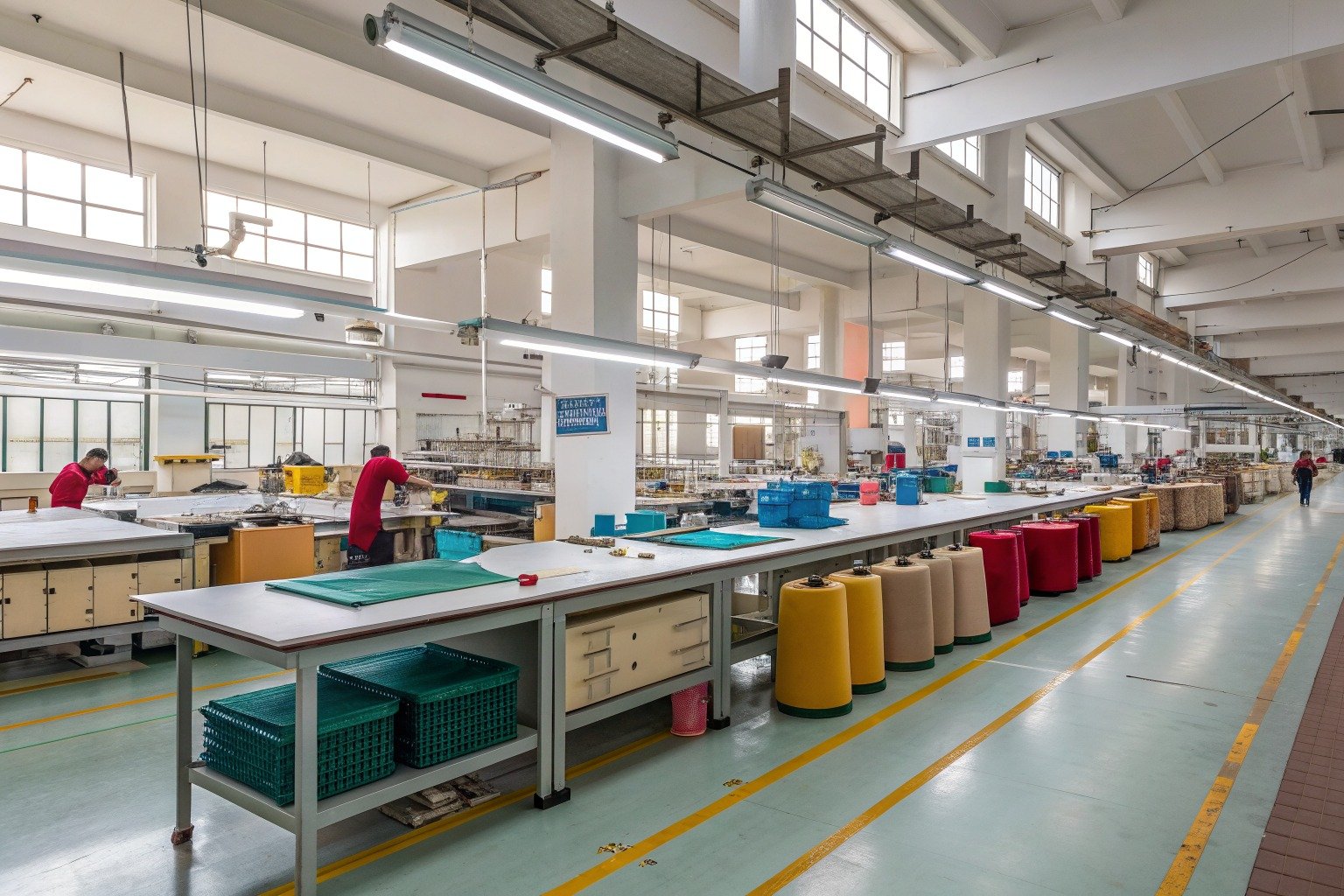
This is where the rubber meets the road. A physical tour of the entire facility—from the production floor to the warehouse to the dormitories—is essential for comparing the factory’s written policies to its day-to-day reality. An experienced auditor knows how to look past the "show" that a factory might put on and spot the subtle but critical signs of a safe or unsafe environment.
The physical inspection is a systematic, top-to-bottom walkthrough of the facility to visually assess compliance with key health and safety standards. The auditor is trained to look for critical "red flags" in specific areas, including fire safety (e.g., blocked exits, expired extinguishers), machine safety (e.g., missing guards), electrical safety (e.g., exposed wiring), chemical handling, and the provision of personal protective equipment (PPE).
An auditor’s checklist for the physical inspection is extensive, but it focuses on these life-critical areas:
- Fire Safety (The #1 Priority):
- Exits: Are all emergency exits clearly marked, illuminated, and completely unobstructed? Can they be opened easily from the inside?
- Aisles & Egress: Are aisles and pathways clear of boxes, materials, and equipment, allowing for a quick and easy evacuation?
- Fire Extinguishers: Are they present, visible, and easily accessible? Have they been inspected recently (check the date on the tag)? Are they the correct type for the area (e.g., electrical vs. chemical)?
- Alarms & Sprinklers: Are smoke detectors, alarms, and sprinkler systems installed and do they appear to be in good working order?
- Machine & Electrical Safety:
- Machine Guarding: This is crucial. Do all machines with moving parts (e.g., belts, gears, cutting blades, presses) have proper safety guards in place to prevent workers’ hands, hair, or clothing from being caught?
- Electrical Safety: Is wiring neat and properly insulated? Are electrical panels covered? Are there any exposed wires, overloaded sockets, or temporary-looking extension cords being used for heavy machinery?
- Chemical Handling & Storage:
- Are chemicals stored in a dedicated, well-ventilated area, away from heat sources?
- Are all containers clearly labeled?
- Are workers using chemicals (like glues or solvents) in a well-ventilated space?
- Personal Protective Equipment (PPE):
- Are workers provided with the correct PPE for their specific job? (e.g., safety glasses for cutting, gloves for handling certain materials, masks for working in dusty environments).
- More importantly, are they actually using it? The presence of PPE is meaningless if the safety culture doesn’t enforce its use.
- General Facility Conditions:
- Lighting & Ventilation: Is the factory floor well-lit and adequately ventilated?
- Housekeeping: Is the workspace generally clean and organized, or is it cluttered and dirty? A clean factory is often a safer factory.
- First Aid: Are first aid kits available, stocked, and easily accessible?
A single major violation in a critical area like a blocked fire exit can be grounds for an immediate "fail."
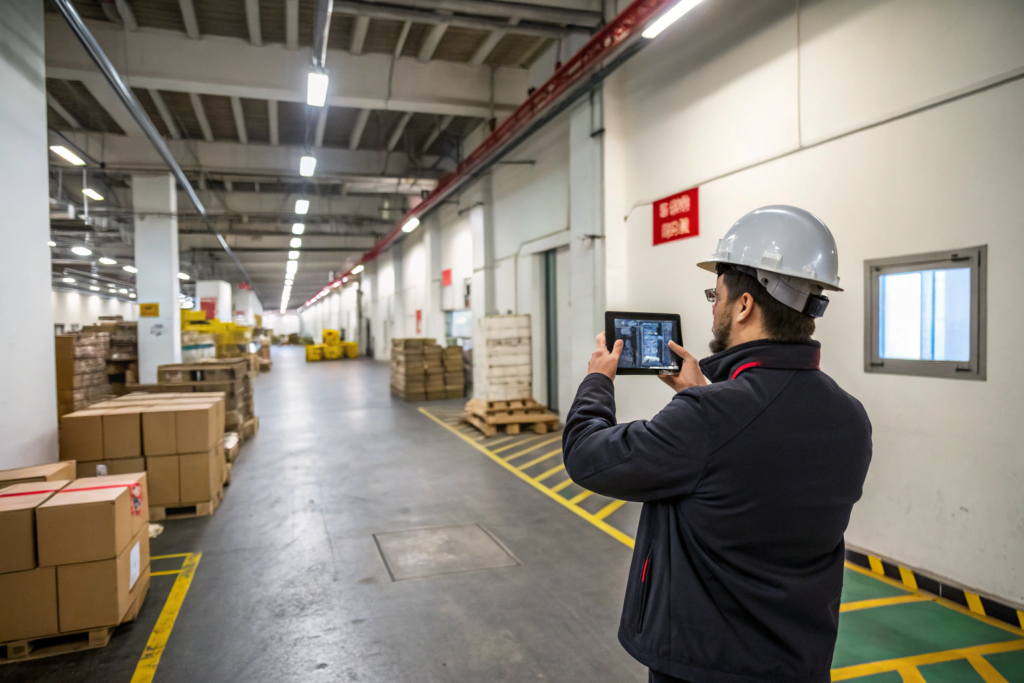
What is the most common safety violation found in factories?
By far, one of the most common and most dangerous violations found during audits is blocked or obstructed emergency exits and evacuation routes. Factories often use any available space for temporary storage of materials or finished goods, and this space is often right in front of a fire door or in a main aisle. This is a simple but life-threatening hazard that auditors are trained to spot immediately.
What about the dormitories?
If the factory provides worker dormitories, they must be included in the audit. The same safety principles apply. The auditor will check for fire safety (alarms, extinguishers, clear exits), overcrowding, sanitation, and basic living conditions. The safety of the workers does not end when they clock out.
How Do You Hear the Workers’ True Story? (Confidential Interviews)
You can review the documents and walk the floor, but the only way to truly understand the safety culture and the real-world conditions is to talk to the people who live it every day: the workers. However, getting honest feedback requires creating a space of absolute trust and confidentiality.
Confidential worker interviews are the most revealing part of a health and safety audit. Conducted in a private setting away from managers, these interviews allow auditors to ask direct questions about training, safety concerns, pressure to work unsafely, and whether they feel empowered to report hazards. This is where an auditor can cross-reference the official story from management with the reality experienced by the workforce. Discrepancies between management claims and worker testimony are a major focus of the audit.
A skilled auditor will use a structured but open-ended approach to interviewing a representative sample of workers. Key areas of inquiry include:
- Training: "Did you receive any safety training when you started? Can you show me how to turn this machine off in an emergency?"
- Emergency Preparedness: "Have you ever participated in a fire drill? What are you supposed to do if you hear the fire alarm?"
- PPE: "Was that mask given to you by the factory? Do you have to pay for it? Does your supervisor tell you to wear it?"
- Reporting Hazards: "If you saw something unsafe, like an exposed wire, what would you do? Who would you tell? Would you be afraid of getting in trouble?"
- Accidents & Injuries: "Has anyone been injured on this production line? What happened? What did the factory do?"
- Working Hours & Pressure: "Do you ever feel pressured to work faster than you feel is safe? Are you expected to disable safety guards to speed up production?"

How do you ensure the interviews are truly confidential?
This is paramount.
- Off-site or Private Location: Interviews should never be conducted within earshot of a manager. A separate, private room is essential.
- No Retaliation Policy: The auditor must get a firm commitment from factory management that no worker will face any negative consequences for participating in an interview.
- Anonymity: The final audit report will aggregate the findings from the interviews but will never attribute a specific comment to a specific worker. It will say "Some workers reported…" or "A majority of workers stated…"
- Interviewer Skills: The auditor must be skilled in building rapport and trust quickly and must often speak the local dialect.
What if the workers’ answers contradict the manager’s?
This is often the most valuable finding of the audit. If management provides a perfect training log, but 10 out of 10 workers interviewed say they never received any training, the auditor knows the documentation is likely fraudulent. The worker interviews act as the ultimate reality check.
Who Should Conduct the Audit? (Choosing an Auditor)
You are an expert in your brand, not necessarily in international labor law or industrial safety standards. While you can and should learn to spot basic red flags, a formal audit is best conducted by a trained and accredited professional. Who should you trust to do this?
While a brand owner can perform an informal inspection, a formal, credible health and safety audit should be conducted by a qualified third-party auditor or a specialized auditing firm. These auditors are trained and certified in international standards (like ISO 45001) and social compliance initiatives (like Sedex/SMETA or amfori BSCI). Using an independent third party ensures the audit is impartial, thorough, and based on a standardized, globally recognized methodology.
Here are your options:
- Third-Party Auditing Firms: This is the most common and recommended approach. Companies like SGS, Intertek, Bureau Veritas, TÜV Rheinland, and QIMA are global leaders in this field. They have trained, local auditors all over the world. You hire them, provide them with the factory’s details, and they handle the entire process and provide you with a detailed report.
- Social Compliance Initiatives: Many factories are already part of platforms like Sedex (and undergo SMETA audits) or amfori BSCI. These platforms allow factories to undergo a single, standardized audit and then share the results with multiple clients. Before commissioning a new audit, you should always ask the factory if they have a recent SMETA or BSCI report that they can share with you. This can save you time and money.
- In-House or Self-Audit: As the brand owner, you should absolutely conduct your own informal walkthroughs whenever you visit. However, this should be seen as a supplement to, not a replacement for, a formal third-party audit.
How much does a third-party audit cost?
The cost can range from several hundred to a few thousand dollars, depending on the size of the factory, the location, and the depth of the audit. A standard one-day social compliance audit typically costs around $800 – $1,500 USD. When you consider the potential cost of a product recall or a brand-damaging exposé, it is a very small price to pay for supply chain assurance.
What is a "Corrective Action Plan"?
An audit is not just a pass/fail test. The goal is improvement. After an audit, if any non-compliances are found, the auditor will work with the factory to create a Corrective Action Plan (CAP). This is a detailed document that lists each issue, the root cause, the corrective action the factory will take, who is responsible, and a timeline for completion. A good factory partner will embrace the CAP process as a roadmap for improvement.
Conclusion
Auditing your accessory factory for health and safety is an essential act of responsible brand ownership. It is a declaration that your brand’s values extend all the way down your supply chain. By embracing a systematic approach that combines a thorough documentation review, a sharp-eyed physical inspection, and empathetic, confidential worker interviews, you can gain a true and accurate picture of the conditions in which your products are made. While this process can seem daunting, partnering with professional third-party auditors can provide the expertise and impartiality needed for a credible assessment. Remember, a safe factory is a well-managed factory. A partner who is committed to the health and safety of their employees is a partner who is likely also committed to the quality and integrity of your product.
At Shanghai Fumao, we view health and safety not as a compliance burden, but as a core component of our business philosophy. We maintain an open-door policy for audits and are proud members of social compliance platforms. We believe that transparency is the foundation of trust, and we are committed to working with our brand partners to create a supply chain that is not only efficient and innovative, but also safe, ethical, and humane. If you are looking for a manufacturing partner who shares your commitment to these values, please reach out to our Business Director, Elaine, at elaine@fumaoclothing.com.