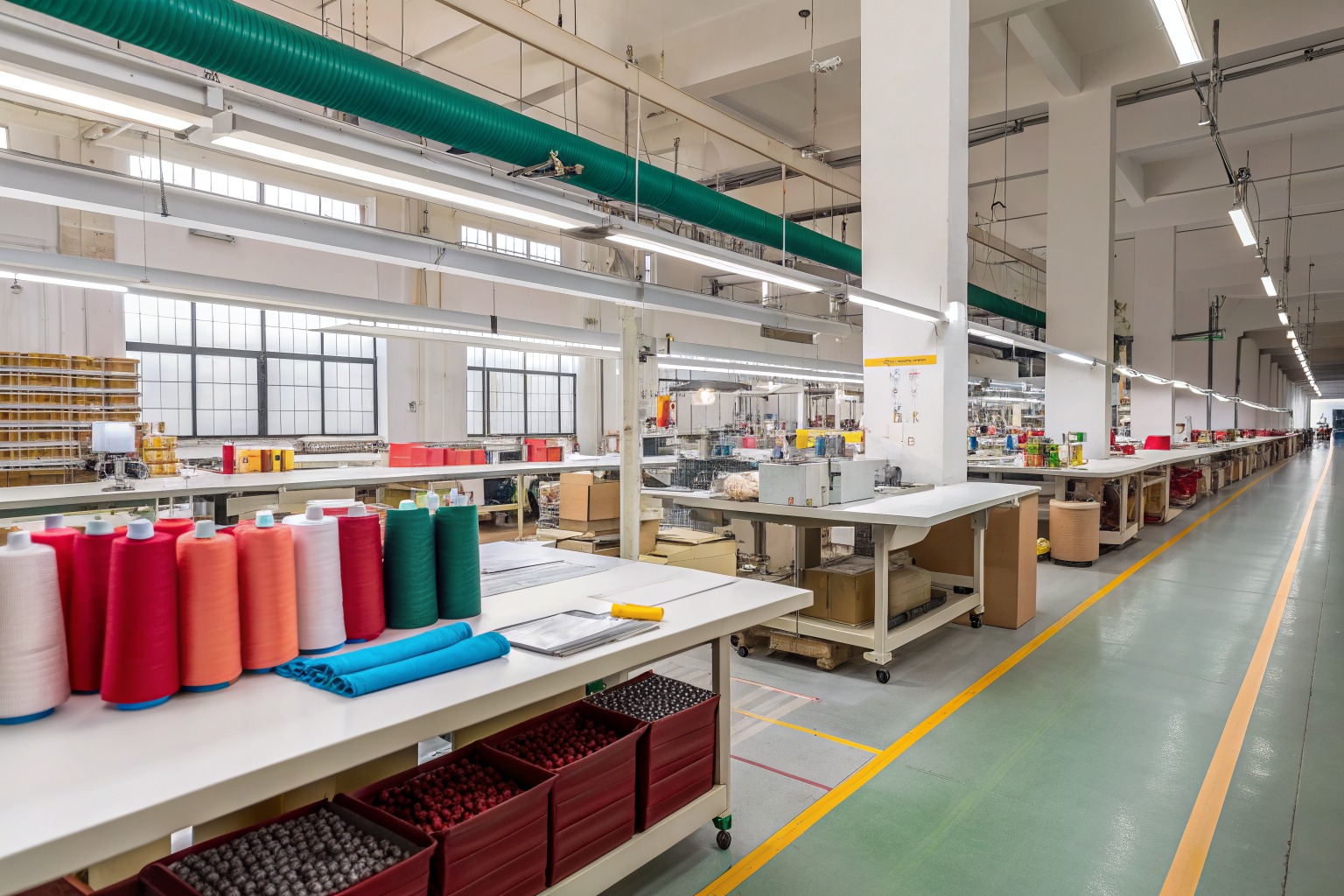
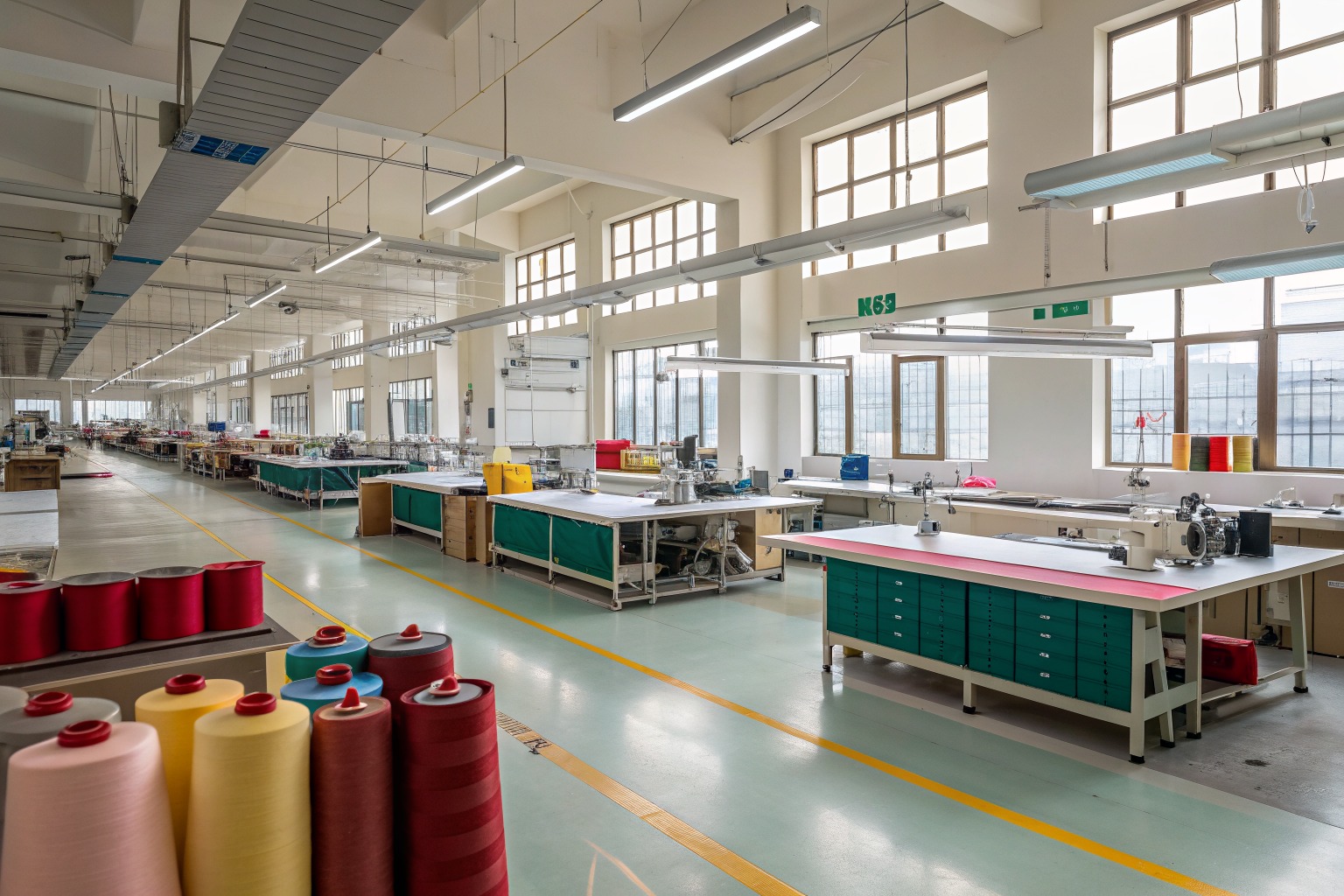
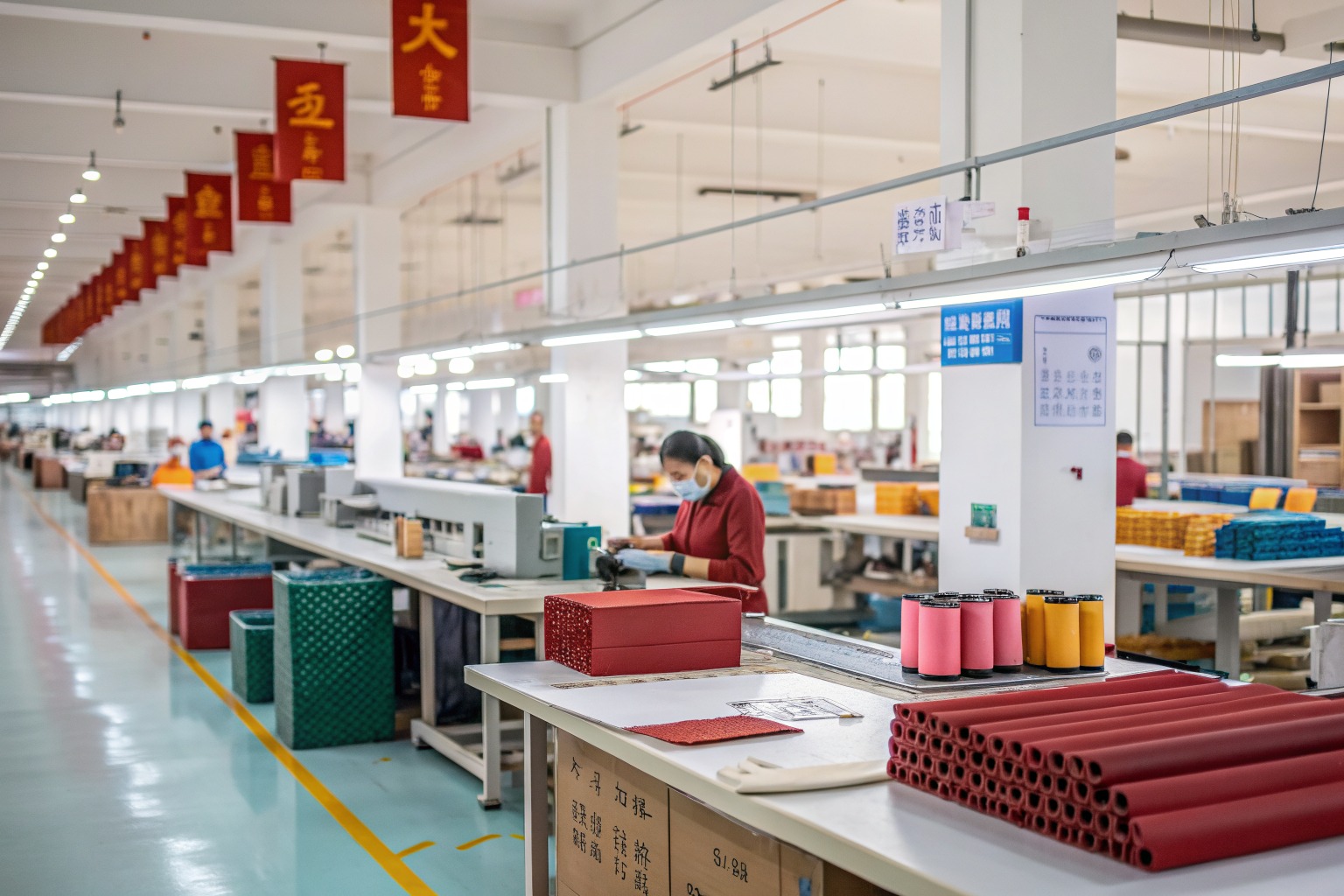
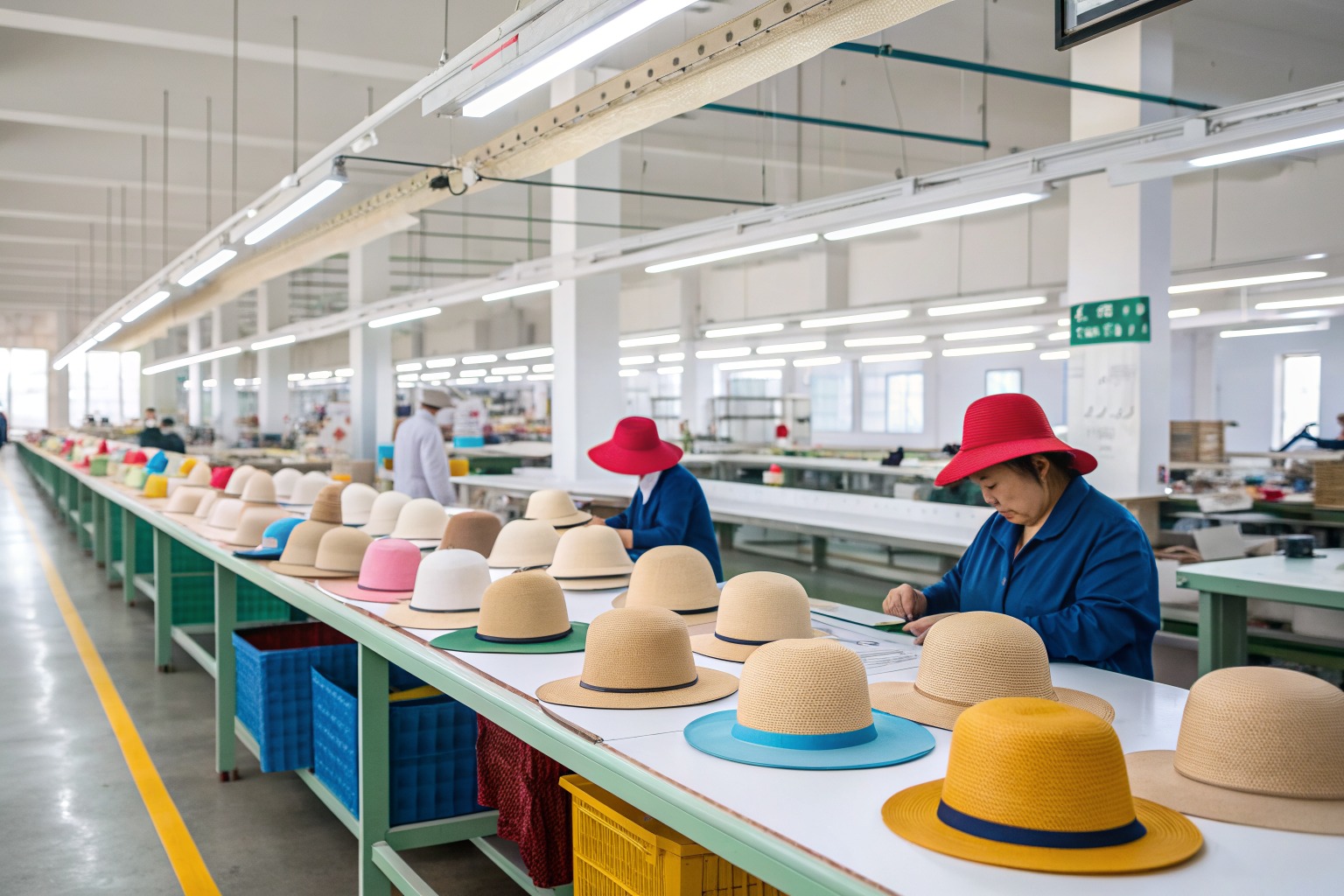
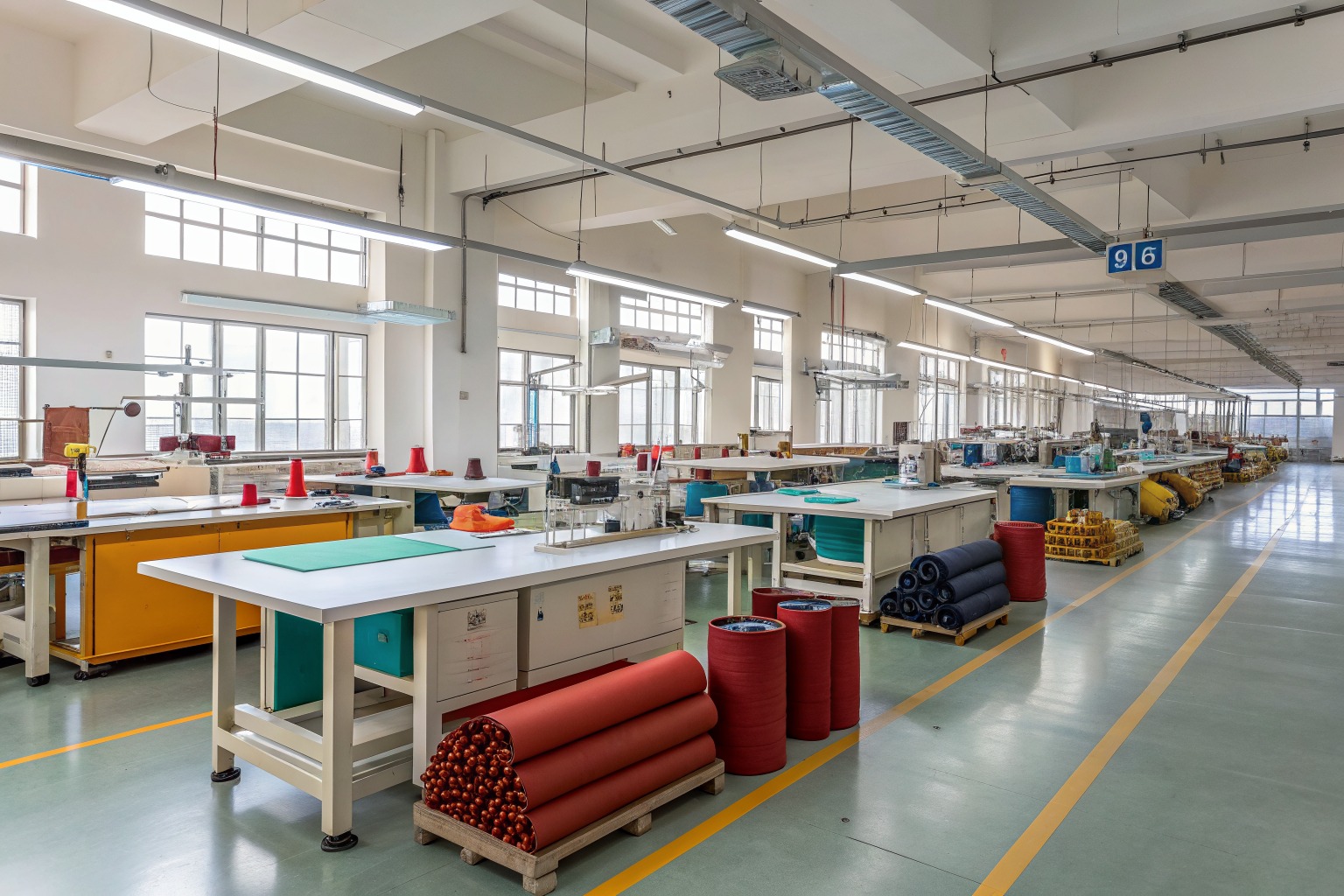
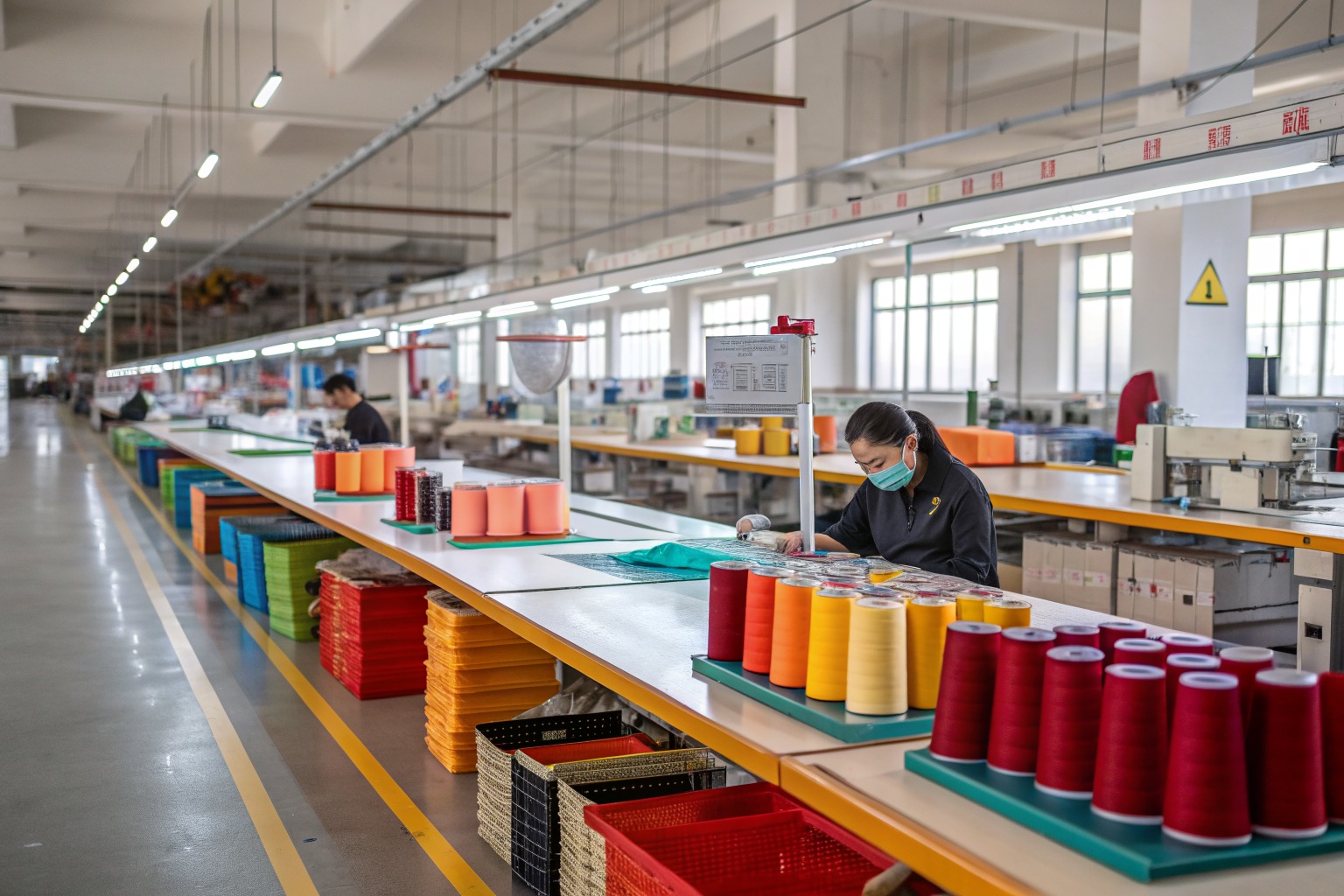
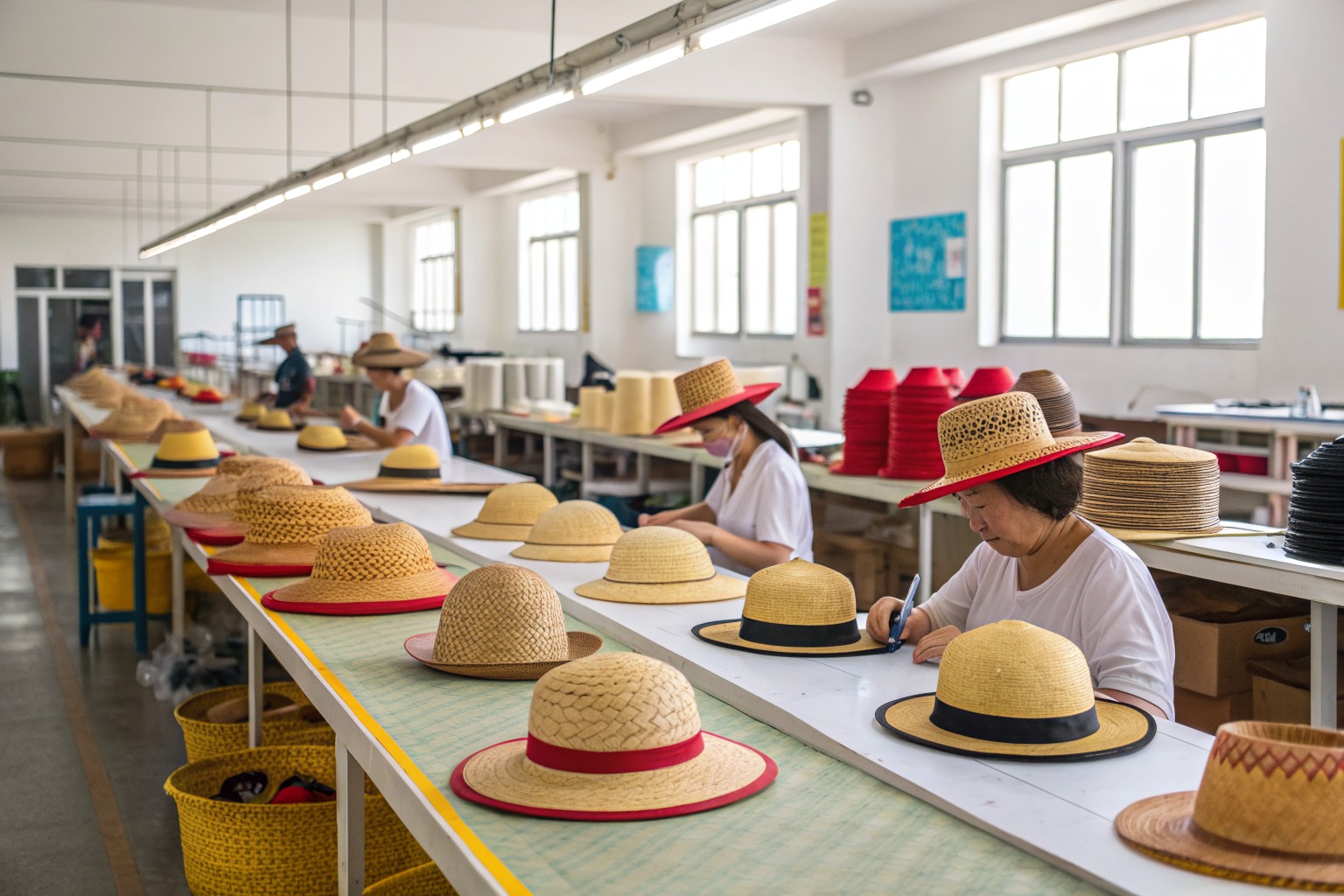
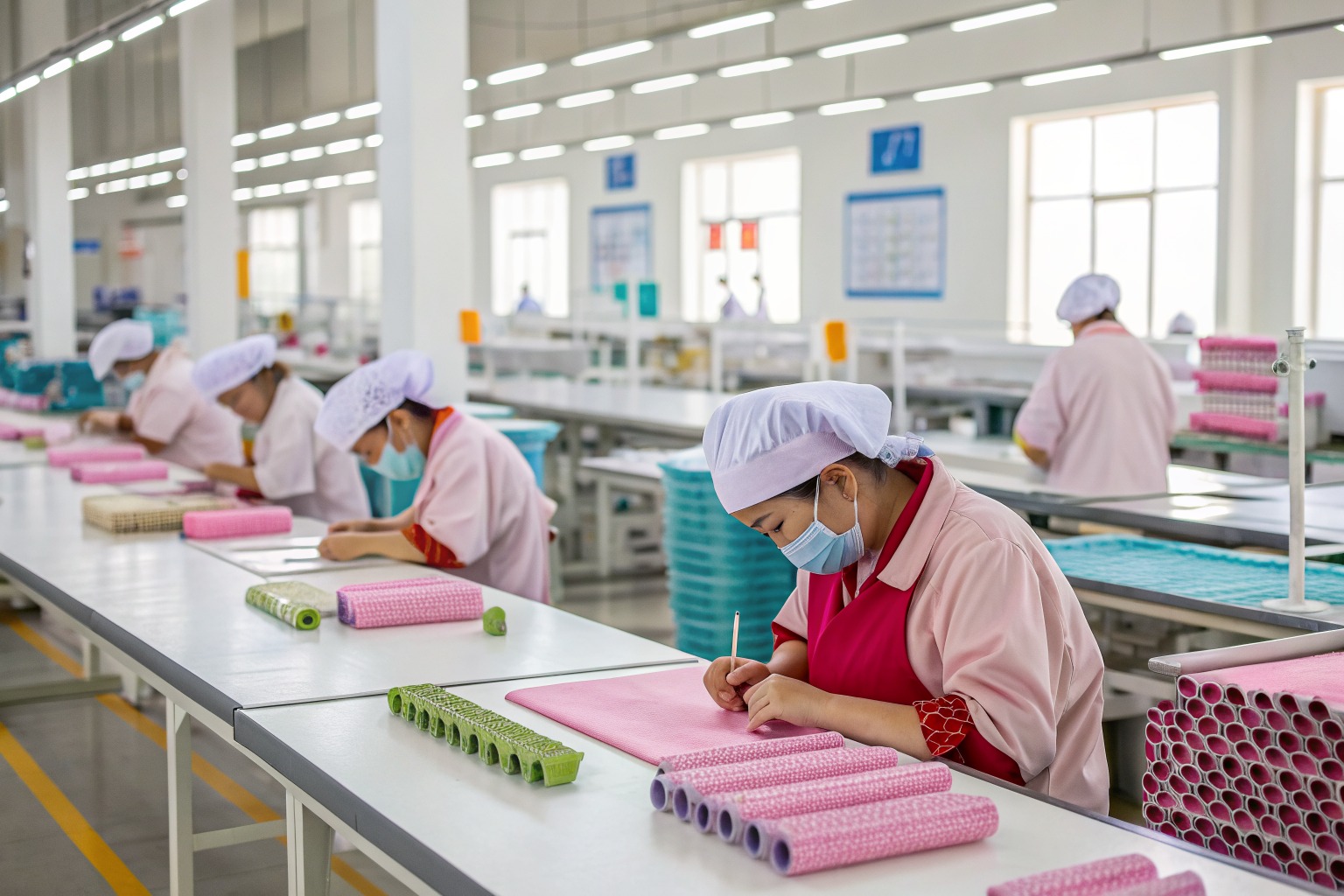
When you’re looking for a manufacturing partner, you’ll encounter many different types of factories. Some are small, specialized workshops, while others are massive assemblers. But there is another type of partner that offers a unique and powerful set of advantages: the vertically integrated factory. What does this mean? A vertically integrated factory is one that controls multiple stages of the production process in-house, rather than outsourcing them to different subcontractors. For example, instead of just sewing a bag, they might also weave the fabric, dye the material, and manufacture the hardware.
What are the advantages of this model? Partnering with a vertically integrated factory offers four transformative benefits: 1) significantly greater control over quality at every stage of production, 2) faster lead times and a more streamlined product development process, 3) enhanced transparency and a more direct line of communication, and 4) often, more stable pricing and greater cost efficiency. At Shanghai Fumao Clothing, our vertical integration is our single greatest strength, allowing us to offer our clients a level of service and reliability that traditional assemblers simply cannot match.
Is this just a technical business term, or does it have real-world benefits for your brand? Let’s explore the four powerful pros of this manufacturing model.
How Does Vertical Integration Lead to Superior Quality Control?
What is the biggest challenge in manufacturing? It’s ensuring consistent quality when you rely on a dozen different subcontractors, each with their own standards. In a traditional assembly model, if a batch of fabric arrives with color defects from an external dye house, the assembly factory might not catch it until hundreds of products have already been made. The "blame game" begins, and you, the client, are caught in the middle.
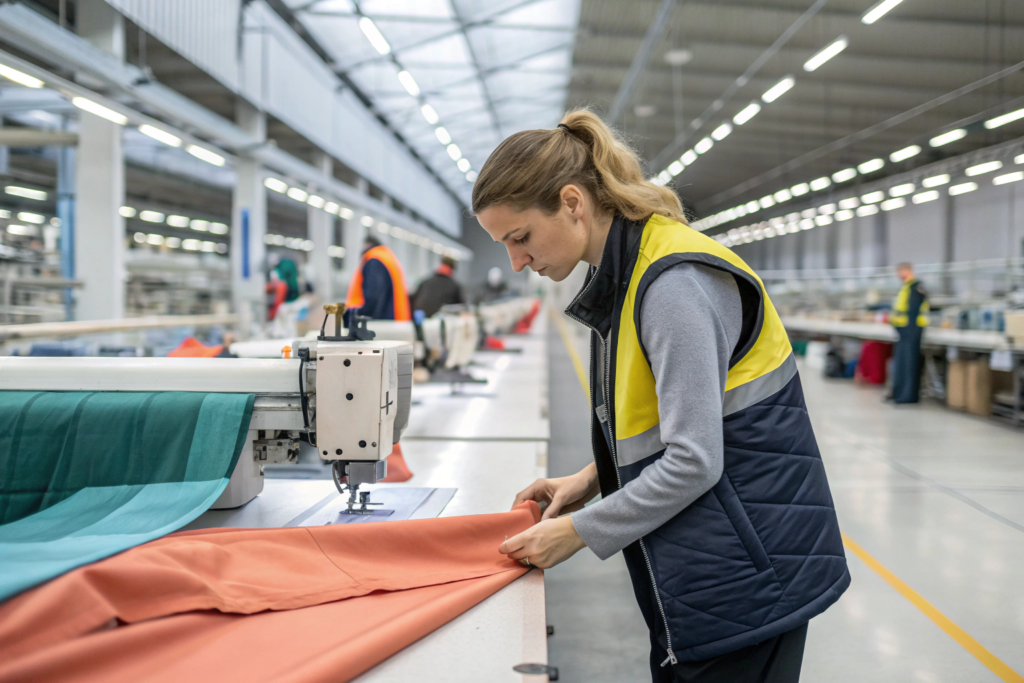
A vertically integrated factory eliminates this problem. Because we control the entire chain, from the yarn to the finished product, we have total quality control at every single step. Our QC team isn’t just inspecting the final product; they are inspecting the raw yarn, monitoring the dyeing process, and checking the fabric as it comes off the loom. We can identify and fix a problem at its source, long before it becomes a major issue. This creates a seamless chain of accountability.
Why is This So Important for Complex Products?
Doesn’t this reduce the risk of errors? Massively. Consider a product that requires precise color matching, like a cap with a custom-dyed fabric and a matching embroidered logo. In our factory, the same quality team oversees the fabric dyeing and the embroidery thread selection. They can ensure a perfect match because they control both processes. In a traditional model, the assembler would simply have to hope that the thread they buy from one supplier matches the fabric they receive from another.
How Does This Affect Product Consistency?
Will all my products look the same from batch to batch? Yes. Because we control the inputs, we can ensure a much higher level of consistency from one production run to the next. We can use the exact same dye lot and the exact same yarn for your re-order six months from now, ensuring your products always have the same color and feel. This is a key part of maintaining brand consistency.
How Does This Model Drastically Reduce Lead Times?
What is the biggest cause of production delays? It’s waiting. In a traditional model, the factory is constantly waiting for deliveries from subcontractors. The truck from the fabric mill is stuck in traffic. The buckles from the hardware supplier are delayed in customs. Each handoff between different companies is a potential point of failure and delay.
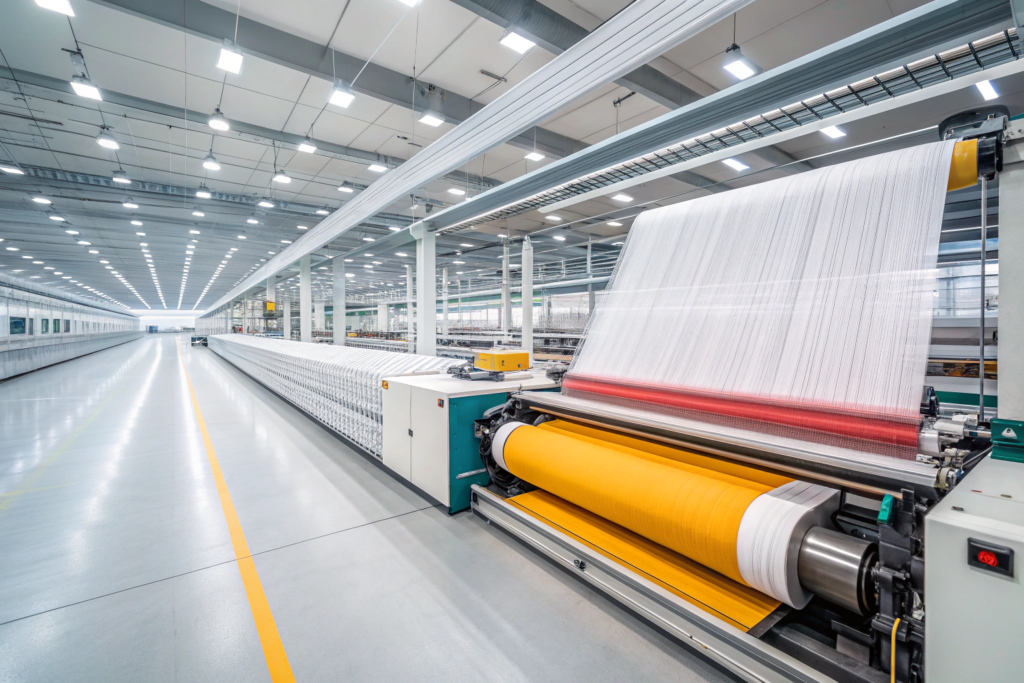
A vertically integrated factory eliminates most of these external handoffs. The "transportation time" between our weaving department and our cutting department is the time it takes to walk a roll of fabric across the factory floor. This dramatically compresses the production timeline. We are not at the mercy of a dozen different external schedules. This allows for:
- Faster Sample Development: We can create a sample of custom-dyed fabric and get it to the sample sewing room in a matter of days, not weeks.
- Shorter Mass Production Lead Times: The entire production process is a smooth, continuous flow, which can shave weeks off your total lead time.
- Greater Agility: If you need to make a last-minute change, we have a much better chance of accommodating it because we haven’t already outsourced the components.
How Does This Help You Get to Market Faster?
Isn’t speed a major competitive advantage? Yes. In the fast-paced fashion industry, being able to get a trending product from concept to market weeks ahead of your competition can be the difference between a bestseller and a missed opportunity. This speed and agility is one of the most powerful benefits of vertical integration. It’s a key factor for brands looking for low lead time suppliers.
Does This Make Problem-Solving Easier?
What if there’s an issue? If a sample isn’t right, we don’t have to coordinate with an external supplier to fix it. My sample room manager can walk over to the head of the weaving department and they can solve the problem together, in person, in a matter of minutes. This collaborative, in-house problem-solving is incredibly efficient.
How Does Vertical Integration Provide Unmatched Transparency?
When you work with a traditional assembly factory, who are you really working with? You are often unknowingly working with a dozen anonymous subcontractors. The assembler is your only point of contact, and you have no visibility into the rest of the supply chain. You don’t know where your fabric is really being made or what the conditions are like in that facility.
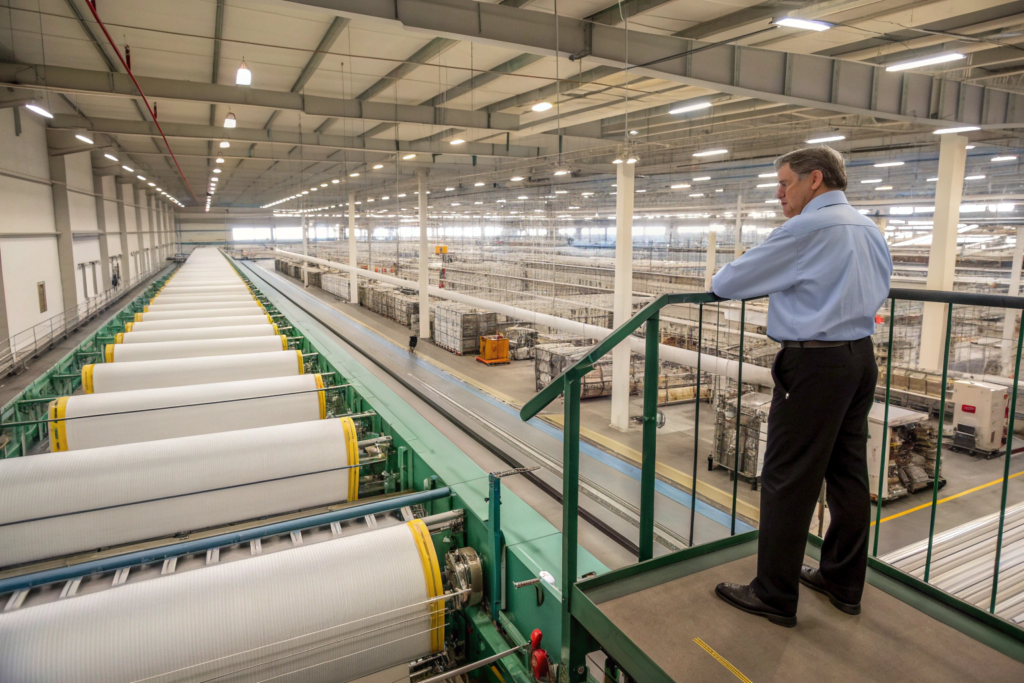
In a vertically integrated factory, you have one single point of contact and total transparency. When you visit our factory, you are not just seeing a sewing floor. You can tour the weaving department, the dye house, and the finishing area. You can meet the people responsible for every stage of your product’s creation. This provides a level of trust and transparency that is impossible in a fragmented supply chain.
Why is This Important for Ethical and Sustainable Sourcing?
How can you be sure your products are made responsibly? With a vertically integrated partner, it’s much easier to verify. You can audit one facility and be confident about the entire production chain. You can verify our labor practices, our environmental standards (like water treatment for the dye house), and our material sourcing. This is crucial for brands that want to authentically market their eco-friendly credentials to Gen Z and for ensuring compliance with standards like BSCI.
How Does This Simplify Communication?
Who do you call when there’s a problem? Me. You have one phone number, one email address. You don’t have to chase down multiple companies to get an answer. This streamlined communication saves an immense amount of time and frustration.
How Can This Model Lead to More Stable and Competitive Pricing?
How does controlling the supply chain affect the cost? While not always cheaper for a single, simple item, vertical integration often leads to better overall value and more stable pricing for a long-term partner.
Here’s why:
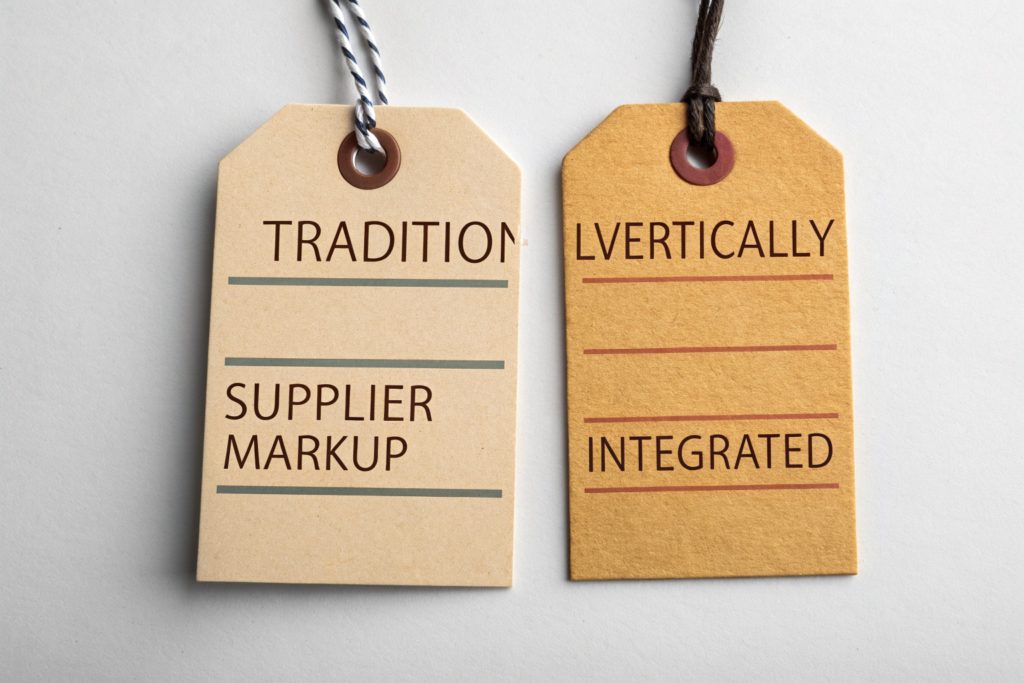
- No Subcontractor Markups: In a traditional model, every subcontractor adds their own profit margin. The fabric mill adds a markup, the dye house adds a markup, and then the final assembler adds their markup. By controlling these steps in-house, we eliminate these layers of compounded markups, which can lead to a more competitive final price.
- Protection from Market Volatility: Because we buy raw materials (like raw cotton or yarn) in huge volumes, we have more stable, long-term pricing contracts. We are less susceptible to the small, frequent price shocks that smaller subcontractors face. This allows us to offer our clients more stable pricing over time, making it easier for you to plan your buying budget.
- Efficiency Gains: The efficiencies we gain from a streamlined process and reduced transportation costs are savings that we can pass on to our clients.
Does This Mean It’s Always the Cheapest Option?
Is it the best choice for a very simple, low-cost promotional item? Not always. For a massive order of a very simple item (like a basic cotton tote bag), a hyper-specialized assembler who does nothing but that one item might be slightly cheaper. But for a brand that values quality, consistency, speed, and a long-term partnership, the overall value provided by a vertically integrated factory is almost always superior.
How Does This Benefit a Growing Brand?
Isn’t this the perfect model for scaling a business? Yes. As you grow and build a diverse product range, the benefits of your partner’s vertical integration become even more powerful. The speed, quality control, and cost efficiencies are magnified as your business scales.
Conclusion
So, what are the advantages of sourcing from a vertically integrated factory? Is it just a minor technical difference? No. It is a fundamentally superior model for any brand that values quality, speed, and transparency.
It provides unparalleled end-to-end quality control. It offers a faster and more agile production timeline. It delivers radical transparency into your supply chain. And it creates cost efficiencies and price stability that are impossible in a fragmented model.
Choosing a manufacturing partner is one of the most important decisions you will make. By choosing a vertically integrated partner, you are not just buying a product; you are investing in a streamlined, efficient, and transparent production ecosystem that will become a powerful competitive advantage for your brand.
If you are looking for a partner with this level of control and capability, we would be proud to show you how our vertical integration can help your business thrive. Please contact our Business Director, Elaine, at her email: elaine@fumaoclothing.com.