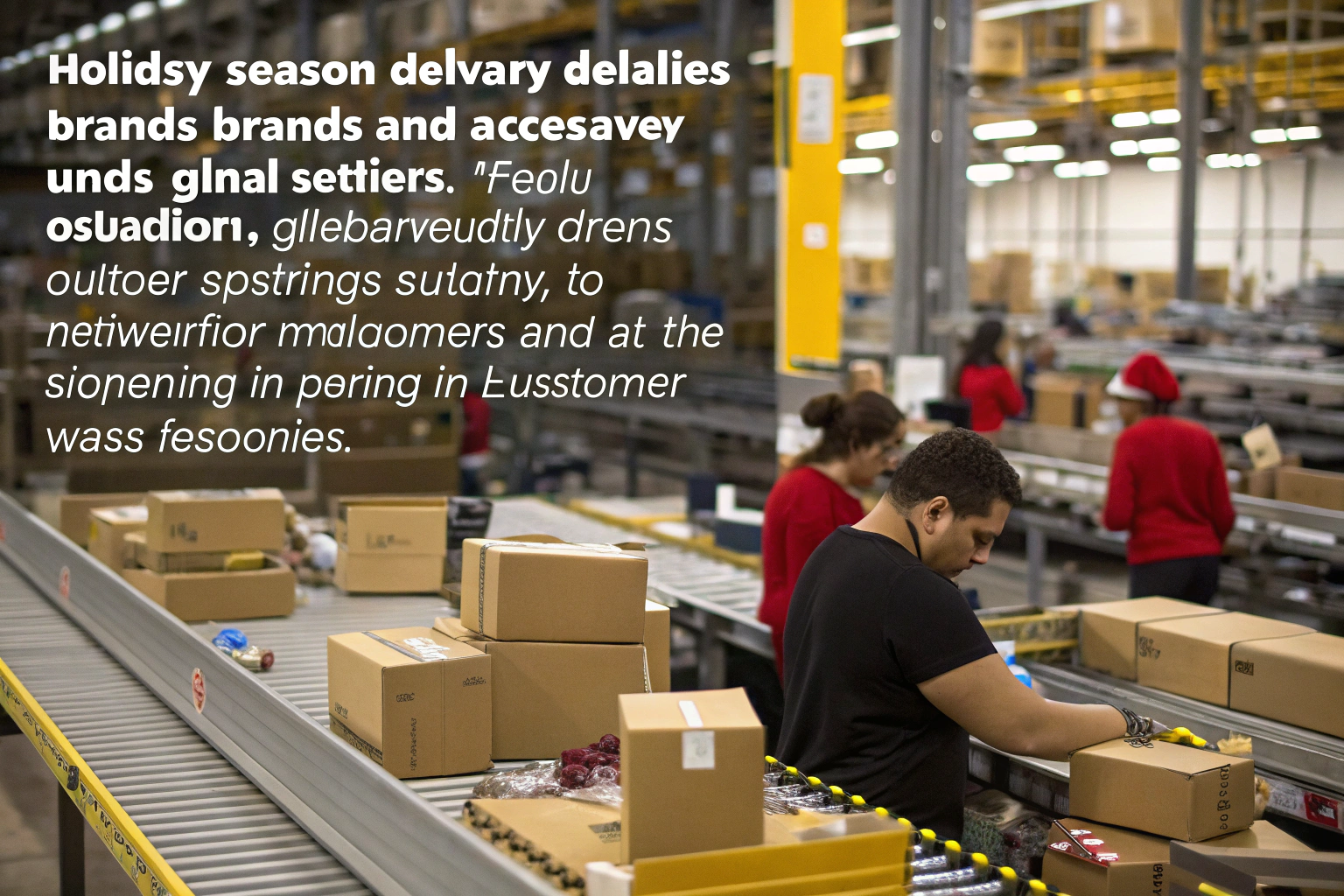
For fashion accessory brands and retailers, holiday season delays are more than an inconvenience—they are a direct threat to revenue and customer loyalty. The surge in demand, coupled with strained global supply chains and logistics networks, creates a perfect storm. Proactively solving these delays requires a strategic, multi-layered approach that starts long before the holiday rush begins.
The solution lies in a holistic strategy that addresses production, logistics, and customer operations simultaneously. Key tactics include demand forecasting and early inventory placement 3-4 months in advance, diversifying your supplier and manufacturer base to build resilience, implementing multi-modal shipping strategies (combining sea and air freight), and maintaining transparent, proactive communication with customers. Success is about planning for disruptions before they happen.
This guide breaks down the actionable steps across your supply chain to ensure your accessories arrive on time, every time.
How to Proactively Manage Production and Supply Chain Risks?
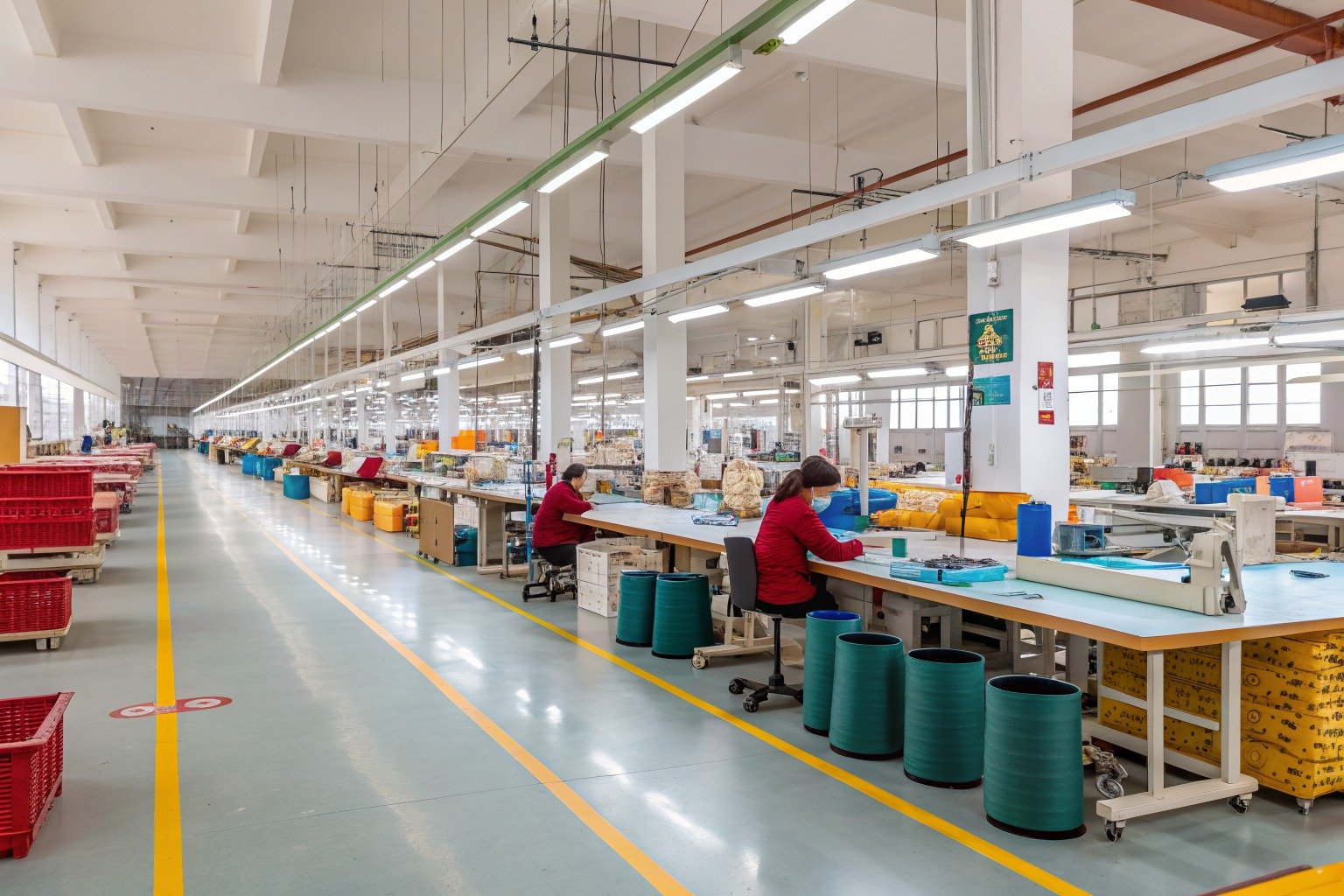
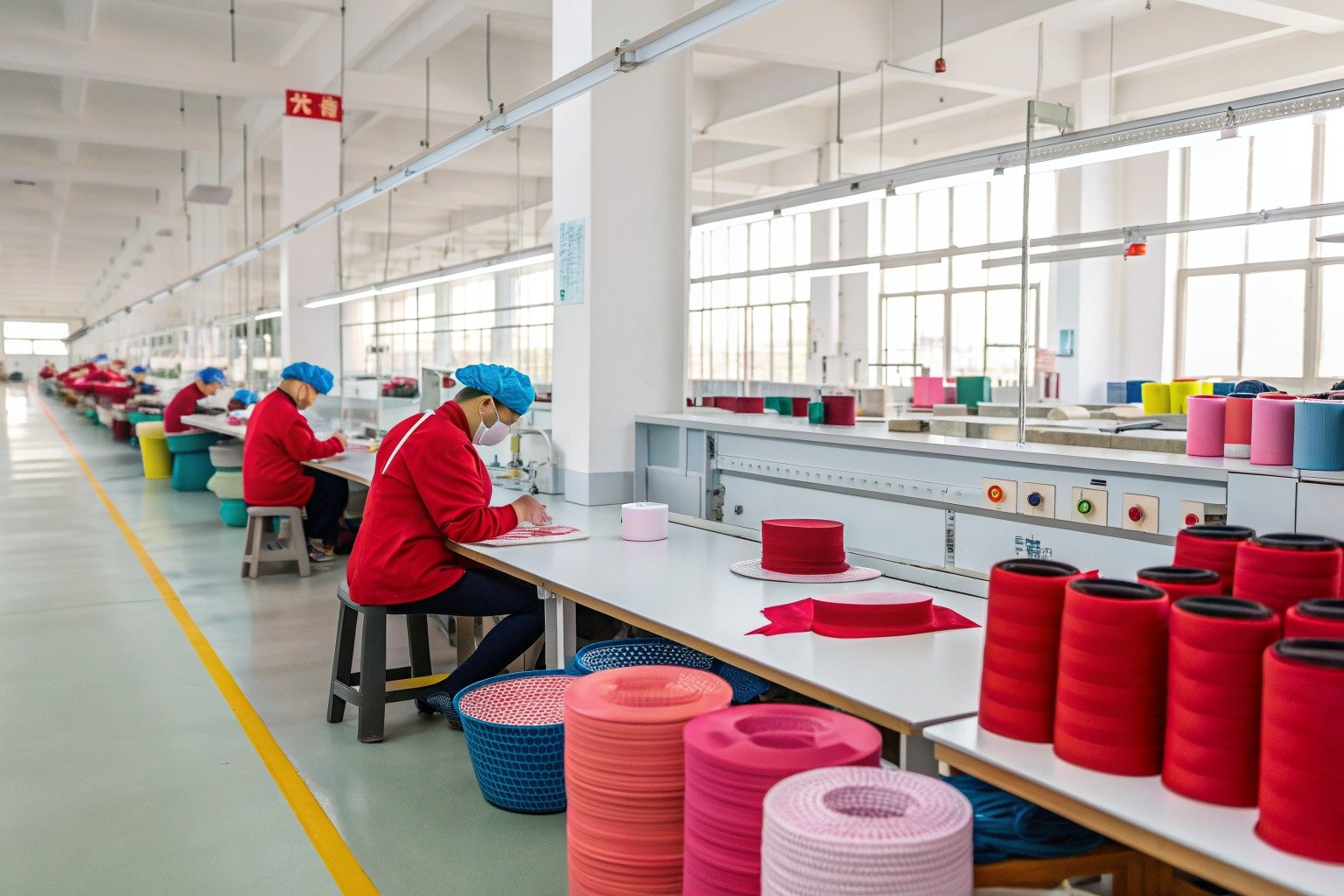
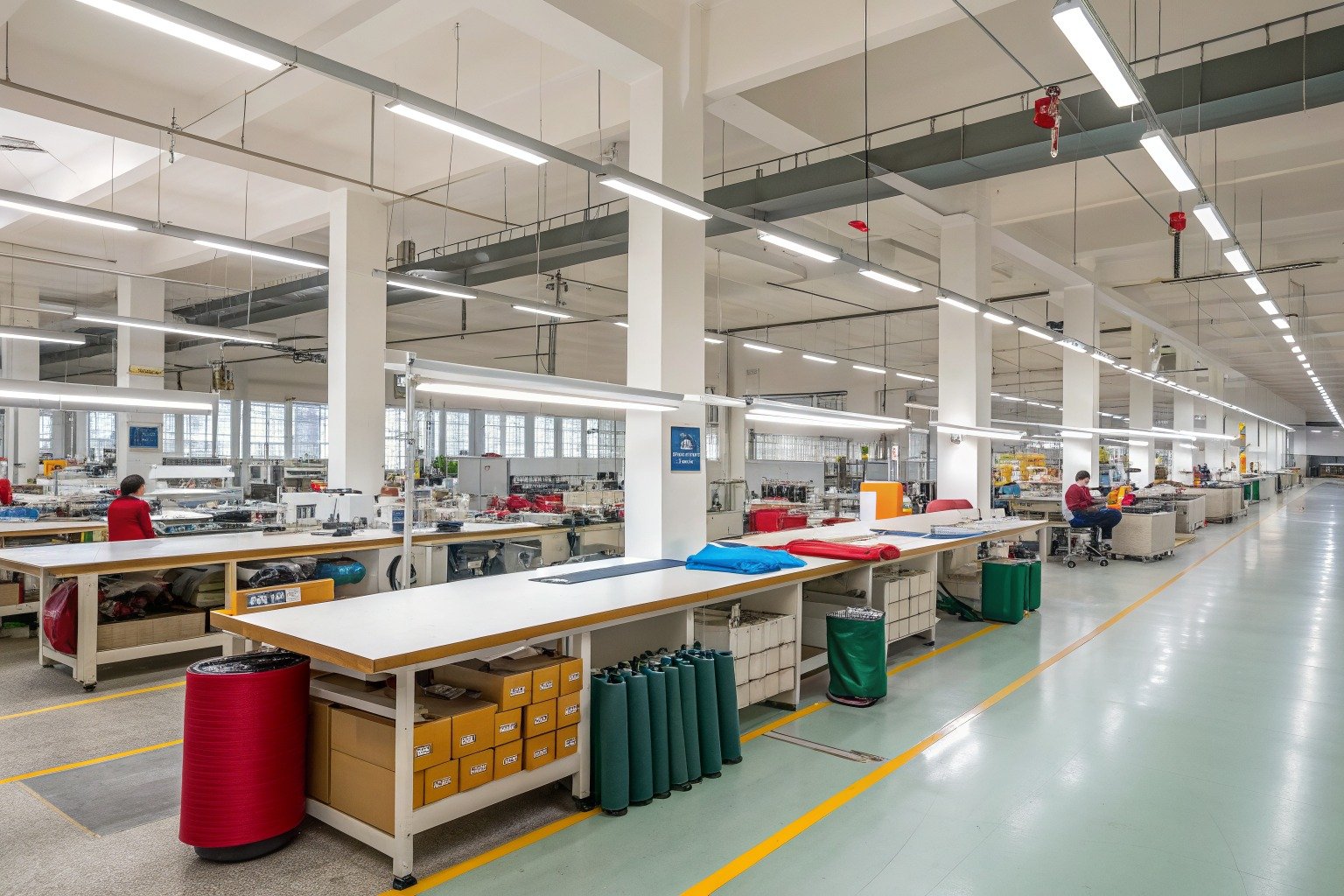
The foundation for a smooth holiday season is laid months in advance at the production level. Delays here cascade through every subsequent step, making early and strategic action critical.
A professional supply chain control room scene. A large digital dashboard displays live maps with shipping routes, factory production schedules, and inventory levels across different warehouses. A diverse team of planners and managers are discussing a Gantt chart on a screen that outlines key holiday milestone dates from "Design Final" to "Last Ship Date." The atmosphere is focused, data-driven, and strategically planned.

What is the "120-Day Countdown" Planning Method?
This is a backward-planning framework from the key sales date (e.g., Black Friday). Start at your "must-arrive" warehouse date and work backward:
- Day 0: Goods arrive at destination warehouse.
- Day -30 to -45: Ocean freight transit time + buffer for port delays.
- Day -60: Production complete, final inspection, packing.
- Day -90 to -120: Production runs, including fabric sourcing and cutting.
- Day -120+: Order placed with factory, materials confirmed.
Creating a visual timeline like this makes dependencies clear and highlights critical path items that cannot be delayed.
How Can You Work with Factories More Effectively?
Treat your manufacturers as strategic partners. Share your sales forecasts and holiday plans with them early. Be transparent about your expectations and ask about their capacity, lead times, and any scheduled holidays (like Chinese New Year, which often falls close to post-holiday resets). Clear, consistent communication and realistic timelines foster collaboration and ensure you are prioritized.
How to Navigate Logistics and Shipping Bottlenecks?
When production is complete, the next battlefield is logistics. Holiday port congestion, scarce air cargo space, and overwhelmed last-mile carriers are predictable challenges that must be planned for.
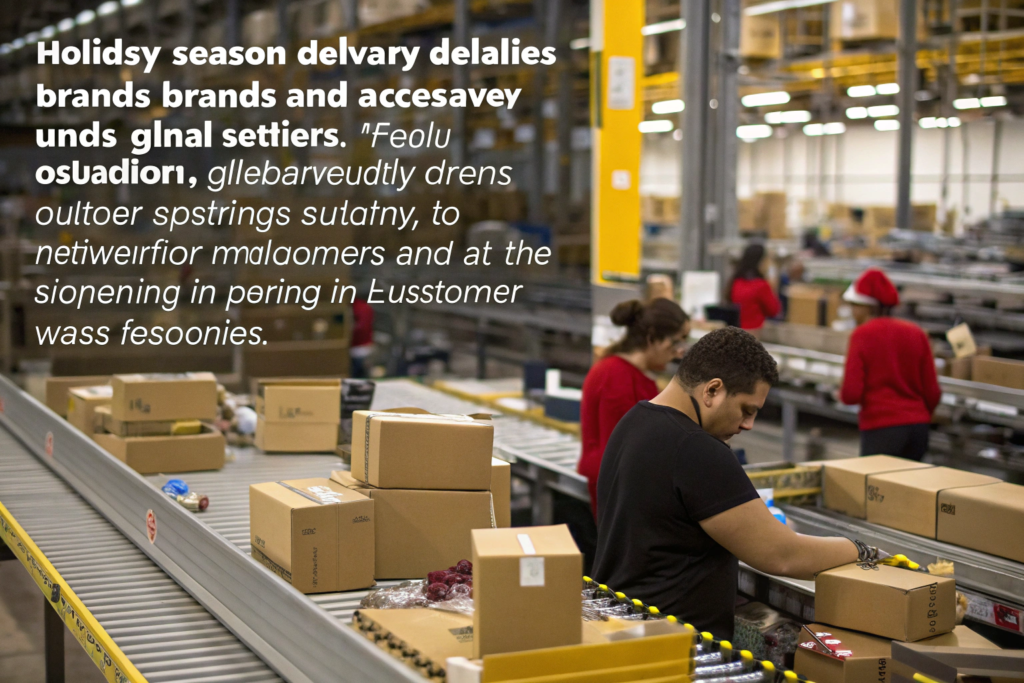
Should You Use Fulfillment Centers Closer to Customers?
Absolutely. Utilizing fulfillment centers in your key sales markets (e.g., North America, Europe) is a powerful tool for speed. You ship your bulk inventory to these centers via sea freight well in advance. When a customer places an order, it is packed and shipped domestically or within the region, often arriving in 1-3 days instead of 2-4 weeks. This not only prevents shipping delays but also reduces shipping costs and simplifies returns management.
How to Track Shipments and Manage Customs?
Visibility is control. Use a Transportation Management System (TMS) or work with a forwarder that provides real-time tracking and alerts. Proactively manage customs by ensuring all documentation—commercial invoice, packing list, country-specific certificates—is 100% accurate and complete before shipment departs. Inaccurate paperwork is a leading cause of customs holds, which can add weeks of delay during busy periods.
How to Manage Customer Expectations and Internal Operations?
When delays are inevitable, excellent customer communication and streamlined internal operations become your primary tools for damage control and maintaining trust.
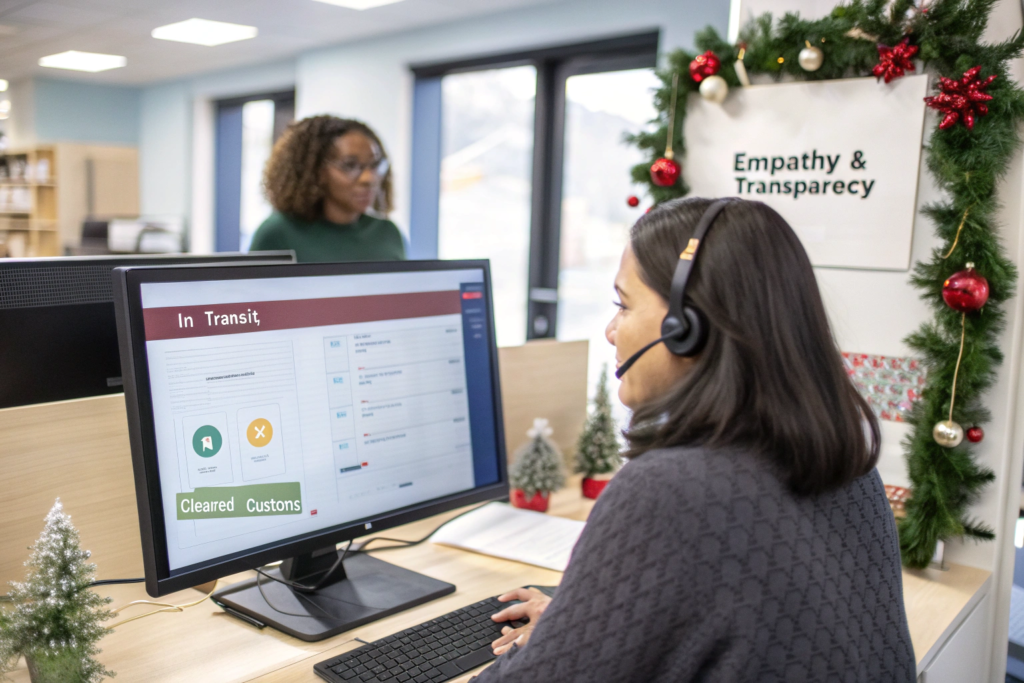
What Should Be in a Delay Communication Plan?
Your plan should be pre-written and ready to deploy:
- Initial Alert: Inform the customer as soon as a systemic delay is confirmed. Acknowledge the issue, apologize for the inconvenience, and provide the new ETA.
- Status Updates: Send periodic updates (e.g., weekly) even if the status hasn’t changed, to show you haven’t forgotten.
- Resolution/Compensation: Upon delivery, follow up to ensure satisfaction. Consider offering a tangible goodwill gesture, such as free shipping on the next order.
- Internal Scripts: Ensure your customer service team has consistent talking points and the authority to resolve issues within set guidelines.
How Can Technology and Partners Help?
Leverage technology. Inventory management software can sync demand with supply levels. Order management systems (OMS) can automatically route orders to the optimal fulfillment location. Partner with a 3PL (Third-Party Logistics) provider that specializes in e-commerce and peak season management—their expertise, infrastructure, and carrier relationships can be invaluable. As a full-service manufacturer, Shanghai Fumao Clothing can act as a key partner by managing the production and often the initial export logistics, providing a seamless handoff to your chosen freight or fulfillment partner.
Can Proactive Planning Eliminate Most Delays?
Discover how proactive planning transforms supply chain efficiency for fashion accessory exporters. Learn actionable strategies to eliminate 80% of delays in hair accessory production, shipping, and compliance.
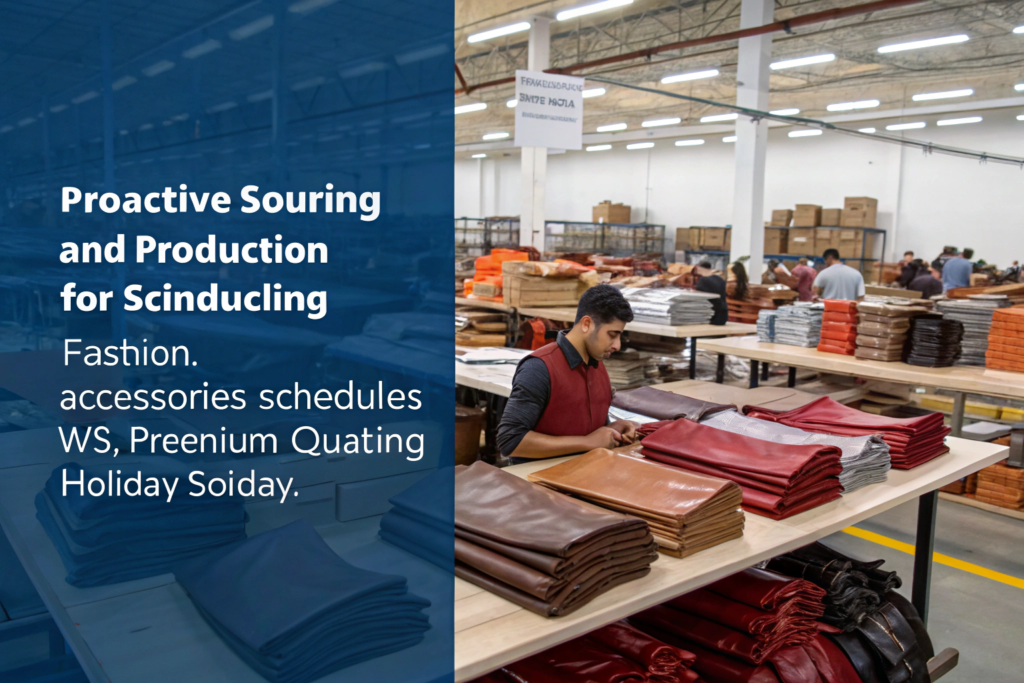
Is Early Sourcing and Production Scheduling the Key to Avoiding Bottlenecks?
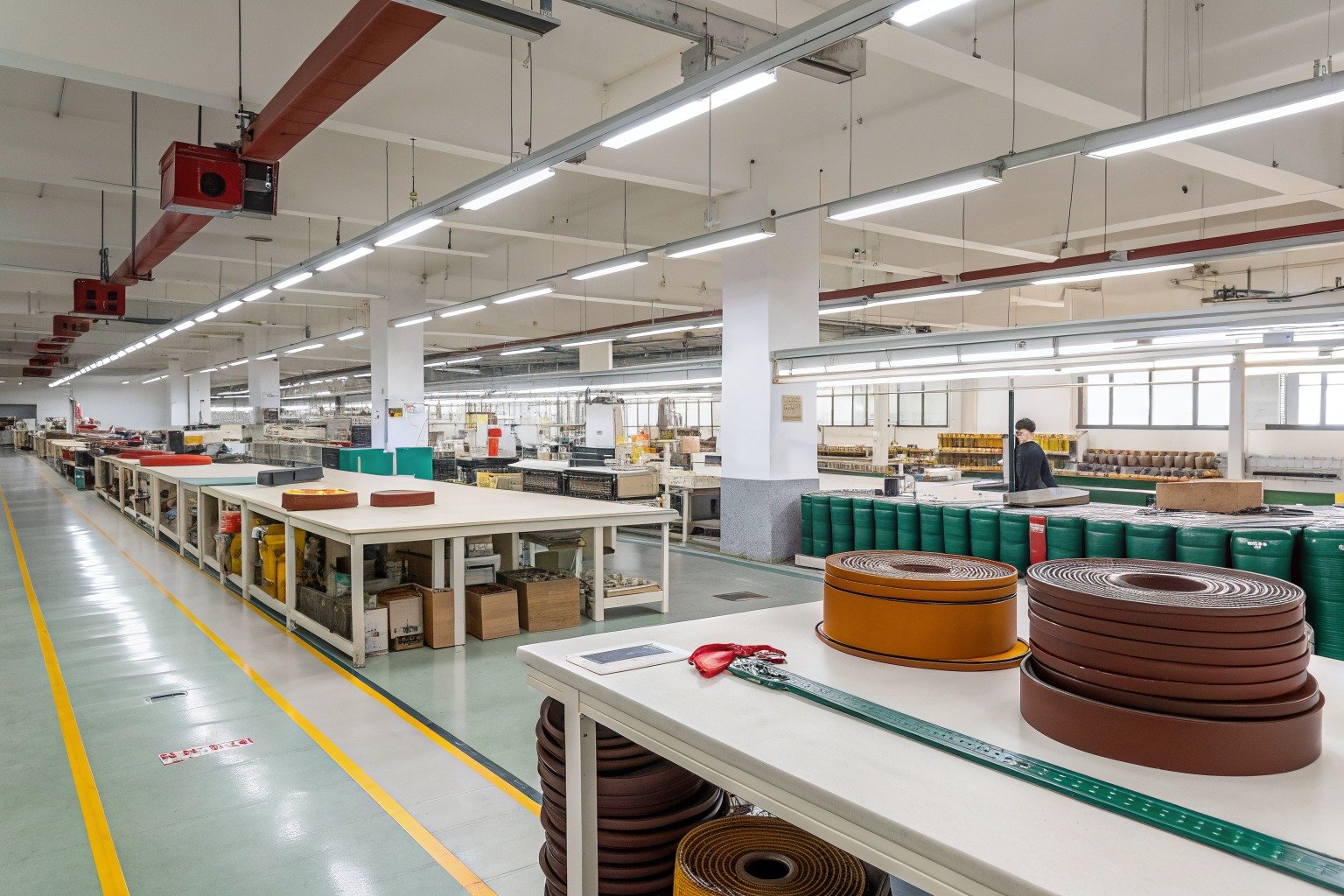
Proactive sourcing and production scheduling are foundational to preventing holiday season delays for fashion accessories, as they ensure a seamless flow of materials from suppliers to manufacturing facilities and ultimately to retail shelves. By initiating sourcing efforts months in advance, brands can secure high-quality raw materials—such as premium leather, vibrant fabrics, and durable hardware—before demand spikes and lead times stretch.
How to Optimize Inventory Management for Holiday Demand Fluctuations?
Effective inventory management is critical to balancing supply and holiday demand, preventing both stockouts and overstock (which ties up capital).
Conclusion
Solving holiday delays for fashion accessories is not about finding a single fix, but about executing a coordinated strategy across your entire supply chain. It requires early planning, building resilient partnerships with manufacturers and logistics providers, and maintaining flawless communication with customers. By forecasting demand months in advance, diversifying your production and shipping options, and leveraging technology for visibility and efficiency, you can transform the holiday season from a period of stress into one of reliable growth. Learn more Shanghai Fumao Clothing details page.
The goal is to move from being reactive to being proactively prepared. If you are looking for a manufacturing partner that understands these challenges and can provide the stability and communication needed for successful peak season execution, we are here to help. At AceAccessory (Shanghai Fumao Clothing), we prioritize planning and transparency with our clients. To discuss building a holiday-ready production plan for your accessory line, please contact our Business Director, Elaine, at elaine@fumaoclothing.com.