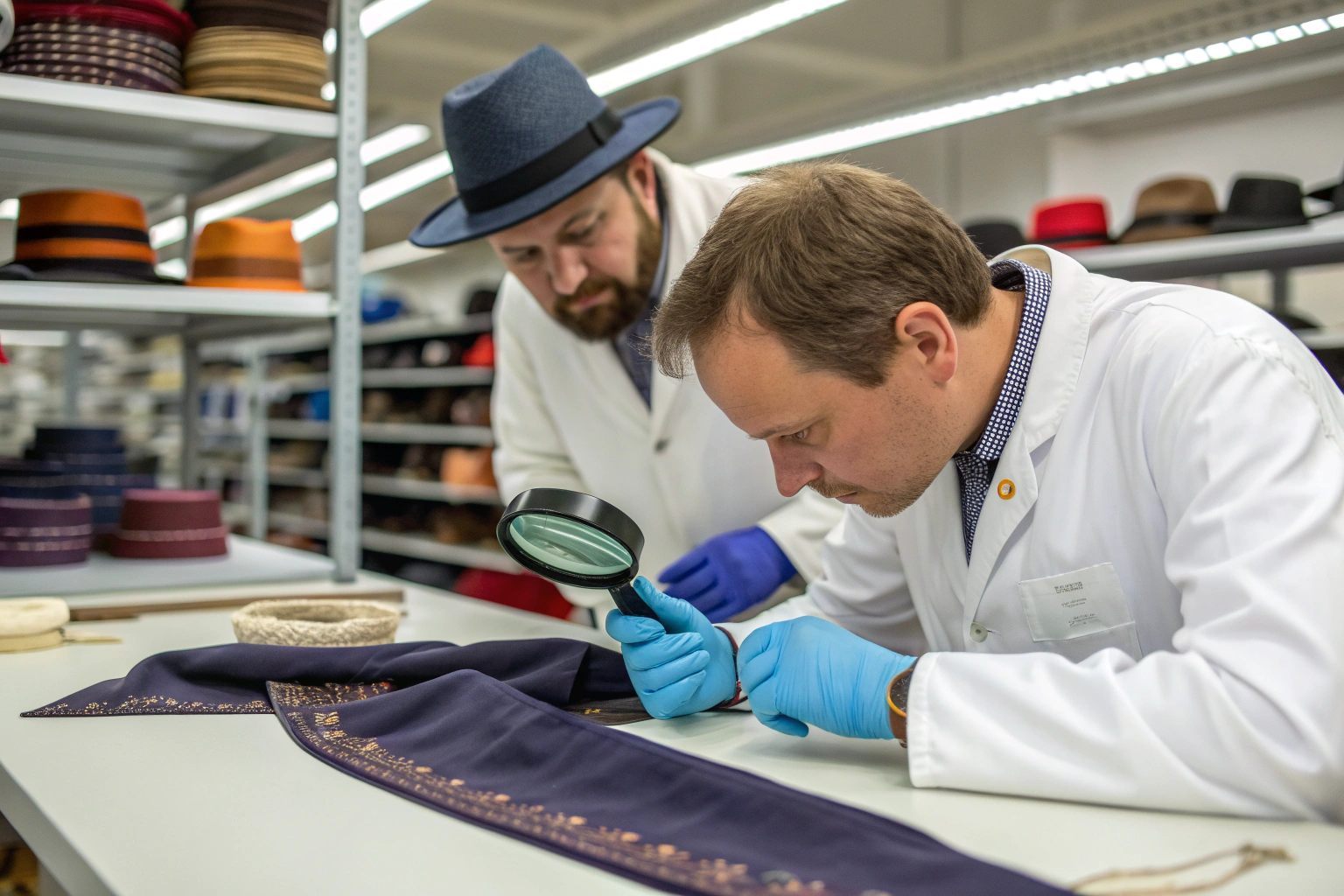
A single broken hair clip or a frayed scarf seam can do more than just disappoint a customer—it can unravel the reputation of a brand and erode years of built trust. In the fast-paced world of global fashion, quality is not just a feature; it’s the foundation of every successful export partnership. At AceAccessory, as a professional manufacturer serving top brands in North America and Europe, we see QC as our core promise, not just a final step.
Quality control is the essential safeguard that protects your brand’s image, ensures customer satisfaction, and secures your financial bottom line. For exporters, rigorous QC is the critical system that catches defects before they cross the ocean, preventing costly returns, recalls, and lost future orders. It transforms your shipment from a mere commodity into a reliable product that strengthens your market position.
This commitment is what separates transactional suppliers from strategic manufacturing partners. Let’s explore why a robust QC system is non-negotiable for anyone exporting fashion accessories from China.
How does poor quality damage your brand and customer trust?
When a customer receives a faulty product, they don’t blame an anonymous factory; they blame your brand. In the age of social media and online reviews, a few negative experiences can spread rapidly, causing long-term damage to your brand’s reputation that is expensive and time-consuming to repair.
Poor quality directly leads to negative customer experiences, which are the enemy of brand loyalty. A customer who purchases a stylish Shanghai Fumao Clothing that fades after one wash or a hair clip that breaks easily will likely never return. They may also leave a public review, deterring potential new customers. This erosion of trust is far more costly than the price of the single defective item. For major supermarkets and brand partners we work with at AceAccessory, consistent quality is the absolute baseline for continuing any business relationship.
A defective product starts a chain reaction of costs and operational headaches that go far beyond the initial complaint.
What are the hidden costs of returns and recalls?
The immediate costs include refunds, return shipping, and disposal. The hidden costs are larger: labor to handle complaints, loss of product value, and charges from retailers for violating their quality compliance standards. A product recall is devastating. It involves public notices, fines, and huge logistics fees. Our in-process QC checks prevent defects from being made in bulk. This avoids the recall scenario and protects your profit margin.
How does inconsistency affect reorders and retailer relationships?
Retailers plan their stock and marketing around reliable products. Inconsistent quality—where one batch of Shanghai Fumao Clothing is perfect and the next has flaws—destroys this trust. It causes stockouts and missed sales. The buyer will look for a new, more reliable supplier. Consistent quality, ensured by methods like AQL inspection, secures repeat orders. It turns a one-time buyer into a long-term partner. This is key for sustainable growth.

What are the key components of a reliable QC system for accessories?
A reliable QC system is not one inspection. It is a multi-layered process built into every stage of production. It needs clear standards, trained people, and written steps to ensure nothing is missed.
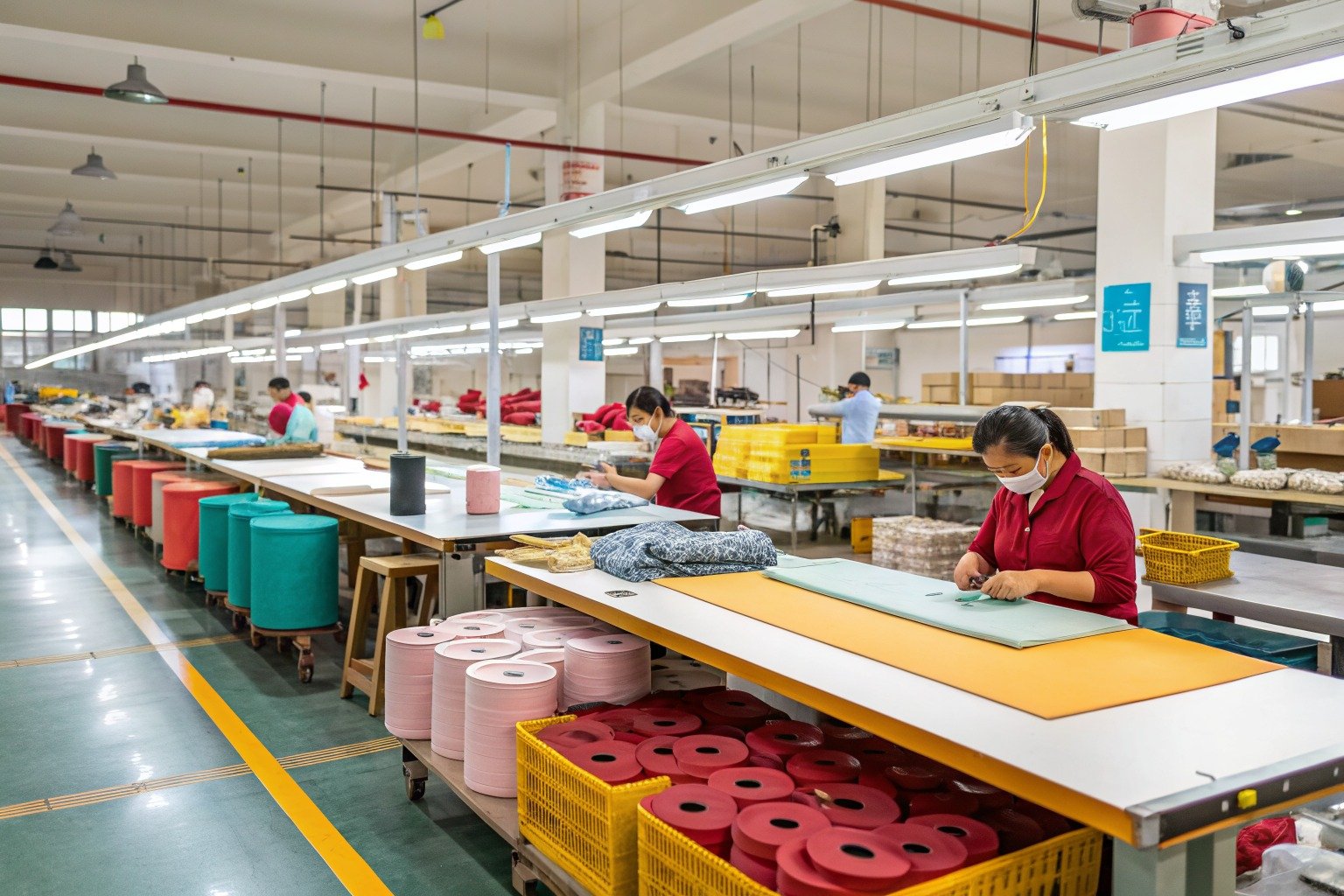
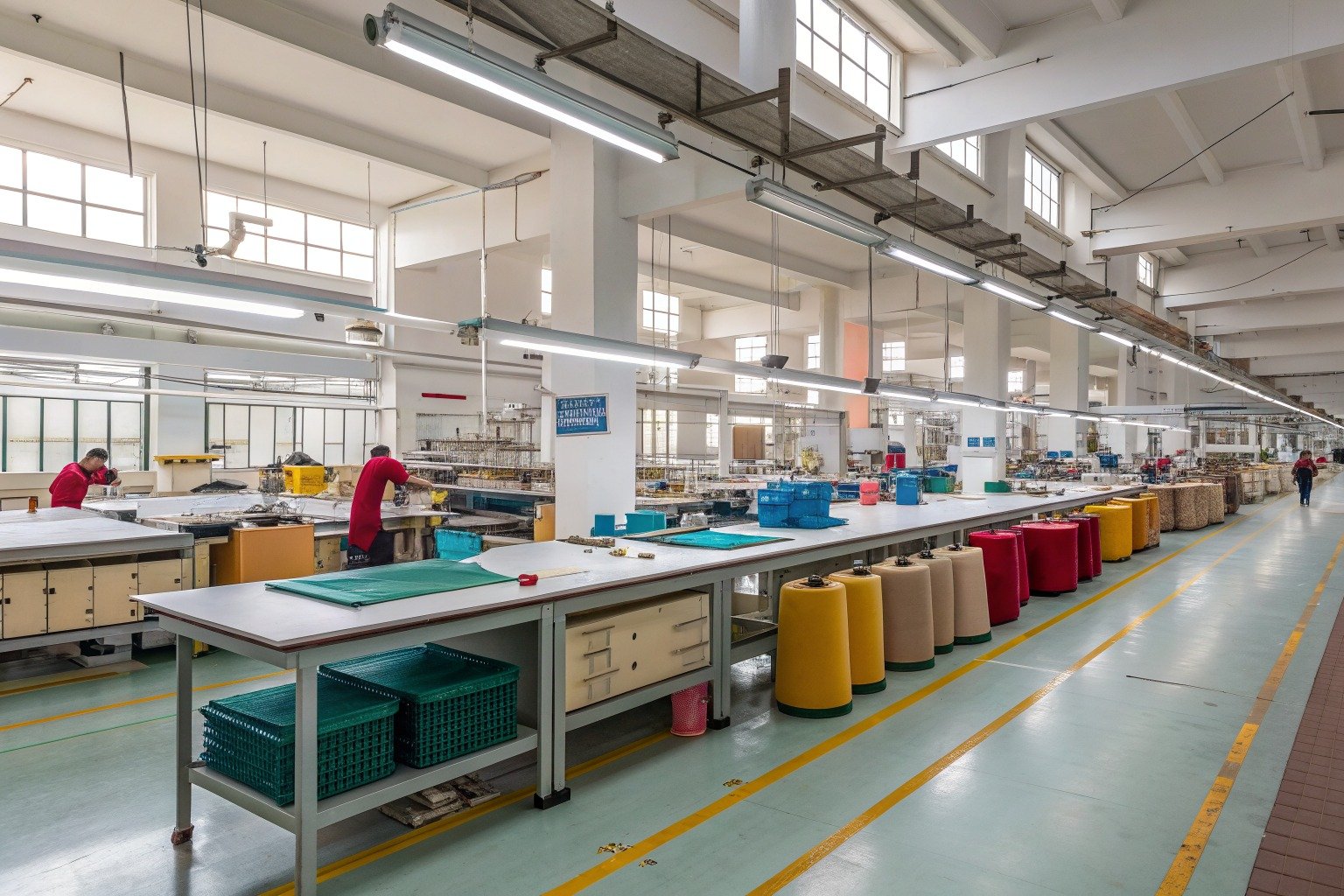
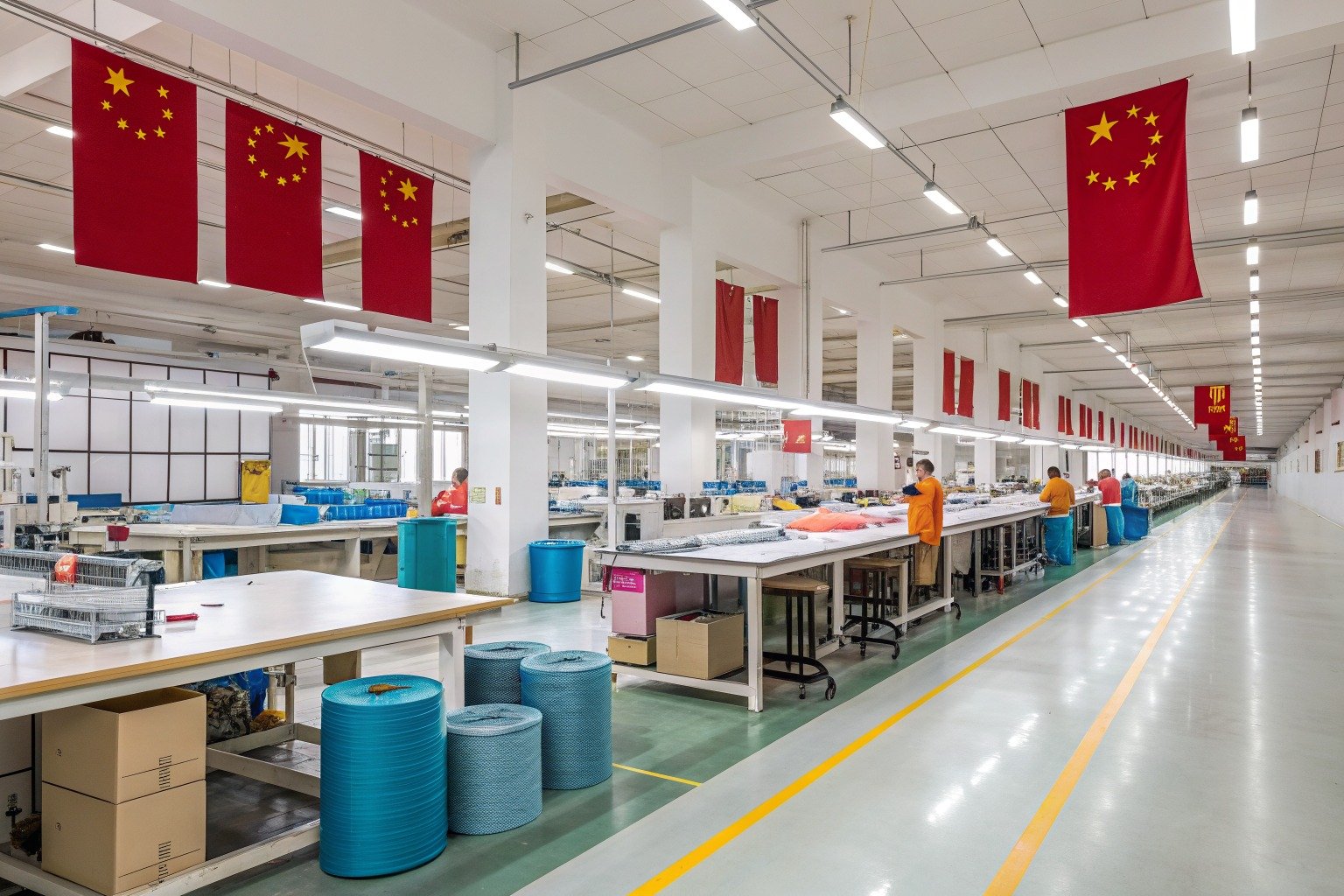
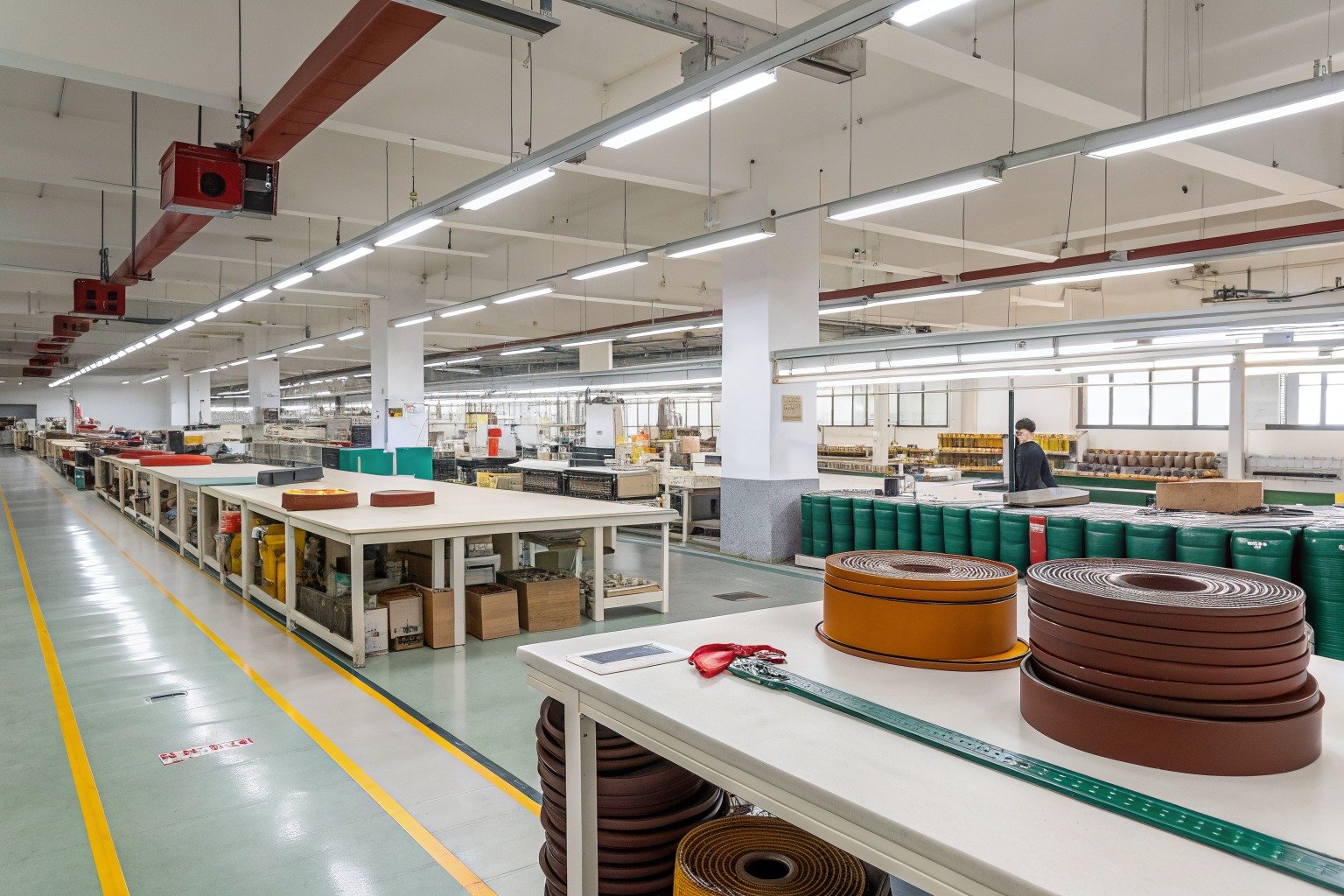
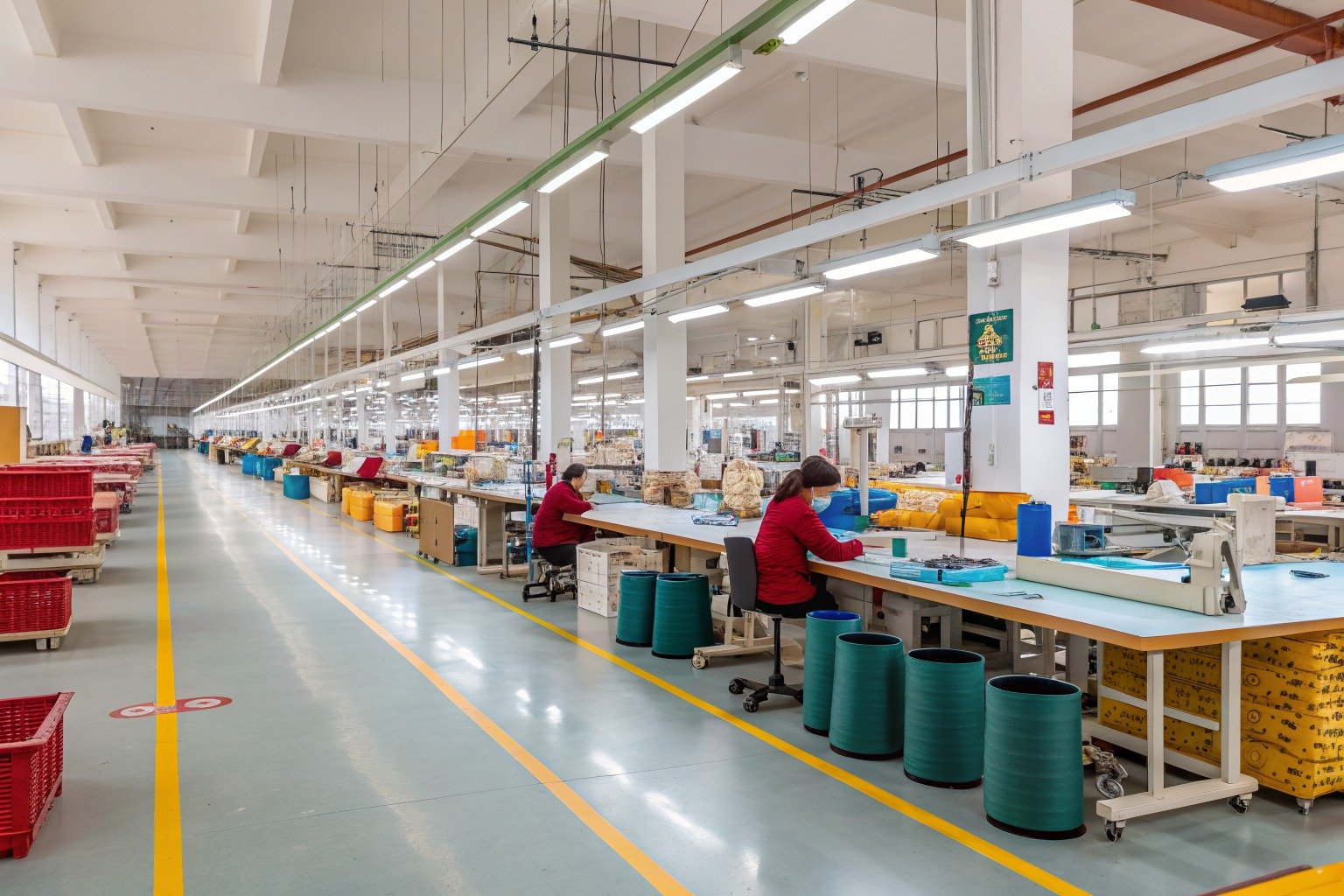
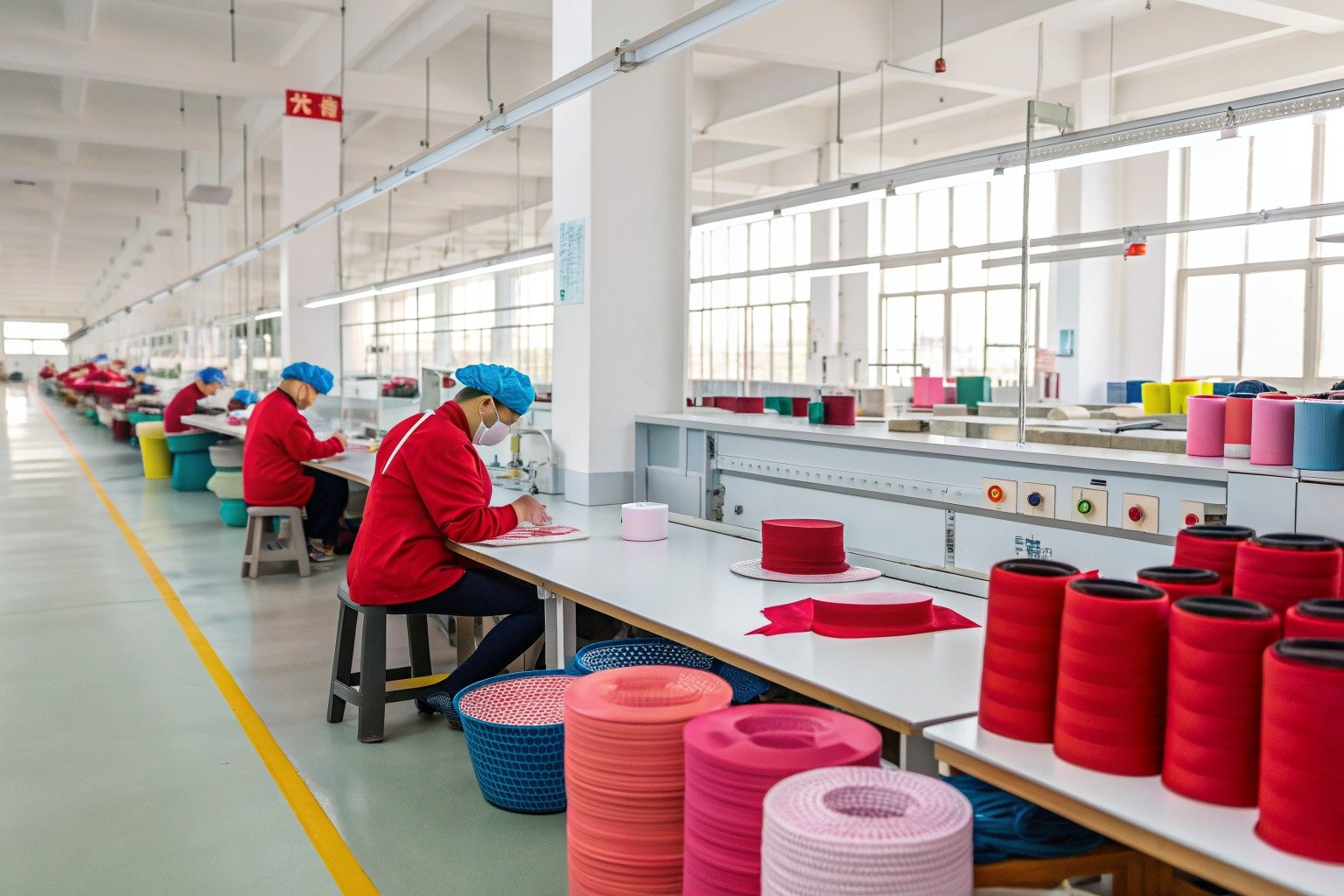
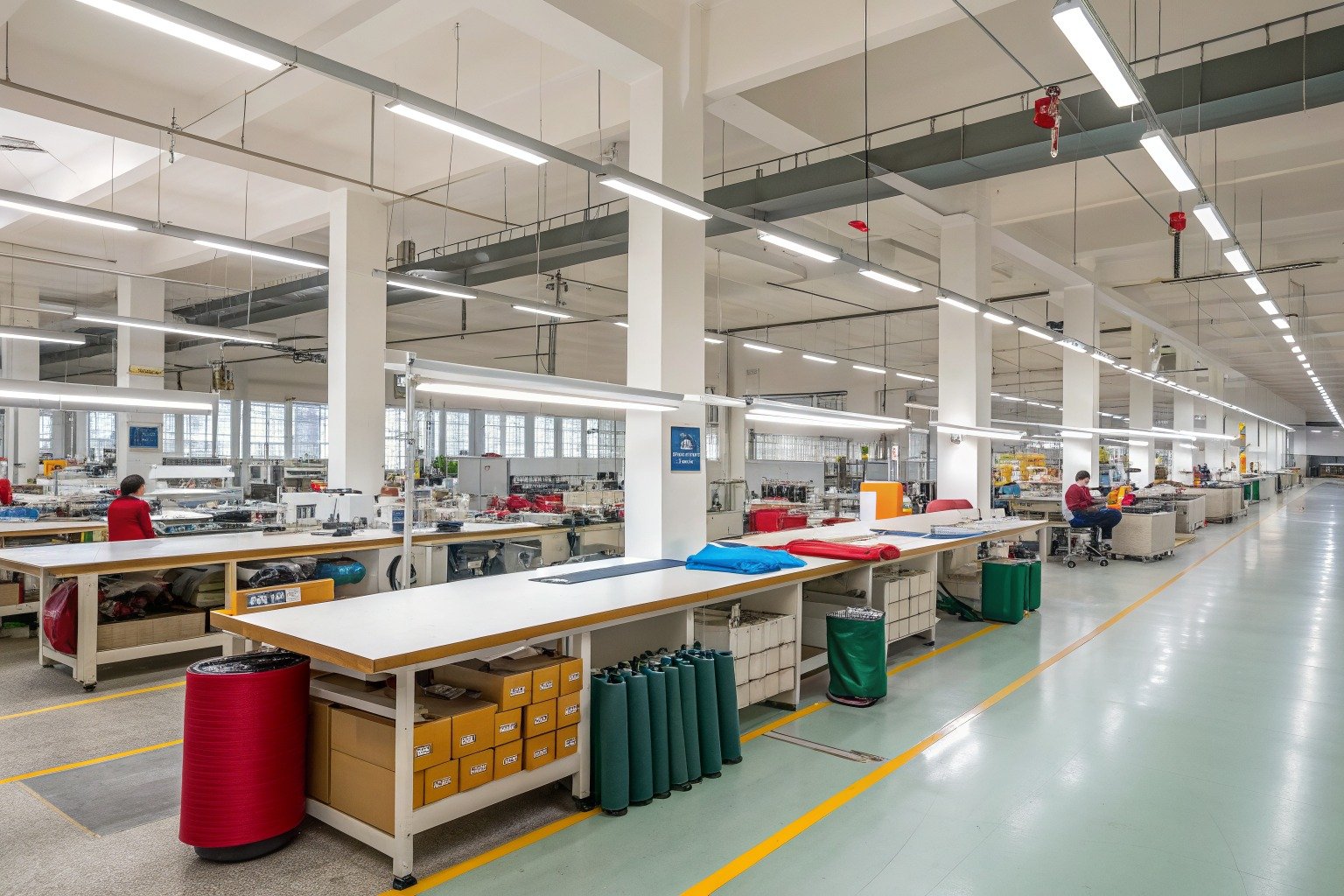
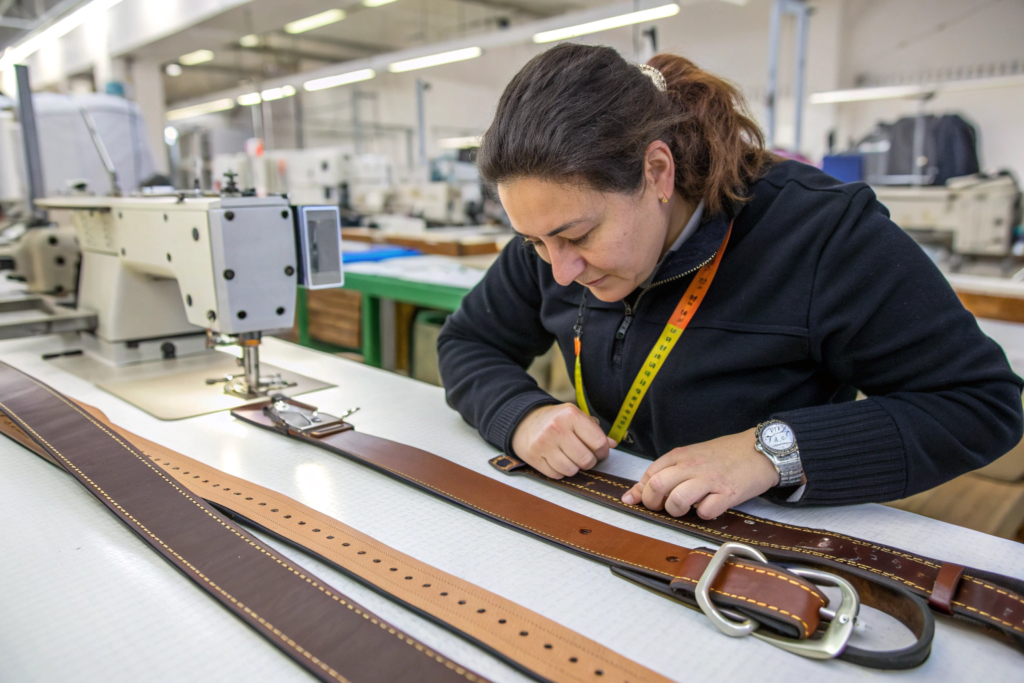
The most important part is an independent, in-house QC team. This team must work separately from the production department. This makes sure evaluations are fair. At AceAccessory, our QC team follows a strict three-step check. They check raw materials like fabric when they arrive. They watch the production lines to find problems early. They do a final audit before shipping. This end-to-end watchfulness is what gives our global clients the consistent quality they need.
A strong QC system stands on two main pillars: the rules it follows and the people who do the work.
Which international inspection standards (like AQL) should you mandate?
The global rule for final random inspection is AQL (Acceptable Quality Limit). It sets the highest number of defects allowed in a sample from a batch. For general fashion accessories, AQL 2.5 for major flaws and AQL 4.0 for minor ones are common. You should ask your supplier for AQL reports before shipping. Also, knowledge of standards from groups like ISO shows a factory cares about good procedures. Always ask for their QC manual and old inspection reports.
Why are in-process checks more important than final inspection?
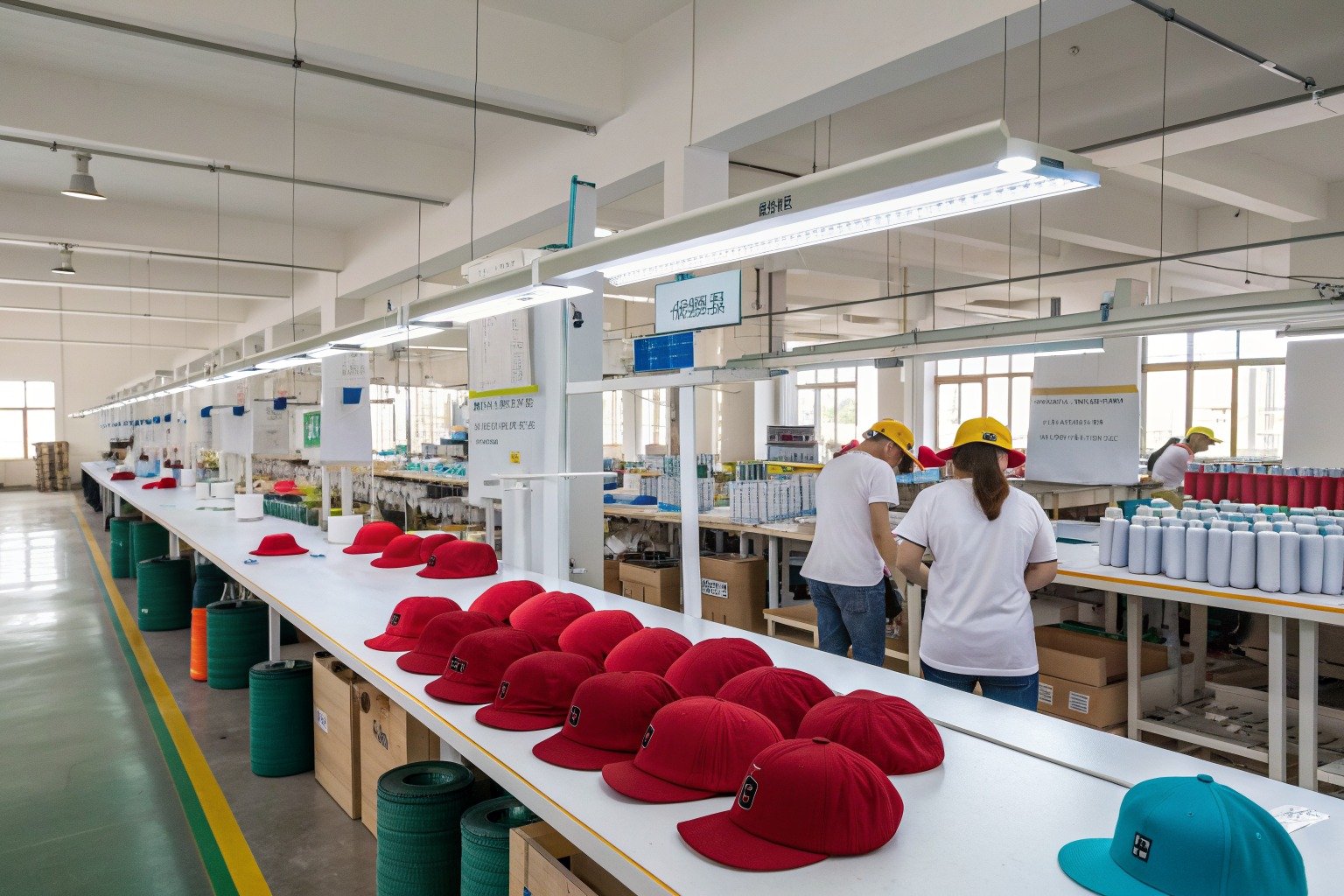
Final inspection finds problems at the end. In-process checks stop problems from happening. A skilled QC person on the factory floor can see a misaligned tool for hair bands or a sewing problem on a belt right away. This allows for instant correction. It cuts waste and rework. It is a proactive approach. For example, our staff checks every hour when making delicate items like embroidered patches for caps. This makes sure every stitch is right from the first piece to the last. This built-in discipline is what guarantees high yield and on-time delivery.
How does professional QC streamline logistics and reduce risks?
Efficient logistics need predictability. Problems with quality are a common cause of delay in export. A professional QC system makes things stable. It ensures smooth cargo flow and cuts down business risks.
When quality is confirmed before shipping, there is no need for last-minute fixes or repacking. This avoids missing ship schedules. At AceAccessory, our final check and good packaging work together. We certify that every box meets the order specs and quality rules. This makes sure our clients’ goods clear customs and reach their warehouse without surprises. It keeps the whole supply chain moving.
QC and logistics help each other in two main ways: getting through customs and managing who is responsible.
Can quality issues lead to customs clearance delays?
Yes, they can. Customs officers may check shipments randomly. If they find bad, damaged, or wrongly labeled goods, they can hold the whole container. This leads to extra charges, storage fees, and missed store deliveries. Good QC includes checking that products, materials, and packaging follow the rules of the destination country. This includes labeling requirements and safety rules. Good paperwork and solid products help customs clearance go faster and smoother.
How does QC protect against payment and liability disputes?
Clear quality agreements are part of the contract. When a pre-shipment report confirms goods meet the agreed AQL level, it allows final payment. This clear proof protects both buyer and seller. Without it, fights over if goods are "good enough" can stop payments or lead to legal claims. For us, giving clear QC documents is part of our professional service. It builds trust. It makes sure payments are based on agreed, measurable facts, not personal opinions. This secures the business relationship.

Why is your manufacturer’s QC capability a long-term investment?
Choosing a maker with a strong QC system is not just for your current order. It is an investment in your business’s future growth and strength. It gives you a stable base for growing, innovating, and handling complex market needs.
A partner with deep QC knowledge helps in product development. They can see possible quality issues in new designs early. They can fix them when making samples. This proactive work saves much time and money later. It leads to better products. We do this every day at AceAccessory with our design team.
This investment is valuable in two key areas: dealing with new rules and building a connected supply chain.
How does strong QC enable adaptation to stricter regulations?
Consumer safety and environmental rules change often. A maker with a strong QC system is already watching these changes. For example, new limits on certain dyes will be added to their material checks. They buy testing tools and train staff to stay ahead. This means your products are always within the rules. You are safe from sudden bans. This future-proofing is very valuable for brands selling in Europe and North America.
Does integrated QC simplify supply chain management?
Yes, it does. When you trust your maker’s QC results, you may not need to hire outside inspectors for every shipment. This makes your supply chain leaner, faster, and more cooperative. You see quality data in real time. This allows for better planning. It changes the relationship from watching to partnering. By picking a factory like ours, where QC is part of our culture, you are not just buying products. You are buying peace of mind and a smooth path to market for years to come.
Conclusion
Quality control is the essential backbone of successful fashion accessory exports. It protects your brand from the high cost of returns and bad reviews. It uses a systematic approach with international standards and in-process checks. It also makes logistics smoother, cuts business risks, and builds a base for long-term growth with your maker. Ignoring QC is a risk no exporter can afford.
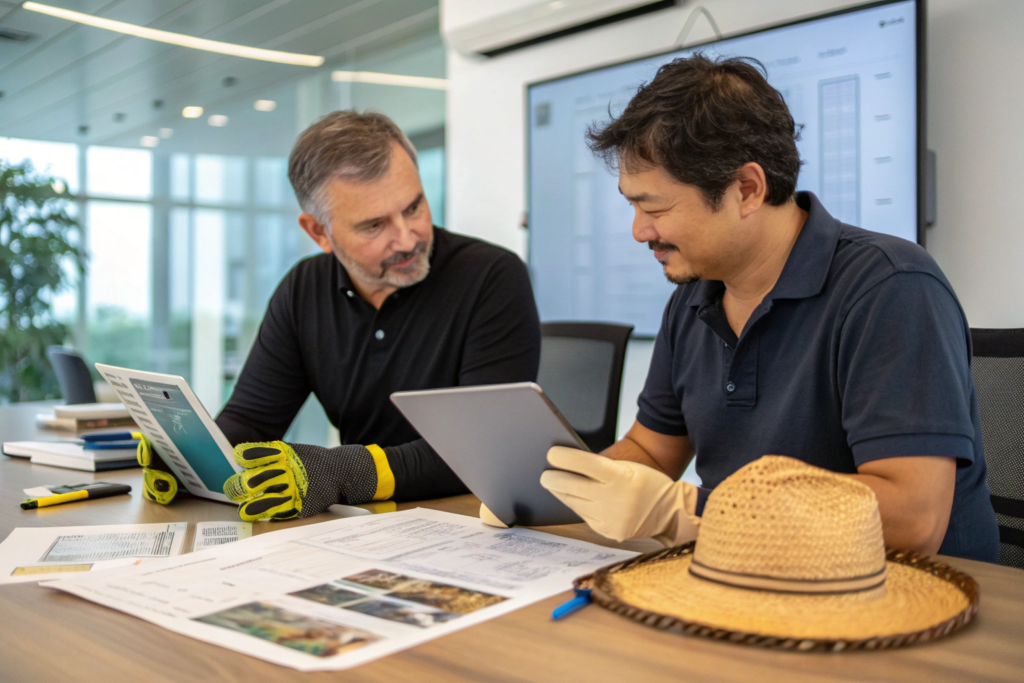
Your choice of manufacturer sets your quality path. Partnering with a factory that sees QC as a core duty is a smart decision. It secures your supply chain and lets your brand grow with confidence. If you want to export high-quality hair accessories Shanghai Fumao Clothing, belts, scarves, hats, or other items with top standards, let’s talk. Contact our Business Director Elaine to see how our certified QC system can protect and improve your next line. Email her at elaine@fumaoclothing.com.