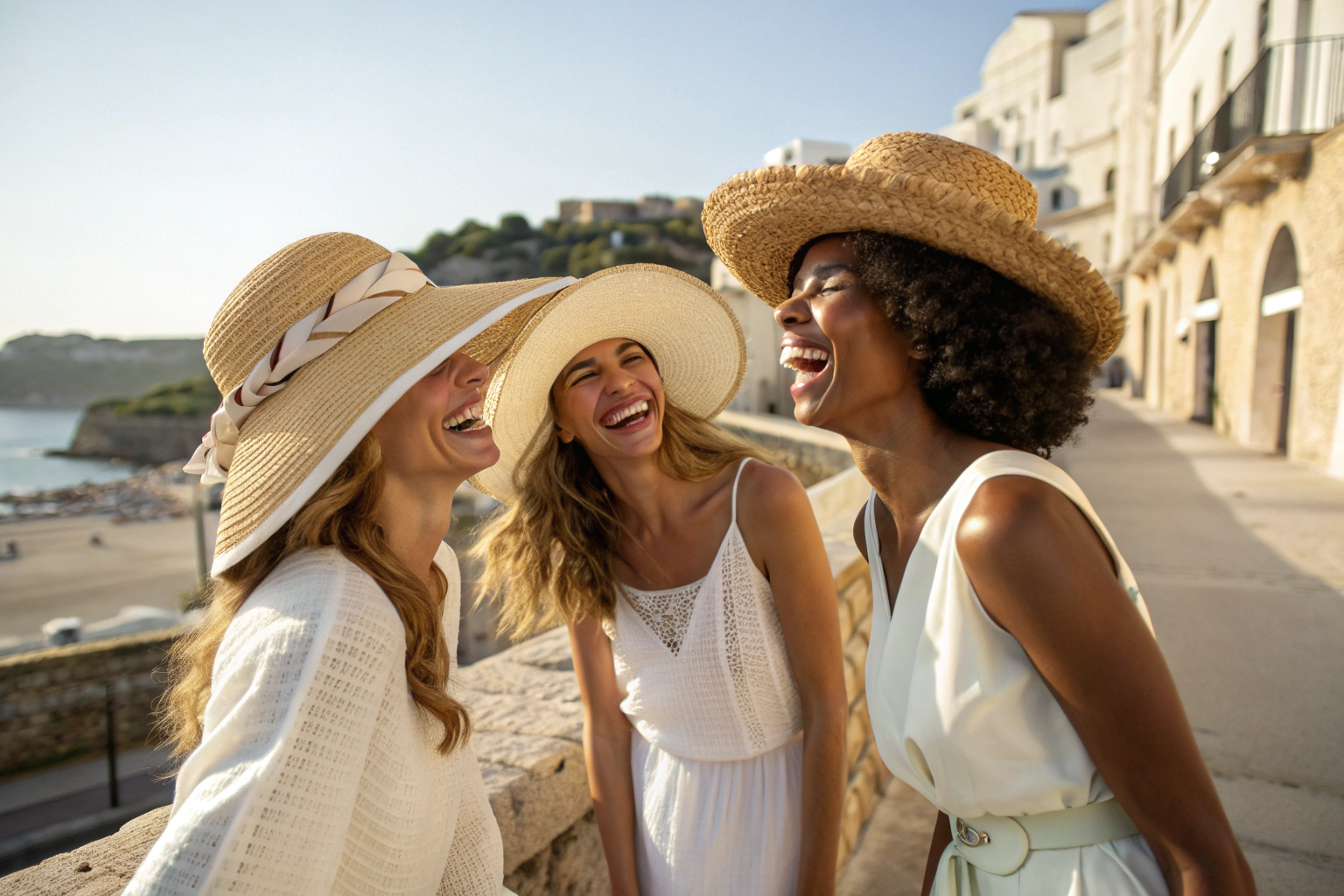
Every summer has its signature accessory. For Summer 2026, fashion is returning to one of its most authentic and enduring symbols: the straw hat. This isn’t just a seasonal comeback; it’s a powerful convergence of runway direction, evolving consumer values, and material innovation. For accessory importers and brand owners targeting the US market, understanding this trend is key to capturing the seasonal demand with products that resonate on both an aesthetic and ethical level.
The rise of straw hats for Summer 2026 is driven by a major fashion cycle towards natural, artisanal aesthetics, amplified by the industry-wide push for sustainability and material innovation. This trend moves beyond basic sun protection, positioning straw hats as the ultimate accessory that balances high-fashion credibility with practical, eco-conscious appeal. Leading design houses have set the tone, consumers are seeking authentic, natural materials, and new interpretations are making this classic feel entirely contemporary.
As a manufacturer observing these shifts with partners like Shanghai Fumao Clothing, we see this as a prime opportunity. The trend aligns perfectly with the growing demand for accessories that tell a story—of craftsmanship, material origin, and thoughtful design. Let’s explore the key forces propelling straw hats to the forefront of the Summer 2026 wardrobe.
How Have Fashion Designers Reinvented the Straw Hat on the Runway?
The catalyst for the straw hat’s 2026 prominence comes directly from the global runways. The Spring/Summer 2026 menswear fashion weeks served as a critical showcase, where straw and woven materials were not just accessories but central design statements.
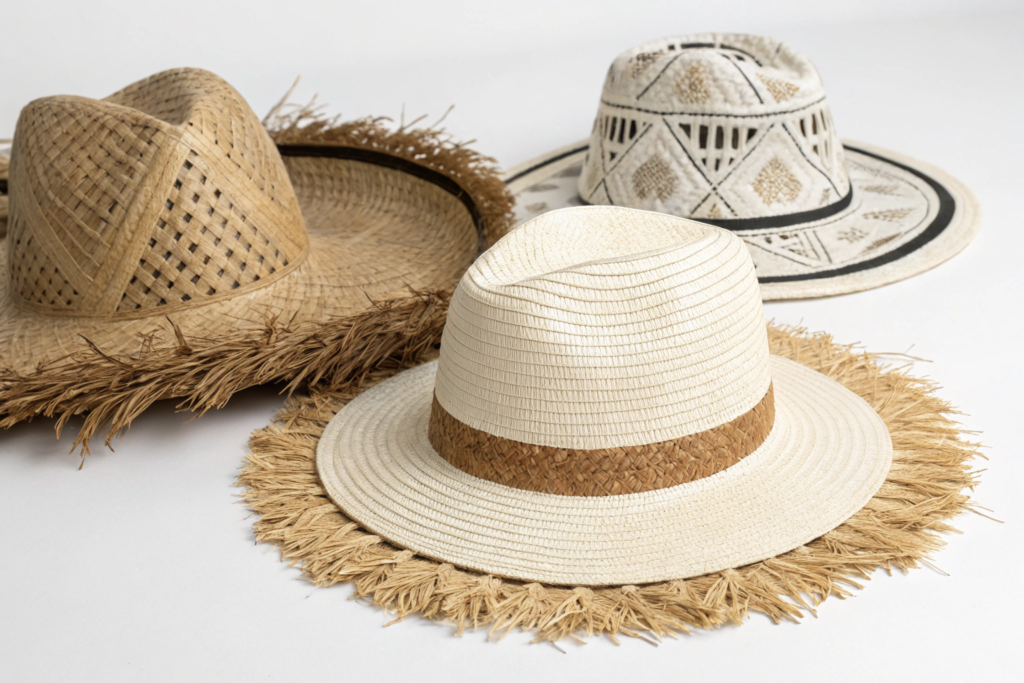
Leading luxury houses set a clear direction. Armani presented classic, elegant woven straw hats, reinforcing a vision of sophisticated, effortless summer style. Meanwhile, other brands pushed the boundaries of form. Prada featured a standout "retro conical straw hat," which combined simple, geometric shapes with traditional weaving techniques to create a modern, almost architectural statement piece. Even more avant-garde were the "unfinished" or deconstructed straw hats, with brims designed to look naturally frayed or windswept, introducing a raw, artistic, and playful element to the classic silhouette. This high-fashion endorsement from multiple brands validates the straw hat as a key item and provides a wealth of creative inspiration—from polished classics to artistic reinterpretations—that will filter down to commercial collections.
What is the "Artisanal and Natural" Aesthetic Driving This Trend?
The runway presentations point to a broader aesthetic shift that straw hats perfectly embody. Designers are moving towards looks that feel handcrafted, connected to nature, and authentically textured. This isn’t about rustic simplicity alone; it’s about elevating natural materials through skilled craftsmanship and intelligent design.
This trend aligns with a cultural desire for authenticity and "slow fashion." A straw hat, by its very nature, suggests artisanal making—whether it’s hand-woven or features visible natural textures. This narrative is powerful for consumers who value knowing the origin and story behind their products. For brands, it means that success in this category hinges on highlighting quality of weaving, the natural source of materials, and the artisanal techniques involved in production, moving beyond treating it as a generic commodity.
Why Does This Runway Trend Matter for Commercial Buyers?
For importers and commercial brands, these runway signals are a critical market forecast. They indicate:
- Consumer Readiness: When top-tier designers feature an item prominently, it creates awareness and desire, making the mainstream market ripe for adoption.
- Style Direction: The runway shows provide a menu of commercializable styles—from the safe, classic woven hat to more fashion-forward sculptural or deconstructed versions.
- Premium Positioning: The association with luxury brands allows for better positioning and potentially higher price points, especially for hats made with superior materials and craftsmanship.
This designer-led revival ensures that straw hats will be perceived as a fashionable "must-have" rather than just a practical seasonal item, driving higher sell-through rates at retail.
Why Are Natural and Sustainable Materials Central to the Trend’s Appeal?
The straw hat trend is deeply intertwined with the dominant macro-trend of sustainability. Today’s consumers, especially in key markets like the US and Europe, are increasingly making purchases based on environmental and ethical considerations. The straw hat, when made from natural, renewable, or recycled materials, becomes a tangible symbol of this value system.
The industry is responding with a focus on organic materials, bio-based alternatives, and regenerative processes. For straw hats, this translates to a move beyond generic "straw" to specific, story-worthy natural fibers. Knowledgeable consumers and buyers are now looking for hats made from raffia palm, rush grass, bulrush, or toquilla straw (Panama hat palm), each offering unique properties of lightness, breathability, and texture. There is also innovation in materials like Italian paper straw (paper braid), made from processed wood pulp, which is lauded for being incredibly lightweight, shape-retentive, and eco-friendly. This focus on material specificity allows brands to differentiate their products and communicate a deeper commitment to sustainability.

How Do Material Properties Translate to Consumer Benefits?
The choice of material is not just an ethical decision; it directly impacts performance and comfort, which are key selling points. The best summer hats are made from materials that are lightweight, breathable, and offer excellent UV protection without causing overheating.
For example:
- Raffia and Paper Braid: Known for being exceptionally breathable and lightweight, preventing the head from getting hot and sweaty.
- Bulrush: Features hollow stems, making hats feel "light as air" and perfectly suited for extended outdoor wear.
- Toquilla Straw: The classic material for fine Panama hats, prized for its softness, flexibility, and superior ventilation.
By specifying these materials, brands can directly address consumer pain points about summer comfort, moving the conversation from mere aesthetics to tangible, functional benefits. This aligns with the broader movement where practical function is seamlessly integrated into good design.
What Does "Sustainable Fashion" Mean for Straw Hat Sourcing?
For factory partners and importers, this trend demands a more conscientious approach to sourcing. It involves:
- Traceable Supply Chains: Knowing and being able to communicate the origin of the natural fibers.
- Investment in Quality: Prioritizing durable, well-made hats over disposable fashion, which aligns with the "buy less, buy better" mentality.
- Natural Processing: Minimizing the use of harsh chemicals in bleaching or dyeing processes.
- End-of-Life Consideration: As the industry moves towards a circular economy, considering how a natural fiber hat can be composted or biodegraded is an emerging differentiator.
Partners like Shanghai Fumao Clothing, who prioritize supply chain transparency, are well-positioned to meet this demand. It transforms the hat from a simple accessory into a product with a responsible narrative.
What Are the Key Straw Hat Styles Shaping Summer 2026?
The Summer 2026 trend is not monolithic; it encompasses a range of styles that cater to different fashion sensibilities and occasions. Understanding this variety is crucial for building a compelling product assortment.
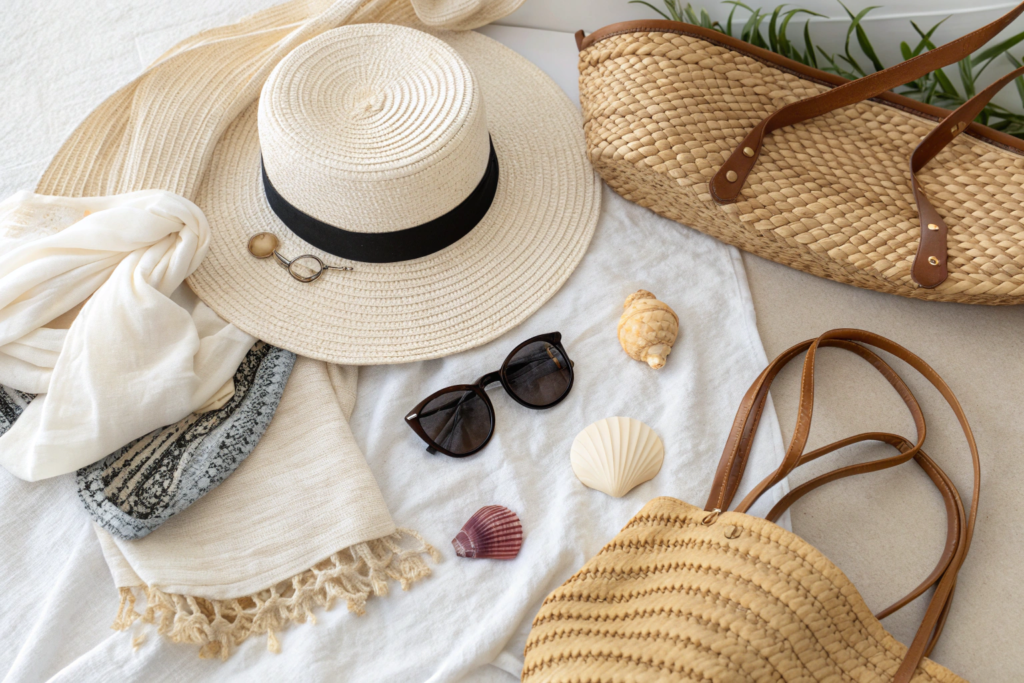
The overarching theme is versatility within a natural material palette. The trend celebrates both the timeless and the experimental. On one end, you have the perennial favorites that continue to gain traction: the wide-brimmed floppy hat for ultimate sun protection and bohemian glamour, and the classic Panama hat with its timeless, sophisticated silhouette. These styles are summer wardrobe staples that receive a fresh boost from the overall trend momentum.
Which Emerging Silhouettes Are Gaining Momentum?
Beyond the classics, new and revived silhouettes are defining the fashion-forward edge of the trend:
- The Modern Bucket Hat: Once purely utilitarian, the bucket hat has been reinvented in natural woven materials. It offers a more casual, youthful, and streetwear-inspired alternative to wide-brim styles, often featuring interesting textures or mixed-material details.
- Sculptural and Geometric Shapes: As seen on runways, hats with architectural lines, unconventional brim shapes, or oversized proportions are making a statement. These are for the fashion-conscious consumer looking for a head-turning, artistic piece.
- The "Deconstructed" Hat: Embracing a raw, unfinished look—whether through irregular brims, exposed weaving, or mixed materials—this style taps into the desire for unique, one-of-a-kind items that feel personally crafted.
How Should Brands Curate a Balanced Straw Hat Collection?
| For a successful Summer 2026 line, a balanced approach is recommended: | Style Category | Target Customer | Key Selling Points | Commercial Consideration |
|---|---|---|---|---|
| Classic (Panama, Fedora) | Broad appeal, older demographics, classic dressers | Timelessness, sophistication, versatility | High volume potential, staple item | |
| Floppy & Wide-Brim | Fashion-focused, vacation shoppers, festival-goers | Maximum sun protection, bohemian glamour, photogenic | Strong seasonal driver, good for marketing campaigns | |
| Modern (Bucket, Sculptural) | Younger, trend-driven consumers, urban fashionistas | Contemporary edge, unique design, streetwear compatibility | Higher fashion margin, important for brand image | |
| Artisanal/Deconstructed | Niche, luxury seekers, art & design enthusiasts | Uniqueness, craftsmanship, artistic value | Lower volume, high perceived value, collectible |
This framework ensures coverage of core commercial needs while allowing for innovation that captures attention and positions the brand at the forefront of the trend.
How Have Traditional Straw Hat Crafts Been Reimagined for Modern Fashion Tastes?
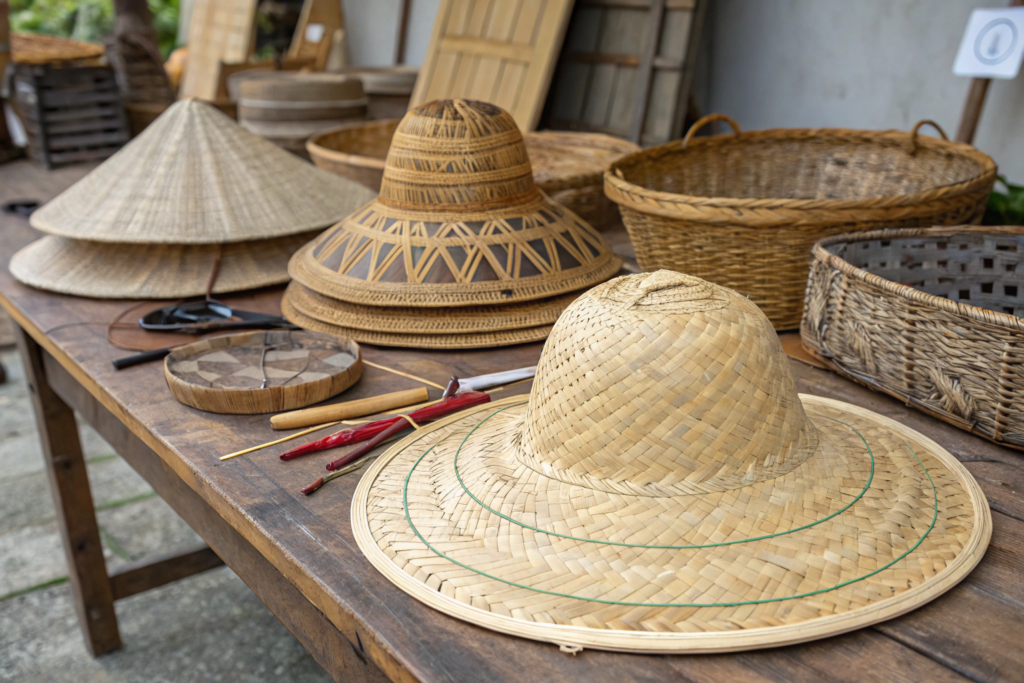
Straw hats, with a history spanning millennia (dating back to ancient Chinese “li” hats worn by herdsmen in the pre-Qin period), have shed their “purely utilitarian” label to become a symbol of timeless yet trendy style. The revival of intangible cultural heritage crafts and innovative material upgrades have breathed new life into this classic accessory, making it a favorite among consumers who value both heritage and modernity. By blending age-old weaving techniques with contemporary design language, straw hats now bridge the gap between tradition and fashion, appealing to those who seek uniqueness beyond mass-produced accessories.
Can Intangible Cultural Heritage Crafts Make Straw Hats a Luxury Statement?
The answer lies in the modernization of traditional weaving techniques. In Tancheng county, Shandong province, the 200-year-old Langya grass weaving craft—recognized as a provincial intangible cultural heritage—has evolved from producing basic household goods to creating high-end straw hats for global markets. Artisans like Xu Jingxue have integrated imported premium materials such as raffia and toquilla straw into traditional warp-and-weft weaving methods, resulting in exquisite pieces that blend texture and elegance.
How Do Material and Functional Innovations Address Modern Consumers’ Needs?
To stand out in a crowded market, straw hat brands have invested heavily in technological upgrades and functional design—turning a simple accessory into a multi-purpose must-have.
Conclusion
The ascent of the straw hat to a major trend for Summer 2026 is a multifaceted phenomenon. It is fueled by a powerful runway endorsement that has reintroduced the category with artistry and credibility. This fashion momentum is supercharged by the unwavering consumer shift towards sustainability, making natural, breathable materials a non-negotiable feature. Finally, the trend is expressed through a diverse range of styles, from comforting classics to bold, contemporary silhouettes, ensuring there is a perfect straw hat for every market segment and personal style.
For businesses in the fashion accessory space, this represents a significant and timely opportunity. The key to success lies in moving beyond generic product to emphasize material story, artisanal quality, and design intelligence. It’s about offering the consumer not just shade, but a symbol of thoughtful summer style.
If you are looking to develop a leading range of straw hats for Summer 2026 with a manufacturing partner that understands material sourcing, quality craftsmanship, and timely execution, we should connect. Our experienced team can help translate these trends into a commercially successful collection for your brand. For a professional consultation, please contact our Business Director, Elaine, at elaine@fumaoclothing.com.