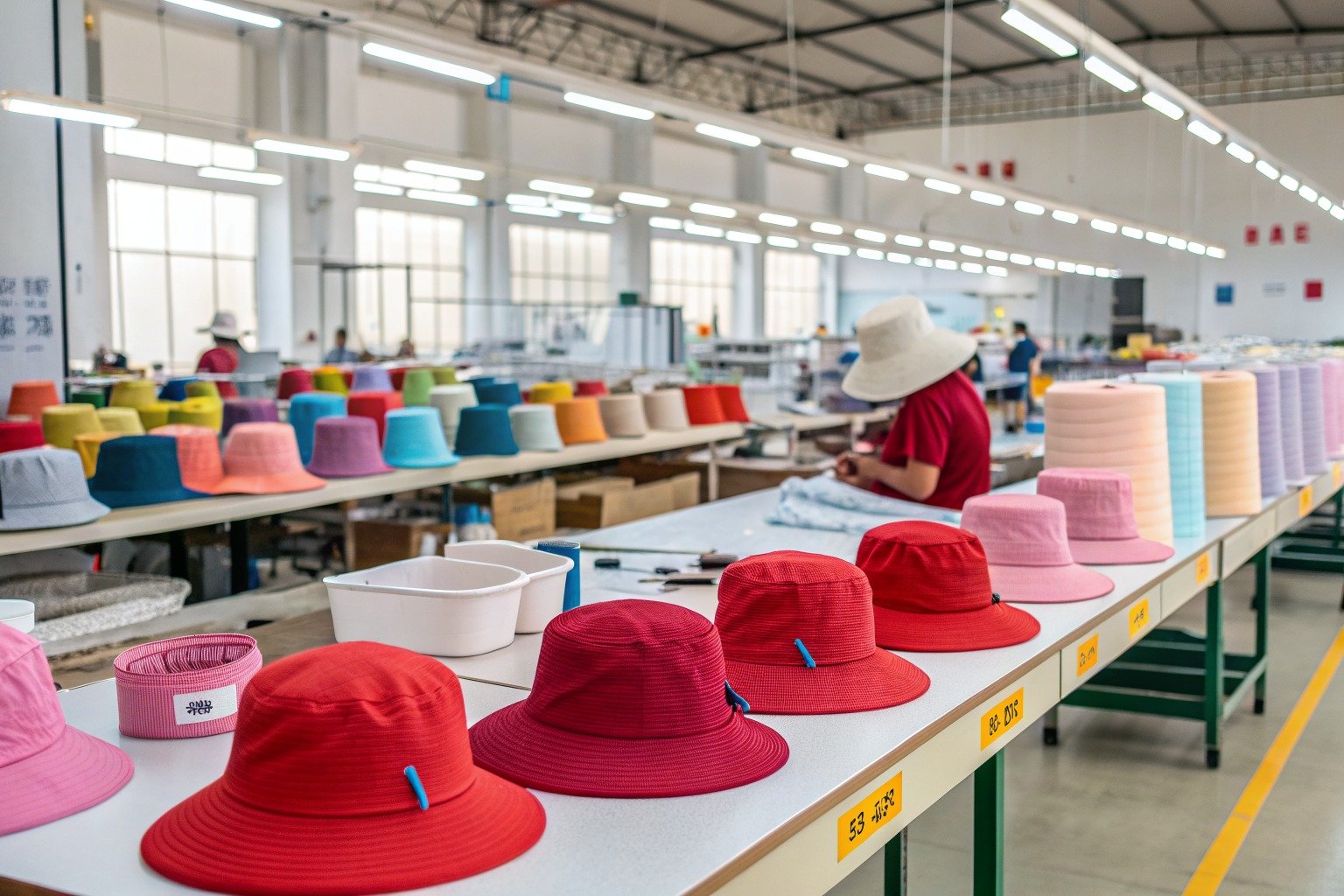
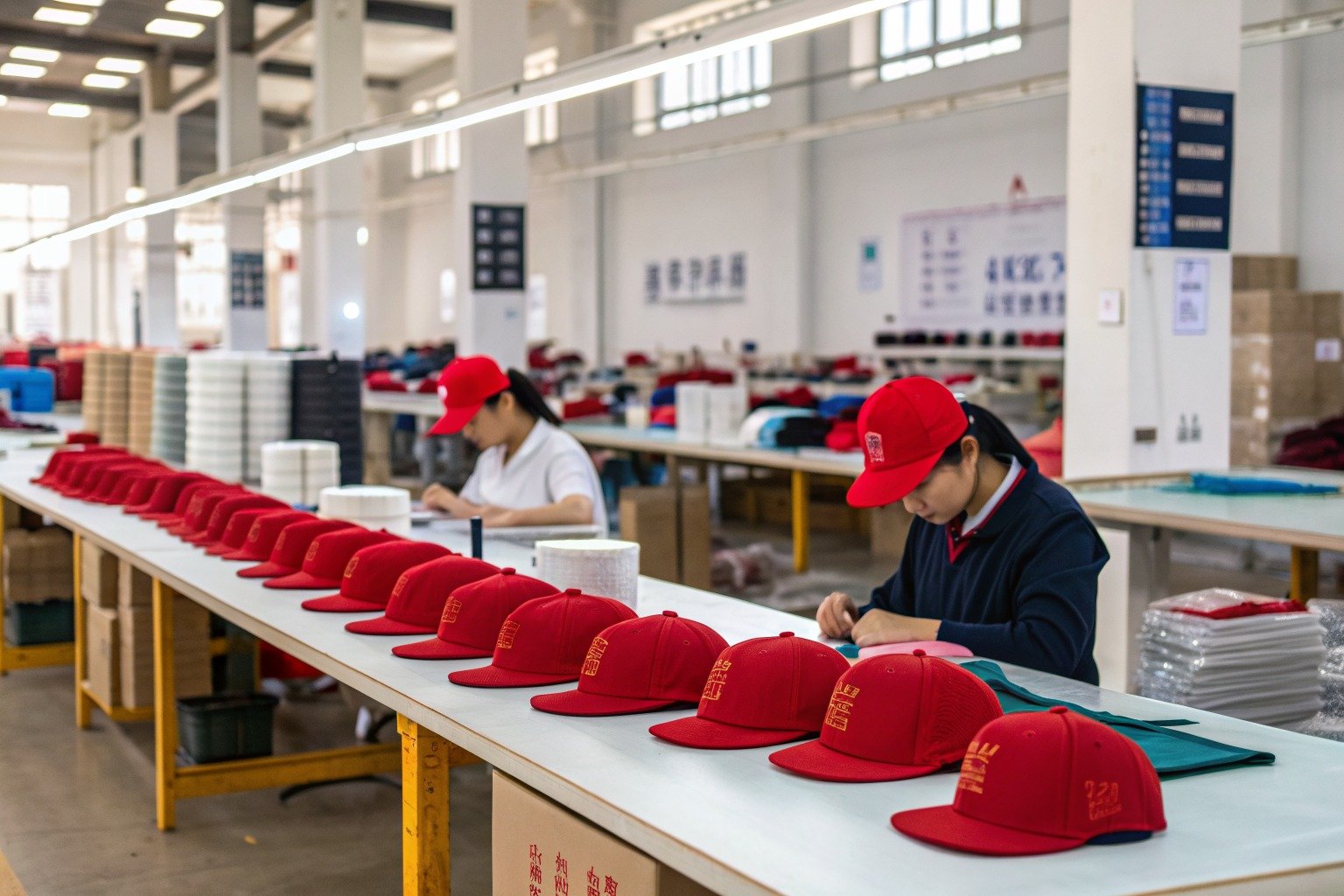
The hat category encompasses diverse product series that serve distinct functions, aesthetic preferences, and market segments. Through our extensive experience manufacturing hats for global markets, we’ve developed comprehensive classification systems that help brands and retailers navigate this complex category while identifying growth opportunities within specific series.
Different hat series include classification by function (fashion, performance, uniform), material composition (straw, felt, fabric, knit), structural form (brimmed, brimless, shaped), and cultural significance (heritage, contemporary, avant-garde) that collectively create a diverse product ecosystem.Understanding these series enables strategic assortment planning and targeted product development.
Hat series represent more than just stylistic variations—they embody different design philosophies, manufacturing approaches, and consumer relationships. Let’s explore the primary series that structure the hat marketplace.
How are hats classified by functional series?
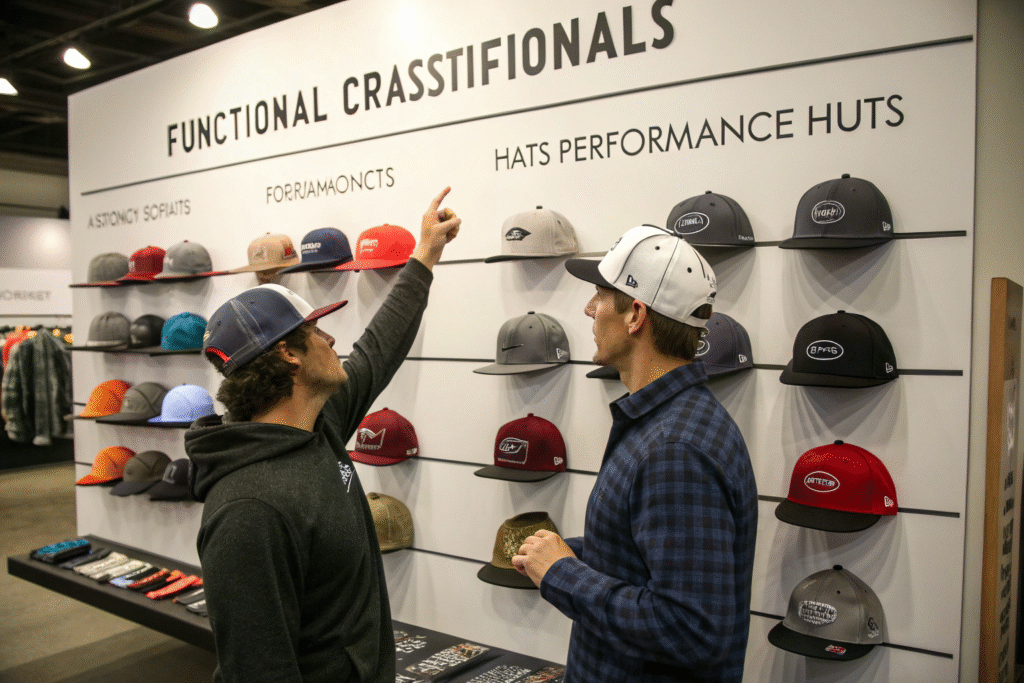
Functional classification represents the most practical approach to hat categorization, grouping products by their primary purpose and usage context. This series organization helps consumers identify appropriate options for specific activities and occasions while assisting retailers in strategic merchandising.
Functional series address the fundamental question of what purpose hats serve in consumers’ lives beyond basic head covering.
What defines the fashion hat series?
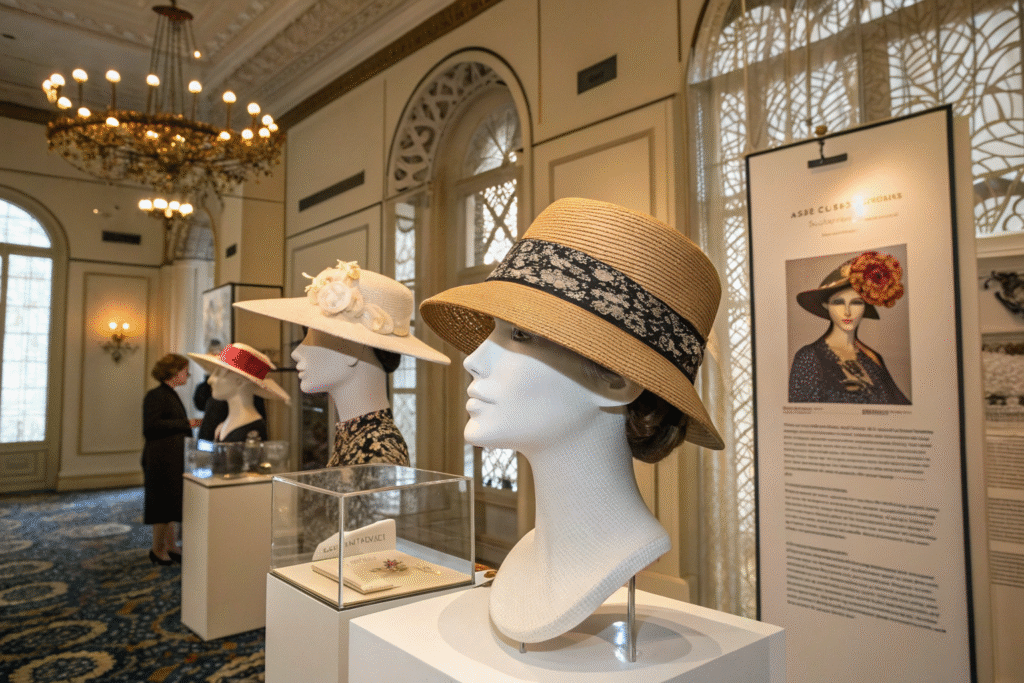
Fashion hats prioritize aesthetic expression over practical function, though they often incorporate functional elements. This series includes statement pieces that serve as outfit focal points, seasonal trend items that reflect current fashion movements, and styling accessories that complete specific looks. Key characteristics include emphasis on materials with visual interest like luxe felts, decorative straws, and novelty fabrics; prominent design details including unique brim shapes, distinctive crown proportions, and decorative elements; and fashion-forward color stories that align with seasonal palettes. The fashion series typically commands higher price points and experiences faster turnover as trends evolve.
What comprises the performance hat series?
Performance hats prioritize functional benefits for specific activities and environments. This series includes technical sun protection with UPF ratings and ventilation systems, thermal insulation for cold weather activities, and sport-specific designs optimized for particular movements. Key characteristics include technical fabrics with moisture-wicking, quick-dry, or waterproof properties; engineered features like adjustable fit systems, integrated sweatbands, and storage pockets; and activity-appropriate silhouettes that accommodate helmets, headphones, or specific movement patterns. The performance series typically demonstrates slower fashion turnover but requires continuous innovation in materials and construction techniques.
How do material-based series differentiate hat categories?
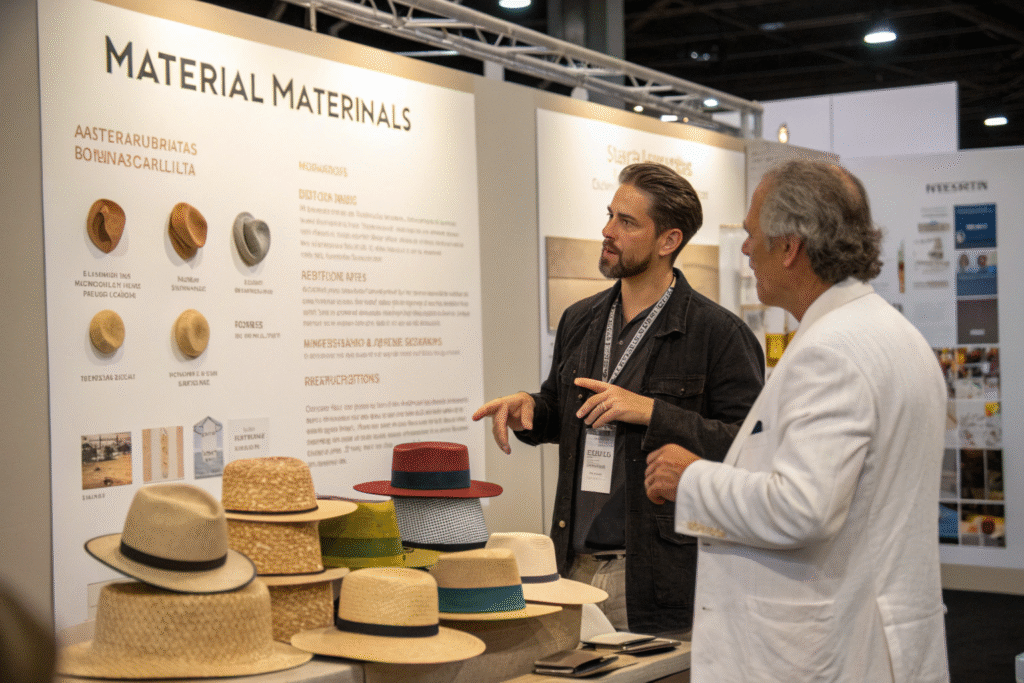
Material composition fundamentally influences hat character, manufacturing process, seasonal appropriateness, and price positioning. Material series represent one of the most established classification methods with clear consumer understanding and manufacturing specialization.
Material series often determine production location, craftsmanship requirements, and seasonal availability patterns.
What characterizes the straw hat series?
Straw hats represent a distinct series defined by natural or synthetic woven materials, strongly associated with warm weather and resort wear. This series includes traditional natural straws like Panama, raffia, and shantung that offer breathability and lightweight comfort; paper straws that provide consistent weaving and dyeing capabilities; and innovative synthetics that mimic natural straw while offering enhanced durability and weather resistance. Key manufacturing considerations include specialized weaving techniques often requiring artisan skills, blocking and shaping processes specific to straw materials, and finishing treatments that prevent unraveling and maintain shape. The straw series typically shows strong seasonal patterns with peak demand in spring and summer months.
What defines the felt hat series?
Felt hats represent a premium series characterized by non-woven materials matted together through moisture, heat, and pressure. This series includes wool felts that offer affordability and diverse color options; fur blends that provide superior softness and shaping capabilities; and luxury fur felts like beaver and rabbit that deliver exceptional durability, water resistance, and fine finishing. Key characteristics include traditional blocking methods that create distinctive crown and brim shapes, hand-finishing techniques including pouncing, flanging, and ribbon work, and seasonal versatility that makes felt appropriate for both cool weather and dress occasions. The felt series typically occupies higher price points and demonstrates slower fashion cycles with emphasis on timeless styling.
How are structural form series organized?
Structural classification groups hats by their physical form and construction approach, creating series with distinct silhouette characteristics and manufacturing requirements. This organization method helps consumers identify preferred styles while assisting designers in understanding form-based design principles.
Structural series represent the most visual classification method, with immediate recognition of category membership.
What comprises the brimmed hat series?
Brimmed hats represent a extensive series defined by the presence of a projecting brim, offering both sun protection and distinctive style statements. This series includes fully brimmed styles like fedoras, trilbies, and sun hats where the brim encircles the entire crown; partial brim designs like baseball caps and newsboy caps where the brim appears only at the front; and variable brim options where wearers can adjust brim position or shape. Key characteristics include brim proportions that significantly influence the hat’s style personality, brim shaping techniques that create specific silhouettes, and structural support systems that prevent brim drooping. The brimmed series offers exceptional diversity from minimal sport styles to dramatic fashion statements.
What defines the brimless hat series?
Brimless hats prioritize comfort, packability, and close-to-head fit without projecting elements. This series includes beanies and tuques that provide warmth through close-fitting knit construction; berets that offer artistic styling through soft, flat crowns; and skull caps that deliver minimal coverage for athletic or religious purposes. Key characteristics include emphasis on material texture rather than structural form, minimal silhouette profiles that work well under hoods or in crowded spaces, and stretch accommodation that fits various head sizes comfortably. The brimless series typically emphasizes comfort and practicality while offering significant creative opportunities through material, color, and pattern variations.

How do cultural and aesthetic series create market positioning?
Cultural and aesthetic classification groups hats by their stylistic origins, fashion movements, and cultural associations, creating series with strong identity and specific consumer appeal. This organization method helps brands develop coherent collections and targeted marketing strategies.
Cultural series often carry historical references, subcultural associations, or fashion movement affiliations that influence their market perception.
What characterizes the heritage and classic series?
Heritage hats draw inspiration from historical styles, traditional craftsmanship, and timeless design principles. This series includes revival styles that recreate specific historical periods with authentic details; enduring classics like the fedora, bowler, and Panama that have maintained popularity across decades; and regional traditions that reflect specific cultural headwear practices. Key characteristics include emphasis on traditional materials like natural fur felt and high-quality straw; authentic construction methods that may involve hand-blocking or traditional sewing techniques; and design continuity that respects original proportions and details while accommodating modern fit preferences. The heritage series typically appeals to consumers seeking quality, longevity, and timeless style.
What defines the contemporary fashion series?
Contemporary fashion hats reflect current design movements, material innovations, and stylistic experimentation. This series includes designer-led innovations that push formal and material boundaries; streetwear influences that adapt athletic and urban aesthetics; and conceptual designs that treat hats as wearable art or social statements. Key characteristics include experimental material combinations that challenge traditional category boundaries; evolutionary silhouettes that reinterpret classic forms with modern proportions; and fashion-forward detailing that aligns with current accessory trends. The contemporary series typically experiences faster trend cycles and appeals to fashion-conscious consumers seeking distinctive style statements.
How are specialized series developed for specific markets?
Beyond broad classifications, specialized hat series target specific consumer segments, usage occasions, or market niches with tailored designs and features. These series demonstrate how hat categories can be refined to address precise consumer needs and opportunities.
Specialized series often represent growth opportunities through focused development and targeted marketing.
What comprises the uniform and corporate series?
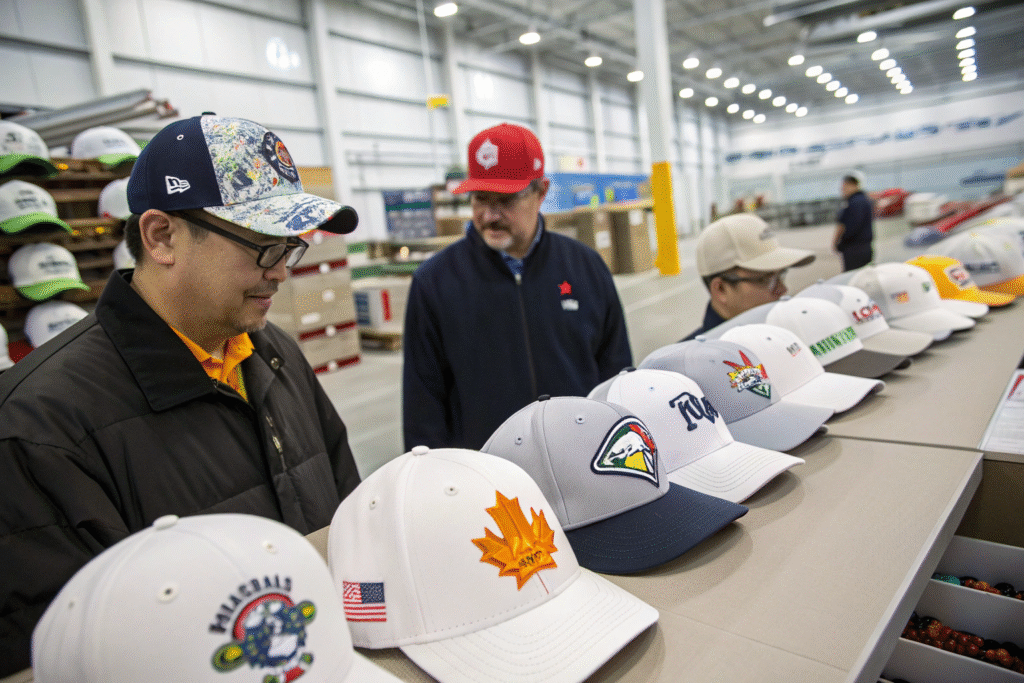
Uniform hats serve specific organizational needs, combining functional requirements with brand representation. This series includes corporate branding vehicles that feature company logos and colors; service industry uniforms designed for hospitality, retail, or security personnel; and organizational identifiers for clubs, teams, or associations. Key characteristics include strict specification compliance regarding colors, materials, and branding applications; durability emphasis to withstand frequent cleaning and extended use; and fit consistency across various head sizes within an organization. The uniform series requires understanding organizational procurement processes and often involves custom development rather than standard product offerings.
What defines the seasonal and novelty series?
Seasonal and novelty hats capitalize on specific time periods, events, or whimsical themes for limited-time appeal. This series includes holiday-themed designs for Christmas, Halloween, or other celebrations; event-specific creations for sports championships, festivals, or cultural events; and whimsical novelties that incorporate unexpected elements or humor. Key characteristics include limited production runs that create scarcity and urgency; emphasis on immediate visual impact rather than long-term wearability; and opportunistic marketing aligned with specific calendar events or cultural moments. The seasonal series requires careful timing and inventory management to maximize sales while minimizing post-event markdowns.
Conclusion
Different hat series represent distinct approaches to design, manufacturing, marketing, and consumer engagement within the broader headwear category. Understanding these series enables brands to develop coherent product strategies, retailers to create balanced assortments, and consumers to identify options that match their needs and preferences. The most successful hat companies maintain expertise across multiple series while developing distinctive strength in specific categories that align with their brand identity and market position.
If you’re looking to develop or expand hat series within your product offerings, we invite you to contact our Business Director, Elaine. Our experience across diverse hat categories and series can help you build a strategic and successful headwear program. Reach her at: elaine@fumaoclothing.com.