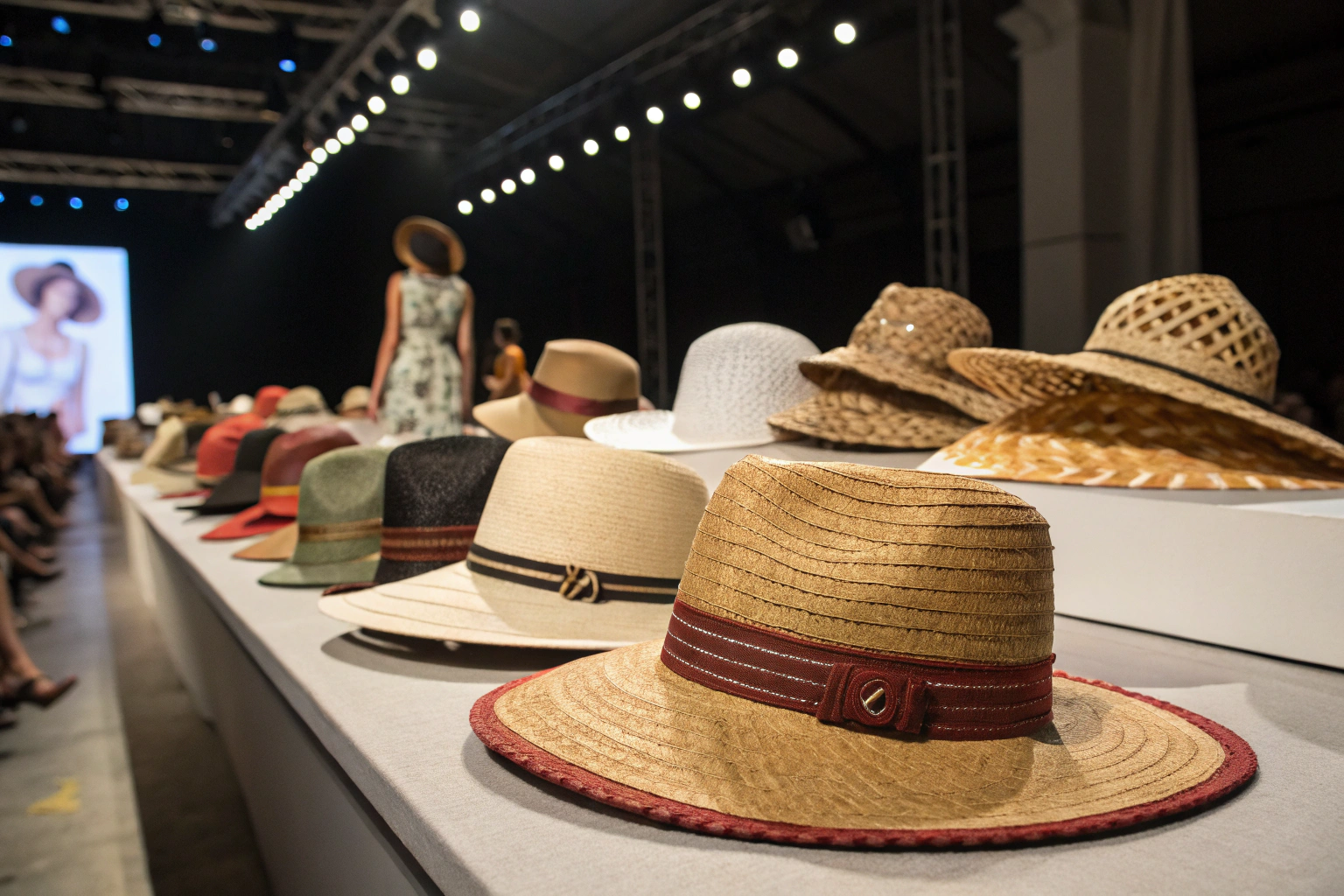
The hat category has evolved from basic sun protection and warmth to a dynamic fashion accessory segment experiencing intense competition across multiple dimensions. Brands and manufacturers face simultaneous pressure from fast fashion’s speed, luxury’s craftsmanship demands, and sustainability’s growing influence. Through our position supplying hats to brands across market segments, we’ve observed how competition has intensified and transformed in ways that redefine what it takes to succeed in this category.
Competition in the hat category is intensifying across price points, design innovation, speed-to-market, sustainability credentials, and customization capabilities, creating a market where brands must excel in multiple dimensions simultaneously rather than competing on single factors like price or basic style.This multidimensional competition rewards agile, responsive manufacturers while challenging traditional approaches.
Understanding the competitive landscape requires examining how different forces are reshaping hat manufacturing and retail. Let’s explore the specific competitive dynamics transforming this accessory category.
How is price competition evolving across market segments?
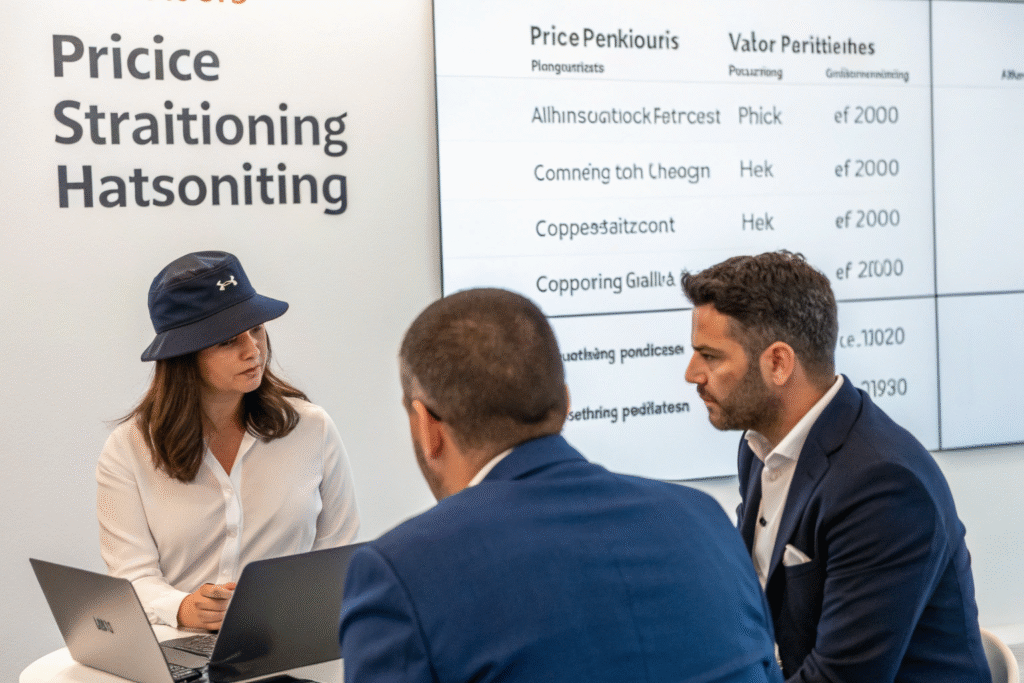
Price competition has transformed from simple cost-based pricing to complex value propositions that vary significantly across consumer segments and distribution channels. The race to the bottom on price continues in basic segments while premium segments compete on perceived value rather than just cost.
Strategic pricing now reflects material innovation, brand storytelling, sustainability investments, and speed advantages rather than simply manufacturing cost plus margin.
What is driving commoditization in basic hat segments?
The entry-level hat market faces intense price pressure from high-volume manufacturers, particularly from regions with lower labor costs. We observe accelerating commoditization in basic baseball caps, beanies, and sun hats where product differentiation is minimal and purchasing decisions are primarily price-driven. Large retailers exert significant pricing pressure through volume purchasing and private label programs that prioritize cost over innovation. The emergence of ultra-fast fashion players has further intensified this competition, with some companies delivering hat trends at unprecedented speed and rock-bottom prices. This environment has made sustainable profitability challenging for manufacturers competing solely on price in basic segments.
How are premium hat brands justifying price premiums?
While the basic segment races downward on price, the premium hat market demonstrates that consumers will pay significant premiums for perceived value. Successful premium brands compete through authentic storytelling that connects products to heritage, craftsmanship, or social missions. Material innovation justifies higher prices through technical fabrics, sustainable materials, or luxury fibers that offer tangible performance or aesthetic benefits. Limited editions and collaborations create scarcity value that transcends conventional pricing logic. The most successful premium manufacturers have established clear value narratives that help consumers understand why their hats command significantly higher prices than mass-market alternatives.
How is design innovation intensifying competition?
Design has become a critical competitive battleground as consumers increasingly view hats as fashion statements rather than just functional items. The speed of design innovation has accelerated dramatically, with trends emerging and evolving at a pace that challenges traditional development cycles.
Manufacturers compete not just on creating attractive designs but on how quickly they can identify, interpret, and execute emerging trends across multiple style categories.
What role does trend velocity play in competitive advantage?
The ability to respond quickly to emerging trends has become a significant competitive advantage, particularly in fashion-forward segments. We’ve observed the trend lifecycle compression where hat styles that previously remained relevant for multiple seasons now peak and decline within single seasons. This acceleration benefits manufacturers with flexible production systems that can quickly shift between styles and digital design capabilities that reduce development time. Companies competing successfully in this environment have implemented trend forecasting systems that identify emerging styles earlier and rapid prototyping processes that translate trends into production-ready designs faster than competitors. The speed advantage has become particularly valuable for retailers and brands serving trend-conscious younger consumers.
How are customization and personalization changing design competition?
Beyond responding to trends, leading hat manufacturers are competing through customization capabilities that allow personalization at scale. We’ve seen growing demand for made-to-order options where consumers select colors, materials, and details to create unique hats. Embroidery personalization has evolved from simple logo application to complex custom designs enabled by digital embroidery technology. The most advanced competitors offer digital design platforms where customers can visualize custom creations before ordering. This personalization trend has created a new competitive dimension where manufacturers compete on flexibility and customization capabilities rather than just offering predetermined designs from seasonal collections.

How is sustainability reshaping competitive dynamics?
Sustainability has evolved from a niche concern to a mainstream competitive factor influencing material selection, manufacturing processes, and brand positioning across price segments. Consumers increasingly factor environmental and ethical considerations into purchasing decisions, creating new competitive advantages for manufacturers with credible sustainability credentials.
The sustainability competition extends beyond marketing claims to encompass supply chain transparency, material innovation, and circular business models.
What sustainable material innovations are driving competition?
Material selection has become a key sustainability battleground, with manufacturers competing to introduce innovative eco-friendly materials. We’re seeing intense competition around recycled fabrics made from plastic bottles or fishing nets, organic natural fibers grown without synthetic pesticides, and regenerative agriculture products that restore ecosystems. The most advanced competitors are developing circular material systems where end-of-life hats become raw materials for new products. This material innovation competition requires significant R&D investment but creates meaningful differentiation for manufacturers that can verify and communicate their sustainability achievements credibly. The competition has accelerated to where sustainable materials are becoming table stakes rather than differentiation in certain market segments.
How are transparency and certification influencing competition?
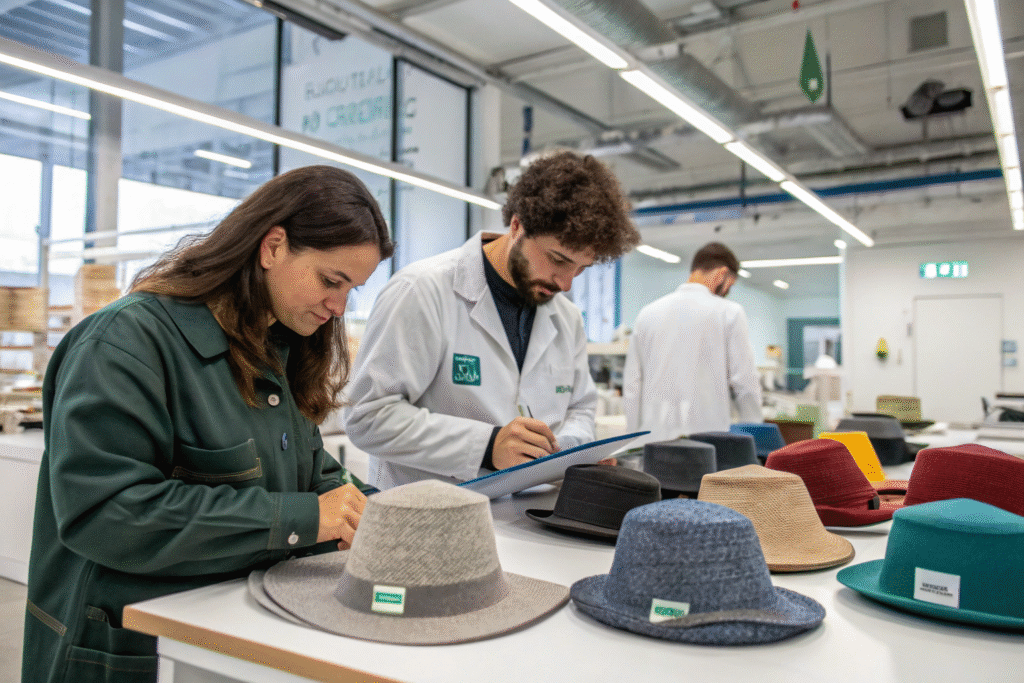
As sustainability claims proliferate, verification through certifications and transparent supply chains has become increasingly important. Manufacturers compete through third-party certifications like Global Recycled Standard, Organic Content Standard, and Fair Trade certification that provide independent verification of claims. Supply chain transparency has emerged as a competitive advantage, with leading manufacturers providing detailed information about material sources, manufacturing conditions, and environmental impact. This transparency competition has raised the bar for all players, making it increasingly difficult to compete with vague or unsubstantiated sustainability claims. The manufacturers succeeding in this environment have integrated sustainability deeply into their operations rather than treating it as a marketing afterthought.
How is technology creating new competitive advantages?
Technology integration has become a significant competitive differentiator across design, manufacturing, and distribution. Manufacturers leveraging technology effectively are gaining advantages in speed, customization, efficiency, and customer engagement that are difficult for traditional manufacturers to match.
The technology competition spans the entire value chain from product creation through consumer experience.
What manufacturing technologies are delivering competitive advantages?
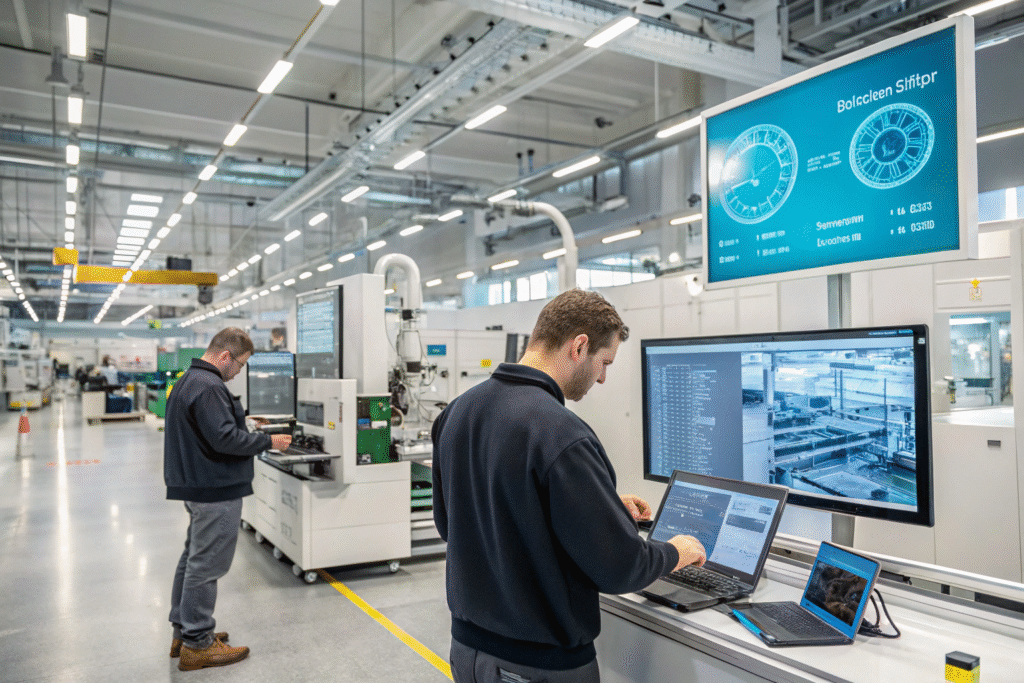
Advanced manufacturing technologies are creating significant competitive separation between traditional and forward-thinking hat manufacturers. We observe leaders implementing digital knitting and weaving that enables complex patterns and reduces waste, automated cutting systems that improve material utilization, and robotic sewing that maintains consistent quality in high-volume production. The most technologically advanced competitors are developing smart factories with integrated data systems that optimize production flow, reduce lead times, and enable mass customization. This manufacturing technology competition requires substantial capital investment but delivers advantages in cost, speed, and flexibility that are difficult to overcome through traditional manufacturing approaches alone.
How are digital tools transforming design and customer engagement competition?
Beyond manufacturing, digital tools are revolutionizing how hats are designed, marketed, and sold. Competitive manufacturers are implementing 3D design software that reduces sampling time and cost, virtual try-on technology that helps consumers visualize how hats will look before purchasing, and augmented reality that enhances both design and shopping experiences. The digital transformation extends to data analytics that identify emerging trends and consumer preferences with unprecedented speed and accuracy. Manufacturers succeeding in this digital competition are creating seamless connections between design inspiration, manufacturing execution, and consumer engagement that traditional competitors struggle to match.
Conclusion
Competition in the hat category has intensified and diversified, requiring manufacturers to excel across multiple dimensions including price positioning, design innovation, sustainability credentials, and technology integration. The manufacturers succeeding in this environment are those that have moved beyond competing on single factors to developing integrated capabilities that deliver value across the entire product lifecycle. This multidimensional competition rewards agility, innovation, and authentic brand building while challenging traditional manufacturing approaches that cannot keep pace with evolving consumer expectations and market dynamics.
If you’re looking to strengthen your competitive position in the dynamic hat category, we invite you to contact our Business Director, Elaine. Our experience serving brands across market segments has provided unique insights into successful competitive strategies in this evolving accessory category. Reach her at: elaine@fumaoclothing.com.