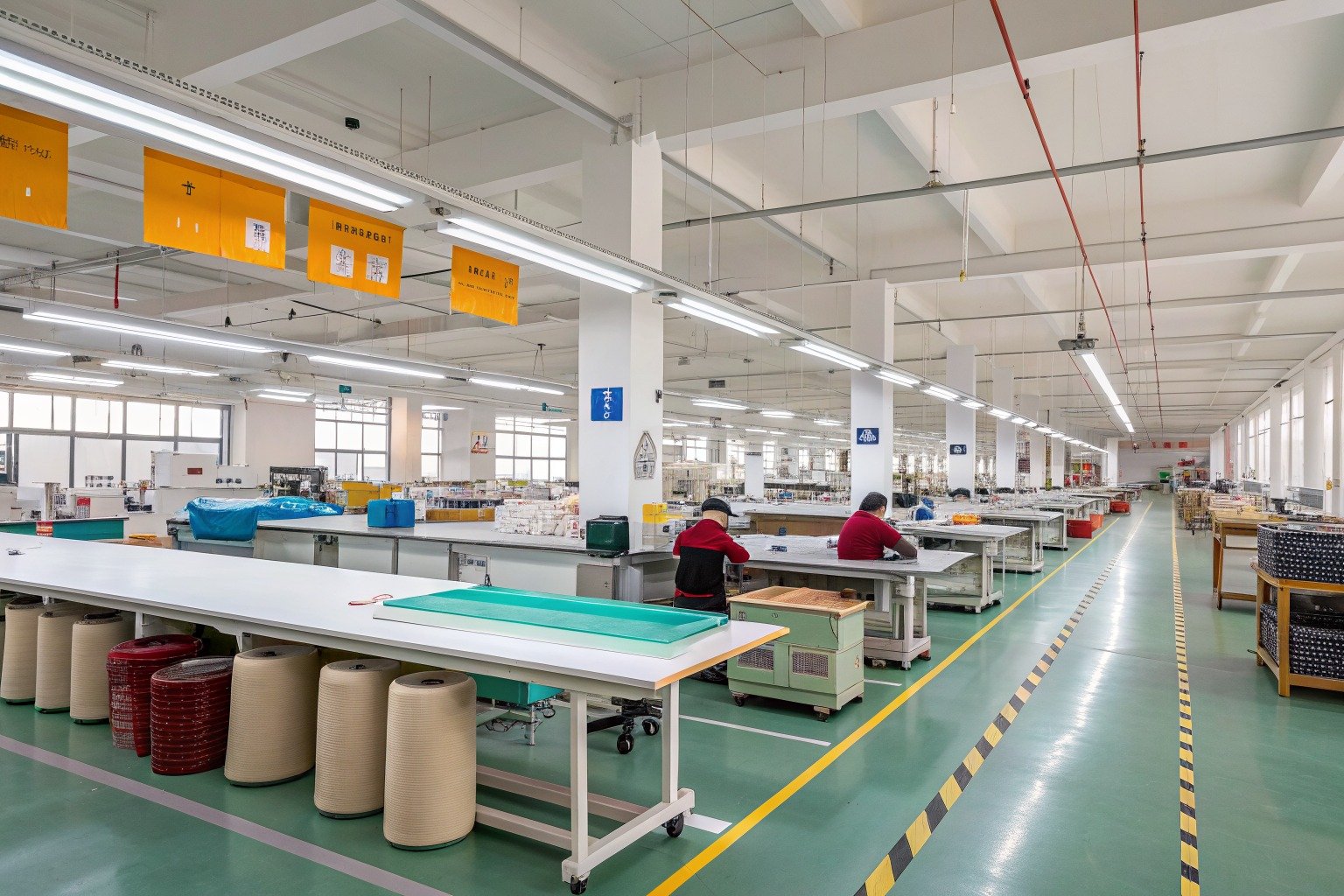
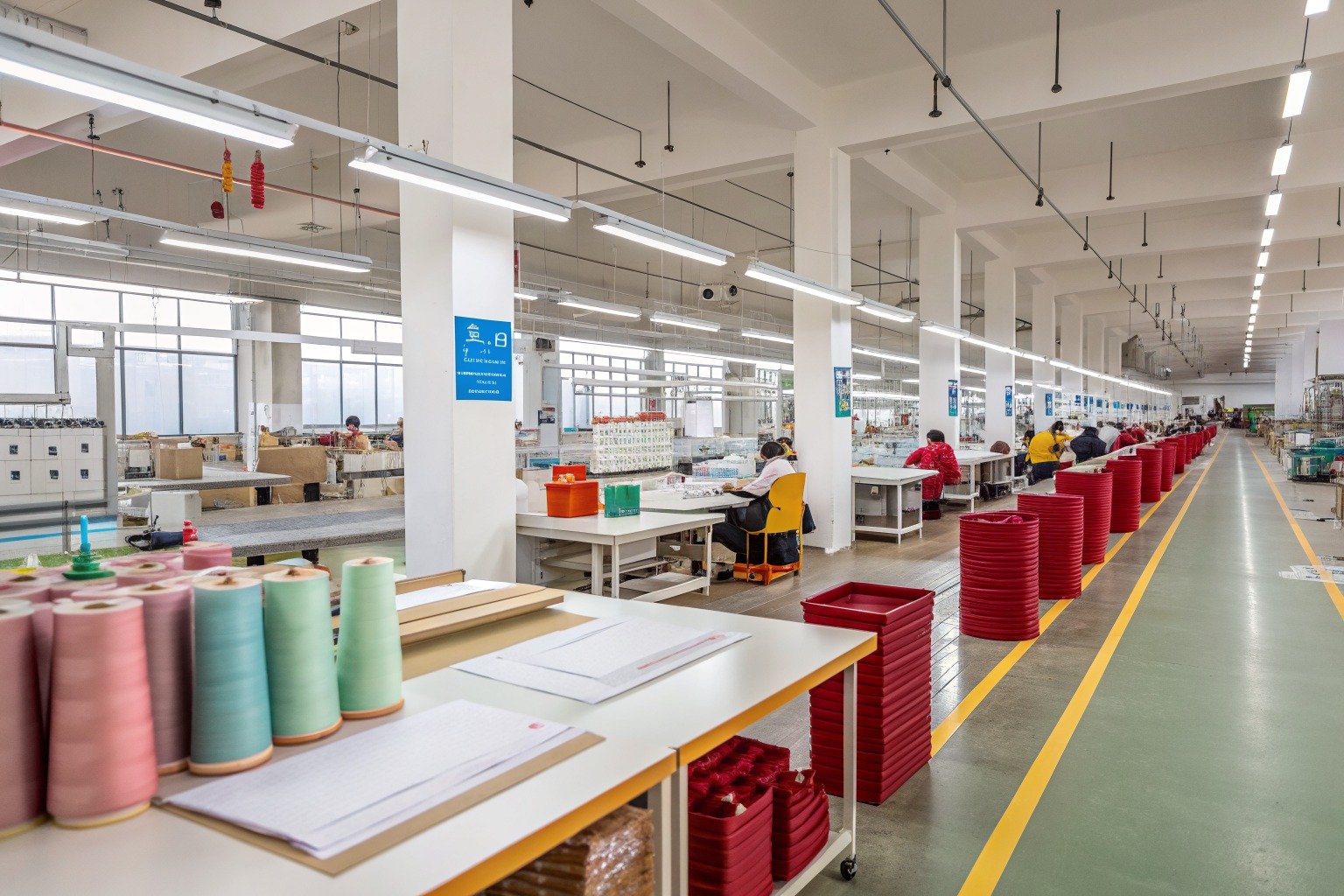
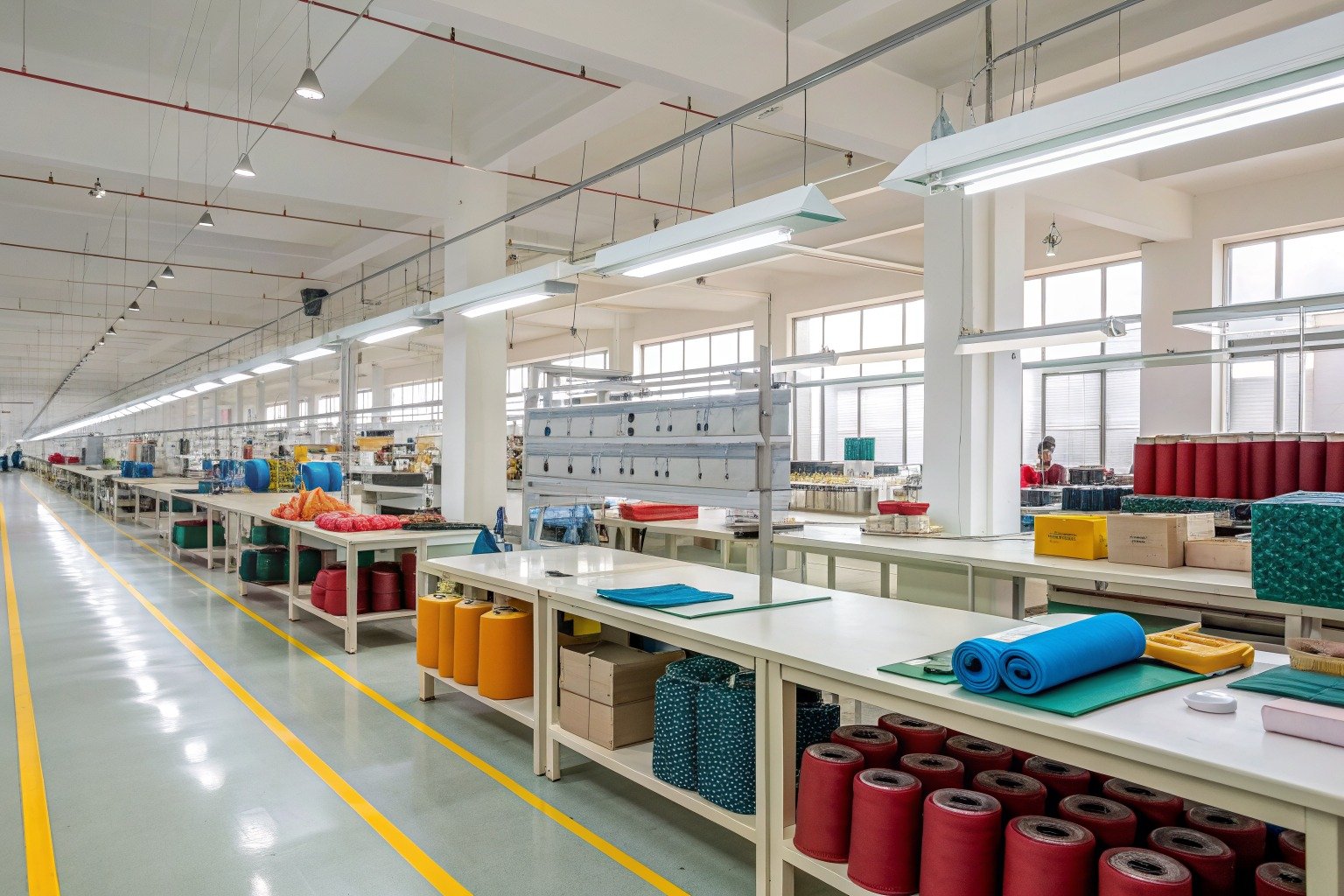
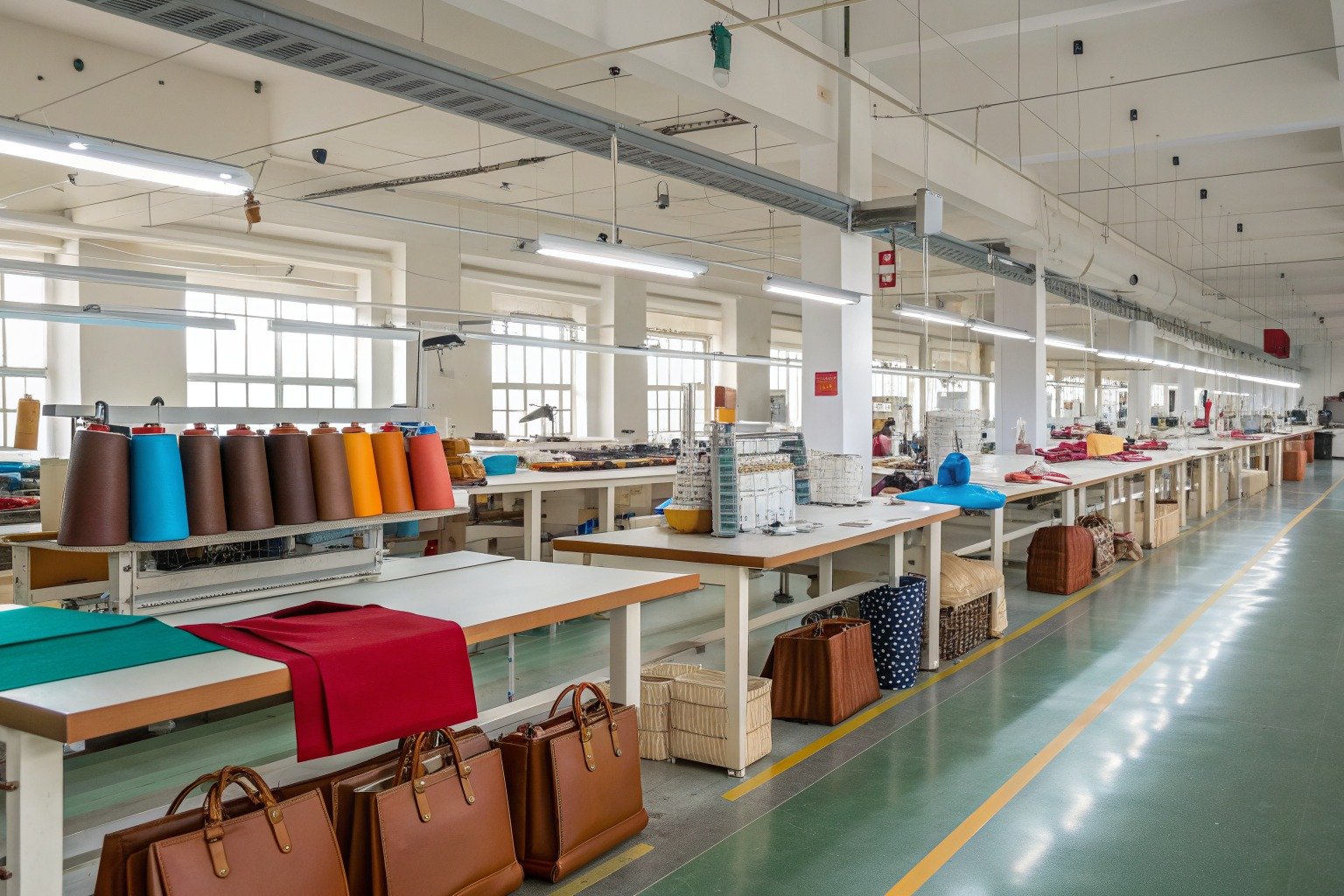
Crystal hairpin manufacturing has traditionally balanced between delicate artistry and precision craftsmanship, with quality often depending heavily on individual artisan skill and attention to detail. This approach, while producing beautiful results, has struggled with consistency, scalability, and meeting the complex quality demands of modern markets. Through our integration of artificial intelligence across our crystal hairpin production lines, we’ve witnessed a transformation in what constitutes manufacturing excellence in this delicate accessory category.
AI is revolutionizing crystal hairpin manufacturing excellence by introducing unprecedented levels of precision in crystal placement, enabling real-time quality control at microscopic levels, optimizing material usage to near-perfect efficiency, and facilitating design innovation that merges artistic vision with manufacturing intelligence.This technological integration elevates manufacturing from skilled craftsmanship to precision engineering while preserving the artistic elements that define luxury hair accessories.
The AI transformation in crystal hairpin manufacturing represents a fundamental shift in how excellence is defined, achieved, and maintained. Let’s examine the specific impacts across critical manufacturing dimensions.
How is AI enhancing precision in crystal placement and setting?
Traditional crystal setting relies on manual dexterity and visual judgment, inevitably introducing subtle variations in alignment, spacing, and orientation that affect the final product’s brilliance and consistency. These human limitations become particularly apparent in complex patterns and high-volume production.
AI vision systems and robotic precision overcome these limitations by executing placements with mathematical accuracy while adapting to the unique characteristics of each crystal and hairpin base.
What role do computer vision systems play in crystal orientation?
The visual impact of crystal hairpins depends significantly on precise crystal orientation to maximize light reflection. Our AI vision systems analyze each crystal from multiple angles before placement, identifying the optimal orientation for maximum brilliance based on cut, clarity, and inherent light properties. The system then guides robotic placement arms to position each crystal with this specific orientation, ensuring consistent visual impact across the entire hairpin. For complex arrangements involving multiple crystal sizes or cuts, the AI calculates optimal positioning relationships that maintain visual harmony while accommodating the practical constraints of the hairpin form. This orientation precision has increased the perceived quality of our crystal hairpins by creating more consistent sparkle and visual appeal.
How does AI optimize crystal spacing and pattern alignment?
Human artisans naturally introduce subtle variations in crystal spacing that can disrupt pattern integrity. Our AI pattern recognition systems analyze design specifications and translate them into precise placement coordinates that maintain exact spacing regardless of pattern complexity. The systems automatically compensate for the hairpin’s curvature and structural limitations, adjusting placement to maintain visual pattern consistency from the wearer’s perspective. For graduated patterns or organic designs, the AI implements mathematically perfect progressions that would be challenging to execute manually with consistent accuracy. This spacing precision has eliminated the pattern drift that previously occurred in extended designs, ensuring the first and last crystals maintain their intended relationship regardless of hairpin length or curvature.
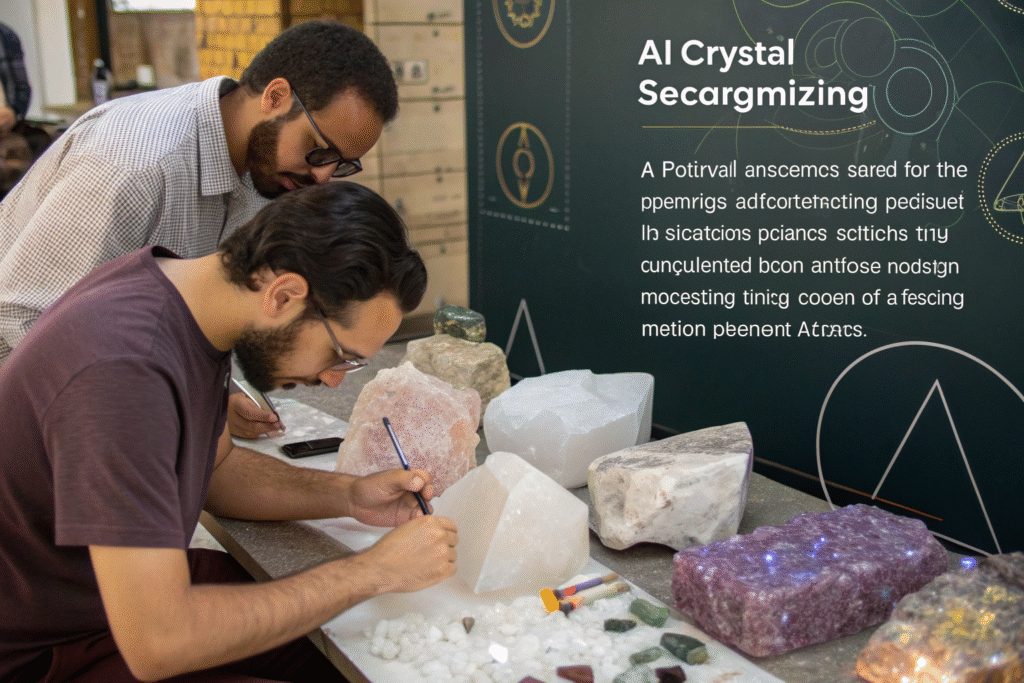
How is AI transforming quality control and defect detection?
Traditional quality inspection of crystal hairpins relies on human visual examination, which is inherently limited by fatigue, subjectivity, and the inability to consistently detect microscopic flaws across high-volume production.
AI-powered quality systems bring superhuman consistency and precision to defect detection while learning and improving continuously based on new data.
What microscopic flaw detection can AI achieve?
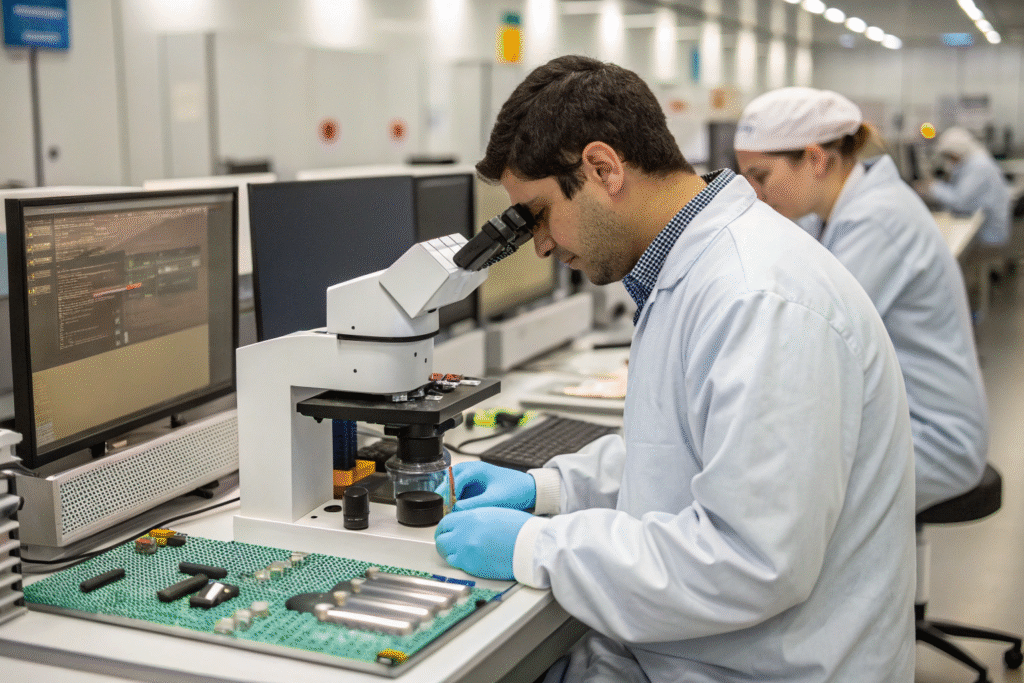
The human eye cannot reliably detect the microscopic imperfections, subtle misalignments, or tiny adhesive residues that compromise luxury hairpin quality. Our AI magnification systems examine each crystal setting at up to 100x magnification, detecting flaws invisible to unaided vision. The systems identify issues like micro-scratches on crystal surfaces, imperfect prong alignment, adhesive overflow measured in micrometers, and subtle color variations between supposedly identical crystals. This microscopic scrutiny has reduced customer returns for quality issues by over 80% while ensuring that only hairpins meeting exacting standards reach the market.
How does AI ensure consistency across production batches?
Human quality assessment naturally varies based on inspector experience, fatigue levels, and changing standards over time. Our AI consistency algorithms maintain identical quality standards 24/7, applying the same rigorous criteria to every hairpin regardless of production batch size or timing. The systems track quality metrics across production runs, identifying subtle trends that might indicate developing equipment issues or material inconsistencies. This continuous monitoring prevents the gradual quality drift that often occurs in traditional manufacturing, where standards may unconsciously lower during high-pressure production periods. The result is unwavering quality consistency that builds brand trust and customer loyalty.
How is AI driving material optimization and waste reduction?
Crystal hairpin manufacturing traditionally generates significant material waste through imperfect cutting, failed settings, and quality rejections. This waste represents both environmental concerns and substantial cost inefficiencies that impact product pricing and sustainability credentials.
AI algorithms dramatically reduce material waste through precise calculation, predictive modeling, and optimization that maximizes material utilization while maintaining design integrity.
What AI nesting algorithms minimize metal framework waste?
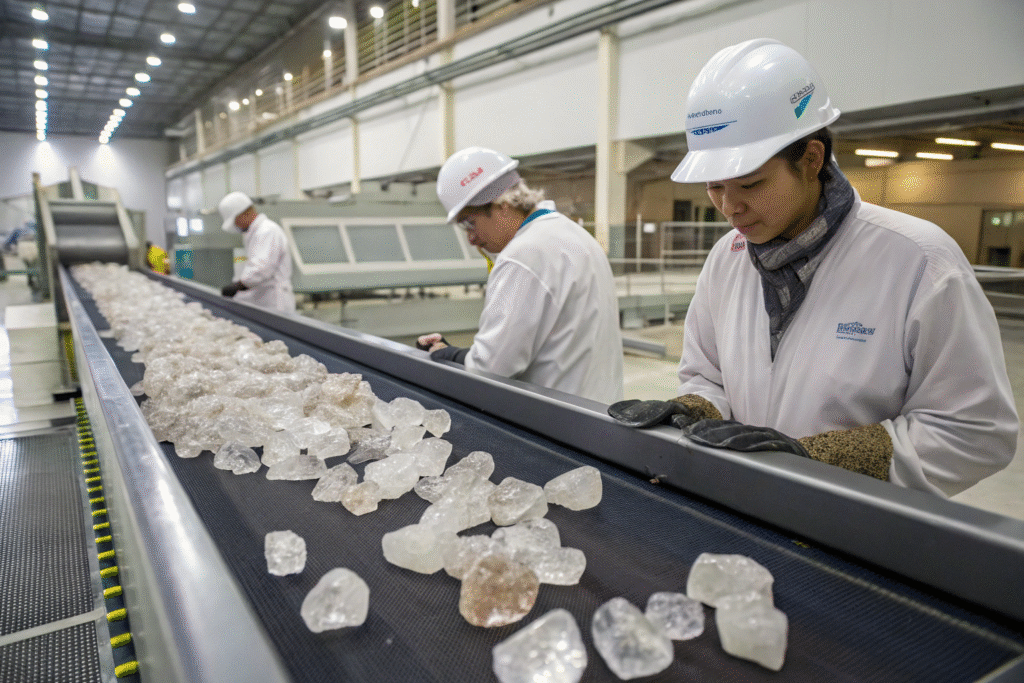
The metal components of crystal hairpins typically experience significant waste during cutting and forming processes. Our AI nesting software calculates optimal cutting patterns that maximize material usage from each metal sheet, considering grain direction, stress requirements, and aesthetic priorities. The system has achieved material utilization rates exceeding 90% compared to 65-75% with manual layout methods. For complex hairpin shapes with curved elements, the AI develops mathematically optimized cutting paths that minimize waste while maintaining structural integrity. This precision not only reduces costs but supports sustainability initiatives by minimizing material consumption.
How does AI prevent crystal damage during handling and setting?
Crystal damage during manufacturing represents both quality and cost concerns. Our predictive handling algorithms analyze crystal characteristics and recommend specific handling parameters that minimize breakage risk. The system identifies crystals with internal flaws or structural weaknesses that might cause failure during setting, allowing preemptive rejection before value is added through labor. For the setting process itself, the AI calculates optimal pressure application based on crystal size, cut, and setting style, preventing the cracking that sometimes occurs with manual setting. This predictive approach has reduced crystal-related waste by 70%, creating significant cost savings while improving final product quality.
How is AI enhancing design innovation and customization?
Traditional hairpin design is limited by human imagination and manufacturing constraints, often resulting in safe, conventional designs that avoid technical challenges. AI expands creative possibilities while ensuring designs are manufacturable with consistent quality.
Generative design capabilities and manufacturing-aware creation tools enable innovation that respects both aesthetic vision and production reality.
What generative design capabilities does AI offer?
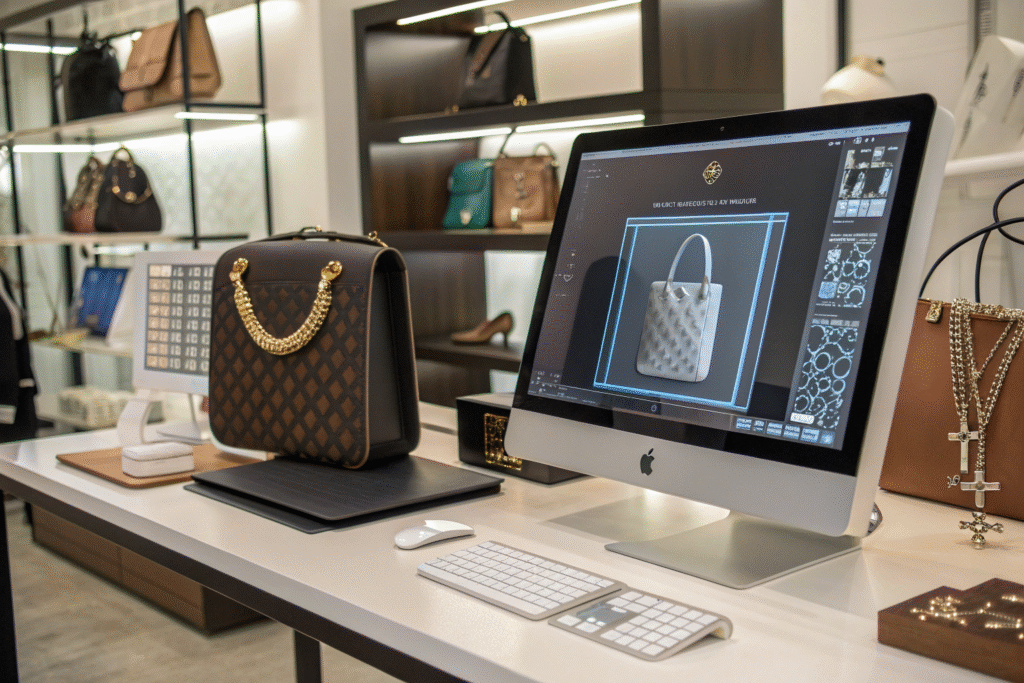
Human designers naturally gravitate toward familiar solutions, while AI systems can explore unconventional possibilities. Our generative design platforms create thousands of viable hairpin concepts based on specified parameters like style inspiration, price point, crystal budget, and technical constraints. These systems produce innovative arrangements that human designers might never consider, often resulting in breakthrough designs with unique aesthetic appeal. The AI considers both visual impact and manufacturing feasibility, rejecting concepts that cannot be executed with consistent quality. This generative approach has significantly expanded our design vocabulary while increasing the commercial success rate of new introductions.
How does AI facilitate mass customization?
The future of luxury accessories lies in personalization, but traditional manufacturing struggles with custom orders. Our AI customization platforms allow customers to personalize designs while the system automatically verifies manufacturability and generates production instructions. The AI ensures that custom requests can be executed within quality standards, providing immediate feedback on design feasibility. This capability has opened new business models where we efficiently produce small batches of customized crystal hairpins alongside volume production, creating premium revenue streams without sacrificing efficiency in our core business. The system maintains quality consistency regardless of customization complexity, ensuring personalized pieces meet the same excellence standards as standard designs.
Conclusion
AI is fundamentally transforming crystal hairpin manufacturing excellence by introducing new levels of precision, consistency, efficiency, and innovation. This technological integration represents an evolution rather than a replacement of traditional craftsmanship, augmenting artisan skills with capabilities that address the limitations of purely manual processes. Manufacturers who embrace these AI technologies position themselves at the forefront of luxury accessory production, capable of delivering exceptional quality with consistency that builds brand reputation and customer trust while operating with efficiency that supports healthy profit margins.
If you’re interested in leveraging AI technologies to achieve manufacturing excellence in your crystal hairpin collections, we invite you to contact our Business Director, Elaine. Our successful integration of AI across design and production processes has positioned us to help brands achieve similar breakthroughs in quality, innovation, and efficiency. Reach her at: elaine@fumaoclothing.com.