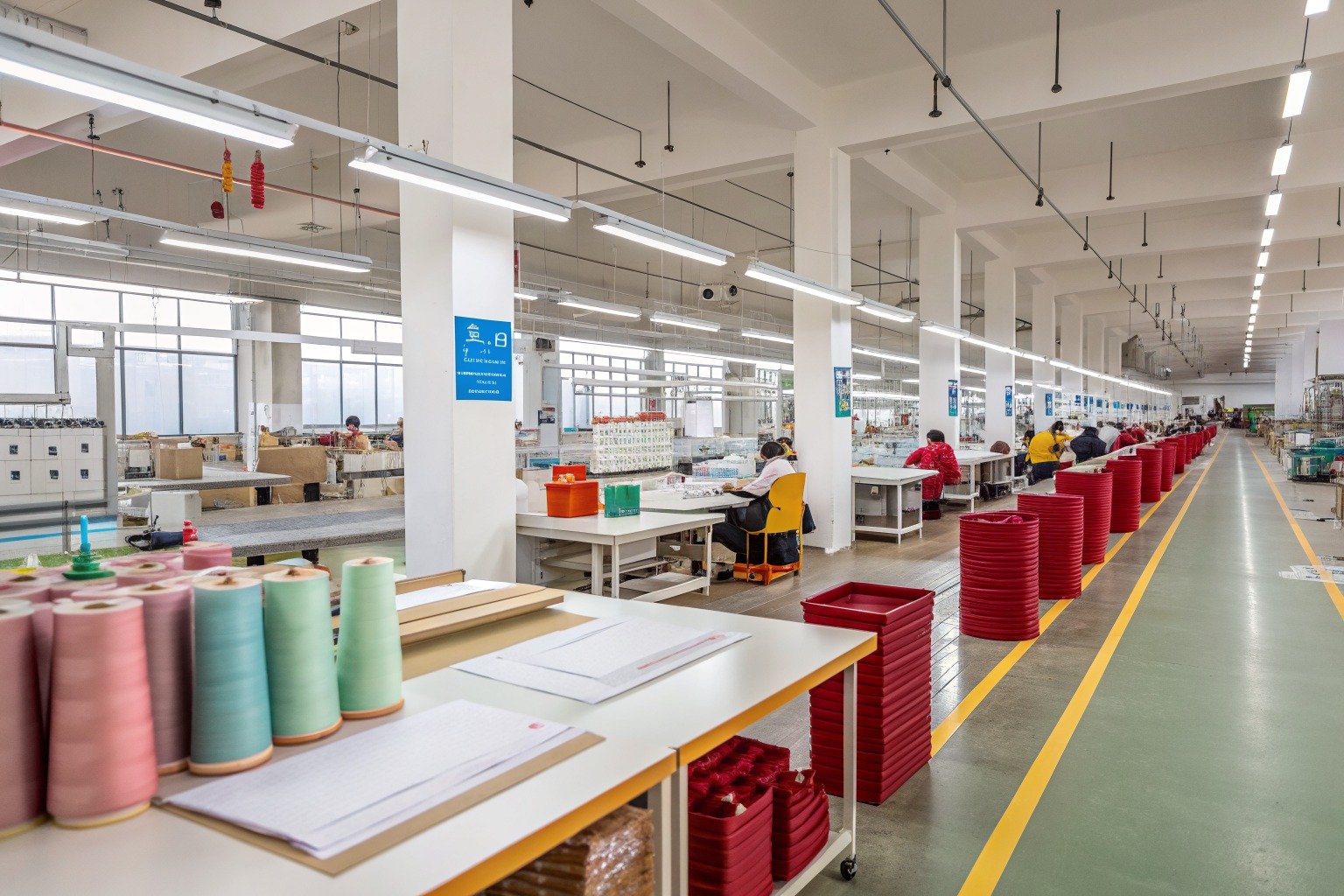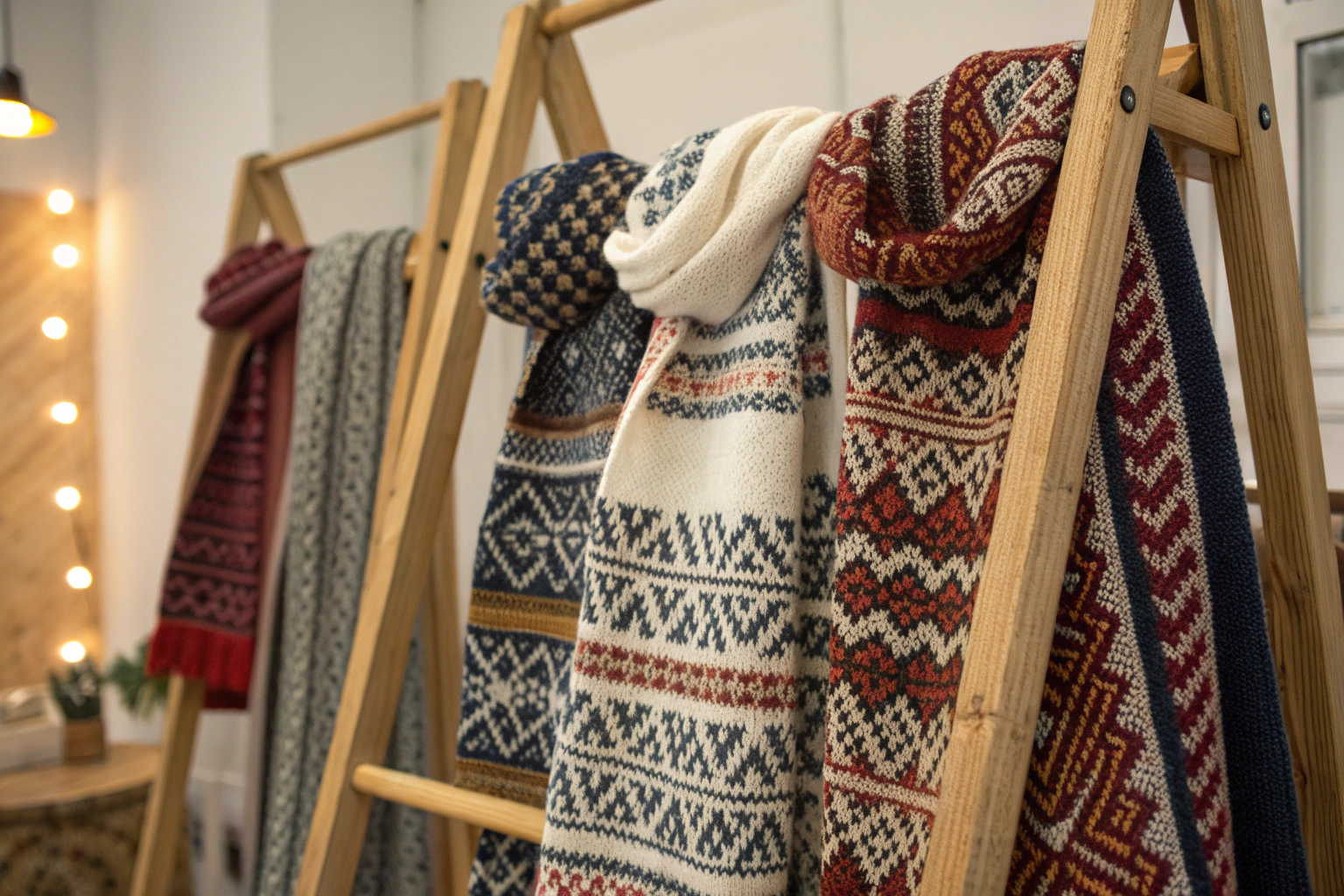
Knitted scarves represent one of the most popular accessory categories, yet maintaining perfect pattern consistency presents significant challenges for manufacturers. Variations in stitch definition, tension consistency, and pattern alignment can undermine the luxury appearance of even the most beautiful designs. Through systematic improvements across our scarf knitting operations, we’ve developed proven methods for achieving remarkable pattern consistency that elevates product quality and brand perception.
Improving knitting pattern consistency for scarves requires addressing yarn management, machine calibration, operator training, and quality systems in an integrated approach that transforms pattern execution from variable to precise.This systematic method ensures that every scarf, regardless of production timing or location, reproduces patterns with exacting consistency.
Pattern consistency isn’t just about aesthetics—it’s about delivering the reliable quality that builds brand loyalty. Let’s examine the specific strategies that can transform your scarf knitting consistency.
How does yarn management impact pattern consistency?
Yarn variation represents one of the most significant yet often overlooked factors in pattern consistency. Even subtle differences in yarn characteristics can dramatically affect how stitches form and patterns emerge in finished scarves.
Comprehensive yarn management addresses both material properties and handling methods to create the stable foundation required for consistent pattern execution.
What yarn conditioning processes improve consistency?
Yarn behaves differently based on its moisture content, twist memory, and tension history. We’ve implemented controlled conditioning systems that bring all yarn to optimal moisture content (typically 8-12% for wool blends) before knitting. This prevents the dimensional changes that occur when yarn absorbs or releases moisture during and after knitting. For synthetic blends, we use electrostatic treatment that reduces fly and improves stitch formation. All yarn undergoes tension equalization through precision winding that removes variations introduced during earlier processing. This conditioning process has reduced pattern distortions by 40% by ensuring yarn behaves predictably throughout knitting operations.
How does lot management prevent subtle variations?
Even yarn from the same supplier can vary between production lots in ways that affect pattern appearance. We’ve established strict lot segregation protocols that prevent mixing different yarn batches within the same scarf production run. Our system includes digital lot tracking that records which specific yarn lot was used for each scarf, enabling precise matching for repeat orders or production expansion. For critical pattern elements like cables or colorwork, we conduct knitting tests with each new yarn lot to identify any necessary machine setting adjustments before full production begins. This proactive approach has eliminated the subtle pattern variations that previously occurred when transitioning between yarn batches.
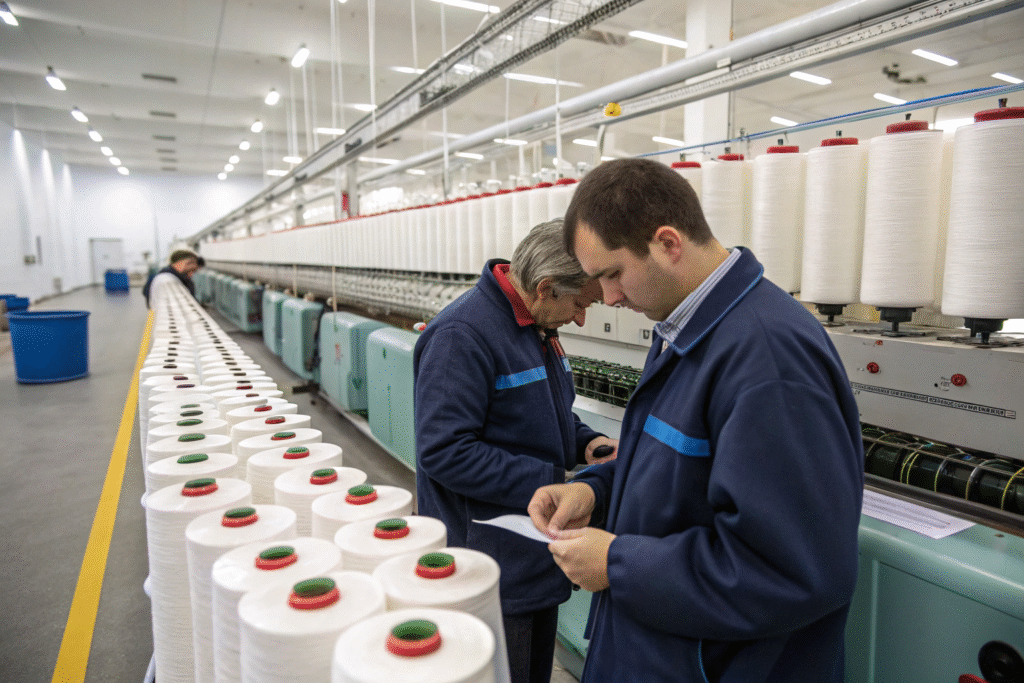
What machine calibration ensures pattern precision?
Knitting machines, no matter how advanced, require precise calibration to reproduce patterns consistently. Mechanical wear, environmental factors, and subtle setting drifts can all compromise pattern integrity over time.
Systematic machine management combines precision calibration, continuous monitoring, and preventive maintenance to maintain optimal pattern execution conditions.
How does electronic needle selection improve accuracy?
Traditional mechanical needle selection introduces variations that affect complex patterns. We’ve upgraded to fully electronic needle control systems that position each needle with digital precision, eliminating the mechanical play that causes pattern inconsistencies. These systems maintain needle position verification that confirms each needle is correctly positioned before stitch formation. For pattern elements requiring precise needle timing, such as lace openings or cable crosses, the systems provide synchronized needle movement that ensures perfect execution across the entire needle bed. This electronic precision has improved our pattern registration accuracy by 70%, particularly for intricate designs with small repeat elements.
What tension control systems maintain stitch uniformity?
Consistent stitch size forms the foundation of pattern consistency. Our knitting machines feature digital tension control systems that maintain exact yarn feed tension regardless of knitting speed or pattern complexity. The systems include real-time tension monitoring that detects variations as small as 0.1 grams, triggering immediate correction before stitch size is affected. For scarves with multiple yarn types or colors, we’ve implemented individual tension control for each yarn feeder, ensuring consistent stitch appearance regardless of yarn characteristics. This comprehensive tension management has virtually eliminated the row-to-row stitch size variations that previously compromised pattern clarity in finished scarves.

How can operator training enhance pattern consistency?
Even with perfect materials and equipment, human factors significantly impact pattern consistency. Operator skill, attention to detail, and understanding of pattern requirements all influence final product quality.
Comprehensive training programs develop the specific skills needed to maintain pattern consistency while empowering operators to identify and address issues proactively.
What pattern recognition training improves quality awareness?
Operators cannot maintain consistency if they cannot recognize subtle pattern variations. We’ve developed pattern recognition training using visual aids that highlight common consistency issues specific to different pattern types. Trainees learn to identify tension variations that affect stitch definition, misalignments in color patterns, and inconsistencies in complex stitch structures. The training includes magnified comparison exercises that develop sensitivity to variations invisible at normal viewing distances. This enhanced pattern awareness has improved our operators’ ability to detect developing consistency issues early, when corrections are simplest and least costly.
How does standardized operation protocol maintain consistency?
Different operators naturally develop individual approaches that can introduce subtle variations. We’ve created detailed standard operating procedures for each scarf pattern that specify exact machine settings, quality check frequencies, and adjustment protocols. The procedures include visual reference standards showing correct pattern execution from multiple angles and lighting conditions. Operators follow checklist-based quality verification at specified intervals, documenting measurements and observations that provide data for continuous improvement. This standardized approach has reduced operator-dependent variations by 85% while ensuring consistent results across shifts and team members.

What quality systems verify pattern consistency?
Even with excellent processes, systematic verification ensures pattern consistency meets standards. Multi-layered quality systems catch variations that escape notice during production while providing data for continuous improvement.
Integrated quality management transforms pattern consistency from an aspiration to a measurable, controllable manufacturing characteristic.
How does computer vision inspection detect subtle variations?
Human inspection inevitably misses subtle pattern inconsistencies, particularly during high-volume production. We’ve implemented automated vision inspection systems that scan every scarf with multiple cameras, comparing pattern execution against digital masters. The systems detect variations in stitch size as small as 5%, pattern misalignments of less than 1mm, and color placement errors invisible to the naked eye. For texture patterns like cables or bobbles, 3D profiling verifies dimensional consistency across the entire scarf. This automated inspection has improved our consistency detection rate by 90% while providing objective data that eliminates inspection subjectivity.
What statistical process control maintains long-term consistency?
Consistency requires not just detecting variations but understanding and controlling their causes. We’ve implemented statistical process control that tracks key consistency metrics across production runs. Control charts monitor parameters like stitch density, pattern repeat length, and color alignment, triggering investigation when trends approach control limits. The system correlates process data with quality findings, identifying relationships between machine settings, environmental conditions, and pattern consistency. This data-driven approach has enabled us to reduce common cause variation by 60% while providing early warning of developing issues before they affect product quality.

Conclusion
Improving knitting pattern consistency for scarves requires an integrated approach addressing materials, machinery, human factors, and verification systems. The most successful consistency programs recognize that pattern perfection emerges from the interaction of all manufacturing elements rather than from any single solution. Companies that systematically implement these methods achieve the reliable quality that justifies premium positioning and builds enduring customer relationships in the competitive accessories market.
If you’re looking to significantly improve pattern consistency in your knitted scarf collections, we invite you to contact our Business Director, Elaine. Our comprehensive approach to consistency management has helped numerous brands achieve the reliable pattern execution that distinguishes luxury accessories. Reach her at: elaine@fumaoclothing.com.