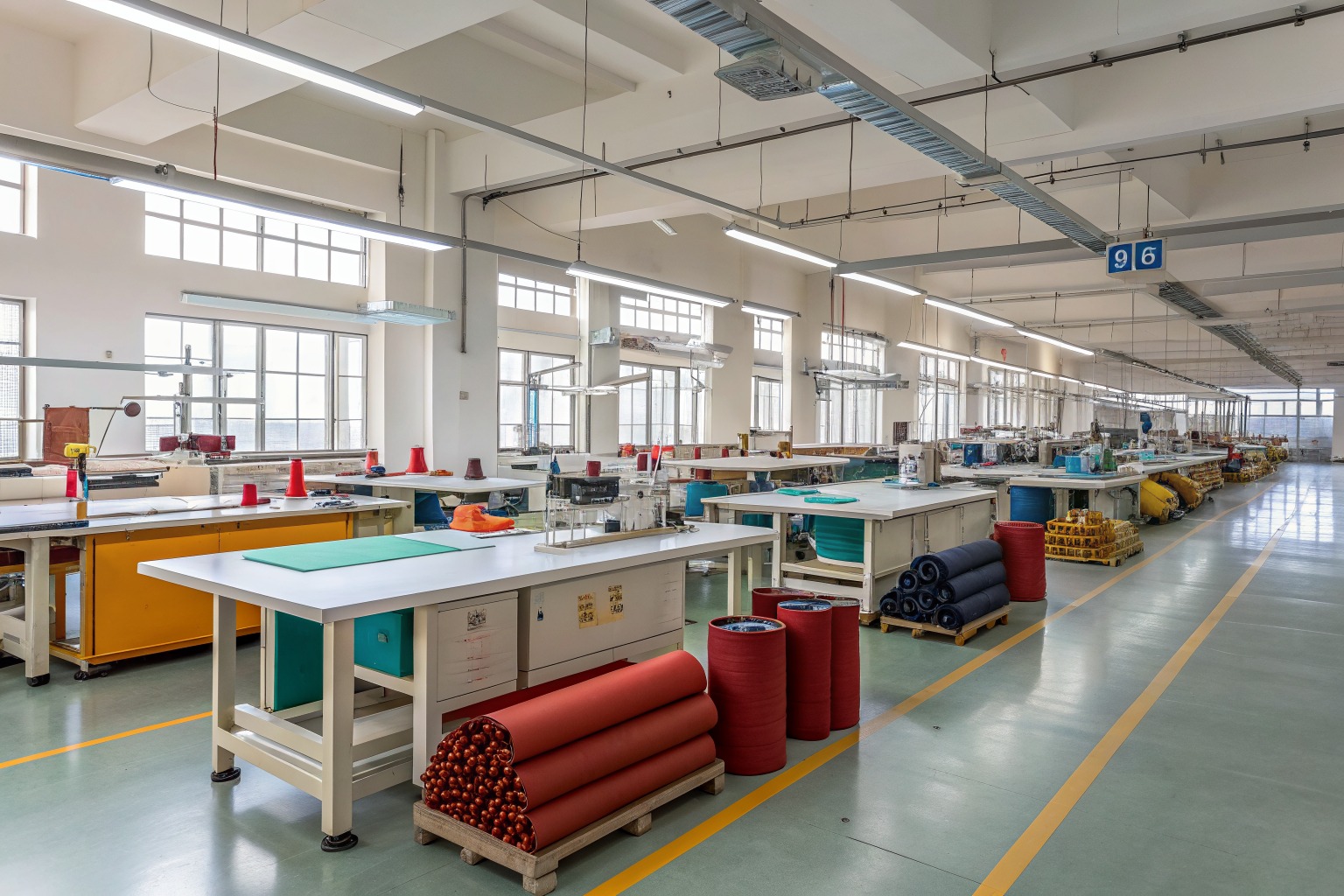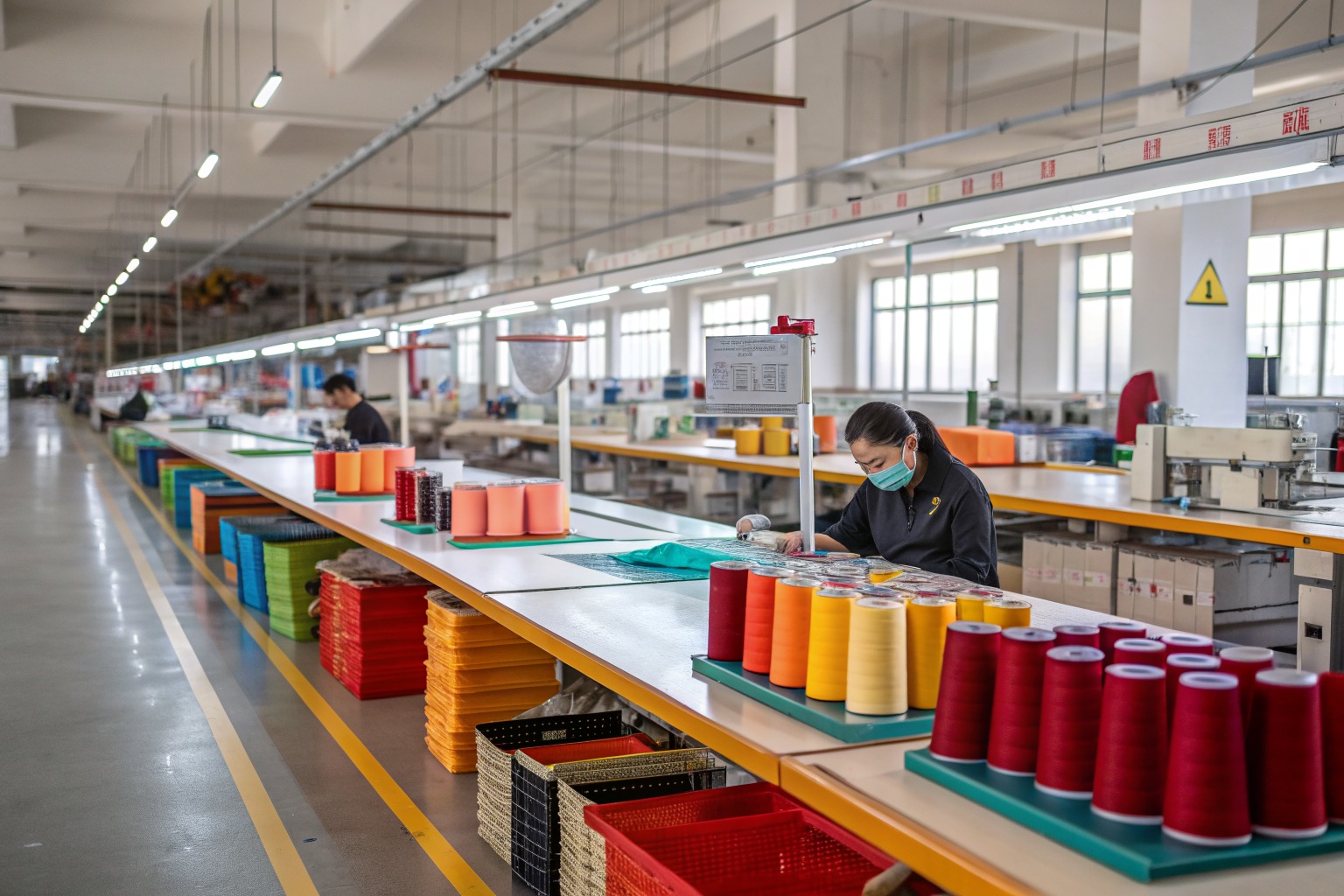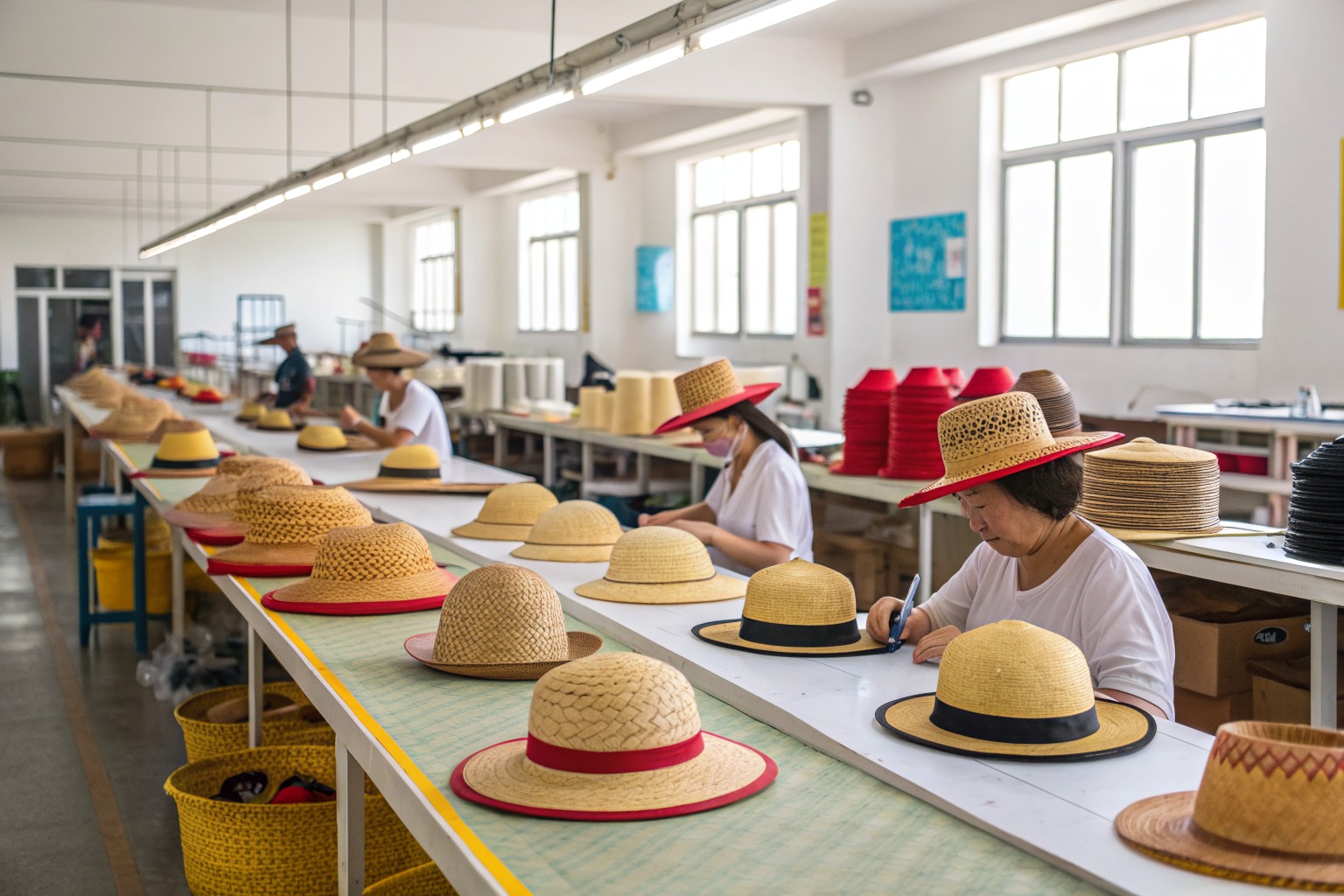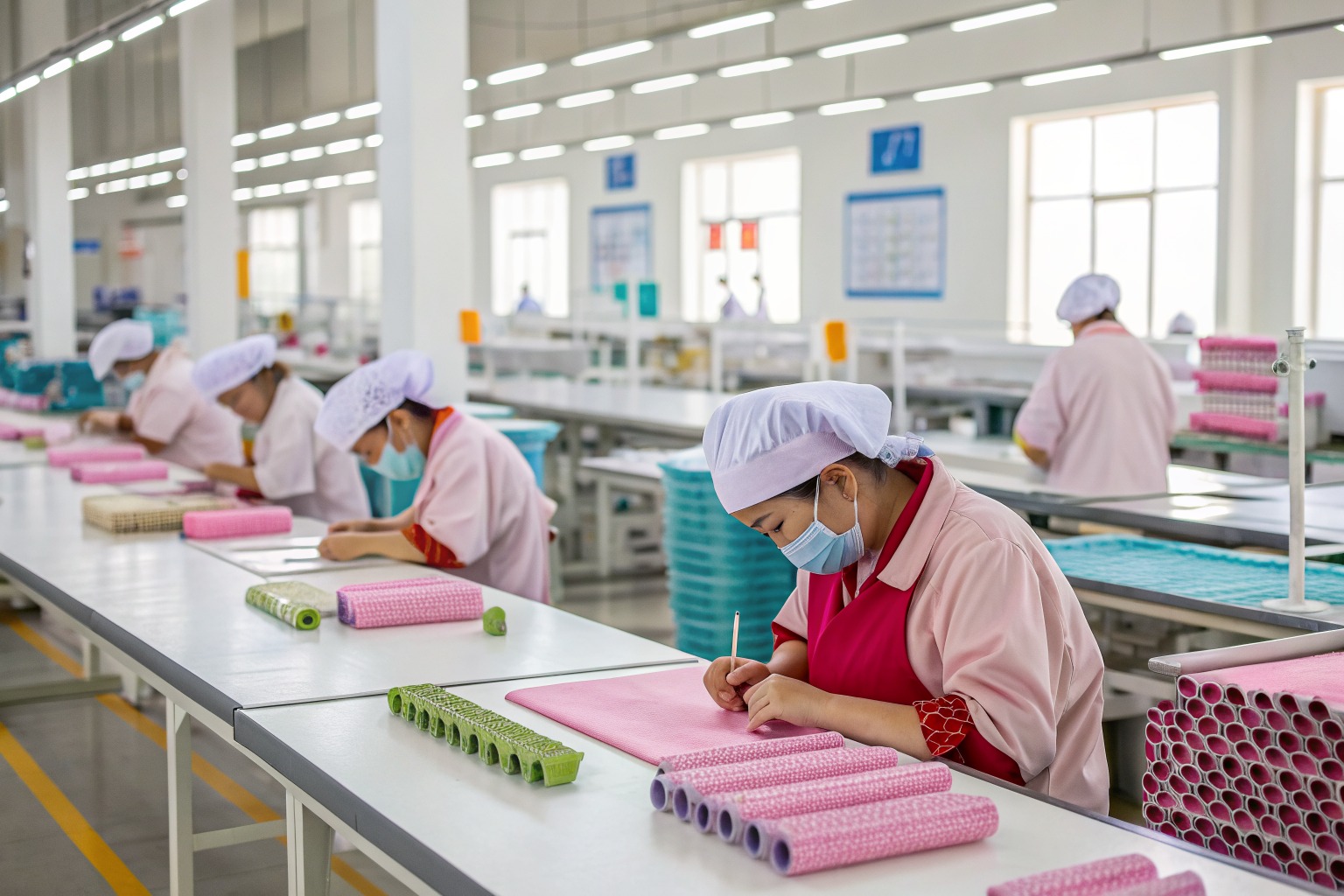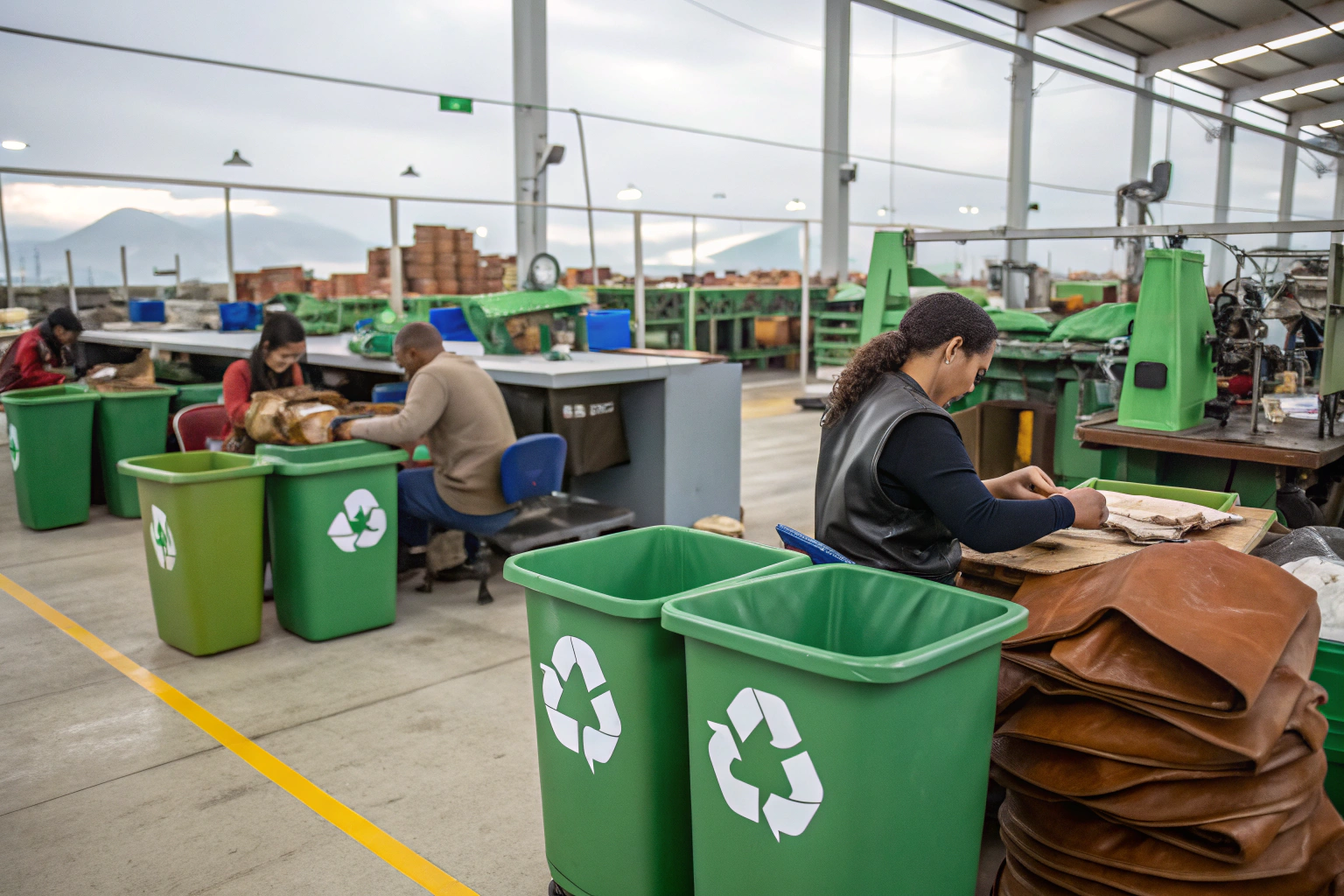
The leather industry faces increasing scrutiny regarding its environmental impact and ethical practices. Simultaneously, consumer demand for sustainable products has reached unprecedented levels, creating both challenges and opportunities for leather manufacturers. Through our partnerships with tanneries and material suppliers, we’ve witnessed a significant transformation in how leather factories are approaching sustainability in accessory production.
Leather factories are supporting sustainable accessory production because consumer demand for eco-friendly products has become commercially significant, environmental regulations are tightening globally, and sustainable practices often improve efficiency and reduce long-term costs.This strategic shift represents both an ethical evolution and a business necessity in the contemporary fashion landscape.
The move toward sustainability is reshaping traditional leather manufacturing from the ground up. Let’s examine the specific drivers and methods behind this industry transformation.
How is consumer demand driving sustainable practices?
Consumer preferences have dramatically shifted toward environmentally responsible products, making sustainability a competitive advantage rather than a niche concern. Leather factories recognize that meeting these expectations is essential for maintaining market relevance and premium positioning.
Today’s consumers, particularly younger demographics, increasingly make purchasing decisions based on environmental impact, ethical production methods, and product longevity—factors that directly influence leather accessory manufacturing approaches.
What evidence shows changing consumer preferences?
Market research consistently demonstrates the growing commercial importance of sustainability. Recent studies indicate that over 65% of consumers actively seek sustainable products, with nearly 40% willing to pay premium prices for verified eco-friendly options. Our own sales data reveals that accessories marketed with legitimate sustainability credentials achieve 20-30% higher sell-through rates than conventional equivalents. Leather factories track these metrics through sustainable product performance analysis that compares conventional and eco-friendly lines across price points and markets. This data-driven approach confirms that sustainability has transitioned from marketing narrative to business imperative, directly influencing factory production decisions and resource allocation.
How does transparency build consumer trust?
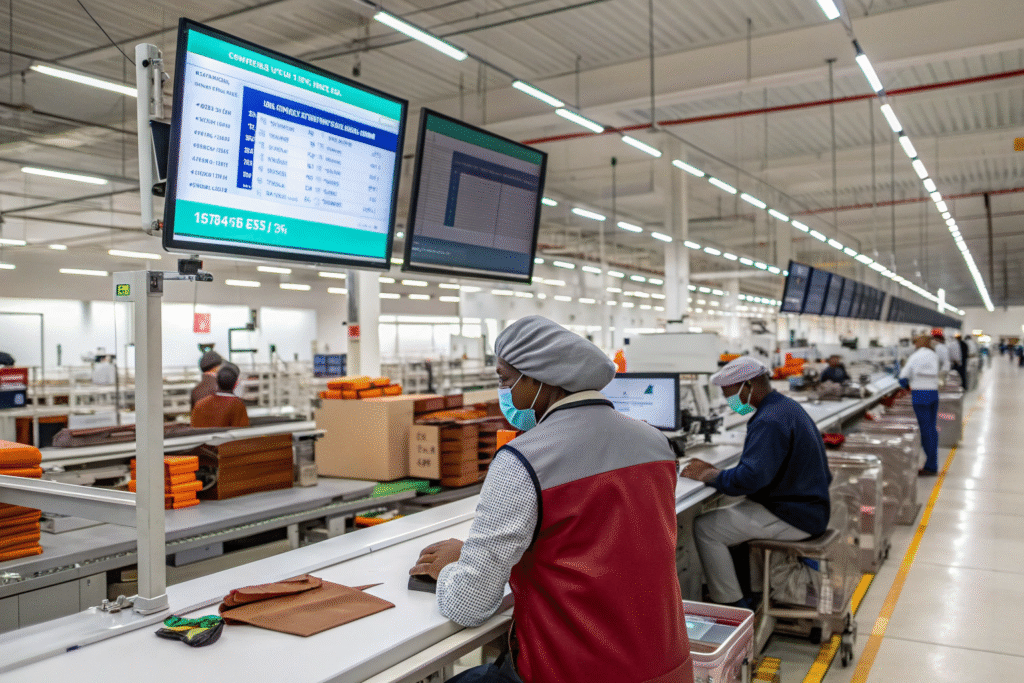
Modern consumers increasingly demand visibility into supply chains and production methods. Leather factories are responding by implementing comprehensive traceability systems that track materials from raw hides through finished accessories. This includes blockchain verification for luxury items, certification documentation at each production stage, and open factory initiatives that allow brand partners to verify sustainable practices firsthand. The factories we partner with provide detailed environmental impact reports for specific accessory collections, quantifying water savings, carbon reduction, and chemical management improvements. This transparency not only satisfies consumer curiosity but builds the trust necessary to justify premium pricing for sustainably produced leather goods.
What environmental benefits do sustainable practices create?
Beyond commercial considerations, leather factories recognize their environmental responsibilities and the tangible ecological benefits of implementing sustainable practices. These improvements often create operational efficiencies while reducing environmental impact.
Sustainable leather production addresses key environmental concerns including water usage, chemical management, energy consumption, and waste reduction through systematic process innovations.
How does water management reduce environmental impact?
Traditional leather tanning is notoriously water-intensive, but sustainable factories have made remarkable progress. Our partner tanneries have implemented closed-loop water systems that recycle up to 60% of process water, significantly reducing freshwater consumption and wastewater discharge. Advanced facilities use waterless tanning technologies for certain leather types, eliminating water usage entirely in specific processes. Additionally, rainwater harvesting systems supplement industrial water needs, further reducing strain on local water resources. These water management innovations not only benefit the environment but also reduce factory operating costs, creating both ecological and economic advantages that support their adoption.
What waste reduction methods are factories implementing?
Leather manufacturing traditionally generates significant waste, but sustainable approaches are transforming this challenge into opportunity. Factories now employ precision cutting technologies that optimize hide utilization, reducing material waste by 15-25%. Leather scraps that were previously discarded are now repurposed through upcycling initiatives that create smaller accessories, composite materials, or energy generation. The most advanced facilities achieve near-zero waste status by finding applications for virtually all byproducts. Our manufacturing partners have developed circular economy models where leather waste from larger items becomes raw material for hair accessories, keychains, and other small goods, maximizing resource efficiency throughout the production ecosystem.
How do regulations influence sustainable transitions?
Government regulations and industry standards are increasingly mandating environmentally responsible practices, creating compliance requirements that accelerate sustainability initiatives. Forward-thinking factories are exceeding these requirements to position themselves as industry leaders.
Global regulatory frameworks, certification standards, and industry initiatives are establishing baseline sustainability requirements that leather manufacturers must meet to access key markets and maintain licensing agreements.
What international standards are factories adopting?
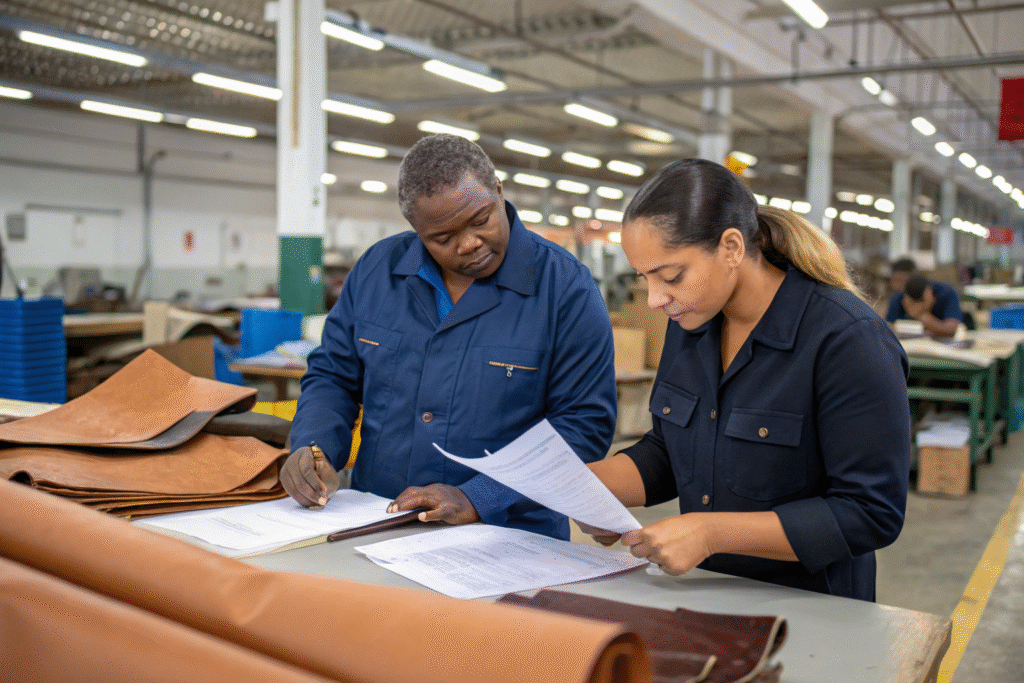
Leather factories are increasingly pursuing third-party certifications that verify their sustainable practices. The Leather Working Group (LWG) certification has become particularly influential, with major brands requiring suppliers to achieve minimum LWG ratings. Our partner factories maintain LWG Gold or Silver ratings through comprehensive environmental management systems that address energy efficiency, water conservation, and chemical management. Additionally, factories are obtaining ISO 14001 certifications for environmental management and OEKO-TEX STANDARD 100 certifications ensuring leathers are free from harmful substances. These certifications require rigorous auditing and continuous improvement, driving factories to systematically enhance their sustainability performance year over year.
How are environmental regulations shaping production methods?
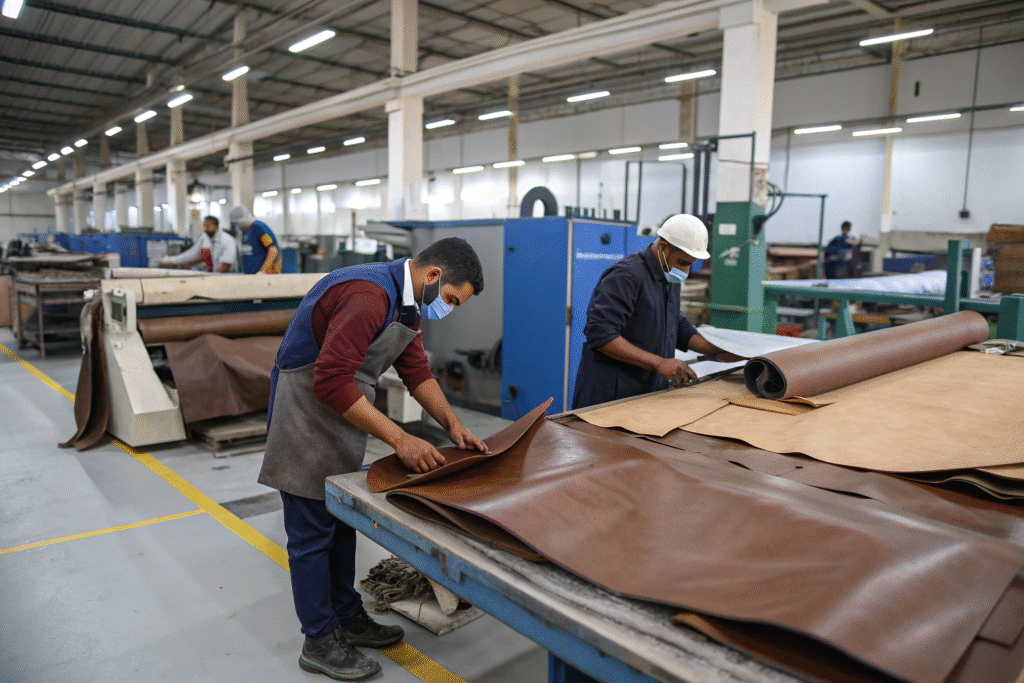
Government regulations are increasingly dictating specific environmental requirements for leather production. The EU’s REACH regulation restricts hazardous substances in leather goods, forcing factories to reformulate tanning processes and chemical treatments. Water discharge standards in manufacturing regions require advanced wastewater treatment systems that remove pollutants before release. Additionally, carbon emission regulations in key markets are driving energy efficiency improvements and transition to renewable energy sources. Rather than resisting these regulations, progressive factories are embracing them as opportunities to innovate, often discovering that compliance leads to process improvements that reduce costs while enhancing environmental performance.
What economic advantages does sustainability offer?
Beyond ethical and regulatory considerations, sustainable practices often deliver compelling economic benefits that support business viability. These financial advantages make environmental responsibility commercially sustainable rather than merely a cost center.
Strategic sustainability investments frequently yield returns through efficiency gains, waste reduction, premium pricing potential, and risk mitigation that collectively enhance profitability and business resilience.
How does sustainability improve operational efficiency?
Many sustainable practices directly reduce production costs through resource efficiency. Our partner factories report that energy efficiency measures typically reduce power consumption by 15-30%, delivering rapid return on investment. Water recycling systems significantly lower both water procurement and wastewater treatment costs. Waste reduction initiatives decrease disposal fees while creating value from byproducts. Additionally, process optimization for sustainability often identifies general inefficiencies that once addressed, improve overall productivity. These operational benefits mean that sustainability investments frequently pay for themselves within predictable timeframes, making them financially rational beyond their environmental merits.
What market opportunities does sustainability create?
Sustainable production opens valuable market segments and premium positioning opportunities. Leather factories supporting sustainable accessory production gain access to eco-conscious brand partners who prioritize environmental credentials in their sourcing decisions. They can command price premiums of 20-40% for verified sustainable leathers compared to conventional equivalents. Additionally, they benefit from preferred supplier status with major retailers who are increasingly establishing sustainability requirements for their vendors. Perhaps most importantly, sustainable factories future-proof their businesses against evolving regulations and consumer expectations, ensuring long-term viability in a market that increasingly rewards environmental responsibility.
Conclusion
Leather factories are supporting sustainable accessory production because it aligns with evolving consumer expectations, regulatory requirements, environmental responsibilities, and economic opportunities. This multi-faceted motivation ensures the sustainability transition is both profound and permanent, reshaping how leather accessories are conceived, produced, and marketed. Factories that embrace this transformation position themselves as industry leaders with compelling stories to tell brand partners and consumers, while those resisting risk irrelevance in an increasingly sustainability-focused marketplace.
If you’re looking to develop leather accessories with verified sustainable credentials, we invite you to contact our Business Director, Elaine. Our partnerships with leading sustainable tanneries and factories ensure your products meet the highest environmental standards while delivering the quality and aesthetics your customers expect. Reach her at: elaine@fumaoclothing.com.